Do you love yummy vegetables? Would you like to grow them yourself? Container vegetable gardening for beginners is super fun. It is also very easy to do. You can grow food in small spaces. Think of a balcony or patio. Imagine eating fresh tomatoes you grew!
Growing vegetables in containers is awesome. It lets anyone garden, anywhere. Even if you don’t have a big yard, you can still grow. Let’s learn how to start your own container garden. It will be a tasty adventure!
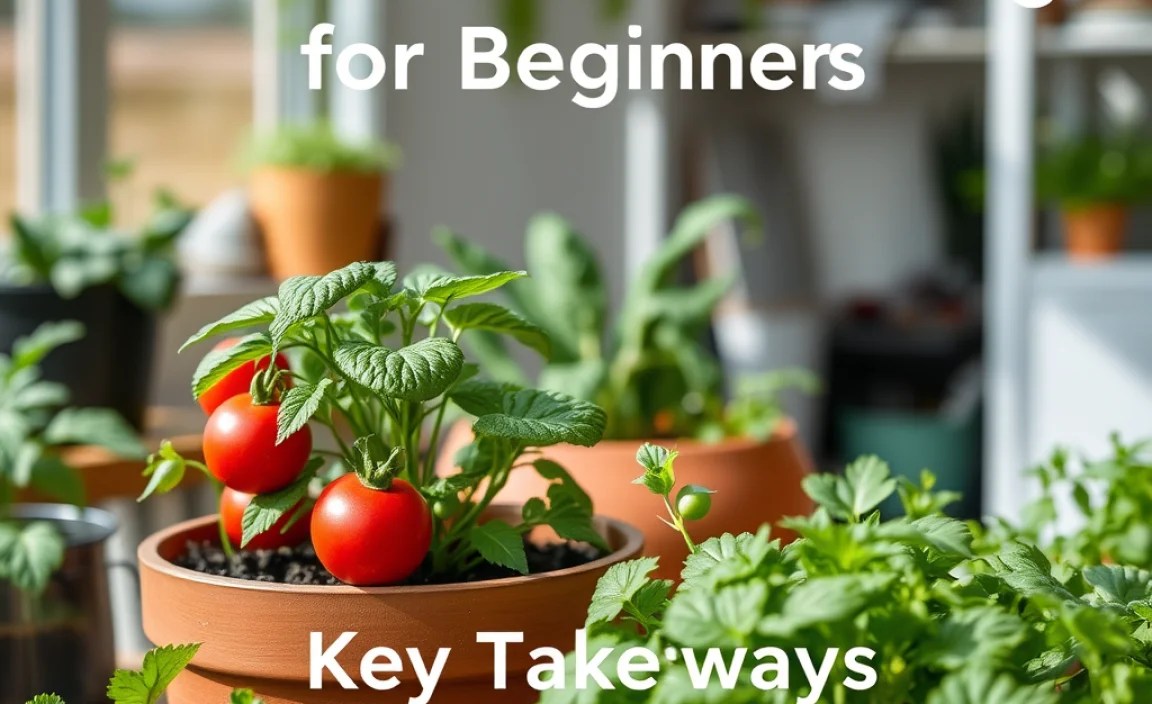
Key Takeaways
- Container vegetable gardening for beginners lets you grow food in small spaces.
- Choose the right size containers with good drainage for healthy plants.
- Water your container vegetables regularly, especially when it is hot.
- Pick vegetables that are easy to grow in containers, like tomatoes or peppers.
- Use good soil and give your plants enough sunlight for the best results.
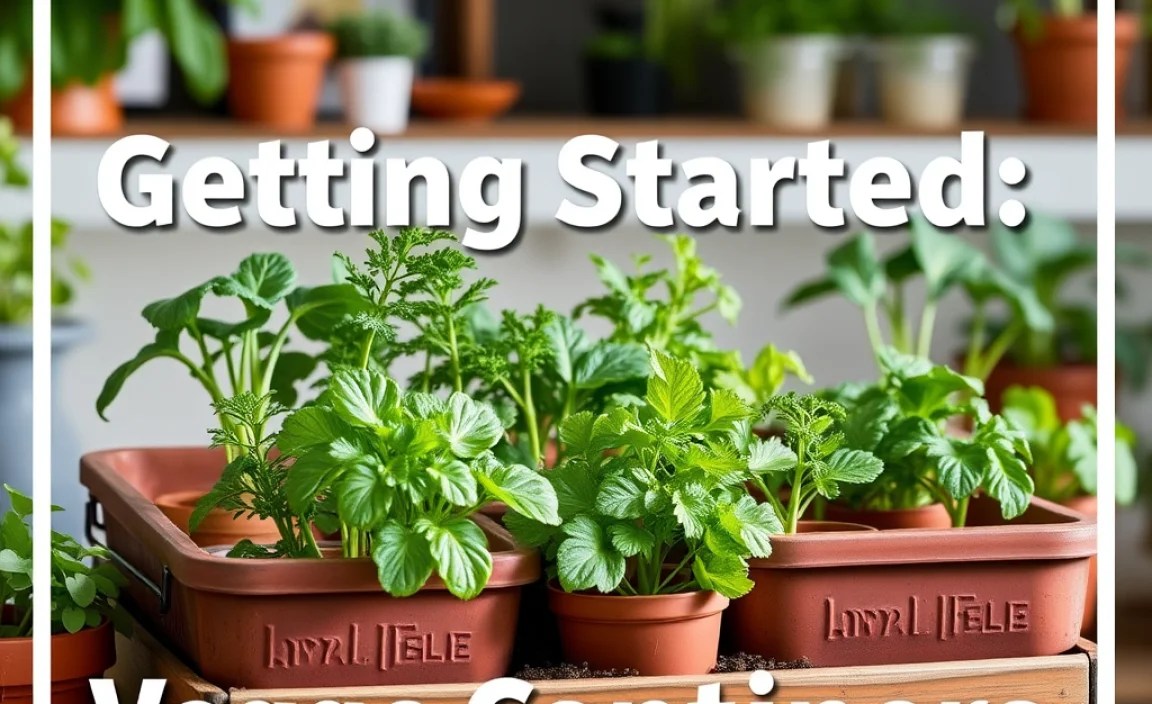
Getting Started: Veggie Containers for Beginners
Container vegetable gardening for beginners is easier than you think. The first step is picking the right container. Your container needs holes in the bottom. These holes let extra water drain out. Without drainage, your plants can get sick. The size of the container matters too. Big plants like tomatoes need big pots. Smaller plants like lettuce can grow in smaller pots. You can use plastic pots, clay pots, or even old buckets. Just make sure they are clean. You also want to think about where you will put your containers. Some spots get more sun than others. Most vegetables need at least six hours of sun each day. So, choose a sunny spot for your container garden. Think about how easy it is to get water to your plants. You do not want to drag a heavy hose too far.
- Pick containers with drainage holes.
- Use big pots for big plants.
- Clean your containers before planting.
- Find a sunny spot for your garden.
- Make sure water is easy to get to.
Choosing the right container is like picking a good home for your plants. Imagine you are moving into a new house. You would want it to be the right size. You would want it to have all the things you need. Plants are the same way. They need a container that fits their roots. They need drainage so they don’t get too wet. You can even decorate your containers to make them look nice. Painting them bright colors can make your garden more fun. Just remember, the most important thing is that your plants are happy and healthy. If they are, you will have lots of yummy vegetables to eat!
Fun Fact or Stat: Did you know that you can recycle old tires into planters? Just make sure to drill drainage holes!
What Container Size Is Best?
Choosing the right size container is very important for container vegetable gardening for beginners. If the container is too small, the plant’s roots will not have enough room to grow. This can make the plant weak and not produce many vegetables. A good rule of thumb is to check the plant’s label. The label will usually tell you how big the plant will get. It might also suggest a container size. For example, tomatoes and peppers need at least a 5-gallon container. Smaller plants like herbs or lettuce can do well in 1-gallon containers. You also want to think about the plant’s roots. Some plants have deep roots, while others have shallow roots. Make sure the container is deep enough for the roots to grow down. If you are not sure, it is always better to go bigger. A bigger container will give the plant more room to grow and more soil to get nutrients from.
Plastic, Clay, or Other Materials?
When starting container vegetable gardening for beginners, you have lots of choices for what to use. Plastic pots are cheap and light. They hold water well, so you do not need to water as often. Clay pots look nice, but they are heavier. Clay pots also dry out faster than plastic pots. This means you need to water more often. You can also use other materials like old buckets or tubs. Just make sure they are clean and have drainage holes. Some people even use grow bags. Grow bags are made of fabric and let the roots breathe. This can help the plants grow better. No matter what material you choose, make sure it is safe for growing food. Avoid using containers that have been used for chemicals.
Drainage Is Key!
Why is drainage so important in container vegetable gardening for beginners? Imagine you are taking a bath. You need to be able to drain the water when you are done. Plants are the same way. They need to be able to drain extra water from their roots. If the roots sit in water for too long, they can rot. Root rot can kill your plants. That is why it is so important to have drainage holes in your containers. The holes let extra water escape. You can also add a layer of gravel or rocks to the bottom of the container. This will help the water drain even better. Make sure the drainage holes do not get blocked by soil. You can put a piece of screen over the holes to keep the soil in.

Best Soil for Your Container Garden
The right soil is like giving your plants a yummy meal. Container vegetable gardening for beginners needs good soil. You can’t just use dirt from your backyard. Garden soil is often too heavy. It does not drain well in containers. The best soil for containers is called potting mix. Potting mix is light and fluffy. It helps the roots get air. It also holds water well. You can buy potting mix at most garden stores. Look for a mix that is made for vegetables. Some potting mixes have fertilizer already added. This can help your plants get off to a good start. You can also add your own fertilizer later. When you fill your containers with soil, don’t pack it down too much. Leave some space for the roots to grow. Water the soil well after planting.
- Use potting mix, not garden soil.
- Choose a potting mix for vegetables.
- Don’t pack the soil too tightly.
- Water the soil after planting.
- Add fertilizer for extra nutrients.
Think of soil as the kitchen for your plants. They get all their food from the soil. Good soil has lots of nutrients. Nutrients are like vitamins for plants. They help them grow big and strong. If the soil is not good, the plants will not be healthy. They might not grow many vegetables. That is why it is worth spending a little extra money on good potting mix. It will make a big difference in how well your plants grow. You can also add things to the soil to make it even better. Compost is a great addition. It is made from broken-down food scraps and yard waste. Compost adds lots of nutrients to the soil.
Fun Fact or Stat: Worm castings (worm poop) are an amazing natural fertilizer for your plants!
Why Not Use Garden Soil?
Starting container vegetable gardening for beginners means learning what not to do. Garden soil seems like a good choice, but it’s not. Garden soil is usually very heavy. It can compact in containers. This means the roots cannot get enough air. Also, garden soil may have pests or diseases. These can harm your plants. Potting mix is made to be light and airy. It drains well and does not compact. It is also free of pests and diseases. So, even though it might seem cheaper to use garden soil, it is not worth it. You will have much better results with potting mix.
What Is Potting Mix Made Of?
Have you ever wondered what is in potting mix for container vegetable gardening for beginners? Potting mix is not just dirt. It is a mix of different things. These things help the soil drain well and hold water. One common ingredient is peat moss. Peat moss is made from decayed plants. It helps the soil hold water. Another ingredient is perlite. Perlite is made from volcanic glass. It looks like little white balls. Perlite helps the soil drain well. Some potting mixes also have vermiculite. Vermiculite is a mineral that helps hold water and nutrients. The exact mix of ingredients will vary depending on the brand. But all good potting mixes will have things that help the soil drain well and hold water.
Making Your Own Potting Mix
Want to try something new with container vegetable gardening for beginners? You can even make your own potting mix. This can be a fun and cheap way to get good soil for your plants. One simple recipe is to mix equal parts of peat moss, perlite, and compost. You can also add some vermiculite if you want. Mix all the ingredients together in a large container. Make sure everything is well combined. You can store the potting mix in a plastic bag or container. Then, use it to fill your containers when you are ready to plant. Making your own potting mix lets you control what goes into your soil. You can also adjust the recipe to fit your plants’ needs.

Choosing the Right Vegetables for Containers
Not all vegetables like to grow in containers. Container vegetable gardening for beginners means picking the right ones. Some vegetables are too big. They need lots of space for their roots. Other vegetables are easy to grow in containers. Tomatoes are a popular choice. They grow well in pots. Peppers are also a good option. They like warm weather and lots of sun. Lettuce and spinach are easy to grow too. They don’t need much space. Herbs like basil and mint are great for containers. They smell nice and taste good. When you are starting, pick vegetables that are easy to grow. This will help you be successful. Read the seed packets to learn about each vegetable.
- Tomatoes are a good choice for containers.
- Peppers like warm weather and sun.
- Lettuce and spinach are easy to grow.
- Herbs like basil and mint are great.
- Read seed packets for information.
Imagine you are inviting friends over for dinner. You would want to pick food that everyone likes. Plants are the same way. You want to pick vegetables that will be happy in your container garden. If you pick the wrong vegetables, they might not grow well. They might not produce many vegetables. But if you pick the right vegetables, they will thrive. They will give you lots of yummy food to eat. Think about what you like to eat. Then, choose vegetables that are easy to grow in containers. With a little bit of care, you can have a bountiful harvest.
Fun Fact or Stat: Dwarf varieties of vegetables are specially bred to stay small and are perfect for containers!
Easy Vegetables to Start With
For container vegetable gardening for beginners, some veggies are just easier. Cherry tomatoes are a great choice. They are small and produce lots of fruit. Bush beans are another easy option. They don’t need a lot of space and grow quickly. Radishes are also quick to grow. You can harvest them in just a few weeks. Spinach and lettuce are good choices for cool weather. They can be grown in the spring or fall. Peppers are also relatively easy to grow. Just make sure they get enough sun. Starting with these easy vegetables will help you build confidence. You will see results quickly, which will encourage you to keep gardening.
Vegetables to Avoid in Containers
Some vegetables are not a good fit for container vegetable gardening for beginners. Corn, for example, needs a lot of space and nutrients. It is hard to grow in a container. Watermelons and pumpkins are also too big. They need a lot of room to spread out. Root vegetables like carrots and potatoes can be tricky. They need deep containers to grow properly. If the container is not deep enough, they will not develop fully. Avoid these vegetables when you are starting out. Focus on the easier options first.
Consider Your Climate
When you are planning your container vegetable gardening for beginners, think about where you live. Some vegetables like warm weather, while others like cool weather. Tomatoes and peppers, for example, need warm temperatures to grow. Lettuce and spinach prefer cooler temperatures. If you live in a hot climate, choose vegetables that can handle the heat. If you live in a cold climate, choose vegetables that can tolerate the cold. You can also start seeds indoors to get a head start on the growing season. This is a good way to grow vegetables that need a long time to mature. Check your local planting guide for information on what to plant in your area.

Sunlight and Watering for Container Vegetables
Sunlight and water are like air and food for your plants. Container vegetable gardening for beginners means understanding this. Most vegetables need at least six hours of sunlight each day. Some vegetables need even more. If your plants don’t get enough sun, they will be weak. They might not produce many vegetables. Water is also very important. Container plants dry out faster than plants in the ground. You need to water them regularly. Check the soil every day. If it feels dry, it’s time to water. Water deeply, until the water runs out of the drainage holes. Avoid watering the leaves. This can cause diseases. The best time to water is in the morning. This gives the plants time to dry out before night.
- Most vegetables need six hours of sun.
- Check the soil every day for dryness.
- Water deeply until water drains out.
- Avoid watering the leaves.
- Water in the morning.
Imagine you are going on a long hike. You would need to bring plenty of water and snacks. Plants are the same way. They need sunlight to make food. They need water to stay hydrated. If they don’t get enough sunlight or water, they will not be able to grow. Pay attention to your plants. Watch them closely. If they look droopy or wilted, they might need more water. If they are not growing well, they might need more sunlight. By giving your plants the sunlight and water they need, you can help them thrive. You will be rewarded with lots of delicious vegetables.
Fun Fact or Stat: You can use a rain barrel to collect rainwater for watering your garden!
How Much Sun Do They Need?
Understanding the sun needs for container vegetable gardening for beginners is key. Most vegetables need at least six hours of direct sunlight each day. Direct sunlight means the sun shines directly on the plant. If your plants are in a shady spot, they will not get enough sun. Some vegetables can tolerate a little shade. Lettuce and spinach, for example, can grow in partial shade. But most vegetables need full sun to thrive. If you do not have a sunny spot, you can use grow lights. Grow lights can provide the light your plants need. Place the grow lights close to the plants. Make sure they are on for at least six hours each day.
Best Watering Practices
What is the best way to water plants with container vegetable gardening for beginners? The best way is to water deeply and less often. This encourages the roots to grow deeper. Shallow watering can cause the roots to stay near the surface. This makes the plants more vulnerable to drought. Check the soil before you water. Stick your finger into the soil. If the top inch feels dry, it is time to water. Water until the water runs out of the drainage holes. This ensures that the entire root ball is wet. Avoid watering the leaves. Wet leaves can lead to fungal diseases. If you are using a hose, use a gentle spray nozzle. This will prevent the soil from being washed away.
Signs of Overwatering and Underwatering
How can you tell if you are watering too much or too little with container vegetable gardening for beginners? Overwatering can be just as bad as underwatering. Signs of overwatering include yellowing leaves, wilting, and root rot. The soil will also be very wet. If you suspect overwatering, stop watering and let the soil dry out. You may also need to repot the plant with fresh soil. Signs of underwatering include wilting leaves, dry soil, and stunted growth. The leaves may also be crispy. If you suspect underwatering, water the plant deeply. Check the soil more often to make sure it stays moist. With practice, you will learn how to water your plants properly.
Fertilizing Your Container Vegetables
Fertilizer is like a vitamin boost for your plants. Container vegetable gardening for beginners needs this important element. Container plants need fertilizer more often than plants in the ground. This is because the nutrients in the soil wash out over time. You can use a liquid fertilizer or a slow-release fertilizer. Liquid fertilizer is mixed with water. You apply it every few weeks. Slow-release fertilizer comes in small pellets. You mix it into the soil when you plant. It releases nutrients slowly over time. Choose a fertilizer that is made for vegetables. Look for a fertilizer with a balanced ratio of nitrogen, phosphorus, and potassium. These are the three main nutrients that plants need. Follow the instructions on the fertilizer package carefully.
- Container plants need fertilizer often.
- Use liquid or slow-release fertilizer.
- Choose a fertilizer for vegetables.
- Follow package instructions carefully.
- Nitrogen, phosphorus, and potassium are key.
Imagine you are training for a race. You would need to eat healthy food to give you energy. Plants are the same way. They need nutrients to grow strong and produce vegetables. Fertilizer provides those nutrients. Without fertilizer, your plants might not grow as well. They might not produce as many vegetables. You can also add compost to your soil. Compost is a natural fertilizer. It adds lots of nutrients to the soil. By fertilizing your plants regularly, you can help them reach their full potential. You will be amazed at how much they can grow.
Fun Fact or Stat: Banana peels are a great source of potassium for your tomato plants!
Liquid vs. Slow-Release Fertilizers
How do you choose between the fertilizer options for container vegetable gardening for beginners? Liquid fertilizers are easy to use. You simply mix them with water and apply them to the soil. They provide a quick boost of nutrients. However, they need to be applied more often. Slow-release fertilizers release nutrients slowly over time. This means you do not have to fertilize as often. They are a good option for people who want a low-maintenance approach. However, they may not provide enough nutrients for fast-growing plants. Consider your plants’ needs and your own preferences when choosing a fertilizer.
Understanding N-P-K Ratios
Do you know what N-P-K means for container vegetable gardening for beginners? N stands for nitrogen, P stands for phosphorus, and K stands for potassium. These are the three main nutrients that plants need. Nitrogen helps plants grow leaves and stems. Phosphorus helps plants develop roots and flowers. Potassium helps plants stay healthy and resist disease. The N-P-K ratio tells you how much of each nutrient is in the fertilizer. For example, a fertilizer with a ratio of 10-10-10 has equal amounts of nitrogen, phosphorus, and potassium. A fertilizer with a ratio of 20-10-5 has more nitrogen than phosphorus and potassium. Choose a fertilizer with a ratio that is appropriate for your plants.
Natural Fertilizer Options
Want to use natural options with container vegetable gardening for beginners? There are many natural fertilizers you can use. Compost is a great choice. It adds lots of nutrients to the soil. You can make your own compost or buy it at a garden store. Worm castings are another good option. They are made from worm poop and are very rich in nutrients. Fish emulsion is a liquid fertilizer made from fish. It provides a quick boost of nutrients. Bone meal is made from ground-up bones. It is a good source of phosphorus. These natural fertilizers are a great way to feed your plants without using synthetic chemicals.
Dealing with Pests and Diseases
Sometimes, unwanted visitors come to your garden. Container vegetable gardening for beginners can still have pests. Pests are insects that can harm your plants. Diseases are illnesses that can make your plants sick. You can prevent pests and diseases by keeping your plants healthy. Make sure they get enough sunlight and water. Don’t overcrowd your plants. This can create a humid environment that encourages diseases. Check your plants regularly for signs of pests or diseases. If you see something, take action quickly. You can use insecticidal soap to kill many common pests. You can also use a fungicide to treat diseases. There are also many natural ways to control pests and diseases. Companion planting is one example. Planting certain plants together can help protect each other.
- Keep plants healthy to prevent problems.
- Don’t overcrowd your plants.
- Check plants regularly for pests.
- Use insecticidal soap for pests.
- Use fungicide for diseases.
Imagine you are a doctor. You would want to examine your patients regularly to make sure they are healthy. Plants are the same way. You need to check them regularly for signs of problems. If you catch a problem early, you can often fix it easily. But if you wait too long, the problem can become much worse. Learn to recognize the signs of common pests and diseases. This will help you take action quickly. There are many resources available online and at your local garden store. By being vigilant and proactive, you can keep your plants healthy and productive.
Fun Fact or Stat: Ladybugs are natural predators of aphids, a common garden pest!
Common Pests in Container Gardens
What pests might you find in container vegetable gardening for beginners? Aphids are small, soft-bodied insects that suck the sap from plants. They can cause leaves to curl and distort. Whiteflies are small, white insects that also suck sap. They can weaken plants and spread diseases. Spider mites are tiny mites that spin webs on plants. They can cause leaves to turn yellow and brown. Caterpillars are the larvae of butterflies and moths. They can eat leaves and flowers. Slugs and snails are slimy creatures that eat leaves and vegetables. These are just a few of the common pests that can infest container gardens. Learn to identify them and take action quickly.
Organic Pest Control Methods
How can you control pests naturally with container vegetable gardening for beginners? Insecticidal soap is a safe and effective way to kill many common pests. It works by suffocating the insects. Neem oil is another natural insecticide. It can kill pests and prevent them from laying eggs. Diatomaceous earth is a powder made from fossilized algae. It can kill pests by drying them out. Companion planting is a way to deter pests by planting certain plants together. For example, basil repels many common pests. Handpicking pests is also an option. Simply remove the pests from the plants and dispose of them. These organic methods are a great way to protect your plants without using harmful chemicals.
| Pest | Damage | Organic Control |
|---|---|---|
| Aphids | Curled leaves | Insecticidal soap |
| Whiteflies | Weak plants | Neem oil |
| Spider Mites | Yellow leaves | Water spray |
| Caterpillars | Eaten leaves | Handpicking |
| Slugs/Snails | Holes in leaves | Diatomaceous earth |
Preventing Diseases in Containers
How can you avoid diseases with container vegetable gardening for beginners? Good air circulation is important. Don’t overcrowd your plants. This will allow air to circulate freely. Water plants at the base. Avoid wetting the leaves. Wet leaves can create a breeding ground for diseases. Use disease-resistant varieties of vegetables. These varieties are less likely to get sick. Clean your containers before planting. This will help prevent the spread of diseases. Remove any diseased leaves or plants immediately. This will prevent the disease from spreading to other plants. These steps can help you keep your plants healthy and disease-free.
Harvesting and Enjoying Your Vegetables
The best part of gardening is eating what you grow! Container vegetable gardening for beginners is about the reward. Knowing when to harvest your vegetables is important. If you pick them too early, they will not be ripe. If you pick them too late, they might be overripe. Read the seed packets or plant labels to learn when your vegetables should be ready to harvest. Tomatoes should be red and slightly soft. Peppers should be firm and brightly colored. Lettuce and spinach can be harvested when the leaves are big enough to eat. Herbs can be harvested at any time. Simply snip off the leaves you need. Wash your vegetables before eating them. Enjoy the taste of your homegrown food!
- Know when to harvest your vegetables.
- Tomatoes should be red and soft.
- Peppers should be firm and bright.
- Lettuce and spinach can be harvested early.
- Wash vegetables before eating.
Imagine you are a chef. You have grown all the ingredients for your meal. You know exactly where they came from and how they were grown. This makes the food taste even better. Harvesting your own vegetables is a rewarding experience. You get to enjoy the fruits (and vegetables) of your labor. Share your harvest with friends and family. They will be impressed by your gardening skills. You can also use your vegetables to make delicious meals. There is nothing like a fresh salad made with homegrown lettuce and tomatoes. Enjoy the process of growing and harvesting your own food.
Fun Fact or Stat: Freshly picked vegetables are more nutritious than store-bought vegetables!
Knowing When to Harvest
When is the right time to harvest with container vegetable gardening for beginners? Each vegetable has its own signs of ripeness. Tomatoes should be fully colored and slightly soft to the touch. Peppers should be firm and brightly colored. Cucumbers should be firm and green. Lettuce and spinach leaves can be harvested when they are big enough to eat. Herbs can be harvested at any time, but they are most flavorful before they flower. Check your seed packets or plant labels for specific harvesting instructions. With practice, you will learn to recognize the signs of ripeness for each vegetable.
Storing Your Harvest
What should you do after you harvest with container vegetable gardening for beginners? Store your vegetables properly to keep them fresh. Tomatoes can be stored at room temperature. Peppers, cucumbers, lettuce, and spinach should be stored in the refrigerator. Herbs can be stored in the refrigerator or dried. To dry herbs, hang them upside down in a cool, dry place. You can also freeze vegetables. Blanch them first to preserve their color and flavor. Blanching involves briefly boiling the vegetables and then plunging them into ice water. Store the blanched vegetables in freezer bags or containers.
Enjoying Your Homegrown Food
How can you enjoy your harvest with container vegetable gardening for beginners? There are many ways to enjoy your homegrown vegetables. Eat them fresh in salads or sandwiches. Use them to make soups, stews, and sauces. Grill them, roast them, or sauté them. Preserve them by canning, pickling, or freezing. Share them with friends and family. There is nothing like the taste of fresh, homegrown vegetables. Knowing that you grew them yourself makes them even more delicious. Experiment with different recipes and find your favorite ways to enjoy your harvest.
Summary
Container vegetable gardening for beginners is a fun and rewarding hobby. It allows you to grow your own fresh vegetables, even if you don’t have a lot of space. Start by choosing the right containers and soil. Then, select vegetables that are easy to grow in containers. Make sure your plants get enough sunlight and water. Fertilize them regularly to provide them with the nutrients they need. Watch out for pests and diseases, and take action quickly if you see any problems. Harvest your vegetables when they are ripe and enjoy the taste of your homegrown food. With a little bit of effort, you can have a thriving container vegetable garden.
Conclusion
Container vegetable gardening for beginners is a great way to connect with nature. It teaches you about where your food comes from. You also get to enjoy fresh, healthy vegetables. It is easier than you think to start your own container garden. With some planning and care, you can grow lots of yummy food. So, get started today and enjoy the rewards of container gardening!
Frequently Asked Questions
Question No 1: What is the easiest vegetable to grow in a container?
Answer: Cherry tomatoes are often considered the easiest vegetable to grow in a container for beginners. They are small, productive, and relatively low-maintenance. They do not require a lot of space, and they produce lots of fruit. Other easy options include lettuce, spinach, radishes, and herbs like basil and mint. These vegetables are all relatively quick to grow and do not require a lot of special care. Starting with these easy vegetables will help you build confidence and success in your container garden. Container vegetable gardening for beginners should always be rewarding.
Question No 2: How often should I water my container vegetables?
Answer: How often you water your container vegetables depends on several factors. These factors include the type of vegetable, the size of the container, the weather, and the type of soil. In general, you should check the soil every day. If the top inch of soil feels dry, it is time to water. Water deeply, until the water runs out of the drainage holes. During hot weather, you may need to water more than once a day. Overwatering can be just as bad as underwatering. So, be sure to let the soil dry out slightly between waterings. If you are unsure, it is always better to err on the side of underwatering. Container vegetable gardening for beginners involves learning through trial and error.
Question No 3: What kind of fertilizer should I use for container vegetables?
Answer: You should use a fertilizer that is specifically formulated for vegetables. Look for a fertilizer with a balanced ratio of nitrogen, phosphorus, and potassium. These are the three main nutrients that plants need. You can use a liquid fertilizer or a slow-release fertilizer. Liquid fertilizers are applied more frequently but provide a quick boost of nutrients. Slow-release fertilizers release nutrients gradually over time. Follow the instructions on the fertilizer package carefully. Over-fertilizing can damage your plants. You can also use natural fertilizers like compost or worm castings. Container vegetable gardening for beginners can be eco-friendly.
Question No 4: How much sunlight do container vegetables need?
Answer: Most vegetables need at least six hours of direct sunlight each day. Direct sunlight means the sun shines directly on the plant. Some vegetables can tolerate a little shade. Lettuce and spinach, for example, can grow in partial shade. But most vegetables need full sun to thrive. If you do not have a sunny spot, you can use grow lights. Grow lights can provide the light your plants need. Place the grow lights close to the plants. Make sure they are on for at least six hours each day. Remember, container vegetable gardening for beginners requires adequate sunlight for plant health.
Question No 5: How do I deal with pests in my container garden?
Answer: The best way to deal with pests is to prevent them from becoming a problem in the first place. Keep your plants healthy by providing them with enough sunlight, water, and nutrients. Check your plants regularly for signs of pests. If you see pests, take action quickly. You can use insecticidal soap to kill many common pests. You can also use neem oil or diatomaceous earth. There are also many natural ways to control pests. Companion planting is one example. Planting certain plants together can help protect each other. These methods help ensure that container vegetable gardening for beginners stays fun.
Question No 6: Can I grow vegetables in containers indoors?
Answer: Yes, you can grow vegetables in containers indoors. However, you will need to provide them with enough light. A sunny windowsill might not be enough. You will likely need to use grow lights. Choose vegetables that are well-suited for indoor growing. Lettuce, spinach, herbs, and dwarf tomatoes are good options. Make sure your containers have drainage holes. Use a good quality potting mix. Water regularly and fertilize as needed. With the right conditions, you can enjoy fresh vegetables year-round. Container vegetable gardening for beginners can be enjoyed indoors or out.
