Have you ever seen a plant with yellow leaves? Maybe it was missing something important. Plants need food, just like us. Sometimes, they need a little extra help. That’s where copper sulfate for gardening can come in handy. It can help plants get the nutrients they need.
Have you ever heard of copper sulfate? It’s a special kind of salt. It looks like blue crystals. People use it in different ways. One way is for gardening. It can help keep plants healthy.
Let’s find out how copper sulfate for gardening works. We’ll also learn how to use it safely. It’s like giving your plants a vitamin boost! But, we need to be careful and use it the right way. Are you ready to become a plant superhero?
Key Takeaways
- Using copper sulfate for gardening can treat nutrient deficiencies and prevent fungal diseases.
- Always follow the instructions on the label to avoid harming your plants.
- Copper sulfate is effective against algae in ponds and water features.
- Wear gloves and eye protection when handling copper sulfate.
- Store copper sulfate in a safe place, away from kids and pets.
Understanding Copper Sulfate for Gardening

Copper sulfate is a chemical compound. Gardeners use it to help their plants. It can prevent and treat certain problems. These problems include fungal diseases and nutrient deficiencies. Plants need copper to grow strong. Sometimes, the soil doesn’t have enough copper. That’s when copper sulfate can help. It provides the copper the plants need. It also fights off harmful fungi. These fungi can make plants sick. Using copper sulfate can keep plants healthy. Healthy plants grow better. They give us more fruits and vegetables. It’s important to use it carefully. Too much copper sulfate can hurt plants. Always follow the instructions. This will keep your garden happy and healthy. It ensures your plants get the right amount of copper.
- Copper sulfate is a chemical compound.
- It helps plants grow.
- It fights fungal diseases.
- It provides copper to plants.
- Use it carefully.
Using copper sulfate in your garden requires understanding its purpose. It also means knowing how to apply it safely. It’s not just about sprinkling some blue crystals around. It’s about addressing specific plant needs. Fungal diseases can spread quickly. They can damage entire crops. Copper sulfate acts as a protectant. It stops the fungi from growing. Nutrient deficiencies can also weaken plants. They need copper for important processes. This includes making chlorophyll. Chlorophyll helps plants make food. When used correctly, copper sulfate can be a valuable tool. It supports plant health. It also ensures a bountiful harvest. But, remember, moderation is key. Always read the label. Follow the instructions. This will keep your garden thriving.
Fun Fact or Stat: Did you know that copper is naturally found in soil, but sometimes not enough for plants to thrive?
What is Copper Deficiency?
Have you ever seen a plant with yellow leaves? It might have a copper deficiency. Plants need copper to stay healthy. Copper helps them make food. It also helps them grow strong stems. When plants don’t get enough copper, they can get sick. Their leaves might turn yellow or blue-green. The tips of the leaves might die. The plant might not grow very well. Copper deficiency can happen in different types of soil. Sandy soil and soil with lots of organic matter are more likely to have this problem. Copper sulfate can help fix this. It gives the plants the copper they need. This helps them get back to being healthy and green. It’s like giving them a vitamin boost.
How Does Copper Sulfate Help Plants?
Copper sulfate helps plants in a couple of ways. First, it gives them copper. Copper is important for making chlorophyll. Chlorophyll is what makes plants green. It also helps them turn sunlight into food. Second, copper sulfate can kill fungi. Fungi are tiny organisms that can make plants sick. They can cause spots on leaves. They can also rot stems and roots. Copper sulfate stops the fungi from growing. This protects the plants from getting sick. It’s like a shield against disease. When plants have enough copper and are protected from fungi, they grow better. They are stronger and healthier. They can produce more fruits and vegetables.
Is Copper Sulfate Safe for All Plants?
Is copper sulfate safe for all plants? The answer is a little complicated. Some plants love it. Others are very sensitive. Tomatoes, peppers, and potatoes often benefit. They become stronger and healthier. But some plants can be harmed. These include beans, peas, and cucumbers. Too much copper sulfate can burn their leaves. It can also damage their roots. Before using copper sulfate, do some research. Find out if it’s safe for your specific plants. Start with a small test area. See how your plants react. If they do well, you can use it more widely. If they don’t, you know to avoid it. Always follow the instructions on the label. This will help you use it safely. It prevents damage to your plants.
Using Copper Sulfate to Treat Plant Diseases

Copper sulfate is often used to treat plant diseases. It works well against fungal infections. These infections can cause spots on leaves and stems. They can also cause rot. Copper sulfate stops the fungi from growing. This helps the plants recover. It’s important to identify the disease first. Make sure it’s a fungal infection. Copper sulfate won’t work on other types of diseases. Mix the copper sulfate with water. Follow the instructions on the label. Spray the mixture on the affected plants. Be sure to cover all the leaves and stems. You might need to repeat the treatment. Do this every week or two. This will keep the fungi from coming back. Using copper sulfate can save your plants. It keeps them healthy and strong.
- Copper sulfate treats fungal diseases.
- It stops fungi from growing.
- Identify the disease first.
- Mix with water and spray on plants.
- Repeat treatment if needed.
- It helps plants recover.
When treating plant diseases with copper sulfate, timing is crucial. Early detection of the disease is key. This allows for more effective treatment. Don’t wait until the infection is widespread. Start treating as soon as you notice symptoms. Pay attention to the weather. Avoid spraying copper sulfate on rainy days. The rain can wash it away. It won’t have time to work. Choose a dry day. This will give the copper sulfate time to stick to the plants. It will kill the fungi. Also, be careful not to overuse it. Too much copper sulfate can harm the plants. Follow the instructions carefully. Protect yourself. Wear gloves and eye protection when spraying. This will keep you safe from the chemical.
Fun Fact or Stat: Copper sulfate was one of the first fungicides ever used, dating back to the 1800s!
What Types of Diseases Does It Treat?
Copper sulfate can treat many different fungal diseases. One common disease is powdery mildew. This looks like white powder on the leaves. Another is black spot. This causes black spots on rose leaves. Copper sulfate can also treat blight. Blight can kill tomato and potato plants. It can also help with anthracnose. Anthracnose causes spots on fruits and vegetables. It can even treat downy mildew. This affects grapes and other plants. Copper sulfate works by stopping the fungi from growing. It also prevents them from spreading. This protects the plants from further damage. It’s important to identify the disease correctly. This ensures that copper sulfate is the right treatment.
How Often Should I Treat My Plants?
How often should you treat your plants with copper sulfate? It depends on the disease. It also depends on the weather. For mild infections, once a week might be enough. For more serious problems, you might need to treat them every few days. If it’s raining a lot, you’ll need to treat them more often. Rain washes away the copper sulfate. You also need to consider the plant. Some plants are more sensitive than others. Don’t overdo it. Too much copper sulfate can hurt them. Always follow the instructions on the label. It’s a good idea to check your plants regularly. Look for signs of disease. This way, you can catch problems early. Early treatment is more effective.
What are the Risks of Overuse?
Using too much copper sulfate can be harmful. It can damage your plants. It can also hurt the environment. Overuse can lead to copper building up in the soil. This can poison the soil. It can also kill helpful organisms. These organisms help plants grow. Copper sulfate can also be toxic to animals. It can hurt pets and wildlife. It’s important to use it carefully. Follow the instructions on the label. Don’t use more than you need. If you’re not sure, start with a smaller amount. You can always add more later. But you can’t take it away. Protect your plants, your pets, and the environment.
Copper Sulfate as an Algaecide

Copper sulfate is also used to kill algae. Algae can grow in ponds and water features. They can make the water look green and dirty. Copper sulfate stops the algae from growing. This clears up the water. It makes it look nice again. It’s important to use the right amount. Too much copper sulfate can hurt fish and other aquatic life. Follow the instructions on the label. Mix the copper sulfate with water. Pour it into the pond. The algae will start to die. The water will become clear again. You might need to repeat the treatment. This depends on how much algae is growing. Using copper sulfate can keep your pond clean and healthy.
- Copper sulfate kills algae.
- It clears up water in ponds.
- Use the right amount.
- It can hurt fish if you use too much.
- Mix with water and pour into the pond.
When using copper sulfate as an algaecide, consider the ecosystem. Ponds and water features are home to many creatures. Fish, frogs, and insects all live there. Copper sulfate can affect these creatures. It’s important to use it responsibly. Start with a small dose. See how it affects the algae. Check on the other animals. If they seem stressed, stop using it. There are other ways to control algae. You can use filters or add plants. These plants compete with the algae for nutrients. They can help keep the water clear. Copper sulfate can be a quick fix. But, it’s not always the best solution. Think about the long-term health of your pond. This will help you choose the right approach.
Fun Fact or Stat: Copper sulfate is effective against many types of algae, including filamentous and planktonic varieties!
How Does Copper Sulfate Kill Algae?
Copper sulfate kills algae by disrupting their cells. Algae need copper to grow. But too much copper is toxic. Copper sulfate releases copper ions into the water. These ions enter the algae cells. They interfere with important processes. This stops the algae from making food. It also damages their cell structures. The algae die. Copper sulfate works quickly. You can see results within a few days. The water becomes clearer. The algae disappear. It’s important to use the right amount. Too much copper sulfate can harm other organisms. Follow the instructions on the label. This will keep your pond healthy.
What is the Correct Dosage for a Pond?
Finding the correct dosage of copper sulfate for a pond is important. It depends on the size of the pond. It also depends on how much algae is growing. A general rule is to use about 0.5 to 1 part per million (ppm) of copper sulfate. This means for every million parts of water, you add 0.5 to 1 part of copper sulfate. You need to calculate the volume of your pond. Then, you can figure out how much copper sulfate to use. It’s best to start with a lower dose. You can always add more later. Overdosing can harm fish and other aquatic life. Always follow the instructions on the label. It’s a good idea to consult with a pond expert. They can help you determine the right dosage.
Are There Alternatives to Copper Sulfate?
Yes, there are alternatives to copper sulfate for controlling algae. One option is to use beneficial bacteria. These bacteria eat the nutrients that algae need. This starves the algae and keeps them from growing. Another option is to use barley straw. Barley straw releases chemicals that inhibit algae growth. You can also use pond dyes. These dyes block sunlight. Sunlight is needed for algae to grow. Physical removal is another option. You can manually remove algae with a net or rake. Each method has its own advantages and disadvantages. Some are more effective than others. Some are safer for aquatic life. Consider your specific needs. Choose the method that works best for you. Think about the long-term health of your pond.
| Algae Control Method | Pros | Cons | Cost |
|---|---|---|---|
| Copper Sulfate | Fast-acting, effective | Can harm fish, potential for overuse | Low |
| Beneficial Bacteria | Safe for aquatic life, natural | Takes time to work, less effective for severe blooms | Moderate |
| Barley Straw | Natural, long-lasting | Slow to work, can discolor water | Low |
| Pond Dyes | Easy to use, blocks sunlight | Only prevents growth, doesn’t kill existing algae | Moderate |
Safety Precautions When Using Copper Sulfate
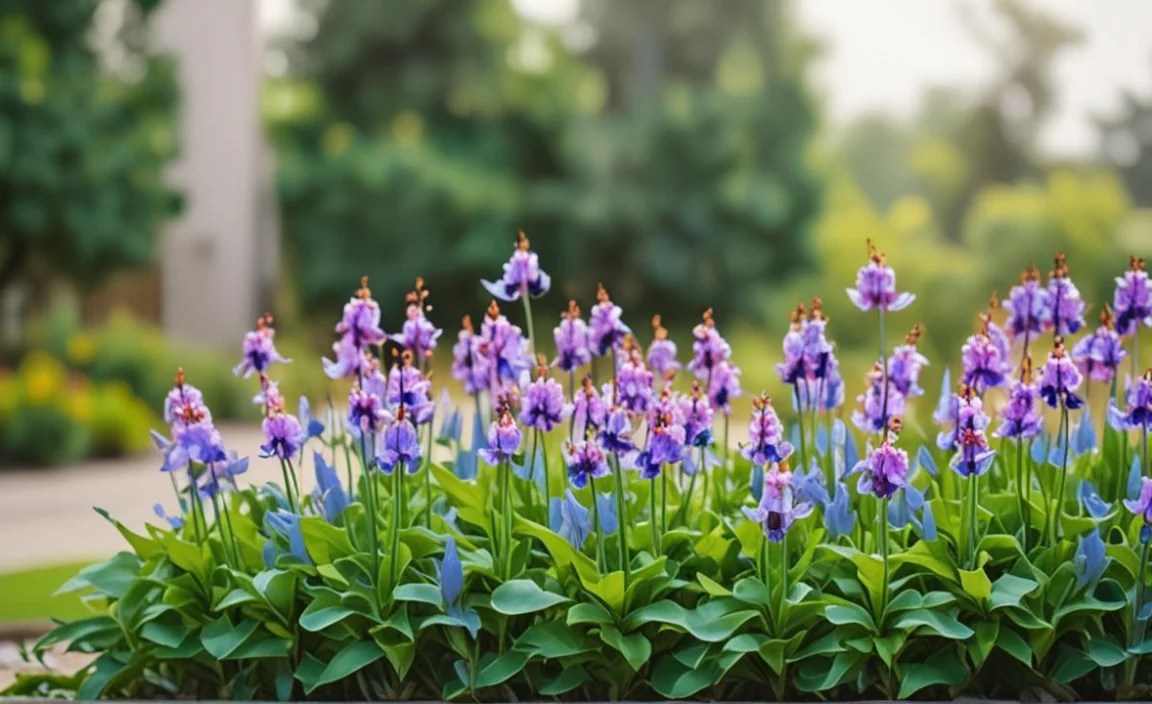
It’s very important to be safe when using copper sulfate. This chemical can be harmful if you don’t handle it correctly. Always wear gloves. This will protect your skin. Wear eye protection, too. This will keep the chemical out of your eyes. Avoid breathing in the dust. It can irritate your lungs. Mix the copper sulfate outdoors. This will ensure good ventilation. Keep children and pets away. Copper sulfate can be dangerous if swallowed. Store it in a safe place. Make sure it’s out of reach of children and pets. Follow the instructions on the label. This will help you use it safely. It will protect yourself and others.
- Wear gloves and eye protection.
- Avoid breathing in the dust.
- Mix outdoors for ventilation.
- Keep children and pets away.
- Store in a safe place.
When working with copper sulfate, preparation is key. Before you even open the container, gather your safety gear. This includes gloves, eye protection, and a dust mask. Read the label carefully. Understand the instructions. Know the potential risks. Choose a well-ventilated area. This will help prevent you from breathing in the dust. Have a source of clean water nearby. This will allow you to wash off any spills. If you get copper sulfate on your skin, wash it off immediately. If you get it in your eyes, rinse them with water for 15 minutes. If you swallow it, call a poison control center. Being prepared can help you avoid accidents. It ensures you can handle the chemical safely.
Fun Fact or Stat: Copper sulfate can cause skin and eye irritation if not handled properly, so safety gear is essential!
What Should I Wear for Protection?
When handling copper sulfate, wear protective gear. Gloves are a must. They protect your skin from irritation. Eye protection is also important. Safety glasses or goggles will keep the chemical out of your eyes. A dust mask can prevent you from breathing in the dust. Wear long sleeves and pants. This will protect your skin from contact. Closed-toe shoes are also a good idea. This will prevent spills from getting on your feet. By wearing the right protective gear, you can minimize the risks. You can handle copper sulfate safely.
How Should I Store Copper Sulfate?
Storing copper sulfate properly is important. Keep it in a tightly sealed container. This will prevent it from absorbing moisture. Store it in a cool, dry place. Avoid direct sunlight. Keep it out of reach of children and pets. A locked cabinet is a good option. Don’t store it near food or drinks. This will prevent accidental contamination. Label the container clearly. This will ensure everyone knows what’s inside. By storing copper sulfate correctly, you can prevent accidents. You can also keep it from degrading.
What Should I Do in Case of an Emergency?
In case of an emergency involving copper sulfate, act quickly. If you get it on your skin, wash it off with soap and water. If you get it in your eyes, rinse them with water for 15 minutes. If you swallow it, call a poison control center immediately. Have the product label handy. This will help the poison control center give you the right advice. If you inhale the dust, get fresh air. If you experience difficulty breathing, seek medical attention. Clean up any spills immediately. Use a damp cloth to wipe up the copper sulfate. Dispose of the cloth properly. By knowing what to do in an emergency, you can minimize the damage. You can protect yourself and others.
Alternatives to Chemical Controls in Gardening

There are many ways to control pests and diseases in your garden. You don’t always need to use chemicals like copper sulfate. Organic gardening practices can be very effective. Companion planting is one option. This involves planting different plants together. Some plants can help protect others from pests. Crop rotation is another good idea. This means changing where you plant different crops each year. This can help prevent diseases from building up in the soil. You can also use beneficial insects. Ladybugs, for example, eat aphids. These are small insects that can damage plants. Using natural methods can keep your garden healthy. It can also protect the environment. It’s a win-win situation.
- Companion planting helps protect plants.
- Crop rotation prevents diseases.
- Beneficial insects eat pests.
- Organic gardening is effective.
- Natural methods protect the environment.
Exploring alternatives to chemical controls like copper sulfate is important. It promotes a more sustainable approach to gardening. Chemical controls can have unintended consequences. They can harm beneficial insects. They can also contaminate the soil. Natural methods work with nature. They support a healthy ecosystem. Using compost and mulch can improve soil health. Healthy soil leads to healthy plants. Healthy plants are more resistant to pests and diseases. You can also use natural pesticides. These are made from plants or other natural ingredients. They are less harmful than synthetic chemicals. By using a combination of these methods, you can create a thriving garden. You won’t have to rely on harsh chemicals.
Fun Fact or Stat: Organic gardening is on the rise, with more and more gardeners seeking alternatives to chemical controls!
What is Companion Planting?
Companion planting is a clever gardening trick. It involves planting different plants together. Some plants help each other grow. For example, basil can help protect tomatoes from pests. Marigolds can repel nematodes. These are tiny worms that can damage plant roots. Planting these plants together can create a mutually beneficial relationship. The basil protects the tomatoes. The tomatoes provide shade for the basil. Companion planting can reduce the need for pesticides. It can also improve the flavor of your vegetables. It’s a natural and effective way to garden.
How Does Crop Rotation Work?
Crop rotation is a simple yet powerful technique. It involves changing where you plant different crops each year. This prevents pests and diseases from building up in the soil. Different crops have different needs. They also attract different pests. By rotating your crops, you can disrupt these cycles. For example, you might plant tomatoes in one area one year. The next year, you might plant beans in that area. The following year, you might plant corn. This prevents any one pest or disease from becoming established. Crop rotation can also improve soil health. Different crops add different nutrients to the soil. It’s a great way to keep your garden healthy and productive.
What are Beneficial Insects?
Beneficial insects are insects that help your garden. They eat pests that can damage your plants. Ladybugs are a classic example. They eat aphids, which are small, sap-sucking insects. Lacewings also eat aphids and other pests. Praying mantises eat a wide variety of insects. Even some wasps are beneficial. They parasitize other insects. This means they lay their eggs inside the pests. When the eggs hatch, the larvae eat the pests from the inside out. By attracting beneficial insects to your garden, you can control pests naturally. You can do this by planting flowers that provide them with food and shelter.
Summary
Copper sulfate for gardening is a useful tool. It can help treat fungal diseases. It can also correct copper deficiencies in plants. It is important to use it carefully. Always follow the instructions on the label. Overuse can harm plants and the environment. Copper sulfate is also effective as an algaecide. It clears up water in ponds and water features. Safety precautions are essential. Wear gloves and eye protection when handling it. Store it in a safe place, away from children and pets. There are also alternatives to chemical controls. Organic gardening practices can be very effective. These include companion planting and crop rotation.
Conclusion
Copper sulfate can be a valuable tool for gardeners. It helps manage certain plant problems. Use it correctly and safely. Always follow the instructions. Consider other methods of pest and disease control. Organic gardening practices can be very effective. They are also better for the environment. With careful planning, your garden can thrive.
Frequently Asked Questions
Question No 1: What is copper sulfate and what is it used for in gardening?
Answer: Copper sulfate is a chemical compound. It’s made of copper, sulfur, and oxygen. It looks like blue crystals. Gardeners use it for a few different reasons. One is to treat fungal diseases on plants. These diseases can cause spots on leaves. They can also cause rot. Copper sulfate stops the fungi from growing. This helps the plants recover. Another reason is to correct copper deficiencies. Plants need copper to grow. Sometimes, the soil doesn’t have enough. Copper sulfate provides the copper the plants need. This helps them grow strong and healthy. It’s also used to control algae in ponds and water features.
Question No 2: How do I apply copper sulfate to my plants?
Answer: Applying copper sulfate to your plants requires care. First, read the label. Follow the instructions carefully. Mix the copper sulfate with water. The label will tell you how much to use. Use a sprayer to apply the mixture to your plants. Cover all the leaves and stems. Be sure to get both the top and bottom of the leaves. Avoid spraying on windy days. This will prevent the chemical from drifting. Also, avoid spraying when it’s raining. The rain can wash it away. You might need to repeat the treatment. Do this every week or two. This will keep the fungi from coming back. Always wear gloves and eye protection when spraying.
Question No 3: Is copper sulfate safe for all types of plants?
Answer: Copper sulfate isn’t safe for all plants. Some plants are sensitive to it. They can be harmed by even small amounts. Tomatoes, peppers, and potatoes usually tolerate it well. Beans, peas, and cucumbers are more sensitive. They can be damaged by copper sulfate. Before using it, do some research. Find out if it’s safe for your specific plants. Start with a small test area. See how your plants react. If they do well, you can use it more widely. If they don’t, you know to avoid it. Always follow the instructions on the label. This will help you use it safely. It prevents damage to your plants.
Question No 4: Can copper sulfate harm beneficial insects or other wildlife?
Answer: Yes, copper sulfate can harm beneficial insects and other wildlife. It’s toxic to many organisms. It can kill bees and other pollinators. It can also harm fish and amphibians. It’s important to use it carefully. Avoid spraying it on flowers that bees visit. Don’t let it get into waterways. This can harm aquatic life. Consider using alternative methods. Organic gardening practices are safer for wildlife. These include companion planting and crop rotation. If you must use copper sulfate, use it sparingly. Follow the instructions on the label. This will minimize the harm to beneficial insects and other wildlife.
Question No 5: How should I dispose of unused copper sulfate?
Answer: Disposing of unused copper sulfate properly is important. Don’t pour it down the drain. This can contaminate the water supply. Contact your local waste management agency. They can tell you how to dispose of it safely. Some communities have hazardous waste collection programs. These programs accept chemicals like copper sulfate. You can also take it to a household hazardous waste disposal facility. Follow their instructions carefully. Don’t mix it with other chemicals. This can create dangerous reactions. Store it in its original container. Label it clearly. This will help prevent accidents. By disposing of it properly, you can protect the environment.
Question No 6: Are there any organic alternatives to using copper sulfate in my garden?
Answer: Yes, there are many organic alternatives to using copper sulfate. One option is to use compost tea. Compost tea is a liquid fertilizer made from compost. It’s full of beneficial microbes. These microbes can help protect plants from diseases. Another option is to use neem oil. Neem oil is a natural pesticide. It’s made from the neem tree. It can control many different pests. You can also use baking soda. Baking soda can help prevent fungal diseases. Mix it with water and spray it on your plants. Companion planting and crop rotation are also effective. These practices can help keep your garden healthy without chemicals like copper sulfate. Consider these alternatives for a healthier garden.
