Have you ever seen a butterfly flutter by? They are so pretty! Did you know you can create butterfly garden at home? It is a fun way to help these amazing insects.
Butterflies need our help. Their homes are disappearing. You can make a safe place for them. It is easier than you think. Let’s learn how to create butterfly garden together!
Butterflies love flowers. They need food and shelter. A butterfly garden gives them both. Ready to get started? Let’s explore the steps involved to create butterfly garden.
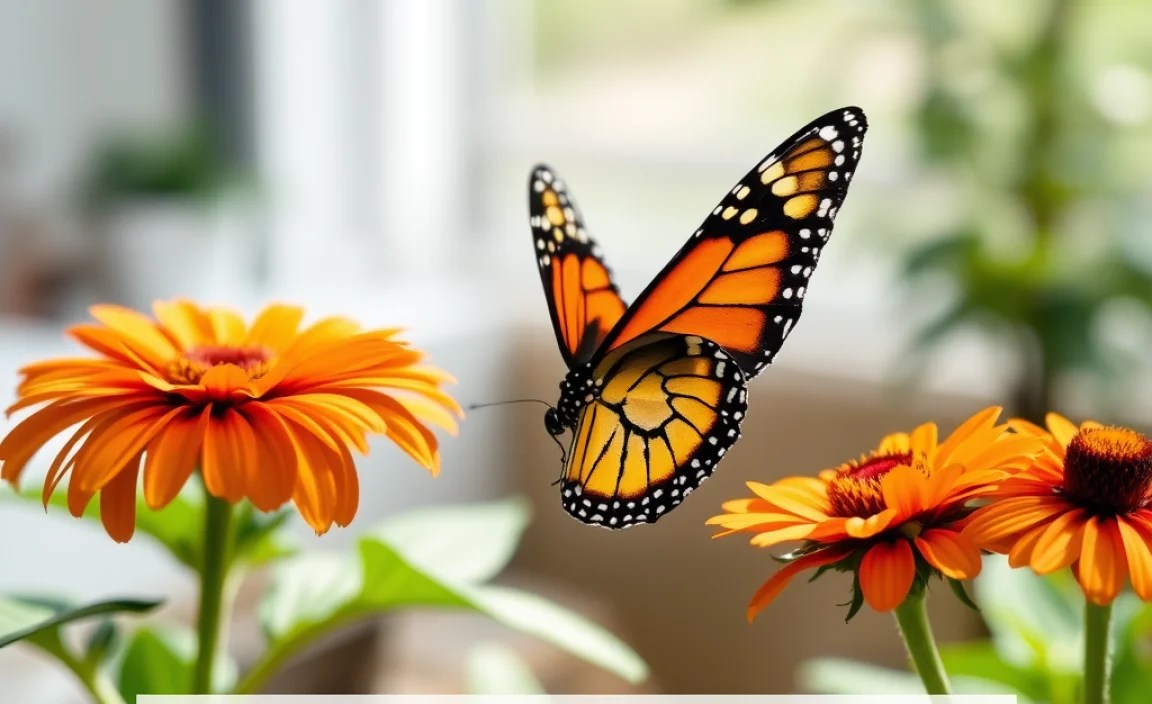
Key Takeaways
- Create butterfly garden to provide food and shelter for these important insects.
- Choose native plants that butterflies like to eat and lay their eggs on.
- Provide a water source, like a shallow dish of water with pebbles.
- Avoid using pesticides, which can harm or kill butterflies and caterpillars.
- Place your butterfly garden in a sunny spot that is sheltered from wind.

How to Create Butterfly Garden: A Guide
Do you want to create butterfly garden? It’s a wonderful way to help butterflies. You can also enjoy their beauty up close. A butterfly garden needs certain things. Butterflies need food. They eat nectar from flowers. Caterpillars need food too. They eat leaves from specific plants. Your garden should have both nectar plants and host plants. Nectar plants give adult butterflies energy. Host plants are where butterflies lay their eggs. The caterpillars will eat these plants when they hatch. You also need to think about sunlight. Butterflies like warm, sunny spots. Your garden should get at least six hours of sun each day. Shelter from the wind is also important. Strong winds can make it hard for butterflies to fly and feed. You can use shrubs or fences to block the wind. Water is another important element. Butterflies need water to drink. A shallow dish of water with some pebbles will do. The pebbles give them a place to land while they drink.
- Choose a sunny spot.
- Select both nectar and host plants.
- Provide shelter from the wind.
- Add a shallow dish of water.
- Avoid using pesticides.
Now you know the basics to create butterfly garden. Remember to choose plants that are native to your area. Native plants are best for local butterflies. They are also easier to care for. You can find information about native plants at your local nursery. You can also check with your county extension office. They can provide a list of suitable plants for your region. Think about the size of your garden. Even a small space can be a butterfly garden. You can use containers on a balcony or patio. Just make sure the containers are large enough for the plants to grow. Get your family and friends involved. Creating a butterfly garden is a great activity to do together. You can learn about butterflies and plants. You can also make a beautiful space for everyone to enjoy.
Fun Fact or Stat: Did you know that butterflies taste with their feet? They have sensors on their feet that help them find nectar!
What Plants Attract Butterflies?
Have you ever wondered what makes butterflies come to your garden? They are drawn to certain plants. These plants provide them with the food they need. Nectar plants are like a butterfly’s restaurant. They offer sweet nectar that butterflies drink. Host plants are like a butterfly’s nursery. They are where butterflies lay their eggs. The caterpillars will eat these plants when they hatch. Some popular nectar plants include butterfly bush, zinnias, and coneflowers. These plants produce lots of nectar. They also have bright colors that attract butterflies. Some popular host plants include milkweed, parsley, and dill. Milkweed is essential for monarch butterflies. Parsley and dill are great for swallowtail butterflies. It is important to choose a variety of plants. This will attract different types of butterflies. It will also provide food for butterflies throughout the growing season.
How to Provide Water for Butterflies
Imagine being a butterfly on a hot day. You would be thirsty, right? Butterflies need water just like we do. But they can’t drink from a deep puddle. They need a shallow source of water. You can easily provide water for butterflies in your garden. A simple way is to use a shallow dish. Fill the dish with water and add some pebbles or stones. The pebbles give the butterflies a place to land. This helps them drink without falling into the water. Another option is to create a mud puddle. Butterflies often gather around mud puddles. They drink the water and absorb minerals from the soil. To make a mud puddle, simply wet a patch of soil. Keep it moist by adding water regularly. You can also add some compost or manure to the soil. This will provide extra minerals for the butterflies.
Why Avoid Pesticides in Your Butterfly Garden?
Pesticides can be harmful to butterflies and other insects. They can kill butterflies directly. They can also harm the caterpillars that turn into butterflies. Even organic pesticides can be harmful. It is best to avoid using any pesticides in your butterfly garden. If you have problems with pests, try other methods. You can pick off pests by hand. You can also use a strong stream of water to wash them off plants. Encourage natural predators in your garden. Ladybugs, lacewings, and birds eat many common pests. You can attract these beneficial insects by planting certain flowers. Dill, fennel, and yarrow attract ladybugs. Coreopsis and sunflowers attract birds. By using natural methods, you can protect butterflies and other beneficial insects. You can also create a healthy and thriving garden.
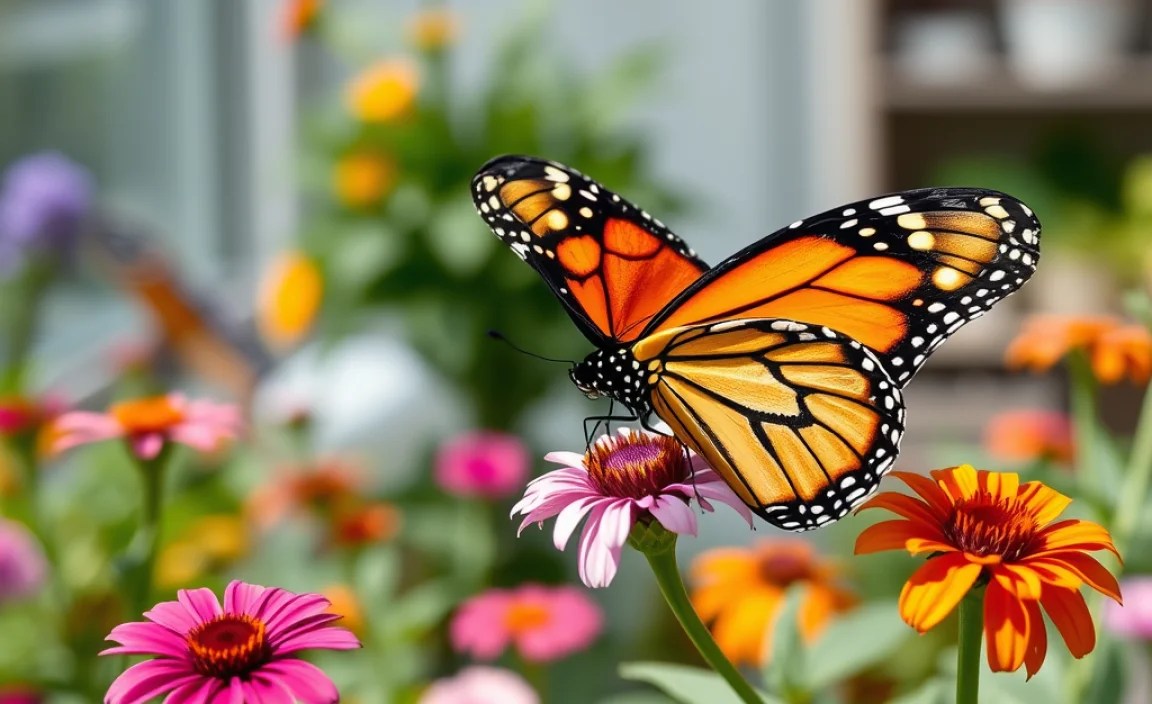
Choosing the Right Location
The location of your butterfly garden is very important. Butterflies need sunlight to warm their bodies. They also need shelter from the wind. Choose a spot that gets at least six hours of sunlight each day. A south-facing location is often ideal. This will provide the most sunlight throughout the day. If you don’t have a south-facing spot, don’t worry. Any location that gets plenty of sun will work. Pay attention to the wind. Butterflies have a hard time flying in strong winds. Plant shrubs or build a fence to block the wind. You can also use a trellis or other structure to provide shelter. Consider the soil. Butterflies prefer well-drained soil. If your soil is heavy clay, add some compost or other organic matter. This will improve drainage. It will also provide nutrients for your plants. Think about access to water. You will need to water your butterfly garden regularly. Choose a location that is close to a water source. This will make it easier to keep your plants healthy. When you create butterfly garden, location matters a lot.
- Select a sunny spot.
- Provide shelter from wind.
- Ensure well-drained soil.
- Choose a location near water.
- Consider the view from your house.
- Think about the size of the space.
Think about the view from your house. You will want to be able to see your butterfly garden from a window or patio. This will allow you to enjoy the butterflies up close. Consider the size of the space. Even a small space can be a butterfly garden. You can use containers on a balcony or patio. Just make sure the containers are large enough for the plants to grow. If you have a larger yard, you can create a more elaborate garden. You can add paths, benches, and other features. Get creative and have fun. Creating a butterfly garden is a rewarding experience. You will be helping butterflies and other pollinators. You will also be adding beauty to your yard.
Fun Fact or Stat: Some butterflies migrate thousands of miles each year! The monarch butterfly is famous for its long migration.
How Much Sun Do Butterflies Need?
Imagine you are a butterfly trying to warm up on a cool morning. You would want to find a sunny spot, wouldn’t you? Butterflies need sunlight to raise their body temperature. They are cold-blooded animals. This means they cannot regulate their own body temperature. They rely on the sun to warm them up. Without enough sun, butterflies cannot fly or feed. They need at least six hours of sunlight each day. The more sun, the better. Choose a location for your butterfly garden that gets plenty of sun. A south-facing location is often best. This will provide the most sunlight throughout the day. If you don’t have a south-facing spot, don’t worry. Any location that gets plenty of sun will work. Just make sure the plants you choose are also sun-loving plants.
What Kind of Soil is Best for Butterfly Gardens?
Soil is the foundation of any garden. It provides nutrients and support for plants. Butterflies prefer well-drained soil. This means the soil should not hold too much water. If the soil is too wet, the plant roots can rot. This can kill the plants. If your soil is heavy clay, it may not drain well. You can improve drainage by adding compost or other organic matter. Compost is made from decomposed leaves, grass clippings, and other organic materials. It adds nutrients to the soil. It also helps to improve drainage. You can also add sand to the soil. Sand will help to break up the clay and improve drainage. Mix the compost or sand into the soil before planting. This will give your plants a good start. Well-drained soil is essential for a healthy butterfly garden.
How to Protect Your Garden from Wind
Wind can be a problem for butterflies. Strong winds can make it hard for them to fly and feed. Wind can also damage plants. It is important to protect your butterfly garden from the wind. You can use shrubs to block the wind. Plant shrubs on the windward side of your garden. This will help to deflect the wind. You can also build a fence to block the wind. A solid fence will provide the most protection. A lattice fence will allow some wind to pass through. This can be helpful in areas with very strong winds. You can also use a trellis to support climbing plants. The plants will help to block the wind. Choose plants that are wind-resistant. These plants are less likely to be damaged by the wind. Some good choices include coneflowers, black-eyed Susans, and butterfly bush.
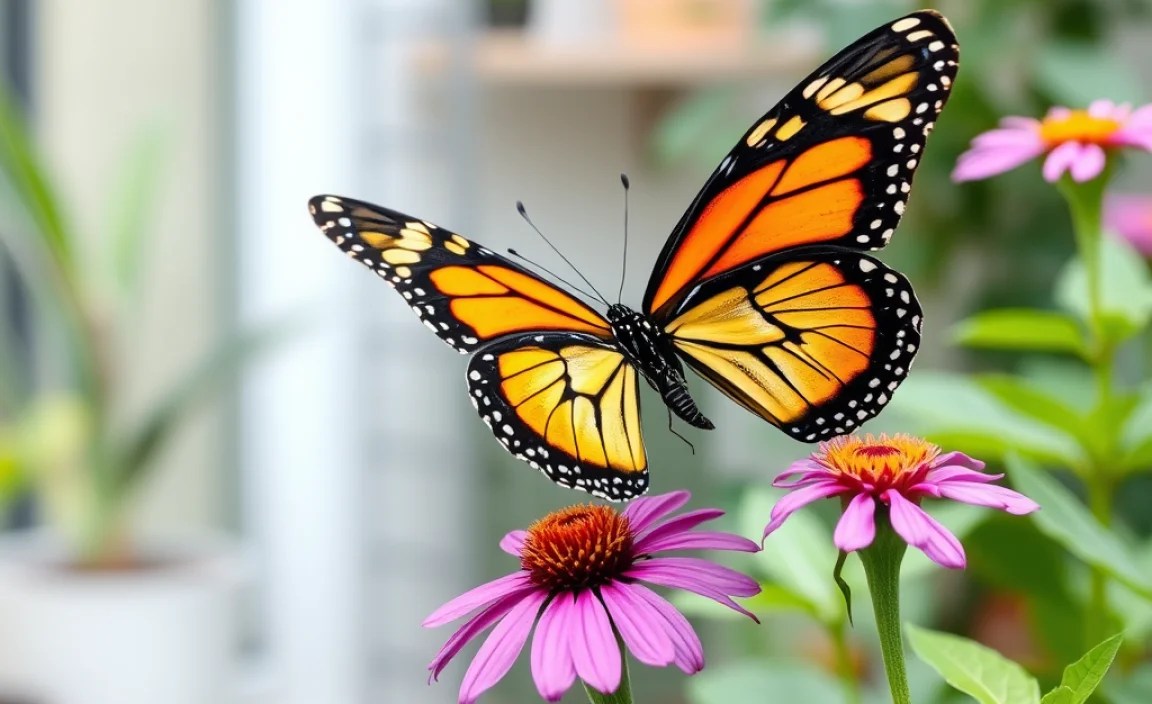
Selecting the Right Plants
Choosing the right plants is key. Butterflies need both nectar and host plants. Nectar plants provide food for adult butterflies. Host plants provide food for caterpillars. When you create butterfly garden, find out what butterflies live in your area. Then choose plants that they like. Native plants are always a good choice. They are adapted to the local climate. They are also more likely to attract local butterflies. Butterfly bush is a popular nectar plant. It comes in many colors. Zinnias are another good choice. They are easy to grow from seed. Milkweed is essential for monarch butterflies. It is the only plant that monarch caterpillars eat. Parsley and dill are host plants for swallowtail butterflies. You can also include other herbs in your garden. Many herbs attract butterflies and other pollinators. Lavender, thyme, and oregano are all good choices. Remember to choose a variety of plants. This will attract different types of butterflies. It will also provide food for butterflies throughout the growing season.
- Choose native plants.
- Select both nectar and host plants.
- Include a variety of plants.
- Consider the bloom time of the plants.
- Plant in groups for better visibility.
Consider the bloom time of the plants. Choose plants that bloom at different times of the year. This will ensure that there is always food available for butterflies. Plant in groups for better visibility. Butterflies are more likely to see a large group of flowers. They are also more likely to stop and feed. Don’t forget about the caterpillars. They need food too. Plant plenty of host plants in your garden. This will give the caterpillars a good start. Avoid using pesticides. Pesticides can harm or kill butterflies and caterpillars. Use natural methods to control pests in your garden. Creating a butterfly garden is a rewarding experience. You will be helping butterflies and other pollinators. You will also be adding beauty to your yard.
Fun Fact or Stat: A group of butterflies is called a flutter!
What are Nectar Plants?
Imagine you are a butterfly searching for food. You would be looking for a sweet treat, right? Nectar plants provide that sweet treat. Nectar is a sugary liquid that butterflies drink. It gives them the energy they need to fly and reproduce. Nectar plants have flowers that are rich in nectar. Some popular nectar plants include butterfly bush, zinnias, and coneflowers. These plants produce lots of nectar. They also have bright colors that attract butterflies. Choose a variety of nectar plants for your butterfly garden. This will attract different types of butterflies. It will also provide food for butterflies throughout the growing season. Plant nectar plants in groups for better visibility. Butterflies are more likely to see a large group of flowers. They are also more likely to stop and feed. Nectar plants are essential for a healthy butterfly garden.
What are Host Plants?
Have you ever wondered where caterpillars come from? They hatch from eggs that are laid on host plants. Host plants are the food source for caterpillars. Each type of butterfly has its own specific host plant. Monarch caterpillars only eat milkweed. Swallowtail caterpillars eat parsley and dill. It is important to include host plants in your butterfly garden. This will provide food for the caterpillars. Plant plenty of host plants. This will give the caterpillars a good start. Don’t be afraid to let the caterpillars eat the plants. That is what they are supposed to do. The plants will usually recover. You can also plant extra host plants to compensate for the caterpillars’ appetites. Host plants are essential for the life cycle of butterflies.
How to Attract Different Types of Butterflies?
Do you want to attract a variety of butterflies to your garden? The key is to plant a variety of nectar and host plants. Different butterflies are attracted to different plants. Monarch butterflies are attracted to milkweed. Swallowtail butterflies are attracted to parsley and dill. Painted lady butterflies are attracted to thistles. By planting a variety of plants, you can attract a variety of butterflies. Consider the bloom time of the plants. Choose plants that bloom at different times of the year. This will ensure that there is always food available for butterflies. Plant in groups for better visibility. Butterflies are more likely to see a large group of flowers. They are also more likely to stop and feed. Provide a water source for the butterflies. A shallow dish of water with some pebbles will do. Avoid using pesticides. Pesticides can harm or kill butterflies and caterpillars. By following these tips, you can attract a variety of butterflies to your garden.

Providing Water and Shelter
Butterflies need more than just food. They also need water and shelter. Water is essential for butterflies. They need it to drink and stay hydrated. Shelter is important for protection from the wind and rain. You can provide water for butterflies in a few different ways. A simple way is to use a shallow dish. Fill the dish with water and add some pebbles or stones. The pebbles give the butterflies a place to land. This helps them drink without falling into the water. Another option is to create a mud puddle. Butterflies often gather around mud puddles. They drink the water and absorb minerals from the soil. You can also provide shelter for butterflies. Plant shrubs and trees to create a windbreak. This will protect the butterflies from strong winds. You can also build a butterfly house. This will provide a safe place for butterflies to rest and escape the rain. Think about these needs when you create butterfly garden.
- Provide a shallow dish of water.
- Create a mud puddle.
- Plant shrubs and trees for shelter.
- Build a butterfly house.
- Avoid using pesticides.
Avoid using pesticides in your butterfly garden. Pesticides can harm or kill butterflies and other beneficial insects. Use natural methods to control pests. You can pick off pests by hand. You can also use a strong stream of water to wash them off plants. Encourage natural predators in your garden. Ladybugs, lacewings, and birds eat many common pests. Creating a butterfly garden is a rewarding experience. You will be helping butterflies and other pollinators. You will also be adding beauty to your yard. Remember to provide water, shelter, and food for the butterflies. This will help them thrive in your garden.
Fun Fact or Stat: Butterflies have a lifespan of only a few weeks to several months, depending on the species!
Why Do Butterflies Need Water?
Have you ever felt thirsty on a hot day? Butterflies feel the same way. They need water to stay hydrated. Water helps them regulate their body temperature. It also helps them digest their food. Butterflies don’t drink water the same way we do. They don’t have mouths like ours. Instead, they use a long, straw-like tongue called a proboscis. They unroll their proboscis and sip water from shallow sources. This is why it is important to provide a shallow dish of water for butterflies. They can’t drink from a deep puddle. They need a place to land and sip the water. A mud puddle is also a great source of water for butterflies. They can absorb minerals from the soil while they drink. Water is essential for the health and survival of butterflies.
How to Build a Butterfly House
A butterfly house is a shelter for butterflies. It provides a safe place for them to rest and escape the rain. You can buy a butterfly house at a garden center. You can also build your own. Butterfly houses are usually made of wood. They have narrow slits or holes for butterflies to enter. The inside of the house is usually empty. Some people add twigs or branches for the butterflies to perch on. The house should be placed in a sheltered location. It should be protected from the wind and rain. You can hang the house from a tree branch. You can also mount it on a post. Butterfly houses are not always used by butterflies. But they can provide a nice addition to your butterfly garden. They also provide a place for other insects to shelter.
What is a Mud Puddle for Butterflies?
Have you ever seen butterflies gathered around a mud puddle? They are not just drinking water. They are also absorbing minerals from the soil. Mud puddles are a valuable source of nutrients for butterflies. The minerals help them with reproduction and development. You can create a mud puddle in your butterfly garden. Simply wet a patch of soil. Keep it moist by adding water regularly. You can also add some compost or manure to the soil. This will provide extra minerals for the butterflies. Place the mud puddle in a sunny location. Butterflies prefer to drink in the sun. You can also add some rocks or pebbles to the mud puddle. This will give the butterflies a place to land. A mud puddle is a simple way to provide essential nutrients for butterflies.
Maintaining Your Butterfly Garden
Once you create butterfly garden, you need to take care of it. Regular maintenance will keep your garden healthy. It will also keep attracting butterflies. Water your plants regularly. Especially during dry weather. Weed your garden to remove unwanted plants. These plants can compete with your butterfly plants. Deadhead your flowers to encourage more blooms. This means removing the dead or faded flowers. Fertilize your plants as needed. Use a fertilizer that is specifically designed for flowering plants. Check your plants for pests and diseases. Take action quickly if you see any problems. Prune your plants to keep them healthy and attractive. This means cutting back overgrown branches. Add mulch to your garden to help retain moisture. Mulch also helps to suppress weeds. By following these tips, you can keep your butterfly garden thriving for years to come.
- Water plants regularly.
- Weed the garden.
- Deadhead flowers.
- Fertilize plants.
- Prune plants.
- Add mulch.
Consider adding new plants to your garden each year. This will help to keep it fresh and interesting. You can also move plants around to different locations. This can help them to thrive. Don’t be afraid to experiment. See what works best in your garden. Observe the butterflies in your garden. See what plants they are attracted to. This will help you to choose the right plants for your garden. Enjoy your butterfly garden. It is a beautiful and rewarding addition to your yard. You will be helping butterflies and other pollinators. You will also be adding beauty to your surroundings.
Fun Fact or Stat: Monarch butterflies can travel up to 3,000 miles during their migration!
How Often Should You Water Your Butterfly Garden?
Imagine your plants are feeling thirsty. They need water to survive, right? The same is true for the plants in your butterfly garden. Watering is essential for their health and growth. How often you need to water depends on several factors. The type of plants you have is one factor. Some plants need more water than others. The weather is another factor. During hot, dry weather, you will need to water more often. The soil type also plays a role. Sandy soil drains quickly. You will need to water more often if you have sandy soil. Clay soil holds more water. You won’t need to water as often if you have clay soil. A good rule of thumb is to water when the top inch of soil feels dry. Water deeply, so the water reaches the roots. Avoid watering the leaves of the plants. This can encourage diseases. Watering is an important part of maintaining a healthy butterfly garden.
How to Control Pests Naturally in Your Garden
Pests can be a problem in any garden. They can damage plants and attract diseases. It is important to control pests in your butterfly garden. But you want to avoid using pesticides. Pesticides can harm or kill butterflies and other beneficial insects. There are many natural ways to control pests. You can pick off pests by hand. You can also use a strong stream of water to wash them off plants. Encourage natural predators in your garden. Ladybugs, lacewings, and birds eat many common pests. Plant herbs and flowers that attract beneficial insects. Dill, fennel, and yarrow attract ladybugs. Coreopsis and sunflowers attract birds. You can also use insecticidal soap or neem oil. These are natural products that can kill pests. But be careful not to spray them on butterflies or caterpillars. Natural pest control is essential for a healthy butterfly garden.
Why is Mulch Important for Butterfly Gardens?
Mulch is a layer of material that is spread on top of the soil. It has many benefits for butterfly gardens. Mulch helps to retain moisture in the soil. This reduces the need for watering. Mulch also helps to suppress weeds. Weeds can compete with your butterfly plants for nutrients and water. Mulch helps to regulate soil temperature. It keeps the soil cooler in the summer and warmer in the winter. Mulch also helps to prevent soil erosion. Erosion can damage plant roots. There are many different types of mulch. You can use organic mulches, such as wood chips, bark, or straw. You can also use inorganic mulches, such as rocks or gravel. Choose a mulch that is appropriate for your climate and soil type. Mulch is an important part of maintaining a healthy butterfly garden.
Butterfly Garden Plant Table
Selecting the right plants is crucial when you create butterfly garden. The table below shows some popular choices.
| Plant Name | Type | Attracts | Sunlight |
|---|---|---|---|
| Butterfly Bush | Nectar | Many Butterflies | Full Sun |
| Milkweed | Host (Monarchs) | Monarchs | Full Sun |
| Zinnias | Nectar | Many Butterflies | Full Sun |
| Parsley | Host (Swallowtails) | Swallowtails | Partial Sun |
| Coneflower | Nectar | Many Butterflies | Full Sun |
Enjoying Your Butterfly Garden
After all your hard work, it’s time to enjoy your butterfly garden. Sit back and relax. Watch the butterflies flutter around. Take photos of the butterflies and flowers. Share them with your friends and family. Invite your friends and family to visit your garden. Teach them about butterflies and plants. Observe the butterflies in your garden. Learn about their life cycle. See what plants they are attracted to. Keep a journal of your observations. This will help you to learn more about butterflies. Participate in citizen science projects. Report your butterfly sightings to researchers. This will help them to track butterfly populations. Join a local butterfly club or organization. Connect with other butterfly enthusiasts. Attend workshops and events. Learn more about butterflies and gardening. Creating a butterfly garden is a rewarding experience. You will be helping butterflies and other pollinators. You will also be adding beauty to your surroundings.
- Watch the butterflies.
- Take photos.
- Share your garden.
- Observe the butterflies.
- Keep a journal.
- Participate in citizen science.
Consider adding a bench or other seating to your garden. This will give you a comfortable place to sit and relax. You can also add a birdbath or other water feature. This will attract even more wildlife to your garden. Don’t be afraid to experiment. See what works best in your garden. Have fun and enjoy the process. Creating a butterfly garden is a journey. There is always something new to learn. Celebrate your successes. Share your knowledge with others. Inspire them to create their own butterfly gardens. Together, we can help butterflies and other pollinators thrive.
Fun Fact or Stat: Butterflies are important pollinators. They help to pollinate many of the plants that we eat!
How to Attract More Butterflies to Your Garden
Do you want to see even more butterflies in your garden? There are several things you can do to attract them. Plant a variety of nectar and host plants. This will provide food for both adult butterflies and caterpillars. Choose plants that are native to your area. Native plants are adapted to the local climate and soil. They are also more likely to attract local butterflies. Plant in groups for better visibility. Butterflies are more likely to see a large group of flowers. They are also more likely to stop and feed. Provide a water source for the butterflies. A shallow dish of water with some pebbles will do. Avoid using pesticides. Pesticides can harm or kill butterflies and caterpillars. Protect your garden from wind. Butterflies have a hard time flying in strong winds. By following these tips, you can attract more butterflies to your garden.
What to Do if You Find Caterpillars on Your Plants
Finding caterpillars on your plants is a good sign. It means that butterflies are laying eggs in your garden. Caterpillars are the larval stage of butterflies. They eat the leaves of plants. Don’t be alarmed if you find caterpillars on your plants. They are a natural part of the butterfly life cycle. In fact, you should be happy to see them. It means that your butterfly garden is working. If you are concerned about the caterpillars eating too much of your plants, you can take some steps. You can move the caterpillars to another plant of the same species. You can also plant extra host plants to compensate for the caterpillars’ appetites. Avoid using pesticides. Pesticides can harm or kill caterpillars. Let the caterpillars eat the plants. They will eventually turn into beautiful butterflies.
How to Educate Others About Butterflies
Sharing your knowledge about butterflies is a great way to help them. You can educate others about the importance of butterflies and their habitat. Start by talking to your friends and family. Tell them about your butterfly garden. Show them the butterflies and plants. Explain the importance of nectar and host plants. Share your knowledge about the butterfly life cycle. Participate in community events. Set up a booth at a local festival or fair. Share information about butterflies and butterfly gardening. Volunteer at a local nature center or park. Lead guided walks and teach people about butterflies. Write articles or blog posts about butterflies. Share your knowledge online. Use social media to spread the word about butterflies. Educating others about butterflies is a great way to help them thrive.
Summary
To create butterfly garden, you need to choose the right location. Select a sunny spot with shelter from the wind. You also need to select the right plants. Choose both nectar and host plants. Nectar plants provide food for adult butterflies. Host plants provide food for caterpillars. It is important to provide water and shelter for butterflies. A shallow dish of water and some shrubs will do. Avoid using pesticides. Pesticides can harm or kill butterflies and caterpillars. Maintain your garden by watering, weeding, and fertilizing. Enjoy watching the butterflies in your garden. Share your knowledge with others. Creating a butterfly garden is a rewarding experience. You will be helping butterflies and other pollinators.
Conclusion
Creating a butterfly garden is a fun and rewarding project. You can help butterflies by providing them with food and shelter. Choose native plants for your area. Remember to avoid using pesticides. By following these simple steps, you can create butterfly garden. You will also add beauty to your yard.
Frequently Asked Questions
Question No 1: What is a butterfly garden?
Answer: A butterfly garden is a garden that is specifically designed to attract butterflies. It provides butterflies with food, water, and shelter. Butterfly gardens typically include both nectar plants and host plants. Nectar plants provide food for adult butterflies. Host plants provide food for caterpillars. These gardens are not only beautiful, but they also help support butterfly populations. Many butterfly species are declining due to habitat loss and other factors. By creating a butterfly garden, you can help to provide these important insects with the resources they need to survive. Consider the needs of butterflies when you plan and plant your garden. This will increase the chances of attracting them.
Question No 2: What are the best plants to include in a butterfly garden?
Answer: The best plants to include in a butterfly garden are those that provide nectar for adult butterflies and food for caterpillars. Some popular nectar plants include butterfly bush, zinnias, coneflowers, and lantana. Some popular host plants include milkweed (for monarch butterflies), parsley and dill (for swallowtail butterflies), and violets (for fritillary butterflies). When choosing plants for your butterfly garden, it is important to consider your local climate and the types of butterflies that are native to your area. Native plants are often the best choice, as they are well-adapted to the local environment and provide the best food source for local butterflies. Plant a variety of nectar and host plants to attract a variety of butterflies. Remember, to create butterfly garden, plant selection is important.
Question No 3: How do I attract butterflies to my garden?
Answer: There are several things you can do to attract butterflies to your garden. First, plant a variety of nectar and host plants. This will provide butterflies with food and shelter. Second, provide a water source for butterflies. A shallow dish of water with some pebbles will do. Third, avoid using pesticides in your garden. Pesticides can harm or kill butterflies and caterpillars. Fourth, provide shelter from the wind. Butterflies have a hard time flying in strong winds. Fifth, place your butterfly garden in a sunny location. Butterflies need sunlight to warm their bodies. By following these tips, you can attract more butterflies to your garden. Enjoy the beauty and wonder of these amazing insects. When you create butterfly garden, remember their needs.
Question No 4: How do I care for a butterfly garden?
Answer: Caring for a butterfly garden is relatively easy. Water your plants regularly, especially during dry weather. Weed your garden to remove unwanted plants. Deadhead your flowers to encourage more blooms. Fertilize your plants as needed. Use a fertilizer that is specifically designed for flowering plants. Check your plants for pests and diseases. Take action quickly if you see any problems. Prune your plants to keep them healthy and attractive. Add mulch to your garden to help retain moisture and suppress weeds. By following these simple tips, you can keep your butterfly garden thriving. You’ll have a beautiful and beneficial space for butterflies to enjoy. Remember, regular maintenance is key to create butterfly garden.
Question No 5: What if caterpillars are eating my plants?
Answer: If caterpillars are eating your plants, don’t panic! This is a good sign. It means that butterflies are laying eggs in your garden. Caterpillars are the larval stage of butterflies. They eat the leaves of plants. While it may be tempting to get rid of the caterpillars, resist the urge. They will eventually turn into beautiful butterflies. If you are concerned about the caterpillars eating too much of your plants, you can take some steps. You can move the caterpillars to another plant of the same species. You can also plant extra host plants to compensate for the caterpillars’ appetites. Avoid using pesticides. Pesticides can harm or kill caterpillars. Enjoy watching the caterpillars grow and transform into butterflies. When you create butterfly garden, remember caterpillars are part of the process.
Question No 6: Can I create a butterfly garden in a small space?
Answer: Yes, you can definitely create a butterfly garden in a small space! Even a small balcony or patio can be transformed into a butterfly haven. The key is to choose the right plants. Select plants that are compact and well-suited for containers. You can also use vertical gardening techniques. This will maximize your space. Plant climbing vines on trellises or walls. Don’t forget to provide water and shelter for the butterflies. A small dish of water and a few potted shrubs will do. With a little planning and creativity, you can create butterfly garden. Even a small space can support butterflies and other pollinators. No matter the size, your garden can help.
