Have you ever seen a garden that looks amazing? Do you wonder what makes it so special? One cool trick is using decorative stone for gardens. These stones can make any garden look beautiful. They come in many colors and sizes. Let’s learn more about them!
These stones can change your garden. They make it look neat and stylish. Some stones sparkle in the sun. Others add a natural touch. What kind of look do you want for your garden?
Using decorative stone for gardens is easy. You can spread them on paths. They look great around plants. You can even build small rock gardens. These stones are a simple way to make a big change. Get ready to explore the world of garden stones!
Key Takeaways
- Decorative stone for gardens enhance visual appeal, adding texture and color.
- Using stones improves drainage and helps to suppress weed growth naturally.
- Different types of stones offer unique looks, from modern to rustic.
- Stones are a long-lasting, low-maintenance option for garden décor.
- Proper planning is key to achieving the best look with garden stones.
Choosing the Right Decorative Stone for Gardens

Picking the perfect decorative stone for gardens can feel like a big task. So many choices exist! Think about what you want your garden to look like. Do you like a modern style? Then, smooth, dark stones might be best. Want something more natural? River rocks or gravel could be a good fit. Consider the colors in your garden too. Choose stones that match your plants and flowers. Size also matters. Small pebbles work well for pathways. Larger stones can be focal points. Remember to think about how the stones will feel under your feet. Smooth stones are better for walking paths. Rough stones can be used in areas where people won’t walk. With some thought, you can find the perfect stones!
- Consider your garden’s style.
- Match colors to your plants.
- Think about the size of the stones.
- Choose smooth stones for paths.
- Use rough stones as accents.
It’s also important to think about where you’ll buy your stones. Some garden centers have a wide selection. You can see and touch the stones before buying them. Online stores offer convenience. But, it’s harder to tell the exact color and size. Ask about delivery options. Some stones are heavy. You might need help getting them home. Don’t forget to check prices. Different stores have different prices. Buying in bulk can save money. Before you buy, measure your garden area. This will help you know how many stones you need. Getting the right amount will save you time and money. Have fun picking out your decorative stone for gardens!
Fun Fact or Stat: Did you know that some types of garden stones can help retain moisture in the soil, reducing the need for watering?
What Garden Style Do You Prefer?
Imagine your dream garden. What does it look like? Is it neat and tidy? Or wild and natural? The style of your garden will help you pick the right stones. A formal garden might use smooth, uniform stones. These stones create a clean, polished look. An informal garden can use a mix of different stones. This adds texture and interest. Think about the overall feel you want to create. Do you want a peaceful, calming space? Choose soft colors and smooth textures. Want something more vibrant and exciting? Use bright colors and varied sizes. The right decorative stone for gardens can help you achieve any style. Don’t be afraid to experiment and have fun!
What Colors Complement Your Plants?
Color is a key part of garden design. The color of your stones can affect the whole look. Dark stones can make green plants stand out. Light stones can brighten up shady areas. Think about the colors of your flowers too. Do you want to match the stones to the flowers? Or create a contrast? A garden with purple flowers might look great with gray stones. A garden with yellow flowers could shine with brown stones. Consider the color of your house too. Choose stones that match your home’s exterior. This creates a unified look. With a little thought, you can use color to create a stunning garden.
How Will the Stones Be Used?
The way you use the stones matters. Are you creating a pathway? Then, you need smooth, flat stones. These are easy to walk on. Are you building a rock garden? Then, you need different sizes and shapes. This creates visual interest. Using stones around plants? Then, you need small to medium-sized stones. These help retain moisture in the soil. Building a water feature? Then, you need waterproof stones. These won’t break down in water. Think about the function of the stones. This will help you choose the right type. Decorative stone for gardens can be used in many ways. Let your imagination guide you!
Using Decorative Stone for Garden Pathways
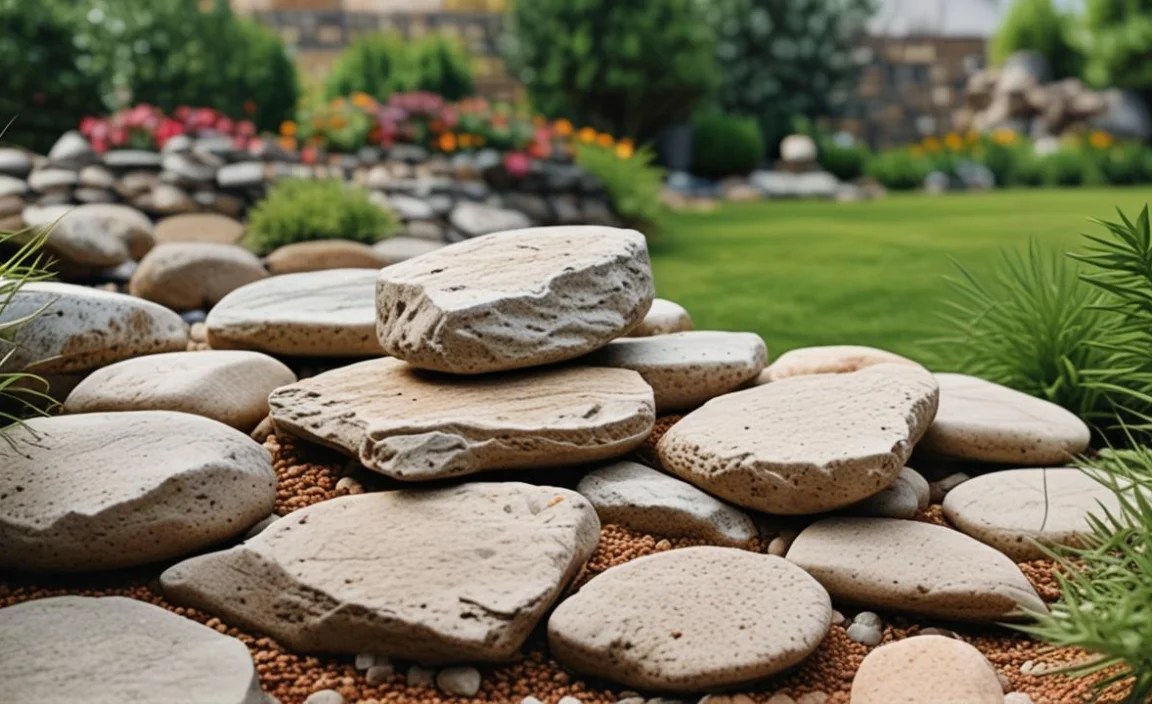
Creating a pathway with decorative stone for gardens is a great way to add beauty and function. Pathways help people walk through your garden. They also protect your plants. When choosing stones for a pathway, think about comfort. Smooth, flat stones are the easiest to walk on. Avoid stones with sharp edges. These can be uncomfortable. Consider the size of the stones too. Smaller stones can shift underfoot. Larger stones provide a more stable surface. You can use a single type of stone for a uniform look. Or mix different stones for a more natural feel. Be sure to prepare the ground before laying the stones. Remove any grass or weeds. Add a layer of sand or gravel for drainage. This will help prevent the pathway from sinking. With some planning, you can create a beautiful and functional pathway.
- Choose smooth, flat stones for comfort.
- Consider the size of the stones.
- Mix different stones for a natural look.
- Prepare the ground before laying stones.
- Add a layer of sand for drainage.
Think about the width of your pathway. It should be wide enough for people to walk comfortably. A width of three to four feet is usually good. Decide on the shape of your pathway. A straight path is simple and direct. A winding path adds interest and encourages exploration. Use edging to keep the stones in place. Edging can be made of wood, metal, or plastic. It helps define the pathway and prevent the stones from spreading. Consider adding lighting to your pathway. This makes it safer to walk at night. Solar lights are an easy and energy-efficient option. Decorative stone for gardens can transform a simple pathway into a beautiful feature.
Fun Fact or Stat: Pathways made with permeable decorative stones can reduce water runoff by allowing rainwater to soak into the ground!
How Wide Should Your Pathway Be?
Pathway width is important. Too narrow, and people will feel cramped. Too wide, and it can look out of place. Aim for a width that feels comfortable and natural. Three to four feet is a good starting point. If you have a small garden, a narrower path might be better. If you have a large garden, a wider path can make a statement. Consider the people who will use the pathway. Will they be walking side by side? Or just one at a time? Adjust the width accordingly. Remember to leave enough space for plants to grow along the edges. This adds to the beauty of the pathway. A well-planned pathway width enhances your garden’s overall design.
What Shape Suits Your Garden?
The shape of your pathway can change your garden’s feel. A straight path is formal and direct. It’s good for a modern or minimalist garden. A winding path is more relaxed and natural. It’s perfect for a cottage or woodland garden. Think about the flow of your garden. Where do people naturally want to walk? Follow that flow when designing your pathway. Use curves to lead people through different areas of the garden. Avoid sharp turns that feel awkward. Consider the views from the pathway. Highlight beautiful plants or features. A well-designed pathway shape adds interest and guides exploration.
What Edging Options Are Available?
Edging keeps your pathway tidy. It prevents stones from spreading into the lawn or garden beds. Many edging options are available. Wood edging is natural and affordable. Metal edging is durable and modern. Plastic edging is lightweight and easy to install. Stone edging adds a rustic touch. Choose an edging that matches your garden’s style. Consider the height of the edging. It should be tall enough to contain the stones. But not so tall that it’s distracting. Install the edging before laying the stones. This makes it easier to create a clean, defined edge. A good edging option completes your pathway design.
Creating Rock Gardens with Decorative Stone

Rock gardens are a wonderful way to display decorative stone for gardens. They mimic natural mountain landscapes. Rock gardens can be small or large. They can feature a variety of stones. Choose stones that are different sizes and shapes. This creates visual interest. Arrange the stones in a natural-looking way. Think about how rocks are formed in nature. They often have layers and crevices. Leave space between the stones for plants. Alpine plants and succulents are great choices for rock gardens. They thrive in well-drained soil. Add soil that is sandy and low in nutrients. This will help the plants grow. Water the plants regularly, but don’t overwater. Rock gardens are low-maintenance and beautiful.
- Choose stones of different sizes.
- Arrange stones naturally.
- Leave space for plants.
- Use well-drained soil.
- Water plants regularly.
Consider the location of your rock garden. It should be in a sunny spot. Most alpine plants need at least six hours of sunlight per day. Avoid areas that are prone to flooding. Rock gardens need good drainage. Add a layer of gravel at the bottom of the rock garden. This will help water drain away. Use a variety of plants to add color and texture. Creeping thyme, sedum, and lavender are good choices. Add some small shrubs for height and structure. Dwarf conifers and heathers are good options. Decorative stone for gardens enhance the beauty of the plants. Rock gardens create a unique and beautiful landscape.
Fun Fact or Stat: The oldest rock garden in the world is located at the Royal Botanic Garden Edinburgh and was built in 1913!
What Plants Thrive in Rock Gardens?
Choosing the right plants is key. Alpine plants are a natural fit. They are used to growing in rocky conditions. Succulents are also a good choice. They store water in their leaves and stems. This makes them drought-tolerant. Creeping thyme is a popular ground cover. It adds a lovely scent to the garden. Sedum comes in many colors and shapes. It’s easy to grow and maintain. Lavender adds a touch of purple and a calming fragrance. Consider the size of the plants. Choose plants that won’t outgrow the space. Dwarf varieties are often a good choice. Research the specific needs of each plant. This will help them thrive in your rock garden. A variety of plants creates a beautiful and dynamic rock garden.
How Do You Arrange Stones Naturally?
Arranging stones naturally takes practice. Look at photos of natural rock formations. Notice how the rocks are layered. Place larger stones at the bottom. These provide a foundation. Add smaller stones on top. Create crevices and pockets for plants. Avoid placing stones in a symmetrical pattern. Nature is rarely symmetrical. Use different angles and orientations. Bury some of the stones slightly. This makes them look like they’ve been there for a long time. Step back and look at your arrangement. Does it look natural? Adjust the stones as needed. A natural-looking arrangement enhances the beauty of your rock garden.
How Do You Ensure Good Drainage?
Good drainage is essential for rock gardens. Alpine plants don’t like wet feet. Add a layer of gravel at the bottom of the rock garden. This helps water drain away quickly. Use sandy soil that drains well. Avoid heavy clay soil. Slope the rock garden slightly. This helps water run off the surface. Avoid placing the rock garden in a low-lying area. This area may collect water. Water the plants sparingly. Allow the soil to dry out between waterings. Consider adding a drainage system. This is especially important in areas with heavy rainfall. Good drainage prevents root rot and helps plants thrive.
Using Decorative Stone Around Plants and Trees

Using decorative stone for gardens around plants and trees has many benefits. Stones help retain moisture in the soil. This means you don’t have to water as often. Stones also help suppress weeds. Weeds can steal nutrients from your plants. Stones create a barrier that prevents weeds from growing. Stones can also protect plants from temperature changes. They insulate the soil, keeping it cooler in the summer and warmer in the winter. Choose stones that complement your plants. Smaller stones are good for delicate plants. Larger stones can be used around trees. Arrange the stones in a neat and tidy way. This will enhance the look of your garden. Using stones around plants is a simple and effective way to improve their health and appearance.
| Benefit | Description | Example |
|---|---|---|
| Moisture Retention | Stones reduce evaporation from the soil. | Using gravel around succulents to conserve water. |
| Weed Suppression | Stones block sunlight, preventing weed growth. | Applying a layer of stone mulch in flower beds. |
| Temperature Regulation | Stones insulate the soil, protecting roots. | Placing stones around trees to prevent frost damage. |
| Aesthetic Appeal | Stones enhance the visual beauty of plants. | Choosing colorful stones to complement flower colors. |
- Retain moisture in the soil.
- Suppress weed growth.
- Protect plants from temperature changes.
- Complement your plants.
- Enhance the look of your garden.
Consider the size and shape of the stones. Smaller stones are good for ground cover plants. Larger stones can be used as accents. Avoid using stones that are too heavy. These can damage the roots of your plants. Leave some space between the stones and the base of the plant. This allows air to circulate. Use a variety of stones to create visual interest. Mix different colors and textures. Arrange the stones in a natural-looking way. Avoid creating a perfectly symmetrical pattern. Decorative stone for gardens can transform a simple garden bed into a stunning display. With some creativity, you can create a beautiful and healthy garden.
Fun Fact or Stat: Using decorative stones as mulch can reduce soil erosion by up to 80%!
What Size Stones Are Best?
Stone size matters. Smaller stones work well for ground cover. They spread easily and create a uniform look. Medium-sized stones are good for general use. They are easy to handle and arrange. Larger stones can be used as focal points. They add drama and visual interest. Consider the size of your plants. Use smaller stones around delicate plants. Use larger stones around mature plants and trees. Avoid using stones that are too large for the space. This can make the garden look cluttered. Choose a size that complements your plants and the overall design.
How Do You Prevent Root Damage?
Protecting plant roots is important. Avoid placing heavy stones directly on top of the roots. This can damage them. Leave some space between the stones and the base of the plant. This allows air to circulate. Use a layer of mulch under the stones. This helps protect the roots from extreme temperatures. Water the plants regularly. This helps keep the soil moist. Avoid overwatering. This can lead to root rot. Check the plants regularly for signs of stress. If you see any problems, adjust the stones as needed. Careful placement prevents root damage and promotes healthy growth.
How Do You Create Visual Interest?
Creating visual interest is easy with stones. Use a variety of colors and textures. Mix smooth stones with rough stones. Combine light stones with dark stones. Arrange the stones in a natural-looking way. Avoid creating a perfectly symmetrical pattern. Add some larger stones as focal points. These draw the eye and create drama. Use the stones to create different levels. This adds depth and dimension to the garden. Consider the surrounding landscape. Choose stones that complement the existing features. Visual interest makes your garden more appealing and engaging.
Decorative Stone for Garden Water Features

Adding a water feature to your garden is a great way to create a peaceful and relaxing space. Decorative stone for gardens can enhance the beauty of your water feature. Stones can be used to line the edges of a pond. They can also be used to create waterfalls and streams. Choose stones that are waterproof and durable. River rocks are a popular choice for water features. They are smooth and rounded, and they come in a variety of colors. Slate is another good option. It is flat and layered, and it adds a modern touch. Arrange the stones in a natural-looking way. Think about how water flows over rocks in nature. Leave some space between the stones for plants. Water plants, such as lilies and lotus, are a great addition to water features. Using stones in your water feature creates a beautiful and tranquil oasis.
- Choose waterproof stones.
- Use river rocks for a natural look.
- Use slate for a modern touch.
- Arrange stones naturally.
- Add water plants.
Consider the size of your water feature. Smaller stones are good for small ponds and streams. Larger stones can be used in larger water features. Use a liner to prevent water from leaking. A pond liner is a waterproof barrier that sits underneath the stones. Install a pump to circulate the water. This helps keep the water clean and clear. Add a filter to remove debris and algae. This will keep your water feature looking its best. Decorative stone for gardens transform a simple water feature into a stunning focal point. With some planning, you can create a beautiful and relaxing water garden.
Fun Fact or Stat: The sound of water trickling over stones in a water feature can reduce stress levels by up to 30%!
How Do You Choose Waterproof Stones?
Waterproof stones are essential for water features. Some stones can break down over time when exposed to water. Choose stones that are dense and non-porous. River rocks, granite, and slate are good choices. Avoid using stones that are soft or crumbly. These stones will disintegrate over time. Test the stones before using them. Place them in a bucket of water for a few days. If they start to break down, they are not waterproof. Seal the stones with a waterproof sealant. This will help protect them from the elements. Waterproof stones ensure the longevity and beauty of your water feature.
How Do You Create a Natural Look?
Creating a natural look takes practice. Observe natural water features. Notice how the rocks are arranged. They are often layered and uneven. Avoid creating a perfectly symmetrical pattern. Use different sizes and shapes of stones. Arrange the stones in a way that mimics nature. Allow the water to flow naturally over the stones. Create small waterfalls and rapids. Add some plants to the water feature. This helps to blend the stones with the surrounding landscape. A natural-looking water feature creates a peaceful and relaxing atmosphere.
How Do You Maintain a Water Feature?
Maintaining a water feature is important. Clean the stones regularly. Remove any algae or debris. Check the pump and filter. Make sure they are working properly. Add water as needed. Water can evaporate over time. Trim any plants that are growing in the water feature. Remove any dead leaves or flowers. Check for leaks. Repair any leaks promptly. Winterize the water feature in cold climates. This prevents damage from freezing temperatures. Regular maintenance keeps your water feature looking its best.
Maintaining Your Decorative Stone Garden
Keeping your decorative stone for gardens looking great requires some care. Over time, stones can get dirty. Dirt, leaves, and algae can build up. This can make your garden look dull. Cleaning the stones is important. You can use a hose to wash off loose dirt. For tougher stains, use a brush and soapy water. Rinse the stones thoroughly after cleaning. Weeds can also grow between the stones. Pull weeds regularly to keep your garden tidy. You can also use a weed killer. But be careful not to spray it on your plants. Replenish the stones as needed. Over time, some stones may sink into the soil. Add more stones to maintain the desired level. With some regular maintenance, your stone garden will look beautiful for years to come.
- Clean stones regularly.
- Pull weeds regularly.
- Replenish stones as needed.
- Inspect for pests.
- Adjust stones for drainage.
Inspect your stone garden regularly for pests. Ants, snails, and slugs can sometimes be a problem. Use appropriate pest control methods to keep them away. Check the drainage in your stone garden. Make sure water is draining properly. If water is pooling, adjust the stones to improve drainage. Consider adding a layer of gravel underneath the stones to improve drainage. Decorative stone for gardens are a low-maintenance option for garden decor. With some simple care, they will enhance the beauty of your outdoor space.
Fun Fact or Stat: Regular maintenance of decorative stone can extend its lifespan by up to 50%!
How Do You Clean Garden Stones?
Cleaning garden stones is simple. Start by removing any loose debris. Use a broom or brush to sweep away leaves and dirt. Hose down the stones with water. This will remove most of the dirt. For stubborn stains, use a mixture of water and mild soap. Scrub the stones with a brush. Rinse thoroughly with water. Avoid using harsh chemicals. These can damage the stones and harm your plants. For algae growth, use a mixture of water and bleach. Be careful not to get bleach on your plants. Rinse the stones thoroughly after using bleach. Regular cleaning keeps your garden stones looking their best.
How Do You Control Weeds in Stone Gardens?
Weeds can be a nuisance in stone gardens. They can grow between the stones and detract from the beauty of your garden. Pull weeds by hand. This is the most effective way to remove them. Use a weeding tool to get the roots. Apply a pre-emergent herbicide. This prevents weed seeds from germinating. Be careful not to spray it on your plants. Use a post-emergent herbicide. This kills existing weeds. Be careful to follow the instructions on the label. Mulch around the stones. This helps to suppress weed growth. Regular weeding keeps your stone garden looking tidy.
How Do You Prevent Stones From Sinking?
Stones can sink into the soil over time. This can make your garden look uneven. Prepare the soil properly before adding the stones. Remove any grass or weeds. Compact the soil. Add a layer of gravel underneath the stones. This provides a stable base. Use larger stones. Smaller stones are more likely to sink. Replenish the stones as needed. Add more stones to maintain the desired level. Compact the soil around the stones. This helps to keep them in place. Preventing stones from sinking keeps your garden looking neat and tidy.
Summary
Decorative stone for gardens can transform any outdoor space. They add beauty, texture, and functionality. Choosing the right stones is important. Consider your garden’s style, colors, and needs. Stones can be used in many ways. They create pathways, rock gardens, and water features. They can also be used around plants and trees. Proper installation and maintenance are essential. This ensures that your stone garden looks its best for years to come. From selecting the perfect stones to arranging them artfully, the possibilities are endless. With a little creativity, you can create a stunning and unique garden.
Conclusion
Adding decorative stone for gardens is a fantastic way to enhance your outdoor space. You can create beautiful pathways and rock gardens. Stones also help with drainage and weed control. Remember to choose the right stones for your needs. Consider the size, color, and texture. Regular maintenance will keep your stone garden looking great. So, get creative and transform your garden today! Enjoy the beauty and functionality that decorative stones bring.
Frequently Asked Questions
Question No 1: What are the benefits of using decorative stones in my garden?
Answer: Decorative stone for gardens offer many benefits. They enhance the visual appeal of your garden by adding texture, color, and style. Stones also help with weed control by blocking sunlight and preventing weed seeds from germinating. They improve drainage by allowing water to flow through the soil more easily. Stones can also help retain moisture in the soil, reducing the need for watering. Additionally, stones can protect plants from extreme temperatures by insulating the soil. Finally, stones are a long-lasting and low-maintenance option for garden decor.
Question No 2: What types of decorative stones are best for pathways?
Answer: When choosing decorative stone for gardens pathways, consider comfort and stability. Smooth, flat stones are the easiest to walk on. Avoid stones with sharp edges or uneven surfaces. Flagstone, pavers, and river rocks are popular choices for pathways. These stones provide a stable and comfortable surface. They also come in a variety of colors and styles to match your garden’s design. Make sure to prepare the ground properly before laying the stones. This will help prevent the pathway from sinking or shifting over time.
Question No 3: How do I create a rock garden with decorative stones?
Answer: Creating a rock garden is a fun and creative project. Choose stones of different sizes and shapes. This will create visual interest. Arrange the stones in a natural-looking way. Think about how rocks are formed in nature. Leave space between the stones for plants. Alpine plants and succulents are great choices for rock gardens. They thrive in well-drained soil. Add soil that is sandy and low in nutrients. This will help the plants grow. Water the plants regularly, but don’t overwater. Rock gardens are low-maintenance and beautiful.
Question No 4: Can I use decorative stones around plants and trees?
Answer: Yes, using decorative stone for gardens around plants and trees has many benefits. Stones help retain moisture in the soil. This means you don’t have to water as often. Stones also help suppress weeds. Weeds can steal nutrients from your plants. Stones create a barrier that prevents weeds from growing. Stones can also protect plants from temperature changes. They insulate the soil, keeping it cooler in the summer and warmer in the winter. Choose stones that complement your plants.
Question No 5: How do I maintain my decorative stone garden?
Answer: Maintaining your decorative stone for gardens is easy. Clean the stones regularly with a hose and brush. This will remove dirt, leaves, and algae. Pull weeds regularly to keep your garden tidy. Replenish the stones as needed. Over time, some stones may sink into the soil. Inspect your stone garden regularly for pests. Ants, snails, and slugs can sometimes be a problem. Check the drainage in your stone garden. Make sure water is draining properly. With some regular maintenance, your stone garden will look beautiful for years to come.
Question No 6: What are some creative ideas for using decorative stones in my garden?
Answer: The possibilities are endless! You can create a zen garden with smooth stones and sand. You can build a dry creek bed with river rocks and gravel. You can use stones to create a border around your flower beds. You can add stones to your water feature to create waterfalls and streams. You can use stones to create a mosaic pathway. You can even paint the stones with colorful designs. Let your imagination guide you. Using decorative stone for gardens adds a unique and personal touch to your outdoor space.
