Have you ever seen a deer eating your flowers? It is not a good feeling. Deer can ruin gardens quickly. They love to munch on tasty plants. Finding the right deer deterrent for gardens is important. Let’s learn how to keep deer away from your yard.
Keeping deer away can be tricky. You need a good plan. There are many ways to protect your plants. From fences to sprays, we will explore them all. Get ready to make your garden deer-free!
Key Takeaways
- Using a combination of deer deterrents for gardens often works best.
- Motion-activated sprinklers can scare deer away with a sudden burst of water.
- Fences are effective but must be tall enough to prevent deer from jumping over.
- Certain plants naturally repel deer due to their strong smells or tastes.
- Regularly changing your deterrent methods keeps deer from getting used to them.
Effective Deer Deterrents for Gardens

Keeping deer out of your garden can feel like a big challenge. These animals can cause lots of damage. They eat flowers, vegetables, and even shrubs. Finding the right deer deterrent for gardens is key. There are many different types of deterrents you can use. Some people use fences to keep deer out. Others use sprays that taste bad to deer. Some gardeners plant special plants that deer do not like. A good plan uses a mix of these ideas. This makes it harder for deer to get into your garden. It also protects your plants from being eaten. Let’s explore some great ways to keep your garden safe and beautiful.
- Build a tall fence around your garden.
- Use deer repellent sprays on plants.
- Plant deer-resistant flowers and shrubs.
- Install motion-activated sprinklers.
- Hang shiny objects that scare deer.
Many factors affect how well a deer deterrent for gardens works. The type of deer in your area matters. Some deer are bolder than others. The size of your garden also matters. A larger garden might need more protection. The time of year can change things, too. Deer might be hungrier in the winter. Your neighbor’s garden can also play a role. If they have tasty plants, deer might still come around. Watch your garden closely to see what works. Be ready to try new things to keep deer away. A little effort can save your plants.
Fun Fact or Stat: Deer can jump up to 8 feet high, so fences need to be tall to keep them out!
What are the Best Plants to Deter Deer?
Do you want a garden that deer avoid? Some plants naturally keep deer away. These plants have strong smells or tastes. Deer do not like them. Planting these can help protect your other plants. Lavender is a beautiful flower that deer hate. Marigolds are bright and cheerful, but deer stay away. Herbs like mint and rosemary also work well. These plants are easy to grow. They add beauty and keep deer away. It’s a simple way to make your garden less tasty to deer. What other plants might work in your area?
How Do Electronic Deer Deterrents Work?
Electronic deer deterrents for gardens use technology to scare deer. Motion-activated sprinklers spray water when deer come close. This sudden burst scares them away. Ultrasonic devices make sounds that deer do not like. These sounds are too high for humans to hear. Electric fences give deer a small shock. This teaches them to stay away. These tools can be very effective. They work best when used with other deterrents. Do you think technology can solve your deer problem?
Are Homemade Deer Repellents Effective?
Making your own deer deterrent for gardens can save money. Many common ingredients can keep deer away. Mix garlic, eggs, and water for a smelly spray. Deer hate the smell. Hot pepper spray is another good choice. The spicy taste keeps deer from eating plants. Soap can also work. Grate it and sprinkle it around your garden. These homemade sprays need to be reapplied often. Rain washes them away. Are you ready to experiment with DIY deer control?
Choosing the Right Fence for Deer Control

Fences are a great way to keep deer out of your garden. A good fence must be tall enough. Deer can jump very high. It should also be strong enough. Deer can push through weak fences. There are many types of fences you can use. Wire fences are a popular choice. They are strong and can be very tall. Wood fences look nice but can be expensive. Electric fences give deer a small shock. This teaches them to stay away. Choose the fence that works best for your garden and budget. The right fence is a strong deer deterrent for gardens. Remember, a fence is an investment in your garden’s future.
- Consider the height of the fence.
- Choose a strong material for the fence.
- Think about the look of the fence.
- Check local rules about fence height.
- Get help building the fence if needed.
- Maintain the fence to keep it strong.
Installing a fence is a big job. You need to plan carefully. First, measure the area you want to protect. This will tell you how much fencing you need. Next, choose the right materials. Consider the cost and how long the fence will last. Then, start building. You will need posts to hold up the fence. Make sure they are deep in the ground. Attach the fencing material to the posts. Check that the fence is strong and tall. A well-built fence is a great deer deterrent for gardens. It keeps your plants safe.
Fun Fact or Stat: A deer fence should be at least 8 feet tall to effectively deter most deer!
How Tall Should a Deer Fence Be?
A deer deterrent for gardens often starts with a fence. The height of the fence is very important. Deer can jump very high. A short fence will not stop them. Most experts say a deer fence should be at least 8 feet tall. Some deer can jump even higher. In areas with lots of deer, you might need a taller fence. Think about the deer in your area. How high can they jump? This will help you choose the right fence height. Is your current fence tall enough?
What Materials are Best for a Deer Fence?
Choosing the right materials for your deer deterrent for gardens is key. Wire mesh is a popular choice. It is strong and lasts a long time. Wood fences look nice but can be expensive. Plastic netting is cheap but not very strong. Electric fences use wires that give a small shock. The best material depends on your budget and needs. Think about how long you want the fence to last. Do you want it to look nice? These questions will help you choose the right material. What is most important to you?
How Do You Maintain a Deer Fence?
Keeping your deer deterrent for gardens working well means taking care of it. Check the fence regularly. Look for holes or weak spots. Fix them right away. Keep plants from growing on the fence. They can make it weak. Make sure the fence is still tall enough. The ground can shift over time. If you have an electric fence, check the wires. Make sure they are working. Good maintenance keeps your fence strong and effective. What does your fence need today?
Using Deer Repellent Sprays Effectively
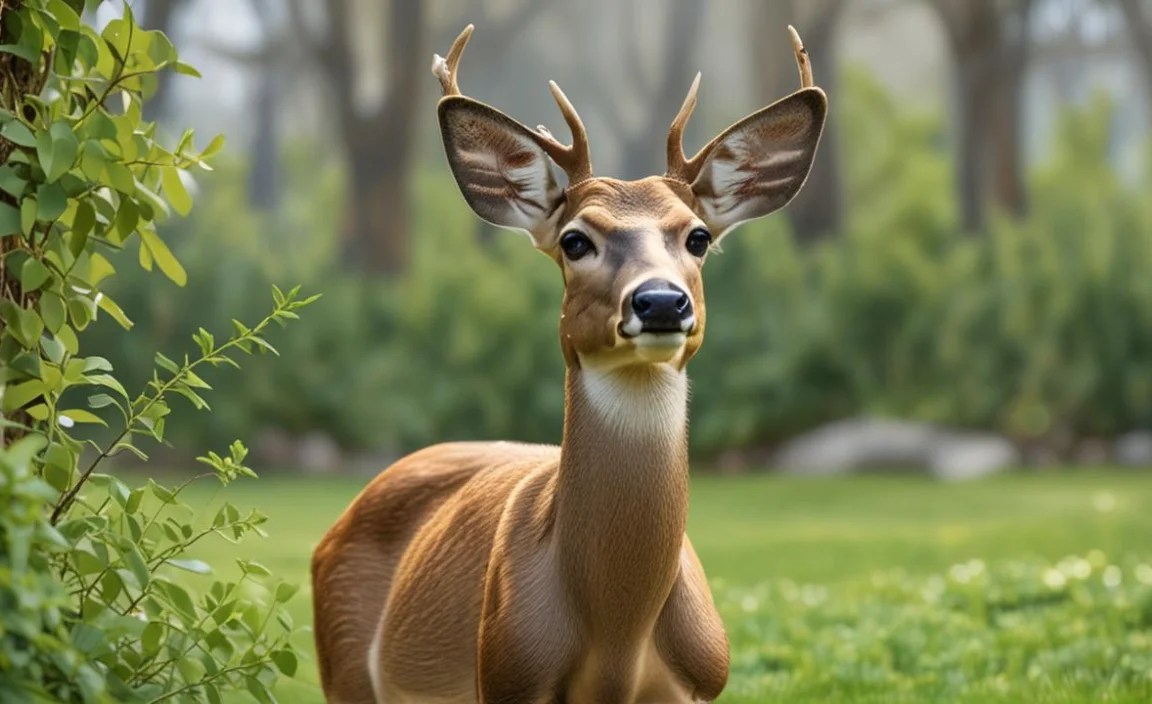
Deer repellent sprays are another way to protect your garden. These sprays make plants taste bad to deer. They do not hurt the deer. They just keep them away. There are many different types of sprays. Some use strong smells that deer do not like. Others use bitter tastes. You need to spray regularly. Rain washes the spray away. New plant growth also needs to be sprayed. Using sprays is a good way to add to your deer deterrent for gardens. It helps keep your plants safe and healthy. Sprays are easy to use and can be very effective.
- Choose a spray with good reviews.
- Follow the directions on the bottle.
- Spray plants when they are dry.
- Reapply after it rains.
- Spray new growth often.
- Try different sprays if one stops working.
When choosing a spray, read the label carefully. Some sprays are safe for all plants. Others are not. Some sprays can harm pets or people. Pick a spray that is safe for your garden. Apply the spray evenly to all parts of the plant. Do not forget the undersides of leaves. Deer often eat those first. Keep a record of when you spray. This will help you remember when to reapply. Using sprays is a simple way to boost your deer deterrent for gardens. It keeps your plants looking great.
Fun Fact or Stat: Deer repellent sprays can reduce deer damage by up to 80% when used correctly!
What Ingredients Should a Good Deer Repellent Contain?
A good deer deterrent for gardens spray has certain ingredients. These make it effective at keeping deer away. Look for sprays with putrescent whole egg solids. Deer hate the smell. Garlic is another good ingredient. Capsaicin, from hot peppers, also works well. Some sprays use essential oils. These can also deter deer. Read the label to see what is in the spray. Choose one with ingredients that deer dislike. Will these ingredients work in your garden?
How Often Should You Apply Deer Repellent Spray?
How often you spray your deer deterrent for gardens depends on the weather. Rain washes the spray away. You need to reapply after it rains. New plant growth also needs to be sprayed. The label on the spray will give you guidance. Some sprays last longer than others. Check your plants regularly. If you see deer eating them, spray again. Regular spraying is key to keeping deer away. Are you ready to make spraying a habit?
Are Deer Repellent Sprays Safe for Pets and People?
Safety is important when using any deer deterrent for gardens. Some sprays can be harmful to pets and people. Read the label carefully before using the spray. Wear gloves and eye protection. Keep pets and children away while spraying. Let the spray dry before letting them back in the garden. Choose sprays that are labeled as safe for pets and people. Your family’s health is the most important thing. What safety steps will you take?
Using Motion-Activated Sprinklers as a Deterrent

Motion-activated sprinklers are a surprising way to deter deer. These sprinklers use a sensor to detect movement. When a deer walks by, the sprinkler sprays water. The sudden burst of water scares the deer away. They learn to avoid the area. These sprinklers are easy to set up. You just need a water source. They can cover a large area. Motion-activated sprinklers are a great addition to your deer deterrent for gardens. They are a humane and effective way to keep deer away. Plus, they help water your plants!
- Place sprinklers in areas deer visit often.
- Adjust the sensitivity of the motion sensor.
- Check the sprinkler heads regularly.
- Make sure the battery is charged.
- Move the sprinklers sometimes.
When setting up your sprinklers, think about where deer are most likely to go. Place the sprinklers in those areas. Adjust the sensitivity of the motion sensor. You do not want it to go off every time a bird flies by. Check the sprinkler heads regularly. Make sure they are not clogged. You also need to make sure the battery is charged. Some sprinklers use batteries. Moving the sprinklers sometimes keeps deer from getting used to them. Motion-activated sprinklers are a smart deer deterrent for gardens. They protect your plants without harming animals.
Fun Fact or Stat: Motion-activated sprinklers can deter deer within a 35-foot range!
How Do Motion-Activated Sprinklers Detect Deer?
Motion-activated sprinklers use sensors to detect movement. These sensors look for changes in heat and motion. When a warm body moves in front of the sensor, it triggers the sprinkler. Deer are large animals. They give off a lot of heat. This makes them easy for the sensor to detect. The sensor is adjustable. You can change how sensitive it is. This helps you avoid false alarms. How will you adjust your sensor?
What is the Best Placement for Motion-Activated Sprinklers?
Where you put your motion-activated deer deterrent for gardens matters. Place them in areas where deer often visit. These might be near paths or gardens. Make sure the sprinkler covers the area you want to protect. Avoid placing them near things that move a lot. This can cause false alarms. Think about the direction of the spray. You do not want to spray your house or sidewalk. Good placement makes the sprinklers more effective. Where will you place yours?
How Do You Maintain Motion-Activated Sprinklers?
Taking care of your motion-activated deer deterrent for gardens is important. Check the sprinkler heads regularly. Make sure they are not clogged. Clean them if needed. Check the battery. Replace it when it gets low. Look for leaks. Fix them right away. Adjust the sensor as needed. These simple steps will keep your sprinklers working well. What maintenance will you do this week?
Deer-Resistant Plants for a Beautiful Garden

One of the best ways to deter deer is to plant things they do not like. Some plants have strong smells or tastes. Deer avoid these plants. Planting deer-resistant plants can protect your garden. It also adds beauty. Lavender is a popular choice. Deer do not like the smell. Marigolds are bright and cheerful, but deer stay away. Herbs like rosemary and mint also work well. These plants are easy to grow. They make your garden less tasty to deer. Choosing deer-resistant plants is a smart deer deterrent for gardens. It keeps your garden looking great without the worry of deer damage.
- Choose plants that are native to your area.
- Plant a variety of deer-resistant plants.
- Group deer-resistant plants together.
- Protect young plants with netting.
- Check plants regularly for deer damage.
When choosing deer-resistant plants, think about your area. Native plants are often a good choice. They are used to the climate. They also require less care. Plant a variety of plants. This makes your garden more interesting. It also makes it harder for deer to find something they like. Group deer-resistant plants together. This creates a barrier around your more vulnerable plants. Protect young plants with netting. They are more likely to be eaten by deer. Check your plants regularly for deer damage. This helps you catch problems early. Deer-resistant plants are a natural deer deterrent for gardens. They make your garden beautiful and safe.
Fun Fact or Stat: Planting deer-resistant plants can reduce deer browsing by up to 90%!
What Flowers are Deer-Resistant?
Many flowers are deer-resistant. These add beauty to your garden. They also keep deer away. Marigolds are a popular choice. They have a strong smell that deer dislike. Zinnias are also deer-resistant. They come in many colors. Coneflowers are another good option. They attract butterflies and bees. Lavender is a beautiful flower that deer avoid. These flowers are easy to grow. They make your garden colorful and safe. What colors will you choose?
What Shrubs are Deer-Resistant?
Shrubs add structure to your garden. Some shrubs are also deer-resistant. Boxwood is a classic choice. It is evergreen and deer do not like it. Barberry is another good option. It has thorny branches that deter deer. Juniper is a low-maintenance shrub that deer avoid. These shrubs provide year-round interest. They also protect your garden from deer. What shape will you give your shrubs?
How Do You Incorporate Deer-Resistant Plants into Your Garden Design?
Planning your garden with deer-resistant plants is easy. Start by identifying areas where deer often browse. Plant deer-resistant plants in those areas. Use them as a border around your garden. Mix deer-resistant plants with other plants. This makes your garden more interesting. Choose plants that bloom at different times. This provides color all season long. A well-planned garden is beautiful and deer-resistant. How will you design your garden?
Combining Multiple Deterrent Methods
Using one deer deterrent for gardens might not be enough. Deer are smart animals. They can get used to one method. Combining different methods is more effective. Use a fence with deer repellent spray. Add motion-activated sprinklers. Plant deer-resistant plants. This multi-pronged approach keeps deer guessing. It also makes your garden less appealing. Combining methods is the best way to protect your plants. It shows deer that your garden is not worth the effort. A comprehensive plan is the key to success.
- Rotate different deterrent methods.
- Use a combination of visual and scent deterrents.
- Adjust your strategy based on deer behavior.
- Monitor your garden regularly for deer damage.
To make your plan even better, rotate different methods. Deer can get used to the same deterrent. Changing things up keeps them on their toes. Use a combination of visual and scent deterrents. Shiny objects scare deer. Smelly sprays keep them away. Adjust your strategy based on deer behavior. If deer are still eating your plants, try something new. Monitor your garden regularly for deer damage. This helps you catch problems early. Combining methods is a smart deer deterrent for gardens. It gives you the best chance of success.
Fun Fact or Stat: Gardens using multiple deer deterrents have a 95% success rate in preventing deer damage!
Why is it Important to Rotate Deer Deterrents?
Rotating deer deterrents for gardens is very important. Deer are smart animals. They can get used to one method. If you always use the same spray, they might start ignoring it. If you always have the same shiny objects, they might stop being scared. Changing things up keeps them guessing. It makes your garden less predictable. This helps keep deer away. What new deterrent will you try?
How Can You Monitor Deer Activity in Your Garden?
Watching your garden helps you know if your deer deterrent for gardens is working. Look for signs of deer. These include eaten leaves, tracks, and droppings. Check your plants regularly. Pay attention to new growth. This is often what deer eat first. Use a trail camera to see what deer are doing at night. This will help you adjust your strategy. What signs of deer will you look for?
How Do You Adjust Your Strategy Based on Deer Behavior?
Pay attention to how deer react to your deer deterrent for gardens. If they start ignoring a deterrent, try something new. If they are eating a certain plant, protect it with netting. If they are jumping over your fence, make it taller. Be flexible and adapt to the deer’s behavior. This will help you stay one step ahead. What changes will you make this week?
| Deterrent Method | Pros | Cons | Effectiveness |
|---|---|---|---|
| Fences | Very effective, long-lasting | Expensive, can be unsightly | High |
| Repellent Sprays | Easy to apply, relatively inexpensive | Needs frequent reapplication, smell can be unpleasant | Medium |
| Motion-Activated Sprinklers | Humane, also waters plants | Requires water source, may not work in cold weather | Medium |
| Deer-Resistant Plants | Natural, adds beauty to garden | May not completely deter deer, requires planning | Low to Medium |
Summary
Keeping deer out of your garden requires a good plan. There are many deer deterrents for gardens to choose from. Fences are effective but need to be tall. Deer repellent sprays make plants taste bad. Motion-activated sprinklers scare deer with water. Deer-resistant plants are a natural solution. Combining these methods is the best approach. Rotate your deterrents to keep deer guessing. Monitor your garden for signs of deer damage. Adjust your strategy as needed. A little effort can save your plants and keep your garden beautiful. Remember, the goal is to make your garden less appealing to deer.
Conclusion
Protecting your garden from deer is possible. Use a mix of methods to keep them away. Fences, sprays, and motion sensors can help. Deer-resistant plants also work well. Remember to change your approach. Deer are smart and adapt quickly. With the right deer deterrent for gardens, you can enjoy your plants. You will have a beautiful, deer-free space.
Frequently Asked Questions
Question No 1: What is the best deer deterrent for gardens?
Answer: The best approach combines several methods. A fence provides a physical barrier. Repellent sprays make plants taste bad. Motion-activated sprinklers startle deer. Deer-resistant plants make the garden less attractive. Rotate these methods to keep deer guessing. Monitor your garden for signs of deer. Adjust your strategy as needed. A comprehensive plan is the most effective way to protect your plants. Consider your budget and the size of your garden when choosing your methods. Some deterrents are more expensive than others. A small garden might only need a few sprays. A large garden might need a fence and sprinklers.
Question No 2: How high should a deer fence be?
Answer: A deer fence should be at least 8 feet tall. Deer can jump very high. A shorter fence will not stop them. Some deer can jump even higher. If you live in an area with lots of deer, you might need a taller fence. Consider the deer in your area. How high can they jump? This will help you choose the right fence height. You can also angle the top of the fence outward. This makes it harder for deer to jump over. Make sure your fence is strong. Deer can push through weak fences. A good fence is a great deer deterrent for gardens. It keeps your plants safe and healthy.
Question No 3: Are deer repellent sprays safe for pets?
Answer: Some deer repellent sprays are safe for pets. Others are not. Read the label carefully before using the spray. Look for sprays that are labeled as safe for pets. These sprays usually use natural ingredients. Avoid sprays with harsh chemicals. These can be harmful to animals. Wear gloves and eye protection when spraying. Keep pets and children away while spraying. Let the spray dry before letting them back in the garden. If your pet ingests the spray, call your veterinarian. Safety is always the most important thing. You want a deer deterrent for gardens that does not harm your furry friends.
Question No 4: Do motion-activated sprinklers really work?
Answer: Yes, motion-activated sprinklers can be effective. They use a sensor to detect movement. When a deer walks by, the sprinkler sprays water. The sudden burst of water scares the deer away. They learn to avoid the area. These sprinklers are easy to set up. You just need a water source. They can cover a large area. Motion-activated sprinklers are a great addition to your deer deterrent for gardens. They are a humane and effective way to keep deer away. Adjust the sensitivity of the motion sensor. You do not want it to go off every time a bird flies by.
Question No 5: What plants are deer resistant?
Answer: Many plants are deer resistant. These plants have strong smells or tastes. Deer avoid these plants. Lavender is a popular choice. Deer do not like the smell. Marigolds are bright and cheerful, but deer stay away. Herbs like rosemary and mint also work well. These plants are easy to grow. They make your garden less tasty to deer. Other deer-resistant plants include daffodils, foxglove, and bleeding heart. Choose plants that are native to your area. They are used to the climate and require less care. A well-planned garden is a natural deer deterrent for gardens.
Question No 6: How can I make my own deer repellent spray?
Answer: Making your own deer deterrent for gardens spray is easy. You can use common household ingredients. Mix garlic, eggs, and water for a smelly spray. Deer hate the smell. Hot pepper spray is another good choice. The spicy taste keeps deer from eating plants. Soap can also work. Grate it and sprinkle it around your garden. These homemade sprays need to be reapplied often. Rain washes them away. Always test the spray on a small area of the plant first. This will make sure it does not damage the plant. Be careful when using hot pepper spray. Avoid getting it in your eyes or on your skin.
