Do you love plants? Do you want to bring nature inside? DIY large planters indoors can help. They let you grow big plants inside. This adds beauty to your home. It can also be a fun project.
Making your own planter is easier than you think. You can use many materials. Old buckets, wooden crates, or even fabric can work. Get ready to get creative. Let’s make something cool together!
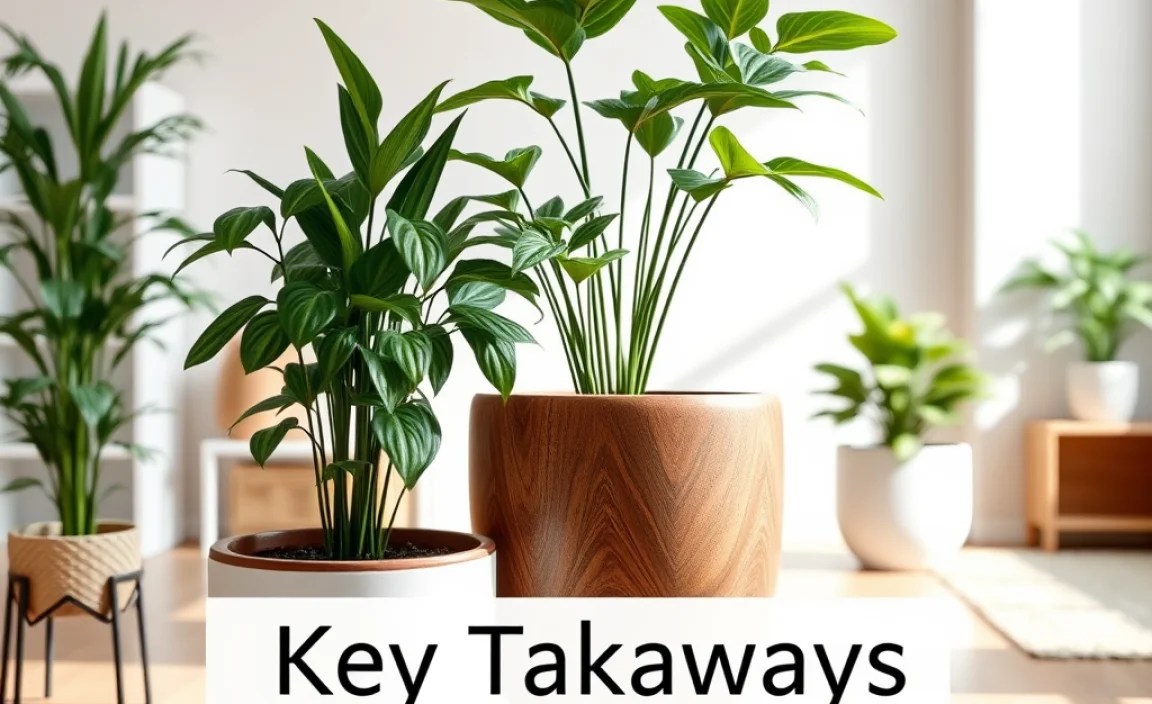
Key Takeaways
- DIY large planters indoors bring nature and beauty into your home.
- Repurposing materials like buckets helps create unique, eco-friendly planters.
- Consider the size and weight of the planter for your indoor space.
- Ensure proper drainage to keep your indoor plants healthy and thriving.
- Personalize your planters with paint and decorations to match your style.

Choosing Materials for DIY Large Planters Indoors
Choosing the right materials is key for DIY large planters indoors. You want something that looks good and works well. Plastic is light and easy to clean. Wood adds a natural, warm touch to your home. Metal can give a modern, industrial look. Consider the size and weight of the material. Large planters can get heavy when filled with soil and plants. Think about how the material will hold up over time. Some materials might need extra protection from water. Always make sure your material is safe for plants. Some treated woods can release chemicals. Pick materials that match your style and needs.
- Plastic is lightweight and easy to clean.
- Wood adds a natural, warm feel.
- Metal offers a modern, industrial look.
- Consider the weight of the material.
- Ensure the material is safe for plants.
Think about what kind of plants you want to grow. Some plants need more water than others. Plastic might be better for plants that need a lot of moisture. Wood can rot if it stays too wet. Metal can rust if it is not treated. Consider adding a liner inside the planter. This will protect the material from water damage. You can use a plastic bag or a special planter liner. This will help your DIY large planters indoors last longer. Always think about how the material will affect your plants.
What Type of Wood is Best?
Have you ever wondered what makes one type of wood better than another? Well, let’s talk about the best wood for your DIY large planters indoors! Cedar is a great choice because it resists rot. Redwood is also a good option. These woods naturally fight off decay. This means your planter will last longer. Pine is cheaper, but it needs to be treated. You can use a sealant to protect it from water. Make sure the sealant is safe for plants! Pressure-treated wood is another option, but be careful. Some treatments can be harmful. Always check the label to be sure.
Can You Use Recycled Materials?
Do you like to recycle? You can use recycled materials for your DIY large planters indoors! Old wooden pallets can be turned into cool planters. Just make sure the wood is clean and safe. You can also use old drawers or cabinets. These can be painted and decorated. Old tires can even be used as planters. Just be sure to drill holes for drainage. Using recycled materials is good for the environment. It also gives your planters a unique look. Get creative and see what you can find! It is a fun way to make something new from something old.
How Do You Protect Wood from Water Damage?
Water can be a big problem for wooden planters. But don’t worry! You can protect your DIY large planters indoors from water damage. Use a plastic liner inside the planter. This will keep the wood from getting wet. You can also use a waterproof sealant. Apply it to the inside and outside of the planter. Be sure to choose a sealant that is safe for plants. Another trick is to raise the planter off the ground. This allows air to circulate and helps the wood dry out. You can use small pieces of wood or plastic to lift the planter.
Fun Fact or Stat: Over 80% of people feel happier and calmer when surrounded by indoor plants.

Building Your DIY Large Planters Indoors
Building DIY large planters indoors is a fun project. First, gather your materials. You will need wood, screws, and tools. Measure and cut the wood to the size you want. A simple box shape is easy to build. Assemble the sides using screws. Make sure the corners are strong. Add a bottom to the planter. Drill drainage holes in the bottom. This is important for healthy plants. Line the inside with plastic to protect the wood. Now you are ready to add soil and plants. You can paint or decorate the planter to match your style. Building your own planter is rewarding.
- Gather your materials and tools.
- Measure and cut the wood carefully.
- Assemble the sides and bottom securely.
- Drill drainage holes for healthy plants.
- Line the inside to protect the wood.
- Paint or decorate to match your style.
If you are using a different material, the process might be different. For example, if you are using a plastic bucket, you just need to drill drainage holes. If you are using fabric, you will need to create a frame to hold the shape. Get creative and experiment with different ideas. There are many ways to build DIY large planters indoors. The most important thing is to have fun. Don’t be afraid to try new things. You might be surprised at what you can create. Always be careful when using tools. Ask an adult for help if you need it.
How Do You Make a Simple Wooden Planter Box?
Making a simple wooden planter box is easy. First, you need four pieces of wood for the sides. Then, you need one piece for the bottom. Cut the wood to the size you want. Use screws or nails to put the sides together. Make sure the corners are square. Attach the bottom piece. Drill holes in the bottom for drainage. Sand the wood to make it smooth. You can paint or stain the wood. This will protect it from the weather. Now you have a simple wooden planter box for your DIY large planters indoors! It is a great way to start your indoor garden.
What Tools Do You Need?
To build DIY large planters indoors, you will need some basic tools. A saw is important for cutting wood. A drill is useful for making holes. You will also need a screwdriver for putting in screws. A measuring tape will help you measure the wood. Sandpaper will make the wood smooth. Safety glasses are important to protect your eyes. A hammer can be used for nails. A level will ensure your planter is straight. These tools will help you build a beautiful and functional planter. Always ask an adult for help if you are not sure how to use a tool.
How Do You Ensure the Planter is Strong?
A strong planter is important. You don’t want it to fall apart! Use strong screws or nails to hold the pieces together. Make sure the corners are well-connected. You can add extra support to the corners. Use wood glue to reinforce the joints. Choose thick wood for the sides and bottom. This will make the planter more durable. Line the inside with plastic to protect the wood from water. This will also prevent the wood from rotting. A strong planter will last for many years. It will also support the weight of the soil and plants. With a little care, your DIY large planters indoors will be sturdy and reliable.
Fun Fact or Stat: The oldest known planter dates back to ancient Egypt, around 2500 BC!

Drainage Solutions for DIY Large Planters Indoors
Drainage is very important for DIY large planters indoors. Plants need water, but too much water can hurt them. Good drainage lets extra water escape. This prevents the roots from rotting. Drill holes in the bottom of the planter. Add a layer of gravel or rocks at the bottom. This helps water drain more easily. Use potting soil that drains well. Avoid using garden soil, which can be too heavy. You can also add perlite or vermiculite to the soil. These materials help improve drainage. Proper drainage will keep your plants healthy.
- Drill drainage holes in the bottom.
- Add a layer of gravel or rocks.
- Use well-draining potting soil.
- Add perlite or vermiculite to the soil.
- Avoid overwatering your plants.
If you don’t have drainage holes, the water will sit at the bottom of the planter. This can cause the roots to rot. Root rot can kill your plants. You can also use a self-watering planter. These planters have a reservoir at the bottom. The plants draw water up as needed. This helps prevent overwatering. Be careful not to fill the reservoir too much. Always check the soil before watering. If the soil is still wet, wait a day or two before watering again. Good drainage is essential for healthy DIY large planters indoors.
Why is Drainage So Important?
Why is drainage so important? Imagine your feet stuck in wet socks all day. That is what it is like for plant roots in soggy soil. Roots need air to breathe. When the soil is waterlogged, the roots can’t get enough air. This can lead to root rot. Root rot is a disease that can kill plants. Good drainage allows air to reach the roots. It also prevents the build-up of harmful salts and minerals. Proper drainage is essential for healthy plant growth in your DIY large planters indoors. It is one of the most important things to consider when building a planter.
What Materials Help with Drainage?
Several materials can help with drainage. Gravel and rocks are good choices for the bottom of the planter. They create space for water to drain. Perlite and vermiculite are added to the soil. They help improve drainage and aeration. These materials prevent the soil from becoming too compacted. This allows water to flow more easily. You can also use broken pieces of pottery. These can be placed at the bottom of the planter. They will help keep the drainage holes clear. Using the right materials will ensure good drainage for your DIY large planters indoors.
How Do You Prevent Overwatering?
Overwatering is a common problem. But it can be easily prevented. Always check the soil before watering. Stick your finger into the soil. If it feels wet, don’t water. Wait until the soil feels dry to the touch. Use a watering can with a spout. This will help you control the amount of water you give your plants. Water slowly and evenly. Avoid pouring water directly onto the leaves. Water in the morning, so the leaves have time to dry. These tips will help you prevent overwatering your DIY large planters indoors.
Fun Fact or Stat: Plants in well-drained soil grow up to 50% faster than those in poorly drained soil.

Choosing the Right Soil for DIY Large Planters Indoors
Choosing the right soil is important for DIY large planters indoors. Different plants need different types of soil. Potting soil is a good choice for most indoor plants. It is light and airy, which helps with drainage. Avoid using garden soil in your planters. Garden soil can be too heavy and compacted. This can suffocate the roots. You can also mix your own soil. A good mix includes potting soil, perlite, and vermiculite. This will provide good drainage and aeration. Consider the specific needs of your plants when choosing soil.
- Use potting soil for most indoor plants.
- Avoid using garden soil in planters.
- Mix your own soil with perlite and vermiculite.
- Consider the specific needs of your plants.
- Check the pH level of the soil.
Some plants prefer acidic soil. Others prefer alkaline soil. You can test the pH level of your soil with a kit. Adjust the pH level as needed. You can add lime to raise the pH level. You can add sulfur to lower the pH level. Always research the specific needs of your plants. This will help you choose the right soil. The right soil will help your plants thrive. Healthy soil means healthy plants in your DIY large planters indoors. Always use clean, fresh soil.
What is Potting Soil?
What exactly is potting soil? Potting soil is not really soil at all! It is a mix of different materials. These materials help plants grow. Potting soil usually contains peat moss, vermiculite, and perlite. Peat moss helps retain moisture. Vermiculite helps with drainage and aeration. Perlite is a volcanic glass that also improves drainage. Potting soil is light and fluffy. This allows air to reach the roots. It is also sterile, which means it does not contain pests or diseases. Potting soil is the best choice for DIY large planters indoors. It provides the perfect environment for healthy plant growth.
How Do You Amend Soil?
Sometimes, you need to improve your soil. This is called amending the soil. You can add different materials to change its properties. Compost is a great amendment. It adds nutrients to the soil. It also improves drainage and aeration. You can also add aged manure. This is another good source of nutrients. Peat moss can be added to help retain moisture. Perlite and vermiculite improve drainage. Always mix the amendments well with the soil. Test the soil after amending it. This will help you make sure you have the right balance of nutrients. Amending the soil will help your DIY large planters indoors plants thrive.
How Do You Test Soil pH?
Testing soil pH is easy. You can buy a soil pH test kit at most garden stores. The kit usually includes a probe and a meter. Insert the probe into the soil. The meter will display the pH level. The pH scale ranges from 0 to 14. A pH of 7 is neutral. A pH below 7 is acidic. A pH above 7 is alkaline. Most plants prefer a slightly acidic pH of around 6.0 to 6.5. Adjust the pH as needed by adding lime or sulfur. Testing the soil pH will help you provide the best environment for your DIY large planters indoors.
Fun Fact or Stat: The best potting soil is often made from a blend of peat moss, perlite, and vermiculite.
Decorating Your DIY Large Planters Indoors
Decorating your DIY large planters indoors is a fun way to personalize them. You can paint the planters with bright colors. Use stencils to create designs. Add mosaic tiles for a unique look. Wrap the planters with rope or twine. Glue shells or stones to the surface. Use fabric scraps to create a collage. Add decorative trim or molding. The possibilities are endless. Let your creativity shine. Decorating your planters will make them even more special. It will also add a personal touch to your home.
- Paint the planters with bright colors.
- Use stencils to create designs.
- Add mosaic tiles for a unique look.
- Wrap the planters with rope or twine.
- Glue shells or stones to the surface.
Consider the style of your home when decorating your planters. If you have a modern home, use clean lines and simple colors. If you have a rustic home, use natural materials like wood and stone. If you have a bohemian home, use bright colors and eclectic designs. You can also add accessories to your planters. Place small figurines or statues around the plants. Add pebbles or glass beads to the soil surface. Use plant labels to identify your plants. Decorating your DIY large planters indoors will make them a focal point in your home.
What Kind of Paint Should You Use?
What kind of paint should you use for your DIY large planters indoors? Acrylic paint is a good choice. It is durable and water-resistant. It also comes in many colors. You can also use spray paint. This is a quick and easy way to paint your planters. Be sure to use paint that is safe for plants. Some paints can release harmful chemicals. Look for paints that are labeled as non-toxic. You can also use a sealant over the paint. This will protect it from scratches and fading. Choose a paint that matches your style and the overall look of your home.
How Can You Add a Mosaic Design?
Adding a mosaic design to your DIY large planters indoors is fun. You will need mosaic tiles, glue, and grout. Choose the colors and shapes of tiles you want to use. Apply glue to the surface of the planter. Place the tiles onto the glue. Arrange them in a pattern or design. Let the glue dry completely. Then, apply grout between the tiles. Wipe off any excess grout with a damp sponge. Let the grout dry completely. The mosaic design will add a unique and colorful touch to your planters.
What Other Decorations Can You Add?
Besides paint and tiles, there are many other decorations you can add. You can wrap the planters with rope or twine. This will give them a rustic look. You can glue shells or stones to the surface. This will add a natural touch. You can use fabric scraps to create a collage. This will add a colorful and textured look. You can also add decorative trim or molding. This will give the planters a more polished look. Let your imagination run wild and create unique and beautiful DIY large planters indoors!
Fun Fact or Stat: Decorated planters can increase the perceived value of a plant by up to 25%.
Choosing the Right Plants for Your DIY Large Planters Indoors
Choosing the right plants is important for your DIY large planters indoors. Consider the amount of sunlight in your home. Some plants need a lot of sunlight. Others can thrive in low light. Think about the size of your planter. Choose plants that will fit comfortably. Consider the watering needs of the plants. Some plants need frequent watering. Others prefer to dry out between waterings. Research the specific needs of each plant. This will help you choose the right plants for your home.
| Plant Name | Sunlight Needs | Watering Needs | Size |
|---|---|---|---|
| Snake Plant | Low to bright indirect | Infrequent | Up to 4 feet tall |
| ZZ Plant | Low to bright indirect | Infrequent | Up to 3 feet tall |
| Peace Lily | Low to medium indirect | Regular | Up to 4 feet tall |
| Monstera Deliciosa | Bright Indirect | Moderate | Up to 8 feet tall |
- Consider the amount of sunlight in your home.
- Think about the size of your planter.
- Consider the watering needs of the plants.
- Research the specific needs of each plant.
- Choose plants that complement your style.
Choose plants that complement your style. If you have a modern home, choose plants with clean lines and simple shapes. If you have a rustic home, choose plants with a more natural look. If you have a bohemian home, choose plants with bright colors and interesting textures. You can also mix and match different types of plants. Create a unique and interesting display. Choosing the right plants will bring life and beauty to your DIY large planters indoors.
What Plants Thrive in Low Light?
Some plants can thrive even without much sunlight. These are great choices for DIY large planters indoors. Snake plants are very easy to care for. They can tolerate low light and infrequent watering. ZZ plants are another good option. They are also very drought-tolerant. Peace lilies are beautiful plants that can bloom in low light. Cast iron plants are almost indestructible. They can survive in very dark conditions. These plants are perfect for beginners. They are also great for homes with little natural light.
What Plants Need a Lot of Sunlight?
If you have a sunny home, you can grow plants that need a lot of sunlight. Succulents are a popular choice. They need at least six hours of sunlight per day. Cacti are also sun-loving plants. They are very drought-tolerant. Herbs like rosemary and basil need a lot of sunlight. They are great for growing indoors. Citrus trees can also be grown indoors. They need a lot of sunlight and regular watering. These plants will thrive in a sunny spot in your home, adding beauty to your DIY large planters indoors.
How Do You Care for Indoor Plants?
Caring for indoor plants is easy. Water them when the soil feels dry to the touch. Avoid overwatering, which can lead to root rot. Fertilize your plants regularly. Use a balanced fertilizer. Prune your plants to keep them healthy and attractive. Remove any dead or yellow leaves. Dust the leaves regularly to help them breathe. Rotate your plants occasionally to ensure even growth. With a little care, your indoor plants will thrive in your DIY large planters indoors and bring joy to your home.
Fun Fact or Stat: Indoor plants can improve air quality by removing up to 87% of toxins in 24 hours.
Summary
DIY large planters indoors are a great way to bring nature into your home. You can build them from various materials. Consider wood, plastic, or even recycled items. Drainage is very important. Make sure to drill holes and use well-draining soil. Decorate your planters to match your style. Paint, tiles, and rope are all great options. Choose plants that thrive in your home’s light conditions. Snake plants and ZZ plants are good for low light. Succulents need lots of sun. With a little effort, you can create beautiful and functional planters.
Remember to choose the right soil for your plants. Potting soil is usually the best choice. Avoid using garden soil. Water your plants regularly, but don’t overwater. Fertilize them as needed. Prune them to keep them healthy. DIY large planters indoors can transform your living space. They add beauty and improve air quality. Enjoy the process of creating your own indoor garden.
Conclusion
Creating DIY large planters indoors is a fun and rewarding project. You can customize them to fit your style. You can also choose plants that thrive in your home. Remember to consider drainage and soil. With a little creativity, you can transform your living space. Enjoy the beauty and benefits of indoor plants. Start building your own planters today!
Frequently Asked Questions
Question No 1: What are the best materials for DIY large planters indoors?
Answer: The best materials for DIY large planters indoors include wood, plastic, and metal. Wood offers a natural look but needs protection from water. Plastic is lightweight and easy to clean. Metal provides a modern, industrial feel. You can also use recycled materials like old buckets or tires. Consider the weight, durability, and safety of the material for plants. Always ensure proper drainage no matter the materials used.
Question No 2: How do I ensure proper drainage for my DIY large planters indoors?
Answer: Proper drainage is essential for healthy plant growth. Drill drainage holes in the bottom of the planter. Add a layer of gravel or rocks at the bottom to help water drain. Use well-draining potting soil instead of garden soil. You can also add perlite or vermiculite to the soil to improve drainage. Avoid overwatering your plants. Check the soil moisture before watering. These steps will prevent root rot and keep your plants healthy in your DIY large planters indoors.
Question No 3: What type of soil should I use for my DIY large planters indoors?
Answer: Use potting soil. It is a mix of peat moss, vermiculite, and perlite. Avoid garden soil, which is too heavy. You can amend the potting soil with compost or aged manure for nutrients. Consider the specific needs of your plants. Some plants prefer acidic soil. Others prefer alkaline soil. Test the soil pH and adjust as needed. Using the right soil will promote healthy growth in your DIY large planters indoors.
Question No 4: How can I decorate my DIY large planters indoors?
Answer: There are many ways to decorate your planters. Paint them with bright colors or use stencils for designs. Add mosaic tiles for a unique look. Wrap them with rope or twine for a rustic feel. Glue shells or stones to the surface for a natural touch. Use fabric scraps for a collage. Consider your home’s style when decorating. Let your creativity shine and make your planters special for your DIY large planters indoors.
Question No 5: What plants are best suited for DIY large planters indoors?
Answer: Consider the amount of sunlight in your home. Snake plants and ZZ plants thrive in low light. Succulents and cacti need lots of sunlight. Peace lilies can tolerate medium light. Choose plants that fit the size of your planter. Research their watering needs. Select plants that complement your style. With the right plants, your DIY large planters indoors will thrive and beautify your space.
Question No 6: How do I protect my wooden DIY large planters indoors from water damage?
Answer: To protect wooden planters from water damage, use a plastic liner inside the planter. This creates a barrier between the soil and the wood. You can also apply a waterproof sealant to the inside and outside of the planter. Make sure the sealant is safe for plants. Elevate the planter off the ground. This allows air to circulate and helps the wood dry out. Regular maintenance will keep your wooden DIY large planters indoors lasting longer.
