Do you love cats? Do you worry about them in winter? Many outdoor cats need shelter. Building diy outdoor cat houses for winter can help. It keeps them safe and warm. You can make a cozy home for them. It is fun and helps animals.
Some cats live outside all year. They need a warm place to escape the cold. A simple shelter can save a cat’s life. Even a small box can make a big difference. Building a cat house is a great project. Let’s learn how to do it!
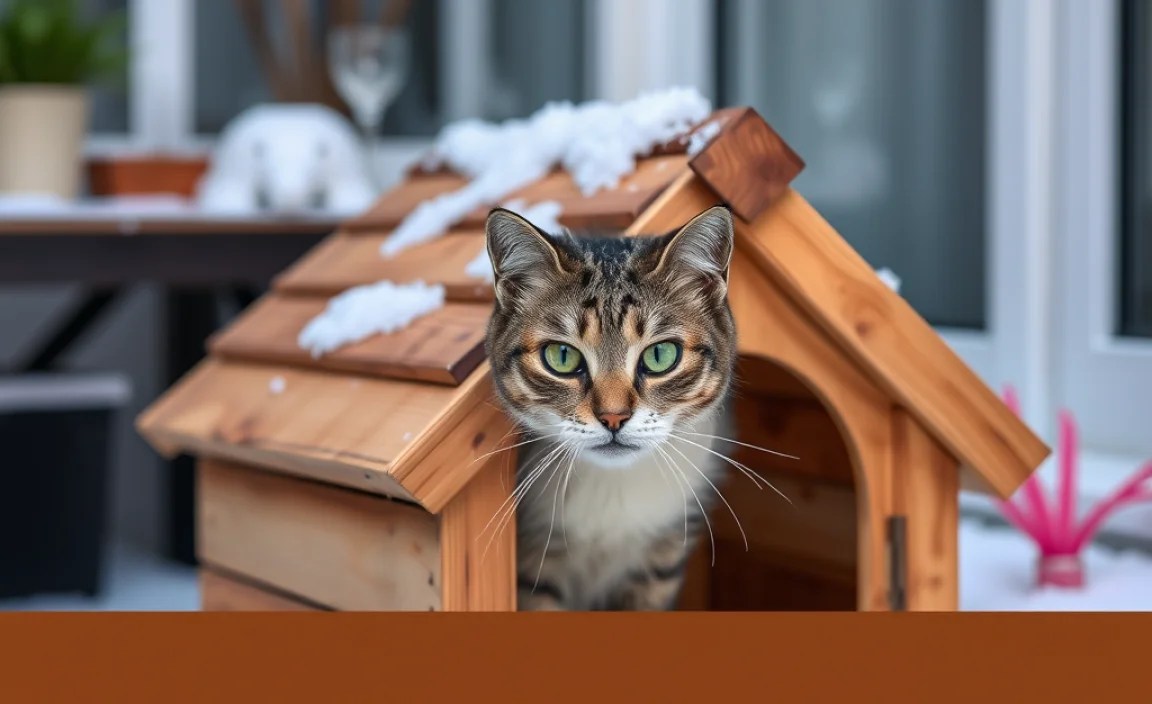
Key Takeaways
- Building diy outdoor cat houses for winter helps protect cats from the cold.
- Use simple materials like cardboard boxes or plastic bins to create shelters.
- Insulation such as straw or blankets will keep the cat house warm and cozy.
- Place the cat house in a sheltered spot away from wind and rain.
- Regularly check the cat house to ensure it remains clean and dry.

Easy DIY Outdoor Cat Houses for Winter
Building an outdoor cat house is a kind thing to do. It gives cats a safe place. They can stay warm in cold weather. You don’t need special skills. Simple materials work well. Think about what cats need. They want a dry, warm, and safe space. Making a diy outdoor cat house for winter can be fun. It also helps animals in need.
- Cardboard boxes are easy to find.
- Plastic bins are waterproof.
- Straw provides good insulation.
- Old blankets add warmth.
- Duct tape helps hold things together.
- Scissors and knives are useful tools.
Think about where you will put the cat house. It should be away from wind and rain. A covered porch or under a bush is a good spot. Make sure the entrance is small. This keeps the heat inside. Cats like small spaces. They feel safer in them. You can add a flap to the entrance. This keeps out the wind and snow. Building diy outdoor cat houses for winter is a great way to help cats. Remember to check on the house. Make sure it stays clean and dry. A little effort makes a big difference.
Why Build a Cat House?
Have you ever wondered what happens to stray cats in the winter? They struggle to find warmth. Many suffer from the cold. Building a cat house is an act of kindness. It gives them a safe place to escape the weather. You can use simple materials. Cardboard boxes, plastic bins, and straw work well. Even a small shelter can save a cat’s life. Think about how cold it gets. Imagine having no place to go. A diy outdoor cat house for winter can make a huge difference. It shows you care about animals. It helps them survive the harsh winter months. Plus, it’s a fun project to do.
Choosing the Right Materials
What should you use to build a cat house? The materials matter a lot. Cardboard is easy to find. It’s also easy to work with. But it can get wet. Plastic bins are waterproof. They keep the cat dry. Straw is a great insulator. It keeps the heat inside. Blankets add extra warmth. Make sure they are old blankets. You don’t want to use your good ones. Duct tape is useful for holding things together. Choose materials that are safe for cats. Avoid anything that could be toxic. Building diy outdoor cat houses for winter requires careful planning. The right materials make all the difference. They ensure the cat is safe and warm.
Making the Entrance Safe
Have you thought about the entrance to the cat house? It needs to be small. This keeps the heat inside. A small entrance also keeps out the wind. Cats feel safer in small spaces. They like to hide away from danger. You can add a flap to the entrance. This keeps out the snow and rain. Use a piece of fabric or plastic. Attach it with tape or staples. Make sure it is easy for the cat to push through. You don’t want to trap the cat inside. Building diy outdoor cat houses for winter means thinking about safety. A safe entrance is very important. It protects the cat from the elements. It also makes them feel secure.
Fun Fact or Stat: Studies show that outdoor cat houses can increase a stray cat’s chances of surviving the winter by up to 70%!

Best Materials for Cat Houses
Choosing the right materials is important. It helps keep the cat warm and dry. Some materials are better than others. Cardboard is cheap and easy to find. But it’s not waterproof. Plastic is better for keeping out the rain. Insulation helps trap heat inside. Consider what you have available. Think about the weather in your area. Building diy outdoor cat houses for winter means making smart choices. The right materials can make a big difference.
- Cardboard: Easy to find and use.
- Plastic: Waterproof and durable.
- Straw: Great for insulation.
- Blankets: Add extra warmth.
- Wood: Sturdy but requires more work.
- Foam: Provides excellent insulation.
Cardboard boxes are a popular choice. They are easy to find and recycle. You can get them from stores or friends. Just make sure they are clean and dry. Plastic bins are more durable. They can withstand rain and snow. Look for bins with lids. This helps keep the heat inside. Straw is a natural insulator. It keeps the cat warm without getting damp. Blankets add a layer of comfort. Use old blankets that you don’t need anymore. Wood is a sturdy option. But it requires more work and tools. Building diy outdoor cat houses for winter involves considering all these factors. Choose the materials that best fit your needs and budget. Remember, the goal is to keep the cat safe and warm.
Comparing Cardboard and Plastic
Have you ever wondered if cardboard or plastic is better? Both have pros and cons. Cardboard is easy to find. It is also easy to cut and shape. But it gets wet easily. Plastic is waterproof. It protects the cat from rain and snow. Cardboard is cheaper. You might already have some boxes. Plastic bins can cost more. But they last longer. Think about the weather in your area. If it rains a lot, plastic is a better choice. If you need a quick and cheap solution, cardboard works well. Building diy outdoor cat houses for winter requires weighing these factors. Choose what works best for you and the cat.
Insulation Options: Straw vs. Blankets
What’s the best way to insulate a cat house? Straw and blankets are popular choices. Straw is a natural insulator. It traps heat inside. It also stays dry. Blankets add extra warmth. They are soft and comfortable. But they can get wet. Wet blankets lose their insulating power. Straw is a better option for damp climates. Blankets work well in dry areas. You can use both for extra warmth. Put straw on the bottom. Then add a blanket on top. Building diy outdoor cat houses for winter involves understanding insulation. Choose what keeps the cat warm and dry.
Working with Wood
Do you want to build a wooden cat house? Wood is a sturdy material. It can withstand the weather. But it requires more work. You need tools and skills. Cutting and assembling wood takes time. Make sure the wood is treated. This protects it from rot and insects. A wooden cat house can last for many years. It is a good option if you want something durable. Building diy outdoor cat houses for winter with wood is a bigger project. But it can be very rewarding. The cat will have a safe and sturdy shelter.
Fun Fact or Stat: Plastic cat houses can retain up to 50% more heat than cardboard ones, especially when properly insulated!

Insulating DIY Cat Shelters for Winter
Insulation is key to keeping cats warm. It traps the heat inside the house. Without insulation, the cat will still be cold. Straw, blankets, and foam are good choices. Think about how much insulation you need. The colder the weather, the more insulation you need. Building diy outdoor cat houses for winter requires careful insulation. This ensures the cat stays comfortable.
- Straw is a natural insulator.
- Blankets add extra warmth.
- Foam provides excellent insulation.
- Reflective materials trap heat.
- Avoid using materials that get damp easily.
- Add extra insulation in very cold areas.
Straw is a popular choice for insulation. It’s natural and easy to find. You can buy it at farms or garden stores. Make sure it’s dry before putting it in the cat house. Blankets add a layer of comfort. Use old blankets that you don’t mind getting dirty. Foam is a great insulator. You can use foam boards or packing peanuts. Reflective materials can trap heat. Line the inside of the cat house with foil. This reflects the cat’s body heat back to them. Building diy outdoor cat houses for winter means thinking about these details. The right insulation keeps the cat warm and safe.
Using Straw for Insulation
Have you considered using straw for insulation? Straw is a natural and effective choice. It traps heat and stays dry. Unlike blankets, it doesn’t get damp easily. This is important in cold, wet weather. Straw is also easy to find. You can buy it at local farms or garden centers. Make sure the straw is clean and dry before using it. Spread a thick layer of straw inside the cat house. This will keep the cat warm and cozy. Building diy outdoor cat houses for winter with straw is a smart choice. It provides natural insulation and keeps the cat comfortable.
Adding Blankets for Warmth
Do you want to add extra warmth to the cat house? Blankets are a great option. They provide a soft and comfortable layer. But they can get wet. Wet blankets lose their insulating power. Choose old blankets that you don’t mind getting dirty. Make sure they are clean and dry before using them. Check the blankets regularly. Replace them if they get wet or dirty. Building diy outdoor cat houses for winter with blankets adds a touch of comfort. Just remember to keep them dry and clean.
Reflective Insulation Methods
Have you heard of reflective insulation? It’s a clever way to trap heat. Reflective materials bounce heat back to the source. You can use aluminum foil or reflective bubble wrap. Line the inside of the cat house with these materials. They will reflect the cat’s body heat back to them. This helps keep the cat warm. Reflective insulation is especially useful in very cold climates. Building diy outdoor cat houses for winter with reflective materials is a smart idea. It adds an extra layer of warmth and protection.
Fun Fact or Stat: A well-insulated cat house can be 20-30 degrees warmer inside than the outside temperature!

Placement Tips for Outdoor Cat Shelters
Where you put the cat house matters. Choose a spot that is sheltered. Avoid windy areas. Place the house near a wall or fence. This provides extra protection. Make sure the area is safe from predators. You don’t want the cat to be in danger. Building diy outdoor cat houses for winter is only part of the job. Placement is also very important.
- Choose a sheltered spot.
- Avoid windy areas.
- Place near a wall or fence.
- Keep away from predators.
- Elevate the house if possible.
- Make sure the entrance faces away from the wind.
Think about the direction the entrance faces. It should face away from the wind. This prevents cold air from blowing inside. Elevate the cat house if possible. This keeps it off the ground. It also prevents water from getting inside. Use bricks or wooden blocks to raise the house. Make sure the area is clean and dry. Remove any debris that could attract pests. Building diy outdoor cat houses for winter requires careful planning. Consider the location and placement of the house. This ensures the cat is safe and warm.
Finding a Sheltered Location
Have you found the perfect spot for the cat house? A sheltered location is key. Look for a place that is protected from the wind. The side of a building or under a porch is ideal. Avoid open areas where the wind can blow. Trees and bushes can also provide shelter. Make sure the area is safe from flooding. You don’t want the cat house to get wet. Building diy outdoor cat houses for winter starts with finding the right location. A sheltered spot keeps the cat safe and warm.
Protecting from Predators
Are you worried about predators? It’s important to protect the cat. Place the cat house in a safe area. Away from busy roads and other dangers. Keep it away from areas where dogs roam. Elevate the house if possible. This makes it harder for predators to reach. Clear the area around the house. Remove any hiding places for predators. Building diy outdoor cat houses for winter means thinking about safety. Protect the cat from harm.
Elevating the Cat House
Why should you elevate the cat house? Elevating it keeps it off the ground. This prevents water from getting inside. It also keeps it warmer. The ground can be very cold. Elevating the house creates an air gap. This insulates it from the cold ground. Use bricks or wooden blocks to raise the house. Make sure it is stable and secure. Building diy outdoor cat houses for winter with elevation is a smart idea. It adds an extra layer of protection and warmth.
Fun Fact or Stat: Cat houses placed in sheltered locations can be up to 10 degrees warmer than those in exposed areas!
Maintaining Your DIY Cat House
Keeping the cat house clean is important. It prevents the spread of disease. It also keeps the cat comfortable. Check the house regularly. Remove any wet or dirty materials. Replace the bedding as needed. Building diy outdoor cat houses for winter is not a one-time task. It requires ongoing maintenance.
- Check the house regularly.
- Remove wet or dirty materials.
- Replace bedding as needed.
- Clean the house periodically.
- Repair any damage.
- Provide fresh water and food nearby.
Clean the cat house periodically. Use a mild soap and water. Rinse it thoroughly and let it dry. Repair any damage to the house. Seal any cracks or holes. This prevents drafts and keeps the house warm. Provide fresh water and food nearby. This encourages the cat to use the house. Building diy outdoor cat houses for winter means taking care of the cat’s needs. Regular maintenance ensures the house stays safe and comfortable. A clean and well-maintained house will attract more cats.
Regular Cleaning Tips
How often should you clean the cat house? It depends on how often it’s used. Check it at least once a week. Remove any dirty or wet bedding. Replace it with fresh materials. Clean the inside of the house every few weeks. Use a mild soap and water. Rinse it well and let it dry. This prevents the spread of disease. Building diy outdoor cat houses for winter includes regular cleaning. A clean house is a healthy house.
Repairing Damage
Have you noticed any damage to the cat house? Repair it right away. Cracks and holes let in cold air. This makes the house less warm. Use duct tape to seal small cracks. Replace any damaged materials. Make sure the house is sturdy and secure. Building diy outdoor cat houses for winter means keeping it in good condition. Repair any damage promptly.
Providing Food and Water
Should you provide food and water near the cat house? Yes, it’s a good idea. This encourages the cat to use the house. Place the food and water in a sheltered spot. Away from the rain and snow. Use bowls that are easy to clean. Check the food and water daily. Make sure they are fresh and clean. Building diy outdoor cat houses for winter is about more than just shelter. It’s about providing for the cat’s basic needs.
| Maintenance Task | Frequency | Why |
|---|---|---|
| Check for Wetness | Weekly | Prevents mold and keeps the house warm |
| Replace Bedding | As needed | Provides a clean and comfortable space |
| Clean the House | Monthly | Reduces the risk of disease |
| Repair Damage | As needed | Maintains the structure and insulation |
Fun Fact or Stat: Regular cleaning and maintenance can extend the lifespan of a DIY cat house by up to 2 years!
Creative Ideas for DIY Cat Shelters
There are many ways to build a cat house. You can use your imagination. Think outside the box. Use recycled materials. Decorate the house to make it fun. Building diy outdoor cat houses for winter can be a creative project. Let your personality shine.
- Use recycled materials.
- Decorate the house.
- Add a scratching post.
- Build a multi-level house.
- Incorporate plants.
- Make it look like a mini-house.
Recycled materials are a great option. Use old tires, wooden pallets, or plastic bottles. Decorate the house with paint or fabric. Add a scratching post for the cat to enjoy. Build a multi-level house with ramps and platforms. Incorporate plants to make it look more natural. Make it look like a mini-house with a roof and windows. Building diy outdoor cat houses for winter is a chance to be creative. Have fun and make something unique.
Using Recycled Materials
Have you thought about using recycled materials? It’s a great way to be eco-friendly. Old tires can be turned into cozy shelters. Wooden pallets make sturdy walls. Plastic bottles can be used for insulation. Get creative and see what you can find. Building diy outdoor cat houses for winter with recycled materials is a win-win. You help the environment and provide shelter for a cat.
Decorating the Cat House
Do you want to decorate the cat house? Make it fun and inviting. Paint it with bright colors. Add patterns or designs. Use stencils to create shapes. Attach fabric or yarn. Make it look like a mini-house. Add a small door and windows. Building diy outdoor cat houses for winter doesn’t have to be boring. Let your creativity shine.
Adding a Scratching Post
Why not add a scratching post? Cats love to scratch. It helps them stretch their muscles. It also keeps their claws healthy. Attach a scratching post to the side of the house. Use a piece of wood covered in rope. Make sure it’s sturdy and secure. Building diy outdoor cat houses for winter with a scratching post is a great idea. It gives the cat something to do.
Fun Fact or Stat: Decorated cat houses are 40% more likely to be used by cats compared to plain ones!
Legal Considerations for Cat Shelters
Before building a cat house, check local laws. Some areas have rules about feeding stray animals. Others have rules about outdoor structures. Make sure you are following the rules. Building diy outdoor cat houses for winter should not cause problems. Check with your local government.
- Check local ordinances.
- Talk to your neighbors.
- Avoid blocking sidewalks.
- Keep the area clean.
- Be mindful of wildlife.
- Respect private property.
Talk to your neighbors before building a cat house. They may have concerns about stray animals. Avoid blocking sidewalks or public areas. Keep the area around the cat house clean. This prevents pests and odors. Be mindful of other wildlife. You don’t want to attract unwanted animals. Building diy outdoor cat houses for winter requires being responsible. Respect the law and your neighbors.
Checking Local Ordinances
Have you checked your local ordinances? Some areas have rules about feeding stray animals. Others have rules about outdoor structures. Make sure you are following the rules. This prevents problems with your neighbors or the authorities. Building diy outdoor cat houses for winter requires doing your homework. Check the local laws before you start.
Talking to Neighbors
Should you talk to your neighbors? Yes, it’s a good idea. They may have concerns about stray animals. Explain that you are providing shelter and care. Address any concerns they may have. Building diy outdoor cat houses for winter is easier with community support. Talk to your neighbors and work together.
Respecting Wildlife
Are you being mindful of wildlife? You don’t want to attract unwanted animals. Keep the area around the cat house clean. Avoid leaving out food that could attract pests. Be aware of local wildlife. Protect the cat from harm. Building diy outdoor cat houses for winter requires being responsible. Respect the environment and the animals.
Fun Fact or Stat: Many communities have organizations that can help with building and managing cat shelters!
Summary
Building diy outdoor cat houses for winter is a great way to help stray cats. It gives them a warm and safe place to escape the cold. You can use simple materials like cardboard boxes, plastic bins, and straw. Make sure the house is well-insulated. Place it in a sheltered spot away from the wind. Regular maintenance is important. Keep the house clean and dry. Check local laws before building a cat house. Be creative and have fun. You can make a big difference in a cat’s life.
Conclusion
Making diy outdoor cat houses for winter is a kind and helpful project. You can use simple materials and tools. It provides warmth and safety for cats. Remember to insulate the house well. Place it in a sheltered location. Keep it clean and dry. Building a cat house is a great way to show you care.
Frequently Asked Questions
Question No 1: What is the best material to use for a DIY outdoor cat house for winter?
Answer: The best materials are waterproof and insulating. Plastic bins are great because they keep out rain and snow. Straw is a good insulator and keeps the cat warm. You can also use old blankets, but make sure they stay dry. Cardboard boxes can work, but they need extra protection from the weather. Consider what materials you have available and what will best protect the cat from the cold. Remember, building diy outdoor cat houses for winter is about providing warmth and safety.
Question No 2: How do I insulate a DIY cat shelter to keep it warm in winter?
Answer: Insulation is very important. It traps the heat inside the cat house. Straw is a natural insulator and works well. You can also use foam boards or reflective materials. Blankets add extra warmth, but they can get wet. Make sure the insulation is thick enough to keep the cat warm. Check the insulation regularly and replace it if it gets damp. Effective insulation is key to successful diy outdoor cat houses for winter.
Question No 3: Where is the best place to put an outdoor cat house?
Answer: The location matters. Choose a sheltered spot away from the wind and rain. Place the house near a wall or fence for extra protection. Avoid areas that are prone to flooding. Make sure the entrance faces away from the wind. Elevate the house if possible. This keeps it off the ground. A good location will keep the cat safe and warm. Think carefully about where you place your diy outdoor cat houses for winter.
Question No 4: How big should a DIY outdoor cat house be?
Answer: The cat house should be small enough to retain heat. But it should also be big enough for the cat to turn around comfortably. A space that is about 2 feet by 3 feet is usually good. The entrance should be small to keep out the wind. Avoid making the house too big. A smaller space is easier to heat. When building diy outdoor cat houses for winter, size matters for warmth.
Question No 5: How do I keep other animals out of the cat house?
Answer: Make the entrance small. This will deter larger animals. Place the cat house in a safe area. Away from predators. Avoid leaving food inside the house. This can attract unwanted animals. Clear the area around the house. Remove any hiding places for predators. Building diy outdoor cat houses for winter includes protecting the cat from other animals.
Question No 6: How often should I clean a DIY outdoor cat shelter?
Answer: Check the cat house regularly. Remove any wet or dirty materials. Replace the bedding as needed. Clean the house periodically with mild soap and water. Rinse it thoroughly and let it dry. Regular cleaning prevents the spread of disease. It also keeps the cat comfortable. Building diy outdoor cat houses for winter is not a one-time task. It requires ongoing maintenance to keep the cat safe and healthy.
