Do you love plants? Do you want to make your yard look great? DIY tall planters outdoors can help. They add height and beauty. They also let you grow more plants. It can be a fun project. You can make them yourself!
Making your own planters is cool. You get to pick the colors. You can choose the size. It is a great way to show your style. Plus, it saves you money. Store-bought planters can be pricey. With a little work, you can have awesome DIY tall planters outdoors.
Have you ever seen a really cool yard? Chances are, it had some great planters. Tall planters make a big statement. They draw the eye up. This makes your space feel bigger. Let’s learn how to build some!
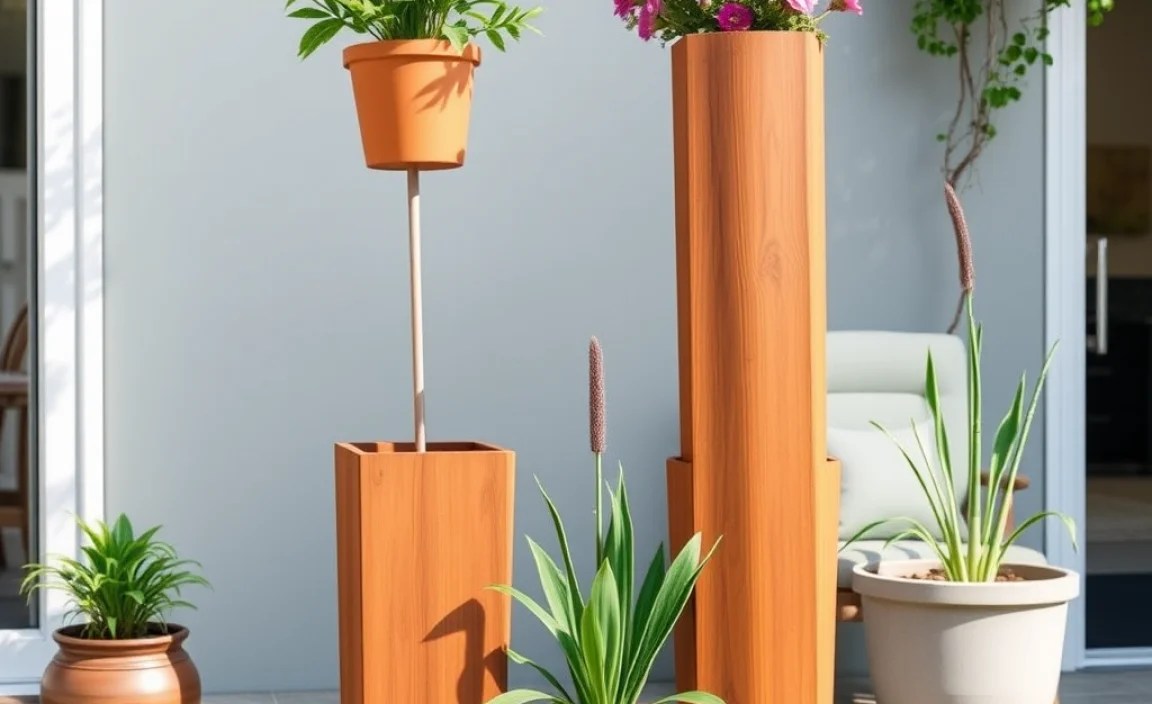
Key Takeaways
- DIY tall planters outdoors are a fun and affordable way to decorate your space.
- Using weather-resistant materials is key for long-lasting outdoor planters.
- Consider the size and weight of your plants when designing your tall planters.
- Repurposing old items like barrels or crates can create unique tall planters.
- Proper drainage is very important to keep your plants healthy in tall planters.

Planning Your DIY Tall Planters Outdoors
Before you start building, you need a plan. Think about where the planter will go. How much sun does that spot get? What kind of plants do you want to grow? Some plants need lots of sun. Others prefer shade. Also, consider the size. DIY tall planters outdoors can be big or small. Make sure it fits your space. You should also think about the style. Do you want something modern? Or something more rustic? Look at pictures online for ideas. Draw a sketch of your planter. This will help you know what materials to buy. Planning is key to a successful project. It will save you time and money in the long run. Take your time and think through each step.
- Measure the space where the planter will go.
- Choose plants that match the sunlight in that spot.
- Decide on a style that fits your yard.
- Sketch out your planter design.
- List all the materials you will need.
Choosing the right materials is also important. Wood is a popular choice. But it needs to be treated to last outdoors. Cedar and redwood are naturally weather-resistant. Plastic is another option. It’s lightweight and easy to clean. Concrete is very durable. But it can be heavy and hard to move. Metal can also be used. Just make sure it won’t rust. Think about the look you want. Also, think about how long you want it to last. Cheaper materials might not hold up well. Spending a little more on good materials is a good idea. Your DIY tall planters outdoors will look great for years.
What Size Should My Planter Be?
The size of your planter depends on the plants. Big plants need more room for their roots. Small plants can do well in smaller planters. Think about how big your plants will get. Look at the plant’s tag or online. It will tell you how much space it needs. Also, consider the weight. Soil can get heavy, especially when it’s wet. A very large planter filled with wet soil can be hard to move. Make sure the base is strong enough to hold the weight. A tall, narrow planter might tip over easily. A wider base will be more stable. Ask yourself, will it be easy to water? Can you reach all the plants? The right size makes caring for your plants easier.
What Style of Planter Should I Build?
There are many different styles to choose from. Modern planters often have clean lines. They might be made of metal or concrete. Rustic planters can be made from wood or old barrels. You can even use old crates. Painted planters can add a pop of color. Consider your home’s style. Do you want the planter to match? Or do you want it to stand out? Look at magazines and websites for inspiration. You can also drive around your neighborhood. See what other people have done. Don’t be afraid to get creative. You can mix and match styles. Your DIY tall planters outdoors should reflect your personality.
Where Should I Place My Tall Planter?
Think about the best spot for your plants. Some plants need full sun all day. Others need shade in the afternoon. Watch how the sun moves across your yard. Choose a spot that gets the right amount of light. Also, think about the wind. Tall planters can catch the wind. Make sure they are stable and won’t tip over. Consider the view from your windows. Do you want to see the planter from inside your house? Place it where you can enjoy it. Think about access to water. It will be easier to water your plants if the planter is close to a hose. Finally, think about foot traffic. Don’t put the planter where people will bump into it.
Fun Fact or Stat: Did you know that tall planters can help protect plants from pests like rabbits and deer?

Choosing Materials for DIY Tall Planters Outdoors
Picking the right materials is super important. It affects how long your planter lasts. It also affects how it looks. Wood is a popular choice. But not all wood is the same. Cedar and redwood are great for outdoors. They have natural oils that resist rot. Pressure-treated wood is also a good option. But make sure it’s safe for plants. Some treatments can leach chemicals into the soil. Plastic is lightweight and won’t rot. But it can crack in the sun. Concrete is very strong. But it’s also heavy. Metal can rust, so choose a rust-resistant type. Or paint it with a rust-preventing paint. Think about the look you want. And think about how much work you want to put in. Some materials need more maintenance than others. DIY tall planters outdoors can be made from almost anything!
- Cedar and redwood resist rot naturally.
- Pressure-treated wood needs to be plant-safe.
- Plastic is lightweight but can crack.
- Concrete is strong but very heavy.
- Metal needs rust protection.
- Consider maintenance needs of each material.
You can also use recycled materials. Old tires can be painted and used as planters. Pallets can be taken apart and made into planters. Old metal buckets can also work. Be creative and think outside the box. Using recycled materials is good for the environment. It can also save you money. Just make sure the materials are clean and safe. You don’t want to use anything that could harm your plants. Check online for ideas on how to repurpose materials. There are many ways to make unique and interesting planters. Your DIY tall planters outdoors can be both beautiful and eco-friendly. Don’t be afraid to experiment!
Is Wood a Good Choice for Outdoor Planters?
Wood is a classic choice for outdoor planters. It looks natural and can be stained or painted. Cedar and redwood are naturally rot-resistant. They can last for many years outdoors. Pressure-treated wood is also a good option. But it’s important to choose a type that is safe for plants. Some older treatments contained chemicals that could harm plants. Look for wood that is treated with alkaline copper quaternary (ACQ). This is a safer alternative. Even with treated wood, it’s a good idea to line the planter with plastic. This will help protect the wood from moisture. Wood planters need to be maintained. You may need to re-stain or re-paint them every few years.
What About Using Concrete for Planters?
Concrete is a very durable material. It can withstand all kinds of weather. Concrete planters can last for decades. They also have a modern, industrial look. Concrete is heavy, so it can be hard to move the planter once it’s built. You can buy pre-made concrete planters. Or you can make your own using molds. Making your own can be a fun project. But it requires some skill and equipment. Concrete can also be painted or stained. This lets you customize the look. Concrete planters can get very hot in the sun. This can dry out the soil quickly. It’s important to water your plants regularly. Consider the weight of your DIY tall planters outdoors.
Can I Use Metal for My DIY Planter?
Metal can be a stylish choice for planters. It can add a modern or industrial touch. But metal can also rust. Choose a rust-resistant metal like aluminum or stainless steel. Or paint the metal with a rust-preventing paint. Metal can also get very hot in the sun. This can burn your plants’ roots. Consider lining the planter with plastic. This will help protect the roots from the heat. Metal planters can be expensive. But they can also last for many years. You can also find recycled metal containers to use as planters. Old metal buckets or tubs can be painted and turned into unique planters. Just make sure they have drainage holes.
| Material | Pros | Cons | Best For |
|---|---|---|---|
| Cedar | Rot-resistant, beautiful | More expensive | Long-lasting planters |
| Plastic | Lightweight, affordable | Can crack, not as attractive | Budget-friendly projects |
| Concrete | Durable, modern look | Heavy, can get hot | Statement pieces |
| Metal | Stylish, industrial look | Can rust, can get hot | Modern gardens |
Fun Fact or Stat: Recycled plastic lumber is a great eco-friendly option for building outdoor planters!

Building the Frame for DIY Tall Planters Outdoors
The frame is the skeleton of your planter. It needs to be strong and sturdy. This will support the weight of the soil and plants. For a wooden frame, use screws instead of nails. Screws hold better and won’t come loose as easily. Make sure the corners are square. Use a level to make sure everything is straight. Add cross supports for extra strength. This is especially important for tall planters. The frame should be slightly smaller than the finished size of the planter. This will allow room for the siding. Think about how you will attach the siding to the frame. You can use screws, nails, or glue. Choose a method that is strong and durable. DIY tall planters outdoors need a solid frame.
- Use screws for a stronger hold.
- Make sure corners are square.
- Use a level to keep everything straight.
- Add cross supports for strength.
- Consider how to attach the siding.
For a concrete frame, you will need to build a mold. You can use wood or cardboard for the mold. Make sure the mold is strong enough to hold the concrete. Pour the concrete into the mold and let it dry completely. This can take several days. Once the concrete is dry, remove the mold. You can then sand the concrete to smooth out any rough edges. Concrete frames are very durable. But they can also be heavy and difficult to move. Make sure you have help if you are moving a large concrete planter. Remember that a solid frame is key to long-lasting DIY tall planters outdoors.
How Do I Make a Wooden Frame?
Start by cutting the wood to the right size. You will need four pieces for the sides. And four pieces for the corners. Use a saw to cut the wood. Make sure the cuts are straight and even. Assemble the frame using screws. Pre-drill holes before screwing in the screws. This will prevent the wood from splitting. Use a corner clamp to hold the corners together. This will ensure that the corners are square. Add cross supports to the bottom of the frame. This will help support the weight of the soil. You can also add a bottom to the frame. This will prevent the soil from falling out. Make sure to leave drainage holes in the bottom.
What Tools Do I Need to Build a Frame?
You will need a saw to cut the wood or other materials. A measuring tape is essential for accurate cuts. A drill is needed for screwing the frame together. You will also need screws or nails. A level will help you make sure the frame is straight. A square will help you make sure the corners are square. Safety glasses are important to protect your eyes. Work gloves will protect your hands. A pencil is useful for marking measurements. A workbench will provide a stable surface to work on. Depending on the material, you might need a concrete mixer or welding equipment.
How Do I Ensure My Frame is Strong?
Use high-quality materials. Don’t use cheap wood that is likely to rot or split. Use screws instead of nails. Screws hold much better. Add cross supports to the frame. This will add extra strength. Make sure the corners are properly joined. Use corner clamps to hold the corners together while you screw them. Use glue in addition to screws. The glue will help hold the frame together. Protect the frame from moisture. Paint or seal the wood to prevent rot. Line the inside of the planter with plastic. This will prevent the soil from damaging the frame. Choose the right size and shape for your DIY tall planters outdoors.
Fun Fact or Stat: A well-built frame can extend the life of your planter by many years!

Adding Drainage to Your DIY Tall Planters Outdoors
Drainage is very important for healthy plants. Plants need water, but too much water can be harmful. Waterlogged soil can rot the roots. This can kill your plants. Good drainage allows excess water to escape. This keeps the soil healthy and prevents root rot. Make sure your DIY tall planters outdoors have drainage holes. The size and number of holes depends on the size of the planter. For a small planter, a few small holes will do. For a large planter, you will need more and bigger holes. You can also add a layer of gravel at the bottom of the planter. This will help improve drainage. Think about the type of soil you are using. Some soils drain better than others.
- Drainage prevents root rot.
- Add drainage holes to the bottom.
- Use gravel to improve drainage.
- Choose a well-draining soil.
- Consider the size of the planter.
You can also use a liner to improve drainage. A liner is a piece of fabric or plastic that you put inside the planter. The liner helps to keep the soil from washing out. It also helps to prevent the wood from rotting. Make sure the liner has drainage holes. You can buy pre-made liners. Or you can make your own using landscape fabric. Landscape fabric is a breathable material that allows water to drain. It also prevents weeds from growing in the planter. Proper drainage is essential for healthy DIY tall planters outdoors. Take the time to do it right.
How Many Drainage Holes Do I Need?
The number of drainage holes depends on the size of the planter. For a small planter (less than 12 inches), two or three small holes are enough. For a medium planter (12-24 inches), four or five holes are good. For a large planter (over 24 inches), you will need six or more holes. The holes should be about 1/2 inch in diameter. Space the holes evenly around the bottom of the planter. If you are using a liner, make sure to cut holes in the liner that line up with the drainage holes. It is better to have too many drainage holes than not enough.
What Kind of Gravel Should I Use?
Use a coarse gravel that will not compact. Pea gravel is a good choice. Avoid using sand or fine gravel. These materials can clog the drainage holes. The gravel should be about 2-3 inches deep. This will provide a good drainage layer. You can also use broken pottery shards instead of gravel. These work just as well and are a good way to recycle old pottery. Make sure the gravel is clean. Wash it before putting it in the planter. This will remove any dirt or debris that could clog the drainage holes. Remember that proper drainage is key for healthy DIY tall planters outdoors.
Can I Use a Self-Watering System?
Yes, you can use a self-watering system in your planter. These systems help to regulate the amount of water your plants receive. They can be especially useful for tall planters. It can be hard to reach the bottom of the planter to water the plants. Self-watering systems usually consist of a reservoir of water at the bottom of the planter. A wick or tube draws water up to the soil as needed. You can buy pre-made self-watering planters. Or you can make your own. There are many DIY tutorials online. Self-watering systems can help to keep your plants healthy and hydrated. They can also save you time and effort.
Fun Fact or Stat: Plants in well-drained soil are less likely to suffer from diseases!
Decorating Your DIY Tall Planters Outdoors
Now comes the fun part! Decorating your DIY tall planters outdoors. There are many ways to make your planters look beautiful. You can paint them. Choose colors that match your house or garden. You can also stain them. This will bring out the natural beauty of the wood. You can add decorative trim. This can give your planters a more finished look. Consider adding stones or shells around the base of the plants. This can add texture and interest. You can also add a trellis or other support for climbing plants. This will create a vertical element in your garden. Don’t be afraid to get creative and personalize your planters.
- Paint or stain the planters.
- Add decorative trim.
- Use stones or shells.
- Add a trellis for climbing plants.
- Personalize your planters.
You can also use stencils to add designs to your planters. Stencils are easy to use and can create a variety of patterns. You can find stencils at most craft stores. Or you can make your own. Use outdoor paint to make sure the designs last. Consider adding a mosaic to your planter. You can use broken tiles, glass, or stones to create a mosaic pattern. This can be a fun and creative way to recycle old materials. Remember that the possibilities are endless. Let your imagination run wild and create planters that are unique and beautiful. Your DIY tall planters outdoors will be a focal point in your garden.
What Colors Should I Use?
Choose colors that complement your house and garden. Neutral colors like white, gray, and brown are always a good choice. They will blend in with any landscape. Bright colors like red, yellow, and blue can add a pop of color to your garden. But be careful not to use too many bright colors. This can be overwhelming. Consider the colors of your plants. Choose colors that will make your plants stand out. If you have a lot of green plants, try using a contrasting color like red or purple. You can also use a color wheel to help you choose colors that go well together.
How Can I Add Texture to My Planters?
Add texture by using different materials. Use stones, shells, or pebbles around the base of the plants. This will add visual interest. You can also use different types of wood. Rough-sawn wood has a more rustic look. Smooth wood has a more modern look. Consider adding a mosaic to your planter. This will add texture and color. You can also use different types of paint. Textured paint can create a unique look. Don’t be afraid to experiment with different materials and techniques. The goal is to create planters that are visually appealing and interesting.
What About Adding Lights to My Planters?
Adding lights to your planters can create a magical effect at night. You can use solar lights. These are easy to install and don’t require any wiring. You can also use string lights. Wrap them around the planter or trellis. This will create a festive look. Consider using spotlights to highlight your plants. This will create a dramatic effect. Make sure the lights are designed for outdoor use. They need to be waterproof and weather-resistant. Adding lights to your DIY tall planters outdoors can transform your garden into a nighttime oasis.
Fun Fact or Stat: Painted planters can brighten up any outdoor space!
Choosing Plants for Your DIY Tall Planters Outdoors
The right plants will thrive in your DIY tall planters outdoors. Think about sunlight. Some plants need full sun. Others like shade. Consider the size of the planter. Big planters can hold bigger plants. Small planters are better for smaller plants. Think about your style. Do you want flowers? Or do you want greenery? Consider the season. Some plants bloom in the spring. Others bloom in the summer or fall. You can mix and match plants. This will create a more interesting display. Just make sure the plants have similar needs.
- Match plants to sunlight conditions.
- Consider the size of the planter.
- Choose plants that fit your style.
- Think about the season.
- Mix and match plants carefully.
Tall planters are great for trailing plants. These plants will cascade down the sides of the planter. This creates a beautiful effect. Some popular trailing plants include petunias, ivy, and verbena. You can also use tall plants in your planters. These plants will add height and drama. Some popular tall plants include sunflowers, snapdragons, and salvia. Don’t forget about herbs. Herbs can be grown in planters. They are a great addition to any garden. Some popular herbs include basil, mint, and rosemary. Choose plants that you enjoy and that will thrive in your climate. Your DIY tall planters outdoors will be a beautiful addition to your yard.
What Plants Do Well in Full Sun?
Many plants love full sun. Sunflowers are a classic choice. They are tall and bright. Petunias are another good option. They come in many colors. Zinnias are easy to grow. They attract butterflies. Marigolds are also sun-loving plants. They are known for their bright orange color. Salvia is a tall plant with beautiful flowers. These plants will all thrive in a sunny location. Make sure to water them regularly. Full sun can dry out the soil quickly. Adding mulch can help to retain moisture.
What Plants Are Best for Shade?
Some plants prefer shade. Impatiens are a popular choice. They come in many colors. Hostas are known for their beautiful leaves. They are a great addition to any shade garden. Begonias are another good option. They have showy flowers and attractive foliage. Ferns are also shade-loving plants. They add a lush, green look to the garden. These plants will all thrive in a shady location. Be careful not to overwater them. Shade gardens tend to stay moist longer than sunny gardens.
Can I Grow Vegetables in Tall Planters?
Yes, you can grow vegetables in tall planters. Tomatoes are a popular choice. They need full sun and plenty of water. Peppers are another good option. They are easy to grow and produce a lot of fruit. Lettuce and spinach can also be grown in planters. They prefer cooler temperatures. Herbs are a great addition to any vegetable garden. Basil, mint, and rosemary are all easy to grow in planters. Make sure to choose the right size planter for your vegetables. They need enough room for their roots to grow. Fertilize your vegetables regularly. This will help them produce a bountiful harvest.
Fun Fact or Stat: Growing your own food in planters can save you money and provide fresh, healthy produce!
Summary
DIY tall planters outdoors are a great way to add beauty and functionality to your outdoor space. By planning carefully, choosing the right materials, and building a sturdy frame, you can create planters that will last for years. Remember to add drainage holes to prevent root rot. Decorate your planters to match your style. Choose plants that thrive in your climate and sunlight conditions. Whether you’re growing flowers, vegetables, or herbs, tall planters can help you create a beautiful and productive garden. These planters not only enhance the look of your yard but also offer a practical solution for gardening in limited spaces, making it easier to care for your plants.
Conclusion
Making DIY tall planters outdoors is a fun and rewarding project. You can customize them to fit your style. Choose the right materials for your climate. Add drainage for healthy plants. Pick plants that you love. Tall planters add height and beauty to your yard. They also make gardening easier. Enjoy your new outdoor space!
Frequently Asked Questions
Question No 1: What are the best materials for building DIY tall planters outdoors?
Answer: The best materials for DIY tall planters outdoors include cedar, redwood, and pressure-treated wood. These types of wood are naturally resistant to rot and decay, making them ideal for outdoor use. Plastic is another good option because it is lightweight and won’t rot. Concrete is also durable but can be heavy. Metal can be used, but it needs to be rust-resistant or treated to prevent rusting. Each material has its own advantages and disadvantages, so choose based on your budget, style preferences, and the climate in your area. Remember to consider the weight of the soil and plants when selecting your materials.
Question No 2: How do I ensure proper drainage in my tall planters?
Answer: Proper drainage is crucial for healthy plants. To ensure good drainage, start by drilling drainage holes in the bottom of your planter. The number and size of the holes will depend on the size of the planter. Add a layer of gravel or broken pottery shards at the bottom of the planter to help water drain away from the roots. Use a well-draining potting mix that is designed for container gardening. Avoid using garden soil, as it can become compacted and prevent drainage. You can also add perlite or vermiculite to your potting mix to improve drainage. Monitoring the moisture level of your soil will ensure your plants are not sitting in water.
Question No 3: What are some good plants to grow in tall planters?
Answer: Many plants thrive in tall planters. Some popular choices include petunias, impatiens, and geraniums for flowers. These plants cascade beautifully over the sides of the planter. For greenery, consider ivy, ferns, or ornamental grasses. Vegetables like tomatoes, peppers, and herbs can also be grown in tall planters. Choose plants that are appropriate for your climate and the amount of sunlight your planter receives. Taller plants in the center surrounded by cascading plants is a visually appealing option. The right plants will thrive in your DIY tall planters outdoors.
Question No 4: How do I protect my wooden planters from the weather?
Answer: To protect your wooden planters from the weather, start by using weather-resistant wood like cedar or redwood. Treat the wood with a sealant or stain that is designed for outdoor use. This will help to protect the wood from moisture and UV rays. Apply a new coat of sealant or stain every year or two to maintain the protection. You can also line the inside of the planter with plastic to prevent the soil from coming into direct contact with the wood. Keep the planter elevated off the ground to allow air to circulate and prevent moisture from getting trapped underneath. These steps will help your DIY tall planters outdoors last longer.
Question No 5: Can I use recycled materials to build my tall planters?
Answer: Yes, using recycled materials to build your tall planters is a great way to be eco-friendly and save money. Some popular recycled materials include old tires, wooden pallets, and metal containers. Old tires can be painted and used as planters. Wooden pallets can be disassembled and used to build a frame for your planter. Metal containers like buckets or tubs can be repurposed as planters. Just make sure the materials are clean and safe for plants. Using recycled materials for DIY tall planters outdoors is a great project.
Question No 6: How do I water plants in tall planters?
Answer: Watering plants in tall planters is similar to watering plants in any other container. Check the soil moisture regularly. Use your finger to feel the soil about an inch below the surface. If the soil feels dry, it’s time to water. Water the plants slowly and deeply until water drains out of the drainage holes. Avoid overwatering, as this can lead to root rot. Consider using a watering can with a long spout to reach the plants at the bottom of the planter. Self-watering planters are also a good option, as they help to regulate the amount of water your plants receive. Proper watering keeps your DIY tall planters outdoors looking great.
