Have you ever seen plants that look sick? Do their leaves turn yellow? The soil might be the problem. Soil can be too acidic. That means it has a low pH. Plants need the right pH to grow well. Dolomite lime for gardens can help fix this. It makes the soil less acidic. This helps plants get the nutrients they need.
Did you know that soil pH matters a lot? Some plants like acidic soil. But most plants like soil that is not too acidic or too basic. Dolomite lime is a special kind of lime. It has magnesium and calcium. These are important for plant health. Using dolomite lime for gardens can make your plants stronger and healthier.
Key Takeaways
- Dolomite lime for gardens adjusts soil pH, making it less acidic for better plant growth.
- It adds calcium and magnesium, which are vital nutrients for healthy plants.
- Using dolomite lime can improve nutrient absorption in your garden soil.
- Apply dolomite lime in the fall or early spring for best results.
- Always test your soil before adding any amendments like dolomite lime.
Understanding Dolomite Lime for Gardens

Dolomite lime for gardens is a soil amendment. It helps to improve the quality of your soil. It is made from a mineral called dolomite. This mineral contains calcium and magnesium. These are two important nutrients for plants. When soil is too acidic, plants cannot absorb nutrients well. Dolomite lime raises the soil’s pH level. This makes it easier for plants to get the nutrients they need. It is like giving your plants a vitamin boost. Many gardeners use dolomite lime to help their plants grow strong and healthy. It is a simple way to make a big difference in your garden. Using the right amount is very important. Too much or too little can hurt your plants. Always follow the instructions on the bag or consult a gardening expert.
- Dolomite lime helps balance soil pH.
- It adds calcium to the soil.
- Magnesium is also added.
- Plants grow healthier with these nutrients.
- Test your soil before using it.
- Use the right amount of lime.
Using dolomite lime for gardens is a great way to improve your soil. It is a natural product that is safe for your plants and the environment. Remember to test your soil first. This will help you know how much lime to use. You can buy a soil testing kit at most garden stores. Follow the instructions carefully. Apply the lime evenly over the soil. Then, mix it in well. Water the soil after applying the lime. This helps the lime start working. With a little effort, you can have healthy, thriving plants. Enjoy the beauty of your garden.
Fun Fact or Stat: Dolomite lime is named after the French mineralogist Déodat Gratet de Dolomieu.
Why Soil pH Matters
Have you ever wondered why some plants thrive in one garden but struggle in another? Soil pH might be the answer. pH is a measure of how acidic or alkaline the soil is. It ranges from 0 to 14. A pH of 7 is neutral. Below 7 is acidic. Above 7 is alkaline. Most plants prefer a slightly acidic to neutral pH. When the pH is too low (acidic), plants cannot absorb nutrients like nitrogen, phosphorus, and potassium. These nutrients are essential for growth. Dolomite lime helps raise the pH. This allows plants to access these vital nutrients. Checking and adjusting your soil’s pH is a key step in successful gardening.
Calcium and Magnesium Benefits
Imagine calcium and magnesium as vitamins for your plants. Calcium helps build strong cell walls. This makes plants more resistant to diseases and pests. It also helps with root growth. Magnesium is essential for photosynthesis. Photosynthesis is how plants make their food. Without enough magnesium, leaves can turn yellow. Dolomite lime is a great source of both calcium and magnesium. It helps ensure your plants get enough of these important nutrients. Using dolomite lime can lead to greener leaves, stronger stems, and bigger blooms. It is like giving your plants a daily dose of sunshine and vitamins.
How Dolomite Lime Works
Do you know how dolomite lime actually works in the soil? It is a simple but effective process. When you add dolomite lime to acidic soil, it reacts with the acid. This reaction neutralizes the acid. It raises the pH level. The calcium and magnesium in the lime are released into the soil. These nutrients become available for plants to use. The process is slow and steady. It can take a few months for the lime to fully work. That is why it is best to apply it in the fall or early spring. This gives it time to adjust the soil pH before planting. Dolomite lime is like a slow-release fertilizer. It feeds your plants gradually over time.
Fun Fact or Stat: Soil pH affects the availability of nutrients to plants; most nutrients are best available in slightly acidic soil (pH 6.0 to 7.0).
Benefits of Using Dolomite Lime in Your Garden

Using dolomite lime for gardens has many benefits. It is not just about raising the pH. It also improves the overall health of your soil. Healthy soil means healthy plants. Dolomite lime adds important nutrients. It helps plants grow strong roots. It makes them more resistant to diseases. It can also improve the structure of the soil. This makes it easier for water and air to reach the roots. Dolomite lime is a natural product. It is a safe way to improve your garden. It is a simple addition that can make a big difference. Gardeners have used it for many years. It is a trusted way to help plants thrive.
- Improves soil structure.
- Helps plants absorb nutrients.
- Increases resistance to diseases.
- Promotes strong root growth.
- It is a natural soil amendment.
- Safe for plants and the environment.
One of the biggest benefits of using dolomite lime for gardens is that it helps plants absorb nutrients better. When the soil pH is too low, plants cannot take up the nutrients they need. This can lead to stunted growth and yellow leaves. By raising the pH, dolomite lime makes these nutrients available again. This helps plants grow stronger and healthier. It also improves the overall health of your garden. You will see more vibrant colors and bigger blooms. Your plants will be more resistant to pests and diseases. Using dolomite lime is a simple way to give your plants the best possible start.
Fun Fact or Stat: Dolomite lime can improve the effectiveness of fertilizers by optimizing soil pH for nutrient uptake.
Stronger Plant Growth
Do you want your plants to grow bigger and stronger? Dolomite lime can help. By adding calcium and magnesium, it gives plants the building blocks they need. Calcium helps build strong cell walls. Magnesium helps with photosynthesis. These nutrients work together to promote healthy growth. Stronger plants are more resistant to diseases and pests. They can also better withstand stress from weather changes. Using dolomite lime is like giving your plants a complete nutritional package. It helps them reach their full potential. You will be amazed at the difference it can make.
Better Nutrient Absorption
Have you ever heard that it is not just about what you eat, but also about what you absorb? The same is true for plants. Even if your soil has plenty of nutrients, plants cannot use them if the pH is not right. Dolomite lime helps to correct the pH. This allows plants to absorb the nutrients they need. It is like unlocking the door to a treasure chest. All the nutrients are there, waiting to be used. By using dolomite lime, you can ensure that your plants are getting the most out of your soil.
Improved Soil Structure
Imagine your soil as a house for your plants. If the house is not well-built, it will be hard for the plants to thrive. Dolomite lime helps improve the structure of your soil. It can help break up compacted soil. This makes it easier for water and air to reach the roots. It also helps to create a better environment for beneficial microbes. These microbes help to break down organic matter and release nutrients. By improving soil structure, dolomite lime creates a healthier and more supportive home for your plants.
Fun Fact or Stat: Dolomite lime can improve soil structure by promoting the formation of soil aggregates, which enhance water infiltration and aeration.
How to Apply Dolomite Lime for Best Results

Knowing how to apply dolomite lime for gardens is very important. It is not enough to just sprinkle it on the soil. You need to do it right to get the best results. First, test your soil. This will tell you how much lime you need. You can buy a soil testing kit at a garden store. Follow the instructions carefully. Apply the lime evenly over the soil. Mix it in well with a shovel or tiller. Water the soil after applying the lime. This helps the lime start working. It is best to apply dolomite lime in the fall or early spring. This gives it time to adjust the soil pH before planting. Always follow the instructions on the bag. Using too much lime can be harmful to your plants.
- Test your soil first.
- Apply evenly over the soil.
- Mix it in well.
- Water the soil after applying.
- Apply in fall or early spring.
- Follow the instructions on the bag.
Applying dolomite lime for gardens is a simple process, but it requires attention to detail. Start by spreading the lime evenly across the soil surface. Use a spreader for larger areas. For smaller gardens, you can use a shovel or your hands. Be sure to wear gloves to protect your skin. After spreading the lime, mix it into the soil. This helps it to react with the soil and adjust the pH. Use a shovel, tiller, or garden fork to mix it in. Water the soil thoroughly after mixing in the lime. This helps the lime dissolve and start working. Be patient. It can take several weeks or months for the lime to fully adjust the soil pH. Test your soil again after a few months to see if you need to add more lime.
Fun Fact or Stat: The ideal time to apply dolomite lime is in the fall, allowing it to work over the winter months.
Soil Testing Basics
Have you ever wondered what is in your soil? Soil testing can tell you. It is like getting a checkup for your garden. A soil test measures the pH and nutrient levels. You can buy a soil testing kit at a garden store. Or, you can send a sample to a lab. Follow the instructions carefully. Collect samples from different parts of your garden. Mix them together. This gives you a representative sample. The test results will tell you if your soil is acidic, alkaline, or neutral. They will also tell you if you are lacking any important nutrients. Use this information to decide how much dolomite lime to add.
Spreading and Mixing Techniques
Imagine you are frosting a cake. You want to spread the frosting evenly so every slice tastes good. Spreading dolomite lime is similar. You want to apply it evenly over the soil. This ensures that the pH is adjusted uniformly. For large areas, use a fertilizer spreader. This will distribute the lime evenly. For small areas, you can use a shovel or your hands. Wear gloves to protect your skin. After spreading the lime, mix it into the soil. This helps it react with the soil. Use a shovel, tiller, or garden fork to mix it in well.
Watering After Application
Why do you need to water after applying dolomite lime? Water helps the lime dissolve and start working. It carries the lime down into the soil. This allows it to react with the acid. Water also helps to prevent the lime from being blown away by the wind. After applying the lime, water the soil thoroughly. Use a sprinkler or a hose with a gentle spray. Water until the soil is moist but not soggy. This will help the lime do its job and improve your soil.
Fun Fact or Stat: Watering after applying dolomite lime helps it dissolve and penetrate the soil, speeding up the pH adjustment process.
Different Types of Lime for Gardens

There are different types of lime available. Dolomite lime for gardens is just one kind. Other types include calcitic lime and hydrated lime. Calcitic lime contains mostly calcium carbonate. Hydrated lime is a more processed form of lime. It reacts more quickly with the soil. But it can also be more caustic. That means it can burn plants if used incorrectly. Dolomite lime is a good choice for most gardens. It provides both calcium and magnesium. It also reacts more slowly, which is safer for plants. Choose the right type of lime for your needs. Consider your soil type and the plants you are growing.
| Type of Lime | Composition | Reaction Speed | Benefits | Drawbacks |
|---|---|---|---|---|
| Dolomite Lime | Calcium and Magnesium Carbonate | Slow | Provides Calcium and Magnesium, gentle on plants | Takes longer to adjust pH |
| Calcitic Lime | Calcium Carbonate | Moderate | Provides Calcium, adjusts pH effectively | Lacks Magnesium |
| Hydrated Lime | Calcium Hydroxide | Fast | Quickly adjusts pH | Can burn plants if overused |
| Agricultural Lime | Crushed Limestone | Slow to Moderate | Cost-effective, improves soil structure | Varies in composition |
Knowing the differences between the types of lime can help you choose the best one for your garden. Dolomite lime for gardens is often preferred because it offers a balanced approach. It provides essential nutrients while gradually adjusting the soil pH. Calcitic lime is a good option if your soil is already rich in magnesium but needs a calcium boost. Hydrated lime should be used with caution. It is best for situations where you need to quickly raise the pH of the soil. Always follow the instructions carefully when using any type of lime. Consider the specific needs of your plants and your soil type when making your decision. This will help you create a healthy and thriving garden.
Fun Fact or Stat: Hydrated lime reacts much faster than dolomite lime, but it can also be more harmful to plants if not used properly.
Calcitic Lime vs. Dolomite Lime
What is the difference between calcitic lime and dolomite lime? Calcitic lime contains mostly calcium carbonate. Dolomite lime contains both calcium and magnesium carbonate. Both types of lime can raise the soil pH. But dolomite lime also provides magnesium. Magnesium is an important nutrient for plants. It helps with photosynthesis. If your soil is already high in magnesium, calcitic lime might be a better choice. But if your soil is lacking in magnesium, dolomite lime is a good option. Consider your soil test results when choosing between these two types of lime.
Hydrated Lime: Use with Caution
Have you ever heard that too much of a good thing can be bad? That is true for hydrated lime. Hydrated lime is a very strong form of lime. It reacts quickly with the soil. This can be useful if you need to raise the pH very quickly. But it can also be dangerous. Hydrated lime can burn plants if used incorrectly. It can also make the soil too alkaline. It is best to use hydrated lime only when necessary. And always follow the instructions carefully. Dolomite lime is a safer option for most gardens.
Choosing the Right Lime for Your Soil
Imagine you are a doctor choosing the right medicine for a patient. You need to consider their symptoms and their overall health. Choosing the right lime for your soil is similar. You need to consider your soil test results. What is the pH? What nutrients are lacking? If your soil is acidic and lacking in magnesium, dolomite lime is a good choice. If your soil is acidic but has enough magnesium, calcitic lime might be better. If you need to raise the pH very quickly, hydrated lime might be necessary. But use it with caution. Consider your options carefully. Choose the lime that is best for your soil and your plants.
Fun Fact or Stat: Calcitic lime is often used in agricultural settings to improve soil structure and provide calcium, while dolomite lime is preferred for magnesium-deficient soils.
Troubleshooting Common Issues with Dolomite Lime
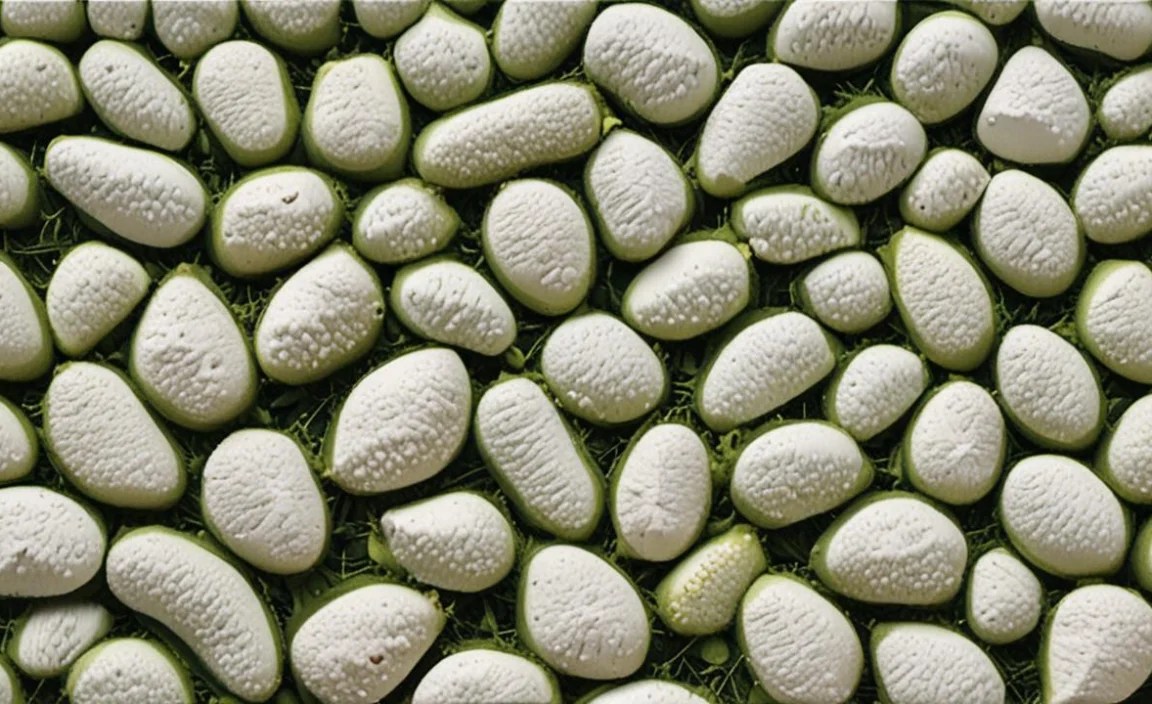
Even when using dolomite lime for gardens, problems can arise. Sometimes, the pH does not change as expected. Other times, plants may not respond well. It is important to know how to troubleshoot these issues. Make sure you are using the right amount of lime. Too little will not be effective. Too much can harm plants. Also, check the quality of the lime. Some products may not be as pure as others. Be patient. It can take time for the lime to work. If you are still having problems, consult a gardening expert. They can help you identify the issue and find a solution.
- Check the amount of lime used.
- Verify the quality of the lime.
- Be patient; it takes time.
- Test soil pH regularly.
- Ensure even distribution.
- Consider other soil issues.
One common issue with using dolomite lime for gardens is that the pH does not change as expected. This can be frustrating. Several factors can cause this. First, make sure you are using enough lime. The amount needed depends on the soil type and the initial pH. Second, check the quality of the lime. Some products may contain fillers that reduce their effectiveness. Third, be patient. It can take several months for the lime to fully react with the soil. If you have waited long enough and the pH has not changed, consider other factors. There may be other issues affecting your soil, such as poor drainage or nutrient imbalances. Consult a gardening expert for help.
Fun Fact or Stat: If dolomite lime doesn’t change the pH as expected, consider factors like soil type, lime quality, and application technique.
Incorrect Application Rates
Have you ever added too much salt to a dish? It can ruin the flavor. The same is true for dolomite lime. Using too much can harm your plants. It can make the soil too alkaline. This can prevent plants from absorbing nutrients. It is important to use the right amount. Test your soil first. Follow the instructions on the bag. If you are not sure, start with a small amount. You can always add more later. It is better to use too little than too much.
Poor Quality Lime Products
Imagine buying a box of crayons and finding that some of them are broken. You would not be happy. The same is true for dolomite lime. Some products may not be as pure as others. They may contain fillers or other impurities. This can reduce their effectiveness. Buy lime from a reputable source. Look for products that are certified organic. This ensures that they meet certain quality standards. Check the label carefully. Make sure you are getting a high-quality product.
Other Soil Imbalances
Why is it important to consider other soil issues? Dolomite lime addresses pH imbalances. But your soil may have other problems. It may be lacking in other nutrients. It may have poor drainage. These issues can prevent plants from thriving. Even if the pH is correct. Test your soil regularly. This will help you identify any imbalances. Address these issues along with the pH. This will create a healthy environment for your plants.
Fun Fact or Stat: Poor quality dolomite lime may contain impurities that reduce its effectiveness in adjusting soil pH and providing essential nutrients.
Summary
Dolomite lime for gardens is a valuable soil amendment. It helps to raise the pH of acidic soil. It also provides calcium and magnesium. These nutrients are essential for plant growth. Using dolomite lime can improve nutrient absorption. It can lead to stronger, healthier plants. Apply it in the fall or early spring. Always test your soil first to determine how much lime you need. Choose the right type of lime for your soil. Consider your soil type and the plants you are growing. With proper application, dolomite lime can transform your garden.
Conclusion
Using dolomite lime for gardens can greatly improve your soil and plant health. It is a simple way to correct acidic soil. It also adds important nutrients. Remember to test your soil. Apply the lime correctly. Be patient. You will see the difference in your garden. Enjoy healthy, thriving plants. Dolomite lime is a gardener’s friend.
Frequently Asked Questions
Question No 1: What is dolomite lime and why is it used in gardens?
Answer: Dolomite lime is a soil amendment made from ground dolomite rock. It contains both calcium and magnesium. Gardeners use it to raise the pH of acidic soil. This makes it easier for plants to absorb nutrients. It also provides essential minerals. Calcium and magnesium are important for plant growth and overall health. Using dolomite lime can help plants thrive in soil that would otherwise be too acidic for them to grow well. It is a natural and effective way to improve soil quality.
Question No 2: How does dolomite lime help plants grow?
Answer: Dolomite lime helps plants grow by adjusting the soil pH. When the soil is too acidic, plants cannot absorb nutrients properly. Dolomite lime raises the pH to a level that is more suitable for most plants. It also provides calcium and magnesium. These nutrients are essential for plant growth. Calcium helps build strong cell walls. Magnesium is needed for photosynthesis. By providing these nutrients and adjusting the pH, dolomite lime creates a better environment for plants to thrive. It is like giving your plants a nutritional boost.
Question No 3: How do I know if my garden needs dolomite lime?
Answer: The best way to know if your garden needs dolomite lime is to test the soil. You can buy a soil testing kit at a garden store or send a sample to a lab. The test results will tell you the pH of your soil. They will also tell you if you are lacking any important nutrients. If the pH is below 6.0, your soil is acidic. It may benefit from dolomite lime. Also, if your plants are showing signs of nutrient deficiency, such as yellow leaves, it may be a sign that your soil needs lime. Always test your soil before adding any amendments.
Question No 4: When is the best time to apply dolomite lime to my garden?
Answer: The best time to apply dolomite lime to your garden is in the fall or early spring. This gives the lime time to react with the soil and adjust the pH before planting. If you are applying it in the fall, spread it evenly over the soil and mix it in well. The winter weather will help break it down. If you are applying it in the spring, do it a few weeks before planting. This will give the lime time to work. Always water the soil after applying the lime. This helps it dissolve and start working.
Question No 5: Can I use too much dolomite lime in my garden?
Answer: Yes, you can use too much dolomite lime in your garden. Using too much lime can make the soil too alkaline. This can prevent plants from absorbing nutrients. It can also harm beneficial microbes in the soil. It is important to use the right amount of lime. Test your soil first to determine how much you need. Follow the instructions on the bag carefully. If you are not sure, start with a small amount. You can always add more later. It is better to use too little than too much.
Question No 6: Are there any plants that do not like dolomite lime?
Answer: Yes, some plants prefer acidic soil. These plants do not like dolomite lime. Examples include blueberries, azaleas, and rhododendrons. Adding dolomite lime to the soil where these plants are growing can harm them. It can raise the pH too much. This can prevent them from absorbing the nutrients they need. Before adding dolomite lime to your garden, make sure you know what types of plants you are growing. Choose the right soil amendments for their specific needs.
