Have you ever seen a cool plant and wanted it? Some plants can live outside. But can all plants live outdoors? What about dracaena for outdoors? Let’s find out if dracaena plants can grow outside.
Dracaena plants are pretty. They come in many colors and sizes. These plants are easy to care for inside. But what happens when you want to put them outside? Do they like the sun and wind? Keep reading to learn more about dracaena for outdoors.
Many people love plants. Plants make our homes and gardens look nice. Some plants need lots of sun. Other plants like shade. It’s important to know what each plant needs. This helps them grow big and strong. Can a dracaena be happy outside? Let’s explore the world of dracaena for outdoors.
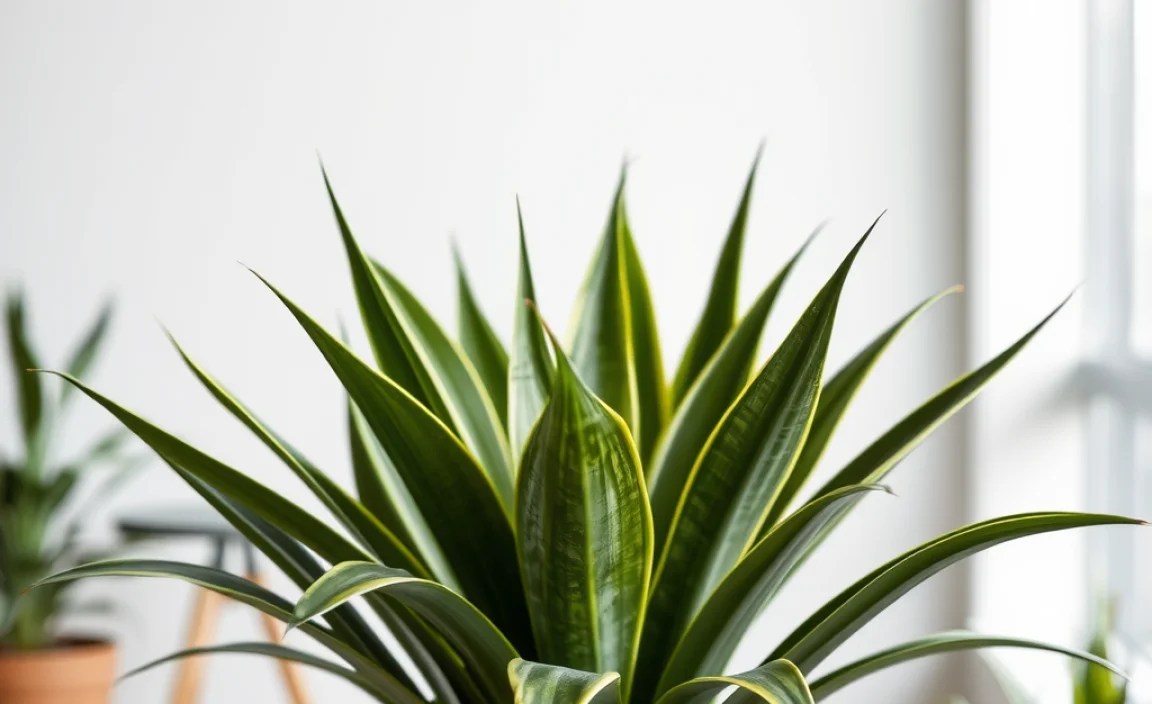
Key Takeaways
- Dracaena plants can grow outdoors in warm climates with proper care and sunlight.
- Choose the right dracaena type because some are better suited for outdoor conditions.
- Provide well-draining soil to prevent root rot when planting dracaena for outdoors.
- Protect outdoor dracaena plants from frost and extreme temperatures.
- Water your outdoor dracaena regularly, but avoid overwatering for healthy growth.

Choosing the Right Dracaena for Outdoors
Not all dracaena plants are the same. Some types do better outside than others. The Dracaena marginata, or dragon tree, is a popular choice. It can handle more sun than other types. Dracaena fragrans, also known as corn plant, can also grow outdoors. But it needs more shade. Before you put any dracaena for outdoors, learn about its specific needs. Check what kind of sun, soil, and water it needs. Also, think about where you live. If it gets very cold, the dracaena might not do well outside. Some dracaena plants are more sensitive to cold. So, picking the right type is super important. This will help your dracaena grow healthy and strong outside. Remember, a happy plant makes a happy gardener!
- Dracaena marginata can handle more sun.
- Dracaena fragrans needs more shade.
- Consider your local climate.
- Choose a dracaena type that fits your area.
- Research each type’s needs.
When picking a dracaena for outdoors, think about its size. Some dracaena plants can grow very tall. Make sure you have enough space for it. Also, think about the soil. Dracaena plants need soil that drains well. This means the water doesn’t sit in the soil for too long. If the soil stays too wet, the roots can rot. Root rot is bad for plants. It can make them sick and even die. So, good soil is very important. You can buy special potting mix for dracaena plants. Or you can mix your own soil with things like perlite or sand. These things help the water drain better. A little planning can make a big difference for your dracaena.
Fun Fact or Stat: Did you know that the Dracaena marginata can grow up to 6 feet tall indoors and even taller outdoors in the right conditions?
What Kind of Sunlight Does It Need?
Sunlight is super important for plants. But too much sun can be bad for some dracaena plants. Some dracaena types like bright, indirect sunlight. This means they want to be in a spot where the sun isn’t too strong. Direct sunlight can burn their leaves. Other dracaena plants can handle more sun. It depends on the type. If you’re not sure, start by putting your dracaena for outdoors in a shady spot. Then, slowly move it to a sunnier spot. Watch the leaves carefully. If they start to turn yellow or brown, it’s getting too much sun. Move it back to a shadier spot. Finding the right amount of sun is key to a happy dracaena.
Is Your Yard Protected From Wind?
Wind can also affect dracaena plants. Strong winds can break their leaves and branches. If you live in a windy area, you might want to put your dracaena for outdoors in a protected spot. This could be near a fence or a wall. These things can block some of the wind. You can also use a plant stake to support the dracaena. A plant stake is a stick that you put in the ground next to the plant. It helps the plant stay upright. This is especially helpful for tall dracaena plants. Protecting your dracaena from the wind will help it stay healthy and strong.
How Big Will It Get?
Knowing how big a dracaena will get is very important. Some types stay small. Others can grow very tall. If you have a small yard, you might want to choose a smaller type. If you have a big yard, you can choose a bigger type. Also, think about where you will put the dracaena for outdoors. Make sure there is enough room for it to grow. If it gets too big, it might block sunlight from other plants. Or it might grow into your house! So, do your research and pick a dracaena that fits your space. This will help your garden look its best.

Preparing the Soil for Outdoor Dracaena
Good soil is key for healthy plants. Dracaena plants need soil that drains well. This means the water doesn’t stay in the soil for too long. Wet soil can cause root rot. Root rot is when the roots start to rot and die. This is very bad for dracaena for outdoors. To make sure your soil drains well, you can add things like perlite or sand. These things help the water move through the soil. You can also use a special potting mix for dracaena plants. These mixes are made to drain well. Before you plant your dracaena, dig a hole that is twice as wide as the plant’s root ball. This gives the roots room to grow. Then, mix some good soil with the soil from the hole. This will help your dracaena get off to a good start.
- Use soil that drains well.
- Add perlite or sand to the soil.
- Consider special potting mixes for dracaena.
- Dig a hole twice as wide as the root ball.
- Mix good soil with the existing soil.
- Check the soil pH level.
Sometimes, the soil in your yard might not be very good. It might be too hard or too sandy. If this is the case, you can improve it by adding compost. Compost is made from things like leaves and food scraps. It adds nutrients to the soil. Nutrients are like food for plants. They help them grow big and strong. You can buy compost at a garden store. Or you can make your own compost at home. It’s a great way to recycle your food scraps. Just make sure you don’t put meat or dairy in your compost. These things can attract animals. Adding compost to your soil will help your dracaena for outdoors thrive.
Fun Fact or Stat: Compost can improve soil drainage by up to 25%, helping to prevent root rot in dracaena plants!
What is the Best Soil Mix?
The best soil mix for dracaena plants is one that drains well. A good mix might include potting soil, perlite, and sand. You can also add some compost to give the plant extra nutrients. The potting soil provides a base for the plant to grow. The perlite helps the soil drain well. The sand also helps with drainage. And the compost adds nutrients. You can find these things at most garden stores. Mix them together in a big bucket or container. Then, you’re ready to plant your dracaena for outdoors. A good soil mix will help your plant grow healthy and strong.
Should You Add Fertilizer?
Fertilizer is like a vitamin for plants. It gives them extra nutrients to help them grow. But you don’t always need to add fertilizer. If your soil is already good, your dracaena might not need it. But if your soil is poor, fertilizer can help. There are many different types of fertilizer. Some are made for specific plants. Others are made for all plants. Look for a fertilizer that is made for dracaena plants. Follow the instructions on the package carefully. Too much fertilizer can be bad for plants. It can burn their roots. So, it’s important to use the right amount. A little fertilizer can go a long way in helping your dracaena for outdoors.
How Often Should You Replace the Soil?
Over time, the soil in your dracaena‘s pot can become compacted. This means it gets hard and doesn’t drain as well. When this happens, it’s time to replace the soil. You should replace the soil every one to two years. To do this, gently remove the dracaena for outdoors from its pot. Shake off as much of the old soil as you can. Then, put some fresh soil in the pot. Place the dracaena back in the pot and fill in the rest of the space with soil. Water the plant well. Replacing the soil will give your dracaena a fresh start. It will help it grow healthy and strong.

Watering Your Dracaena Outdoors
Water is very important for plants. But too much water can be bad. Dracaena plants don’t like to sit in wet soil. This can cause root rot. So, it’s important to water them carefully. Water your dracaena for outdoors when the top inch of soil feels dry. Stick your finger in the soil to check. If it feels dry, it’s time to water. When you water, water deeply. This means you should water until the water runs out of the bottom of the pot. This makes sure the roots get enough water. But don’t let the pot sit in a saucer of water. This can cause the soil to stay too wet. Empty the saucer after you water.
| Factor | Details |
|---|---|
| Watering Frequency | Water when the top inch of soil is dry. |
| Watering Amount | Water deeply until water drains out of the bottom. |
| Drainage | Ensure pot has good drainage to prevent root rot. |
| Humidity | Dracaena plants like humidity, mist leaves occasionally. |
- Water when the top inch of soil is dry.
- Water deeply until water drains out.
- Don’t let the pot sit in water.
- Empty the saucer after watering.
- Check the soil regularly.
- Adjust watering based on the weather.
The amount of water your dracaena for outdoors needs will depend on the weather. If it’s hot and sunny, you’ll need to water it more often. If it’s cool and cloudy, you’ll need to water it less often. Also, think about the size of your dracaena. Bigger plants need more water than smaller plants. It’s always better to underwater than to overwater. If you’re not sure, wait another day before watering. You can always add more water later. But you can’t take water away. Pay attention to your dracaena and it will tell you what it needs.
Fun Fact or Stat: Dracaena plants are drought-tolerant and can survive on less water compared to many other houseplants!
How to Check Soil Moisture?
Checking the soil moisture is easy. Just stick your finger in the soil. If the top inch feels dry, it’s time to water. You can also use a moisture meter. This is a tool that measures the amount of water in the soil. You can buy a moisture meter at a garden store. Stick the meter into the soil and it will give you a reading. Follow the instructions on the meter to understand the reading. Checking the soil moisture will help you water your dracaena for outdoors correctly. This will keep it healthy and happy.
What Are Signs of Overwatering?
Overwatering can cause problems for dracaena plants. Signs of overwatering include yellowing leaves, wilting, and root rot. If you see these signs, stop watering the plant. Let the soil dry out completely. You might also need to repot the plant with fresh soil. If the roots are rotten, cut them off before repotting. Overwatering can be prevented by watering carefully. Only water when the top inch of soil is dry. Make sure the pot has good drainage. And don’t let the pot sit in a saucer of water. By following these tips, you can avoid overwatering your dracaena for outdoors.
What Are Signs of Underwatering?
Underwatering can also cause problems for dracaena plants. Signs of underwatering include brown leaf tips, dry soil, and drooping leaves. If you see these signs, water the plant right away. Water deeply until the water runs out of the bottom of the pot. You might also need to water the plant more often. Check the soil regularly to make sure it doesn’t dry out too much. Underwatering can be prevented by watering regularly. Pay attention to your dracaena for outdoors and it will tell you what it needs.

Protecting Dracaena From Extreme Temperatures
Dracaena plants like warm weather. But they don’t like extreme temperatures. Very hot or very cold weather can hurt them. If you live in a place with hot summers, you might need to protect your dracaena for outdoors from the sun. You can do this by putting it in a shady spot. Or you can use a shade cloth to block some of the sun. If you live in a place with cold winters, you might need to bring your dracaena inside. Dracaena plants don’t like frost. Frost can damage their leaves and even kill them. If you can’t bring your dracaena inside, you can cover it with a blanket or a tarp. This will help protect it from the cold.
- Protect from extreme heat and cold.
- Move indoors during frost.
- Use shade cloth in hot summers.
- Cover with blankets in cold weather.
- Avoid placing near air conditioners.
- Keep away from direct hot or cold drafts.
Even if you don’t have extreme weather, you still need to be careful. Dracaena plants don’t like sudden changes in temperature. Don’t put them near a drafty window or door. Also, don’t put them near a heater or an air conditioner. These things can cause the temperature to change too quickly. A steady temperature is best for dracaena for outdoors. If you’re careful, your dracaena will stay healthy and happy. Remember to check the weather forecast and take action when needed. This will help your plant survive and thrive.
Fun Fact or Stat: Dracaena plants can suffer leaf damage if exposed to temperatures below 50°F (10°C) for extended periods.
What is the Ideal Temperature Range?
The ideal temperature range for dracaena plants is between 65°F and 80°F (18°C and 27°C). They can tolerate slightly cooler temperatures, but they don’t like it too cold. If the temperature drops below 50°F (10°C), the plant can be damaged. If the temperature gets too high, the plant can dry out. Try to keep your dracaena for outdoors in a spot where the temperature stays within this range. This will help it grow healthy and strong. Keep an eye on the weather and adjust as needed. This will help your dracaena thrive.
How to Protect From Frost?
Frost can be very damaging to dracaena plants. If frost is predicted, you need to take action. The best thing to do is to bring the dracaena for outdoors inside. If you can’t bring it inside, you can cover it with a blanket or a tarp. Make sure the cover goes all the way to the ground. This will trap the heat and protect the plant from the frost. You can also put a layer of mulch around the base of the plant. Mulch is a material that helps insulate the soil. It can help protect the roots from the cold. Taking these steps will help your dracaena survive the frost.
What to Do During a Heat Wave?
Heat waves can also be tough on dracaena plants. If a heat wave is coming, you need to take action. Move the dracaena for outdoors to a shadier spot. This will protect it from the sun. You can also water the plant more often. This will help keep it from drying out. Mist the leaves with water to increase the humidity. Humidity is the amount of moisture in the air. Dracaena plants like humidity. You can also put a tray of water near the plant. As the water evaporates, it will increase the humidity around the plant. Taking these steps will help your dracaena survive the heat wave.
Dealing with Pests and Diseases on Dracaena
Sometimes, dracaena plants can get pests or diseases. Pests are small insects that can eat the plant. Diseases are caused by things like fungus or bacteria. If you see pests or diseases on your dracaena for outdoors, you need to take action. Common pests include spider mites, mealybugs, and scale. You can get rid of these pests by spraying the plant with insecticidal soap. You can buy insecticidal soap at a garden store. Follow the instructions on the package carefully. Common diseases include root rot and leaf spot. You can prevent root rot by watering carefully. Don’t let the soil stay too wet. You can treat leaf spot by removing the affected leaves.
- Watch for pests like spider mites.
- Treat pests with insecticidal soap.
- Prevent root rot by careful watering.
- Remove affected leaves with leaf spot.
- Ensure good air circulation.
- Use a fungicide if needed.
To prevent pests and diseases, keep your dracaena for outdoors healthy. Healthy plants are less likely to get sick. Make sure your dracaena gets enough sunlight, water, and nutrients. Also, keep the area around the plant clean. Remove any dead leaves or debris. These things can attract pests and diseases. Check your dracaena regularly for signs of pests or diseases. The sooner you catch a problem, the easier it will be to fix. A little care can go a long way in keeping your dracaena healthy.
Fun Fact or Stat: Regular cleaning of dracaena leaves can help prevent pest infestations by removing dust and potential hiding spots for insects.
How to Identify Common Pests?
Identifying pests early is important. Spider mites are very small and hard to see. They look like tiny dots on the leaves. They can also leave behind webs. Mealybugs are white and cottony. They often hide in the crevices of the plant. Scale looks like small bumps on the stems and leaves. They can be brown or black. If you see any of these pests, take action right away. Spray the plant with insecticidal soap. Repeat the treatment every few days until the pests are gone. Identifying pests early will help you keep your dracaena for outdoors healthy.
What Are the Signs of Disease?
Signs of disease can vary. Root rot causes the roots to turn brown and mushy. The leaves may also turn yellow and wilt. Leaf spot causes spots to appear on the leaves. The spots can be brown, black, or yellow. If you see any of these signs, take action right away. Remove any affected leaves. Repot the plant with fresh soil if needed. Treat the plant with a fungicide if necessary. Identifying diseases early will help you save your dracaena for outdoors.
Are There Natural Pest Control Methods?
Yes, there are natural pest control methods. One method is to spray the plant with neem oil. Neem oil is a natural insecticide that is safe for plants and animals. You can buy neem oil at a garden store. Another method is to introduce beneficial insects. These are insects that eat pests. For example, ladybugs eat aphids. You can buy beneficial insects online or at a garden store. Using natural pest control methods is a great way to keep your dracaena for outdoors healthy without using harsh chemicals.
Pruning and Maintaining Your Dracaena
Pruning is when you trim a plant. It helps keep the plant healthy and looking good. You can prune your dracaena for outdoors to remove dead or damaged leaves. You can also prune it to shape the plant. To prune, use sharp, clean scissors or pruning shears. Cut the leaves or stems at an angle. Don’t cut off too much at once. It’s better to prune a little bit at a time. You should also fertilize your dracaena regularly. Fertilizer gives the plant extra nutrients. This helps it grow strong and healthy. Use a fertilizer that is made for dracaena plants. Follow the instructions on the package carefully.
- Prune to remove dead leaves.
- Shape the plant by pruning.
- Fertilize regularly for nutrients.
- Use sharp, clean tools for pruning.
- Water regularly, but avoid overwatering.
- Check for pests and diseases.
Another important part of maintaining your dracaena for outdoors is to clean the leaves. Dust can build up on the leaves and block sunlight. This can make it harder for the plant to grow. To clean the leaves, simply wipe them with a damp cloth. You can also mist the leaves with water. This will help keep them clean and moist. Check your dracaena regularly for signs of pests or diseases. The sooner you catch a problem, the easier it will be to fix. With a little care, your dracaena will thrive.
Fun Fact or Stat: Pruning dracaena plants encourages new growth and helps maintain a desired shape and size.
When is the Best Time to Prune?
The best time to prune your dracaena is in the spring or summer. This is when the plant is actively growing. Pruning during this time will encourage new growth. Avoid pruning in the fall or winter. This is when the plant is dormant. Pruning during this time can stress the plant. Before you start pruning, make sure you have the right tools. You will need sharp, clean scissors or pruning shears. This will help you make clean cuts. Clean cuts heal faster and are less likely to get infected. Pruning at the right time will help your dracaena for outdoors stay healthy and strong.
How to Encourage Bushier Growth?
If you want your dracaena to grow bushier, you can try pinching back the stems. Pinching back is when you remove the tips of the stems. This encourages the plant to grow more side shoots. Side shoots will make the plant look fuller. To pinch back the stems, use your fingers or scissors to remove the top inch or two of the stem. Do this in the spring or summer when the plant is actively growing. You can also fertilize the plant regularly. Fertilizer will give the plant the nutrients it needs to grow bushier. Pinching back the stems and fertilizing will help your dracaena for outdoors grow into a beautiful, full plant.
What Type of Fertilizer is Best?
The best type of fertilizer for dracaena plants is a balanced fertilizer. A balanced fertilizer contains equal amounts of nitrogen, phosphorus, and potassium. These are the three main nutrients that plants need. Look for a fertilizer that has a ratio of 10-10-10 or 20-20-20. Follow the instructions on the package carefully. Too much fertilizer can be harmful to the plant. You can also use a slow-release fertilizer. Slow-release fertilizers release nutrients slowly over time. This is a good option if you don’t want to fertilize the plant as often. A balanced fertilizer will help your dracaena for outdoors grow healthy and strong.
Summary
Dracaena plants can be a great addition to your outdoor space. Choosing the right type is key. Dracaena marginata and Dracaena fragrans are good options. Proper soil preparation is also important. Make sure the soil drains well to prevent root rot. Watering correctly is crucial. Water when the top inch of soil is dry. Protect your dracaena for outdoors from extreme temperatures. Bring it inside during frost. Watch out for pests and diseases. Treat them quickly if they appear. Pruning and fertilizing will help keep your dracaena healthy and beautiful. With the right care, your dracaena will thrive outdoors.
Conclusion
Growing dracaena for outdoors can be a rewarding experience. These plants can add beauty and interest to your garden or patio. Remember to choose the right type, prepare the soil, and water carefully. Protect your dracaena from extreme temperatures and watch out for pests and diseases. Pruning and fertilizing will help keep your plant healthy and beautiful. With a little effort, you can enjoy the beauty of dracaena plants in your outdoor space. These plants are easy to care for. They can bring joy to your garden.
Frequently Asked Questions
Question No 1: Can all types of dracaena be planted outdoors?
Answer: No, not all types of dracaena are suitable for outdoor planting. Dracaena marginata and Dracaena fragrans are more commonly grown outdoors because they can tolerate varying conditions. It’s important to research the specific needs of your dracaena variety before planting it outside. Some varieties are more sensitive to cold or direct sunlight, which can affect their growth and health. Consider your local climate and the specific requirements of your dracaena to ensure it thrives in an outdoor environment.
Question No 2: How often should I water my outdoor dracaena?
Answer: The watering frequency for your outdoor dracaena depends on several factors. These factors includes the climate, soil type, and the plant’s size. Generally, you should water your dracaena when the top inch of soil feels dry. In hotter months, this may be every few days, while in cooler months, it may be every one to two weeks. Avoid overwatering, as dracaena plants are susceptible to root rot. Ensure the pot has good drainage. Monitor the soil moisture regularly to adjust your watering schedule accordingly. Observing your plant’s overall health will help prevent underwatering and overwatering.
Question No 3: What kind of soil is best for dracaena for outdoors?
Answer: The best soil for dracaena for outdoors is a well-draining potting mix. A mix of potting soil, perlite, and sand works well. This combination helps ensure that the soil doesn’t retain too much water. This prevents root rot. You can also add some compost to provide extra nutrients. The ideal soil pH for dracaena is slightly acidic to neutral, around 6.0 to 7.0. Avoid heavy clay soils, as they can compact and suffocate the roots. Use a light, airy mix for optimal growth.
Question No 4: How do I protect my dracaena from frost?
Answer: Protecting your dracaena from frost is crucial in colder climates. The best option is to bring the plant indoors before the first frost. If that’s not possible, cover the plant with a blanket or tarp. Make sure the cover extends to the ground to trap heat. You can also add a layer of mulch around the base of the plant to insulate the roots. Avoid using plastic covers, as they can trap moisture and cause the plant to rot. Monitor the weather forecast. Take action whenever frost is predicted to keep your dracaena for outdoors safe.
Question No 5: What are common pests that affect outdoor dracaena plants?
Answer: Common pests that affect outdoor dracaena plants include spider mites, mealybugs, and scale. Spider mites are tiny and can cause yellowing leaves and webbing. Mealybugs are white and cottony, often found in crevices. Scale appears as small bumps on the stems and leaves. To treat these pests, use insecticidal soap or neem oil. Apply the treatment according to the product instructions. Regularly inspect your plant for signs of infestation. Early detection and treatment are essential to prevent severe damage and keep your dracaena healthy.
Question No 6: How much sunlight does a dracaena need when planted outdoors?
Answer: When planting dracaena for outdoors, the amount of sunlight it needs depends on the specific variety. Most dracaena plants prefer bright, indirect sunlight. Too much direct sun can scorch the leaves. Some varieties, like Dracaena marginata, can tolerate more sun. However, it’s best to provide some shade during the hottest part of the day. Monitor your plant’s leaves for signs of sunburn. If the leaves turn yellow or brown, move the plant to a shadier location. Providing the right amount of sunlight will help your dracaena thrive outdoors.
