Have you ever seen a plant that looks sad and droopy? Plants need water to live and grow. But sometimes, it is hard to give them the right amount. What if there was a way to water plants slowly and carefully? A drip irrigation garden can help!
Drip irrigation is like giving plants a tiny drink, drop by drop. It is a smart way to water plants. It saves water and helps plants grow strong. Let’s learn more about how drip irrigation works. We can find out how to make our own drip irrigation garden.
Imagine a garden where every plant gets just the right amount of water. No more guessing or overwatering! With drip irrigation, water goes straight to the plant’s roots. This helps stop weeds from growing. It also keeps leaves dry. Dry leaves are less likely to get sick.
Are you ready to explore the world of drip irrigation? It is easier than you think! Even a small drip irrigation garden can make a big difference. You will see your plants grow bigger and healthier. Let’s get started and learn how!
Key Takeaways
- A drip irrigation garden waters plants slowly and directly at their roots.
- Drip irrigation saves water by reducing waste and evaporation.
- You can build a simple drip irrigation system with basic supplies.
- This watering method helps prevent weeds and plant diseases.
- Drip irrigation promotes healthy plant growth and bigger harvests.
What is a Drip Irrigation Garden?

A drip irrigation garden is a smart way to water your plants. It uses a network of tubes and emitters to deliver water slowly. The water goes right to the roots of your plants. This is different from using a sprinkler. Sprinklers spray water all over, even where it is not needed. With drip irrigation, you waste less water. Plants get the water they need. This helps them grow better. A drip system can be big or small. You can use it in a backyard garden or even in pots on your balcony. It is easy to set up and can save you time and money. Plus, your plants will thank you for it!
- It delivers water slowly and directly to plant roots.
- It reduces water waste compared to sprinklers.
- It can be used in gardens, farms, and greenhouses.
- It helps prevent weed growth by keeping soil dry.
- It is easy to install and maintain.
- It saves you time and money on watering.
Think about how a doctor gives medicine through an IV. It drips slowly into your body. Drip irrigation does the same thing for plants. It gives them water slowly and steadily. This is very important for plants. When plants get too much water at once, they can get sick. Their roots might rot. But with drip irrigation, they get just the right amount. This keeps them healthy and strong. You can even add fertilizer to the water. This gives your plants extra nutrients. They will grow even bigger and produce more fruits and vegetables.
Fun Fact or Stat: Drip irrigation can reduce water use by up to 60% compared to traditional watering methods!
How Drip Irrigation Works
Have you ever wondered how a drip irrigation garden works? It’s actually quite simple! Water flows through a main pipe. This pipe is connected to smaller tubes called drip lines. These drip lines run along the rows of plants. Along the drip lines are small holes called emitters. Emitters release water slowly, drop by drop. The water soaks into the soil right where the plant roots are. This means the plants get the water they need, and very little water is wasted. The system can be connected to a faucet or a water tank. Some systems even have timers. Timers let you set when and how long to water your plants. This makes it even easier to keep your garden healthy and happy.
Benefits of Drip Irrigation
Imagine your plants always having the perfect amount of water. That is one of the big benefits of drip irrigation garden. It saves water, which is good for the environment and your wallet. It also helps plants grow stronger and healthier. Because the leaves stay dry, plants are less likely to get diseases. Drip irrigation can also reduce weeds. Weeds need water to grow. Since drip irrigation only waters the plants you want, weeds have a harder time. Plus, drip irrigation is easy to set up and use. You do not have to spend hours watering your garden by hand. You can set it and forget it! This gives you more time to enjoy your beautiful garden.
Setting Up a Simple System
Want to set up your own drip irrigation garden? It is easier than you might think. First, you need a few basic supplies. You will need a main water source, like a faucet or a water tank. Then, you will need a backflow preventer. This stops dirty water from going back into your clean water supply. You will also need a filter to remove any dirt or debris from the water. Next, you will need a pressure regulator. This makes sure the water pressure is just right. Finally, you will need drip lines and emitters. Connect everything together, and you are ready to go! You can find kits that have everything you need at your local garden store.
Designing Your Drip Irrigation System

Planning is key when setting up a drip irrigation garden. First, think about your garden layout. How are your plants arranged? Are they in rows, or are they scattered? This will help you decide where to place your drip lines. Next, consider the water needs of your plants. Some plants need more water than others. You can use different types of emitters to give each plant the right amount. Also, think about the slope of your garden. If your garden is on a hill, water will flow downhill. You may need to adjust your drip lines to make sure all plants get enough water. A well-designed system will save you water and help your plants thrive.
- Map out your garden layout.
- Group plants with similar watering needs.
- Choose the right type of emitters for each plant.
- Consider the slope of your garden.
- Use a timer to automate watering.
- Check the system regularly for leaks.
Imagine you are an architect designing a house. You would not just start building without a plan, right? The same goes for a drip irrigation garden. You need a good design to make sure everything works well. Think about the size and shape of your garden. Draw a map of where your plants are. This will help you figure out how much drip line you need. Also, consider the water pressure in your area. Too much pressure can damage your system. Too little pressure can mean your plants do not get enough water. You can use a pressure regulator to control the water pressure. With a little planning, you can create a drip irrigation system that is perfect for your garden.
Fun Fact or Stat: A properly designed drip irrigation system can increase crop yields by 20-50%!
Choosing the Right Components
Choosing the right parts is important for your drip irrigation garden. There are many different types of drip lines and emitters. Some are better for certain plants than others. For example, if you have plants that are close together, you can use drip tape. Drip tape has emitters spaced evenly along the line. If you have plants that are far apart, you can use individual emitters. These emitters can be placed right next to each plant. You also need to choose the right size of tubing. The size depends on how much water you need to deliver. Do some research or ask your local garden store for help. They can help you choose the best components for your garden.
Laying Out Drip Lines
Laying out your drip lines is a key step in setting up your drip irrigation garden. Start by connecting the main drip line to your water source. Make sure to use a backflow preventer and a filter. Then, run the drip lines along your rows of plants. You can use stakes or clips to hold the drip lines in place. Make sure the emitters are close to the base of each plant. If you are using drip tape, make sure it is lying flat on the ground. Avoid twisting or kinking the drip lines. This can block the water flow. Once you have laid out all the drip lines, turn on the water and check for leaks. Fix any leaks right away to avoid wasting water.
Adjusting Water Flow
Getting the water flow just right is important for a healthy drip irrigation garden. You want to make sure each plant is getting enough water, but not too much. Too much water can lead to root rot and other problems. Too little water can cause plants to wilt and die. You can adjust the water flow by using different types of emitters. Some emitters release more water than others. You can also use a pressure regulator to control the overall water pressure. Check your plants regularly to see how they are doing. If they look dry, increase the water flow. If they look soggy, decrease the water flow. With a little practice, you will get the hang of it.
Maintaining Your Drip Irrigation Garden

Like any system, a drip irrigation garden needs some care. Regular maintenance will keep it working well. Check your drip lines often for clogs or leaks. Small particles can block the emitters. This stops water from flowing. Clean the emitters with a small brush or pin. You can also flush the system by opening the end of the drip lines. This will wash out any debris. Leaks can waste water. They can also lower the water pressure. Fix leaks right away by replacing damaged sections of tubing. Also, check the filter regularly. A dirty filter can reduce water flow. Clean or replace the filter as needed. With a little attention, your drip irrigation system will last for years.
- Check for clogs and leaks regularly.
- Clean or replace clogged emitters.
- Flush the system to remove debris.
- Repair any leaks immediately.
- Clean or replace the filter as needed.
- Adjust watering schedule based on weather.
Imagine your drip irrigation garden as a race car. It needs regular tune-ups to perform its best. Just like a car, your drip system needs regular checks and maintenance. Think of the emitters as the engine of your system. They need to be clean and free of clogs to work properly. The filter is like the air filter in a car. It keeps dirt and debris from getting into the system. The drip lines are like the fuel lines. They need to be free of leaks to deliver water efficiently. By taking good care of your drip irrigation system, you can keep it running smoothly for years to come. Your plants will thank you for it!
Fun Fact or Stat: Regular maintenance of a drip irrigation system can extend its lifespan by up to 5 years!
Checking for Clogs
Clogs are a common problem in drip irrigation garden systems. They can happen when small particles of dirt or debris get stuck in the emitters. This blocks the flow of water. You can tell if an emitter is clogged if the area around it is dry. To check for clogs, turn on the water and walk along your drip lines. Look for any emitters that are not dripping. If you find a clogged emitter, try cleaning it with a small brush or pin. You can also remove the emitter and soak it in vinegar. This will help dissolve any mineral deposits. If you cannot clean the emitter, replace it with a new one. Preventing clogs is easier than fixing them. Use a good filter and flush your system regularly.
Repairing Leaks
Leaks can waste a lot of water in a drip irrigation garden. They can also lower the water pressure in your system. Check your drip lines regularly for any signs of leaks. Look for wet spots or puddles near the tubing. If you find a leak, turn off the water supply. Then, cut out the damaged section of tubing. Use a connector fitting to join the two ends of the tubing together. Make sure the fitting is tight and secure. You can also use special repair tape to patch small leaks. For larger leaks, it is best to replace the entire section of tubing. Preventing leaks is important. Avoid stepping on or damaging the drip lines. Protect them from animals that might chew on them.
Adjusting for Weather
Adjusting your watering schedule for the weather is important for a healthy drip irrigation garden. Plants need more water on hot, sunny days than on cool, cloudy days. They also need less water when it rains. You can use a rain sensor to automatically adjust your watering schedule. A rain sensor detects when it is raining and turns off the drip irrigation system. You can also adjust the watering schedule manually. Check the weather forecast and adjust the timer accordingly. If it is going to be a hot, dry week, increase the watering time. If it is going to be a rainy week, decrease the watering time. By adjusting for the weather, you can save water and keep your plants healthy.
Troubleshooting Common Drip Irrigation Issues
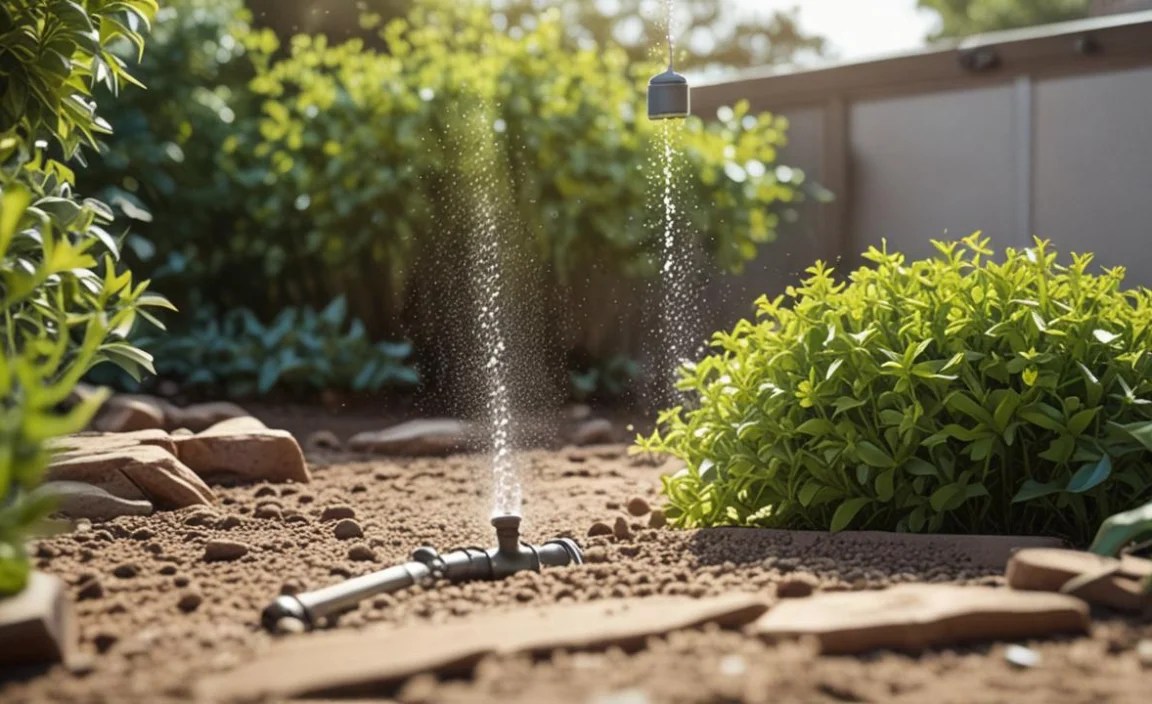
Even the best drip irrigation garden systems can have problems. Knowing how to troubleshoot common issues is important. One common problem is low water pressure. This can happen if the filter is clogged. It can also happen if there is a leak in the system. Check the filter and clean or replace it if needed. Look for leaks and repair them. Another common problem is uneven watering. This can happen if some emitters are clogged. It can also happen if the water pressure is not consistent. Check the emitters and clean or replace them. Make sure the water pressure is set correctly. With a little troubleshooting, you can keep your drip irrigation system running smoothly.
- Low water pressure can be due to clogs or leaks.
- Uneven watering can be caused by clogged emitters.
- Plants wilting may indicate not enough water.
- Yellowing leaves can mean too much water.
- Algae growth can clog emitters.
- Rodents can damage drip lines.
Think of your drip irrigation garden as a detective case. You need to look for clues to solve the mystery of why your plants are not thriving. Are the leaves wilting? That could mean they are not getting enough water. Are the leaves turning yellow? That could mean they are getting too much water. Are some plants growing better than others? That could mean some emitters are clogged. By carefully observing your plants and your drip irrigation system, you can find the source of the problem. Then, you can take steps to fix it. With a little detective work, you can keep your garden healthy and productive.
Fun Fact or Stat: Identifying and fixing problems early can save up to 50% of water wasted due to leaks or clogs!
Addressing Low Pressure
Low water pressure can be a frustrating problem in a drip irrigation garden. It means your plants are not getting enough water. There are several things that can cause low pressure. One common cause is a clogged filter. The filter traps dirt and debris, but it can get clogged over time. Clean or replace the filter regularly. Another cause of low pressure is a leak in the system. Check your drip lines for any signs of leaks. Repair any leaks you find. Sometimes, low pressure can be caused by the water source itself. Make sure your water source is providing enough pressure. If you are using a well, the pump may need to be adjusted. If you are using city water, check with your water company.
Fixing Uneven Watering
Uneven watering can cause some plants in your drip irrigation garden to thrive while others struggle. This usually happens when some emitters are clogged. Clogged emitters do not release enough water. Check your emitters regularly for clogs. Clean or replace any clogged emitters. Another cause of uneven watering is inconsistent water pressure. Make sure your water pressure is set correctly. You can use a pressure regulator to maintain a consistent pressure. Also, make sure your drip lines are properly laid out. They should be close to the base of each plant. If your garden is on a slope, you may need to adjust the emitter placement. Plants at the bottom of the slope will get more water than plants at the top.
Preventing Algae Growth
Algae growth can be a nuisance in a drip irrigation garden. Algae can clog emitters and reduce water flow. It thrives in wet, sunny conditions. To prevent algae growth, keep your drip lines out of direct sunlight. You can cover them with mulch or bury them slightly underground. You can also use opaque tubing. Opaque tubing blocks sunlight and prevents algae from growing. Another way to prevent algae growth is to use a chlorine injector. A chlorine injector adds a small amount of chlorine to the water. This kills algae and other microorganisms. Be careful not to use too much chlorine. It can harm your plants. Follow the instructions on the chlorine injector carefully.
Benefits of Drip Irrigation Over Other Methods

Drip irrigation gardens offer many advantages over other watering methods. Sprinklers spray water into the air. Much of this water evaporates before it reaches the plants. Drip irrigation delivers water directly to the roots. This reduces water waste. Hand watering can be time-consuming. It can also be difficult to water evenly. Drip irrigation automates the watering process. It ensures that each plant gets the right amount of water. Flood irrigation can lead to soil erosion and nutrient runoff. Drip irrigation minimizes these problems. It helps keep the soil healthy and fertile. Overall, drip irrigation is a more efficient and sustainable way to water your plants.
| Watering Method | Water Use | Labor | Weed Control | Disease Prevention |
|---|---|---|---|---|
| Drip Irrigation | Low | Low | Good | Good |
| Sprinkler Irrigation | High | Low | Fair | Fair |
| Hand Watering | Medium | High | Fair | Fair |
| Flood Irrigation | Very High | Medium | Poor | Poor |
Imagine you are a farmer trying to grow crops in a dry area. Water is scarce and expensive. You need to use it wisely. Which watering method would you choose? Sprinklers waste a lot of water. Hand watering is too time-consuming. Flood irrigation can damage the soil. Drip irrigation is the best choice. It saves water, reduces labor, and helps prevent weeds and diseases. It is a smart and sustainable way to grow crops. That is why many farmers around the world use drip irrigation. It helps them produce more food with less water. It is good for the environment and good for their business.
Fun Fact or Stat: Drip irrigation can reduce fertilizer use by up to 50% because it delivers nutrients directly to the plant roots!
Water Conservation
Water conservation is a major benefit of drip irrigation garden systems. In many parts of the world, water is a precious resource. We need to use it wisely. Drip irrigation helps conserve water by reducing waste. It delivers water directly to the plant roots. This minimizes evaporation and runoff. Sprinklers, on the other hand, spray water into the air. Much of this water evaporates before it reaches the plants. Hand watering can also be wasteful. It is easy to overwater or underwater plants. Drip irrigation provides a consistent and efficient way to water. It helps you save water and protect the environment. By using drip irrigation, you can do your part to conserve this valuable resource.
Improved Plant Health
Improved plant health is another great benefit of drip irrigation garden systems. Plants need water to grow, but they also need air. Overwatering can suffocate plant roots. Drip irrigation delivers water slowly and steadily. This allows the soil to drain properly. It prevents the soil from becoming waterlogged. Drip irrigation also keeps the leaves dry. Wet leaves are more susceptible to diseases. By keeping the leaves dry, drip irrigation helps prevent fungal infections and other problems. Healthy plants are more resistant to pests and diseases. They also produce more fruits and vegetables. With drip irrigation, you can grow healthier and more productive plants.
Reduced Weed Growth
Reduced weed growth is a welcome benefit of drip irrigation garden systems. Weeds compete with plants for water and nutrients. They can also spread diseases and pests. Drip irrigation delivers water directly to the plant roots. This keeps the soil surface dry. Weeds need moisture to germinate and grow. By keeping the soil surface dry, drip irrigation helps prevent weed growth. You will spend less time weeding your garden. You will also use less herbicide. This is good for the environment and good for your plants. With drip irrigation, you can have a cleaner and more productive garden.
Summary
A drip irrigation garden is a smart and efficient way to water your plants. It delivers water slowly and directly to the roots, reducing water waste and promoting healthy growth. By designing your system carefully, maintaining it regularly, and troubleshooting common issues, you can enjoy a thriving garden with minimal effort. Drip irrigation offers many benefits over other watering methods, including water conservation, improved plant health, and reduced weed growth. It is a sustainable and environmentally friendly way to keep your plants happy and healthy.
Setting up a drip irrigation garden may seem daunting at first, but it is actually quite simple. With a few basic components and a little planning, you can create a system that is perfect for your needs. Whether you have a small backyard garden or a large farm, drip irrigation can help you save water, save time, and grow better plants. So why not give it a try? You might be surprised at how easy and rewarding it is.
Conclusion
In conclusion, a drip irrigation garden is a fantastic way to water plants. It saves water and helps plants grow strong. You can easily set up a system in your backyard. Remember to check for clogs and leaks. Adjust the watering for the weather. Drip irrigation is good for the environment. It also makes gardening easier and more fun. Give it a try and watch your garden thrive!
Frequently Asked Questions
Question No 1: What is a drip irrigation garden?
Answer: A drip irrigation garden is a watering system. It uses small tubes to deliver water slowly. The water goes right to the plant’s roots. This saves water and helps plants grow better. It’s like giving each plant its own personal water supply. This method is more efficient than using sprinklers or watering by hand. You can set it up in your backyard, on your balcony, or even in a greenhouse.
Question No 2: How does drip irrigation save water?
Answer: Drip irrigation saves water in a few ways. First, it delivers water directly to the plant’s roots. This means less water is lost to evaporation. Second, it reduces runoff. Runoff happens when water flows away from the plants. Third, it helps prevent weeds. Weeds steal water from your plants. By keeping the soil surface dry, drip irrigation reduces weed growth. All of these things add up to significant water savings. This is good for the environment and your water bill.
Question No 3: What are the benefits of using drip irrigation?
Answer: There are many benefits to using drip irrigation. It saves water. It improves plant health. It reduces weed growth. It also saves you time and effort. You do not have to spend hours watering your plants by hand. Drip irrigation also helps prevent soil erosion. This is good for the environment. Plus, it can increase crop yields. This means you will get more fruits and vegetables from your garden. Overall, drip irrigation is a smart choice for any gardener.
Question No 4: Can I use drip irrigation in a small garden?
Answer: Yes, you can absolutely use drip irrigation in a small garden! In fact, it is a great choice for small gardens. Drip irrigation is very efficient. It delivers water exactly where it is needed. This is especially important in small spaces. You do not want to waste any water. You can buy small drip irrigation kits that are perfect for small gardens. These kits are easy to set up and use. They will help you keep your plants healthy and happy. A drip irrigation garden can be a great fit for a small space.
Question No 5: How do I maintain a drip irrigation system?
Answer: Maintaining a drip irrigation garden system is easy. Check your drip lines regularly for clogs and leaks. Clean or replace clogged emitters. Repair any leaks you find. Flush the system to remove debris. Clean or replace the filter as needed. Adjust your watering schedule based on the weather. By doing these things, you can keep your drip irrigation system running smoothly. This will help you save water and keep your plants healthy. Regular maintenance will also extend the life of your system.
Question No 6: What if my plants are not getting enough water with drip irrigation?
Answer: If your plants are not getting enough water with drip irrigation, there are a few things you can check. First, make sure the emitters are not clogged. Clean or replace any clogged emitters. Second, check the water pressure. Low water pressure can prevent the emitters from releasing enough water. Adjust the pressure regulator if needed. Third, check the watering schedule. You may need to increase the watering time or frequency. Finally, make sure the drip lines are properly placed. They should be close to the base of each plant. By checking these things, you can ensure your plants are getting enough water.
