Did you know some plants can live with very little water? Imagine a garden that looks beautiful but doesn’t need much watering. This is possible with drought tolerant landscaping. It is a way to design your yard using plants that thrive in dry conditions.
Drought tolerant landscaping helps save water. It also makes your yard look great. Let’s learn how to create a water-wise garden!
Key Takeaways
- Drought tolerant landscaping uses less water and helps the environment.
- Choose native plants adapted to your local climate for best results.
- Group plants with similar water needs together in your garden.
- Use mulch to keep soil moist and reduce water evaporation.
- Consider adding rocks and gravel for visual appeal and water conservation.
What Is Drought Tolerant Landscaping?

Drought tolerant landscaping is a special way to design your garden. It uses plants that don’t need a lot of water. These plants are tough and can survive dry weather. This type of landscaping helps save water. It also makes your yard look nice even when it doesn’t rain much. You can use rocks, gravel, and special soil too. All these things work together to make a beautiful and water-wise garden. It is important to choose plants that grow well in your area. Native plants are often a great choice because they are already used to the local climate. With drought tolerant landscaping, you can have a pretty yard and help save water at the same time. It’s a win-win for you and the environment!
- It saves water.
- It helps the environment.
- It uses special plants.
- Rocks and gravel can be added.
- Native plants are often used.
Imagine you live in a place where it doesn’t rain often. Your neighbors have green lawns that they water every day. But your yard looks just as nice with drought tolerant landscaping. You don’t have to water as much, so you save water and money. Your plants are happy and healthy because they are used to the dry weather. Birds and butterflies visit your garden because you have chosen plants that they like. Your yard becomes a beautiful and eco-friendly space that everyone can enjoy. Plus, you are helping to protect our planet by using less water. That’s the power of drought tolerant landscaping!
Why Choose Drought Tolerant Plants?
Have you ever wondered why some plants need so much water? Some plants come from places where it rains a lot. They need water to survive. But drought tolerant plants are different. They come from places where it doesn’t rain much. They have learned to live with less water. Choosing these plants for your garden is smart. You won’t have to water them as often. This saves water and time. It also helps the environment. Plus, drought tolerant plants are often very strong. They can handle hot weather and dry soil. So, if you want a beautiful garden that is easy to care for, choose drought tolerant plants. They are the perfect choice for a water-wise yard!
Benefits of Drought Tolerant Gardens
Think about all the ways you use water every day. You drink it, wash with it, and play in it. Water is very important. But sometimes, there isn’t enough water for everyone. That’s why drought tolerant gardens are so great. They help save water. When you have a drought tolerant garden, you don’t need to water as much. This means there is more water for other things. It also means you are helping the environment. Drought tolerant gardens can also be very beautiful. They can have lots of different colors and shapes. So, you can have a pretty yard and help save water at the same time. It’s a great way to be kind to our planet.
How Do Drought Tolerant Plants Survive?
Have you ever seen a cactus in the desert? Cacti are amazing plants. They can live for a long time without much water. They have special ways to survive. Some drought tolerant plants have long roots that go deep into the ground. These roots help them find water far below the surface. Other plants have thick leaves that store water. Some plants have small leaves or needles. This helps them lose less water to the air. All these special features help drought tolerant plants live in dry places. When you choose these plants for your garden, you are choosing plants that are strong and can handle dry weather. They are like little water-saving superheroes!
Fun Fact or Stat: Some drought-tolerant plants can survive for months without any water!
Choosing the Right Plants

Picking the right plants is key for drought tolerant landscaping. You want plants that can handle dry weather. Look for plants that are native to your area. Native plants are already used to the climate. They don’t need as much water or care. Succulents are also a good choice. These plants store water in their leaves and stems. They come in many shapes and colors. Groundcovers are another option. They spread out and cover the ground. This helps keep the soil moist. When choosing plants, think about how much sun your yard gets. Some plants like full sun, while others prefer shade. By choosing the right plants, you can create a beautiful and water-wise garden.
- Choose native plants.
- Succulents are a good option.
- Groundcovers help keep soil moist.
- Consider how much sun your yard gets.
- Pick plants that match your climate.
Imagine you are planning a garden. You want it to be beautiful, but you also want to save water. You start by looking at the plants that grow naturally in your area. You see lots of colorful wildflowers and sturdy shrubs. These are native plants. You also find some cool-looking succulents. You decide to use a mix of these plants in your garden. You group them together based on how much water they need. You put the plants that need the least water in the sunniest spots. This helps them thrive. You also add some mulch to keep the soil moist. Your garden becomes a beautiful and water-wise oasis. You are proud of yourself for choosing the right plants.
Understanding Native Plants
Have you ever wondered why some plants grow so well in certain places? It’s because they are native to that area. Native plants have lived there for a long time. They are used to the climate, the soil, and the amount of rain. When you choose native plants for your drought tolerant landscaping, you are giving your garden a head start. These plants don’t need as much water or fertilizer. They are already adapted to the local conditions. Plus, native plants attract birds, butterflies, and other wildlife. They help create a healthy ecosystem in your yard. So, next time you’re planning a garden, think about using native plants. They are a great choice for a beautiful and sustainable landscape.
Exploring Succulents and Cacti
Have you ever seen a plant that looks like it’s full of water? That’s probably a succulent or a cactus. These plants are amazing at storing water. They can survive in very dry places. Succulents come in many different shapes and sizes. Some have thick, fleshy leaves, while others have spiky stems. Cacti are a type of succulent that usually have spines. These spines help protect them from animals. When you use succulents and cacti in your drought tolerant landscaping, you are adding plants that are both beautiful and water-wise. They can handle hot weather and dry soil. Plus, they are very easy to care for. Just give them plenty of sun and don’t water them too much. They will thrive in your garden.
Using Groundcovers Effectively
Imagine you have a big empty space in your yard. The soil is dry and bare. What can you do to make it look better and save water? The answer is groundcovers! Groundcovers are plants that spread out and cover the ground. They help keep the soil moist by blocking the sun. They also prevent weeds from growing. When you use groundcovers in your drought tolerant landscaping, you are creating a beautiful and functional space. Choose groundcovers that are native to your area. They will be best adapted to the climate and soil. Some popular groundcovers include creeping thyme, sedum, and clover. These plants are easy to care for and will add a touch of green to your yard.
Fun Fact or Stat: Native plants often require 20% less water than non-native species!
Designing Your Drought Tolerant Landscape

Designing your drought tolerant landscaping is like creating a work of art. You get to choose the colors, shapes, and textures that you like. Start by planning your layout. Think about where you want to put your plants, rocks, and other features. Group plants together based on how much water they need. This is called hydrozoning. Put plants that need more water in one area and plants that need less water in another area. This makes it easier to water your garden efficiently. Use mulch to keep the soil moist and prevent weeds. Add rocks and gravel for visual appeal. With careful planning, you can create a beautiful and water-wise landscape that you will enjoy for years to come.
- Plan your layout.
- Group plants by water needs.
- Use mulch to keep soil moist.
- Add rocks and gravel.
- Choose colors and textures you like.
Let’s say you have a small backyard. You want to turn it into a drought tolerant oasis. You start by drawing a plan on paper. You decide to create a winding path through the garden. You line the path with colorful rocks and gravel. You plant low-growing groundcovers along the edges of the path. You add a few taller shrubs and succulents to create height and interest. You group the plants that need more water near a shady spot. You use mulch to cover the soil and keep it moist. You step back and admire your work. Your backyard is now a beautiful and water-wise space that you can enjoy every day.
Creating a Water-Wise Layout
Have you ever seen a garden that looks messy and disorganized? It can be hard to find the plants you want and it might not be very efficient at using water. That’s why it’s important to create a water-wise layout for your drought tolerant landscaping. Start by thinking about how water flows through your yard. Where does the water collect when it rains? Where does it drain away? Use this information to plan your garden. Put plants that need more water in areas where water naturally collects. Put plants that need less water in areas that are drier. This will help you use water more efficiently and keep your plants healthy.
Implementing Hydrozoning Techniques
Imagine you are a farmer. You have a big field with different types of crops. Some crops need a lot of water, while others need very little. You wouldn’t water the whole field the same way, would you? You would water each crop based on its specific needs. This is the idea behind hydrozoning. Hydrozoning is a technique used in drought tolerant landscaping to group plants together based on their water needs. You create different zones in your garden, each with its own watering schedule. This allows you to use water more efficiently and keep your plants healthy. It’s like giving each plant its own special drink!
Adding Rocks and Gravel for Aesthetics
Have you ever noticed how rocks and gravel can add beauty and texture to a landscape? They can also help save water! Rocks and gravel can be used in drought tolerant landscaping to create a visually appealing and water-wise garden. They help to reduce evaporation from the soil. They also prevent weeds from growing. Plus, they come in many different colors and sizes. You can use them to create paths, borders, or focal points in your garden. Choose rocks and gravel that are native to your area. They will blend in with the natural landscape and require less maintenance. With a little creativity, you can use rocks and gravel to transform your yard into a beautiful and sustainable space.
Fun Fact or Stat: Using gravel mulch can reduce water evaporation by up to 25%!
Water Conservation Methods
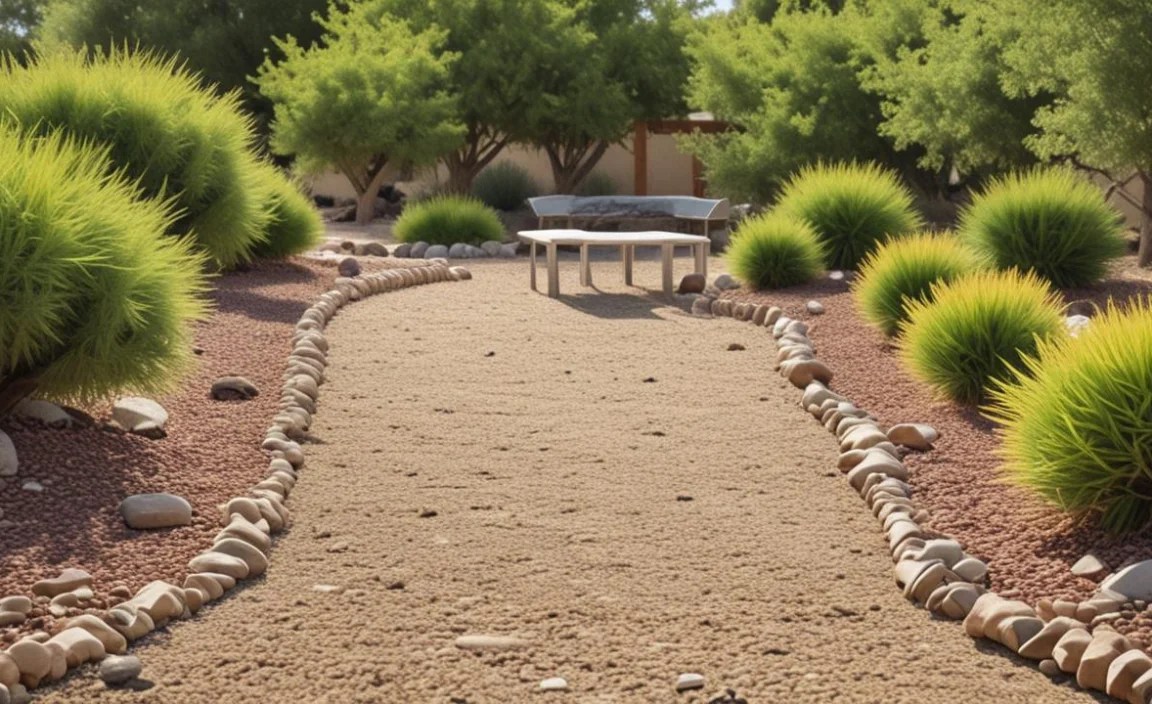
Saving water is a big part of drought tolerant landscaping. There are many ways to use less water in your garden. One way is to use mulch. Mulch is a layer of material that you put on top of the soil. It helps keep the soil moist and prevents weeds from growing. You can use wood chips, bark, or straw as mulch. Another way to save water is to water deeply but less often. This encourages plants to grow deep roots. Deep roots can find water even when the soil is dry on top. You can also collect rainwater and use it to water your garden. By using these water conservation methods, you can have a beautiful garden and save water at the same time.
- Use mulch to keep soil moist.
- Water deeply but less often.
- Collect rainwater for watering.
- Use a watering can or drip hose.
- Water plants early in the morning.
Imagine it’s a hot summer day. The sun is beating down on your garden. You know that your plants need water, but you don’t want to waste any. You start by checking the soil. If it’s dry to the touch, you know it’s time to water. You use a watering can to water each plant individually. You focus on watering the roots, not the leaves. You water deeply, so the water soaks down into the soil. You avoid watering during the hottest part of the day, when the water will evaporate quickly. You also collect rainwater in a barrel and use it to water your plants. You feel good knowing that you are using water wisely and helping your plants thrive.
The Importance of Mulching
Have you ever walked barefoot on hot sand? It can burn your feet! Mulch is like sunscreen for the soil. It protects the soil from the hot sun. It also helps keep the soil moist. When you use mulch in your drought tolerant landscaping, you are helping your plants stay healthy and strong. Mulch also prevents weeds from growing. Weeds steal water and nutrients from your plants. By using mulch, you are giving your plants a better chance to thrive. There are many different types of mulch to choose from. You can use wood chips, bark, straw, or even shredded leaves. Choose a mulch that you like and that will work well in your garden.
Efficient Irrigation Techniques
Imagine you are watering your garden with a hose. You spray water everywhere, but some of it ends up on the sidewalk or the driveway. This is not very efficient. Efficient irrigation techniques help you water your plants more effectively. One technique is to use a drip hose. A drip hose delivers water slowly and directly to the roots of your plants. This reduces water waste and helps your plants get the water they need. Another technique is to use a watering can. A watering can allows you to target specific plants and avoid overwatering. By using efficient irrigation techniques, you can save water and keep your plants healthy.
Rainwater Harvesting Systems
Have you ever noticed how much water runs off your roof when it rains? All that water is going to waste! Rainwater harvesting systems allow you to collect and store rainwater. You can then use this water to water your garden. This is a great way to save water and reduce your water bill. Rainwater is also better for your plants than tap water. It doesn’t contain chlorine or other chemicals. There are many different types of rainwater harvesting systems. You can use a simple rain barrel or a more complex system with filters and pumps. Choose a system that fits your needs and your budget. With a rainwater harvesting system, you can turn a wasted resource into a valuable asset for your drought tolerant landscaping.
Fun Fact or Stat: Rainwater harvesting can reduce your water bill by up to 50%!
Maintaining Your Drought Tolerant Garden

Taking care of your drought tolerant landscaping is important. It helps your plants stay healthy and strong. You need to check your plants regularly. Look for signs of stress, like yellowing leaves or wilting. If you see these signs, your plants may need more water. You also need to weed your garden regularly. Weeds steal water and nutrients from your plants. You can pull weeds by hand or use a weeding tool. You may also need to prune your plants. Pruning helps to shape your plants and remove dead or damaged branches. By maintaining your drought tolerant garden, you can keep it looking beautiful for years to come.
- Check plants for signs of stress.
- Weed your garden regularly.
- Prune plants as needed.
- Add compost to the soil.
- Monitor your watering schedule.
Imagine it’s springtime. The birds are singing, and the flowers are blooming. You walk through your drought tolerant garden and admire the beauty. You notice that some of the plants are starting to look a little tired. You decide to give them a little extra care. You start by weeding the garden. You pull out all the weeds that are stealing water and nutrients from your plants. You then add some compost to the soil. Compost is like a vitamin boost for your plants. It helps them grow strong and healthy. You prune any dead or damaged branches. You step back and admire your work. Your garden is looking beautiful and healthy. You are proud of yourself for taking good care of it.
Regular Check-Ups for Plants
Have you ever gone to the doctor for a check-up? It’s important to make sure you are healthy. Your plants need check-ups too! Regular check-ups for your plants can help you catch problems early. Look for signs of stress, like yellowing leaves or wilting. Check the soil to see if it’s too dry or too wet. Look for signs of pests or diseases. If you catch problems early, you can take action to fix them. This will help your plants stay healthy and strong. So, make sure to give your plants regular check-ups. They will thank you for it!
Effective Weed Control Strategies
Imagine you are a farmer trying to grow crops. Weeds are like unwanted guests that steal food and water from your crops. Weed control is very important. Weeds can take over your garden if you don’t control them. They steal water and nutrients from your plants. There are many different ways to control weeds. You can pull them by hand or use a weeding tool. You can also use mulch to prevent weeds from growing. Some people use herbicides to kill weeds, but these can be harmful to the environment. Choose a weed control strategy that is safe and effective for your garden. With effective weed control, you can keep your drought tolerant landscaping looking beautiful and healthy.
Pruning and Maintenance Tips
Have you ever gotten a haircut? Pruning is like a haircut for your plants. It helps to shape them and remove dead or damaged branches. Pruning can also encourage new growth. When you prune your plants, you are helping them stay healthy and strong. There are many different pruning techniques. Some plants need to be pruned more often than others. It’s important to learn about the specific needs of your plants. You can find information online or at your local nursery. With proper pruning and maintenance, you can keep your drought tolerant landscaping looking its best.
Fun Fact or Stat: Regular pruning can increase flower production by up to 40%!
Examples of Drought Tolerant Gardens
Seeing examples of drought tolerant landscaping can inspire you. Many beautiful gardens use very little water. One example is a rock garden. Rock gardens use rocks, gravel, and plants that thrive in dry conditions. Another example is a succulent garden. Succulent gardens are filled with plants that store water in their leaves and stems. A Mediterranean garden is another option. These gardens use plants that are native to the Mediterranean region. These plants are used to hot, dry summers. These examples show that you can have a beautiful garden even with very little water. All it takes is some planning and the right plants.
| Garden Type | Plant Examples | Water Needs | Maintenance |
|---|---|---|---|
| Rock Garden | Sedum, Thyme, Lavender | Very Low | Low |
| Succulent Garden | Aloe, Agave, Echeveria | Very Low | Low |
| Mediterranean Garden | Rosemary, Olive, Lavender | Low | Moderate |
| Native Plant Garden | Coneflower, Black-Eyed Susan | Low | Low |
- Rock gardens use rocks and gravel.
- Succulent gardens store water.
- Mediterranean gardens are heat-tolerant.
- Native plant gardens attract wildlife.
- Xeriscape gardens use no irrigation.
Imagine you are walking through a botanical garden. You come across a section that is labeled “Drought Tolerant Landscaping.” You are amazed by the beauty and variety of the plants. You see a rock garden with colorful succulents and creeping thyme. You see a Mediterranean garden with fragrant herbs and olive trees. You see a native plant garden buzzing with bees and butterflies. You realize that drought tolerant landscaping can be just as beautiful as traditional landscaping. You are inspired to create your own water-wise garden at home.
Inspirational Rock Gardens
Have you ever seen a garden that looks like it belongs in the mountains? That’s probably a rock garden! Rock gardens use rocks, gravel, and plants that thrive in dry conditions. They are a great way to create a drought tolerant landscape. Rock gardens can be very beautiful and unique. You can use different sizes and shapes of rocks to create interesting features. You can also add plants that have different colors and textures. Some popular plants for rock gardens include sedum, thyme, and lavender. With a little creativity, you can create a rock garden that is both beautiful and water-wise.
Stunning Succulent Displays
Imagine you are walking through a desert. You see plants that look like they are full of water. These are succulents! Succulents are plants that store water in their leaves and stems. They can survive in very dry conditions. Succulents come in many different shapes and sizes. Some have thick, fleshy leaves, while others have spiky stems. Succulents are a great choice for drought tolerant landscaping. They are easy to care for and they add a unique touch to your garden. You can create a stunning succulent display by using different types of succulents in different colors and textures. With a little creativity, you can create a succulent garden that is both beautiful and water-wise.
Mediterranean Landscape Ideas
Have you ever visited the Mediterranean region? It’s a beautiful place with warm, sunny weather. The plants that grow there are used to hot, dry summers. These plants are perfect for drought tolerant landscaping. Mediterranean landscapes often include plants like rosemary, lavender, and olive trees. These plants are fragrant and beautiful. They are also very low-maintenance. You can create a Mediterranean landscape in your own yard by using these plants. Add some gravel pathways and terracotta pots to complete the look. With a little planning, you can create a Mediterranean oasis that is both beautiful and water-wise.
Fun Fact or Stat: Mediterranean gardens can reduce water usage by up to 60%!
Summary
Drought tolerant landscaping is a way to design your yard so it needs less water. You can use plants that don’t need much water. These plants are strong and can live in dry weather. This helps save water. You can also use rocks and gravel to keep the soil moist. Native plants are a great choice because they are used to the local climate. Drought tolerant landscaping helps the environment. It also makes your yard look beautiful.
There are many ways to save water in your garden. Use mulch to keep the soil moist. Water deeply but less often. Collect rainwater to use for watering. Check your plants regularly and weed your garden. With a little planning and effort, you can create a water-wise garden that you will enjoy for years to come. Drought tolerant landscaping is good for you and the planet!
Conclusion
Drought tolerant landscaping is a smart choice. It helps save water and protect the environment. You can create a beautiful yard that doesn’t need much watering. Choose the right plants for your area. Use mulch and other water-saving methods. Your garden will be healthy and beautiful. You will also be helping to conserve water. Drought tolerant landscaping is a win-win for everyone.
Frequently Asked Questions
Question No 1: What is drought tolerant landscaping?
Answer: Drought tolerant landscaping is a way to design your yard using plants that don’t need a lot of water. These plants are strong and can survive dry weather. It’s a great way to save water and still have a beautiful garden. You can also use rocks, gravel, and special soil to help conserve water. It is especially useful in areas that experience dry spells or water restrictions. By choosing the right plants and using water-wise techniques, you can create a sustainable and attractive landscape.
Question No 2: Why should I choose drought tolerant landscaping?
Answer: There are many good reasons to choose drought tolerant landscaping. First, it saves water, which is good for the environment and your wallet. Second, it reduces the amount of time you spend watering your garden. Third, it can create a beautiful and unique landscape that is different from traditional lawns. Fourth, it helps to support local ecosystems by providing habitat for native animals. Finally, it’s a responsible choice that helps conserve a precious resource for future generations. It is important to consider drought tolerant landscaping to preserve our earth.
Question No 3: What kinds of plants are used in drought tolerant landscaping?
Answer: Many different kinds of plants can be used. Some popular choices include succulents, cacti, native grasses, and certain types of shrubs and trees. Succulents and cacti are great because they store water in their leaves and stems. Native grasses are adapted to the local climate and don’t need much watering. Shrubs and trees can provide shade and help to reduce evaporation. The best plants for your drought tolerant landscaping will depend on your local climate and soil conditions. When choosing plants, look for those labeled as “drought tolerant” or “water-wise”.
Question No 4: How do I get started with drought tolerant landscaping?
Answer: Getting started is easier than you might think! First, research plants that are native to your area and drought tolerant. Second, plan your garden layout. Group plants with similar water needs together. Third, prepare the soil by adding compost and other organic matter. This will help the soil retain moisture. Fourth, install a water-efficient irrigation system, such as drip irrigation. Fifth, mulch around your plants to keep the soil cool and moist. Sixth, monitor your plants and adjust your watering schedule as needed. With a little planning and effort, you can create a beautiful and water-wise garden.
Question No 5: How much water can I save with drought tolerant landscaping?
Answer: You can save a significant amount of water. Some studies have shown that drought tolerant landscaping can reduce water usage by 50% or more compared to traditional lawns. The exact amount of water you save will depend on the specific plants you use, your climate, and your watering habits. But even a small reduction in water usage can make a big difference over time. Drought tolerant landscaping is a great way to conserve water and protect the environment.
Question No 6: Is drought tolerant landscaping expensive?
Answer: The cost of drought tolerant landscaping can vary. It depends on the size of your yard and the types of plants and materials you use. In some cases, it may be more expensive to install than traditional landscaping. However, it can save you money in the long run. You’ll use less water, which will lower your water bill. You’ll also need less fertilizer and fewer pesticides. Plus, drought tolerant plants often require less maintenance. Overall, it can be a cost-effective choice that benefits both your wallet and the environment. It is a good choice for the future.
