Do you like your garden to look neat? Do you want to keep grass out of your flower beds? Edging tools for gardens can help. These tools create clean lines. They separate different areas. Let’s learn about these helpful tools!
Key Takeaways
- Using the right edging tools for gardens makes yard work easier.
- Spades and half-moon edgers are great for creating crisp garden borders.
- Power edgers quickly trim overgrown edges for a clean look.
- Manual tools offer precision, while powered options save time.
- Proper garden edging enhances your yard’s beauty and value.
Choosing the Right Edging Tools for Gardens

Choosing the right edging tools for gardens can feel tricky. Many options exist! Think about your garden’s size and your soil type. Consider how much time you want to spend edging. Some tools are manual. They need your muscle power. Others are powered. They make the job faster. Do you have lots of curves or straight lines? Curved beds need flexible tools. Straight edges are easier with straight tools. Think about the look you want. Some edges are deep and defined. Other edges are soft and natural. Your choice of tool will affect the final look. Don’t forget safety gear. Gloves and eye protection are always a good idea.
- Consider your garden’s size.
- Think about your soil type.
- Decide between manual and powered tools.
- Plan for curved or straight edges.
- Choose the look you want to achieve.
The right edging tool makes a big difference. A good tool feels comfortable in your hand. It cuts through the soil easily. You will enjoy using it. A bad tool will make the job harder. You might get tired quickly. You could even hurt yourself. Read reviews before you buy. Ask friends for recommendations. Try out different tools if you can. A little research will save you time and effort in the long run. Remember, the best tool is the one that works best for you and your garden!
What is a Half-Moon Edger?
Have you ever seen a tool that looks like half a circle on a stick? That’s a half-moon edger! It is perfect for creating neat edges. You step on the flat part of the blade. This pushes it into the ground. Then, you rock it back and forth. This cuts a clean line. Half-moon edgers work well in soft soil. They are great for defining flower beds. They also work along sidewalks and driveways. Some people find them easier to use than a regular spade. They create a very crisp, clean edge. Do you have a lot of edging to do? A half-moon edger can save you time.
Why Use a Garden Spade?
A garden spade is a classic tool. It has a flat, rectangular blade. You can use it for many tasks. Digging holes is one job. Moving soil is another. But did you know it is also an edging tool for gardens? A spade creates a deeper edge than a half-moon edger. It is good for tough soil. You can use it to create a trench. This trench will stop grass from spreading. It also looks very neat. To use a spade for edging, push the blade straight down into the soil. Then, wiggle it back and forth. This cuts the edge. Remove the soil to create a clean line.
Are Powered Edgers Worth It?
Powered edgers are like the superheroes of edging tools for gardens. They have a spinning blade. This blade quickly cuts through grass and soil. They are great for large gardens. They also work well on overgrown edges. But, they can be noisy. They also need fuel or electricity. Some people find them heavy to use. However, they save a lot of time. If you have a large yard, a powered edger might be worth it. They can make a big difference in how your garden looks. Just remember to wear safety glasses!
Fun Fact or Stat: Did you know that well-maintained garden edging can increase your home’s value by up to 5%?
Manual Edging Tools for Gardens

Manual edging tools for gardens rely on your power. They do not need gas or electricity. This makes them quiet and eco-friendly. They are also usually cheaper than powered tools. Manual tools give you more control. You can create precise edges. They are great for small gardens. They are also good for detail work. Spades, half-moon edgers, and edging knives are all manual tools. Each has its own strengths. Choose the right tool for your needs. Remember to use good posture. This will prevent back pain.
- Manual tools are quiet.
- They do not need gas or electricity.
- They are usually cheaper.
- They give you more control.
- They are good for small gardens.
- They are good for detail work.
Using manual tools takes time and effort. But, it can be rewarding. You get a good workout. You also connect with your garden. You notice small details. You see how your plants are growing. Some people find it relaxing. It is a chance to slow down and enjoy nature. Just remember to take breaks. Don’t try to do too much at once. Listen to your body. If you feel tired, stop and rest. Your garden will thank you for your care.
What About Edging Knives?
Edging knives are like small, sharp shovels. They have a curved blade. This blade is perfect for cutting through tough roots. They are good for creating clean edges in tight spaces. You can use them to trim around trees and shrubs. They also work well for shaping flower beds. Edging knives need a bit of practice to use well. But, once you get the hang of it, they are very versatile. They are a great addition to your collection of edging tools for gardens. Do you have lots of small, tricky areas to edge? An edging knife might be just what you need.
How to Use a Garden Border Fork
A garden border fork looks like a pitchfork, but smaller. It is not usually thought of as an edging tool for gardens. But, it can be very helpful. Use it to loosen soil along edges. This makes it easier to cut with other tools. It is also good for removing weeds. Weeds often grow along garden edges. The border fork helps you get them out. This keeps your edges clean and tidy. It also aerates the soil. This helps your plants grow better. So, don’t forget about the border fork. It can be a useful tool for edging.
The Benefits of a Manual Lawn Edger
A manual lawn edger is a simple tool. It has a blade on a long handle. You walk along the edge of your lawn. You push the blade into the soil. This creates a clean, defined edge. Manual lawn edgers are easy to use. They are also very affordable. They don’t need any gas or electricity. This makes them eco-friendly. They are great for small to medium-sized lawns. They give you a good workout. They also allow you to be precise. You can create exactly the edge you want. Do you want a simple, effective edging tool for gardens? A manual lawn edger is a great choice.
Fun Fact or Stat: Manual edging tools have been used for centuries, dating back to early gardening practices!
Powered Edging Tools for Gardens
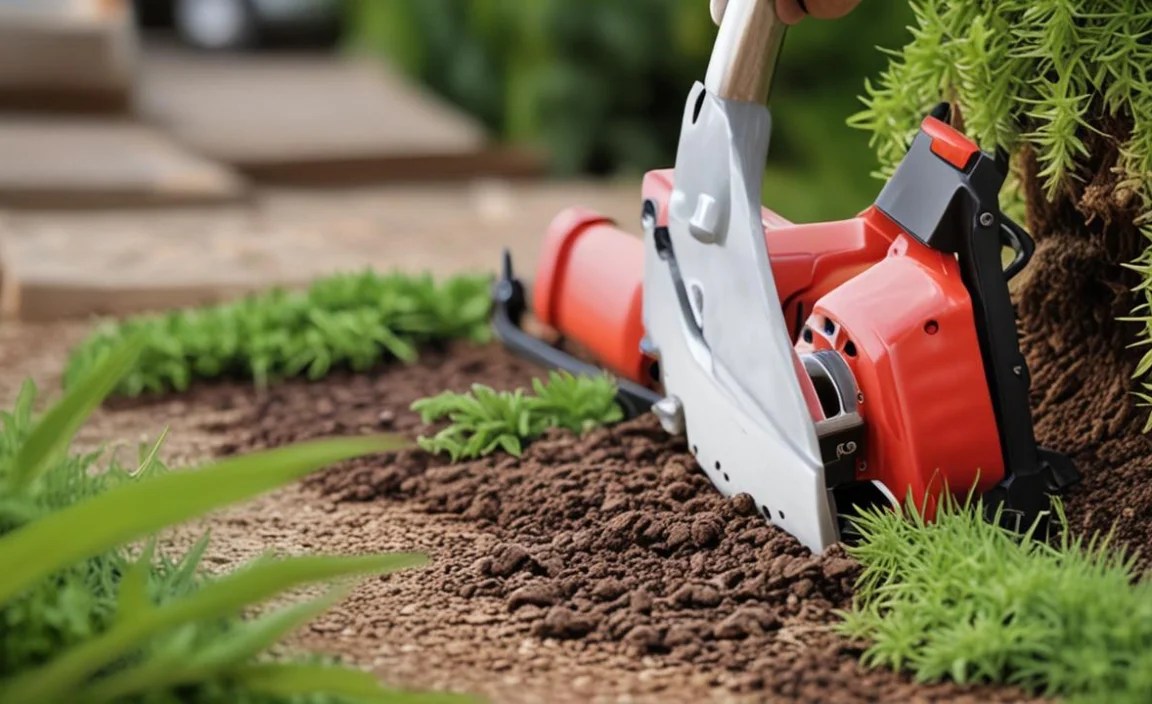
Powered edging tools for gardens use motors. These motors make the work faster. They are great for large gardens. They also help with tough jobs. Overgrown edges are no match for them. There are gas-powered and electric-powered options. Gas-powered edgers are strong. They can run for a long time. Electric-powered edgers are quieter. They don’t produce fumes. Both types can save you time and energy. However, they require more maintenance. Always read the instructions carefully. Wear safety gear.
- Powered edgers are faster than manual tools.
- They are great for large gardens.
- They can handle overgrown edges.
- Gas-powered edgers are strong.
- Electric-powered edgers are quieter.
- They require more maintenance.
Choosing a powered edger depends on your needs. Consider the size of your yard. Think about the type of edges you want to create. If you have a lot of edging to do, a powered edger is a good investment. It will save you time and effort. But, if you only have a small garden, a manual tool might be enough. Remember to store your powered edger safely. Keep it out of reach of children. Follow the manufacturer’s instructions for maintenance.
Corded vs. Cordless Electric Edgers
Electric edgers come in two types: corded and cordless. Corded edgers need to be plugged into an outlet. They offer consistent power. You don’t have to worry about batteries. But, the cord can limit your movement. Cordless edgers run on batteries. You can move freely around your yard. But, the battery life is limited. You might need to recharge it during a big job. Which type is better for edging tools for gardens? It depends on your yard size and preferences. Do you have easy access to outlets? A corded edger might be fine. Do you need more freedom of movement? A cordless edger is a good choice.
What to Look for in a Gas-Powered Edger
Gas-powered edgers are powerful machines. They can handle tough jobs. When choosing one, look for a reliable engine. Consider the weight of the edger. A lighter edger is easier to maneuver. Check the blade depth. A deeper blade creates a more defined edge. Look for features like adjustable handles. These make the edger more comfortable to use. Also, consider the price. Gas-powered edgers can be expensive. But, they are a good investment if you have a large yard. Remember to follow safety precautions. Wear ear protection. Use the right fuel mixture.
Maintaining Your Powered Edger
Keeping your powered edger in good condition is important. It will last longer. It will also work better. Clean the blade after each use. Remove any grass or debris. Check the engine oil regularly. Change it as needed. Sharpen the blade when it gets dull. Store the edger in a dry place. Follow the manufacturer’s instructions for maintenance. This will help you avoid problems. It will also keep your edger running smoothly. Proper maintenance is key to getting the most out of your edging tools for gardens.
Fun Fact or Stat: The first gas-powered lawn edgers appeared in the mid-20th century, revolutionizing garden maintenance!
Edging Tool Safety Tips
Safety is key when using edging tools for gardens. Always wear safety glasses. This protects your eyes from flying debris. Wear gloves to protect your hands. Wear sturdy shoes. This prevents foot injuries. Read the tool’s instructions carefully. Understand how to use it properly. Keep children and pets away from the work area. Be aware of your surroundings. Watch out for underground cables and pipes. Take breaks to avoid fatigue. Never use a damaged tool.
- Always wear safety glasses.
- Wear gloves and sturdy shoes.
- Read the tool’s instructions.
- Keep children and pets away.
- Be aware of your surroundings.
- Take breaks to avoid fatigue.
Using edging tools can be dangerous if you are not careful. Pay attention to what you are doing. Don’t rush the job. Work slowly and deliberately. If you are using a powered tool, be extra cautious. Keep your hands and feet away from the blade. Never try to clear a jammed blade while the tool is running. Turn it off first. Store your tools safely when you are finished. Keep them out of reach of children.
Protecting Yourself from Debris
Flying debris is a common hazard when edging. Small stones, dirt, and grass clippings can be thrown into the air. This can injure your eyes and skin. Safety glasses are essential. They will protect your eyes from impact. Long sleeves and pants will protect your skin. A dust mask can prevent you from inhaling dust and particles. Be especially careful when edging near sidewalks or driveways. These areas often have loose stones. Take your time and be aware of your surroundings. Protecting yourself from debris is a simple way to stay safe while using edging tools for gardens.
Avoiding Electrical Hazards
Electrical hazards are a serious concern when using powered edgers. Especially corded electric edgers. Never use an electric edger in wet conditions. Water can conduct electricity. This can cause a shock. Check the power cord for damage before each use. If the cord is frayed or cracked, do not use the edger. Use a ground fault circuit interrupter (GFCI) outlet. This will protect you from electric shock. Be aware of overhead power lines. Keep the edger away from them. Electricity is dangerous. Take precautions to avoid accidents.
Safe Storage Practices
Storing your edging tools for gardens safely is important. It prevents accidents. It also protects your tools. Clean your tools before storing them. Remove any dirt or debris. Store them in a dry place. This prevents rust. Keep them out of reach of children. A locked shed or garage is ideal. Hang your tools on hooks or store them in a toolbox. This keeps them organized. It also prevents them from being damaged. Proper storage extends the life of your tools. It also keeps your family safe.
Fun Fact or Stat: Eye injuries are among the most common gardening-related accidents. Safety glasses can prevent up to 90% of these injuries!
Different Types of Garden Edges

The type of garden edge you choose affects your garden’s look. A clean, crisp edge looks formal. It is great for traditional gardens. A soft, natural edge looks more relaxed. It suits cottage gardens. Consider your garden’s style when choosing an edge. Think about the materials you want to use. You can use stone, brick, wood, or metal. Each material creates a different look. You can also create a trench edge. This is a simple, low-maintenance option. The right edge enhances your garden’s beauty. It also keeps your plants healthy.
- A clean edge looks formal.
- A soft edge looks relaxed.
- Consider your garden’s style.
- Choose the right materials.
- Think about maintenance needs.
Creating a good garden edge takes planning. Start by marking out the edge you want. Use string or a garden hose. This helps you visualize the final result. Prepare the soil along the edge. Remove any grass or weeds. Dig a trench if needed. Install your edging material carefully. Make sure it is level and secure. Backfill the trench with soil. Water the area to settle the soil. With a little effort, you can create a beautiful and functional garden edge.
Creating a Trench Edge
A trench edge is a simple and natural option. It involves digging a narrow trench along the edge of your garden bed. This trench creates a barrier. It stops grass from spreading into your flower beds. It also defines the edge of your garden. To create a trench edge, use a spade or half-moon edger. Dig a trench about 4-6 inches deep. Keep the sides of the trench straight and clean. You can line the trench with landscape fabric. This prevents weeds from growing. A trench edge is low-maintenance and easy to create. It is a great choice for a natural-looking garden.
Using Stone or Brick Edging
Stone and brick edging add a touch of elegance to your garden. They are durable and long-lasting. They also come in a variety of colors and styles. You can use natural stones or manufactured bricks. To install stone or brick edging, dig a shallow trench. Place the stones or bricks in the trench. Make sure they are level and evenly spaced. You can use mortar to secure them in place. Or, you can simply pack soil around them. Stone and brick edging requires more effort to install. But, it is a beautiful and long-lasting option. It will enhance the look of your garden.
Metal Edging Options
Metal edging is a modern and sleek option. It is durable and easy to install. It also comes in a variety of styles. You can choose from aluminum, steel, or copper edging. Metal edging is flexible. It can be used to create curved or straight edges. To install metal edging, simply push it into the ground. The edging has stakes that hold it in place. Metal edging is low-maintenance and easy to install. It is a great choice for a contemporary garden. It adds a clean and modern look.
Fun Fact or Stat: Some of the oldest gardens in the world, like those in Kyoto, Japan, feature meticulously crafted stone edging!
Comparing Edging Tool Materials
Edging tools for gardens are made from different materials. Each material has its own pros and cons. Steel is strong and durable. It can handle tough soil. But, it can rust if not cared for properly. Aluminum is lightweight and rust-resistant. But, it is not as strong as steel. Wood is natural and attractive. But, it can rot over time. Plastic is affordable and weather-resistant. But, it is not as durable as metal or wood. Consider the pros and cons of each material. Choose the one that best suits your needs.
- Steel is strong and durable but can rust.
- Aluminum is lightweight and rust-resistant.
- Wood is natural but can rot.
- Plastic is affordable but not as durable.
- Consider your needs and budget.
The material of your edging tool affects its performance. A strong tool can cut through tough soil easily. It will also last longer. A lightweight tool is easier to use. It will reduce fatigue. A weather-resistant tool will not rust or rot. This saves you maintenance time. A comfortable handle is also important. Look for a handle that is easy to grip. Consider the overall quality of the tool. A well-made tool will be a good investment.
| Material | Pros | Cons | Best For |
|---|---|---|---|
| Steel | Strong, durable, cuts through tough soil | Can rust if not maintained | Heavy-duty edging, tough soil |
| Aluminum | Lightweight, rust-resistant | Not as strong as steel | General edging, easy handling |
| Wood | Natural look, biodegradable | Can rot, needs treatment | Decorative edging, soft soil |
| Plastic | Affordable, weather-resistant | Not as durable, can crack | Budget-friendly edging, simple gardens |
| Composite | Durable, weather-resistant, low maintenance | Can be more expensive | Long-lasting edging, all soil types |
Steel Edging Tool Benefits
Steel edging tools for gardens are known for their strength. They can handle tough soil conditions. They are also very durable. They will last for many years. Steel can cut through roots and rocks. It creates a clean, defined edge. However, steel can rust if it is not properly maintained. Clean your steel tools after each use. Apply a coat of oil to prevent rust. Store them in a dry place. With proper care, steel edging tools will provide years of reliable service.
Aluminum Edging Tool Benefits
Aluminum edging tools for gardens are lightweight. They are easy to handle. They are also rust-resistant. This makes them a good choice for wet climates. Aluminum is not as strong as steel. But, it is strong enough for most edging tasks. It is also more affordable than steel. Aluminum edging tools are a good choice for gardeners who want a lightweight and low-maintenance option. They are easy to use and store.
Wooden Edging Tool Benefits
Wooden edging tools for gardens offer a natural look. They blend in well with the garden environment. Wood is also a renewable resource. This makes it an eco-friendly choice. However, wood can rot over time. It needs to be treated to prevent decay. Use a wood preservative or sealant. This will extend the life of your wooden edging tools. Wooden edging tools are a good choice for gardeners who want a natural and sustainable option.
Fun Fact or Stat: Recycled plastic edging is becoming increasingly popular, offering an environmentally friendly alternative to traditional materials!
Maintaining Garden Edges
Maintaining your garden edges keeps your garden looking neat. It also prevents weeds from spreading. Regular edging is important. Use your edging tools for gardens to trim the edges. Remove any grass or weeds that grow into the garden beds. Apply mulch along the edges. This helps to suppress weeds. It also keeps the soil moist. Inspect your edges regularly. Repair any damage.
- Regular edging keeps your garden neat.
- Remove grass and weeds.
- Apply mulch to suppress weeds.
- Inspect edges for damage.
- Repair any damage promptly.
Maintaining garden edges is an ongoing task. But, it is worth the effort. A well-maintained edge enhances the beauty of your garden. It also makes your garden easier to care for. Spend a few minutes each week to maintain your edges. You will be rewarded with a beautiful and healthy garden. Remember to use the right tools for the job. This will make the task easier and more efficient.
How Often to Edge Your Garden
How often should you edge your garden? It depends on several factors. The type of plants you have is one. The growth rate of your grass is another. The weather also plays a role. In general, you should edge your garden every 2-4 weeks. This will keep the edges looking neat and tidy. During the growing season, you may need to edge more often. If you have a lot of weeds, you may also need to edge more often. Observe your garden. Adjust your edging schedule as needed.
Dealing with Invasive Grass
Invasive grass can be a problem in gardens. It can quickly spread into flower beds. It is important to control invasive grass. Use your edging tools for gardens to create a barrier. Dig a trench along the edge of your garden. This will prevent the grass from spreading. You can also use landscape fabric. This will block the grass from growing. Apply a layer of mulch. This will also help to suppress the grass. Be vigilant. Remove any grass that does manage to grow into your garden beds.
Repairing Damaged Edges
Damaged edges can detract from the beauty of your garden. It is important to repair damaged edges promptly. If you have stone or brick edging, replace any broken or missing stones. If you have wooden edging, repair any rotted or damaged sections. If you have metal edging, straighten any bent or damaged sections. Use the right materials for the repair. Make sure the repaired edge is level and secure. A well-repaired edge will enhance the look of your garden. It will also prevent further damage.
Fun Fact or Stat: Regular edging can reduce the amount of time you spend weeding by up to 50%!
Summary
Edging tools for gardens are essential for creating clean and defined borders. They separate your lawn from flower beds and walkways. This makes your garden look neat and organized. There are many different types of edging tools. Manual tools like spades and half-moon edgers offer precision. Powered tools like gas and electric edgers save time and effort. Choosing the right tool depends on your garden’s size, soil type, and personal preferences. Safety is important when using edging tools. Always wear safety glasses and gloves.
Proper maintenance is also crucial. Clean your tools after each use. Store them in a dry place. Regular edging keeps your garden looking its best. It also prevents weeds from spreading. Whether you prefer manual or powered tools, investing in quality edging tools for gardens will enhance your yard’s beauty. They also make your gardening tasks easier.
Conclusion
Edging tools for gardens are valuable for any gardener. They help create defined spaces. They also prevent grass and weeds from invading flowerbeds. The choice between manual and powered tools depends on your garden size. It also depends on your personal preferences. With the right tools and techniques, you can achieve a beautiful and well-maintained garden. Remember to prioritize safety. Enjoy the process of creating a beautiful outdoor space.
Frequently Asked Questions
Question No 1: What are the best edging tools for gardens for beginners?
Answer: For beginners, a half-moon edger or a simple garden spade are excellent choices. These tools are easy to use and provide good control. A half-moon edger creates clean, curved edges with minimal effort. A garden spade can be used for both edging and other gardening tasks. They are both affordable and readily available at most garden centers. These tools will help you create neat and defined edges in your garden without requiring a lot of experience or strength. They are a great starting point for anyone new to gardening.
Question No 2: How do I choose between a manual and a powered edging tool?
Answer: The choice between a manual and a powered edging tool depends on your garden’s size and your physical capabilities. Manual tools are great for small gardens or for gardeners who enjoy a more hands-on approach. They are quiet and require no fuel or electricity. Powered tools are ideal for larger gardens or for those who want to save time and effort. They can quickly create clean edges, but they can be noisy and require maintenance. Consider the size of your garden, your budget, and your physical limitations when making your decision about edging tools for gardens.
Question No 3: What safety precautions should I take when using edging tools?
Answer: Safety is essential when using edging tools for gardens. Always wear safety glasses to protect your eyes from flying debris. Wear gloves to protect your hands from blisters and cuts. Wear sturdy shoes to prevent foot injuries. If you are using a powered tool, wear ear protection to reduce noise exposure. Keep children and pets away from the work area. Read the tool’s instructions carefully before use. Take breaks to avoid fatigue. Be aware of your surroundings and watch out for underground cables and pipes. Following these precautions will help you stay safe while edging your garden.
Question No 4: How do I maintain my edging tools to keep them in good condition?
Answer: Proper maintenance is crucial for extending the life of your edging tools for gardens. Clean your tools after each use to remove dirt and debris. This prevents rust and corrosion. Sharpen the blades of your tools regularly to ensure they cut cleanly. Apply a coat of oil to metal parts to protect them from rust. Store your tools in a dry place to prevent moisture damage. Follow the manufacturer’s instructions for maintenance. This will help you keep your tools in good condition and ensure they perform well for years to come.
Question No 5: Can I use edging tools for gardens to create curved edges?
Answer: Yes, you can use edging tools to create curved edges. Some tools are better suited for this task than others. A half-moon edger is excellent for creating smooth, curved edges. Flexible metal edging can also be easily shaped to create curves. When creating curved edges, it is helpful to use a guide, such as a garden hose or rope, to mark the desired shape. Take your time and work carefully to achieve a clean and professional-looking curve. With the right tools and techniques, you can create beautiful curved edges in your garden.
Question No 6: What are some common mistakes to avoid when edging my garden?
Answer: There are several common mistakes to avoid when edging your garden. One mistake is not preparing the soil properly. Remove any grass or weeds before edging. Another mistake is using the wrong tool for the job. Choose a tool that is appropriate for the type of edge you want to create and the type of soil you have. Another mistake is not following a straight line. Use a guide to ensure a clean and even edge. It is important to avoid rushing the job. Take your time and work carefully. By avoiding these common mistakes, you can achieve a professional-looking edge in your garden.
