Do you love decorating for Christmas? Do you want to light up your yard? You will need extension cords for outdoor Christmas lights. These cords bring power outside. They let you make your home sparkle. But how do you choose the right ones?
Key Takeaways
- Always use extension cords for outdoor Christmas lights that are rated for outdoor use.
- Check the cord’s wattage rating to handle all your lights safely.
- Use heavy-duty cords for long runs or many lights.
- Inspect cords for damage before using them each year.
- Keep connections dry and off the ground to prevent hazards.
Choosing Extension Cords for Christmas Lights

Picking the right extension cords for outdoor Christmas lights is important. You want your lights to shine brightly. You also want everyone to be safe. Outdoor cords are made to handle weather. Rain, snow, and cold can hurt regular cords. Look for cords labeled “outdoor use.” These cords have extra protection. They resist water and damage from the sun. Check the cord’s thickness, too. Thicker cords can carry more power. This prevents overheating and fire risk. Make sure your cords are long enough. You do not want to stretch them too much. This can damage the wires. A little planning keeps everyone safe and your lights shining.
- Look for cords marked “outdoor use.”
- Check the cord’s gauge (thickness).
- Make sure the cord is long enough.
- Do not overload the cord with too many lights.
- Inspect cords for cuts or damage.
Think about how many lights you will plug in. Each light uses some power, called wattage. The extension cord has a maximum wattage rating. Add up the wattage of all your lights. Make sure the total is less than the cord’s rating. It is always better to use a cord with a higher rating than you need. This prevents overheating and keeps your lights bright. When in doubt, use multiple cords. Distribute the lights evenly. This keeps your display safe and beautiful. Always unplug the cords when you are not using the lights. This saves energy and prevents accidents.
Fun Fact or Stat: Did you know that the first electric Christmas lights were used in 1882? They were owned by Edward Johnson, an associate of Thomas Edison!
What are the Best Outdoor Extension Cords?
Choosing the best outdoor extension cords can feel tricky. But it is easier if you know what to look for. Start by checking the cord’s rating. Look for “UL Listed” or “ETL Listed.” These marks mean the cord has been tested for safety. Consider the length you need. It is better to have a cord that is a bit too long than too short. Short cords can cause you to stretch them tightly. This can damage the cord. Think about the color of the cord too. Green or brown cords blend into your yard. This makes your display look neat and professional. Do you want your yard to look amazing?
How Do I Protect Outdoor Extension Cords?
Protecting your outdoor extension cords is very important. You can keep them safe from the weather. Use cord protectors or waterproof boxes. These covers shield the connections from rain and snow. Keep the cords off the ground. Use stakes or clips to lift them. This prevents water from pooling around the plugs. Check your cords often. Look for any signs of damage. Cracks or cuts can be dangerous. Replace damaged cords right away. Store your cords carefully when you are not using them. This keeps them in good condition for next year. Do you want your lights to shine every year?
What Size Extension Cord Do I Need?
Picking the right size extension cord is key for safety. The size of a cord is measured in gauge. Lower gauge numbers mean thicker cords. Thicker cords can handle more power. For short runs and a few lights, a 16-gauge cord might work. But for longer runs or many lights, use a 14-gauge or 12-gauge cord. Check the wattage of your lights. Add them up to find the total wattage. Look at the cord’s label. Make sure the cord can handle that much power. When in doubt, use a thicker cord. It is better to be safe than sorry. Do you know how much power your lights use?
Understanding Outdoor Extension Cord Ratings

Understanding the ratings on extension cords for outdoor Christmas lights helps you choose safely. Cords have ratings for amps and watts. Amps measure the electrical current. Watts measure the power the cord can handle. Look for the “AWG” number. This tells you the cord’s thickness. Lower numbers mean thicker cords. Thicker cords can carry more power over longer distances. Check the “UL” or “ETL” listing. These marks show the cord has been tested. Read the label carefully. It will tell you the maximum wattage. Do not exceed this number. Overloading a cord can cause a fire. Always choose cords rated for outdoor use. They are built to withstand weather.
- Check the amp and watt ratings.
- Look for the AWG (gauge) number.
- Find the UL or ETL listing for safety.
- Read the label for maximum wattage.
- Choose cords rated for outdoor use.
- Understand the cord’s temperature rating.
Think about the temperature rating of your cords. Some cords are made for cold weather. They stay flexible even when it is freezing. Other cords can handle high temperatures. Choose cords that match your climate. Consider the length of the cord you need. Longer cords need to be thicker. This is because power can decrease over long distances. If you use a thin cord for a long run, your lights might be dim. They could also overheat. Always unplug your cords when you are not using them. This saves energy and prevents accidents. A little knowledge keeps your lights bright and your home safe.
Fun Fact or Stat: The National Fire Protection Association (NFPA) reports that electrical failures or malfunctions are a leading cause of residential fires during the holiday season!
What Does “Weatherproof” Really Mean?
“Weatherproof” can be confusing. It does not mean the cord is safe to put underwater. It means the cord is designed to handle rain and snow. Weatherproof cords have special coatings. These coatings protect the wires from moisture. Look for cords that are “UL Listed for wet locations.” This means they have been tested to handle wet conditions. Check the connections, too. Make sure they are tight and secure. Use waterproof tape or covers to protect them. This keeps water out and prevents shorts. Do you want your lights to shine even in the rain?
How Do I Calculate Wattage?
Calculating wattage is easy. Find the wattage of each light on its packaging. Add up the wattage of all the lights you plan to use on one cord. For example, if you have 10 lights that use 5 watts each, the total is 50 watts. Check the extension cord’s label. Make sure its maximum wattage is higher than the total wattage of your lights. If the cord is rated for 100 watts, you are safe. If the total wattage of your lights is higher than the cord’s rating, use a different cord. Or, use two cords to split the load. Do you know the wattage of your Christmas lights?
What is the Difference Between Indoor and Outdoor Cords?
Indoor and outdoor cords are different. Outdoor cords are made to handle weather. They have thicker insulation to protect against rain, snow, and sun. Indoor cords are not made for these conditions. Using an indoor cord outside can be dangerous. The cord could get damaged by the weather. This can cause a fire or electric shock. Always use outdoor cords for outdoor lights. Look for cords labeled “outdoor use.” They will keep your lights shining safely. Do you want to keep your home safe this Christmas?
Safety Tips for Outdoor Christmas Light Cords

Safety is key when using extension cords for outdoor Christmas lights. Always inspect your cords before using them. Look for any cuts, cracks, or damage. Do not use damaged cords. They can cause electric shock or fire. Keep cords away from water. Use waterproof connectors and covers. This prevents water from getting into the plugs. Do not overload your cords. Check the wattage rating. Make sure your lights do not use more power than the cord can handle. Use ground fault circuit interrupters (GFCIs). These devices shut off the power if there is a problem. This can prevent serious accidents. Always unplug your lights when you are not using them. This saves energy and reduces the risk of fire.
- Inspect cords for damage before use.
- Use waterproof connectors and covers.
- Do not overload extension cords.
- Use ground fault circuit interrupters (GFCIs).
- Unplug lights when not in use.
Think about how you run your cords. Do not run them across walkways. People could trip on them. Use stakes or clips to keep cords off the ground. This prevents water from pooling around the plugs. Do not staple or nail cords to anything. This can damage the wires. Use clips designed for cords. Keep cords away from sharp objects. These can cut or damage the insulation. Store your cords carefully when you are not using them. Coil them neatly and keep them in a dry place. This keeps them in good condition for next year. A little care goes a long way in keeping everyone safe.
Fun Fact or Stat: According to the U.S. Consumer Product Safety Commission (CPSC), each year there are about 4,000 injuries associated with holiday decorating!
How Often Should I Check My Cords?
Check your cords every time you use them. Before you plug them in, look them over carefully. Feel for any bumps or cracks. Check the plugs, too. Make sure they are not loose or damaged. If you see any problems, do not use the cord. Replace it right away. During the holiday season, check your cords every few weeks. Weather can change quickly. Cords can get damaged by rain, snow, or ice. Regular checks keep your lights safe and bright. Do you want your lights to shine all season long?
What is a GFCI Outlet?
A GFCI outlet is a special type of outlet. It protects against electric shock. It has a sensor that detects when electricity is leaking. If it finds a leak, it shuts off the power very quickly. This can prevent serious injury. GFCI outlets are often used in kitchens and bathrooms. They are also important for outdoor use. When using extension cords for outdoor lights, plug them into a GFCI outlet. If you do not have one, you can use a GFCI adapter. This plugs into a regular outlet and provides GFCI protection. Do you have GFCI protection for your outdoor lights?
What Should I Do if a Cord Gets Wet?
If a cord gets wet, do not touch it! First, turn off the power at the breaker. This will stop the flow of electricity. Then, carefully unplug the cord. Wear rubber gloves to protect yourself. Let the cord dry completely before using it again. Check the cord for damage. If you see any cracks or cuts, replace the cord. Water can cause electric shock. It is always better to be safe. Keep cords away from water as much as possible. Use waterproof covers and connectors. Do you want to keep your family safe from electric shock?
How to Choose the Right Length of Extension Cord

Choosing the right length of extension cords for outdoor Christmas lights is important. Measure the distance from the outlet to your lights. Add a little extra length. This gives you some slack. You do not want to stretch the cord too tightly. Stretching can damage the wires. It can also be a tripping hazard. It is better to have a cord that is a bit too long than too short. You can always coil up the extra cord. Use a cord reel or organizer to keep it neat. If you need a very long run, use a thicker cord. This will prevent power loss. Dim lights are not very festive. Plan ahead to make sure you have the right length cords for your display.
| Distance (Feet) | Recommended Gauge | Max Amperage (120V) |
|---|---|---|
| 0-25 | 16 AWG | 10 Amps |
| 25-50 | 14 AWG | 13 Amps |
| 50-100 | 12 AWG | 15 Amps |
| 100-150 | 10 AWG | 20 Amps |
- Measure the distance to your lights.
- Add extra length for slack.
- Use a thicker cord for long runs.
- Coil extra cord neatly.
- Avoid stretching cords tightly.
Think about where you will place your lights. Will they be high up on the roof? Or low in the bushes? This will affect the length of cord you need. Consider using multiple shorter cords. This can be safer than one very long cord. It also makes it easier to manage the cords. Use outdoor-rated timers. These can turn your lights on and off automatically. This saves energy and makes your life easier. Always unplug your lights when you are not using them. This is the safest way to save energy. With a little planning, your lights will shine brightly all season long.
Fun Fact or Stat: About 150 million light sets are sold in the U.S. each year for holiday decorating!
Can I Use Multiple Extension Cords Together?
Yes, you can use multiple extension cords together. But you need to be careful. Make sure the cords are all rated for outdoor use. Check the wattage rating of each cord. The total wattage of your lights should not exceed the lowest rating of any cord. Connect the cords tightly. Use waterproof connectors to protect the connections. Avoid creating long runs of cords. Long runs can lose power. They can also be a tripping hazard. It is better to use one long cord if possible. But if you need to use multiple cords, be sure to follow these safety tips. Do you want to keep your holiday safe?
What is the Best Way to Store Extension Cords?
The best way to store extension cords is to coil them neatly. Start by unplugging the cord. Then, hold one end and wrap the cord around your hand and elbow. This makes a nice, even coil. Secure the coil with a zip tie or Velcro strap. Do not tie the cord too tightly. This can damage the wires. Store the coiled cord in a dry place. A garage or shed works well. Keep the cord away from sharp objects and extreme temperatures. This will keep it in good condition for next year. Do you want your cords to last for many years?
How Do I Prevent Tripping Hazards?
Preventing tripping hazards is important for safety. Do not run cords across walkways or doorways. If you have to, use a cord cover. This will protect the cord and prevent people from tripping. Use stakes or clips to keep cords off the ground. This also prevents water from pooling around the plugs. Place lights and cords carefully. Think about where people will be walking. Keep cords out of high-traffic areas. Use outdoor-rated tape to secure cords to surfaces. This will keep them from moving around. A little planning can prevent accidents. Do you want to keep everyone safe this holiday season?
Maintaining Your Outdoor Christmas Light Setup
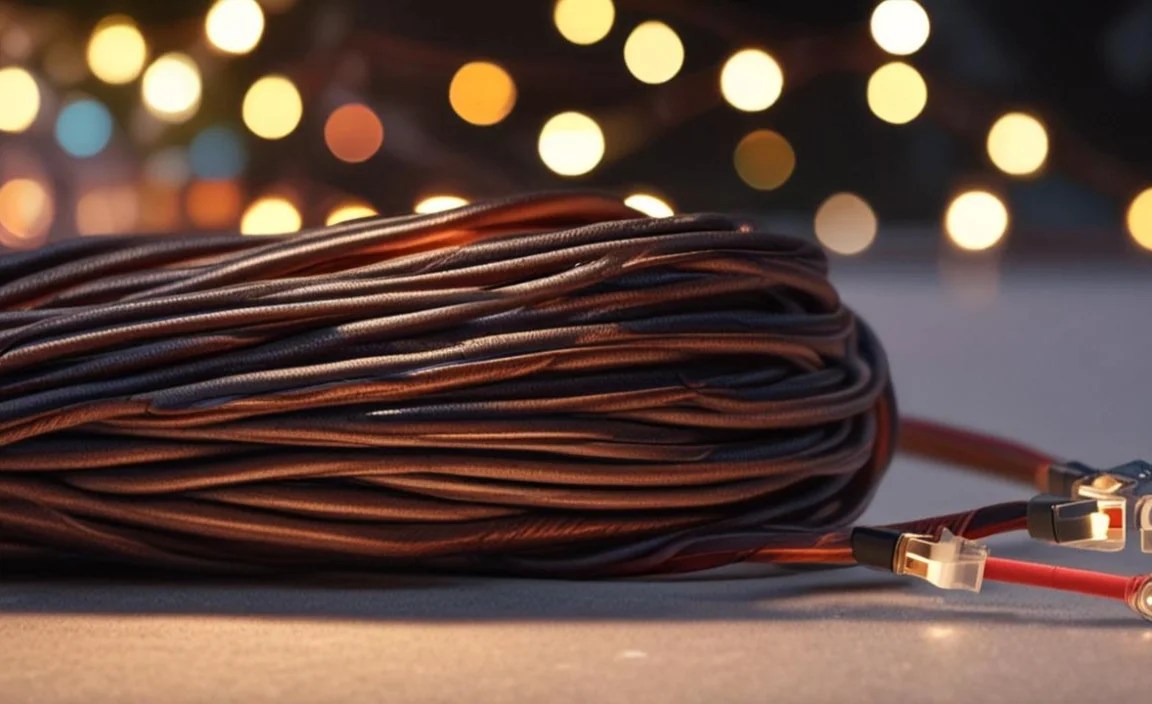
Maintaining your extension cords for outdoor Christmas lights keeps them working well. Check your lights regularly. Look for any burned-out bulbs. Replace them right away. This keeps your display bright. Inspect your cords for damage. Look for cuts, cracks, or fraying. Replace damaged cords immediately. Keep connections dry. Use waterproof connectors and covers. This prevents shorts and electric shock. Clean your lights and cords. Wipe them down with a damp cloth. This removes dirt and grime. Store your lights and cords carefully when you are not using them. This keeps them in good condition for next year. A little maintenance goes a long way in keeping your lights shining safely.
- Check lights for burned-out bulbs.
- Inspect cords for damage regularly.
- Keep connections dry and secure.
- Clean lights and cords periodically.
- Store lights and cords carefully.
Think about the weather. Heavy snow or ice can damage your lights and cords. Clear snow and ice from your lights. This prevents them from breaking. Use timers to turn your lights on and off automatically. This saves energy and reduces wear and tear on your cords. Do not leave your lights on all night. This can overheat the cords. It also wastes energy. Use LED lights. They use less power than traditional lights. This puts less strain on your cords. With a little care, your lights will shine brightly for many years.
Fun Fact or Stat: LED Christmas lights use up to 80% less energy than traditional incandescent lights!
How Do I Store My Lights and Cords After the Holidays?
Storing your lights and cords properly is important. Start by unplugging everything. Then, remove the lights from your house. Coil the lights neatly. Use a cord reel or organizer to keep them tangle-free. Store the lights in a dry place. A garage or attic works well. Coil your extension cords neatly, too. Secure them with zip ties or Velcro straps. Store the cords in a separate container. This keeps them from getting tangled with the lights. Label the containers clearly. This makes it easy to find your lights and cords next year. Do you want to make decorating easier next year?
What Do I Do With Old or Damaged Cords?
Do not throw old or damaged cords in the trash. They can be recycled. Many electronics stores have recycling programs. They will take your old cords and recycle them properly. You can also check with your local waste management company. They may have special recycling days for electronics. Do not try to repair damaged cords yourself. This can be dangerous. It is better to replace them with new cords. Recycling old cords helps protect the environment. Do you want to help keep our planet clean?
How Can I Make My Lights Last Longer?
To make your lights last longer, use LED lights. They are more energy-efficient and last much longer than traditional lights. Handle your lights carefully. Do not pull on the cords. This can damage the wires. Store your lights properly. Coil them neatly and keep them in a dry place. Use timers to turn your lights on and off automatically. This saves energy and reduces wear and tear on the lights. Check your lights regularly. Replace any burned-out bulbs right away. A little care goes a long way in making your lights last longer. Do you want your lights to shine brightly for many years?
Troubleshooting Common Extension Cord Problems
Sometimes, extension cords for outdoor Christmas lights can have problems. Your lights might not turn on. The cord might feel hot. Or the circuit breaker might trip. These problems can be frustrating. But they are often easy to fix. First, check the cord for damage. Look for cuts, cracks, or fraying. Replace damaged cords right away. Make sure the cord is plugged in securely. Check the outlet, too. It might not be working. Try plugging the cord into a different outlet. If the cord feels hot, unplug it immediately. You are using too much power. Use a thicker cord or fewer lights. Check your circuit breaker. If it has tripped, reset it. If it keeps tripping, you have a problem. Call an electrician. A little troubleshooting can keep your lights shining safely.
- Check the cord for damage.
- Make sure the cord is plugged in securely.
- Check the outlet for power.
- Unplug hot cords immediately.
- Reset tripped circuit breakers.
Think about the weather. Rain or snow can cause problems with your cords. Use waterproof connectors and covers. This prevents water from getting into the plugs. Keep cords off the ground. This prevents water from pooling around the plugs. If your lights flicker, check the bulbs. Loose bulbs can cause flickering. Tighten them or replace them. If the problem persists, check the cord. There might be a loose connection. A little troubleshooting can keep your lights shining brightly all season long.
Fun Fact or Stat: About 20% of holiday-related injuries involve falls, often related to hanging decorations or lights!
Why is My Circuit Breaker Tripping?
Your circuit breaker might be tripping because you are using too much power. Each circuit breaker is designed to handle a certain amount of electricity. If you use more than that, the breaker will trip. This is a safety feature. It prevents the wires from overheating and causing a fire. To fix this, use fewer lights on the circuit. Or, use LED lights. They use less power. You can also split your lights onto multiple circuits. This will distribute the power more evenly. Do you want to keep your home safe from fire?
What Should I Do if My Cord is Damaged?
If your cord is damaged, do not use it! A damaged cord can cause electric shock or fire. Replace the cord right away. Do not try to repair it yourself. This can be dangerous. When you replace the cord, choose one that is rated for outdoor use. Make sure it is the right length and gauge for your needs. Check the new cord for damage before using it. Safety is always the most important thing. Do you want to keep your family safe from electric shock?
Why Are My Lights Dim?
Your lights might be dim because of a few reasons. First, check the bulbs. They might be old and need to be replaced. Second, check the extension cord. If it is too long or too thin, it might not be able to deliver enough power. Use a thicker cord or a shorter cord. Third, check the connections. Loose connections can cause dim lights. Tighten all the connections. If your lights are still dim, there might be a problem with the outlet. Try plugging the lights into a different outlet. Do you want your lights to shine brightly?
Summary
Choosing the right extension cords for outdoor Christmas lights is important for safety and beauty. Look for cords rated for outdoor use. Check the wattage rating to avoid overloading. Use heavy-duty cords for long runs. Inspect cords for damage before using them. Protect connections from water. Consider cord length. Do not stretch cords too tightly. Use GFCI outlets for safety. Store cords carefully when not in use. By following these tips, you can create a dazzling and safe holiday display. Remember, safety first!
Conclusion
Extension cords for outdoor Christmas lights are essential for a festive holiday display. Always prioritize safety when selecting and using these cords. Check ratings and inspect for damage. Protect from water. With the right cords, your lights will shine brightly all season long. Enjoy your beautiful and safe Christmas lights!
Frequently Asked Questions
Question No 1: What kind of extension cord should I use for outdoor Christmas lights?
Answer: You should always use an extension cord that is specifically designed and rated for outdoor use. These cords have thicker insulation. This protects them from moisture, cold, and sunlight. Look for cords labeled “outdoor use” or “weatherproof.” These cords will keep your lights shining safely. They will also prevent electrical hazards. Never use indoor extension cords for outdoor lights. They are not made to handle the weather. This can cause a fire or electric shock. Do you want to keep your home safe this holiday season?
Question No 2: How do I know what size extension cord to use?
Answer: The size of an extension cord is measured in gauge. Lower gauge numbers mean thicker cords. Thicker cords can handle more power. For short runs and a few lights, a 16-gauge cord might work. But for longer runs or many lights, use a 14-gauge or 12-gauge cord. Check the wattage of your lights. Add them up to find the total wattage. Look at the cord’s label. Make sure the cord can handle that much power. When in doubt, use a thicker cord. It is better to be safe than sorry. Using the right size extension cords for outdoor Christmas lights is very important.
Question No 3: How can I protect my extension cords from the weather?
Answer: Protecting your extension cords from the weather is very important. You can use cord protectors or waterproof boxes. These covers shield the connections from rain and snow. Keep the cords off the ground. Use stakes or clips to lift them. This prevents water from pooling around the plugs. Check your cords often. Look for any signs of damage. Cracks or cuts can be dangerous. Replace damaged cords right away. Store your cords carefully when you are not using them. This keeps them in good condition for next year. Make sure your extension cords for outdoor Christmas lights are always protected.
Question No 4: Is it safe to use multiple extension cords together?
Answer: Yes, you can use multiple extension cords together. But you need to be careful. Make sure the cords are all rated for outdoor use. Check the wattage rating of each cord. The total wattage of your lights should not exceed the lowest rating of any cord. Connect the cords tightly. Use waterproof connectors to protect the connections. Avoid creating long runs of cords. Long runs can lose power. They can also be a tripping hazard. It is better to use one long cord if possible. But if you need to use multiple cords, be sure to follow these safety tips. Remember to check your extension cords for outdoor Christmas lights regularly.
Question No 5: What should I do if my extension cord gets wet?
Answer: If your extension cord gets wet, do not touch it! First, turn off the power at the breaker. This will stop the flow of electricity. Then, carefully unplug the cord. Wear rubber gloves to protect yourself. Let the cord dry completely before using it again. Check the cord for damage. If you see any cracks or cuts, replace the cord. Water can cause electric shock. It is always better to be safe. Keep cords away from water as much as possible. Use waterproof covers and connectors. Your safety is the most important thing to consider when using extension cords for outdoor Christmas lights.
Question No 6: How should I store my extension cords after the holidays?
Answer: Storing your extension cords properly is important. Start by unplugging the cord. Then, hold one end and wrap the cord around your hand and elbow. This makes a nice, even coil. Secure the coil with a zip tie or Velcro strap. Do not tie the cord too tightly. This can damage the wires. Store the coiled cord in a dry place. A garage or shed works well. Keep the cord away from sharp objects and extreme temperatures. This will keep it in good condition for next year. Proper storage will help your extension cords for outdoor Christmas lights last longer.
