Do you have a small garden? Do you want to make it look great? Fencing ideas for small gardens can help. A good fence can add privacy. It can also add style. Let’s explore some fun and easy options.
Maybe you have seen a neighbor’s lovely garden. The right fence made it special. Fences keep pets in. They also keep unwanted animals out. Read on to learn how to pick the best fence. We will show you cool fencing ideas for small gardens.
Want to make your small garden amazing? There are many ways to do it. You can use wood, metal, or even plants. Each type has its own look. Some are easy to build yourself. Others might need a little help. Let’s find the perfect fence for you.
Key Takeaways
- Discover creative fencing ideas for small gardens to maximize space and style.
- Vertical gardens on fences add beauty and growing space in limited areas.
- Repurposed materials create unique, eco-friendly, and cost-effective fencing solutions.
- Consider fence height, materials, and local rules before building anything new.
- Proper planning ensures your fence enhances privacy and complements your garden’s design.
Creative Fencing Ideas for Small Gardens

Small gardens need smart solutions. A fence can define the space. It can also add a decorative touch. Choosing the right fence is important. Think about what you want to achieve. Do you need privacy? Or do you want to add beauty? Consider the style of your home. The fence should match. Wood fences are classic. Metal fences are modern. Living fences are eco-friendly. Each option brings something different. You can even mix and match. Use different materials for different sections. This creates a unique look. Remember to check local rules. Some areas have fence height limits. Planning is key to a great fence. It helps you make the best choice. Then you can enjoy your beautiful garden.
- Use vertical panels to add height.
- Try a trellis fence for climbing plants.
- Consider bamboo for a natural screen.
- Repurpose old doors or pallets.
- Paint the fence a bright color.
- Add decorative caps to posts.
Adding a personal touch makes your fence special. Think about painting it a fun color. Bright colors can make a small garden feel bigger. You can also add decorative elements. Consider fence post caps. These come in many styles. They can add a touch of elegance. Climbing plants are another great idea. Train them to grow up the fence. This creates a living wall. It adds beauty and privacy. Remember to choose plants that suit your climate. Some plants need more sun than others. With a little creativity, your fence can be a stunning feature. It will enhance your small garden. It will also make it a place you love to spend time.
Fun Fact or Stat: A survey showed that gardens with fences are 30% more likely to be used for relaxation and entertaining.
What About Fence Height?
Fence height is a key thing to think about. How tall should your fence be? It depends on your needs. For privacy, a taller fence is better. A shorter fence can define the space. But it won’t block the view. Consider your local rules. Many areas have height limits. Check with your city or town. Make sure your fence is allowed. Think about how the height will affect your garden. A tall fence can block sunlight. This can affect plant growth. Choose a height that balances privacy and light. You can also use different heights in different areas. A taller fence along a busy street. A shorter fence in a quiet corner. This gives you the best of both worlds.
Think About Fence Materials.
Fence materials matter a lot. Wood is a popular choice. It’s natural and can be painted. Metal is strong and long-lasting. Vinyl is low-maintenance and easy to clean. Bamboo is eco-friendly and adds a tropical look. Each material has its own benefits. Wood needs to be treated to prevent rot. Metal can rust if not properly coated. Vinyl can be expensive. Bamboo might not be suitable for all climates. Consider your budget and your style. Choose a material that fits your needs. You can also mix materials. Use wood posts with metal panels. This creates a unique and interesting look. Be sure to research each material. Know its pros and cons before you decide.
Add Decorative Elements To Your Fence
Decorative elements make a fence special. Think about adding a gate. A gate can be a focal point. Choose a gate that matches your fence. You can also add decorative panels. These can be made of metal or wood. Consider adding lights to your fence. Solar lights are easy to install. They add a warm glow to your garden. You can also add planters to your fence. This creates a vertical garden. It adds color and interest. Think about adding a mirror to your fence. A mirror can make a small garden feel bigger. Be creative and have fun. Your fence should reflect your personality. It should be a place you enjoy looking at. It should also be a place you love to be.
Fun Fact or Stat: White fences are the most popular choice for small gardens, reflecting light and creating a sense of spaciousness.
Maximizing Space with Vertical Fencing
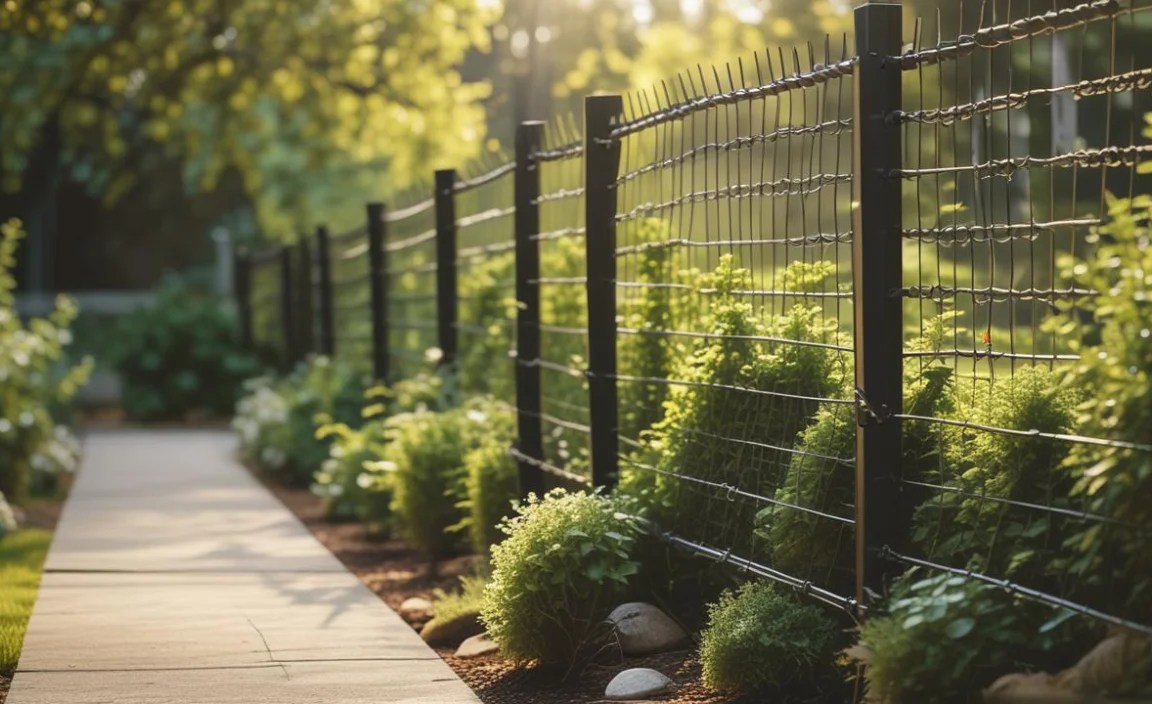
Vertical fencing is a great way to save space. It lets you grow plants upwards. This is perfect for small gardens. You can use a trellis or a living wall. Trellises support climbing plants. Living walls are made of plants. They add beauty and greenery. Vertical fencing also adds privacy. It blocks the view from neighbors. This makes your garden more relaxing. Choose plants that suit your climate. Some plants need more sun than others. Make sure your fence is strong enough. It needs to support the weight of the plants. Vertical fencing is a smart and stylish choice. It maximizes space and adds beauty. It makes your small garden feel bigger and better.
- Install a trellis for climbing flowers.
- Create a living wall with succulents.
- Use hanging baskets on the fence.
- Grow vegetables vertically in containers.
- Add shelves to display potted plants.
- Train vines to climb the fence.
Vertical fencing is not just for plants. You can also use it for storage. Add shelves to your fence. Store pots, tools, and other garden supplies. This keeps your garden tidy. It also saves space. Use hooks to hang tools. Hang watering cans and small shovels. This makes them easy to reach. Vertical fencing can be both beautiful and practical. It’s a great way to make the most of your small garden. Get creative with your design. Use different materials and textures. This adds interest and personality. Your vertical fence will be a stunning feature. It will enhance your garden’s beauty.
Fun Fact or Stat: Vertical gardens can improve air quality by up to 20% in urban environments.
Which Climbing Plants Work Best?
Choosing the right climbing plants is important. Some plants are easy to grow. Others need more care. Clematis is a popular choice. It has beautiful flowers in many colors. Ivy is another option. It’s easy to grow and provides good coverage. Honeysuckle has fragrant flowers. It attracts hummingbirds. Roses can also be trained to climb. Choose varieties that are disease-resistant. Consider the amount of sunlight your fence gets. Some plants need full sun. Others prefer shade. Make sure the plants are not invasive. Invasive plants can spread quickly. They can take over your garden. Research each plant before you buy it. Know its needs and its growth habits.
How Do I Build a Trellis Fence?
Building a trellis fence is a fun project. You’ll need wood, nails, and screws. Start by building a frame. The frame should be the size of your fence. Add vertical and horizontal supports. This creates the trellis pattern. Attach the trellis to your fence posts. Make sure it’s secure. You can paint or stain the trellis. This protects it from the weather. Choose a color that matches your fence. Add climbing plants to the base of the trellis. Train them to grow up the trellis. Water and fertilize them regularly. Your trellis fence will add beauty and privacy. It will also provide a support for your plants.
What About Living Walls?
Living walls are a beautiful option. They’re made of plants growing in pockets. You can buy pre-made living wall systems. Or you can build your own. You’ll need a frame, fabric, and soil. Attach the fabric to the frame. Create pockets for the plants. Fill the pockets with soil. Plant succulents or other small plants. Water the plants regularly. Living walls need good drainage. Make sure the water can drain away. Living walls can be expensive. But they’re worth it. They add a stunning feature to your garden. They also improve air quality. They create a peaceful and relaxing space.
Fun Fact or Stat: Living walls can reduce noise pollution by up to 40%.
Using Repurposed Materials for Fencing
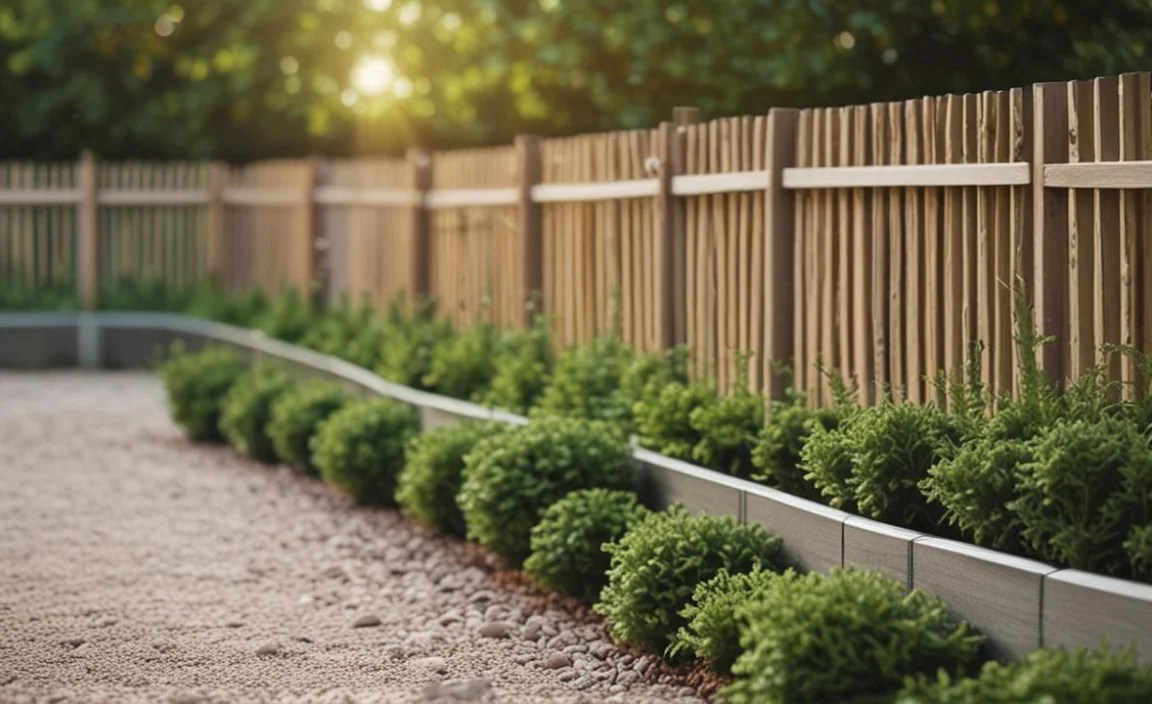
Repurposed materials are great for fencing. They are eco-friendly and save money. Old pallets can be turned into fences. So can old doors and windows. These materials add character to your garden. They also give it a unique look. Pallet fences are easy to build. Simply nail the pallets together. Add a coat of paint for a finished look. Old doors can be used as fence panels. Attach them to posts. Old windows can create a see-through fence. This adds light and interest. Repurposed materials are a sustainable choice. They reduce waste and create something beautiful. Get creative with your design. Use different materials and textures. This makes your fence truly unique. It also makes your garden special.
- Use old wooden pallets for a rustic fence.
- Repurpose metal sheets for a modern look.
- Turn old doors into unique fence panels.
- Use bamboo poles for a natural fence.
- Create a fence from recycled plastic bottles.
- Use reclaimed wood for a sustainable option.
Finding repurposed materials is easy. Check with local construction sites. They often have materials they’re throwing away. Look at flea markets and garage sales. You can find great deals. Ask friends and neighbors. They might have materials they don’t need. Before using repurposed materials, clean them well. Remove any nails or screws. Sand down rough edges. Paint or stain the materials. This protects them from the weather. It also gives them a finished look. Repurposed materials are a great way to save money. They also help the environment. They add character and charm to your garden. They make your fence a unique and special feature.
Fun Fact or Stat: Using repurposed materials can reduce your carbon footprint by up to 80% compared to buying new materials.
Where Can I Find Old Pallets?
Finding old pallets is easier than you think. Many businesses throw them away. Check with local grocery stores. They often have pallets they don’t need. Ask at construction sites. They might have pallets they are discarding. Look online. Websites like Craigslist often have free pallets. Be sure to check the pallets carefully. Look for signs of damage. Avoid pallets that have been treated with chemicals. Pallets marked “HT” are heat-treated. These are safe to use. Pallets marked “MB” are treated with methyl bromide. These should be avoided. Always wear gloves when handling pallets. This protects your hands from splinters.
How Do I Clean Old Doors?
Cleaning old doors is important. This removes dirt and grime. It also prepares them for painting. Start by removing any hardware. Take off the knobs and hinges. Use a brush to remove loose dirt. Wash the door with soap and water. Use a mild detergent. Rinse the door well. Let it dry completely. Sand the door to smooth out rough spots. This creates a better surface for painting. Fill any holes or cracks with wood filler. Let the filler dry. Sand it smooth. Prime the door before painting. This helps the paint adhere. Choose a paint color that you like. Paint the door in thin, even coats. Let each coat dry before applying the next.
What About Recycled Plastic?
Recycled plastic is a great option. It’s durable and weather-resistant. You can buy recycled plastic fencing. It comes in many colors and styles. Recycled plastic is low-maintenance. It doesn’t need to be painted or stained. It’s also resistant to rot and insects. Recycled plastic is eco-friendly. It reduces waste and helps the environment. You can also use recycled plastic bottles. Cut them into strips. Weave them together to create a fence. This is a fun and creative project. It also helps to recycle plastic. Recycled plastic is a smart choice for fencing. It’s durable, low-maintenance, and eco-friendly. It’s a great way to protect your garden.
Fun Fact or Stat: One recycled plastic fence can save up to 500 plastic bottles from ending up in landfills.
Choosing the Right Fence Style

Choosing the right fence style is important. It should match your home and garden. Picket fences are classic and charming. They are perfect for cottage gardens. Privacy fences provide security and seclusion. They are great for busy streets. Modern fences have clean lines and simple designs. They are ideal for contemporary homes. Rustic fences use natural materials. They create a relaxed and informal look. Consider your personal style. Choose a fence that you love. Think about the function of the fence. Do you need privacy? Or do you want to add beauty? Choose a style that meets your needs. The right fence can enhance your garden. It can also add value to your home.
- Consider a picket fence for a classic look.
- Choose a privacy fence for added security.
- Opt for a modern fence for a sleek design.
- Select a rustic fence for a natural feel.
- Match the fence style to your home’s architecture.
- Think about the fence’s function and purpose.
The color of your fence matters too. White fences are popular. They reflect light and make a garden feel bigger. Dark fences can create a dramatic effect. They also provide a good backdrop for plants. Natural wood fences blend in with the surroundings. They create a peaceful and harmonious look. Consider the colors of your plants. Choose a fence color that complements them. You can also paint your fence a fun color. Bright colors add personality to your garden. Just be sure to check local rules. Some areas have restrictions on fence colors. The right fence style can transform your garden. It can make it a beautiful and inviting space. It can also make it a place you love to spend time.
Fun Fact or Stat: Homes with well-maintained fences can see a 5% to 10% increase in property value.
What About Picket Fences?
Picket fences are a classic choice. They are charming and traditional. They come in many styles and heights. You can choose from different picket shapes. Pointed pickets are common. Rounded pickets are also popular. Picket fences are easy to install. You can buy pre-made panels. Or you can build your own. Picket fences are not very private. They have gaps between the pickets. But they add a decorative touch. They define the space without blocking the view. Picket fences are perfect for cottage gardens. They create a welcoming and friendly atmosphere. They are a timeless choice for any home.
Are Privacy Fences a Good Choice?
Privacy fences are a practical option. They provide security and seclusion. They block the view from neighbors. They also reduce noise. Privacy fences are available in many materials. Wood, vinyl, and metal are common choices. They can be tall or short. Choose a height that meets your needs. Privacy fences can make a garden feel smaller. But they also create a sense of peace and quiet. They are great for busy streets. They block out traffic noise. Privacy fences can be expensive. But they are worth it. They add value to your home. They also create a private and relaxing space.
What Makes a Fence Modern?
Modern fences have clean lines. They have simple designs. They often use metal or vinyl. Modern fences are sleek and stylish. They complement contemporary homes. They don’t have a lot of ornamentation. They focus on functionality. Modern fences can be expensive. But they are durable and long-lasting. They are also low-maintenance. They don’t need to be painted or stained. Modern fences create a sophisticated look. They enhance the beauty of your home. They also provide security and privacy. They are a great choice for modern living.
Fun Fact or Stat: Picket fences have been around since the 17th century and were originally used to keep livestock out of gardens.
DIY Fencing Projects for Small Spaces

DIY fencing projects are fun and rewarding. They save money and add a personal touch. You can build a fence from wood, bamboo, or pallets. These materials are easy to find. They are also affordable. Start by planning your fence. Decide on the height and length. Gather your materials and tools. Cut the wood to size. Assemble the frame. Attach the fence panels. Paint or stain the fence. Add decorative elements. DIY fencing is a great way to customize your garden. It allows you to create a unique look. It also gives you a sense of accomplishment. Enjoy your new fence. It will add beauty and privacy to your garden.
- Build a simple wooden fence from scratch.
- Create a bamboo fence for a natural screen.
- Use pallets to construct a rustic fence.
- Make a decorative fence with reclaimed wood.
- Build a wire fence for climbing plants.
- Construct a fence from woven branches.
Before starting your DIY project, check local rules. Some areas have restrictions on fence height. Others have rules about fence materials. Make sure your fence complies with these rules. This will avoid problems later. Safety is also important. Wear gloves and safety glasses. Use power tools carefully. Ask for help if you need it. Building a fence can be challenging. But it is also a lot of fun. Take your time and enjoy the process. The result will be a beautiful and functional fence. It will enhance your garden and add value to your home. It will also be something you can be proud of.
Fun Fact or Stat: DIY projects can save you up to 50% compared to hiring a professional for fence installation.
How Do I Build a Wood Fence?
Building a wood fence is a common DIY project. Start by digging post holes. Space them evenly apart. Set the posts in concrete. Let the concrete dry. Attach the rails to the posts. Use screws or nails. Add the fence panels. These can be pre-made or custom-built. Paint or stain the fence. This protects it from the weather. It also adds a finished look. Building a wood fence takes time and effort. But it is a rewarding experience. You will have a beautiful and durable fence. It will enhance your garden for years to come.
What About Bamboo Fences?
Bamboo fences are a natural choice. They are eco-friendly and sustainable. Bamboo is strong and durable. It is also lightweight. You can buy bamboo poles at garden centers. Or you can harvest your own. Cut the bamboo to size. Attach it to posts. Use wire or rope. Bamboo fences create a tropical look. They are perfect for adding privacy. They also provide a windbreak. Bamboo fences are easy to install. They are also low-maintenance. They are a great choice for any garden.
Are Pallet Fences Easy to Build?
Pallet fences are a simple DIY project. Pallets are easy to find and affordable. They are also easy to work with. Simply nail the pallets together. Create a fence of any size. You can paint or stain the pallets. This adds a finished look. Pallet fences are rustic and charming. They add character to your garden. They are also a great way to recycle. Pallet fences are not very private. They have gaps between the boards. But they are a great option for defining space. They are also a fun and creative project.
Fun Fact or Stat: Bamboo is one of the fastest-growing plants on Earth, making it a sustainable choice for fencing.
Regulations and Permits for Fencing
Regulations and permits are important for fencing. Check with your local authorities before building. Some areas have rules about fence height. Others have rules about fence materials. Some areas require permits. These ensure your fence is safe. They also ensure it complies with local rules. Failure to get a permit can result in fines. It can also result in having to remove your fence. It is always best to check first. Contact your city or town hall. Ask about fencing regulations. They can provide you with the information you need. This will save you time and money. It will also avoid problems in the future. Always be sure to follow the rules.
- Check local zoning regulations before building.
- Obtain necessary permits from your city or town.
- Ensure your fence meets height and material requirements.
- Follow setback rules to avoid property line disputes.
- Consider neighborhood association guidelines.
- Be aware of utility easements on your property.
Property lines are also important. Make sure you know where your property line is. You don’t want to build your fence on your neighbor’s property. This can lead to disputes. It can also lead to legal problems. You can hire a surveyor to mark your property line. Or you can check with your local government. They may have records of your property lines. Be respectful of your neighbors. Talk to them about your fence plans. This can prevent misunderstandings. It can also help you build a fence that everyone is happy with. Good communication is key. It helps you avoid problems and build a great fence.
Fun Fact or Stat: Over 30% of homeowners neglect to check local fencing regulations before starting a project, leading to potential fines or removal orders.
How Do I Find Local Regulations?
Finding local regulations is easy. Contact your city or town hall. They can provide you with the information you need. Visit their website. Many cities have their regulations online. Check with your neighborhood association. They may have additional rules. Talk to your neighbors. They may know about local regulations. Research is key. Make sure you understand the rules. This will help you avoid problems. It will also help you build a fence that complies with local laws. Be proactive and do your homework. It will save you time and money.
What Are Setback Requirements?
Setback requirements are important. They specify how far your fence must be from the property line. This prevents you from building on your neighbor’s property. Setback requirements vary by location. Check with your local government. They can provide you with the information you need. Setback requirements are usually measured in feet. They may vary depending on the type of fence. Be sure to follow these requirements. This will avoid disputes with your neighbors. It will also help you build a fence that complies with local laws.
Do I Need a Permit?
Whether you need a permit depends on your location. Some areas require permits for all fences. Others only require permits for certain types of fences. Check with your local government. They can tell you if you need a permit. If you need a permit, you will have to submit an application. This usually includes a drawing of your fence. It may also include a fee. The permit process can take time. Be patient and follow the instructions. Once you have your permit, you can start building your fence. Make sure to keep the permit on hand. This will show that you have permission to build the fence.
Fun Fact or Stat: Obtaining a permit can add between 1% and 5% to the total cost of your fencing project.
Summary
Fencing ideas for small gardens can transform your outdoor space. We discussed many options, from vertical gardens to repurposed materials. Choosing the right fence style is important. It should match your home and garden. DIY projects are a great way to save money. Remember to check local regulations and permits. A well-planned fence adds beauty and privacy. It can also increase your property value. Consider your needs and your budget. Then choose the best fence for your small garden. The right fence will make your garden a special place.
Conclusion
Adding a fence to your small garden can make a big difference. It provides privacy and defines your space. You can choose from many styles and materials. Think about your needs and your budget. Consider DIY projects or hiring a professional. Always check local regulations before you start. With the right fencing ideas for small gardens, you can create a beautiful and functional outdoor space. Enjoy your new garden fence for years to come.
Frequently Asked Questions
Question No 1: What are some cheap fencing ideas for my small garden?
Answer: There are many cheap fencing ideas for small gardens. You can use repurposed materials like old pallets or bamboo. These materials are often free or low-cost. You can also build a simple wire fence. This is a great option for climbing plants. Another idea is to use chicken wire. It’s inexpensive and easy to install. Get creative and look around for affordable options. With a little effort, you can build a beautiful fence without spending a lot of money. Remember to check local regulations before you start building. This will avoid problems later.
Question No 2: How high should my garden fence be?
Answer: The height of your garden fence depends on your needs. For privacy, a taller fence is better. A height of 6 feet is common. But check local regulations first. Many areas have height limits. A shorter fence can define the space without blocking the view. A height of 3 to 4 feet is a good option. Consider the style of your home. Choose a height that complements it. Think about the function of the fence. Do you need to keep pets in? Or do you want to keep animals out? Choose a height that meets your needs.
Question No 3: Can I use plants as a fence?
Answer: Yes, you can use plants as a fence. This is called a living fence. It’s a beautiful and eco-friendly option. Choose plants that are dense and fast-growing. Evergreen shrubs are a good choice. They provide year-round privacy. Bamboo is another option. It grows quickly and creates a natural screen. Train the plants to grow close together. This will create a solid wall. Living fences require regular maintenance. You need to trim and prune them. But they add beauty and value to your garden. They also provide habitat for wildlife.
Question No 4: What is the best material for a garden fence?
Answer: The best material for a garden fence depends on your needs. Wood is a popular choice. It’s natural and can be painted. Metal is strong and long-lasting. Vinyl is low-maintenance and easy to clean. Bamboo is eco-friendly and adds a tropical look. Consider your budget. Wood can be cheaper, but needs to be maintained. Then think about your style. Choose a material that complements your home. Be sure to research each material. Know its pros and cons before you decide. Also research which fencing ideas for small gardens will suit your needs.
Question No 5: How do I maintain my garden fence?
Answer: Maintaining your garden fence is important. This will keep it looking its best. It will also extend its life. Wood fences need to be treated regularly. This prevents rot and insect damage. Metal fences should be painted. This prevents rust. Vinyl fences are easy to clean. Simply wash them with soap and water. Check your fence regularly for damage. Repair any broken boards or posts. Keep plants trimmed away from the fence. This prevents them from damaging it. With proper care, your fence will last for many years.
Question No 6: Can I build a fence myself, or should I hire a professional?
Answer: Whether you build a fence yourself depends on your skills. Simple fences are easy to build. You can save money by doing it yourself. Complex fences are more challenging. You may need to hire a professional. Consider your time and your tools. Do you have the time to build a fence? Do you have the necessary tools? If you are not sure, it is best to hire a professional. They have the experience and expertise. They can build a fence that is safe and durable. They can also ensure that it complies with local regulations. Remember, that some fencing ideas for small gardens are simpler than others.
