Have you ever seen a cat outside in the snow? It can be very cold for them. Some cats live outside all the time. These are called feral cats. They need a safe place to stay warm. A feral outdoor cat house winter can help them.
These houses protect cats from wind and snow. They give them a cozy place to sleep. Do you want to learn how to help feral cats this winter? Keep reading to find out more!
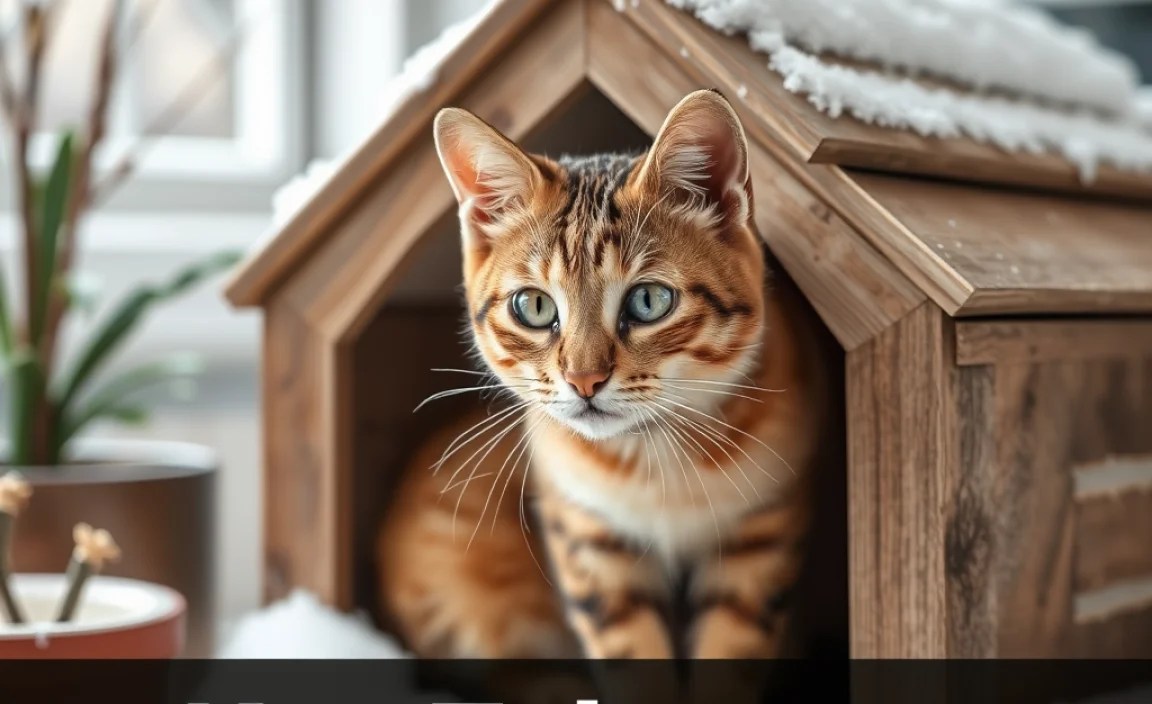
Key Takeaways
- A feral outdoor cat house winter provides critical shelter and warmth for survival.
- Insulated houses trap body heat. This helps cats stay warm in cold weather.
- You can build or buy a feral cat shelter to help your local cat community.
- Straw, not hay or blankets, makes the best bedding for outdoor cat houses.
- Providing food and water near the shelter is also very important.

Why Outdoor Cats Need Winter Shelters
Feral cats face many dangers in the winter. Cold weather can be very hard on them. They can get frostbite or even hypothermia. Hypothermia means their body temperature gets too low. This can make them very sick. A good feral outdoor cat house winter can save their lives. It gives them a safe, warm place to escape the cold. The house should be insulated to trap their body heat. This helps them stay warm even when it is freezing outside. Providing shelter is one of the best things you can do for feral cats in the winter.
- Winter can be deadly for feral cats.
- Shelters protect from wind, snow, and rain.
- Insulation helps trap the cat’s body heat.
- A good shelter can prevent frostbite.
- Shelters offer a safe space to rest.
Think about how you feel when you are cold. You probably want to go inside where it is warm. Feral cats feel the same way. But they don’t have a warm house to go to. That’s why outdoor shelters are so important. They give feral cats a chance to survive the winter. You can make a big difference in their lives by providing a simple shelter. It doesn’t have to be fancy. Just a safe, dry place out of the wind and snow. Remember, even a small shelter can make a huge difference for a feral cat trying to survive the winter.
What Makes a Good Cat Shelter?
A good cat shelter has a few key features. It should be waterproof. This keeps the cat dry. It should also be insulated. Insulation traps heat inside. The entrance should be small. This keeps out wind and snow. The shelter should also be easy to clean. You want to keep it a healthy space for the cat. A good shelter is also sturdy. You don’t want it to fall apart in bad weather. Think about these things when you are building or buying a shelter. A well-made shelter will last for many winters. It will keep feral cats safe and warm.
The Importance of Insulation
Insulation is very important for a feral outdoor cat house winter. Insulation helps trap the cat’s body heat. This keeps the shelter warm even when it is very cold outside. Good insulation materials include straw and rigid foam. Avoid using blankets or towels. These can get wet and freeze. Wet bedding can actually make the cat colder. Straw is a great choice because it stays dry and provides good insulation. Make sure to fill the shelter loosely with straw. This allows the cat to burrow in and stay warm. Insulation is key to keeping feral cats safe in the winter.
Choosing the Right Location
The location of the shelter is also important. Place it in a quiet, sheltered spot. Avoid areas with a lot of foot traffic. Cats will feel safer in a secluded location. Put the shelter against a building or fence. This will protect it from the wind. Make sure the entrance faces away from the wind. This will prevent snow from blowing inside. It’s also a good idea to place the shelter near a food and water source. This will make it easier for the cats to find what they need. Choose a location that is safe and comfortable for the cats.
Fun Fact or Stat: A well-insulated feral outdoor cat house can be 20–30 degrees warmer than the outside temperature!

Building Your Own Feral Cat Shelter
Building your own feral cat shelter can be a fun project. It is also a great way to help your local cat community. You can use simple materials like a plastic storage bin and some insulation. Cut a small hole in the bin for the entrance. Make sure the hole is big enough for a cat to get through. But not so big that it lets in too much cold air. Line the bin with insulation like straw or rigid foam. Place the lid on the bin and secure it. Now you have a simple, effective feral outdoor cat house winter. You can also find many DIY shelter plans online. Choose a plan that is easy to follow and uses materials you can easily find.
- Plastic storage bins make great shelters.
- Cut a small entrance hole for the cats.
- Line the shelter with straw for insulation.
- Secure the lid to keep out the weather.
- DIY shelters are affordable and effective.
- You can find many shelter plans online.
One time, a group of kids built several cat shelters for their neighborhood. They used recycled materials like old wooden pallets and plastic bins. They learned about the importance of insulation and how to protect the shelters from the weather. The kids worked together to build and place the shelters in safe locations. They felt good knowing they were helping the feral cats in their community. This project taught them about compassion and the importance of helping animals in need. Building your own shelter can be a rewarding experience for you too.
Simple DIY Shelter Ideas
There are many simple DIY shelter ideas you can try. One easy idea is to use two plastic storage bins. Place one bin inside the other. Fill the space between the bins with insulation. This creates a double-walled shelter that is very warm. Another idea is to use a cardboard box. Line the box with insulation and cover it with a tarp. This will protect it from the rain and snow. You can also use an old dog house. Just make sure it is insulated and has a small entrance. Get creative and use what you have on hand. The most important thing is to provide a safe, warm place for feral cats.
Choosing the Right Materials
When building a feral outdoor cat house winter, choose the right materials. Plastic is a good choice because it is waterproof and durable. Wood can also be used, but it needs to be treated to protect it from the weather. Avoid using materials that can absorb water, like blankets or towels. These can get wet and freeze, making the shelter colder. Straw is the best choice for insulation because it stays dry and provides good warmth. Rigid foam is another good option. It is lightweight and easy to work with. Choose materials that will keep the cats warm and dry all winter long.
Step-by-Step Building Instructions
Here are some simple step-by-step instructions for building a feral cat shelter. First, gather your materials. You will need a plastic storage bin, a utility knife, and straw. Cut a small hole in the bin for the entrance. Make sure the hole is about 6 inches in diameter. This will allow cats to enter and exit easily. Next, line the bottom of the bin with a thick layer of straw. Fill the bin loosely with straw, leaving enough room for the cat to move around. Place the lid on the bin and secure it with duct tape. Finally, place the shelter in a sheltered location. That’s it! You have now built a simple and effective feral outdoor cat house winter.
Fun Fact or Stat: Recycled materials like old plastic bins and wooden pallets can be used to build eco-friendly cat shelters!

Buying a Pre-Made Outdoor Cat House
If you don’t have time to build a shelter, you can buy a pre-made one. There are many different types of feral outdoor cat houses winter available. Some are made of wood, while others are made of plastic. Some are insulated, while others are not. Choose a shelter that is appropriate for your climate. If you live in a very cold area, you will need a well-insulated shelter. Look for shelters with small entrances and sturdy construction. Read reviews to see what other people think of the shelter. A good pre-made shelter can provide years of protection for feral cats.
- Pre-made shelters save time and effort.
- Choose a shelter that is well-insulated.
- Look for small entrances to keep out cold.
- Read reviews before you buy a shelter.
- Consider the size of the shelter.
- Plastic and wood shelters are both good choices.
Imagine you are a cat looking for a safe place to sleep. You see two shelters. One is a flimsy cardboard box. The other is a sturdy, insulated house. Which one would you choose? A pre-made shelter is like that sturdy, insulated house. It offers better protection from the weather and is more durable than a DIY shelter. While DIY shelters are great, a pre-made shelter can be a good option if you want something that is ready to go. It’s all about providing the best possible protection for the feral cats in your area. Think about their needs and choose the shelter that will best meet those needs.
Types of Pre-Made Shelters
There are many types of pre-made shelters available. Some are simple, like a plastic dome with a small entrance. Others are more elaborate, with multiple rooms and insulated walls. Wooden shelters often look like small houses. They can be very attractive and blend in with your yard. Plastic shelters are often more affordable and easier to clean. Consider your budget and your needs when choosing a shelter. Do you need a shelter that is easy to move? Do you need a shelter that can withstand heavy snow? Choose a shelter that is right for you and the feral cats in your area.
Where to Buy Shelters
You can buy feral outdoor cat houses winter at many different places. Pet stores often carry a selection of shelters. You can also find them online at websites like Amazon and Chewy. Some animal shelters and rescue organizations also sell shelters as a fundraiser. Check your local hardware store. They may carry materials you can use to build your own shelter. When shopping for a shelter, compare prices and features. Read reviews to see what other people think of the shelter. Choose a reputable seller who offers a good return policy.
What to Look for in a Store-Bought Shelter
When buying a store-bought feral outdoor cat house winter, there are several things to look for. Make sure the shelter is made of durable, waterproof materials. Check that the entrance is small enough to keep out the wind and snow. Look for a shelter that is well-insulated. The insulation should be thick and effective. Consider the size of the shelter. It should be big enough for one or two cats to comfortably sleep in. Read reviews to see what other people think of the shelter. Choose a shelter that is well-made and will provide good protection for feral cats.
Fun Fact or Stat: Some pre-made feral cat shelters come with heated pads to provide extra warmth in extremely cold weather!

Maintaining Your Outdoor Cat Shelter
Maintaining your feral outdoor cat house winter is important. It keeps the shelter clean and safe for the cats. Check the shelter regularly for damage. Repair any holes or cracks. Replace the straw bedding every few weeks. This will prevent mold and mildew from growing. Remove any food or water that has spilled inside the shelter. Clean the shelter with a mild soap and water solution. Rinse it thoroughly and let it dry before replacing the bedding. A clean, well-maintained shelter will provide a safe and healthy environment for feral cats.
- Check the shelter regularly for damage.
- Replace the straw bedding often.
- Remove any spilled food or water.
- Clean the shelter with soap and water.
- Make sure the shelter stays dry.
- Repair any holes or cracks quickly.
Imagine you are living in a house that never gets cleaned. It would be pretty gross, right? The same is true for feral cat shelters. Cats need a clean, dry place to sleep. A dirty shelter can become a breeding ground for bacteria and parasites. This can make the cats sick. By maintaining your shelter, you are helping to keep the cats healthy. It’s a small effort that can make a big difference. Remember, a clean shelter is a happy shelter. And happy cats are more likely to use the shelter and stay warm all winter long.
Cleaning the Shelter
Cleaning your feral outdoor cat house winter is easy. First, remove all the bedding from the shelter. Dispose of the old bedding properly. Then, use a mild soap and water solution to clean the inside of the shelter. Scrub away any dirt or debris. Rinse the shelter thoroughly with clean water. Make sure all the soap is gone. Let the shelter dry completely before adding fresh bedding. You can also use a disinfectant to kill any bacteria. Be sure to follow the instructions on the disinfectant carefully. Cleaning the shelter regularly will help keep the cats healthy and safe.
Replacing the Bedding
Replacing the bedding in your feral outdoor cat house winter is important. Old bedding can become damp and moldy. This can be harmful to the cats. Replace the bedding every few weeks, or more often if it gets wet. Straw is the best choice for bedding because it stays dry and provides good insulation. Avoid using blankets or towels. These can get wet and freeze. When replacing the bedding, use a generous amount of straw. Fill the shelter loosely with straw, leaving enough room for the cat to move around. Fresh, dry bedding will help keep the cats warm and comfortable.
Repairing Damage
Check your feral outdoor cat house winter regularly for damage. Look for holes, cracks, or leaks. Repair any damage as soon as possible. Small holes can be patched with duct tape. Larger holes may require more extensive repairs. If the shelter is made of wood, you may need to replace damaged boards. If the shelter is made of plastic, you may be able to patch it with a plastic repair kit. Make sure the repairs are strong and waterproof. A well-maintained shelter will provide years of protection for feral cats. Regularly inspect and repair your shelter to keep it in good condition.
Fun Fact or Stat: Adding a layer of reflective material on the outside of the shelter can help to reflect sunlight and keep it warmer!
Providing Food and Water
Providing food and water is just as important as providing shelter. Feral cats need access to fresh food and water every day. In the winter, water can freeze quickly. Use a heated water bowl to keep the water from freezing. Place the food and water near the shelter. This will make it easier for the cats to find. Feed the cats at the same time each day. This will help them learn when to expect food. Choose a high-quality cat food that is appropriate for outdoor cats. Providing food and water will help feral cats stay healthy and strong throughout the winter.
- Provide fresh food and water daily.
- Use a heated water bowl to prevent freezing.
- Place food and water near the shelter.
- Feed cats at the same time each day.
- Choose a high-quality cat food.
- Monitor food and water levels regularly.
Have you ever been really hungry or thirsty? It’s not a good feeling, right? Feral cats feel the same way. They need food and water to survive. In the winter, it can be even harder for them to find these things. Food can be scarce, and water can freeze. By providing food and water, you are helping to keep them alive. It’s a simple act of kindness that can make a big difference. Remember, food and water are just as important as shelter. Providing all three will give feral cats the best chance of surviving the winter.
Choosing the Right Food
Choosing the right food for feral cats is important. Look for a high-quality cat food that is specifically formulated for outdoor cats. These foods are often higher in calories and protein. This helps cats stay warm and strong. Avoid feeding cats human food. Human food can be harmful to cats. It can also attract pests. Choose a dry cat food that is easy to store and won’t spoil quickly. Feed the cats the appropriate amount of food each day. Don’t overfeed them, as this can lead to obesity. Providing the right food will help feral cats stay healthy and thrive.
Keeping Water from Freezing
Keeping water from freezing is a challenge in the winter. One solution is to use a heated water bowl. These bowls have a built-in heating element that keeps the water from freezing. You can also try using a deep bowl. Deep bowls take longer to freeze than shallow bowls. Another trick is to place a floating object in the water. This can help to slow down the freezing process. Check the water regularly and break up any ice that forms. Providing unfrozen water is essential for feral cats during the winter months.
Dealing with Snow and Ice
Snow and ice can make it difficult for feral cats to access food and water. Clear a path to the food and water bowls. This will make it easier for the cats to reach them. Use a shovel or broom to remove snow and ice. You can also use salt or sand to melt the ice. Be careful not to use too much salt, as this can be harmful to cats. Make sure the food and water bowls are placed on a surface that won’t freeze. A piece of wood or rubber can help to insulate the bowls from the cold ground. Keep the area around the food and water clear of snow and ice to ensure that feral cats can access them easily.
Fun Fact or Stat: Feral cats need about twice as many calories in the winter to stay warm!
Helping a Feral Cat Trust You
Gaining the trust of a feral cat takes time and patience. Feral cats are often scared of humans. Approach them slowly and calmly. Speak in a soft voice. Avoid making sudden movements. Offer them food from a distance. Don’t try to touch or pet them. Let them come to you. Over time, they may start to associate you with food and safety. This can help them to trust you. Be consistent and persistent. It may take weeks or even months to earn their trust. But it is worth the effort. Gaining the trust of a feral cat can be a rewarding experience.
- Approach cats slowly and calmly.
- Speak in a soft, gentle voice.
- Offer food from a distance.
- Avoid making sudden movements.
- Be patient and consistent.
- Let the cat come to you.
Imagine you are a feral cat. You have never had a good experience with humans. Most of your interactions with humans have been negative. You are naturally wary of them. Now, imagine someone starts leaving food out for you every day. They don’t try to touch you or get too close. They just leave the food and walk away. Over time, you might start to think, “Maybe this person isn’t so bad.” This is how you gain the trust of a feral cat. It takes time and patience, but it is possible. Just remember to be respectful and let the cat set the pace.
Building a Relationship
Building a relationship with a feral cat takes time and effort. Start by observing the cat from a distance. Learn its habits and routines. Notice what it likes and dislikes. This will help you to understand the cat’s personality. Then, start offering food from a distance. Place the food in the same spot each day. Over time, the cat may start to approach you. When it does, speak in a soft voice and avoid making sudden movements. Gradually, you can start to get closer to the cat. Eventually, it may even allow you to touch it. Building a relationship with a feral cat is a slow process, but it can be very rewarding.
Understanding Feral Cat Behavior
Understanding feral cat behavior is essential for gaining their trust. Feral cats are often fearful and defensive. They may hiss, growl, or swat if they feel threatened. This is not because they are mean. It is because they are scared. Avoid approaching a feral cat head-on. This can be seen as a threat. Instead, approach the cat from the side. Avoid making direct eye contact. This can also be seen as a threat. Speak in a soft voice and move slowly. Give the cat plenty of space. If the cat seems scared or agitated, back away and try again later. By understanding feral cat behavior, you can create a safe and comfortable environment for them.
The Importance of Patience
Patience is key when working with feral cats. It may take weeks, months, or even years to earn their trust. Don’t get discouraged if the cat doesn’t warm up to you right away. Just keep being consistent and persistent. Continue to offer food and shelter. Avoid pushing the cat too far. Let it set the pace. Over time, the cat may start to trust you. It may even allow you to touch it. Remember, every cat is different. Some cats are more trusting than others. Just be patient and respectful. Eventually, you may be rewarded with the trust of a feral cat.
Fun Fact or Stat: Some feral cats eventually become friendly enough to be adopted into homes!
| Feature | DIY Shelter | Pre-Made Shelter |
|---|---|---|
| Cost | Lower | Higher |
| Customization | High | Low |
| Time Investment | Higher | Lower |
| Durability | Varies | Generally Higher |
Summary
Feral cats need our help in the winter. A feral outdoor cat house winter can provide them with a safe, warm place to escape the cold. You can build your own shelter using simple materials like plastic bins and straw. Or you can buy a pre-made shelter from a pet store or online retailer. It is important to maintain the shelter. Clean it regularly and replace the bedding. Providing food and water is also essential. By taking these steps, you can help feral cats survive the winter. Remember, even a small effort can make a big difference in their lives.
Helping feral cats can be a rewarding experience. Knowing that you are making a difference in their lives can bring a sense of satisfaction. You can also help to reduce the feral cat population by supporting trap-neuter-release programs. These programs help to control the number of feral cats in your community. By working together, we can create a better world for feral cats.
Conclusion
Providing a feral outdoor cat house winter is a simple way to help feral cats survive the harsh winter months. Whether you build your own shelter or buy a pre-made one, you are making a difference. Remember to provide food and water. Also, be patient and try to gain their trust. By taking these steps, you can help feral cats stay safe, warm, and healthy. Your kindness can make a world of difference to these vulnerable animals.
Frequently Asked Questions
Question No 1: Why do feral cats need special shelters in the winter?
Answer: Feral cats live outdoors and don’t have homes to protect them from the cold. Winter weather can be very dangerous for them. They can suffer from frostbite and hypothermia. A feral outdoor cat house winter gives them a safe and warm place to escape the harsh weather. These shelters help them conserve body heat and protect them from wind, snow, and rain. A good shelter can be the difference between life and death for a feral cat during the winter months.
Question No 2: What materials are best for building a feral cat shelter?
Answer: The best materials for building a feral cat shelter are waterproof and insulating. Plastic storage bins are a popular choice because they are durable and weather-resistant. Wood can also be used, but it needs to be treated to protect it from the elements. For insulation, straw is the best option. It stays dry and provides good warmth. Avoid using blankets or towels, as they can get wet and freeze, making the shelter colder. Rigid foam is another good insulating material. Choose materials that will keep the cats warm, dry, and safe all winter long. When designing the feral outdoor cat house winter, consider accessibility for the cat.
Question No 3: How do I keep the water from freezing in the winter?
Answer: Keeping water from freezing is a common challenge in the winter. A heated water bowl is a great solution. These bowls have a built-in heating element that keeps the water from freezing. If you don’t have a heated bowl, you can try using a deep bowl. Deep bowls take longer to freeze than shallow bowls. You can also place a floating object in the water to slow down the freezing process. Check the water regularly and break up any ice that forms. Providing unfrozen water is essential for feral cats. Make sure to place the water near the feral outdoor cat house winter for convenience.
Question No 4: Where is the best place to put a feral cat shelter?
Answer: The best place to put a feral cat shelter is in a quiet, sheltered location. Choose a spot that is away from busy streets and foot traffic. Place the shelter against a building or fence to protect it from the wind. Make sure the entrance faces away from the prevailing winds to prevent snow from blowing inside. It’s also a good idea to place the shelter near a food and water source. This will make it easier for the cats to find what they need. A safe and comfortable location will encourage the cats to use the shelter and stay warm all winter long. Ensure easy access to the feral outdoor cat house winter.
Question No 5: How often should I clean a feral cat shelter?
Answer: You should clean a feral cat shelter regularly to keep it clean and healthy for the cats. Check the shelter at least once a month for damage and cleanliness. Replace the straw bedding every few weeks, or more often if it gets wet or soiled. Remove any spilled food or water. Clean the shelter with a mild soap and water solution. Rinse it thoroughly and let it dry before replacing the bedding. A clean, well-maintained shelter will provide a safe and healthy environment for feral cats. Regular maintenance of the feral outdoor cat house winter ensures its effectiveness.
Question No 6: How can I help a feral cat trust me?
Answer: Gaining the trust of a feral cat takes time and patience. Approach the cat slowly and calmly. Speak in a soft voice. Avoid making sudden movements. Offer food from a distance. Don’t try to touch or pet the cat. Let the cat come to you. Over time, it may start to associate you with food and safety. Be consistent and persistent. It may take weeks or even months to earn the cat’s trust. But it is worth the effort. Gaining the trust of a feral cat can be a very rewarding experience. Make sure the cat feels safe near the feral outdoor cat house winter.
