Have you ever dreamed of a tiny water garden? Maybe you want a splash of color in your yard. Adding fish for small outdoor pond is a great idea. What kinds of fish can live there? Let’s explore the best choices. We can make your pond a happy home for some cool fish.
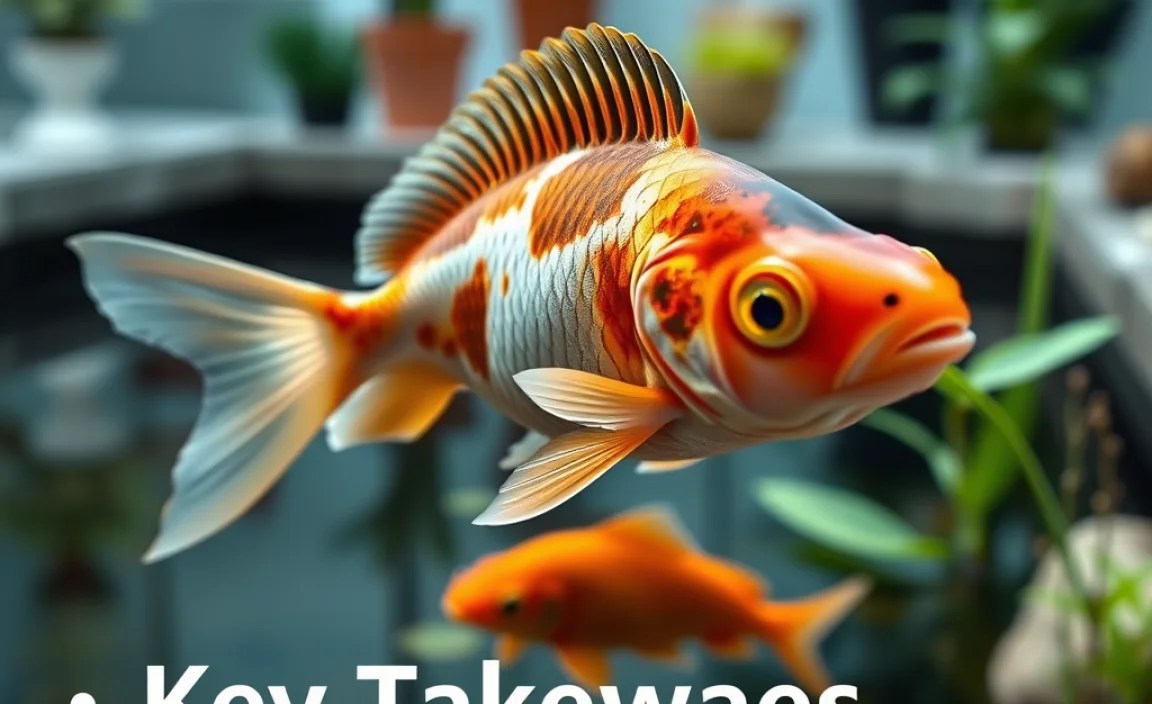
Key Takeaways
- Goldfish and koi are popular, but need space to thrive properly.
- Fish for small outdoor pond choices include minnows and mosquito fish.
- Always check your local climate for suitable fish types.
- Ensure your pond has proper filtration and oxygen.
- Provide shelter with plants and rocks for the fish.

Best Types of Fish for Small Outdoor Pond
Picking the right fish for small outdoor pond can be fun. But, it needs careful thought. Goldfish are a classic choice. They come in many colors and sizes. Some goldfish types get very big. Common goldfish and comet goldfish grow fast. They might outgrow a small pond quickly. Smaller goldfish like the fancy goldfish are better. These include types like the fantail or the black moor. Remember, even these need enough space to swim and be healthy. Overcrowding can cause stress and disease. So, research how big your chosen fish will get. Make sure your pond can handle their adult size. This keeps your fish happy and your pond healthy.
- Goldfish are a popular choice.
- Comet goldfish grow very large.
- Fancy goldfish stay smaller.
- Overcrowding causes stress.
- Research adult fish size.
Besides goldfish, other fish can live in a small pond. Minnows are small and active. They add movement to your pond. Mosquito fish eat mosquito larvae. This helps control pests. Native fish are often a good choice. They are adapted to your local climate. This makes them easier to care for. Before adding any fish, check your local laws. Some areas have rules about releasing fish into ponds. Always choose fish that will thrive in your pond’s environment. This ensures a healthy and balanced ecosystem. A well-chosen fish population can turn your small pond into a vibrant feature.
Fun Fact or Stat: Goldfish can live for over 20 years in a well-maintained pond!
What About Koi for a Small Pond?
Koi are beautiful fish. They are known for their bright colors and patterns. Many people want koi in their ponds. But, koi get very large. They need a lot of space to swim. A small pond is often not suitable for koi. A single koi can grow to be over two feet long. They also need deep water. Small ponds usually lack the depth koi need. Keeping koi in a small pond can lead to health problems. They might become stunted and stressed. This makes them more likely to get sick. If you love koi, consider a larger pond. A bigger pond will give them the space they need to thrive. Always think about the fish’s needs first.
Are There Any Native Options for My Pond?
Native fish are a great choice for your pond. They are already used to your local climate. This makes them easier to care for. Native fish can also help balance your pond’s ecosystem. They often eat algae and insects. This keeps your pond clean and healthy. Look into what fish are native to your area. Contact your local fish and wildlife agency. They can give you a list of suitable species. Some native fish might need special permits to keep. Always follow local regulations. Adding native fish supports local biodiversity. It also creates a natural and thriving pond.
How Many Fish Can I Add?
Knowing how many fish to add is very important. Overcrowding is a common mistake. Too many fish can pollute the water. This makes the fish sick. A good rule of thumb is one inch of fish per gallon of water. For example, a 100-gallon pond can hold 100 inches of fish. This is just a guideline. Consider the adult size of the fish. Also, think about the pond’s filtration system. A strong filter can handle more fish. Start with a few fish. Then, slowly add more as the pond matures. Monitor the water quality regularly. This will help you know if you have too many fish. A balanced fish population keeps your pond healthy and beautiful.

How to Prepare Your Pond for New Fish
Getting your pond ready for new fish is key. A well-prepared pond will help your fish thrive. First, make sure your pond is clean. Remove any debris or algae. Test the water quality. You want to check the pH, ammonia, and nitrite levels. These should be within a safe range for fish. Add plants to the pond. Plants provide oxygen and shelter. They also help filter the water. Use a dechlorinator to remove chlorine from the water. Chlorine is harmful to fish. Let the pond sit for a few days before adding fish. This allows the water to stabilize. Float the bag of fish in the pond for about 30 minutes. This helps them adjust to the water temperature. Slowly release the fish into the pond. Watch them closely for any signs of stress. A prepared pond makes a happy home for your new fish.
- Clean the pond thoroughly.
- Test the water quality.
- Add aquatic plants.
- Use a dechlorinator.
- Acclimate fish to the water temperature.
The filtration system is a key piece of equipment. It helps keep the water clean. Make sure your filter is working well. Clean the filter regularly. A good filter removes waste and toxins. This helps keep the water clear. Add a pump to circulate the water. This adds oxygen. Oxygen is essential for fish to breathe. Consider adding a UV sterilizer. This kills algae and bacteria. This helps keep the water clear and healthy. Maintain your pond regularly. This includes removing debris and trimming plants. A well-maintained pond provides a healthy environment for your fish. This ensures they stay happy and healthy.
Fun Fact or Stat: Aquatic plants can filter up to 50% of pond pollutants!
Why is Water Quality Important?
Water quality is vital for fish health. Poor water quality can stress fish. It can also make them sick. Fish need clean water to breathe and thrive. Ammonia and nitrite are toxic to fish. These build up from fish waste and decaying matter. Test your water regularly. Use a water testing kit. Aim for a pH between 6.5 and 8.5. Keep ammonia and nitrite levels at zero. Perform regular water changes. This helps remove pollutants. Add beneficial bacteria to your pond. These bacteria help break down waste. A clean and healthy pond means happy and healthy fish. Always prioritize water quality.
What Plants Are Best for Pond Fish?
Plants are great for a pond. They provide shelter for fish. They also add oxygen to the water. Water lilies are a classic choice. They provide shade and beauty. Floating plants like water hyacinth are also good. They help filter the water. Submerged plants like anacharis add oxygen. They also provide food for fish. Choose plants that are suitable for your climate. Some plants are invasive. These can take over your pond. Research plants before adding them. A well-planted pond is a balanced ecosystem. It provides everything your fish need.
How Often Should I Clean the Pond?
Regular pond cleaning is important. It helps keep the water clean. It also prevents algae buildup. Remove debris like leaves and twigs. Use a net to scoop them out. Clean the filter regularly. Rinse it with pond water. Avoid using soap or chemicals. These can harm the fish. Perform partial water changes every few weeks. This helps remove pollutants. Check the pond for algae growth. Remove algae manually or with algaecide. A clean pond is a healthy pond. Regular cleaning keeps your fish happy and thriving.

Choosing the Right Size Pond for Your Fish
The size of your pond matters a lot. Fish need enough space to swim and grow. A small pond can only hold a few small fish. Overcrowding can cause problems. The fish will become stressed. The water quality will decline. Larger ponds can support more fish. They also provide a more stable environment. Think about the adult size of the fish you want. Research how big they will get. Then, choose a pond that is big enough. A pond that is too small is cruel to the fish. It is better to have a pond that is too big than too small. A proper-sized pond will keep your fish healthy and happy.
| Fish Type | Adult Size | Minimum Pond Size |
|---|---|---|
| Goldfish | 6-12 inches | 50 gallons |
| Rosy Red Minnow | 2-3 inches | 20 gallons |
| Mosquito Fish | 1-2 inches | 10 gallons |
| Koi | 24-36 inches | 1000 gallons |
Consider the depth of the pond. Fish need deep water to survive winter. The water at the bottom stays warmer. This protects the fish from freezing. A shallow pond can freeze solid. This will kill the fish. Aim for a pond that is at least two feet deep. More depth is even better. The shape of the pond also matters. A long, narrow pond is better than a round pond. It provides more swimming space. A well-designed pond is both beautiful and functional. It provides a healthy home for your fish. A proper size and depth are essential for fish health and survival. This helps your fish for small outdoor pond to survive.
Fun Fact or Stat: A pond should be at least 2 feet deep in colder climates to prevent freezing solid!
How Deep Should My Pond Be?
Pond depth is very important. It affects the water temperature. It also provides protection for fish. In cold climates, a deeper pond is essential. It prevents the water from freezing solid. Aim for a depth of at least two feet. Three feet is even better. In warmer climates, depth is less critical. But, it still provides benefits. Deeper water stays cooler in the summer. This protects fish from overheating. Depth also provides shelter from predators. Fish can hide in deeper water. A good depth helps regulate water temperature. It also provides a safe environment for fish. Always consider your local climate when deciding on pond depth.
What Shape Is Best for a Small Pond?
The shape of your pond affects water circulation. It also affects swimming space. A long, narrow pond is often better than a round pond. It provides more room for fish to swim. Avoid sharp corners. These can trap debris. A pond with gentle curves is more natural. It also promotes better water circulation. Consider the shape of your yard. Choose a pond shape that fits well in the space. A well-designed pond looks beautiful. It also provides a healthy environment for fish. The shape of your pond should complement your landscape.
Can I Have a Pond Indoors?
Indoor ponds are becoming popular. They bring nature indoors. They also provide a relaxing atmosphere. Small indoor ponds can be easy to set up. They can be as simple as a large container. Make sure the container is waterproof. Add a filter and a pump. This will keep the water clean. Choose fish that are suitable for indoor ponds. Small goldfish or minnows are good choices. Provide adequate lighting. Plants need light to grow. An indoor pond can be a beautiful addition to your home. It brings the tranquility of nature inside.

Maintaining Water Quality for Healthy Fish
Keeping your pond water clean is key. Clean water helps your fish stay healthy. Test the water often. Use a test kit to check the pH level. The best pH is between 6.5 and 8.5. Check for ammonia and nitrites too. These can hurt your fish. Change the water sometimes. Take out some old water and add fresh water. This helps get rid of bad stuff. Clean your pond filter often. A clean filter keeps the water clear. Add plants to your pond. Plants make oxygen. They also help clean the water. Good water means happy fish. Healthy fish for small outdoor pond require attention.
- Test the water pH regularly.
- Check for ammonia and nitrites.
- Perform partial water changes.
- Clean the pond filter often.
- Add aquatic plants for oxygen.
Make sure your pond has enough oxygen. Fish need oxygen to breathe. A pump can help add oxygen to the water. A fountain can also help. Avoid using chemicals in your pond. Chemicals can hurt your fish and plants. Use natural ways to keep your pond clean. Barley straw can help control algae. Beneficial bacteria can break down waste. Keep an eye on your fish. Look for signs of sickness. If a fish looks sick, take action. Isolate the fish in a separate tank. Treat the fish with medicine. A healthy pond is a balanced pond. It provides everything your fish need to thrive.
Fun Fact or Stat: Beneficial bacteria can reduce sludge buildup by up to 70%!
How Do I Test My Pond Water?
Testing your pond water is simple. You can buy a test kit at a pet store. Follow the instructions on the kit. Collect a sample of water from your pond. Test the pH, ammonia, and nitrite levels. Record the results. Compare the results to the ideal ranges. If the levels are off, take action. Change the water or add chemicals. Test your water regularly. This will help you catch problems early. Regular testing helps you maintain a healthy pond. It ensures your fish stay healthy and happy.
What Are Beneficial Bacteria?
Beneficial bacteria are helpful microorganisms. They live in your pond. They break down waste and toxins. This helps keep the water clean. You can buy beneficial bacteria at a pet store. Add them to your pond regularly. They will help maintain a healthy ecosystem. Beneficial bacteria are a natural way to clean your pond. They are safe for fish and plants. They are an important part of a healthy pond ecosystem. They help keep your pond clean and balanced.
How Do I Know If My Fish Are Sick?
Watch your fish closely. Look for signs of sickness. Sick fish might act differently. They might swim slowly. They might hide more than usual. They might have spots or sores on their bodies. Their fins might look frayed. If you see any of these signs, take action. Isolate the sick fish in a separate tank. Treat the fish with medicine. Consult a veterinarian or fish expert. Early treatment can save your fish. Regular observation helps you catch problems early. This ensures your fish stay healthy and happy.
Protecting Your Fish from Predators
Predators can be a problem for pond fish. Birds, cats, and raccoons might try to eat your fish. Protect your fish from these dangers. Use netting to cover your pond. This will keep birds out. Install a fence around your pond. This will keep cats and raccoons away. Provide hiding places for your fish. Plants and rocks can give them shelter. A deep pond also helps. Fish can hide in the deeper water. Keep your pond clean. A clean pond is less attractive to predators. Protect your fish to keep them safe. Safe fish for small outdoor pond populations stay healthy.
- Use netting to deter birds.
- Install a fence for land predators.
- Provide hiding places with plants and rocks.
- Maintain a deep pond for shelter.
- Keep the pond clean to discourage predators.
Consider using a motion-activated sprinkler. This will scare away predators. Place decoys around your pond. Fake owls or herons can deter birds. Check your pond regularly for signs of predators. Look for footprints or disturbed plants. Take action if you see any signs. Remove any food sources that attract predators. Keep your yard clean and tidy. A well-maintained yard is less attractive to predators. Protecting your fish is an important part of pond keeping. It ensures your fish stay safe and healthy. It keeps them safe from harm.
Fun Fact or Stat: Motion-activated sprinklers can reduce predator attacks by up to 80%!
How Can I Keep Birds Away?
Birds can be a big problem for pond fish. They can quickly eat all your fish. Use netting to cover your pond. This is the most effective way to keep birds out. The netting should be fine mesh. This will prevent birds from getting through. Install the netting tightly. Make sure there are no gaps. You can also use bird deterrents. These include shiny objects or scarecrows. Place them around your pond. These can scare birds away. A combination of methods is often the most effective. Protect your fish from birds to keep them safe.
Will a Fence Stop Land Predators?
A fence can help keep land predators away. Cats, raccoons, and other animals might try to eat your fish. A fence around your pond can deter them. The fence should be at least three feet tall. Make sure it is sturdy. Animals should not be able to climb or dig under it. Check the fence regularly for damage. Repair any holes or weak spots. A fence is a good way to protect your fish. It keeps them safe from land predators. A strong fence provides peace of mind.
Why Is Deep Water Important?
Deep water provides shelter for fish. It also helps regulate water temperature. Fish can hide in deeper water from predators. Deeper water stays cooler in the summer. This protects fish from overheating. It also stays warmer in the winter. This protects fish from freezing. Aim for a pond that is at least two feet deep. More depth is even better. Deep water is essential for fish health and survival. It provides a safe and stable environment. A deep pond benefits your fish in many ways.
Feeding Your Pond Fish Properly
Feeding your fish is important. It keeps them healthy and strong. But, don’t feed them too much. Overfeeding can pollute the water. Feed your fish once or twice a day. Give them only as much food as they can eat in a few minutes. Remove any uneaten food from the pond. This will prevent the water from becoming polluted. Use a high-quality fish food. Look for food that is made for pond fish. The food should contain all the nutrients your fish need. Feed your fish a varied diet. This will keep them healthy and happy. Proper feeding helps fish for small outdoor pond thrive.
- Feed fish once or twice daily.
- Provide only what they can eat in minutes.
- Remove uneaten food promptly.
- Use high-quality pond fish food.
- Offer a varied diet for optimal health.
Consider the water temperature. Fish need less food in the winter. Their metabolism slows down. They don’t need as much energy. You might even stop feeding them altogether. In the summer, they need more food. They are more active. They need more energy. Watch your fish closely. Adjust the amount of food based on their behavior. Healthy fish are active and alert. They eat readily. They have bright colors. Proper feeding is essential for fish health. It ensures they stay healthy and happy. It also helps maintain a healthy pond ecosystem.
Fun Fact or Stat: Fish need up to 50% less food in cooler months due to slower metabolism!
What Kind of Food Should I Use?
Choose a fish food that is made for pond fish. Look for food that contains all the nutrients your fish need. The food should be easy to digest. It should also float on the surface of the water. This will make it easier for the fish to eat. Read the labels carefully. Choose a food that is appropriate for your fish species. Some fish need more protein than others. Some fish need more plant matter. A balanced diet is essential for fish health. It ensures they get all the nutrients they need.
How Much Food Is Too Much?
Overfeeding is a common mistake. It can lead to water pollution. Fish need very little food. Only feed them as much as they can eat in a few minutes. Watch them closely as they eat. If they leave food behind, you are feeding them too much. Remove any uneaten food from the pond. This will prevent the water from becoming polluted. It will also prevent algae growth. Less is often more when it comes to feeding fish. A healthy pond is a clean pond.
Can I Feed My Fish Treats?
Yes, you can feed your fish treats. But, do so in moderation. Treats should only be a small part of their diet. Good treats for pond fish include vegetables, fruits, and insects. Offer them small pieces of lettuce, peas, or watermelon. You can also give them live insects like mealworms. These are a good source of protein. Avoid feeding them bread or other processed foods. These are not good for their health. Treats can add variety to their diet. But, don’t overdo it. A balanced diet is key to fish health.
Summary
Choosing the right fish for small outdoor pond involves several important steps. First, research the types of fish that stay small. Goldfish varieties like fancy goldfish, minnows, and mosquito fish work well. Consider the adult size of the fish. Make sure your pond can accommodate them. Prepare your pond properly before adding fish. Clean the pond, test the water, and add plants. Maintain good water quality. Test the water regularly and perform water changes. Protect your fish from predators. Use netting and provide hiding places. Feed your fish properly. Avoid overfeeding and use high-quality fish food. Regular maintenance keeps your pond healthy. It also ensures your fish thrive. A balanced pond ecosystem creates a beautiful and enjoyable water feature.
Conclusion
Creating a small outdoor pond is a rewarding project. Selecting the right fish for small outdoor pond is key to success. Goldfish, minnows, and mosquito fish are good choices. Proper planning, preparation, and maintenance are essential. A healthy pond provides beauty and enjoyment. It also creates a habitat for aquatic life. Remember to research, plan, and care for your pond. This will ensure a thriving ecosystem for years to come. With the right approach, your small pond can be a source of joy and relaxation.
Frequently Asked Questions
Question No 1: What is the best fish for a small outdoor pond?
Answer: The best fish for a small outdoor pond are those that remain relatively small and can tolerate the pond environment. Goldfish varieties like the fantail or black moor are popular options. Minnows and mosquito fish are also suitable because they are small and help control pests. Remember to research the specific needs of each species to ensure they thrive in your pond. It’s important to balance the number of fish with the pond size to prevent overcrowding and maintain water quality. A healthy ecosystem is a happy ecosystem.
Question No 2: How do I keep my pond water clean for my fish?
Answer: Keeping your pond water clean involves several key steps. First, install a good filtration system. This will remove waste and debris. Second, perform regular water changes. Replace about 25% of the water every few weeks. Third, add aquatic plants. They help filter the water and provide oxygen. Fourth, avoid overfeeding your fish. Uneaten food can pollute the water. Fifth, use beneficial bacteria. They help break down waste. By following these steps, you can maintain a clean and healthy environment for your fish. Remember, clean water is essential for fish health and well-being.
Question No 3: How many fish can I put in my small pond?
Answer: The number of fish you can put in your pond depends on its size. A general rule is one inch of fish per gallon of water. For example, a 100-gallon pond can hold 100 inches of fish. However, consider the adult size of the fish. Don’t overcrowd the pond. Overcrowding can lead to poor water quality and stressed fish. Start with a few fish and gradually add more. Monitor the water quality regularly. Adjust the number of fish as needed. A balanced fish population keeps your pond healthy and beautiful. Always think about the long-term health of your fish for small outdoor pond.
Question No 4: What do I feed my pond fish?
Answer: Feed your pond fish a high-quality fish food. Look for food that is made for pond fish. The food should contain all the nutrients your fish need. Feed them once or twice a day. Give them only as much food as they can eat in a few minutes. Remove any uneaten food. This will prevent water pollution. You can also supplement their diet with treats. Good treats include vegetables, fruits, and insects. A varied diet keeps your fish healthy and happy. Proper feeding practices are key to maintaining healthy fish for small outdoor pond populations.
Question No 5: How do I protect my fish from predators?
Answer: Protecting your fish from predators is important. Use netting to cover your pond. This will keep birds out. Install a fence around your pond. This will keep cats and raccoons away. Provide hiding places for your fish. Plants and rocks can give them shelter. A deep pond also helps. Fish can hide in the deeper water. Consider using a motion-activated sprinkler. This will scare away predators. Regular monitoring helps you identify potential threats. Taking these precautions will help keep your fish safe and secure. A protected pond is a thriving pond.
Question No 6: What if my pond freezes in the winter?
Answer: If your pond freezes in the winter, take steps to protect your fish. First, make sure your pond is deep enough. A deeper pond is less likely to freeze solid. Second, use a pond de-icer. This will create a hole in the ice. This allows oxygen to enter the water. Never break the ice. This can harm the fish. Remove any snow from the surface of the ice. This will allow sunlight to reach the plants. Monitor the water temperature regularly. Ensure it doesn’t drop too low. Proper winter care helps your fish for small outdoor pond survive the cold months.
