Do you love pretty flowers? Would you like to grow them yourself? Flower gardening for beginners can be easy and fun. It brings lots of color to your yard. Imagine butterflies fluttering around your own blooms!
Growing flowers is a rewarding hobby. It connects you with nature. It also makes your home look beautiful. Even if you have never gardened before, you can learn. Let’s explore how to start your own flower garden.
Soon, you’ll have a garden full of your favorite flowers. You can even cut them to bring inside. How exciting is that? Let’s get started with some easy tips.
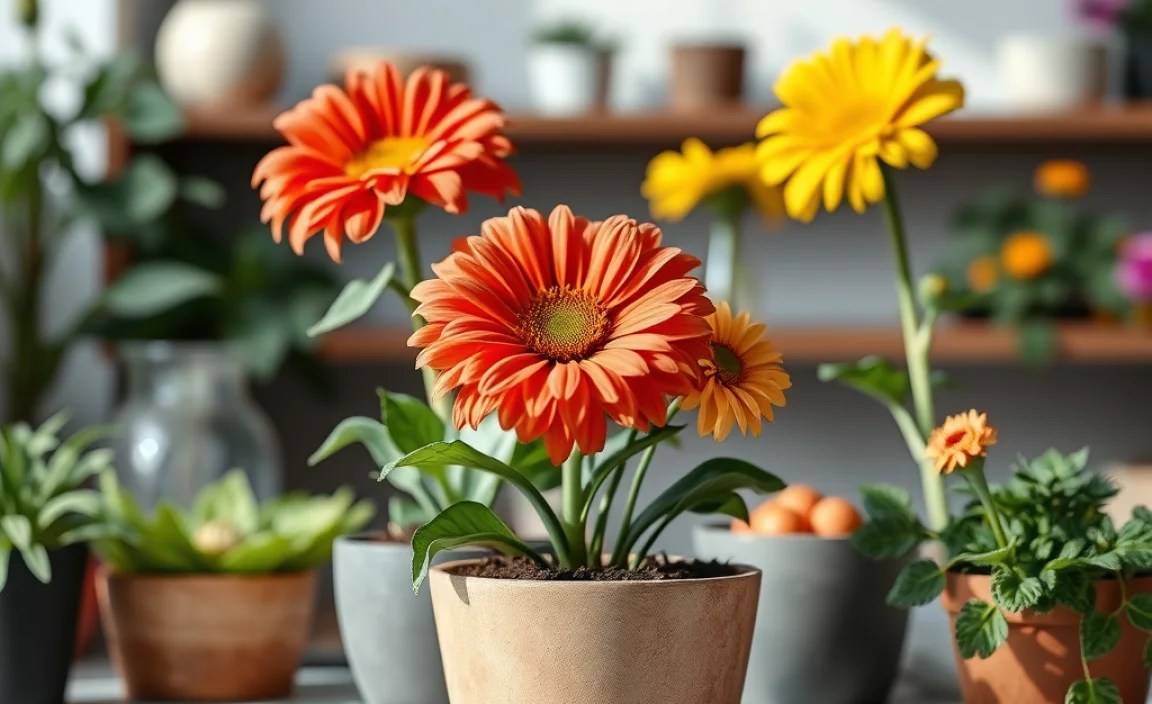
Key Takeaways
- Starting flower gardening for beginners is simpler than you think with the right steps.
- Choose the right flowers that grow well in your area and match your garden’s sunlight.
- Prepare your soil with compost to help flowers grow strong and healthy from the start.
- Water your flowers regularly and protect them from pests to keep them blooming beautifully.
- Have fun experimenting and learning as you watch your flower garden grow and change!

Flower Gardening for Beginners: Getting Started
Flower gardening for beginners may seem hard. But it is like learning any new skill. First, you need to learn some basics. Choose a sunny spot in your yard. Most flowers need at least six hours of sun each day. Watch your yard during the day. See where the sun shines the longest. This is the best place for your flower garden. Next, you need to prepare the soil. Good soil is important for healthy flowers. Remove any grass or weeds from the area. Dig the soil and break up any clumps. Add compost or other organic matter. This will help your flowers grow strong. Now you are ready to choose your flowers! Pick flowers that are easy to grow. Some good choices for beginners include marigolds, zinnias, and sunflowers. These flowers are tough and can handle some mistakes. Start small. A small garden is easier to take care of than a big one. You can always add more later.
- Find a sunny spot.
- Prepare the soil well.
- Choose easy flowers to grow.
- Start with a small garden area.
- Water your plants regularly.
After planting your flowers, water them well. Keep the soil moist, but not too wet. Water in the morning so the leaves can dry during the day. This helps prevent diseases. As your flowers grow, you will need to weed them. Weeds steal water and nutrients from your flowers. Pull them out carefully by the roots. You may also need to fertilize your flowers. Use a fertilizer that is made for flowers. Follow the directions on the package. Watch your flowers carefully. Look for any signs of pests or diseases. If you see something wrong, take action quickly. With a little care, your flowers will bloom beautifully. You will be so proud of your flower gardening for beginners efforts. Enjoy the beauty and color that your flowers bring to your yard.
Fun Fact or Stat: Did you know that gardening can reduce stress and improve your mood? It’s a great way to relax and enjoy nature!
What Kind of Garden Do You Want?
When starting flower gardening for beginners, think about what kind of garden you want. Do you want a colorful mix of different flowers? Or do you prefer a more organized garden with rows of the same flower? Maybe you want a butterfly garden. This type of garden attracts butterflies with special flowers. Consider what colors you like. Do you prefer bright, bold colors or soft, pastel colors? Think about the size of your garden. A small garden is easier to manage at first. You can always expand it later. Look at pictures of different flower gardens. Get ideas for your own garden. Visit a local garden center. Talk to the staff about what flowers grow well in your area. They can give you helpful advice. Planning ahead will make your flower garden even more enjoyable. Think about how you want to use your flowers. Do you want to cut them and bring them inside? If so, choose flowers that have long stems. Have fun planning your perfect flower garden.
Choosing the Right Spot
Choosing the right spot is key for flower gardening for beginners. Flowers need sunlight to grow. Most flowers need at least six hours of sun each day. Watch your yard during the day. See where the sun shines the longest. The south side of your house usually gets the most sun. Avoid planting flowers under trees. Trees block the sunlight. They also take water and nutrients from the soil. Make sure the soil drains well. Flowers don’t like to sit in wet soil. If your soil is heavy clay, add compost to improve drainage. Consider the wind. A windy spot can damage delicate flowers. Plant your flowers in a sheltered area. You can also use a fence or wall to protect them. Think about how easy it is to access the spot. You will need to water and weed your flowers. Choose a spot that is easy to reach with a hose and gardening tools. A good location will help your flowers thrive.
Getting Your Soil Ready
Getting your soil ready is very important for flower gardening for beginners. Good soil helps flowers grow strong and healthy. Start by removing any grass or weeds from the area. Dig the soil with a shovel or garden fork. Break up any clumps of soil. Add compost or other organic matter. Compost improves the soil’s texture and adds nutrients. You can buy compost at a garden center. Or you can make your own compost. Mix the compost into the soil. Make sure it is evenly distributed. Test the soil’s pH level. Most flowers prefer slightly acidic soil. You can buy a soil testing kit at a garden center. If the soil is too acidic or alkaline, you can add amendments to adjust the pH. Rake the soil smooth. Remove any rocks or debris. Water the soil well before planting. This will help settle the soil. Preparing the soil properly will give your flowers a great start.

Choosing the Right Flowers for Beginners
Choosing the right flowers is crucial for flower gardening for beginners. Some flowers are easier to grow than others. Start with flowers that are known for being tough and low-maintenance. Marigolds are a great choice. They are bright and cheerful and can tolerate a lot of sun. Zinnias are another good option. They come in many colors and attract butterflies. Sunflowers are easy to grow from seed. They are tall and impressive. Petunias are also a good choice. They bloom all summer long and come in many colors. Cosmos are delicate-looking but surprisingly tough. They are easy to grow from seed. Avoid flowers that are known for being fussy or difficult. These may require special care or conditions that are hard to provide. Read the seed packet or plant label carefully. It will tell you how much sun and water the flower needs. Choose flowers that are suited to your local climate. This will increase your chances of success.
- Marigolds are easy and bright.
- Zinnias attract butterflies.
- Sunflowers are tall and impressive.
- Petunias bloom all summer long.
- Cosmos are delicate but tough.
When choosing flowers, think about their color and size. Do you want a mix of different colors? Or do you prefer a more uniform look? Consider the size of the flowers. Some flowers are small and delicate, while others are large and showy. Think about when the flowers will bloom. Choose flowers that bloom at different times of the year. This will give you color all season long. Visit a local garden center. Talk to the staff about what flowers they recommend for beginners. They can give you helpful advice. They can also show you examples of different flowers. Don’t be afraid to experiment. Try growing different flowers and see what works best for you. Flower gardening for beginners is all about learning and having fun!
Fun Fact or Stat: The color of a flower can attract different types of pollinators, like bees and butterflies. For example, bees love blue and purple flowers!
Easy Flowers to Start With
If you’re getting into flower gardening for beginners, start with easy flowers. Marigolds are a fantastic choice. They are very easy to grow from seed. Marigolds come in shades of yellow and orange. They bloom all summer long. Zinnias are another great option. They are also easy to grow from seed. Zinnias come in many different colors. They attract butterflies to your garden. Sunflowers are fun and easy to grow. Plant sunflower seeds in a sunny spot. Watch them grow tall and strong. Petunias are beautiful and bloom for a long time. You can buy petunia plants at a garden center. They come in many different colors. Cosmos are delicate-looking but tough. They are easy to grow from seed. These flowers are perfect for beginners. They don’t need much care. They will bring lots of color to your garden.
Understanding Flower Needs
Understanding what flowers need is important for flower gardening for beginners. Flowers need sunlight, water, and nutrients to grow. Most flowers need at least six hours of sunlight each day. Some flowers can tolerate less sun. Read the plant label to find out how much sun your flowers need. Water your flowers regularly. Keep the soil moist, but not too wet. Water in the morning so the leaves can dry during the day. This helps prevent diseases. Fertilize your flowers every few weeks. Use a fertilizer that is made for flowers. Follow the directions on the package. Different flowers have different needs. Some flowers need more water than others. Some flowers need more fertilizer than others. Research the specific needs of the flowers you are growing. This will help you keep them healthy and blooming beautifully.
Matching Flowers to Your Garden
Matching flowers to your garden is key for flower gardening for beginners. Consider your garden’s conditions. How much sun does it get? What is the soil like? Choose flowers that are suited to these conditions. If your garden is shady, choose flowers that can tolerate shade. Impatiens and begonias are good choices for shady gardens. If your soil is dry, choose flowers that are drought-tolerant. Lavender and sedum are good choices for dry gardens. Consider the size of your garden. If you have a small garden, choose compact flowers. If you have a large garden, you can choose taller flowers. Think about the color scheme of your garden. Do you want a mix of different colors? Or do you prefer a more uniform look? Choose flowers that complement each other. This will create a beautiful and harmonious garden. Matching your flowers to your garden will help them thrive.

Planting Your Flowers: A Step-by-Step Guide
Planting your flowers is a big step for flower gardening for beginners. Once you have chosen your flowers, it is time to plant them. Dig a hole that is twice as wide as the plant’s root ball. Make sure the hole is deep enough so that the top of the root ball is level with the ground. Gently remove the plant from its container. Loosen the roots slightly. Place the plant in the hole. Fill the hole with soil. Gently press the soil around the plant. Water the plant well. Add a layer of mulch around the plant. Mulch helps to retain moisture and suppress weeds. Space your plants according to the directions on the plant label. Overcrowding can lead to diseases. If you are planting seeds, follow the directions on the seed packet. Some seeds need to be planted deep in the soil. Others need to be planted on the surface. Water the seeds gently after planting. Keep the soil moist until the seeds germinate. Be patient. It may take a few weeks for your plants to start growing.
- Dig a hole twice as wide.
- Remove the plant gently.
- Place the plant in the hole.
- Water the plant well.
- Add a layer of mulch.
After planting, keep an eye on your flowers. Water them regularly. Weed them as needed. Fertilize them every few weeks. Protect them from pests and diseases. With a little care, your flowers will thrive. They will bring beauty and joy to your garden. Planting flowers is a rewarding experience. It connects you with nature. It also provides you with fresh flowers to enjoy. Flower gardening for beginners can be easy and fun. Just follow these simple steps. You will be amazed at what you can grow.
Fun Fact or Stat: Some flowers, like sunflowers, can help clean up contaminated soil! This is called phytoremediation.
When to Plant Flowers
Knowing when to plant flowers is important for flower gardening for beginners. The best time to plant flowers depends on your local climate. In general, you can plant flowers in the spring after the last frost. You can also plant flowers in the fall before the first frost. Planting in the spring gives your flowers a long growing season. Planting in the fall allows the roots to get established before winter. Some flowers are best planted in the spring. These include annuals, which only live for one season. Other flowers are best planted in the fall. These include perennials, which live for many years. Check the plant label or seed packet for specific planting instructions. Your local garden center can also give you advice on when to plant flowers in your area. Planting at the right time will help your flowers thrive.
How Deep to Plant Flowers
Knowing how deep to plant flowers is important for flower gardening for beginners. The correct planting depth depends on the type of flower. In general, you should plant flowers at the same depth they were growing in their container. If the plant is root-bound, gently loosen the roots before planting. Dig a hole that is twice as wide as the plant’s root ball. Place the plant in the hole. Make sure the top of the root ball is level with the ground. Fill the hole with soil. Gently press the soil around the plant. Water the plant well. Planting too deep can cause the roots to rot. Planting too shallow can cause the roots to dry out. Follow the directions on the plant label or seed packet for specific planting instructions. Planting at the correct depth will help your flowers grow strong and healthy.
Spacing Your Flowers Correctly
Spacing your flowers correctly is important for flower gardening for beginners. Proper spacing allows your flowers to get enough sunlight, water, and nutrients. Overcrowding can lead to diseases and poor growth. Check the plant label or seed packet for spacing recommendations. In general, you should space flowers according to their mature size. Smaller flowers can be planted closer together. Larger flowers need more space. When planting in rows, space the rows far enough apart so you can easily walk between them. Consider the mature height of your flowers. Taller flowers should be planted in the back of the garden. Shorter flowers should be planted in the front. This will ensure that all your flowers get enough sunlight. Spacing your flowers correctly will help them thrive and create a beautiful garden.

Watering and Feeding Your Flower Garden
Watering and feeding your flower garden are key tasks for flower gardening for beginners. Flowers need water to grow. How much water they need depends on the type of flower and the weather. In general, you should water your flowers when the top inch of soil feels dry. Water deeply and thoroughly. Water in the morning so the leaves can dry during the day. This helps prevent diseases. Avoid watering the leaves of your flowers. Wet leaves can attract fungus. Use a soaker hose or watering can to water the soil directly. Flowers also need nutrients to grow. Fertilize your flowers every few weeks. Use a fertilizer that is made for flowers. Follow the directions on the package. Over-fertilizing can damage your flowers. Some flowers need more fertilizer than others. Research the specific needs of the flowers you are growing. Providing your flowers with the right amount of water and nutrients will help them thrive.
- Water when the top soil is dry.
- Water deeply and thoroughly.
- Water in the morning.
- Use flower fertilizer.
- Don’t over-fertilize.
Keep an eye on your flowers. Look for signs of stress. Wilting leaves can indicate that your flowers need more water. Yellowing leaves can indicate that your flowers need more fertilizer. Adjust your watering and feeding schedule as needed. With a little care, your flowers will stay healthy and beautiful. Flower gardening for beginners is all about learning and adapting. Don’t be afraid to experiment. See what works best for your flowers. The more you learn, the better your garden will be. Enjoy the process of nurturing your flowers and watching them grow.
Fun Fact or Stat: Rainwater is better for your plants than tap water because it doesn’t contain chlorine or other chemicals!
Best Time to Water Flowers
The best time to water flowers is in the morning. This is because the sun will dry the leaves during the day. This helps to prevent fungal diseases. Watering in the evening can leave the leaves wet overnight. This creates a perfect environment for fungus to grow. If you must water in the evening, try to water the soil directly. Avoid getting the leaves wet. Water deeply and thoroughly. This encourages the roots to grow deep into the soil. Shallow watering can lead to weak roots. Check the soil moisture regularly. Water when the top inch of soil feels dry. Overwatering can be just as bad as underwatering. It can lead to root rot. Knowing the best time to water your flowers will help them stay healthy and strong.
Choosing the Right Fertilizer
Choosing the right fertilizer is important for flower gardening for beginners. Fertilizers provide your flowers with the nutrients they need to grow. There are many different types of fertilizers available. Some fertilizers are designed for specific types of flowers. Others are general-purpose fertilizers. Look for a fertilizer that is specifically formulated for flowers. These fertilizers usually have a higher phosphorus content. Phosphorus is important for flower development. Read the label carefully. Follow the directions on the package. Over-fertilizing can damage your flowers. It can also pollute the environment. Choose a fertilizer that is easy to use. Some fertilizers are granular, while others are liquid. Granular fertilizers are slow-release. They provide nutrients over a longer period of time. Liquid fertilizers are fast-acting. They provide nutrients quickly. Choose the type of fertilizer that best suits your needs. Using the right fertilizer will help your flowers thrive.
Recognizing Signs of Over or Under Watering
Knowing how to recognize the signs of over or under watering is key for flower gardening for beginners. Overwatering can cause the leaves to turn yellow. The leaves may also become soft and mushy. The soil will be constantly wet. Underwatering can cause the leaves to wilt. The leaves may also turn brown and crispy. The soil will be dry and cracked. If you see these signs, adjust your watering schedule accordingly. If you are overwatering, water less frequently. If you are underwatering, water more frequently. Check the soil moisture regularly. This will help you determine when to water. Pay attention to your flowers. They will tell you if they are getting too much or too little water. Recognizing these signs will help you keep your flowers healthy.
Dealing With Pests and Diseases
Dealing with pests and diseases is a normal part of flower gardening for beginners. Pests and diseases can damage your flowers. They can also prevent them from blooming. There are many different types of pests and diseases that can affect flowers. Some common pests include aphids, spider mites, and caterpillars. Some common diseases include powdery mildew, black spot, and rust. Inspect your flowers regularly for signs of pests and diseases. Look for insects, holes in the leaves, or spots on the leaves. If you see any signs of pests or diseases, take action quickly. There are many different ways to control pests and diseases. You can use organic methods, such as insecticidal soap or neem oil. You can also use chemical methods, such as pesticides and fungicides. Follow the directions on the product label carefully. Prevention is the best way to control pests and diseases. Keep your garden clean and free of debris. Water your flowers properly. Fertilize them regularly. Choose disease-resistant varieties of flowers.
| Pest/Disease | Symptoms | Organic Control | Chemical Control |
|---|---|---|---|
| Aphids | Small insects on stems and leaves | Insecticidal soap | Pyrethrin spray |
| Spider Mites | Fine webs on leaves | Neem oil | Miticides |
| Powdery Mildew | White powder on leaves | Baking soda spray | Fungicides |
| Black Spot | Black spots on leaves | Remove infected leaves | Fungicides |
| Caterpillars | Holes in leaves | Handpick caterpillars | Bacillus thuringiensis (Bt) |
- Inspect your flowers regularly.
- Take action quickly.
- Use organic methods if possible.
- Follow product labels carefully.
- Keep your garden clean.
- Choose disease-resistant plants.
Dealing with pests and diseases can be challenging. But it is important to protect your flowers. With a little effort, you can keep your garden healthy and beautiful. Flower gardening for beginners is a learning process. Don’t be discouraged if you encounter problems. Learn from your mistakes. Keep trying. Soon you will be an expert at dealing with pests and diseases. Your flowers will thank you for it!
Fun Fact or Stat: Ladybugs are natural predators of aphids. Releasing ladybugs in your garden can help control aphid populations!
Identifying Common Garden Pests
Identifying common garden pests is a key skill for flower gardening for beginners. Aphids are small, soft-bodied insects that cluster on stems and leaves. They suck the sap from plants. Spider mites are tiny, spider-like creatures that create fine webs on leaves. They also suck the sap from plants. Caterpillars are the larvae of moths and butterflies. They chew on leaves and flowers. Slugs and snails are slimy creatures that feed on leaves and flowers. Japanese beetles are metallic green beetles that eat leaves and flowers. Knowing how to identify these pests will help you take action quickly. You can use organic methods, such as insecticidal soap or neem oil. You can also use chemical methods, such as pesticides. Protect your flowers from these common garden pests. Your flowers will thank you for it.
Organic Pest Control Methods
Organic pest control methods are a safe and effective way to protect your flowers. Insecticidal soap is a soap-based spray that kills aphids, spider mites, and other soft-bodied insects. Neem oil is a natural oil that kills a wide range of pests. It also helps to prevent fungal diseases. Bacillus thuringiensis (Bt) is a bacteria that kills caterpillars. Diatomaceous earth is a powder made from fossilized algae. It kills insects by dehydrating them. Handpicking pests is a simple but effective way to remove them from your plants. Encouraging beneficial insects, such as ladybugs and lacewings, can help control pest populations. These insects are natural predators of aphids and other pests. Using organic pest control methods is a great way to protect your flowers without harming the environment. It is important to follow the instructions on any organic product carefully.
Preventing Diseases in Your Flower Garden
Preventing diseases in your flower garden is important for flower gardening for beginners. Choose disease-resistant varieties of flowers. Provide good air circulation by spacing your plants properly. Water your flowers in the morning so the leaves can dry during the day. Avoid overhead watering. Remove any diseased leaves or stems promptly. Keep your garden clean and free of debris. Mulch your plants to prevent soil from splashing onto the leaves. Improve soil drainage by adding compost or other organic matter. Test your soil pH. Most flowers prefer a slightly acidic soil. Fertilize your flowers regularly to keep them healthy and strong. Healthy plants are less susceptible to disease. By following these tips, you can help prevent diseases from affecting your flower garden.
Enjoying Your Beautiful Flower Garden
Enjoying your beautiful flower garden is the best part of flower gardening for beginners. After all your hard work, it is time to sit back and relax. Admire the beauty of your flowers. Notice the different colors, shapes, and sizes. Watch the butterflies and bees as they visit your flowers. Cut some flowers to bring inside. Arrange them in a vase and enjoy their beauty indoors. Share your flowers with friends and neighbors. Gardening is a great way to connect with nature. It is also a great way to relieve stress. Spend time in your garden every day. Take a deep breath and enjoy the fresh air. Gardening can be a very rewarding hobby. It can bring you joy and satisfaction. Share your love of gardening with others. Encourage them to start their own flower gardens. Together, you can create a beautiful and vibrant community.
- Admire the beauty.
- Watch the butterflies.
- Cut flowers for indoors.
- Share with friends.
- Enjoy the fresh air.
Flower gardening for beginners is a journey. It is a journey of learning, growing, and connecting with nature. Embrace the challenges and celebrate the successes. Don’t be afraid to experiment. Try new things. See what works best for you. The more you learn, the better your garden will be. Most importantly, have fun! Gardening should be a joyful experience. If you are not enjoying it, then something is wrong. Take a break. Re-evaluate your goals. Remember why you started gardening in the first place. Then get back out there and enjoy the beauty of your flower garden.
Fun Fact or Stat: Some flowers, like lavender, have a calming scent that can help you relax and sleep better!
Cutting Flowers for Bouquets
Cutting flowers for bouquets is a great way to enjoy your garden indoors. Cut flowers in the early morning when they are fully hydrated. Use sharp scissors or pruning shears. Make a clean cut at an angle. Remove any leaves that will be below the water line. This will help prevent bacteria from growing in the vase. Place the flowers in a vase of fresh water. Add flower food to the water. Flower food helps to keep the flowers fresh longer. Change the water every day. Re-cut the stems every few days. Display your bouquet in a cool, shady location. Avoid placing it in direct sunlight or near heat sources. With proper care, your cut flowers can last for a week or more. Enjoy the beauty of your garden indoors!
Attracting Pollinators to Your Garden
Attracting pollinators to your garden is important for flower gardening for beginners. Pollinators, such as bees, butterflies, and hummingbirds, help to fertilize flowers. This allows them to produce seeds and fruits. Without pollinators, many plants would not be able to reproduce. You can attract pollinators to your garden by planting flowers that they love. Bees are attracted to blue, purple, and yellow flowers. Butterflies are attracted to brightly colored flowers with flat surfaces. Hummingbirds are attracted to red and orange flowers with tubular shapes. Avoid using pesticides in your garden. Pesticides can harm pollinators. Provide a source of water for pollinators. A shallow dish of water with pebbles for them to land on is perfect. Plant a variety of flowers that bloom at different times of the year. This will provide pollinators with a constant source of food. Creating a pollinator-friendly garden is a great way to support the environment.
Extending the Blooming Season
Extending the blooming season is a goal for many flower gardening for beginners. You can extend the blooming season by planting flowers that bloom at different times of the year. Some flowers bloom in the spring, others bloom in the summer, and still others bloom in the fall. By planting a variety of flowers, you can have color in your garden all season long. Deadhead your flowers regularly. Deadheading is the process of removing spent flowers. This encourages the plant to produce more blooms. Fertilize your flowers regularly. This will provide them with the nutrients they need to bloom. Water your flowers properly. Drought stress can shorten the blooming season. Choose flowers that are suited to your local climate. Some flowers are more tolerant of heat or cold than others. By following these tips, you can extend the blooming season in your flower garden.
Summary
Flower gardening for beginners is an enjoyable activity. It brings beauty to your surroundings. It connects you with nature. Starting a flower garden involves choosing the right spot. Good sunlight is important. Preparing the soil is also key. Adding compost helps. Selecting easy-to-grow flowers is a good start. Marigolds and zinnias are great choices. Remember to water your flowers regularly. Also, protect them from pests. With some care, your flowers will thrive. You can cut them and bring them inside. Sharing your flowers with others is also nice. Enjoy the process of watching your garden grow. It’s a rewarding experience for everyone involved. Happy gardening!
Conclusion
Starting a flower garden is a fun hobby. It can bring beauty to your life. Anyone can learn the basics. Choose a sunny spot and prepare the soil. Select easy flowers to grow. Water and care for them regularly. Soon, you will have a beautiful garden. You can enjoy the colors and scents. Flower gardening for beginners offers a great way to connect with nature and create a peaceful space.
Frequently Asked Questions
Question No 1: What are the easiest flowers to grow for beginners?
Answer: For flower gardening for beginners, some of the easiest flowers to grow include marigolds, zinnias, cosmos, sunflowers, and petunias. These flowers are known for being low-maintenance and relatively tolerant of different growing conditions. They don’t require a lot of special care and can handle some neglect. They are also readily available as seeds or seedlings at most garden centers. This makes them a great choice for novice gardeners who are just starting out. These flowers also come in a variety of colors and sizes. This adds some visual appeal to your garden. They are also attractive to butterflies and other pollinators, which can help to create a thriving ecosystem in your backyard.
Question No 2: How much sunlight do flowers need?
Answer: Most flowers need at least six hours of sunlight per day to thrive. However, some flowers can tolerate partial shade, meaning they need around four hours of sunlight per day. When planning your flower garden, it’s important to observe how much sunlight different areas of your yard receive throughout the day. The south side of your house typically gets the most sunlight. The north side gets the least. Consider the specific needs of the flowers you want to grow. Choose a location that provides the appropriate amount of sunlight. If you’re unsure, it’s always best to err on the side of more sunlight. You can always provide shade if needed. You can’t create more sunlight if it’s not there to begin with.
Question No 3: What kind of soil is best for flower gardening for beginners?
Answer: The ideal soil for flower gardening for beginners is well-draining, fertile, and loamy. Loamy soil is a mixture of sand, silt, and clay. It provides good drainage while retaining enough moisture for the plants to access. Before planting, it’s important to amend your soil with organic matter. Compost, aged manure, or peat moss are the most commonly used. This helps to improve its structure, fertility, and drainage. If your soil is heavy clay, adding organic matter will help to break it up and improve drainage. If your soil is sandy, adding organic matter will help it retain moisture. You can also test your soil’s pH level. Most flowers prefer a slightly acidic soil with a pH between 6.0 and 7.0.
Question No 4: How often should I water my flowers?
Answer: How often you need to water your flowers depends on several factors. These include the type of flower, the weather, and the soil conditions. In general, you should water your flowers when the top inch of soil feels dry to the touch. Water deeply and thoroughly. Allow the water to soak into the soil. Avoid frequent, shallow watering. This can lead to weak roots. During hot, dry weather, you may need to water your flowers more frequently. During cooler, wetter weather, you may need to water them less frequently. Also, be sure to water in the morning. Morning watering allows the leaves to dry during the day. This helps to prevent fungal diseases. Mulching around your plants can also help to retain moisture and reduce the need for watering.
Question No 5: What are some common pests and diseases that affect flowers?
Answer: Some common pests that can affect flowers include aphids, spider mites, whiteflies, and caterpillars. These pests can damage leaves, stems, and flowers. This leads to stunted growth and reduced blooming. Common diseases that can affect flowers include powdery mildew, black spot, and rust. These diseases can cause spots, discoloration, and wilting of the leaves. Inspect your plants regularly for signs of pests and diseases. Take action quickly to control them. Organic methods, such as insecticidal soap, neem oil, and copper fungicide, are effective. Healthy plants are more resistant to pests and diseases. Proper watering, fertilizing, and air circulation can help to keep your plants healthy.
Question No 6: How can I attract butterflies to my flower garden as a beginner?
Answer: Attracting butterflies to your flower garden is a rewarding goal for flower gardening for beginners. Plant flowers that are known to attract butterflies. These include butterfly bush, coneflowers, zinnias, and milkweed. Choose a variety of colors and shapes. Butterflies are attracted to bright, vibrant colors. Provide a source of water for the butterflies. A shallow dish of water with pebbles for them to land on is perfect. Avoid using pesticides in your garden. Pesticides can harm butterflies and other beneficial insects. Provide a sunny spot for the butterflies to bask in. They need sunlight to warm their bodies. Plant host plants for caterpillars. Milkweed is the host plant for monarch butterflies. Dill and parsley are host plants for swallowtail butterflies. By providing these resources, you can create a butterfly-friendly habitat in your garden.
