Do you love bright colors? Do you want to make your yard pretty? Flowering plants for outdoors can help. They add beauty to any space. Imagine butterflies fluttering around your flowers. It is easy to grow them. Let’s find out how!
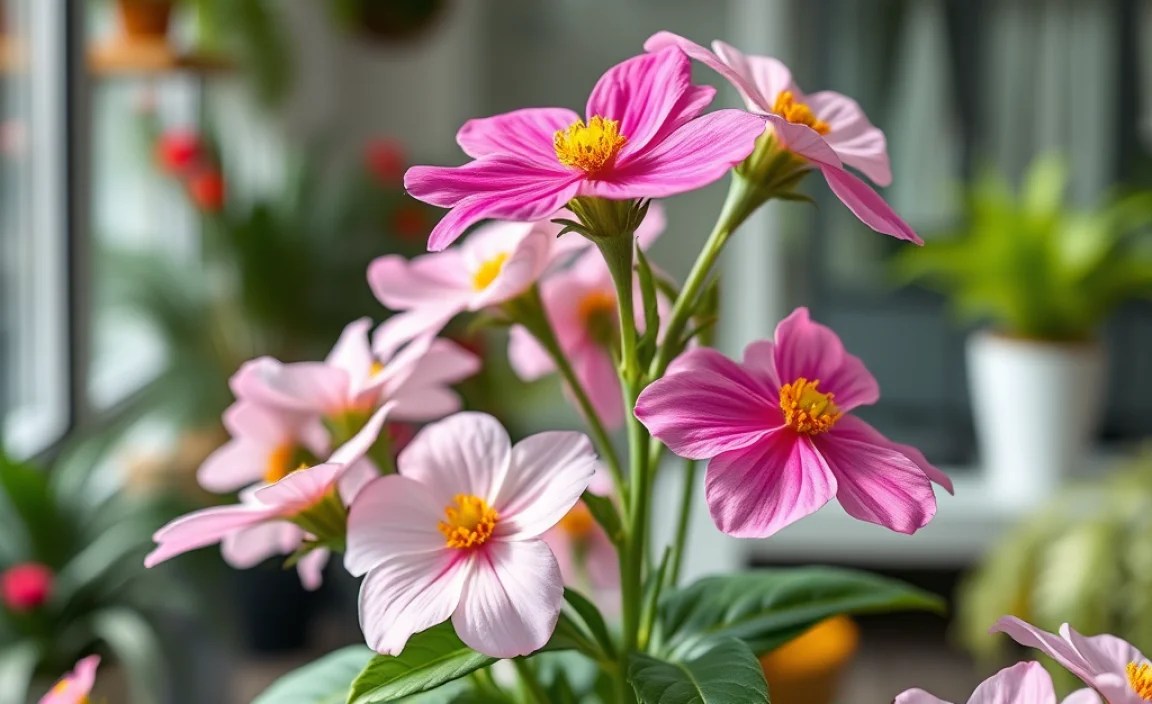
Key Takeaways
- Flowering plants for outdoors brighten up gardens and attract pollinators.
- Choose plants that match your local climate and soil type.
- Regular watering and sunlight are crucial for healthy growth.
- Deadheading spent blooms encourages more flowers to grow.
- Annuals, perennials, and shrubs each offer unique benefits.

Choosing the Right Flowering Plants for Outdoors
Picking the right flowering plants for outdoors is super important. You need to think about where you live. Does it get really hot or stay pretty cool? Some plants love sunshine. Others prefer shade. Look at your soil too. Is it sandy or more like clay? The kind of soil affects how well plants grow. Think about how much time you have. Some plants need lots of care. Others are happy with just a little. By thinking about these things, you can pick plants that will thrive. This means you will have a beautiful garden full of colorful flowers. Your yard will look amazing. You will enjoy spending time outside even more.
- Know your area’s climate.
- Check your soil type.
- Consider how much sun your yard gets.
- Think about how much time you have to garden.
- Choose plants that fit your lifestyle.
It is fun to learn about different plants. Some plants are annuals. This means they only live for one year. They give you lots of color all season long. Other plants are perennials. They come back every year. You don’t have to plant them again. Some plants are shrubs. These are bigger and can add structure to your garden. By mixing different types of plants, you can create a garden that is always changing. You will always have something new to look at. Plus, you can attract different kinds of butterflies and bees. This is good for the environment.
Fun Fact or Stat: Did you know that some flowering plants can actually clean the air around your home?
What is Your Climate Zone?
Do you know what a climate zone is? It is like a map that tells you what plants grow best where you live. The United States is split into different zones. Each zone has different temperatures and weather. If you live in a warm zone, you can grow plants that love the heat. If you live in a cooler zone, you need plants that can handle the cold. You can find your climate zone online. Just type in your zip code. Once you know your zone, you can pick plants that will do well. This will make gardening much easier. You won’t have to worry about your plants freezing or getting too hot.
What Kind of Soil Do You Have?
Imagine your soil is like food for your plants. Some plants like a lot of water. They need soil that holds moisture. Other plants like to dry out between watering. They need soil that drains well. Sandy soil drains quickly. Clay soil holds water. You can test your soil. Grab a handful and squeeze it. If it sticks together in a ball, it is probably clay. If it falls apart, it is probably sandy. You can also add things to your soil. Compost helps all kinds of soil. It adds nutrients and helps with drainage. Knowing your soil helps you pick the right flowering plants for outdoors.
How Much Sunlight Does Your Garden Get?
Sunlight is like energy for plants. Some plants need lots of sunlight to grow. These are called full-sun plants. They need at least six hours of sun each day. Other plants can grow in the shade. These are called shade-loving plants. They only need a few hours of sun. Look at your yard during the day. Notice which spots get the most sun. Notice which spots are shady. Then you can pick plants that will be happy in those spots. If you put a sun-loving plant in the shade, it might not bloom. If you put a shade-loving plant in the sun, it might get burned.

Popular Types of Flowering Plants for Outdoors
There are so many different kinds of flowering plants for outdoors. It can be hard to choose! Some popular choices include petunias, marigolds, and zinnias. These are all annuals. They give you lots of color all summer long. For perennials, you might like daylilies, coneflowers, or black-eyed Susans. These come back year after year. Roses are also a classic choice. They come in many colors and sizes. Hydrangeas are beautiful shrubs. They have big, showy flowers. Think about what colors you like. Think about what kind of look you want in your garden. Then you can pick plants that you will love.
- Petunias offer vibrant colors and long blooming seasons.
- Marigolds are easy to grow and repel pests.
- Zinnias attract butterflies and come in many colors.
- Daylilies are low-maintenance perennials.
- Coneflowers are drought-tolerant and attract birds.
- Roses come in many varieties and add elegance.
When you are choosing plants, look at the tags. The tags tell you important information. They tell you how much sun the plant needs. They tell you how much water it needs. They tell you how big the plant will get. This information helps you take care of your plants. It also helps you plan your garden. You don’t want to plant a small plant in front of a big plant. The big plant will block the sun. Read the tags carefully. This will help you have a successful garden.
Fun Fact or Stat: The world’s largest flower, the Rafflesia arnoldii, can grow up to 3 feet in diameter!
Annuals: Color All Season Long
Annuals are like fireworks in your garden. They put on a big show of color. Then they are done. But they bloom for a long time. You can plant them in the spring. They will bloom all summer and into the fall. Petunias are a popular choice. They come in many colors. Marigolds are also easy to grow. They can even help keep pests away. Zinnias are great for attracting butterflies. They come in bright, cheerful colors. Annuals are a great way to add instant color to your garden. You can plant them in pots or in the ground. They are a fun way to experiment with different colors and styles.
Perennials: Coming Back Year After Year
Perennials are like old friends. You plant them once. Then they come back every year. They might not bloom as long as annuals. But they save you time and money. Daylilies are easy to grow. They come in many colors. Coneflowers are drought-tolerant. They attract birds and butterflies. Black-eyed Susans are bright and cheerful. They are a classic choice for a sunny garden. Perennials are a great way to create a garden that gets better every year. You can watch them grow and change over time. They add a sense of permanence to your yard.
Shrubs: Adding Structure and Beauty
Shrubs are like the backbone of your garden. They add structure and height. They can also provide privacy. Roses are a classic choice. They come in many colors and sizes. Hydrangeas have big, showy flowers. They can change color depending on the soil. Azaleas are beautiful in the spring. They come in shades of pink, purple, and white. Shrubs are a great way to add interest to your garden. They can also provide shelter for birds and other wildlife. Choose shrubs that fit the size of your yard. Make sure they get the right amount of sun and water.

How to Plant Flowering Plants for Outdoors
Planting flowering plants for outdoors is easier than you think. First, dig a hole. Make it twice as wide as the plant’s pot. Then, take the plant out of the pot. Loosen the roots a little bit. Place the plant in the hole. Make sure the top of the root ball is level with the ground. Fill the hole with soil. Gently pat the soil down. Water the plant well. Add some mulch around the base of the plant. Mulch helps keep the soil moist. It also helps prevent weeds. Now, just watch your plant grow!
- Dig a hole twice as wide as the pot.
- Loosen the roots before planting.
- Place the plant in the hole and fill with soil.
- Water the plant thoroughly after planting.
- Add mulch to retain moisture and prevent weeds.
It is important to water your plants regularly. How often you water depends on the plant. It also depends on the weather. Check the soil. If it feels dry, it is time to water. Water deeply. This means you should water until the soil is wet a few inches down. Avoid watering the leaves. This can cause diseases. Water in the morning. This gives the leaves time to dry before night. Watering is one of the most important things you can do to keep your plants healthy.
Fun Fact or Stat: Some plants, like sunflowers, can actually follow the sun throughout the day!
Preparing the Soil for Planting
Think of preparing the soil like making a bed for your plants. You want it to be soft and comfortable. First, remove any weeds or rocks. Then, loosen the soil with a shovel or a garden fork. Add some compost or other organic matter. This will help the soil hold water and nutrients. Mix everything together well. Now your soil is ready for planting. Your plants will thank you for taking the time to prepare their bed. They will grow bigger and stronger.
Planting in Pots vs. Planting in the Ground
Do you want to plant in pots or in the ground? Both have their advantages. Planting in pots is great if you have a small space. You can move the pots around to get the best sun. You can also bring them inside if it gets too cold. Planting in the ground gives your plants more room to grow. They can spread their roots and get bigger. It also means you don’t have to water as often. The ground holds more moisture than a pot. Think about your space and your needs. Then decide which method is best for you.
Watering and Mulching Your New Plants
Watering and mulching are like giving your plants a drink and a blanket. Watering gives them the moisture they need to grow. Mulching helps keep the soil moist. It also prevents weeds. Water your plants deeply when you first plant them. Then, water them regularly, especially during dry weather. Add a layer of mulch around the base of the plants. Use organic mulch like wood chips or shredded bark. This will break down over time and add nutrients to the soil. Watering and mulching will help your plants thrive.

Caring for Flowering Plants for Outdoors
Taking care of flowering plants for outdoors is simple. You need to water them. You need to fertilize them. And you need to deadhead them. Watering keeps them from getting thirsty. Fertilizing gives them food. Deadheading encourages them to bloom more. Water when the soil feels dry. Fertilize every few weeks. Remove dead flowers regularly. This will keep your plants looking their best. It will also help them produce more flowers.
- Water plants regularly, especially during dry periods.
- Fertilize every few weeks to provide nutrients.
- Deadhead spent blooms to encourage more flowers.
- Check for pests and diseases regularly.
- Provide support for climbing plants or those with heavy blooms.
Sometimes, plants get sick. They can get diseases. They can also get pests. Check your plants regularly. Look for signs of trouble. Are the leaves turning yellow? Are there holes in the leaves? Are there bugs on the plants? If you see something wrong, take action. You can use organic pesticides or fungicides. You can also remove the affected leaves or plants. The sooner you catch the problem, the easier it will be to fix.
Fun Fact or Stat: Some flowering plants, like orchids, can live for over 100 years!
Watering and Fertilizing Schedules
Think of watering and fertilizing like feeding your plants. They need water to stay hydrated. They need fertilizer to get the nutrients they need. How often you water and fertilize depends on the plant. Some plants need more water than others. Some plants need more fertilizer than others. Read the plant tag. It will tell you what the plant needs. As a general rule, water when the soil feels dry. Fertilize every few weeks during the growing season. Use a balanced fertilizer. This means it has equal amounts of nitrogen, phosphorus, and potassium.
Deadheading: Encouraging More Blooms
Deadheading is like giving your plants a haircut. It removes the dead flowers. This encourages the plant to produce more flowers. When a flower dies, it starts to produce seeds. This takes energy away from the plant. By removing the dead flowers, you are telling the plant to focus on producing more blooms. Use scissors or pruning shears to deadhead. Cut the stem just below the dead flower. This will encourage new growth. Deadheading is an easy way to keep your plants looking their best.
Dealing with Pests and Diseases
Pests and diseases are like bullies in the garden. They can attack your plants and make them sick. Check your plants regularly. Look for signs of trouble. Are there holes in the leaves? Are there bugs on the plants? Are the leaves turning yellow or brown? If you see something wrong, take action. You can use organic pesticides or fungicides. You can also remove the affected leaves or plants. Prevention is the best medicine. Keep your plants healthy. This will make them less likely to get pests and diseases.
Designing Your Outdoor Flower Garden
Designing your outdoor flower garden is fun. Think about the colors you like. Think about the shapes of the plants. Think about the size of your yard. You can create a garden that is beautiful and unique. Start by making a plan. Draw a picture of your yard. Then, decide where you want to put the plants. Consider the height of the plants. Put the taller plants in the back. Put the shorter plants in the front. This will create a layered effect.
- Plan your garden layout on paper first.
- Consider color combinations and plant heights.
- Choose plants that bloom at different times.
- Add interesting features like rocks or pathways.
- Create a focal point to draw the eye.
It is fun to mix different textures and colors. You can plant flowers with big leaves next to flowers with small leaves. You can plant flowers that are bright and bold next to flowers that are soft and subtle. You can also add other elements to your garden. Add rocks, pathways, or water features. These will add interest and beauty. Let your creativity flow. Have fun designing your garden. It is a chance to express yourself and create something beautiful.
Fun Fact or Stat: The ancient Egyptians used flowers for decoration and even in medicine!
Choosing a Color Scheme
Choosing a color scheme is like picking out clothes for your garden. Do you want it to be bright and bold? Or soft and subtle? You can choose one color and use different shades of it. This is called a monochromatic color scheme. You can choose two colors that are opposite each other on the color wheel. This is called a complementary color scheme. Or you can choose three colors that are next to each other on the color wheel. This is called an analogous color scheme. Think about what kind of mood you want to create. Then choose a color scheme that reflects that mood.
Creating a Focal Point
A focal point is like the star of your garden. It is the first thing that people see when they look at your yard. It can be a big, showy plant. It can be a statue or a water feature. It can be anything that draws the eye. Place your focal point in a prominent location. Make sure it is visible from different angles. Surround it with other plants that complement it. This will make it stand out even more. A focal point will add interest and beauty to your garden.
Planting for Different Seasons
Do you want your garden to look beautiful all year long? Then you need to plant for different seasons. Plant flowers that bloom in the spring, summer, and fall. This will ensure that you always have something in bloom. You can also add plants that have interesting foliage or berries in the winter. This will add interest even when the flowers are gone. Plan your garden carefully. This will create a garden that is beautiful in every season.
Attracting Pollinators to Your Outdoor Flowers
Pollinators are like tiny helpers in your garden. They help plants make seeds. Without pollinators, we would not have fruits, vegetables, or flowers. Bees, butterflies, and hummingbirds are all pollinators. You can attract pollinators to your garden by planting the right flowers. Choose flowers that are native to your area. These are the flowers that pollinators are used to. Choose flowers that have bright colors and sweet scents. These are the flowers that pollinators can easily find. You can also provide water and shelter for pollinators. This will make them want to stay in your garden.
| Pollinator | Attracted By | Example Plant |
|---|---|---|
| Bees | Bright colors, sweet scents | Lavender |
| Butterflies | Flat-topped flowers, landing platforms | Zinnia |
| Hummingbirds | Red or orange tubular flowers | Salvia |
| Moths | Pale or white flowers, strong fragrance | Moonflower |
- Plant flowers that attract bees, butterflies, and hummingbirds.
- Choose native plants that are adapted to your area.
- Provide a water source for pollinators.
- Avoid using pesticides that can harm pollinators.
- Create a shelter for pollinators to rest.
It is important to avoid using pesticides in your garden. Pesticides can harm pollinators. They can also harm other beneficial insects. If you need to control pests, use organic methods. You can use insecticidal soap or neem oil. You can also attract beneficial insects to your garden. These insects will eat the pests. Ladybugs, lacewings, and praying mantises are all beneficial insects. By creating a healthy garden ecosystem, you can control pests without harming pollinators.
Fun Fact or Stat: Bees are responsible for pollinating about one-third of the world’s food crops!
Plants That Attract Bees
Bees are like the busy workers of the garden. They fly from flower to flower. They collect nectar and pollen. This helps the plants make seeds. You can attract bees to your garden by planting the right flowers. Choose flowers that are bright and colorful. Choose flowers that have a sweet scent. Lavender, bee balm, and sunflowers are all great choices. Plant these flowers in your garden. The bees will thank you.
Plants That Attract Butterflies
Butterflies are like the jewels of the garden. They flutter from flower to flower. They sip nectar with their long tongues. You can attract butterflies to your garden by planting the right flowers. Choose flowers that have flat tops. Choose flowers that have landing platforms. Zinnias, butterfly bush, and milkweed are all great choices. Plant these flowers in your garden. The butterflies will thank you.
Creating a Pollinator-Friendly Habitat
Think of your garden as a home for pollinators. You want to make it a safe and welcoming place. Provide water for pollinators. You can put out a shallow dish of water. Add some pebbles or stones so the pollinators can land. Provide shelter for pollinators. You can plant trees or shrubs. You can also put up a bee house or a butterfly house. Avoid using pesticides. These can harm pollinators. By creating a pollinator-friendly habitat, you can help these important creatures thrive.
Summary
Flowering plants for outdoors bring joy and color to any space. Choosing the right plants for your climate and soil is important. Remember to consider sunlight and your available time. Popular options include petunias, marigolds, and roses. Each offers unique beauty. Proper planting and care are crucial. Water regularly, fertilize, and deadhead spent blooms. Designing your garden involves color schemes and focal points. Attracting pollinators like bees and butterflies is also key. Select native plants and avoid pesticides. With a little effort, you can create a stunning outdoor flower garden.
Conclusion
Growing flowering plants for outdoors is a fun and rewarding hobby. You can create a beautiful space. You can attract pollinators. You can also enjoy the beauty of nature. Choose plants that you love. Take care of them properly. Watch them grow and bloom. You will be amazed at the beauty they bring to your life. Start small and learn as you go. Soon, you will have a garden that is the envy of all your neighbors.
Frequently Asked Questions
Question No 1: What are the easiest flowering plants to grow outdoors for beginners?
Answer: For beginners, some of the easiest flowering plants for outdoors include marigolds, zinnias, and petunias. Marigolds are known for being very low-maintenance and are great at repelling pests. Zinnias come in a wide array of colors and attract butterflies, making them a delightful addition to any garden. Petunias are also quite versatile and can thrive in both garden beds and hanging baskets. They are relatively easy to care for, requiring regular watering and occasional feeding with a balanced fertilizer. These plants are forgiving and can tolerate some neglect, making them perfect for those new to gardening.
Question No 2: How often should I water my outdoor flowering plants?
Answer: The frequency of watering your flowering plants for outdoors depends on several factors. These factors include the type of plant, the climate, and the soil type. Generally, it’s best to water when the top inch of soil feels dry to the touch. During hot and dry weather, you may need to water daily. However, avoid overwatering, as this can lead to root rot. A good practice is to water deeply but less frequently. This encourages the roots to grow deeper, making the plant more drought-tolerant. Always check the specific watering needs of each plant, as some prefer drier conditions while others require consistently moist soil.
Question No 3: What kind of fertilizer should I use for my flowering plants?
Answer: Choosing the right fertilizer for your flowering plants for outdoors is essential for promoting healthy growth and abundant blooms. A balanced fertilizer with equal parts nitrogen, phosphorus, and potassium (such as a 10-10-10 or 20-20-20) is a good general option for most flowering plants. However, for plants that are specifically grown for their flowers, a fertilizer higher in phosphorus (the middle number) can encourage more blooms. Always follow the instructions on the fertilizer package and avoid over-fertilizing, as this can burn the roots of your plants. Organic fertilizers, such as compost tea or bone meal, are also excellent options for providing nutrients in a slow-release form.
Question No 4: How do I protect my flowering plants from pests and diseases?
Answer: Protecting your flowering plants for outdoors from pests and diseases involves several strategies. Regular inspection of your plants is key to catching problems early. Look for signs of infestation, such as holes in leaves, sticky residue, or visible insects. For minor infestations, you can often handpick the pests or wash them off with a strong stream of water. Organic solutions like insecticidal soap or neem oil can be effective for controlling many common pests. To prevent diseases, ensure good air circulation around your plants and avoid overwatering. Remove any diseased leaves or stems promptly to prevent the spread of infection. Maintaining healthy soil and providing proper nutrients can also help plants resist diseases.
Question No 5: How do I deadhead my flowering plants, and why is it important?
Answer: Deadheading is the process of removing spent or faded flowers from your flowering plants for outdoors. It is important because it encourages the plant to produce more blooms rather than focusing on seed production. To deadhead, use clean scissors or pruning shears to cut the stem just below the flower head, at the point where it meets the next set of leaves. Removing the dead flowers not only improves the appearance of your plants but also directs the plant’s energy towards creating new flowers. Regularly deadheading your plants will result in a longer blooming season and a more vibrant garden.
Question No 6: What are some good flowering plants for shady outdoor areas?
Answer: If you have shady outdoor areas, you can still enjoy beautiful flowering plants for outdoors. Some excellent choices for shady spots include impatiens, begonias, and fuchsias. Impatiens are known for their vibrant colors and continuous blooms, even in full shade. Begonias come in a variety of forms and colors, and many varieties thrive in shady conditions. Fuchsias are particularly charming with their delicate, dangling flowers, and they prefer partial to full shade. When selecting plants for shady areas, make sure to choose varieties that are specifically labeled as shade-tolerant to ensure they will thrive.
