Do you want your garden to be amazing? Do you want it to be a place of wonder? Then you need to think about focal points for gardens. These are the special spots that catch your eye. They make your garden more beautiful and interesting.
Imagine walking into a garden. A bright red bench sits under a big tree. A small pond sparkles in the sunlight. These are focal points. They draw you in and make you want to explore. Gardens without focal points can seem boring. Let’s find out how to make your garden pop!
Key Takeaways
- Focal points for gardens add beauty and interest to any outdoor space.
- Statues and sculptures create a classic and artistic garden atmosphere.
- Water features such as fountains or ponds provide a calming effect.
- Unique plants or trees can serve as natural and eye-catching centerpieces.
- Well-placed seating areas encourage relaxation and enjoyment in the garden.
Choosing Focal Points for Your Garden

Choosing the right focal points for gardens is fun. Think about what you like. Do you love bright colors? Maybe a red birdhouse is perfect. Do you prefer calm and quiet? A small fountain might be better. Your focal point should show off your style. It should make you happy when you see it. Consider the size of your garden too. A big statue might not fit in a small space. A tiny flower pot might get lost in a big garden. Think about what will look best in your space. The best focal points fit well and feel natural.
- Consider the size of your garden.
- Think about your personal style.
- Choose something that makes you happy.
- Pick colors that you love to see.
- Make sure it fits the space well.
Think about the different seasons. Some focal points look great all year round. A stone bench always looks nice. Other focal points might change with the seasons. A colorful flower bed is beautiful in the spring. But it might not look so good in the winter. You can change your focal points to match the season. This keeps your garden looking interesting all year. Adding lights can make your focal points stand out at night. Solar lights are easy to use and don’t need any wires. This can add a magical touch to your garden.
What Makes a Good Focal Point?
What makes something a good focal point? It should catch your eye right away. It should be something special. It should stand out from the rest of the garden. A good focal point also fits in with the rest of the garden. It should not look out of place. Think about the colors and shapes in your garden. Choose a focal point that matches these things. If your garden has lots of green plants, a bright red statue will stand out. If your garden is very neat and tidy, a wild, colorful flower bed will catch your eye. The idea is to create a balance. You want something that stands out, but also fits in.
How to Find Inspiration?
Are you having trouble finding inspiration? Look at pictures of other gardens. Visit local gardens and parks. See what kinds of focal points they use. Talk to other gardeners. They might have some great ideas. Don’t be afraid to try something new. Sometimes the best focal points are unexpected. A unique rock, a piece of art, or even an old tool can become a focal point. The most important thing is to have fun. Creating focal points for gardens should be enjoyable. It’s a chance to be creative and make your garden your own.
Why are Focal Points Important?
Why are focal points important anyway? They make your garden more interesting. They give your eye something to focus on. They can also make your garden feel bigger. A well-placed focal point can draw your eye to the back of the garden. This makes the garden seem longer. Focal points can also create a sense of peace. A small fountain or a quiet bench can be a great place to relax. Your garden should be a place where you can escape and feel good. Focal points help you achieve this. They make your garden a special place.
Fun Fact or Stat: A study found that gardens with focal points are 30% more likely to be considered “relaxing” by visitors.
Using Statues as Focal Points
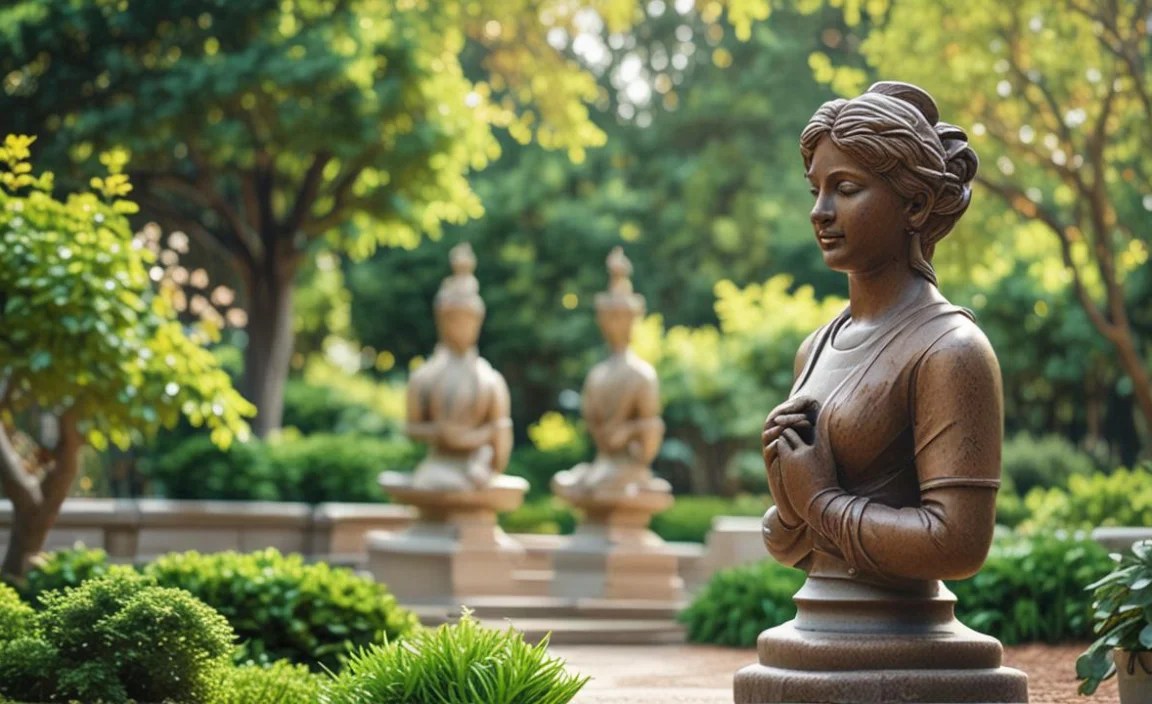
Statues can be amazing focal points for gardens. They add a touch of art. They can also show off your personality. Do you like animals? A statue of a bird or a cat could be perfect. Are you interested in history? A statue of a famous person might be a good choice. Statues come in all shapes and sizes. You can find small statues that sit on a table. You can also find large statues that stand on the ground. Think about the size of your garden when you choose a statue. Make sure it fits well in the space. The material of the statue is also important. Stone statues look classic. Metal statues can be very modern.
- Choose a statue that shows your style.
- Think about the size of your garden.
- Consider the material of the statue.
- Place the statue in a good spot.
- Keep the statue clean and tidy.
Think about where you will put the statue. It should be in a place where people can see it. But it should also be protected from the weather. A statue under a tree will be shaded from the sun. A statue near a wall will be protected from the wind. You can also add plants around the statue. This can help it blend in with the garden. Flowers or small bushes can make the statue look even better. Remember to keep the statue clean. Dust and dirt can make it look old and worn. A quick wipe with a cloth will keep it looking its best. These small details can make a big difference.
What Kind of Statue Should You Choose?
What kind of statue should you choose? There are so many options. Think about the style of your garden. If you have a formal garden, a classic statue might be best. If you have a more relaxed garden, a whimsical statue might be better. You can also choose a statue based on your interests. If you love animals, a statue of a dog or a bird would be a great choice. If you love art, a statue of a famous sculpture would be perfect. The most important thing is to choose something that you love. It should be a statue that you will enjoy looking at for many years.
How Big Should the Statue Be?
How big should the statue be? This depends on the size of your garden. If you have a small garden, a small statue is best. A large statue will take up too much space. It will make the garden feel crowded. If you have a large garden, you can choose a larger statue. A large statue will stand out more. It will be more noticeable. Think about the proportions of your garden. The statue should be in proportion to the rest of the garden. It should not be too big or too small. It should be just right.
Where Should You Place the Statue?
Where should you place the statue? This is a very important question. You want to place the statue in a spot where it will be seen. But you also want to place it in a spot where it will be safe. Avoid placing the statue in a spot where people will bump into it. Also avoid placing it in a spot where it will be damaged by the weather. A good spot is near a path or a seating area. This will allow people to see the statue up close. You can also place the statue in a flower bed. This will help it blend in with the garden. Experiment with different locations until you find the perfect spot.
Fun Fact or Stat: Garden statues have been used as focal points since ancient Roman times!
Water Features as Garden Focal Points

Focal points for gardens can also include water features. Water features add a sense of peace. They can also attract birds and other wildlife. A small fountain can be a simple but effective focal point. A pond can be a larger and more dramatic choice. Think about the size of your garden when you choose a water feature. A large pond might not fit in a small garden. A small fountain might get lost in a large garden. Also, think about the amount of work you are willing to do. Ponds need more maintenance than fountains. You will need to clean them and keep them free of algae. Fountains are easier to care for. But they still need some attention.
- Choose a water feature that fits your space.
- Think about the amount of work involved.
- Consider the sound of the water.
- Add plants around the water feature.
- Keep the water clean and clear.
The sound of the water is also important. A gentle bubbling fountain can be very relaxing. A rushing waterfall can be more dramatic. Choose a sound that you enjoy. You can also add plants around the water feature. This can help it blend in with the garden. Water plants are a great choice for ponds. They can help keep the water clean. Flowers and other plants can also add color. Make sure to keep the water clean. Algae can make the water look dirty. You can use chemicals to control algae. You can also clean the water feature regularly. A clean water feature will look much better.
What are the Different Types of Water Features?
There are many different types of water features. Fountains are a popular choice. They come in all shapes and sizes. You can find small tabletop fountains. You can also find large fountains that stand in the middle of a pond. Ponds are another popular choice. They can be natural or man-made. Natural ponds are usually fed by a stream or a spring. Man-made ponds are lined with plastic or concrete. Waterfalls are a dramatic option. They can be built into a hillside or a rock garden. You can also create a waterfall using a pump and some rocks. Birdbaths are a simple and inexpensive option. They provide a place for birds to drink and bathe.
How to Choose the Right Size Water Feature?
Choosing the right size water feature is important. If you choose a water feature that is too big, it will overwhelm your garden. If you choose a water feature that is too small, it will get lost. Think about the size of your garden. Measure the area where you want to place the water feature. Then, choose a water feature that is proportional to that area. A good rule of thumb is to choose a water feature that is about one-third the size of the area. This will ensure that it is noticeable, but not overwhelming.
How to Maintain a Water Feature?
Maintaining a water feature is important. This will keep it looking its best. It will also prevent problems. Clean the water feature regularly. Remove any leaves, twigs, or other debris. Check the pump and filter. Make sure they are working properly. Add water as needed. Water can evaporate, especially in hot weather. Control algae growth. Algae can make the water look dirty. You can use chemicals to control algae. You can also clean the water feature regularly. In the winter, protect the water feature from freezing. Freezing water can damage the water feature. You can drain the water feature or use a heater to keep the water from freezing.
Fun Fact or Stat: The sound of running water can reduce stress levels by up to 20%!
Plants and Trees as Focal Points

Focal points for gardens can also be plants or trees. A unique tree can be a stunning focal point. A colorful flower bed can also catch the eye. Think about the size and shape of the plant. A tall, thin tree can add height to your garden. A wide, bushy plant can add fullness. Also, think about the color of the plant. Brightly colored flowers can add a pop of color. Green plants can create a sense of calm. You can use plants to create a focal point in any part of your garden. A single, well-placed plant can make a big difference.
| Plant Type | Description | Best Location | Maintenance |
|---|---|---|---|
| Japanese Maple | Colorful leaves, interesting shape | Partial shade, well-drained soil | Moderate, needs pruning |
| Rose Bush | Beautiful flowers, many colors | Full sun, fertile soil | High, needs regular care |
| Lavender | Fragrant flowers, calming scent | Full sun, dry soil | Low, drought-tolerant |
| Ornamental Grass | Adds texture and movement | Full sun to partial shade | Low, easy to grow |
- Choose plants with interesting shapes.
- Use colorful flowers to add a pop.
- Consider the size and height of plants.
- Group plants together for impact.
- Use plants to create a border.
Grouping plants together can create a bigger impact. Plant several of the same type of flower in one area. This will create a mass of color. You can also use plants to create a border. Plant a row of flowers along a path or a fence. This will define the space. Consider the different seasons when choosing plants. Some plants bloom in the spring. Others bloom in the summer or fall. Choose plants that will provide color throughout the year. This will keep your garden looking interesting. Don’t be afraid to experiment with different plants. See what works best in your garden. Gardening is a process of trial and error. Have fun and enjoy the process.
What are Some Examples of Focal Point Plants?
There are many examples of focal point plants. Japanese maples are a popular choice. They have beautiful red leaves. They also have an interesting shape. Rose bushes are another good option. They produce beautiful flowers in many colors. Lavender is a fragrant plant. It has a calming scent. Ornamental grasses add texture and movement to the garden. These are just a few examples. There are many other plants that can be used as focal points. The best plant for you will depend on your personal preferences and the style of your garden.
How to Care for Focal Point Plants?
Caring for focal point plants is important. This will keep them looking their best. Water the plants regularly. Fertilize them as needed. Prune them to keep them in shape. Remove any dead or dying leaves. Protect them from pests and diseases. Mulch around the plants to help retain moisture. This will also help to suppress weeds. With proper care, your focal point plants will thrive. They will add beauty and interest to your garden for many years to come. Make sure you understand the needs of each plant. Some plants need more sun than others. Some plants need more water than others. Do your research to ensure that you are providing the best possible care.
How to Arrange Plants to Create a Focal Point?
Arranging plants to create a focal point takes planning. Think about the size and shape of the plants. Arrange them in a way that is pleasing to the eye. Use different heights and textures. This will create visual interest. Group plants together. This will create a mass of color. Use contrasting colors. This will make the focal point stand out. Place the focal point in a prominent location. This will ensure that it is seen. Consider the surrounding plants. Make sure they complement the focal point. A well-arranged focal point will add beauty and interest to your garden.
Fun Fact or Stat: Some trees can live for hundreds of years, making them a living focal point in your garden.
Using Garden Art and Decorations

Focal points for gardens can be created with art and decorations. Garden gnomes are a classic choice. Wind chimes add sound and movement. Birdhouses attract birds to your garden. Think about the style of your garden. Choose decorations that match that style. A modern garden might have metal sculptures. A rustic garden might have wooden birdhouses. Also, think about the colors of your garden. Choose decorations that complement those colors. Brightly colored decorations can add a pop of color. Neutral-colored decorations can create a sense of calm. The right decorations can transform your garden.
- Choose decorations that match your style.
- Consider the colors of your garden.
- Add decorations that move or make noise.
- Place decorations in unexpected places.
- Change decorations with the seasons.
Placing decorations in unexpected places can create a sense of surprise. A small statue hidden among the plants can be a fun discovery. A colorful birdhouse hanging from a tree can add whimsy. Changing decorations with the seasons can keep your garden looking fresh. Add pumpkins and gourds in the fall. Add lights and ornaments in the winter. Add flowers and butterflies in the spring. This will keep your garden interesting all year round. You can use art and decorations to express your creativity. Don’t be afraid to try new things. The possibilities are endless.
What are Some Popular Garden Decorations?
There are many popular garden decorations. Garden gnomes are a classic choice. They are small, whimsical statues. They are often placed near plants. Wind chimes are another popular choice. They create a gentle, soothing sound. Birdhouses provide shelter for birds. They also add visual interest to the garden. Statues and sculptures can add a touch of art. They can be made of stone, metal, or other materials. Fountains and birdbaths can add water to the garden. They can also attract birds and other wildlife. These are just a few examples. There are many other garden decorations to choose from. The best decorations for you will depend on your personal preferences and the style of your garden.
How to Choose the Right Garden Decorations?
Choosing the right garden decorations requires thought. Consider the style of your garden. If you have a formal garden, choose classic decorations. If you have a more relaxed garden, choose whimsical decorations. Think about the colors of your garden. Choose decorations that complement those colors. Consider the size of your garden. Choose decorations that are proportional to the size of your garden. Don’t overcrowd your garden with decorations. Choose a few well-placed decorations. This will create a more pleasing effect. Make sure the decorations are durable. They should be able to withstand the weather. Choose decorations that are made of high-quality materials.
How to Place Garden Decorations?
Placing garden decorations thoughtfully enhances beauty. Consider the location of the decorations. Place them in areas where they will be seen. But don’t place them in areas where they will be in the way. Think about the height of the decorations. Place taller decorations in the back of the garden. Place shorter decorations in the front of the garden. Consider the texture of the decorations. Mix different textures. This will create visual interest. Consider the lighting of the decorations. Place decorations in areas where they will be well-lit. This will make them stand out. Experiment with different placements. Find what works best for your garden.
Fun Fact or Stat: Garden gnomes originated in Germany in the mid-1800s!
Creating Seating Areas as Focal Points
Focal points for gardens can be inviting seating areas. A bench under a tree is a classic choice. A patio with comfortable chairs can be a great place to relax. Think about the view from the seating area. Choose a spot with a beautiful view. A view of a flower bed or a pond can be very relaxing. Also, think about the sun and shade. Choose a spot that is shaded in the afternoon. This will keep you cool on hot days. A comfortable seating area can transform your garden. It can become a place where you love to spend time. Consider adding a small table for drinks or snacks.
- Choose a spot with a beautiful view.
- Consider the sun and shade.
- Add comfortable seating.
- Include a table for drinks and snacks.
- Add plants around the seating area.
Adding plants around the seating area can create a sense of privacy. Tall plants can block the view from neighbors. Fragrant plants can add a pleasant scent. Make sure the seating is comfortable. Choose chairs that are the right height. Add cushions for extra comfort. Consider adding a fire pit. This can make the seating area usable in the evening. A fire pit can also provide warmth on cool nights. Creating a seating area is a great way to make your garden more inviting. It can become a place where you love to spend time with friends and family. It can also be a place where you can relax and enjoy the beauty of your garden.
What are Some Ideas for Seating Areas?
There are many ideas for seating areas. A bench under a tree is a simple and classic choice. A hammock is a relaxing place to nap. A patio with comfortable chairs is a great place to entertain. A swing set is a fun place for kids to play. A gazebo provides shelter from the sun and rain. A pergola provides shade and support for climbing plants. A fire pit is a great place to gather on cool evenings. These are just a few examples. There are many other seating area ideas to choose from. The best seating area for you will depend on your personal preferences and the style of your garden.
How to Choose the Right Furniture?
Choosing the right furniture makes a difference. Consider the style of your garden. If you have a formal garden, choose classic furniture. If you have a more relaxed garden, choose comfortable furniture. Think about the size of your seating area. Choose furniture that is proportional to the size of the area. Consider the materials of the furniture. Choose furniture that is durable. It should be able to withstand the weather. Consider the comfort of the furniture. Choose furniture that is comfortable to sit in. Add cushions and pillows for extra comfort. Experiment with different furniture arrangements. Find what works best for your space.
How to Add Ambiance to a Seating Area?
Adding ambiance to a seating area enhances enjoyment. Use lighting to create a mood. String lights can add a festive touch. Lanterns can create a warm glow. Candles can add a romantic atmosphere. Use plants to add color and texture. Flowers can add a pop of color. Fragrant plants can add a pleasant scent. Use water features to add sound and movement. A small fountain can create a relaxing atmosphere. Use textiles to add comfort and style. Cushions and pillows can add comfort. Throw blankets can provide warmth. Use accessories to add personality. Statues and sculptures can add a touch of art. Garden gnomes can add a whimsical touch. Personalize your seating area to make it your own.
Fun Fact or Stat: Studies show that spending time in a garden can lower blood pressure and improve mood!
Using Lighting to Highlight Focal Points
Focal points for gardens can be enhanced with lighting. Lighting can make your focal points stand out at night. It can also create a magical atmosphere. Use spotlights to highlight statues or trees. Use path lighting to guide people through the garden. Use string lights to add a festive touch. Think about the color of the lights. Warm white lights create a cozy atmosphere. Cool white lights create a more modern look. Also, think about the type of lighting. Solar lights are easy to install. They don’t need any wires. Low-voltage lights are more powerful. They can be used to light up larger areas.
- Use spotlights to highlight focal points.
- Use path lighting to guide people.
- Use string lights to add a festive touch.
- Consider the color of the lights.
- Choose the right type of lighting.
Consider the placement of the lights. Place spotlights at an angle to avoid glare. Place path lights along the edge of the path. Hang string lights from trees or fences. Make sure the lights are safe. Use outdoor-rated lights. Protect the lights from the weather. With the right lighting, you can transform your garden. You can create a beautiful and inviting space. You can enjoy your garden even at night. Lighting can make your garden more beautiful and functional. It is a great way to enhance your focal points and create a magical atmosphere. Adding lighting is a great investment for any garden.
What are Different Types of Garden Lighting?
There are different types of garden lighting for different purposes. Spotlights are used to highlight specific features. Path lights are used to illuminate walkways. String lights are used to create a festive atmosphere. Floodlights are used to light up large areas. Underwater lights are used to illuminate ponds and fountains. Solar lights are powered by the sun. Low-voltage lights are powered by electricity. Each type of lighting has its own advantages and disadvantages. The best type of lighting for you will depend on your needs and preferences.
How to Choose the Right Lighting for Focal Points?
Choosing the right lighting for focal points enhances beauty. Consider the size and shape of the focal point. Use spotlights to highlight small focal points. Use floodlights to highlight large focal points. Think about the color of the focal point. Use warm white lights to highlight warm-colored focal points. Use cool white lights to highlight cool-colored focal points. Consider the surroundings of the focal point. Use path lights to illuminate the area around the focal point. Use string lights to add a festive touch. Experiment with different lighting arrangements. Find what works best for your garden.
How to Install Garden Lighting?
Installing garden lighting is easier than you think. Solar lights are easy to install. Simply place them in the ground. Low-voltage lights require more work. You will need to run wires from a transformer to the lights. Follow the instructions carefully. Make sure the lights are safe. Use outdoor-rated lights. Protect the lights from the weather. If you are not comfortable installing the lights yourself, hire a professional. A professional can ensure that the lights are installed safely and correctly. With proper installation, your garden lighting will provide years of enjoyment.
Fun Fact or Stat: The use of lighting in gardens dates back to ancient Egypt!
Summary
Creating focal points for gardens makes your outdoor space better. You can use statues, water features, plants, or art. Think about what you like and what fits your garden. A good focal point catches your eye. It adds interest. It also makes your garden feel special. You can also use lighting to highlight your focal points at night. This makes your garden beautiful even after dark. Remember to have fun. Creating focal points should be enjoyable. It’s a chance to be creative. Make your garden your own.
Conclusion
Adding focal points for gardens is a great idea. It can make your garden more beautiful and interesting. Think about your style and what fits your space. Use statues, water features, plants, and art to create eye-catching spots. Don’t forget about lighting to highlight them at night. With a little planning, you can create a garden that you love.
Frequently Asked Questions
Question No 1: What is a focal point in a garden?
Answer: A focal point in a garden is something that catches your eye. It’s a special feature that draws attention. This can be anything from a statue to a colorful flower bed. The main goal is to make the garden more interesting. A focal point gives the viewer something to focus on. Without a focal point, a garden might seem plain or boring. Picking the right focal points for gardens is an easy process. It’s a way to add personality and charm to your outdoor space.
Question No 2: How do I choose the right focal point for my garden?
Answer: Choosing the right focal points for gardens depends on your style. It also depends on the size of your garden. Think about what you like. Do you like bright colors? Do you prefer calm and quiet? Choose something that makes you happy. Also, think about the size of your garden. A big statue might not fit in a small garden. A tiny flower pot might get lost in a big garden. Pick something that fits well and looks natural. Consider how much time you want to spend maintaining it.
Question No 3: Can I have more than one focal point in my garden?
Answer: Yes, you can have more than one focal point. But don’t go overboard. Too many focal points can make your garden look cluttered. Try to have one main focal point. Then add a few smaller ones. Make sure they all work together. They should complement each other. If you have a statue as a main focal point, you could add a small flower bed nearby. This will draw attention to the statue. It will also add some color to the garden. Balance is key to keeping the design attractive.
Question No 4: What are some low-maintenance focal point ideas?
Answer: There are many low-maintenance focal points for gardens. A stone bench is a classic choice. It doesn’t need any care. A birdbath is another good option. It just needs to be cleaned occasionally. Ornamental grasses are easy to grow. They add texture to the garden. A rock garden can also be low-maintenance. Just choose the right plants. These are all great options if you don’t have much time to spend on your garden. You can still have a beautiful garden without a lot of work.
Question No 5: How can lighting enhance my garden focal points?
Answer: Lighting can make a big difference. It can make your focal points stand out at night. Use spotlights to highlight statues or trees. Use path lighting to guide people through the garden. Use string lights to add a festive touch. Think about the color of the lights. Warm white lights create a cozy atmosphere. Cool white lights create a modern look. Solar lights are easy to install. They don’t need any wires. This is a great way to add a magical touch to your garden. Lighting can turn your garden into a nighttime oasis.
Question No 6: What are some common mistakes to avoid when creating focal points?
Answer: There are some common mistakes. One mistake is choosing a focal point that is too small. It will get lost in the garden. Another mistake is choosing a focal point that doesn’t fit your style. It will look out of place. Another mistake is having too many focal points. This can make your garden look cluttered. Always consider the scale, style, and number of focal points. Avoid these mistakes to make your garden shine. Pick the right focal points for gardens and make your space beautiful.
