Do you love twinkling lights outside? They make your yard look like a party. But what happens when they stop working? Maybe the fuses for outdoor string lights blew out! Don’t worry. It’s usually a simple fix. Let’s learn how to keep your lights shining bright.
Key Takeaways
- Fuses for outdoor string lights protect against electrical overloads.
- Always unplug lights before checking or replacing any fuses.
- The correct fuse rating is important for safety and function.
- You can find replacement fuses at most hardware stores.
- Regularly inspect your lights to prevent fuse problems.
Understanding Outdoor String Light Fuses
Fuses for outdoor string lights are small but mighty. They protect your lights from too much electricity. Think of them like tiny guards. They watch the flow of power. If the power gets too high, the fuse breaks. This stops the electricity. It prevents fires and damage. Without a fuse, too much power could melt the wires. It could even start a fire. Fuses are a very important safety part. They keep your lights and your home safe. Knowing how they work helps you keep your lights shining all year long. This is especially true during holidays or parties.
- Fuses prevent electrical fires.
- They protect the light bulbs.
- Fuses are inexpensive to replace.
- Always use the correct fuse type.
- Outdoor lights need special fuses.
Fuses come in different sizes. Each size handles a certain amount of power. This is measured in amps. Your string lights will have a fuse rating. This tells you the right fuse to use. Using the wrong fuse is dangerous. A fuse that is too small will blow too easily. A fuse that is too big won’t protect the lights. Always check the rating on your old fuse. Then, buy the same size. Your lights will shine safely and brightly. Always remember safety first when dealing with electricity. Fuses are your friends in keeping things safe.
Fun Fact or Stat: Did you know that fuses were first used in the 1860s to protect telegraph lines from lightning strikes?
What is a Fuse and How Does It Work?
Have you ever wondered what a fuse really is? A fuse is a small device. It has a thin wire inside. This wire is designed to melt easily. When too much electricity flows through it, the wire heats up. It melts and breaks the circuit. This stops the flow of electricity. It protects the lights from damage. Imagine it like a drawbridge. Normally, the bridge is down, and cars can cross. But if there’s danger, the bridge goes up. This stops the cars. A fuse does the same thing with electricity. It’s a simple but clever way to stay safe. Do you know why the fuse is often made of glass? This way, you can easily see if the wire inside is broken.
Why Do Outdoor String Lights Need Fuses?
Outdoor string lights face many dangers. Rain, snow, and wind can cause problems. These problems can lead to too much electricity flowing through the wires. That’s why fuses for outdoor string lights are very important. They protect the lights from these dangers. Without fuses, a small problem could become a big one. The lights could overheat and start a fire. Or, they could simply stop working. Fuses are like a safety net. They catch the problems before they cause damage. Think of them as tiny bodyguards for your lights. They keep everything safe and shining brightly, even in bad weather. Do you think indoor lights need fuses too? Yes, they do, but sometimes they are built into the plug.
Finding the Fuse Location on String Lights
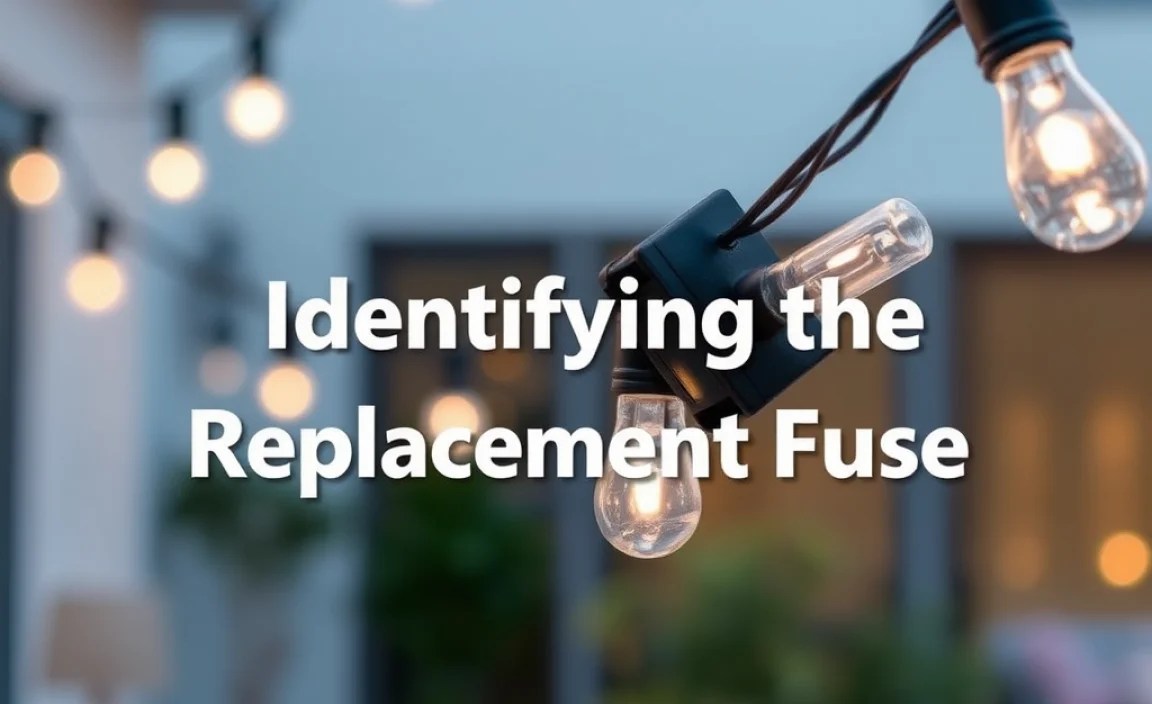
Finding the fuse on your string lights is usually easy. Look at the plug. Most plugs have a small door or cover. You can open this door with a small screwdriver. Sometimes, you can use your fingernail. Inside, you will see the fuse. It looks like a small glass tube with metal ends. Sometimes, there are two fuses side by side. Always unplug the lights before opening the fuse compartment. This is very important for your safety. If you can’t find the fuse, check the instructions that came with the lights. They will show you exactly where to look. Now you know where to find those tiny protectors!
Identifying the Correct Replacement Fuse
Using the right fuses for outdoor string lights is very important. Each fuse has a number on it. This number tells you how much electricity it can handle. This is called the amp rating. Using the wrong amp rating can be dangerous. A fuse with too low of an amp rating will blow too often. A fuse with too high of an amp rating won’t protect the lights. It’s like wearing shoes that are too big or too small. They won’t work right. Always check the old fuse before you buy a new one. Make sure the numbers match. This will keep your lights safe and shining bright. Do you know where to find the amp rating on a fuse? It’s usually printed right on the side.
- Check the old fuse’s amp rating.
- Match the new fuse to the old one.
- Don’t use a higher amp rating fuse.
- A lower rating fuse blows easily.
- Use the correct fuse for safety.
- Buy fuses designed for outdoor use.
Sometimes, it can be hard to read the number on the old fuse. The numbers might be faded or scratched off. If this happens, check the instructions that came with the lights. They should tell you the correct fuse to use. If you can’t find the instructions, look for a label on the string lights. It might be near the plug or on the wire. The label might tell you the fuse rating. If you still can’t find the right fuse, ask someone at the hardware store. They can help you find the correct fuse for your lights. Always be sure before you replace the fuse.
Fun Fact or Stat: The “amp” in amp rating stands for ampere, which is the unit used to measure electrical current!
Understanding Amp Ratings for Fuses
Amp ratings can be confusing. But they are very important for electrical safety. The amp rating tells you how much electricity a fuse can handle. A higher amp rating means the fuse can handle more electricity. But that doesn’t mean you should use a higher amp rating fuse. Using the wrong amp rating can be dangerous. It can cause the lights to overheat and start a fire. Always use the amp rating that is recommended for your lights. Think of it like filling a glass with water. If you pour too much water, it will spill. The amp rating tells you how much electricity is safe for your lights. What happens if you use a fuse with too low of an amp rating? It will blow too often.
Where to Find the Fuse Amp Rating on Your Lights
Finding the fuse amp rating on your lights is important. Look for a small label on the plug. Sometimes, it’s on the wire near the plug. The label will have numbers and letters on it. Look for something that says “fuse rating” or “amps.” The amp rating will be a number followed by the letter “A.” For example, it might say “5A” or “3A.” This tells you the amp rating of the fuse you need. If you can’t find a label, check the instructions that came with the lights. They should have all the information you need. Remember, always unplug the lights before checking anything. Do you know why it’s important to write down the amp rating? So you don’t forget it when you go to the store!
What Happens If You Use the Wrong Fuse?
Using the wrong fuse can cause serious problems. If you use a fuse with too low of an amp rating, it will blow easily. This means your lights will keep turning off. It can be very annoying. If you use a fuse with too high of an amp rating, it’s even worse. The fuse might not blow when there’s a problem. This means too much electricity can flow through the wires. The wires can overheat and melt. This can start a fire. Always use the correct fuse to keep your lights safe. Think of it like wearing a helmet when you ride a bike. It protects you from getting hurt. The right fuse protects your lights from damage. Have you ever seen a blown fuse? It looks like the wire inside is broken.
Steps to Safely Replace a Blown Fuse
Replacing fuses for outdoor string lights is simple. First, unplug the lights. This is very important for your safety. Never work with electricity when the power is on. Next, find the fuse compartment on the plug. Open it with a small screwdriver or your fingernail. Take out the old fuse. Look at it closely. Is the wire inside broken? If so, the fuse is blown. Now, put in the new fuse. Make sure it’s the right size and amp rating. Close the fuse compartment. Plug the lights back in. If they light up, you’re done! If they don’t, check the fuse again. Make sure it’s in correctly. You might need to try a new fuse. Was that easy? Yes, it was!
- Unplug the string lights first.
- Open the fuse compartment carefully.
- Remove the old, blown fuse.
- Insert the new fuse correctly.
- Close the fuse compartment securely.
- Plug the lights back in to test.
Sometimes, the lights still don’t work after you replace the fuse. This could mean there’s another problem. Check the light bulbs. Make sure they are all working. If any bulbs are broken, replace them. Also, check the wires. Make sure they are not damaged. If the wires are damaged, you might need to replace the whole string of lights. If you’re not sure what to do, ask an adult for help. They can help you find the problem and fix it. Remember, safety is always the most important thing. If you are unsure about anything, get help from someone who knows about electricity.
Fun Fact or Stat: Replacing a fuse is one of the most common electrical repairs done at home!
Gathering Tools and Safety Gear
Before you start, gather everything you need. You’ll need a small screwdriver. You might also need a new fuse. Make sure it’s the right size and amp rating. It’s also a good idea to wear safety glasses. This will protect your eyes. Unplug the lights before you do anything. This is the most important safety step. Never work with electricity when the power is on. It’s like wearing a seatbelt in a car. It keeps you safe in case of an accident. Having everything ready makes the job easier and safer. What other tools might be helpful? A flashlight can help you see better.
Removing the Old Fuse
Removing the old fuse is easy. First, find the fuse compartment. It’s usually on the plug. Use a small screwdriver or your fingernail to open it. Be careful not to break the plastic. Once the compartment is open, you’ll see the fuse. It looks like a small glass tube. Gently pull it out. If it’s stuck, use the screwdriver to pry it out carefully. Look at the fuse closely. Is the wire inside broken? If so, the fuse is blown. Now you’re ready to put in the new fuse. Think of it like taking out a dead battery from a toy. You need to replace it with a new one to make the toy work. What should you do with the old fuse? Throw it away safely.
Installing the New Fuse
Installing the new fuse is the last step. Make sure you have the right fuse. It should be the same size and amp rating as the old one. Take the new fuse and gently push it into the fuse compartment. Make sure it fits snugly. Close the fuse compartment. Make sure it’s closed tightly. Now, plug the lights back in. If they light up, you’re done! If they don’t, check the fuse again. Make sure it’s in correctly. You might need to try a new fuse. Remember, safety is always the most important thing. What happens if the lights still don’t work? There might be another problem with the lights.
Troubleshooting Common Fuse Problems
Sometimes, fuses for outdoor string lights blow often. This can be annoying. It usually means there’s a problem. Maybe too many lights are plugged into one outlet. This can overload the circuit. Try plugging the lights into a different outlet. Another problem could be damaged wires. Check the wires for cuts or breaks. If you see any damage, replace the lights. Also, check the light bulbs. Bad bulbs can cause fuses to blow. Replace any bad bulbs. If the fuses keep blowing, ask an adult for help. There might be a bigger problem with your electrical system. Is it frustrating when fuses keep blowing? Yes, but it’s important to find the cause.
- Check for too many lights on one outlet.
- Inspect the wires for damage.
- Replace any broken light bulbs.
- Ensure the fuse is the correct size.
- Look for water damage to the lights.
- Consider using LED string lights.
LED string lights use less electricity than regular lights. This means they are less likely to blow fuses. They also last longer. This can save you money in the long run. If you are having trouble with fuses blowing, consider switching to LED lights. They are a great way to keep your lights shining bright without the hassle. They are also better for the environment. So, you can feel good about using them. Have you ever seen LED string lights? They come in many colors and styles. They can make your yard look beautiful.
Fun Fact or Stat: LED lights can last up to 50,000 hours, which is much longer than traditional incandescent bulbs!
Fuses Blow Frequently
If your fuses for outdoor string lights blow frequently, something is wrong. It’s not normal for fuses to blow all the time. You need to find out why it’s happening. Start by checking the number of lights on one circuit. Too many lights can overload the circuit. Try plugging some lights into a different outlet. Also, check the wires for damage. Look for cuts, breaks, or frayed wires. Damaged wires can cause short circuits. Short circuits make fuses blow. If you can’t find the problem, ask an electrician for help. What should you do if you see a spark when a fuse blows? Turn off the power immediately!
Lights Don’t Work After Fuse Replacement
Sometimes, you replace the fuse, but the lights still don’t work. This can be frustrating. First, double-check the fuse. Make sure it’s the right size and amp rating. Also, make sure it’s installed correctly. The fuse should fit snugly in the compartment. Next, check the light bulbs. One bad bulb can cause the whole string to go out. Replace any bad bulbs. If the lights still don’t work, check the wires. Look for any damage. If you find damaged wires, you might need to replace the entire string of lights. Why is it important to check the bulbs? A bad bulb can cause a short circuit.
Lights Flicker or Dim
Flickering or dim lights can be a sign of a problem. It could mean the fuse is about to blow. It could also mean there’s a loose connection. Check the light bulbs. Make sure they are screwed in tightly. Also, check the wires. Look for any loose connections. If you find any, tighten them. If the lights still flicker or dim, it could be a problem with the fuse box. This is a more serious problem. You should ask an electrician for help. What does it mean if the lights are flickering? It could mean there’s a power surge.
Choosing the Right Outdoor String Lights
Choosing the right fuses for outdoor string lights also means choosing the right lights. Some lights are better than others. Look for lights that are designed for outdoor use. They will be marked as “outdoor” or “weatherproof.” These lights are made to withstand rain, snow, and wind. Also, consider using LED lights. They use less electricity and last longer. This means they are less likely to cause problems with fuses. When you buy lights, check the instructions. They will tell you the correct fuse to use. Choosing the right lights can save you trouble in the long run. Do you like colorful lights or white lights? Both can look beautiful outside.
| Feature | Incandescent Lights | LED Lights |
|---|---|---|
| Energy Use | High | Low |
| Lifespan | Short | Long |
| Durability | Less Durable | More Durable |
| Fuse Issues | More Frequent | Less Frequent |
- Choose lights designed for outdoor use.
- Consider using LED string lights.
- Check the instructions for fuse information.
- Look for lights with durable wires.
- Select lights that match your style.
- Buy lights from a trusted brand.
When you set up your lights, be careful. Don’t pull on the wires too hard. This can damage them. Also, don’t let the lights sit in water. This can cause them to short circuit. Use clips or hooks to hang the lights securely. This will keep them from falling down. If you take care of your lights, they will last longer. They will also be less likely to cause problems with fuses. Remember, a little care can go a long way. Taking care of your lights helps them last longer. It also keeps your home safe. This way, you can enjoy your lights for many years to come.
Fun Fact or Stat: Outdoor string lights can create a festive atmosphere and increase the value of your home!
Understanding Weatherproof Ratings
Weatherproof ratings tell you how well lights can handle the weather. Look for lights with a high IP rating. IP stands for Ingress Protection. A higher number means the lights are better protected from water and dust. For example, lights with an IP65 rating are protected from water jets. This means they can handle rain. Lights with an IP67 rating can even be submerged in water for a short time. Choose lights with the right IP rating for your area. If you live in a rainy place, choose lights with a higher rating. What does it mean if lights are “water-resistant” but not “waterproof”? Water-resistant lights can handle some water, but not a lot.
Comparing LED vs. Incandescent String Lights
LED and incandescent string lights are different. LED lights use much less electricity. This means they are less likely to blow fuses. They also last much longer. Incandescent lights are cheaper to buy. But they use more electricity. They also burn out faster. In the long run, LED lights are usually a better choice. They save you money on electricity bills. They also save you the hassle of replacing bulbs. Think of it like choosing between a bicycle and a car. A bicycle is cheaper, but a car is more efficient for long distances. Which type of lights do you think are better for the environment? LED lights are better for the environment.
Tips for Hanging Outdoor String Lights Safely
Hanging outdoor string lights safely is important. Use clips or hooks to hang the lights securely. Don’t let the wires hang loose. This can be a tripping hazard. Also, don’t hang the lights too close to anything that could get hot. This could cause a fire. Make sure the lights are plugged into a GFCI outlet. A GFCI outlet is a special type of outlet. It protects you from electric shock. If you are not sure how to hang the lights safely, ask an adult for help. What should you do if you see a frayed wire? Replace the lights immediately.
Preventing Future Fuse Issues
Preventing problems with fuses for outdoor string lights saves time. Inspect your lights regularly. Look for damaged wires or loose connections. Replace any broken bulbs. Don’t overload the circuit. Plug the lights into different outlets. Use LED lights. They use less electricity. Store your lights properly when you’re not using them. This will protect them from damage. By taking these steps, you can keep your lights shining bright. You can also avoid the hassle of replacing fuses. Do you think taking care of your lights is worth it? Yes, because it saves you time and money.
- Inspect lights regularly for damage.
- Replace broken bulbs promptly.
- Avoid overloading electrical circuits.
- Use LED lights for lower energy use.
- Store lights properly when not in use.
- Check outdoor outlets for weather damage.
When you store your lights, wrap them carefully. This will prevent the wires from getting tangled. Use a storage container to protect them from dust and moisture. Store the lights in a cool, dry place. Avoid storing them in direct sunlight. This can damage the wires and bulbs. If you take good care of your lights, they will last longer. You won’t have to replace them as often. This will save you money in the long run. Think of it like taking care of your toys. If you take care of them, they will last longer. What’s the best way to wrap string lights for storage? Wrap them around a cardboard tube.
Fun Fact or Stat: Proper storage can extend the lifespan of your outdoor string lights by several years!
Regularly Inspecting Your String Lights
Regularly inspecting your string lights is important. Look for any signs of damage. Check the wires for cuts, breaks, or frayed spots. Check the light bulbs for cracks or breaks. Make sure all the bulbs are screwed in tightly. Also, check the plug. Make sure it’s in good condition. If you see any damage, fix it right away. Don’t wait until the lights stop working. By inspecting your lights regularly, you can prevent problems before they happen. It’s like checking your bike tires before you go for a ride. You want to make sure everything is safe. How often should you inspect your lights? At least once a month.
Using Surge Protectors
Surge protectors can protect your lights from power surges. A power surge is a sudden increase in electricity. It can damage your lights and blow fuses. A surge protector absorbs the extra electricity. This protects your lights from damage. Plug your lights into a surge protector. This will help them last longer. Surge protectors are not expensive. They are a good investment to protect your lights. Think of it like wearing a helmet when you skateboard. It protects your head from injury. What other things can you plug into a surge protector? Computers and TVs.
Proper Storage Techniques for Off-Season
Proper storage is important for keeping your lights in good condition. When you take down your lights for the season, wrap them carefully. This will prevent the wires from getting tangled. Use a storage container to protect them from dust and moisture. Store the lights in a cool, dry place. Avoid storing them in direct sunlight. This can damage the wires and bulbs. Label the storage container so you know what’s inside. When you take the lights out next year, they will be ready to use. Why is it important to store lights in a dry place? Moisture can damage the wires.
Summary
Fuses for outdoor string lights are small but important. They protect your lights from too much electricity. Knowing how to replace a fuse is a useful skill. Always use the right fuse size. This keeps your lights shining safely. Remember to unplug the lights before working on them. Check for any damaged wires or bulbs. Consider using LED lights. They use less electricity. They also last longer. With a little care, your outdoor lights can brighten your yard for years. Taking these steps will save you time and money in the long run. Now you can enjoy your beautiful lights without worry.
Conclusion
Fuses for outdoor string lights are vital for safety. They prevent fires and protect your lights. Replacing a blown fuse is easy. Always use the correct fuse size. Regular checks and proper care can prevent problems. LED lights are a great choice. They use less power and last longer. With these tips, your outdoor lights will shine brightly and safely. Enjoy your beautiful, well-lit outdoor space!
Frequently Asked Questions
Question No 1: What are fuses for outdoor string lights?
Answer: Fuses for outdoor string lights are safety devices. They protect the lights from too much electricity. They are small and easy to replace. They prevent fires and damage. Think of them as tiny guardians. They watch over your lights. If there’s too much power, they break the circuit. This stops the electricity. This keeps your lights and your home safe. They are an important part of your outdoor lighting system. Without them, your lights could be at risk.
Question No 2: How do I know if my string light fuse is blown?
Answer: If your string lights suddenly stop working, the fuse might be blown. To check, find the fuse compartment on the plug. Open it carefully. Look at the fuse. It’s a small glass tube. Inside, you’ll see a thin wire. If the wire is broken or the glass is dark, the fuse is blown. It’s like a light bulb that has burned out. It needs to be replaced. Always unplug the lights before checking the fuse. This keeps you safe from electric shock. A blown fuse is a common problem. It’s usually easy to fix.
Question No 3: Where can I buy replacement fuses for my outdoor string lights?
Answer: You can buy replacement fuses for outdoor string lights at many places. Hardware stores are a good option. They usually have a wide selection of fuses. You can also find them at home improvement stores. Big box stores like Walmart and Target also sell fuses. Another option is to buy them online. Amazon and other websites sell fuses. Make sure you buy the right size and amp rating. Check the old fuse or the instructions for the correct information. Buying fuses is easy and inexpensive.
Question No 4: Can I use any fuse for my outdoor string lights?
Answer: No, you can’t use just any fuse. It’s important to use the correct fuse size and amp rating. The amp rating tells you how much electricity the fuse can handle. Using the wrong fuse can be dangerous. A fuse that is too small will blow too often. A fuse that is too big won’t protect the lights. Always check the old fuse or the instructions for the correct information. Using the right fuse keeps your lights safe and working properly. Think of it like using the right key for a lock. Only the right key will work.
Question No 5: How do I prevent my outdoor string light fuses from blowing?
Answer: To prevent fuses for outdoor string lights from blowing, follow a few simple steps. Don’t overload the circuit. Plug the lights into different outlets. Check the wires for damage. Replace any broken bulbs. Consider using LED lights. They use less electricity. Also, use a surge protector. This protects your lights from power surges. Inspect your lights regularly. Look for any signs of damage. By taking these steps, you can keep your lights shining bright and avoid the hassle of replacing fuses. Regular maintenance can save you a lot of trouble.
Question No 6: What does it mean if my outdoor string lights keep blowing fuses?
Answer: If your outdoor string lights keep blowing fuses for outdoor string lights, there’s a problem. It usually means there’s too much electricity flowing through the circuit. This could be caused by several things. Maybe you have too many lights plugged into one outlet. Try plugging some lights into a different outlet. Another cause could be damaged wires. Check the wires for cuts or breaks. Replace any damaged lights. It could also be a problem with the fuse box. If the problem continues, ask an electrician for help. It’s important to find the cause to prevent further problems.
