Have you ever seen tiny holes in your plant leaves? Or maybe some bugs crawling on your veggies? These are often garden pests. They can ruin all your hard work. But how do you know what they are? A garden pest identification chart can help you find out!
These charts are like detective tools for your garden. They show pictures and descriptions of common pests. With a good chart, you can figure out who’s munching on your plants. Then, you can find the best way to stop them. Let’s learn more about using these helpful charts!
Key Takeaways
- A garden pest identification chart helps you name the bugs in your garden.
- Identifying pests early can save your plants from serious damage.
- Different pests require different solutions to get rid of them safely.
- Charts often show pictures and tell you what damage each pest causes.
- Knowing your enemy is the first step to a healthy and happy garden.
Using a Garden Pest Identification Chart

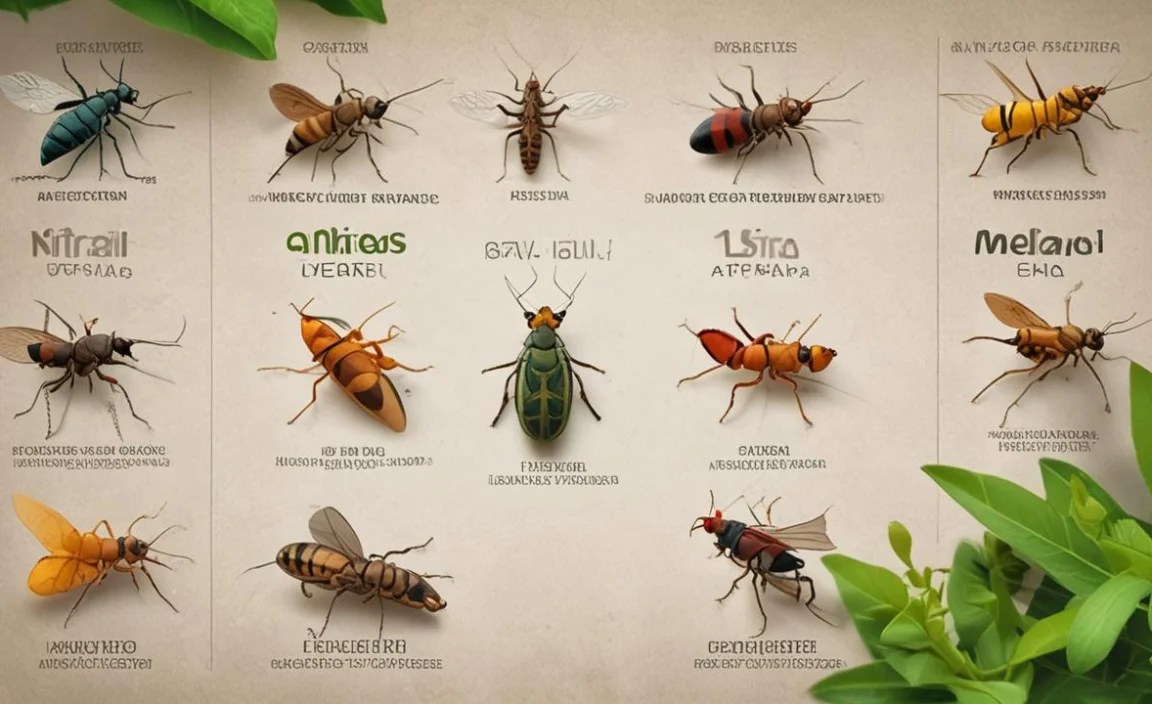
A garden pest identification chart is a super useful tool. It helps you figure out what bugs are bugging your plants. These charts usually have pictures of different pests. They also describe the damage each pest causes. For example, aphids might leave a sticky residue. Caterpillars often chew big holes in leaves. Some charts even tell you what plants each pest likes best. This can help you narrow down your search. If you see a bug, compare it to the pictures on the chart. Read the descriptions carefully. Look for similar damage on your plants. Once you know what the pest is, you can find the best way to get rid of it. Remember, identifying the pest correctly is very important. This will help you choose the right solution and save your garden!
- Look closely at the bugs on your plants.
- Compare the bugs to pictures on the chart.
- Read the descriptions of the damage.
- Note which plants are being attacked.
- Consider the size and color of the pest.
Many charts are available online or at your local garden center. Some apps can even identify pests from a photo! Using a garden pest identification chart might seem tricky at first. But with a little practice, you’ll become a pest-identifying pro. Knowing what pests you have is half the battle. Then, you can choose the right way to control them. This might include using insecticidal soap, introducing beneficial insects, or simply hand-picking the pests off your plants. Always be sure to follow the instructions on any product you use. And remember to protect yourself by wearing gloves and eye protection. A healthy, pest-free garden is within your reach!
Why Is Pest Identification Important?
Have you ever wondered why it’s important to know the names of the bugs in your garden? Imagine you are sick and go to the doctor. The doctor needs to know what is making you sick before they can help you feel better. It’s the same with your plants! Knowing the pest’s name helps you choose the right treatment. Some bugs are helpful, like ladybugs that eat aphids. You don’t want to hurt the good bugs! A garden pest identification chart helps you tell the difference. This way, you can target the bad bugs and protect the good ones. Plus, some pests spread diseases. Identifying them early can prevent the disease from spreading to all your plants.
Where Can I Find a Good Chart?
Finding a good garden pest identification chart is easier than you might think! Many places offer these charts for free. Your local garden center is a great place to start. They often have charts specific to your area. Online, you can find many websites that offer printable charts. Some universities and agricultural extension offices also have helpful resources. When choosing a chart, look for one with clear pictures and accurate descriptions. It should also include common pests in your region. Some apps can even identify pests using your phone’s camera! Just take a picture of the bug, and the app will tell you what it is. Remember to compare information from different sources to be sure you have the right identification.
What Do I Do After I Identify the Pest?
So, you’ve used your garden pest identification chart and figured out who the culprit is. Great job! Now what? The next step is to find the best way to get rid of the pest. There are many options, and the best one depends on the pest and the severity of the infestation. For small problems, you might be able to simply hand-pick the pests off your plants. For larger infestations, you might need to use insecticidal soap or neem oil. These are natural products that can kill many common pests. You can also introduce beneficial insects, like ladybugs or lacewings, which eat other pests. Always read and follow the instructions on any product you use. And remember to protect yourself by wearing gloves and eye protection.
Fun Fact or Stat: Did you know that aphids can reproduce without mating? This means one aphid can quickly create a huge colony!
Benefits of Early Pest Detection

Spotting pests early is a big win for your garden. It’s like catching a cold before it turns into the flu. When you see pests early, you can stop them before they do too much damage. A garden pest identification chart helps you do this. You can check your plants regularly and compare any suspicious bugs to the chart. Early detection means you can use gentler methods to control the pests. You might be able to pick them off by hand or spray them with soapy water. If you wait too long, the infestation might get out of control. Then, you might need to use stronger chemicals. Early detection also protects your other plants. Pests can spread quickly, so stopping them early prevents them from moving to other parts of your garden.
- Prevent severe damage to your plants.
- Use gentler pest control methods.
- Protect your other plants from spreading pests.
- Save time and effort in the long run.
- Maintain a healthy and beautiful garden.
Think of your garden like a team. If one player is hurt, the whole team suffers. Pests can weaken your plants, making them more likely to get diseases. Early detection helps keep your plants strong and healthy. Using a garden pest identification chart is like being a good coach for your plants. You’re watching out for them and making sure they stay in top shape. Plus, a healthy garden is more enjoyable for you! You can relax and enjoy the beauty without worrying about pests ruining everything. So, make early detection a habit and keep your garden thriving.
How Often Should I Check for Pests?
How often should you check your plants for pests? Imagine you are brushing your teeth. You don’t just brush them once a month, right? You brush them every day to keep them healthy. Checking your plants for pests should be a regular habit too. Aim to inspect your garden at least once a week. More often is even better, especially during warm, humid weather when pests are most active. When you check, look closely at the leaves, stems, and flowers. Turn over leaves to check for hidden pests. Keep an eye out for any signs of damage, like holes, discoloration, or sticky residue. Using a garden pest identification chart, you can quickly identify any suspicious bugs and take action before they cause too much trouble.
What Are the Signs of a Pest Infestation?
What are the signs that pests have invaded your garden? It’s like being a detective, looking for clues. One of the most obvious signs is seeing bugs on your plants. But sometimes, the pests are small or hidden. That’s why it’s important to look for other clues too. Check for holes in the leaves, or leaves that are yellowing or wilting. Some pests leave behind sticky residue or webbing. Others cause the leaves to curl or become distorted. If you see any of these signs, grab your garden pest identification chart and start investigating. The sooner you identify the pest, the sooner you can take action to protect your plants.
What Tools Do I Need for Pest Detection?
What tools do you need to become a pest-detecting superhero? You don’t need a fancy gadget or a special uniform. Just a few simple tools can make the job much easier. A magnifying glass can help you see small pests more clearly. A small trowel or hand rake can help you dig around the base of plants to check for soil-dwelling pests. A notebook and pen can help you keep track of what you find. And, of course, a good garden pest identification chart is essential. With these tools in hand, you’ll be ready to tackle any pest problem that comes your way. Remember, the most important tool is your own observation skills. Pay attention to your plants, and they’ll tell you when something is wrong.
Fun Fact or Stat: Some pests, like spider mites, are so small that you need a magnifying glass to see them clearly!
Common Garden Pests and Their Damage

Many different pests can attack your garden. Each one causes unique damage. Knowing the common pests and their signs is key. A garden pest identification chart can help you learn these. Aphids are small, soft-bodied insects. They suck sap from plants, causing leaves to curl and yellow. Caterpillars are the larvae of moths and butterflies. They chew on leaves, leaving holes. Slugs and snails leave slimy trails. They eat holes in leaves and vegetables. Squash bugs attack squash and pumpkin plants. They suck sap and cause wilting. By knowing these common pests, you can quickly identify problems and take action.
- Aphids cause curled and yellow leaves.
- Caterpillars chew holes in leaves.
- Slugs and snails leave slimy trails.
- Squash bugs cause wilting in squash plants.
- Spider mites cause stippled leaves.
Different pests prefer different plants. Some pests only attack certain vegetables or flowers. This can help you narrow down your search. If you see damage on your tomatoes, look for pests that commonly attack tomatoes. If you see damage on your roses, look for pests that like roses. A garden pest identification chart often lists the plants each pest prefers. This information can be very helpful. Remember to check your plants regularly. The sooner you spot a problem, the easier it will be to solve. A healthy garden is a happy garden!
What Do Aphids Look Like?
Have you ever seen tiny green, black, or white bugs clustered on the stems and leaves of your plants? These could be aphids! Aphids are small, soft-bodied insects that suck sap from plants. They come in many colors, including green, yellow, black, and white. They are usually about the size of a pinhead. Aphids often gather in large groups, especially on new growth. They can also leave behind a sticky substance called honeydew. This honeydew can attract ants and other insects. If you suspect you have aphids, grab your garden pest identification chart and take a closer look. You might need a magnifying glass to see them clearly.
How Can I Tell if I Have Caterpillars?
How can you tell if caterpillars are munching on your plants? Imagine you are walking through your garden and notice holes in the leaves. Or maybe you see small, brown droppings on the leaves. These are telltale signs of caterpillars! Caterpillars are the larvae of moths and butterflies. They come in many shapes, sizes, and colors. Some are smooth, while others are hairy. Some blend in with the leaves, while others are brightly colored. If you see holes in your leaves, look closely for caterpillars. They might be hiding under the leaves or camouflaged among the stems. Using a garden pest identification chart, you can identify the specific type of caterpillar and find the best way to control it.
What Plants Are Most Susceptible to Pests?
Do you know which plants in your garden are most likely to attract pests? It’s like knowing which kids in school are most likely to get into trouble! Some plants are naturally more attractive to certain pests than others. For example, tomatoes are often targeted by aphids and tomato hornworms. Roses are prone to aphids, Japanese beetles, and spider mites. Squash plants are often attacked by squash bugs and squash vine borers. Knowing which plants are most susceptible can help you focus your pest-control efforts. Check these plants more often and be on the lookout for early signs of infestation. A garden pest identification chart can help you identify the common pests that attack these plants.
| Pest | Plant | Damage |
|---|---|---|
| Aphids | Roses, tomatoes, peppers | Curled leaves, sticky residue |
| Caterpillars | Cabbage, broccoli, lettuce | Holes in leaves |
| Slugs | Lettuce, hostas, strawberries | Irregular holes in leaves |
| Squash Bugs | Squash, pumpkins, zucchini | Wilting leaves, plant death |
Fun Fact or Stat: Caterpillars can eat up to 27,000 times their own weight in leaves during their larval stage!
Natural Pest Control Methods
You don’t always need harsh chemicals to control pests. Many natural methods can help keep your garden healthy. These methods are safer for you, your family, and the environment. One popular method is using insecticidal soap. This soap kills many common pests, like aphids and spider mites. Another method is using neem oil. Neem oil is a natural insecticide that comes from the neem tree. You can also introduce beneficial insects. Ladybugs, lacewings, and praying mantises eat other pests. Hand-picking pests off your plants is another simple method. A garden pest identification chart can help you determine which methods are best for each pest.
- Use insecticidal soap to kill aphids.
- Apply neem oil as a natural insecticide.
- Introduce ladybugs to eat other pests.
- Hand-pick pests off your plants.
- Use row covers to protect plants.
When using natural pest control methods, it’s important to be patient. These methods might not work as quickly as chemical pesticides. But they are often more sustainable and better for the long-term health of your garden. A garden pest identification chart can help you choose the right method for each pest. Remember to read and follow the instructions on any product you use. And always be sure to protect yourself by wearing gloves and eye protection. A healthy garden is a balanced ecosystem. By using natural pest control methods, you can help maintain that balance.
How Does Insecticidal Soap Work?
Have you ever wondered how insecticidal soap works to get rid of pests? It’s like giving the bugs a bath they don’t like! Insecticidal soap is made from fatty acids. When sprayed on pests, it disrupts their cell membranes. This causes them to dehydrate and die. Insecticidal soap is effective against many soft-bodied insects, like aphids, spider mites, and whiteflies. It’s also safe for beneficial insects, as long as you don’t spray them directly. To use insecticidal soap, mix it with water according to the instructions on the label. Then, spray the affected plants thoroughly, making sure to cover all surfaces, including the undersides of the leaves. A garden pest identification chart can help you determine if insecticidal soap is the right choice for the pests in your garden.
What Are Beneficial Insects?
Have you heard of beneficial insects? These are the good guys in your garden! They help control pests by eating them or parasitizing them. Ladybugs are one of the most well-known beneficial insects. They eat aphids and other small pests. Lacewings are another type of beneficial insect. Their larvae also eat aphids, as well as other pests like spider mites and thrips. Praying mantises are larger insects that eat a wide variety of pests, including caterpillars and beetles. Introducing beneficial insects to your garden can be a great way to control pests naturally. A garden pest identification chart can help you identify the pests that these beneficial insects eat.
How Can I Attract Beneficial Insects?
How can you attract beneficial insects to your garden? It’s like setting up a welcome mat for the good guys! One way to attract beneficial insects is to plant flowers that provide them with nectar and pollen. Some good choices include dill, fennel, yarrow, and sunflowers. You can also provide them with shelter by leaving some areas of your garden undisturbed. Avoid using broad-spectrum pesticides, which can kill both beneficial insects and pests. By creating a welcoming environment for beneficial insects, you can help keep your garden healthy and pest-free. A garden pest identification chart can help you identify the pests that these beneficial insects eat, so you can be sure you’re attracting the right ones.
Fun Fact or Stat: A single ladybug can eat up to 5,000 aphids in its lifetime!
Preventing Pest Infestations

The best way to deal with pests is to prevent them from attacking in the first place. This is like brushing your teeth to prevent cavities. Healthy plants are less likely to attract pests. Make sure your plants get enough water, sunlight, and nutrients. Keep your garden clean by removing dead leaves and weeds. These can provide hiding places for pests. Rotate your crops each year to prevent pests from building up in the soil. Use row covers to protect your plants from pests. A garden pest identification chart can help you identify plants that are prone to certain pests. This way, you can take extra precautions to protect them.
- Keep your plants healthy and strong.
- Keep your garden clean and tidy.
- Rotate your crops each year.
- Use row covers to protect plants.
- Inspect your plants regularly.
Preventing pest infestations takes time and effort. But it’s worth it in the long run. A healthy garden is a balanced ecosystem. By following these tips, you can help maintain that balance. Remember to check your plants regularly for any signs of pests. The sooner you spot a problem, the easier it will be to solve. Using a garden pest identification chart, you can quickly identify any suspicious bugs and take action before they cause too much trouble. A little prevention can go a long way in keeping your garden healthy and productive.
Why Is Soil Health Important?
Have you ever wondered why soil health is so important for preventing pests? Imagine your soil is like your body. If you eat healthy foods and exercise, you’re more likely to stay healthy and resist illness. Similarly, healthy soil helps plants grow strong and resist pests and diseases. Healthy soil contains lots of organic matter, which provides nutrients for plants. It also has good drainage, which prevents roots from rotting. When plants are healthy, they are better able to defend themselves against pests. So, taking care of your soil is one of the best things you can do to prevent pest infestations. A garden pest identification chart is still important, but healthy soil reduces the likelihood of needing it!
How Can I Improve Soil Health?
How can you improve the health of your soil? It’s like giving your soil a vitamin boost! One of the best ways to improve soil health is to add compost. Compost is made from decomposed organic matter, like leaves, grass clippings, and food scraps. It adds nutrients to the soil and improves its drainage. You can also use cover crops. Cover crops are plants that are grown specifically to improve soil health. They can help prevent erosion, add nutrients to the soil, and suppress weeds. Mulching is another great way to improve soil health. Mulch helps retain moisture in the soil and suppress weeds. Healthy soil is the foundation of a healthy garden. Using a garden pest identification chart will be less necessary if you have healthy soil!
What Is Crop Rotation?
Have you ever heard of crop rotation? It’s like moving your furniture around in your room to keep things fresh! Crop rotation is the practice of planting different crops in the same area each year. This helps prevent pests and diseases from building up in the soil. For example, if you plant tomatoes in one area this year, plant a different crop, like beans or lettuce, in that area next year. Different crops attract different pests. By rotating your crops, you can disrupt the life cycles of pests and prevent them from becoming a problem. A garden pest identification chart can help you identify the pests that are common to each crop. This way, you can plan your crop rotation to minimize pest problems.
Fun Fact or Stat: Crop rotation has been practiced for thousands of years and is still used by farmers around the world!
Using Organic Pesticides Safely
Even organic pesticides should be used with care. Just because something is natural does not mean it is harmless. Always read and follow the instructions on the label. Wear gloves and eye protection when applying pesticides. Avoid spraying pesticides on windy days. This can cause the spray to drift to other areas. Do not spray pesticides on plants when bees are active. Bees are important pollinators, and pesticides can harm them. Store pesticides in a safe place, away from children and pets. A garden pest identification chart helps you choose the right pesticide for the job. Using pesticides safely protects you and the environment.
- Read and follow label instructions.
- Wear gloves and eye protection.
- Avoid spraying on windy days.
- Do not spray when bees are active.
- Store pesticides safely.
Organic pesticides can be a valuable tool in your garden. But they should be used responsibly. Remember to identify the pest correctly before you start spraying. A garden pest identification chart is essential for this. Choose the least toxic option that will effectively control the pest. Apply the pesticide only to the affected plants. Avoid spraying the entire garden. This can harm beneficial insects and other wildlife. By using organic pesticides safely, you can protect your plants without harming the environment.
What Does “Organic” Mean?
Have you ever wondered what the word “organic” really means when it comes to pesticides? It’s like knowing the secret ingredient in your favorite recipe! Organic pesticides are made from natural ingredients, rather than synthetic chemicals. These ingredients can come from plants, animals, or minerals. Organic pesticides are often less toxic than synthetic pesticides. But they can still be harmful if used improperly. Always read and follow the instructions on the label. A garden pest identification chart can help you choose the right organic pesticide for the pests in your garden.
How Do I Know Which Pesticide to Use?
How do you know which pesticide to use in your garden? It’s like choosing the right tool for a job! The first step is to identify the pest. A garden pest identification chart is essential for this. Once you know what pest you’re dealing with, you can choose a pesticide that is specifically designed to control it. Consider the severity of the infestation. If it’s a small problem, you might be able to get away with a less toxic option, like insecticidal soap. If it’s a larger infestation, you might need to use a stronger pesticide, like neem oil. Always read and follow the instructions on the label.
How Should I Store Pesticides?
Where should you store pesticides in your home? It’s like hiding your candy from your little brother or sister! Pesticides should be stored in a safe place, away from children and pets. Choose a cool, dry location that is out of direct sunlight. Keep pesticides in their original containers. Do not transfer them to other containers. This can be confusing and dangerous. Make sure the containers are tightly sealed. And label them clearly. If you have any leftover pesticides that you don’t need, dispose of them properly. Check with your local waste management agency for information on how to dispose of pesticides safely. Keeping a garden pest identification chart near your pesticides can help you remember what each product is used for.
Fun Fact or Stat: According to the EPA, about 20 million pounds of pesticides are used in homes and gardens each year in the United States!
Summary
A garden pest identification chart is a valuable tool for any gardener. It helps you identify the pests that are attacking your plants. Early detection is key to preventing serious damage. By using a chart, you can quickly figure out what’s eating your plants and choose the right way to control it. There are many different types of charts available, both online and at your local garden center. Look for one with clear pictures and accurate descriptions. Remember to check your plants regularly for any signs of pests. The sooner you spot a problem, the easier it will be to solve.
Conclusion
Using a garden pest identification chart can make you a better gardener. You can protect your plants and enjoy a healthy, beautiful garden. Knowing what pests are present lets you choose the best way to get rid of them. Start using a chart today and watch your garden thrive. Happy gardening!
Frequently Asked Questions
Question No 1: What is a garden pest identification chart?
Answer: A garden pest identification chart is a visual guide. It helps you figure out what bugs are harming your plants. These charts show pictures and descriptions of common pests. They also tell you what kind of damage each pest causes. This helps you match the bugs you see to the right name. Then, you can learn how to get rid of them. It’s like a cheat sheet for your garden!
Question No 2: Where can I find a good garden pest identification chart?
Answer: You can find good charts in many places. Your local garden center is a great place to start. They often have charts specific to your area. You can also find charts online. Many websites offer printable charts for free. Some universities and agricultural extension offices have helpful resources too. Look for charts with clear pictures and accurate descriptions. Make sure the chart covers pests common in your region. Some apps can even identify pests from a photo!
Question No 3: How do I use a garden pest identification chart?
Answer: Using a chart is easy. First, look closely at the bugs on your plants. Compare them to the pictures on the chart. Read the descriptions of the damage each pest causes. Do the holes in your leaves match the description? Does the bug look similar to the picture? Note which plants are being attacked. Some pests prefer certain plants. Once you think you’ve found a match, double-check. Read more about the pest online to be sure. A garden pest identification chart is a great starting point!
Question No 4: Why is it important to identify garden pests?
Answer: Identifying pests is super important! It’s like knowing who the bully is in your school. You need to know who the bully is to stop them. The same is true for pests. Knowing the pest’s name helps you choose the right treatment. Some bugs are helpful, like ladybugs. You don’t want to hurt them! A garden pest identification chart helps you tell the difference. Plus, some pests spread diseases. Identifying them early can prevent the disease from spreading.
Question No 5: What if I can’t identify the pest?
Answer: Sometimes, identifying a pest can be tricky. If you’re not sure, don’t worry! Take a picture of the bug and the damage. Bring it to your local garden center. Ask someone there for help. They are experts and can usually identify the pest for you. You can also post the picture online in a gardening forum. Other gardeners might be able to help. Even if you can’t identify the pest, you can still take action. Try using insecticidal soap or neem oil. These products kill many common pests. A garden pest identification chart is helpful, but sometimes you need extra help!
Question No 6: Are there any apps that can help me identify garden pests?
Answer: Yes, there are! Technology can be a gardener’s best friend. Several apps can identify pests using your phone’s camera. Just take a picture of the bug, and the app will tell you what it is. Some popular apps include Picture Insect and PlantSnap. These apps use image recognition technology to identify pests and diseases. They can be a quick and easy way to get a diagnosis. However, it’s always a good idea to double-check the information. A garden pest identification chart or expert advice can confirm the app’s results.
