Have you ever wondered where your food comes from? Maybe you want to grow your own yummy snacks. Gardening 101 for beginners can be fun and easy. It lets you connect with nature. You also get to eat healthy things you grew!
Gardening is like magic. You plant a tiny seed. You give it water and sunshine. Then, it grows into something big. It could be a flower or a tasty vegetable. Are you ready to start your gardening adventure?
Learning about gardening is super cool. It teaches you about plants and bugs. You also learn how to take care of our planet. Even a small garden can make a big difference. Let’s dig in and learn the basics!
Key Takeaways
- Starting with gardening 101 for beginners helps you grow your own food.
- Choose the right spot with good sunlight and healthy soil for your plants.
- Water your plants regularly, but don’t give them too much water at once.
- Protect your garden from pests and weeds by using natural solutions.
- Enjoy the process of watching your garden grow and share your harvest.
Gardening 101: Starting Your Garden

Starting a garden can seem hard. But gardening 101 for beginners is simple. First, find a sunny spot. Most plants need at least six hours of sun each day. Next, check your soil. Good soil helps plants grow big and strong. You can buy soil at a store. You can also make your own with compost. Compost is made from old food scraps and leaves. It is like superfood for your plants. Choose plants that grow well in your area. Ask someone at a local garden store for advice. Some easy plants to start with are lettuce, tomatoes, and herbs. Remember to water your plants regularly. Don’t let them dry out.
- Find a spot that gets lots of sunlight.
- Test your soil to see if it is healthy.
- Choose plants that like your local weather.
- Water your plants regularly, especially when it’s hot.
- Start small and add more plants later.
Gardening is a fun way to learn about nature. You can see how plants grow from tiny seeds. You can also attract helpful bugs like bees and butterflies. These bugs help pollinate your plants. This means they help them make more fruits and vegetables. Gardening also teaches you patience. Sometimes, plants take a long time to grow. But it is worth the wait when you get to eat your own homegrown food. Plus, gardening is good exercise. You get to dig, plant, and weed. It is a great way to stay active and healthy.
Fun Fact or Stat: Did you know that spending time in a garden can help reduce stress and make you feel happier?
Choosing the Right Location
Picking the right spot for your garden is key. Plants need sunlight to make food. Think of sunlight as their lunch. Most veggies need at least six hours of sunlight a day. Watch your yard for a day. See where the sun shines the most. Avoid spots that are too shady. Trees and buildings can block the sun. Also, think about water. You will need to water your plants. Choose a spot that is close to a water source. This will make watering easier. You don’t want to carry heavy watering cans too far. Good soil is also important. You can improve your soil by adding compost.
Preparing the Soil
Good soil is like a yummy meal for your plants. It gives them the nutrients they need. You can test your soil to see what it needs. You can buy a soil test kit at a garden store. Or, you can send a sample to a lab. The test will tell you if your soil is healthy. If your soil is not great, don’t worry. You can improve it by adding compost. Compost is made from things like leaves and food scraps. It adds nutrients to the soil. You can also add other things like manure or peat moss. These things help the soil hold water.
Selecting Your First Plants
Choosing your first plants is exciting. Think about what you like to eat. Do you love tomatoes? Then, plant some tomato plants. Do you enjoy salads? Lettuce and spinach are easy to grow. Herbs are also a great choice. They smell good and taste delicious. Basil, mint, and parsley are good for beginners. Start with just a few plants. It is better to take care of a small garden well. You can always add more plants later. Make sure to read the plant labels. They will tell you how much sun and water your plants need.
Fun Fact or Stat: The world’s tallest tomato plant was over 65 feet tall!
Essential Tools for Beginner Gardeners

Having the right tools makes gardening 101 for beginners easier. You don’t need a lot of fancy tools to start. A few basic tools will do the trick. A trowel is a small hand tool. You can use it to dig holes for planting. A hand rake is good for smoothing the soil. A watering can helps you water your plants gently. Gardening gloves protect your hands from dirt and thorns. A garden fork is useful for turning over soil. You might also want to get a wheelbarrow. This helps you move soil and compost around. With these tools, you will be ready to start your garden.
- Trowel: Dig small holes for planting seeds.
- Hand Rake: Smooth soil and gather leaves.
- Watering Can: Water plants gently and evenly.
- Gardening Gloves: Protect hands from dirt and scratches.
- Garden Fork: Turn soil and mix in compost.
Investing in good quality tools is worth it. They will last longer and work better. Look for tools that are comfortable to hold. You will be using them for a while. Clean your tools after each use. This will help them last longer. Store them in a dry place. This will prevent them from rusting. Taking care of your tools will make gardening more enjoyable. You will be ready to tackle any gardening task. Remember, the right tools make all the difference.
Fun Fact or Stat: The oldest known gardening tool is a sickle, dating back over 10,000 years!
The Basic Hand Tools
Let’s talk about the basic hand tools you need. A trowel is like a mini shovel. It helps you dig small holes for seeds and plants. A hand rake is great for smoothing the soil. It also helps you gather leaves and small debris. Gardening gloves are a must. They protect your hands from dirt, thorns, and bugs. A watering can is essential for watering your plants. Choose one that is easy to carry and pour. These tools will help you get started.
Choosing the Right Gloves
Gardening gloves are not all the same. Some are made of leather. These are good for heavy-duty work. Others are made of fabric. These are lighter and more breathable. Choose gloves that fit well. They should not be too tight or too loose. Look for gloves with a long cuff. This will protect your wrists and forearms. Wash your gloves regularly to keep them clean. This will also help them last longer. Good gloves will make gardening more comfortable.
Taking Care of Your Tools
Taking care of your gardening tools is important. It will help them last longer. Clean your tools after each use. Use a brush or a hose to remove dirt and debris. Dry your tools completely. This will prevent them from rusting. Store your tools in a dry place. A shed or garage is a good option. Sharpen your tools regularly. This will make them easier to use. A dull tool is more likely to cause injury. With proper care, your tools will serve you well for many years.
Fun Fact or Stat: Regularly cleaning gardening tools helps prevent the spread of plant diseases!
Understanding Soil and Compost
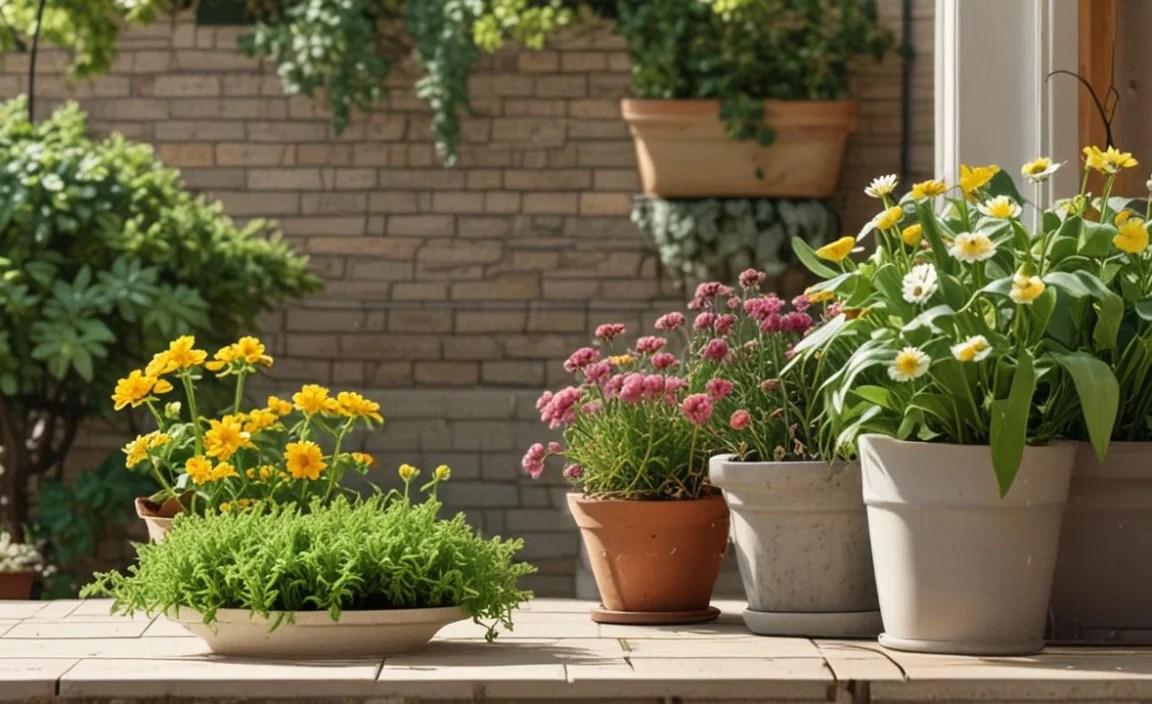
Soil is the foundation of your garden. It provides plants with nutrients and water. Gardening 101 for beginners teaches you that not all soil is the same. Some soil is sandy. It drains water quickly. Other soil is clay-like. It holds water well. The best soil is a mix of both. It is called loam. You can improve your soil by adding compost. Compost is made from decayed organic matter. It adds nutrients to the soil and helps it hold water. You can make your own compost at home. Or, you can buy it at a garden store.
- Soil provides plants with essential nutrients.
- Compost improves soil structure and fertility.
- Sandy soil drains quickly and needs more water.
- Clay soil holds water well but can be compacted.
- Loam is a balanced mix of sand, silt, and clay.
Understanding your soil is key to successful gardening. You can test your soil to see what it needs. A soil test will tell you the pH level. The pH level measures how acidic or alkaline your soil is. Most plants prefer a slightly acidic soil. You can adjust the pH level by adding lime or sulfur. Compost is a great way to improve your soil. It adds nutrients and helps it hold water. It also improves the soil structure. This makes it easier for plant roots to grow.
Fun Fact or Stat: One teaspoon of healthy soil can contain more microorganisms than there are people on Earth!
Types of Soil
There are three main types of soil: sandy, clay, and loam. Sandy soil is light and drains quickly. It is easy to dig but doesn’t hold water well. Clay soil is heavy and holds water well. It can be hard to dig and can become compacted. Loam is a mix of sand, silt, and clay. It is the best type of soil for gardening. It drains well but also holds enough water. You can improve any type of soil by adding compost.
Making Your Own Compost
Making your own compost is easy and fun. You can use kitchen scraps like fruit and vegetable peels. You can also use yard waste like leaves and grass clippings. Layer the green materials with brown materials. Green materials are things like food scraps and grass clippings. Brown materials are things like leaves and cardboard. Turn the compost pile regularly. This will help it decompose faster. In a few months, you will have rich, dark compost to add to your garden.
Testing Your Soil’s pH
Testing your soil’s pH is important for healthy plants. You can buy a soil test kit at a garden store. Follow the instructions on the kit. The test will tell you the pH level of your soil. Most plants prefer a pH between 6.0 and 7.0. If your soil is too acidic, you can add lime. If your soil is too alkaline, you can add sulfur. Adjusting the pH level will help your plants grow better.
Fun Fact or Stat: Adding coffee grounds to your compost pile can help increase its acidity!
Watering and Sunlight Needs
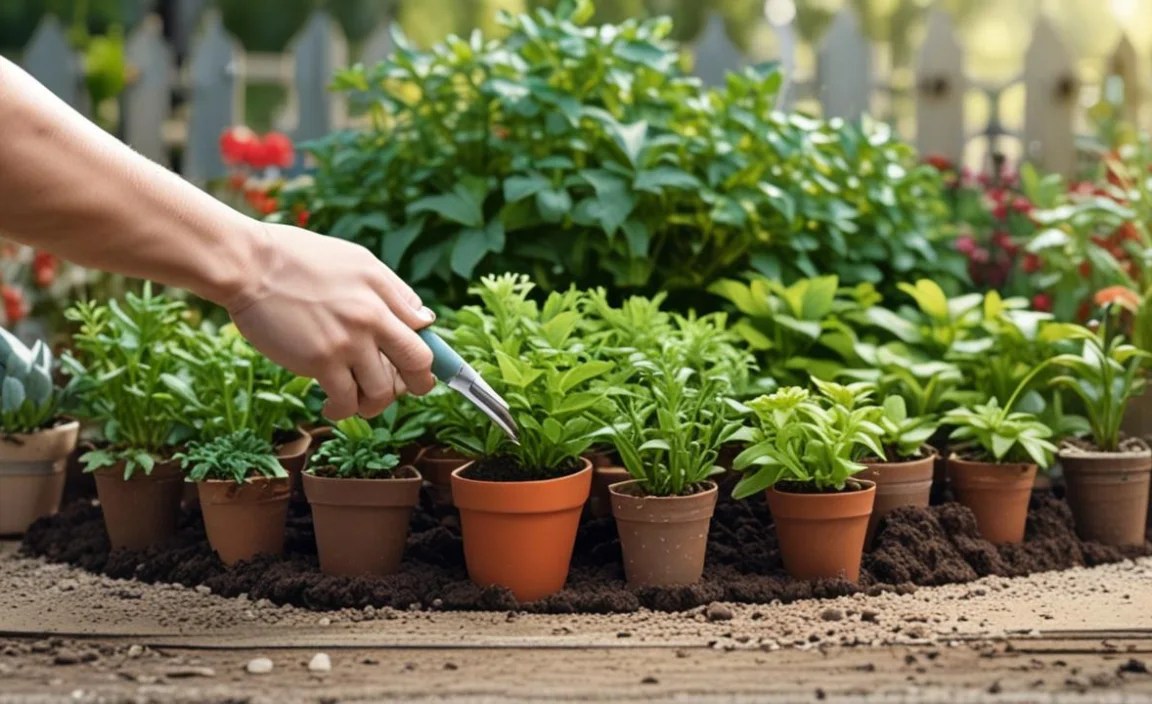
Water and sunlight are essential for plant growth. Plants need water to transport nutrients from the soil. They also need sunlight to make food through photosynthesis. Gardening 101 for beginners emphasizes that different plants have different needs. Some plants need a lot of water. Others need very little. Some plants need full sun. Others prefer shade. It is important to know the needs of your plants. Water your plants regularly. Check the soil to see if it is dry. Water deeply when you water. This encourages deep root growth.
- Water is essential for transporting nutrients.
- Sunlight is needed for photosynthesis.
- Different plants have different water needs.
- Water deeply and less frequently.
- Check soil moisture before watering.
Overwatering can be just as bad as underwatering. Overwatering can lead to root rot. Root rot is a disease that can kill your plants. Make sure your soil drains well. If your soil is too heavy, add compost or sand. Water in the morning. This gives the plants time to dry out during the day. This will help prevent diseases. Pay attention to the weather. You may need to water more often during hot, dry weather. You may need to water less often during cool, rainy weather.
Fun Fact or Stat: Plants are about 90% water!
How Much Water Is Enough?
Knowing how much water your plants need is key. Check the soil moisture before watering. Stick your finger into the soil. If the top inch is dry, it is time to water. Water deeply and less frequently. This encourages deep root growth. Deep roots help plants survive dry periods. Avoid watering lightly every day. This can lead to shallow roots. Shallow roots are more likely to dry out.
Understanding Sunlight Requirements
Plants need sunlight to make food. Different plants need different amounts of sunlight. Full sun means at least six hours of direct sunlight per day. Partial sun means four to six hours of direct sunlight per day. Shade means less than four hours of direct sunlight per day. Read the plant labels to find out how much sunlight your plants need. Choose a spot in your garden that meets their needs.
Using Mulch to Conserve Water
Mulch is a layer of material that you put on top of the soil. It helps conserve water by reducing evaporation. It also helps suppress weeds. You can use organic mulch like wood chips or straw. Or, you can use inorganic mulch like gravel or plastic. Apply a layer of mulch around your plants. Be careful not to pile it up against the stems. This can lead to rot. Mulch will help keep your soil moist and your plants healthy.
Fun Fact or Stat: Mulch can reduce water evaporation from the soil by up to 50%!
Dealing with Pests and Weeds

Pests and weeds can be a problem in any garden. Pests are insects or animals that eat your plants. Weeds are unwanted plants that compete with your plants for resources. Gardening 101 for beginners teaches you how to deal with these problems. There are many ways to control pests and weeds. You can use natural methods or chemical methods. Natural methods are often safer for the environment. They include things like hand-picking pests and using beneficial insects. Chemical methods can be effective. But they can also harm beneficial insects and pollute the environment.
- Pests eat plants and spread diseases.
- Weeds compete with plants for resources.
- Hand-picking pests is a natural method.
- Beneficial insects eat harmful pests.
- Weeding regularly prevents weeds from spreading.
The best way to control pests and weeds is to prevent them in the first place. Keep your garden clean and healthy. Remove any dead leaves or plants. This will help prevent diseases. Water your plants regularly. Healthy plants are more resistant to pests and diseases. Weed your garden regularly. This will prevent weeds from spreading. Use mulch to suppress weeds. Monitor your plants for pests. If you see pests, take action quickly.
Fun Fact or Stat: Some plants, like marigolds, can repel certain pests naturally!
Identifying Common Garden Pests
Knowing which pests are common in your area is helpful. Aphids are small, soft-bodied insects that suck plant sap. They can cause leaves to curl and distort. Caterpillars are the larvae of moths and butterflies. They eat leaves and can defoliate plants. Slugs and snails are slimy creatures that eat leaves and fruits. Japanese beetles are metallic green beetles that eat leaves and flowers. Identifying these pests will help you choose the right control methods.
Natural Pest Control Methods
There are many natural ways to control pests. Hand-picking pests is a simple method. Just remove the pests from your plants and drop them into a bucket of soapy water. Beneficial insects like ladybugs and lacewings eat harmful pests. You can attract them to your garden by planting flowers that they like. Insecticidal soap and neem oil are natural pesticides that can kill pests. Use them according to the instructions on the label.
Preventing Weed Growth
Preventing weed growth is easier than trying to get rid of weeds. Use mulch to suppress weeds. Mulch blocks sunlight and prevents weed seeds from germinating. Weed your garden regularly. Pull weeds out by the roots. This will prevent them from growing back. Avoid using herbicides. Herbicides can harm your plants and pollute the environment. A healthy garden is less likely to be invaded by weeds.
Fun Fact or Stat: Some weeds can release thousands of seeds, making prevention crucial!
Harvesting and Enjoying Your Garden
Harvesting is the best part of gardening 101 for beginners. It is when you get to enjoy the fruits (or vegetables) of your labor. Knowing when to harvest is important. Different plants have different harvesting times. Some vegetables are ready to harvest when they are a certain size. Others are ready when they change color. Pick your vegetables when they are ripe and at their peak flavor. Handle your vegetables gently. They can bruise easily. Store your vegetables properly to keep them fresh. Eat your vegetables as soon as possible for the best flavor.
- Harvesting is the reward for your hard work.
- Harvest at the right time for best flavor.
- Handle vegetables gently to avoid bruising.
- Store vegetables properly to keep them fresh.
- Enjoy the taste of homegrown vegetables.
Gardening is a great way to connect with nature. It is also a great way to eat healthy food. Growing your own vegetables is satisfying. You know where your food comes from. You know that it is fresh and healthy. Share your harvest with friends and family. They will appreciate the taste of homegrown vegetables. Gardening is a gift that keeps on giving. It is a fun and rewarding hobby that you can enjoy for years to come.
Fun Fact or Stat: Homegrown vegetables often have more nutrients than store-bought ones!
Knowing When to Harvest
Knowing when to harvest is key to getting the best flavor. Tomatoes are ready to harvest when they are fully colored and slightly soft to the touch. Lettuce is ready to harvest when the leaves are big enough to eat. Carrots are ready to harvest when they are the size you want. Herbs can be harvested anytime. Just snip off the leaves you need. Read about each plant so you know when to harvest them.
Storing Your Harvest
Storing your harvest properly will keep it fresh longer. Some vegetables, like tomatoes and peppers, can be stored at room temperature. Others, like lettuce and carrots, should be stored in the refrigerator. Wrap leafy greens in a damp paper towel before storing them. This will help keep them crisp. Store potatoes and onions in a cool, dark place. Avoid storing them near each other. They can cause each other to spoil faster.
Sharing Your Garden’s Bounty
Sharing your garden’s bounty is a great way to spread joy. Give your friends and family some of your homegrown vegetables. They will appreciate the fresh, delicious taste. You can also donate your extra vegetables to a local food bank. This will help people in need. Gardening is a gift that you can share with others. It is a way to connect with your community and make a difference.
Fun Fact or Stat: Sharing your harvest can help reduce food waste and promote healthy eating!
Planning Your Garden Layout
Planning your garden layout is important for success. Think about how much space you have. Think about how much sunlight different areas get. Gardening 101 for beginners suggests drawing a map of your garden. This will help you visualize where to plant things. Group plants together based on their needs. Put plants that need full sun in the sunniest spot. Put plants that need shade in a shady spot. Consider the height of your plants. Plant taller plants in the back. Plant shorter plants in the front. This will prevent the taller plants from blocking the sunlight.
| Plant Type | Sunlight Needs | Water Needs | Spacing |
|---|---|---|---|
| Tomatoes | Full Sun | Regular | 24-36 inches |
| Lettuce | Partial Sun | Regular | 6-12 inches |
| Carrots | Full Sun | Regular | 2-3 inches |
| Basil | Full Sun | Regular | 12 inches |
| Spinach | Partial Sun | Regular | 6 inches |
- Map out your garden space before planting.
- Group plants with similar needs together.
- Consider plant height when planning layout.
- Use companion planting to benefit plants.
- Leave enough space between plants for growth.
Companion planting is a technique where you plant certain plants together. Some plants help each other grow. For example, basil helps repel pests from tomatoes. Marigolds help repel pests from many plants. Carrots and onions are also good companions. Onions repel carrot flies. Companion planting can help you grow a healthier garden. It can also reduce the need for pesticides. Do some research to find out which plants are good companions.
Fun Fact or Stat: Companion planting can increase crop yields by up to 20%!
Using Raised Beds
Raised beds are a great option for gardening. They are especially good if you have poor soil. Raised beds allow you to control the soil quality. You can fill them with a mix of compost and topsoil. Raised beds also make it easier to weed and water. They can also help prevent pests from reaching your plants. Build your raised beds out of wood or stone. Make them about 12 inches high. This will make it easier to work in your garden.
Creating a Vertical Garden
Vertical gardens are a great option for small spaces. They allow you to grow plants up a wall or fence. You can use hanging baskets, planters, or trellises. Vertical gardens are a great way to add greenery to your home. They can also help purify the air. Choose plants that are well-suited to vertical growing. Strawberries, herbs, and lettuce are good choices.
Companion Planting Strategies
Companion planting is a great way to improve your garden’s health. Plant basil near tomatoes to repel pests. Plant marigolds near many plants to repel pests. Plant carrots and onions together. The onions will repel carrot flies. Plant beans near corn. The beans will provide nitrogen to the soil. Do some research to find out which plants are good companions. This will help you grow a healthier and more productive garden.
Fun Fact or Stat: Some companion plants can even improve the flavor of their neighbors!
Summary
Gardening 101 for beginners is a fun and rewarding hobby. It allows you to connect with nature. It also allows you to grow your own healthy food. Starting a garden can seem daunting, but it is easier than you think. Find a sunny spot, prepare the soil, and choose your plants. Water your plants regularly and protect them from pests and weeds. Harvest your vegetables when they are ripe and enjoy the taste of homegrown food. Gardening is a gift that keeps on giving.
With a little bit of planning and effort, you can create a beautiful and productive garden. Remember to start small and learn as you go. Don’t be afraid to experiment and try new things. Gardening is a journey, not a destination. Enjoy the process and celebrate your successes. Soon, you will be a gardening expert!
Conclusion
Starting a garden is a wonderful adventure. You can grow your own food and enjoy nature. It takes a little work, but it’s worth it. Remember the basics of gardening 101 for beginners. Find a sunny spot, prepare the soil, and water your plants. Protect them from pests and weeds. You’ll have a beautiful garden in no time. Enjoy the process and have fun!
Frequently Asked Questions
Question No 1: What is the best time of year to start a garden?
Answer: The best time to start a garden depends on your location and climate. In general, spring and fall are good times to start a garden. The weather is mild, and the soil is moist. You can also start a garden indoors in the winter. This allows you to get a head start on the growing season. Research the best time to plant specific vegetables in your area. This will help you have a successful garden. Many resources online and at your local gardening center can give regional advice for gardening 101 for beginners.
Question No 2: How do I choose the right plants for my garden?
Answer: Choose plants that are well-suited to your climate and soil. Consider the amount of sunlight your garden receives. Some plants need full sun, while others prefer shade. Read the plant labels to find out their needs. Talk to someone at a local garden store for advice. They can help you choose plants that will thrive in your area. Starting with easy-to-grow plants is a great way to ease into gardening 101 for beginners and gain confidence.
Question No 3: How often should I water my plants?
Answer: Water your plants regularly, but don’t overwater them. Check the soil moisture before watering. Stick your finger into the soil. If the top inch is dry, it is time to water. Water deeply and less frequently. This encourages deep root growth. Avoid watering lightly every day. This can lead to shallow roots. Pay attention to the weather. You may need to water more often during hot, dry weather.
Question No 4: How do I get rid of pests in my garden?
Answer: There are many ways to control pests in your garden. You can use natural methods or chemical methods. Natural methods are often safer for the environment. They include things like hand-picking pests and using beneficial insects. Chemical methods can be effective, but they can also harm beneficial insects and pollute the environment. Prevention is the best way to control pests. Keep your garden clean and healthy. Water your plants regularly. Weed your garden regularly.
Question No 5: What is compost, and why is it important?
Answer: Compost is decayed organic matter. It is made from things like leaves, food scraps, and grass clippings. Compost is a great way to improve your soil. It adds nutrients and helps it hold water. It also improves the soil structure. This makes it easier for plant roots to grow. You can make your own compost at home. Or, you can buy it at a garden store. Adding compost is a key step in gardening 101 for beginners.
Question No 6: Can I grow a garden if I only have a small space?
Answer: Yes, you can definitely grow a garden even if you only have a small space. Container gardening is a great option for small spaces. You can grow plants in pots, planters, or hanging baskets. Vertical gardening is another great option. It allows you to grow plants up a wall or fence. Choose plants that are well-suited to small spaces. Herbs, lettuce, and strawberries are good choices. Even with limited space, you can apply the tips from gardening 101 for beginners and enjoy fresh, homegrown produce.
