Did you know that moths are important? They help pollinate flowers. They also feed birds and other animals. What if you could help moths? You can! It’s called gardening for moths. It’s a fun way to help nature.
Key Takeaways
- Gardening for moths supports these important creatures and boosts local ecosystems.
- Plant native plants that moths love to eat as caterpillars and butterflies.
- Avoid using pesticides, which can harm moths and other helpful insects.
- Provide a water source, like a shallow dish of water with pebbles.
- Leave some leaf litter for moths to safely pupate during the winter.
Why Gardening for Moths Matters

Moths are often overlooked. But they are very important. They pollinate plants at night. They are also a food source for other animals. Birds, bats, and lizards eat moths. Gardening for moths helps these creatures. It provides them with food and shelter. When you garden for moths, you help the whole ecosystem. You create a healthier environment for everyone. Even small gardens can make a big difference. Imagine lots of gardens working together. They can create a network of support for moths. This helps them thrive. It also makes our world a more beautiful place. When we protect moths, we protect our planet.
- Moths pollinate many plants.
- They are an important food source.
- Moths help balance the ecosystem.
- Gardening for moths supports biodiversity.
- Healthy moth populations indicate a healthy environment.
Many people do not know how important moths are. They only think about butterflies. But moths are just as important. They work hard at night. They pollinate flowers that butterflies miss. They also help control pests. Some moth caterpillars eat weeds. Without moths, our world would be very different. Gardening for moths is a way to say thank you. It’s a way to give back to these helpful creatures. By creating moth-friendly gardens, we ensure they continue to thrive. This benefits us all. It’s a small act with a big impact.
Fun Fact or Stat: Moths are among the most diverse organisms on Earth! There are over 160,000 species of moths.
Moths as Pollinators
Moths are great pollinators. They visit flowers at night. They carry pollen from one flower to another. Some flowers depend on moths for pollination. These flowers are often white or pale. They have a strong, sweet smell. This attracts moths in the dark. Gardening for moths helps these special plants. It makes sure they get pollinated. This allows them to produce seeds. The seeds grow into new plants. Moths and plants work together. They help each other survive. Without moths, many plants would disappear. They are a vital part of our ecosystem.
Moths as Food Source
Moths are a tasty meal for many animals. Birds, bats, and spiders eat moths. They need moths to survive. Moth caterpillars are also a good food source. They are full of protein. Birds feed caterpillars to their babies. This helps the baby birds grow strong. Gardening for moths ensures there are enough moths to go around. It supports the whole food chain. When we protect moths, we protect other animals too. It’s like a domino effect. One small action can have a big impact on the entire ecosystem.
Supporting Biodiversity
Biodiversity means having lots of different kinds of plants and animals. It is very important for a healthy planet. Gardening for moths helps support biodiversity. It provides food and shelter for moths. This attracts other animals to your garden. Birds come to eat the moths. Spiders come to catch them. Your garden becomes a mini-ecosystem. It’s full of life and activity. By planting native plants, you can create a habitat for many different species. This helps maintain a healthy and balanced environment. Even a small garden can make a big difference.
Choosing the Right Plants for Moths

The right plants are key for a moth garden. Native plants are the best choice. Moths evolved with these plants. They know how to use them. Native plants provide food for moth caterpillars. They also provide nectar for adult moths. Choose plants that bloom at night. These plants attract nocturnal moths. Look for plants with strong scents. Moths can smell them from far away. Plant a variety of plants. This provides food for different kinds of moths. Gardening for moths becomes much easier with the right plants. Your garden will become a moth paradise.
- Plant native trees and shrubs.
- Select plants that bloom at night.
- Choose plants with strong fragrances.
- Provide a variety of host plants.
- Include nectar-rich flowers for adult moths.
- Consider plants for different seasons.
When you choose plants for moths, think about the whole life cycle. Caterpillars need food to grow. Adult moths need nectar to drink. Plant host plants for caterpillars. These are the plants that caterpillars eat. Examples include oak, willow, and cherry trees. Plant nectar-rich flowers for adult moths. These flowers provide energy for moths. Examples include evening primrose and honeysuckle. Gardening for moths is about providing for all their needs. This ensures they have everything they need to thrive. A well-planned garden can support moths from caterpillar to adult.
Fun Fact or Stat: Many moth caterpillars are very picky eaters and only eat one or two types of plants!
Importance of Native Plants
Native plants are plants that grow naturally in your area. They are adapted to the local climate and soil. Moths have evolved with these plants. They know how to use them for food and shelter. Native plants require less water and fertilizer. They are also more resistant to pests and diseases. Gardening for moths with native plants is easier and more sustainable. You are creating a natural habitat for moths. This helps them thrive. Native plants support a healthy ecosystem. They are the best choice for any moth garden.
Host Plants for Caterpillars
Host plants are plants that moth caterpillars eat. Different moth species eat different plants. Do some research to find out which moths live in your area. Then, plant their favorite host plants. Examples include milkweed for monarch butterflies (which are technically moths!), oak trees for many moth species, and spicebush for spicebush swallowtail butterflies (also moths!). Providing host plants is essential for gardening for moths. Without them, caterpillars cannot grow and develop into adult moths. A good supply of host plants will attract many different moth species to your garden.
Nectar Sources for Adult Moths
Adult moths need nectar to survive. Nectar provides them with energy. They use this energy to fly and reproduce. Plant nectar-rich flowers in your garden. Choose flowers that bloom at night. These flowers attract nocturnal moths. Examples include evening primrose, honeysuckle, and moonflower. Gardening for moths requires providing a constant source of nectar. This ensures that adult moths have the energy they need to thrive. A well-stocked nectar bar will keep your moth garden buzzing with activity.
Creating a Moth-Friendly Habitat
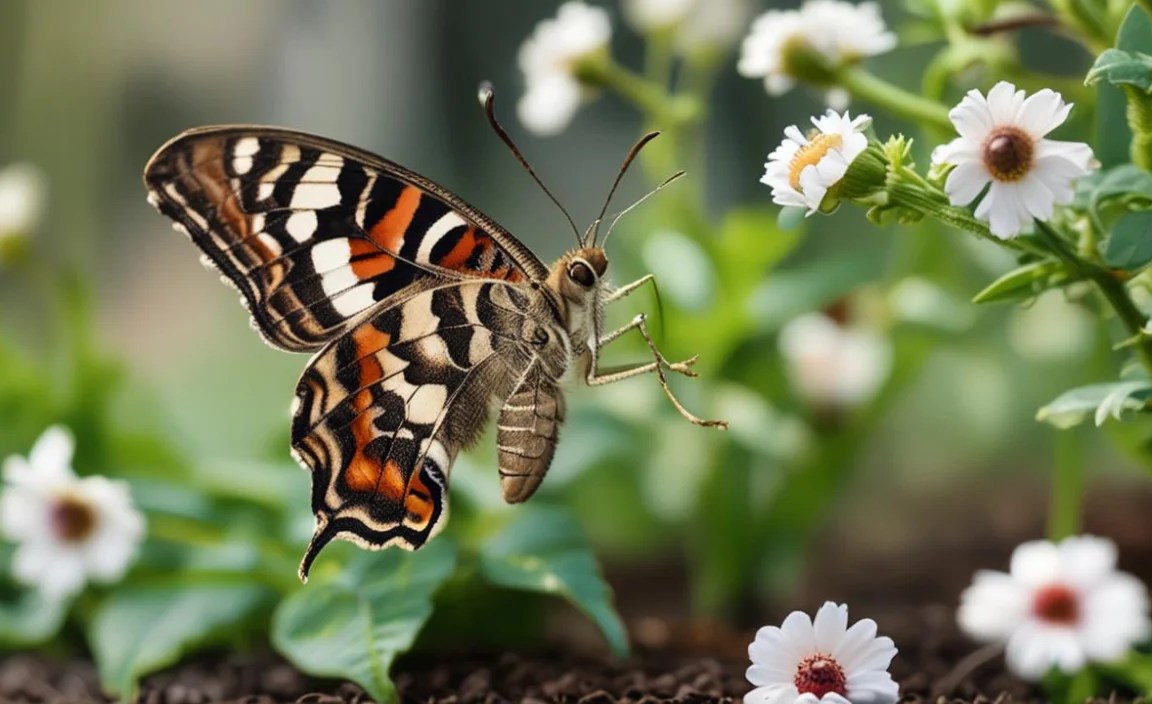
A moth-friendly habitat provides everything moths need. This includes food, water, and shelter. Avoid using pesticides. Pesticides can harm moths and other beneficial insects. Provide a water source. A shallow dish of water with pebbles works well. Leave some leaf litter. Moths can pupate in the leaf litter. Plant trees and shrubs. These provide shelter from the wind and sun. Gardening for moths is about creating a safe and welcoming environment. Your garden will become a haven for these important creatures.
- Avoid using pesticides in your garden.
- Provide a shallow dish of water.
- Leave some leaf litter for pupating moths.
- Plant trees and shrubs for shelter.
- Create a dark, quiet space for moths.
- Offer a sugar water feeder as a supplemental food source.
Think about the different stages of a moth’s life. Caterpillars need food. Adult moths need nectar. Pupae need a safe place to transform. Provide for all these needs in your garden. Plant host plants for caterpillars. Plant nectar-rich flowers for adult moths. Leave leaf litter or provide other sheltered areas for pupae. Gardening for moths is about creating a complete habitat. This ensures that moths can thrive from egg to adult. A well-designed garden supports the entire life cycle of these fascinating creatures.
Fun Fact or Stat: Some moths can fly over 100 miles to find a mate!
Avoiding Pesticides
Pesticides are chemicals that kill insects. But they can also harm moths. Even organic pesticides can be harmful. Avoid using pesticides in your garden. There are other ways to control pests. You can use natural predators. You can also hand-pick pests off your plants. Gardening for moths requires avoiding pesticides. This protects moths and other beneficial insects. A pesticide-free garden is a healthy garden. It supports a thriving ecosystem.
Providing Water
Moths need water to survive. They drink water to stay hydrated. Provide a shallow dish of water in your garden. Add pebbles or stones to the dish. This gives moths a place to land and drink safely. Change the water regularly to keep it clean. Gardening for moths includes providing a reliable water source. This helps moths stay healthy and hydrated. A simple dish of water can make a big difference in your moth garden.
Offering Shelter
Moths need shelter from the sun, wind, and rain. Plant trees and shrubs in your garden. These provide shelter for moths. Leave some leaf litter on the ground. This provides a place for moths to pupate. You can also create a dark, quiet space in your garden. This gives moths a place to rest during the day. Gardening for moths means providing safe and sheltered areas. This helps moths feel secure and protected. A well-sheltered garden is a welcoming home for moths.
Understanding Moth Life Cycles

Moths go through a process called metamorphosis. This means they change a lot during their lives. They start as eggs. The eggs hatch into caterpillars. Caterpillars eat and grow. Then, they turn into pupae. Pupae are often in a cocoon or chrysalis. Inside the pupa, the moth transforms. Finally, the pupa hatches into an adult moth. Understanding this cycle helps with gardening for moths. You can provide what they need at each stage. This helps them survive and thrive in your garden.
- Moths start as eggs.
- Eggs hatch into caterpillars.
- Caterpillars eat and grow.
- Caterpillars turn into pupae.
- Pupae transform into adult moths.
- Adult moths reproduce and lay eggs.
Each stage of the moth’s life cycle is important. Eggs need to be laid on the right host plant. Caterpillars need plenty of food to eat. Pupae need a safe place to transform. Adult moths need nectar to drink and mates to reproduce. Gardening for moths is about supporting each stage of this cycle. By providing the right resources, you can help moths complete their life cycle successfully. This ensures that your garden remains a vibrant home for these fascinating creatures.
Fun Fact or Stat: Some moths spend up to two years as caterpillars before they pupate!
The Egg Stage
The moth life cycle begins with the egg. Female moths lay their eggs on host plants. The eggs are often very small. They can be different colors and shapes. Some eggs look like tiny beads. Others look like miniature sculptures. Gardening for moths requires understanding where moths lay their eggs. Knowing which plants are host plants helps you protect the eggs. Avoid spraying these plants with pesticides. Let the eggs hatch naturally. This gives the caterpillars a chance to grow and thrive.
The Caterpillar Stage
The caterpillar stage is all about eating and growing. Caterpillars eat the leaves of their host plants. They grow very quickly. They shed their skin several times as they grow. This is called molting. Different caterpillars eat different plants. Gardening for moths involves providing a variety of host plants. This ensures that different caterpillar species have food to eat. A well-stocked caterpillar buffet will attract many different kinds of moths to your garden.
The Pupa Stage
The pupa stage is a time of transformation. The caterpillar turns into a pupa. The pupa is often in a cocoon or chrysalis. Inside the pupa, the caterpillar’s body changes. It transforms into an adult moth. The pupa stage can last for weeks or months. Gardening for moths requires providing a safe place for pupae. Leave leaf litter on the ground. This gives pupae a place to hide. Avoid disturbing pupae during this critical stage.
Observing Moths in Your Garden

Watching moths in your garden can be very fun. Go out at night with a flashlight. Look for moths on flowers. You can also set up a moth light. This is a light that attracts moths. You can identify the moths you see. There are many books and websites that can help. Gardening for moths gives you a chance to learn about nature. It’s a great way to connect with the environment. You might be surprised at the variety of moths you find.
- Use a flashlight to spot moths at night.
- Set up a moth light to attract moths.
- Identify the different moth species.
- Keep a journal of your observations.
- Take photos of the moths you see.
- Share your findings with others.
Learning about moths can be very rewarding. You can learn about their life cycles. You can learn about their host plants. You can learn about their role in the ecosystem. Gardening for moths is a great way to educate yourself. It’s also a way to educate others. Share your knowledge with your friends and family. Tell them about the importance of moths. Encourage them to plant moth-friendly gardens too. Together, we can create a network of support for these important creatures.
Fun Fact or Stat: Some moths have amazing camouflage that helps them blend in with their surroundings!
Using a Moth Light
A moth light is a light that attracts moths. Moths are attracted to light at night. You can buy a moth light or make your own. To make your own, simply hang a white sheet near a light source. The light will attract moths to the sheet. You can then observe the moths on the sheet. Gardening for moths is enhanced by using a moth light. It allows you to see the amazing diversity of moths that live in your area.
Identifying Moth Species
There are many different species of moths. Each species has its own unique characteristics. You can use books and websites to identify the moths you see. Look for information about their size, color, and markings. Pay attention to their host plants. This can help you narrow down the possibilities. Gardening for moths becomes more interesting when you can identify the different species. It’s like discovering a whole new world in your own backyard.
Keeping a Moth Journal
A moth journal is a great way to track your observations. Write down the date, time, and location of your sightings. Describe the moths you see. Note their size, color, and markings. Record their host plants. Gardening for moths is enhanced by keeping a journal. It helps you learn more about the moths in your garden. It also provides a valuable record of your observations. Over time, you can see how your garden is supporting moth populations.
Dealing with Common Gardening Issues
Sometimes, things can go wrong in the garden. Pests might attack your plants. Diseases might spread. Weeds might take over. It’s important to deal with these issues without harming moths. Avoid using pesticides. Use natural methods to control pests. Water your plants regularly. Remove weeds by hand. Gardening for moths requires a careful approach. You want to protect your plants and the moths that depend on them.
| Issue | Solution |
|---|---|
| Pests | Use natural predators or hand-pick pests. |
| Diseases | Water plants at the base and provide good air circulation. |
| Weeds | Remove weeds by hand or use mulch. |
| Lack of Water | Water plants regularly, especially during dry periods. |
| Poor Soil | Add compost or other organic matter to improve soil. |
- Use natural pest control methods.
- Water plants regularly and deeply.
- Remove weeds by hand or with tools.
- Improve soil with compost and mulch.
- Choose disease-resistant plant varieties.
Remember, gardening for moths is about creating a healthy ecosystem. A healthy ecosystem is more resistant to pests and diseases. Encourage beneficial insects in your garden. These insects can help control pests. Provide good air circulation for your plants. This helps prevent diseases. Improve your soil with compost and mulch. This helps your plants grow strong and healthy. A well-maintained garden is a happy garden for both plants and moths.
Fun Fact or Stat: Compost can help your plants grow and also provide habitat for beneficial insects.
Natural Pest Control
Natural pest control methods are safe for moths. They don’t harm the environment. You can use beneficial insects to control pests. Ladybugs eat aphids. Praying mantises eat caterpillars. You can also use homemade pest sprays. Mix water with soap and spray it on your plants. This can help control aphids and other pests. Gardening for moths requires using natural pest control. This protects moths and other beneficial insects from harm.
Watering Techniques
Watering plants properly is important. Water plants at the base. Avoid getting water on the leaves. This can help prevent diseases. Water deeply but less often. This encourages roots to grow deep. Water in the morning. This gives the leaves time to dry before nightfall. Gardening for moths requires using good watering techniques. Healthy plants are more resistant to pests and diseases. They also provide better food and shelter for moths.
Weed Management
Weeds compete with your plants for resources. They can also harbor pests and diseases. Remove weeds by hand. Use a hoe or other gardening tool. Mulch can help prevent weeds from growing. Spread a layer of mulch around your plants. This blocks sunlight and prevents weeds from sprouting. Gardening for moths requires good weed management. A weed-free garden is a healthier garden for both plants and moths.
Summary
Gardening for moths is a fun and rewarding activity. It helps support these important creatures. Moths pollinate plants and provide food for other animals. By planting native plants, avoiding pesticides, and providing water, you can create a moth-friendly habitat. You can also observe moths in your garden and learn about their life cycles. Remember to deal with common gardening issues in a way that doesn’t harm moths. A well-maintained garden is a happy home for both plants and moths.
Creating a moth garden is beneficial for the whole ecosystem. It helps support biodiversity and creates a healthier environment. Even a small garden can make a big difference. So, start planning your moth garden today! You’ll be amazed at the variety of moths you attract.
Conclusion
Gardening for moths is a wonderful way to connect with nature. It provides food and shelter for these important insects. You can create a beautiful and thriving garden by choosing the right plants, avoiding pesticides, and providing water. Remember to observe the moths in your garden and learn about their fascinating life cycles. Even small actions can make a big difference in supporting moth populations. So, get started today and enjoy the beauty and benefits of a moth-friendly garden.
Frequently Asked Questions
Question No 1: Why is gardening for moths important?
Answer: Gardening for moths is important because moths are vital pollinators and a food source for many animals. They pollinate flowers at night, which helps plants reproduce. Birds, bats, and other animals eat moths and their caterpillars. By providing food and shelter for moths, you are helping to support the entire ecosystem. Plus, it’s a fun and educational activity!
Question No 2: What are some good plants to include in a moth garden?
Answer: Native plants are the best choice for a moth garden. These plants have evolved with moths and provide the food and shelter they need. Some good options include oak trees, willow trees, cherry trees, evening primrose, honeysuckle, and moonflower. Be sure to choose plants that bloom at night to attract nocturnal moths. Also, consider plants that serve as both host plants for caterpillars and nectar sources for adult moths. This will provide a complete diet for the moths in your garden.
Question No 3: How can I attract moths to my garden?
Answer: There are several ways to attract moths to your garden. First, plant the right plants. Choose native plants that are known to attract moths. Second, avoid using pesticides. Pesticides can harm moths and other beneficial insects. Third, provide a water source. A shallow dish of water with pebbles works well. Fourth, set up a moth light. This will attract moths from far away. Finally, leave some leaf litter on the ground. This provides a place for moths to pupate.
Question No 4: What if pests are eating my plants?
Answer: If pests are eating your plants, avoid using pesticides. There are other ways to control pests without harming moths. You can use natural predators, such as ladybugs and praying mantises. You can also hand-pick pests off your plants. Another option is to use homemade pest sprays. Mix water with soap and spray it on your plants. This can help control aphids and other pests. Gardening for moths means finding solutions that don’t harm these important insects.
Question No 5: How can I learn more about moths?
Answer: There are many ways to learn more about moths. You can read books about moths. You can visit websites about moths. You can also join a local nature group or gardening club. These groups often have experts who can teach you about moths. Another great way to learn is by observing moths in your own garden. Gardening for moths is a hands-on way to learn about these fascinating creatures.
Question No 6: Is gardening for moths difficult?
Answer: No, gardening for moths is not difficult. It’s similar to regular gardening, but with a focus on providing for moths. The key is to choose the right plants and avoid using harmful chemicals. With a little planning and effort, you can create a beautiful and thriving garden that supports moth populations. It’s a rewarding activity that benefits both you and the environment. Plus, it’s a great way to learn about nature and connect with the world around you.
