Do you love yummy veggies? Do you have a tiny yard? Maybe you live in an apartment. You can still grow your own food! It’s called gardening for small spaces. This means you can garden anywhere. Let’s learn how!
Gardening for small spaces lets you grow plants. You do not need a big yard. It is fun and easy to start. Ready to become a mini-gardener?
Key Takeaways
- Gardening for small spaces lets you grow fresh food even without a yard.
- Choose the right plants and containers to make the most of your space.
- Vertical gardens and hanging baskets are great for small areas.
- Make sure your plants get enough sunlight and water to thrive.
- Start small and have fun learning as you grow your own garden.
Understanding Gardening for Small Spaces

Gardening for small spaces is perfect for city kids. You can grow plants on balconies. You can use windowsills too. Even a small patio works great. The key is to be smart about space. Think about what you want to grow. Some plants need more room than others. Herbs and lettuce are good choices. They don’t need much space. Tomatoes and peppers can grow in pots. With a bit of planning, anyone can have a garden. You can enjoy fresh veggies all season long. It is also a great way to learn about nature. Get your hands dirty and have fun!
- Use containers of different sizes.
- Grow herbs on your windowsill.
- Try growing tomatoes in pots.
- Plant lettuce in a small box.
- Add flowers to attract bees.
Choosing the right containers is key. Pots, planters, and even old buckets can work. Make sure they have holes for water to drain. Good soil is also important. You can buy potting mix at a store. It helps plants grow strong. Think about sunlight too. Most veggies need at least six hours of sun each day. Place your garden where it will get enough light. Water your plants regularly. Check the soil to see if it’s dry. Gardening for small spaces is easy and fun. You’ll be eating fresh veggies in no time. It is also a great way to help the environment.
What Makes a Space Small?
What does “small space” really mean? It could be a balcony. Maybe it’s a patio. It might even be a windowsill. Small spaces don’t have much room. That’s why you need to be smart. You have to use every inch wisely. Think vertical! Can you hang planters? Use walls to grow plants up. Small spaces can be challenging. But they can also be rewarding. You can create a beautiful garden. Even in the tiniest spot. Gardening for small spaces is all about creativity. It’s about making the most of what you have. So, don’t let a small space stop you. Start planting today!
Why Choose Small Space Gardening?
Why should you try gardening for small spaces? It’s easier than a big garden. You don’t have to dig up a lot of ground. You don’t need a lot of tools. It’s also good for the environment. You can grow your own food. That means less food from the store. Less travel for your food. Plus, it’s fun! You get to watch plants grow. You get to eat yummy veggies. Gardening for small spaces is a great way to learn. You learn about plants. You learn about nature. So, give it a try. You might be surprised at how much you love it.
Who Can Benefit from It?
Who can enjoy gardening for small spaces? Anyone! If you live in an apartment, you can. If you have a small yard, you can too. Even if you just have a windowsill, you can garden. Kids can do it. Adults can do it. Grandparents can do it. It’s for everyone! You don’t need to be an expert. You just need to want to grow plants. Gardening for small spaces is a great hobby. It’s relaxing and fun. It’s also a way to connect with nature. So, no matter who you are, give it a try. You might find your new favorite thing to do.
Fun Fact or Stat: Did you know that you can grow over 100 pounds of vegetables in a 10×10 foot garden?
Choosing the Right Plants

Picking the right plants is super important. Some plants grow big and need lots of room. Others stay small and do well in pots. Herbs like basil, mint, and thyme are great. They don’t take up much space. Lettuce and spinach are also good choices. They grow quickly. For veggies, try cherry tomatoes or peppers. They can grow in containers. Strawberries are fun to grow too. They can even grow in hanging baskets. Think about what you like to eat. Then choose plants that will grow well in your space. Gardening for small spaces means picking plants that fit. It is about making the most of your limited area. So, choose wisely and have fun!
- Basil grows well in pots.
- Mint can spread quickly, so keep it in a container.
- Cherry tomatoes are perfect for small gardens.
- Lettuce grows fast and is easy to harvest.
- Strawberries can be grown in hanging baskets.
- Spinach likes cool weather.
Consider the amount of sunlight your space gets. Some plants need full sun. That means at least six hours of sunlight each day. Others can handle partial shade. If you don’t have much sun, choose shade-tolerant plants. Also, think about the size of the plant when it’s fully grown. A tiny seedling can turn into a huge plant. Make sure your container is big enough. Read the plant labels carefully. They will tell you how much space the plant needs. Gardening for small spaces is all about planning. With the right plants, you’ll have a thriving garden. It will be full of yummy veggies and herbs.
What are the Best Herbs?
Do you love to cook? Then herbs are perfect for your small garden! Basil is great for pasta. Mint is yummy in drinks. Thyme adds flavor to meat. Chives are good on potatoes. Parsley is a classic herb. All of these herbs grow well in pots. They don’t need much space. Plus, they smell amazing! You can keep them on a windowsill. Or on a balcony. Fresh herbs make any meal better. Gardening for small spaces lets you grow your own flavors. It’s easy and fun. So, start your herb garden today!
What Vegetables Work Best?
Want to grow your own veggies? Some are better for small spaces. Cherry tomatoes are a great choice. They grow well in pots. Lettuce is easy to grow. It doesn’t need much room. Peppers are also good for containers. Spinach grows quickly. It likes cool weather. Radishes are ready to eat in just a few weeks! Gardening for small spaces means picking smaller veggies. They are easy to manage. You will enjoy fresh, homegrown produce. It’s a fun and healthy hobby.
What About Fruits?
Can you grow fruit in a small space? Yes, you can! Strawberries are a great option. They can grow in hanging baskets. Blueberries can grow in pots. Just make sure they have acidic soil. Dwarf fruit trees are also available. They stay small and produce fruit. Imagine picking your own fresh fruit! Gardening for small spaces doesn’t limit you. You can grow fruits, veggies, and herbs. It’s all about choosing the right varieties. So, add some fruit to your garden today!
Fun Fact or Stat: A single tomato plant can produce up to 10 pounds of tomatoes in a season!
Choosing the Right Containers
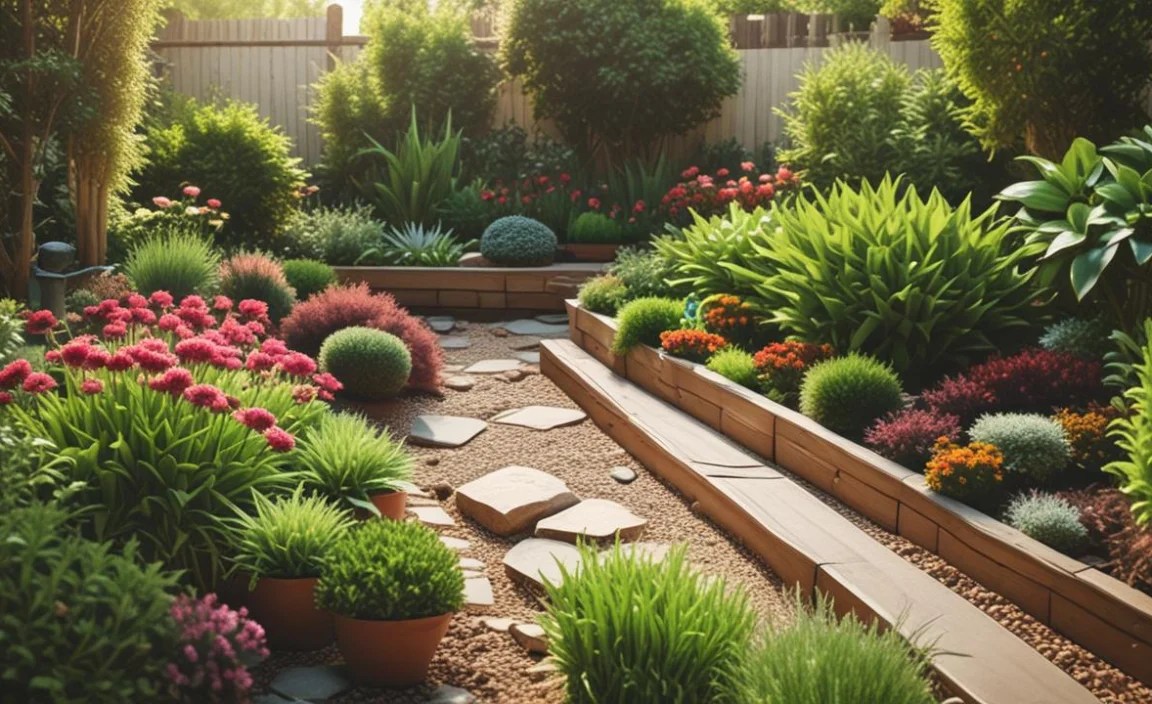
Containers are like homes for your plants. You need to choose them carefully. Pots, planters, and even buckets can work. Make sure they have drainage holes. This lets extra water escape. Without drainage, roots can rot. The size of the container matters too. Bigger plants need bigger pots. Smaller plants can grow in smaller containers. You can use plastic, clay, or ceramic pots. Plastic pots are lightweight. Clay pots can dry out faster. Ceramic pots can be decorative. Gardening for small spaces is all about making choices. Pick containers that fit your style and needs. They will help your plants thrive.
| Container Type | Pros | Cons |
|---|---|---|
| Plastic Pots | Lightweight, affordable, retains moisture | Can get brittle in the sun, less attractive |
| Clay Pots | Attractive, good drainage, breathable | Heavy, can dry out quickly, may crack in frost |
| Ceramic Pots | Decorative, durable, various styles | Heavy, expensive, may not drain well |
| Hanging Baskets | Saves space, good for trailing plants | Dries out quickly, requires frequent watering |
- Make sure your containers have drainage holes.
- Choose the right size container for your plant.
- Plastic pots are lightweight and affordable.
- Clay pots look nice but can dry out quickly.
- Hanging baskets save space and look pretty.
- Use potting mix, not garden soil, in containers.
Don’t forget about potting mix. This is special soil for containers. It’s lighter than garden soil. It also drains better. You can buy it at any garden store. Don’t use soil from your yard. It can be too heavy. It might also have bugs or diseases. Clean your containers before you use them. This helps prevent problems. With the right containers and soil, your plants will be happy. Gardening for small spaces is easier with the right supplies. Your plants will grow healthy and strong.
How Big Should Containers Be?
How big should your pots be? It depends on the plant! Small herbs need small pots. Big tomatoes need big pots. Read the plant label. It will tell you how much space the plant needs. A good rule is: the bigger, the better. But don’t go too big! A huge pot can hold too much water. This can hurt the plant. Gardening for small spaces is about balance. Choose the right size for your plants. They will thank you for it!
Where Can You Find Containers?
Where can you get containers? Garden stores have lots of options. You can also find them at hardware stores. Even some grocery stores sell pots. Don’t forget about thrift stores! You can find unique containers there. You can also reuse things you already have. Old buckets can become planters. So can old tires. Be creative! Gardening for small spaces can be budget-friendly. You don’t need to spend a lot of money. Just use what you have.
Can You Make Your Own Containers?
Want to save money? Make your own containers! Old tin cans can become planters. Just make sure to poke holes in the bottom. Plastic bottles can be cut and used as pots. Old shoes can even hold plants! Be creative. Decorate your homemade containers. Gardening for small spaces is all about being resourceful. You can turn trash into treasure. It’s good for the environment too. So, get crafty and make your own containers!
Fun Fact or Stat: Recycling old containers for gardening can reduce landfill waste by up to 20%!
Vertical Gardening Ideas

Do you have limited space? Grow up, not out! Vertical gardens are perfect for small areas. They use walls and fences to grow plants. You can use hanging baskets. You can also use stacked planters. Another idea is to build a living wall. This is a frame with pockets for plants. Vertical gardens look beautiful. They also save space. You can grow herbs, veggies, and flowers. Gardening for small spaces can be beautiful. Vertical gardens are a great way to add green. They also make your space feel bigger.
- Hang baskets from your balcony.
- Use stacked planters to grow herbs.
- Build a living wall with pockets for plants.
- Attach planters to a fence.
- Use a trellis for climbing plants like beans.
- Grow strawberries in a vertical tower.
Think about the weight of your vertical garden. Walls and fences can only hold so much. Use lightweight containers and soil. Water your vertical garden carefully. Water can run down the wall. This can damage the surface. Consider using a drip irrigation system. This delivers water slowly and evenly. Vertical gardens need sunlight too. Make sure your plants get enough light. Gardening for small spaces can be creative. Vertical gardens are a fun way to grow plants. They make your small space feel like a jungle.
What is a Living Wall?
Have you ever seen a living wall? It’s a wall covered in plants! You can build one yourself. You need a frame. Then add pockets for plants. You can use fabric or plastic for the pockets. Fill the pockets with soil. Then plant your plants. Living walls look amazing! They bring nature to your space. Gardening for small spaces can be artistic. A living wall is like a piece of art. It’s also good for the air. Plants clean the air. So, a living wall is both beautiful and healthy.
How to Use Hanging Baskets?
Hanging baskets are great for small spaces. You can hang them from a balcony. You can hang them from a porch. You can even hang them indoors. Choose plants that trail or spill. Petunias look beautiful in hanging baskets. Strawberries are also a good choice. Water your hanging baskets often. They can dry out quickly. Gardening for small spaces is easy with hanging baskets. They add color and life to any space.
What Plants Climb?
Some plants love to climb! Beans are a classic climbing plant. Peas also climb. Morning glories have beautiful flowers. Ivy can cover a wall. Use a trellis or support for climbing plants. They need something to hold onto. Climbing plants add height to your garden. Gardening for small spaces can be vertical. Climbing plants make the most of your space. They also add a touch of nature.
Fun Fact or Stat: Vertical gardens can improve air quality by removing up to 87% of airborne toxins!
Sunlight and Watering Tips
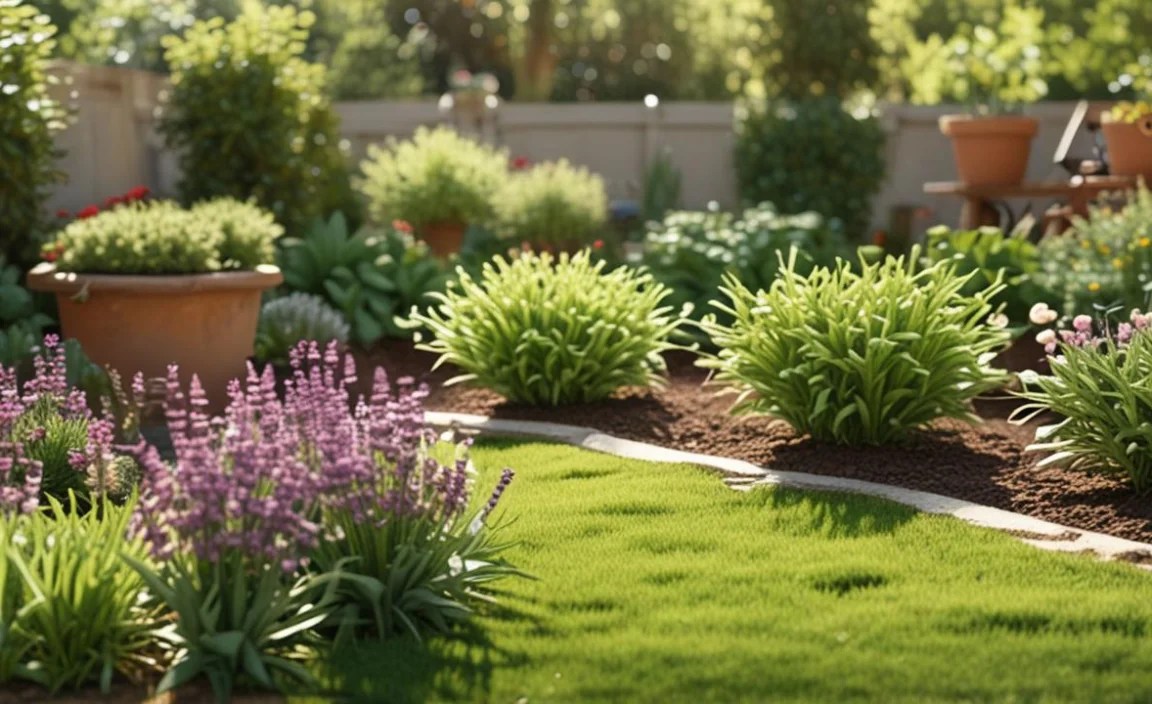
Sunlight and water are essential for plants. Without them, plants can’t grow. Most veggies need at least six hours of sunlight a day. Herbs can often handle less sun. Water your plants regularly. Check the soil to see if it’s dry. Stick your finger in the soil. If it feels dry, it’s time to water. Water deeply, until water comes out of the drainage holes. Don’t water too much! Overwatering can be just as bad as underwatering. Gardening for small spaces requires attention. You need to watch your plants. Make sure they are getting enough sun and water. They will reward you with yummy veggies.
- Most vegetables need at least six hours of sunlight.
- Check the soil moisture before watering.
- Water deeply until water drains out.
- Avoid overwatering your plants.
- Water in the morning to prevent disease.
- Use a watering can or hose with a gentle spray.
Think about the time of day you water. Watering in the morning is best. This gives the plants time to dry out during the day. Wet leaves can lead to diseases. Use a watering can or a hose with a gentle spray. Avoid spraying the leaves too much. Focus on watering the soil. If you live in a hot climate, you may need to water more often. Gardening for small spaces can be challenging. But with the right care, your plants will thrive. You will enjoy fresh, homegrown food.
How Much Sun is Enough?
How much sun do your plants need? It depends on the plant! Some plants need full sun. Others can handle partial shade. Full sun means at least six hours of sunlight a day. Partial shade means less than six hours. Check the plant label. It will tell you how much sun the plant needs. Gardening for small spaces means choosing the right plants. Pick plants that match your sunlight conditions. They will grow much better.
How Often Should You Water?
How often should you water your plants? There’s no one right answer. It depends on the weather. It depends on the plant. It depends on the soil. Check the soil moisture. Stick your finger in the soil. If it’s dry, water. If it’s wet, wait. Overwatering is a common mistake. It can kill your plants. Gardening for small spaces requires observation. Watch your plants. Learn their needs. They will tell you when they need water.
What is the Best Time to Water?
When is the best time to water? Morning is usually best. This gives the plants time to dry out. Watering in the evening can lead to diseases. Wet leaves overnight can cause problems. If you can’t water in the morning, water in the afternoon. Just try to avoid watering at night. Gardening for small spaces is about timing. Water at the right time. Your plants will be healthier.
Fun Fact or Stat: Plants watered in the morning are less likely to develop fungal diseases!
Dealing with Pests and Problems
Sometimes, bugs can be a problem in your garden. Aphids are tiny bugs that suck plant juice. Caterpillars can eat leaves. Slugs and snails can munch on your plants. There are ways to deal with these pests. You can pick them off by hand. You can spray your plants with soapy water. You can also use insecticidal soap. This is a special soap that kills bugs. Gardening for small spaces can have challenges. But don’t let pests ruin your fun. With a little effort, you can keep your plants healthy. You will enjoy your garden without bugs.
- Pick off bugs by hand.
- Spray plants with soapy water.
- Use insecticidal soap.
- Attract beneficial insects like ladybugs.
- Use row covers to protect plants.
- Check plants regularly for signs of pests.
Prevention is key. Keep your garden clean. Remove dead leaves and debris. This can attract pests. Attract beneficial insects. Ladybugs eat aphids. They are your friends! You can also use row covers. These are lightweight covers that protect plants from bugs. Check your plants regularly. Look for signs of pests. The sooner you catch a problem, the easier it is to fix. Gardening for small spaces is about being proactive. Take care of your plants. They will be healthy and happy.
What are Common Pests?
What bugs might you find in your garden? Aphids are tiny and green. They suck plant juice. Caterpillars eat leaves. Slugs and snails leave slimy trails. Whiteflies are small and white. They fly around your plants. These are some common pests. Learn to identify them. Then you can take action. Gardening for small spaces means knowing your enemies. You can protect your plants from harm.
How to Prevent Pests?
How can you keep pests away? Keep your garden clean. Remove dead leaves. Attract beneficial insects. Plant flowers that attract ladybugs. Use row covers to protect your plants. Check your plants regularly. Look for signs of problems. Gardening for small spaces is about prevention. Take steps to keep pests away. Your plants will thank you.
What are Natural Solutions?
Want to avoid chemicals? There are natural solutions. Soapy water kills aphids. Insecticidal soap is also a good option. Diatomaceous earth is a powder that kills bugs. It’s made from fossilized algae. Neem oil is a natural insecticide. It’s made from neem tree seeds. Gardening for small spaces can be organic. Use natural solutions to protect your plants. It’s better for the environment.
Fun Fact or Stat: Ladybugs can eat up to 50 aphids per day!
Harvesting and Enjoying Your Garden
The best part of gardening is harvesting! This means picking your veggies and herbs. When are they ready to pick? It depends on the plant. Lettuce is ready when the leaves are big enough. Tomatoes are ready when they are red and ripe. Herbs are ready when they have enough leaves. Harvest your plants regularly. This encourages them to produce more. Gardening for small spaces is rewarding. You get to eat fresh, homegrown food. It tastes so much better than store-bought food.
- Harvest lettuce when the leaves are big enough.
- Pick tomatoes when they are red and ripe.
- Harvest herbs regularly to encourage growth.
- Wash your harvest before eating.
- Store your harvest properly.
- Share your harvest with friends and family.
Wash your harvest before eating it. This removes dirt and bugs. Store your harvest properly. Lettuce and spinach should be stored in the refrigerator. Tomatoes can be stored on the counter. Herbs can be stored in water. Share your harvest with friends and family. Gardening is even more fun when you share. Gardening for small spaces brings people together. You can enjoy the fruits (and veggies) of your labor.
When to Harvest?
When is the right time to harvest? It depends on the plant! Lettuce is ready when the leaves are big enough. Tomatoes are ready when they are red and ripe. Herbs are ready when they have enough leaves. Read about your plants. Learn when they are ready to harvest. Gardening for small spaces requires knowledge. Know your plants. Harvest them at the right time.
How to Harvest?
How do you harvest your plants? Use scissors or a knife to cut lettuce leaves. Gently twist tomatoes off the vine. Snip herbs with scissors. Be careful not to damage the plant. Harvest gently. Gardening for small spaces is about care. Treat your plants with respect. They will reward you with yummy food.
How to Store Your Harvest?
How should you store your harvest? Lettuce and spinach go in the fridge. Tomatoes can stay on the counter. Herbs can be stored in water. Store your harvest properly. It will last longer. Gardening for small spaces means planning ahead. Know how to store your food. You will enjoy it for longer.
Fun Fact or Stat: Homegrown vegetables can have up to 50% more nutrients than store-bought ones!
Summary
Gardening for small spaces is a fun and easy way to grow your own food. You don’t need a big yard. You can use containers, vertical gardens, and hanging baskets. Choose the right plants for your space. Make sure they get enough sunlight and water. Protect them from pests. Harvest your plants when they are ready. Enjoy fresh, homegrown food. Gardening is a great way to connect with nature. It’s also good for the environment.
It is also a great way to learn about plants and nature. You can grow herbs, veggies, and fruits. You can garden on a balcony, patio, or windowsill. With a little planning, anyone can have a garden. Gardening for small spaces is a rewarding hobby. You can enjoy fresh food all season long.
Conclusion
Gardening for small spaces is a fantastic way to bring nature into your life. It does not matter if you have a tiny balcony or just a sunny windowsill. You can grow your own herbs, vegetables, and flowers. Choose the right plants and containers. Give them enough sunlight and water. Soon, you’ll be enjoying fresh, homegrown food. So, grab some soil and start planting today!
Frequently Asked Questions
Question No 1: What is gardening for small spaces?
Answer: Gardening for small spaces means growing plants in limited areas. This could be a balcony, patio, or even a windowsill. It’s perfect for people who live in apartments or have small yards. You can use containers, vertical gardens, and hanging baskets to make the most of your space. It’s a fun and easy way to grow your own food and flowers, no matter how much room you have.
Question No 2: What are the best plants for small space gardens?
Answer: Some of the best plants for small gardens include herbs like basil, mint, and thyme. These don’t need much space and grow well in pots. Vegetables like lettuce, spinach, and cherry tomatoes are also good choices. Strawberries can be grown in hanging baskets. Choose plants that fit your space and the amount of sunlight you have. With the right plants, gardening for small spaces can be very rewarding.
Question No 3: How do I choose the right containers for my plants?
Answer: When choosing containers, make sure they have drainage holes. This allows excess water to escape. The size of the container depends on the plant. Bigger plants need bigger pots. You can use plastic, clay, or ceramic pots. Plastic pots are lightweight and affordable. Clay pots look nice but can dry out quickly. Gardening for small spaces is easier with the right containers and the right size for each plant.
Question No 4: How much sunlight do my plants need?
Answer: Most vegetables need at least six hours of sunlight a day. Herbs can often handle less sun. Check the plant label to see how much sun your plants need. If you don’t have much sun, choose shade-tolerant plants. Place your garden in a spot that gets enough light. Gardening for small spaces requires knowing how much sun each plant requires.
Question No 5: How often should I water my plants?
Answer: There’s no one right answer. It depends on the weather, the plant, and the soil. Check the soil moisture before watering. Stick your finger in the soil. If it feels dry, it’s time to water. Water deeply, until water comes out of the drainage holes. Avoid overwatering your plants. Gardening for small spaces requires regular attention to watering. This will keep your plants healthy.
Question No 6: How do I deal with pests in my small garden?
Answer: There are several ways to deal with pests. You can pick them off by hand. Spray your plants with soapy water. Use insecticidal soap. Attract beneficial insects like ladybugs. Keep your garden clean. Remove dead leaves and debris. Gardening for small spaces is about being proactive with pests. Check your plants often and act fast if you find any pests.
