Do you like to eat yummy vegetables? Have you ever thought about growing your own? Gardening ideas for vegetables can turn your backyard into a tasty adventure. It is easier than you might think. Let’s explore how to grow your favorite veggies at home.
Growing your own food is fun. You also know exactly where your food comes from. Plus, fresh vegetables taste amazing. Imagine picking a ripe tomato right from your garden. Then you can make a super yummy salad. Gardening ideas for vegetables are a great way to get started.
Even if you don’t have much space, you can still garden. Many vegetables grow well in pots. You can put them on a balcony or patio. Starting small is a good idea. Then you can learn as you go. Soon, you will be a vegetable gardening pro. Let’s dig into some great ideas.
Key Takeaways
- Starting a vegetable garden is fun and provides fresh, healthy food at home.
- Choose vegetables that you enjoy eating to make your gardening experience rewarding.
- Consider your local climate and space when selecting the best gardening ideas for vegetables.
- Prepare your soil well and ensure proper watering and sunlight for healthy plant growth.
- Protect your plants from pests and diseases to ensure a bountiful harvest.

Easy Gardening Ideas for Vegetables
Starting a vegetable garden can feel like a big job. Where do you even begin? Don’t worry, it’s simpler than it looks. First, think about what you like to eat. Do you love tomatoes in your salad? Or maybe you enjoy crunchy cucumbers. Growing what you love will make gardening more fun. Next, check your space. Do you have a big backyard or just a small balcony? Some vegetables need lots of room. Others do well in small pots. Tomatoes, peppers, and herbs are good choices for beginners. They are easy to grow and taste great. Remember to give your plants plenty of sunshine. Most vegetables need at least six hours of sun each day. With a little planning, you can enjoy fresh, homegrown vegetables all season long.
- Start with easy-to-grow vegetables.
- Choose a sunny spot for your garden.
- Water your plants regularly.
- Use good quality soil.
- Protect plants from pests.
Now that you have a plan, let’s talk about soil. Good soil is the key to healthy plants. You can buy potting mix at a garden store. Or, you can mix your own. Add compost to your soil. Compost is made from old food scraps and leaves. It helps your plants grow strong. When you plant your vegetables, give them enough space. Read the seed packet to see how far apart to plant them. Water your plants regularly. Check the soil often. If it feels dry, it’s time to water. With a little care, your vegetables will thrive. You’ll be enjoying fresh, homegrown veggies in no time. Gardening ideas for vegetables can transform your meals.
Fun Fact or Stat: Did you know that tomatoes are actually fruits, not vegetables? They are often used like vegetables in cooking.
What Vegetables Grow Fastest?
Want to see quick results in your garden? Some vegetables grow much faster than others. Radishes are super speedy. You can harvest them in just a few weeks. Lettuce and spinach are also quick growers. You can start picking leaves in about a month. These are great options if you want to see progress fast. Plus, they are yummy in salads. Do you love a crunchy salad? Then plant some radishes, lettuce, and spinach. You will have fresh ingredients in no time. Fast-growing vegetables are perfect for impatient gardeners. They also make gardening more exciting. You can watch your plants grow quickly. This can be very rewarding. Try growing some quick vegetables today.
How Much Sun Do Vegetables Need?
Sunshine is super important for growing vegetables. Most vegetables need at least six hours of sun each day. Without enough sun, they won’t grow well. They might be small and weak. So, choose a sunny spot for your garden. Observe your yard during the day. See where the sun shines the most. That’s the best place for your vegetables. Some vegetables can tolerate a little less sun. But most prefer lots of sunshine. If you don’t have a sunny spot, you can use grow lights. These lights provide the light your plants need. They are a good option for indoor gardens. Make sure your vegetables get enough sun. They will thank you with a bountiful harvest.
Best Soil for Vegetable Gardens
The right soil is like a good foundation for your plants. It helps them grow strong and healthy. Vegetables like soil that is rich in nutrients. It should also drain well. This means water can flow through it easily. Soil that is too wet can rot the roots. You can buy special potting mix for vegetables. This is a good choice for container gardens. You can also improve your existing soil. Add compost, which is like a superfood for plants. It adds nutrients and helps the soil drain better. You can also add other things like peat moss or aged manure. Test your soil to see what it needs. Healthy soil means happy plants and lots of delicious vegetables.
Creative Container Gardening Ideas
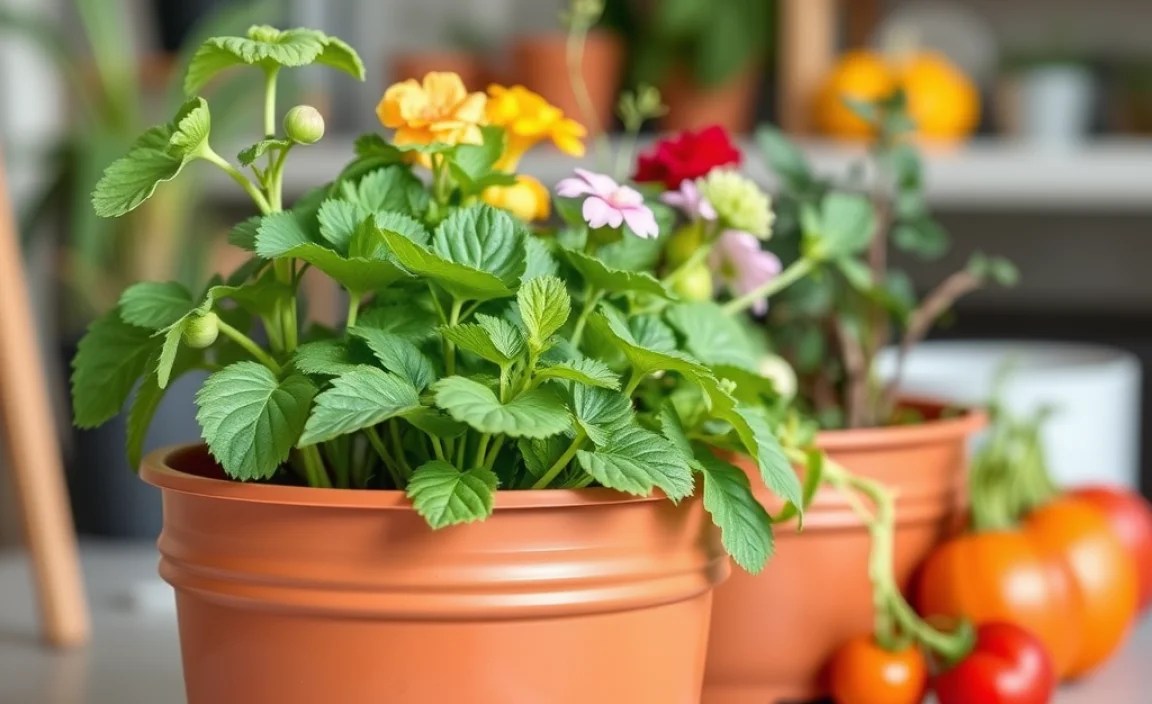
Don’t have a big backyard? No problem. You can still grow vegetables in containers. Container gardening is perfect for small spaces. Balconies, patios, and even windowsills can become gardens. The key is to choose the right containers. Make sure they have drainage holes. This lets extra water escape. You can use pots, buckets, or even old tires. Get creative. Next, choose the right soil. Potting mix is best for containers. It’s lightweight and drains well. Some vegetables do better in containers than others. Tomatoes, peppers, and herbs are great choices. They don’t need a lot of space. With container gardening, anyone can grow fresh vegetables. It’s a fun and easy way to enjoy homegrown food. Plus, gardening ideas for vegetables in containers are easy to move around.
- Use pots with drainage holes.
- Choose the right size container.
- Use potting mix, not garden soil.
- Water regularly, as containers dry out faster.
- Fertilize your plants to provide nutrients.
- Choose vegetables suitable for containers.
Watering is super important for container gardens. Containers dry out faster than garden beds. Check the soil every day. If it feels dry, it’s time to water. Water until you see water draining from the bottom of the pot. This means the soil is fully wet. Fertilizing is also important. Plants in containers need extra nutrients. Use a liquid fertilizer every few weeks. This will help them grow strong. Place your containers in a sunny spot. Most vegetables need at least six hours of sun. With a little care, your container garden will thrive. You will have fresh vegetables right outside your door. Container gardening ideas for vegetables make fresh food accessible.
Fun Fact or Stat: You can grow a surprising amount of food in a small container garden, even enough for a salad every day!
What are the Best Vegetables for Pots?
Some vegetables love growing in pots. Tomatoes are a popular choice. They come in different sizes. Bush varieties are best for containers. Peppers are also great in pots. They add color and flavor to your garden. Herbs like basil, mint, and thyme are easy to grow in containers. They are perfect for adding to your cooking. Salad greens like lettuce and spinach do well in pots too. Choose compact varieties that don’t need a lot of space. With the right vegetables, you can have a thriving container garden. Imagine picking fresh herbs and tomatoes right from your balcony. It’s a delicious and rewarding experience.
How Often Should I Water Container Plants?
Watering is key to keeping your container plants happy. How often you water depends on the weather. Hot, sunny days mean you need to water more often. Check the soil every day. If the top inch feels dry, it’s time to water. Water deeply until you see water draining from the bottom. This ensures the roots get enough moisture. Don’t let the soil dry out completely. This can stress your plants. Overwatering can also be a problem. Soggy soil can lead to root rot. So, check the soil before you water. With a little practice, you’ll get the hang of it. Your container plants will thrive with the right amount of water.
Choosing the Right Pot Size
The size of your pot matters. It affects how well your vegetables grow. Small pots dry out quickly. They also don’t provide enough room for roots. Large pots hold more water. But they can be heavy and hard to move. Choose a pot that’s the right size for your plant. Tomatoes and peppers need larger pots. Herbs and lettuce can grow in smaller pots. Check the plant tag for recommendations. Make sure the pot has drainage holes. This is important for preventing root rot. With the right pot size, your vegetables will have room to grow. They will be happy and healthy in their container home.

Vertical Gardening Ideas for Small Spaces
Limited space? Think vertical. Vertical gardening is a great way to grow vegetables. It uses walls and trellises to support plants. This saves space and looks beautiful. You can use a variety of structures. Pallets, hanging baskets, and stacked planters work well. Climbing vegetables like cucumbers and beans are perfect for vertical gardens. They grow up trellises and fences. Leafy greens like lettuce and spinach can be grown in vertical planters. Herbs also do well in vertical arrangements. Vertical gardening adds a unique touch to your space. It’s a creative way to maximize your growing area. Plus, gardening ideas for vegetables vertically are visually appealing.
- Use trellises for climbing plants.
- Hang baskets for herbs and flowers.
- Build a pallet garden for various vegetables.
- Use stacked planters for leafy greens.
- Consider wall-mounted planters for a decorative touch.
Building a vertical garden is easier than you think. You can repurpose old materials. Pallets make great vertical planters. Just add fabric to the back to hold the soil. Hanging baskets are simple to install. You can hang them from a fence or balcony. Stacked planters are also easy to use. Just fill them with soil and plants. When choosing plants, consider their size and growth habits. Climbing plants need support. Leafy greens and herbs can be grown in smaller spaces. Water your vertical garden regularly. The soil may dry out faster than in a traditional garden. With a little creativity, you can have a beautiful and productive vertical garden.
Fun Fact or Stat: Vertical gardens can improve air quality and reduce the temperature of walls, making your home more energy-efficient!
Best Climbing Vegetables for Trellises
Climbing vegetables are perfect for trellises. They add height and beauty to your garden. Cucumbers are a popular choice. They climb easily and produce lots of fruit. Beans are another great option. They come in different colors and varieties. Peas also climb well and produce tasty pods. Squash can be grown on trellises, but they need support. The fruits can get heavy. Choose sturdy trellises that can handle the weight. With the right climbing vegetables, you can create a stunning vertical garden. It’s a great way to save space and enjoy fresh produce.
DIY Vertical Garden Ideas
Want to build your own vertical garden? There are lots of DIY ideas to choose from. Use old pallets to create a rustic planter. Attach fabric to the back to hold the soil. Hang mason jars on a wall for a unique herb garden. Use PVC pipes to create a vertical strawberry tower. Build a ladder planter for a tiered effect. Get creative and use recycled materials. Turn old tires into colorful planters. The possibilities are endless. With a little imagination, you can create a beautiful and functional vertical garden. It’s a fun and rewarding project.
Watering Tips for Vertical Gardens
Watering vertical gardens can be tricky. The soil tends to dry out quickly. Especially at the top of the garden. Water slowly and evenly. Make sure the water reaches all the plants. Use a watering can or a hose with a gentle spray. Consider installing a drip irrigation system. This delivers water directly to the roots. It saves water and ensures even watering. Check the soil moisture regularly. Adjust your watering schedule as needed. With the right watering techniques, your vertical garden will thrive. Your plants will be happy and healthy.

Companion Planting for Vegetable Gardens
Companion planting is like having friends in your garden. Some plants help each other grow. They can protect each other from pests. Or they can improve the soil. For example, basil and tomatoes are great companions. Basil repels pests that attack tomatoes. Marigolds also protect tomatoes from harmful nematodes. Carrots and onions are good companions. Onions repel carrot flies. Beans and corn are a classic combination. Beans add nitrogen to the soil, which corn needs. Companion planting is a natural way to improve your garden. It’s a smart way to get the most out of your vegetables. Gardening ideas for vegetables using companion planting are beneficial and sustainable.
- Plant basil with tomatoes to repel pests.
- Marigolds deter nematodes in tomato gardens.
- Onions repel carrot flies, benefiting carrots.
- Beans add nitrogen to the soil, helping corn grow.
- Planting flowers attracts pollinators to your garden.
Planning your companion planting can be fun. Research which plants help each other. Create a map of your garden. Place the companion plants near each other. Observe your plants as they grow. See how they interact with each other. You might notice fewer pests or healthier plants. Companion planting is a great way to learn about nature. It’s also a sustainable way to garden. You can reduce your reliance on pesticides and fertilizers. With companion planting, your garden will be a happy and healthy ecosystem. It’s a win-win for you and your plants. Gardening ideas for vegetables with companion plants are a great way to boost your harvest.
Fun Fact or Stat: Native Americans used companion planting techniques like the “Three Sisters” (corn, beans, and squash) for centuries!
The Three Sisters Planting Method
The Three Sisters is a traditional Native American planting method. It involves planting corn, beans, and squash together. The corn provides a structure for the beans to climb. The beans add nitrogen to the soil. The squash provides ground cover. This helps retain moisture and suppress weeds. The Three Sisters method is a great example of companion planting. It’s a sustainable and efficient way to grow food. Try it in your garden this year. You’ll be amazed at the results. It’s a fun way to connect with history and nature.
Plants That Attract Pollinators
Pollinators are essential for a healthy garden. They help your vegetables produce fruit. Attract pollinators by planting flowers. Bees, butterflies, and hummingbirds love flowers. Plant a variety of colors and shapes. Some good choices include lavender, sunflowers, and zinnias. Plant flowers near your vegetables. This will encourage pollinators to visit. Avoid using pesticides. They can harm pollinators. Create a welcoming habitat for pollinators. You’ll be rewarded with a bountiful harvest. Plus, your garden will be beautiful and buzzing with life.
Plants That Repel Pests
Some plants naturally repel pests. Use them to protect your vegetables. Marigolds are a popular choice. They repel nematodes and other harmful insects. Basil repels aphids, mosquitoes, and tomato hornworms. Garlic repels many pests, including Japanese beetles. Mint repels ants, aphids, and cabbage moths. Plant these pest-repelling plants near your vegetables. You’ll create a natural barrier against pests. This reduces the need for chemical pesticides. It’s a healthier and more sustainable way to garden.
Dealing With Common Garden Pests
Pests can be a problem in any garden. But don’t worry, there are ways to deal with them. Identify the pests first. Are they aphids, caterpillars, or slugs? Once you know what you’re dealing with, you can take action. Handpicking pests is a simple solution. Just remove them from your plants. Use insecticidal soap to spray aphids and other soft-bodied insects. Bacillus thuringiensis (Bt) is a natural pesticide. It kills caterpillars. Diatomaceous earth is a powder that kills slugs and other pests. Encourage beneficial insects like ladybugs. They eat aphids. With a little effort, you can keep pests under control. Your vegetables will be healthy and productive. Gardening ideas for vegetables that include pest control are essential for success.
| Pest | Damage | Control Method |
|---|---|---|
| Aphids | Suck sap from plants | Insecticidal soap, ladybugs |
| Caterpillars | Eat leaves and fruits | Bacillus thuringiensis (Bt), handpicking |
| Slugs | Eat leaves, especially at night | Diatomaceous earth, slug traps |
| Tomato Hornworms | Defoliate tomato plants | Handpicking, Bacillus thuringiensis (Bt) |
- Identify the pest causing damage.
- Handpick pests when possible.
- Use insecticidal soap for aphids.
- Apply Bacillus thuringiensis (Bt) for caterpillars.
- Use diatomaceous earth for slugs and snails.
Preventing pests is better than treating them. Keep your garden clean. Remove dead leaves and debris. This eliminates hiding places for pests. Rotate your crops each year. This prevents pests from building up in the soil. Use row covers to protect plants from pests. Attract beneficial insects. They will help control pest populations. With a little prevention, you can minimize pest problems. Your vegetables will thrive in a healthy garden. Gardening ideas for vegetables with proactive pest management lead to better harvests.
Fun Fact or Stat: A single ladybug can eat up to 50 aphids per day, making them excellent natural pest controllers!
Natural Pest Control Methods
Want to avoid chemical pesticides? There are many natural pest control methods. Use insecticidal soap to kill aphids and other soft-bodied insects. It’s made from natural ingredients. Neem oil is another effective natural pesticide. It controls a wide range of pests. Diatomaceous earth is a powder made from fossilized algae. It kills slugs and other pests. Encourage beneficial insects like ladybugs and lacewings. They eat harmful pests. With natural pest control methods, you can protect your garden. Your vegetables will be healthy and safe to eat.
Identifying Common Garden Pests
Knowing your enemy is important. Learn to identify common garden pests. Aphids are small, soft-bodied insects. They come in different colors. They suck sap from plants. Caterpillars are the larvae of moths and butterflies. They eat leaves and fruits. Slugs are slimy creatures that eat leaves. Tomato hornworms are large green caterpillars. They can defoliate tomato plants. With a little knowledge, you can identify pests quickly. This allows you to take action before they cause too much damage.
Preventing Pest Problems
Prevention is key to avoiding pest problems. Keep your garden clean. Remove dead leaves and debris. Rotate your crops each year. This prevents pests from building up in the soil. Use row covers to protect plants from pests. Attract beneficial insects. They will help control pest populations. Monitor your plants regularly. Look for signs of pests. Take action early to prevent infestations. With a little prevention, you can keep your garden healthy and pest-free.
Harvesting Your Homegrown Vegetables
Harvesting your vegetables is the most rewarding part of gardening. Knowing when to harvest is important. Vegetables taste best when they are ripe. Tomatoes should be fully colored and slightly soft. Cucumbers should be firm and green. Lettuce should be crisp and tender. Harvest herbs before they flower. Use a sharp knife or scissors to harvest vegetables. Handle them gently to avoid bruising. Store your vegetables properly. This will keep them fresh longer. Enjoy the fruits (and vegetables) of your labor. Your homegrown vegetables will taste amazing. Gardening ideas for vegetables culminate in the joy of a fresh harvest.
- Harvest tomatoes when fully colored and slightly soft.
- Pick cucumbers when firm and green.
- Harvest lettuce when leaves are crisp and tender.
- Pick herbs before they start to flower.
- Store vegetables properly to keep them fresh.
Harvesting regularly encourages more production. Pick vegetables as soon as they are ripe. This tells the plant to keep producing. Overripe vegetables can attract pests. They can also reduce the plant’s energy. So, harvest often. Share your harvest with friends and neighbors. They will appreciate your homegrown vegetables. Enjoy the satisfaction of growing your own food. It’s a rewarding and healthy experience. With a little practice, you’ll become a harvesting expert. Gardening ideas for vegetables bring fresh food to your table.
Fun Fact or Stat: Freshly harvested vegetables are more nutritious than those that have been stored for a long time!
Knowing When Vegetables Are Ripe
Knowing when vegetables are ripe is key to getting the best flavor. Tomatoes should be fully colored and slightly soft to the touch. Cucumbers should be firm and green, with no yellowing. Peppers should be fully colored and slightly shiny. Lettuce is ready to harvest when the leaves are crisp and tender. Carrots are ready when they are the right size and color. Check the seed packet for specific information. With a little practice, you’ll learn to recognize when your vegetables are ripe. You’ll enjoy the delicious taste of homegrown produce.
Best Time of Day to Harvest
The best time to harvest vegetables is in the morning. Before the sun heats up the plants. Vegetables harvested in the morning are crisper and more flavorful. They also have a higher water content. Avoid harvesting in the heat of the day. The vegetables may be wilted and stressed. If you can’t harvest in the morning, harvest in the evening. After the sun has set. Handle your vegetables gently during harvest. Avoid bruising them. Store them properly to keep them fresh.
Storing Your Harvested Vegetables
Proper storage is essential for keeping your vegetables fresh. Store leafy greens in the refrigerator. Wrap them in a damp paper towel. Store tomatoes at room temperature. Out of direct sunlight. Store root vegetables like carrots and potatoes in a cool, dark place. Some vegetables can be frozen for longer storage. Blanch them first to preserve their color and flavor. With proper storage techniques, you can enjoy your harvest longer. You’ll reduce food waste and save money. Your homegrown vegetables will be a treat all season long.
Summary
Growing your own vegetables is a fun and rewarding experience. You can start small with container gardens or vertical gardens. Even a small space can produce a surprising amount of food. Remember to choose vegetables that you enjoy eating. Provide them with plenty of sunshine and water. Protect them from pests. Companion planting can help your vegetables thrive. It’s a natural way to improve your garden. Harvesting your vegetables at the right time is important. They will taste best when they are ripe. Gardening ideas for vegetables are a great way to get fresh, healthy food.
With a little planning and effort, you can have a thriving vegetable garden. Enjoy the satisfaction of growing your own food. Share your harvest with friends and neighbors. Gardening is a great way to connect with nature. It’s also a healthy and sustainable activity. Explore different gardening ideas for vegetables to find what works best for you. Happy gardening!
Conclusion
Gardening is a wonderful way to connect with nature. It gives you fresh, healthy food. Even in small spaces, you can grow your own vegetables. Start with easy-to-grow plants. Learn about companion planting and pest control. Harvesting your own food is very rewarding. You get to enjoy the delicious flavors of your garden. Try out some new gardening ideas for vegetables this year. You will have fun and eat well.
Frequently Asked Questions
Question No 1: What are the easiest vegetables to grow for beginners?
Answer: Some of the easiest vegetables to grow for beginners include lettuce, spinach, radishes, and bush beans. These vegetables grow quickly and don’t require a lot of space. They are also relatively pest-resistant. You can start them from seeds or seedlings. Choose a sunny spot in your garden and provide regular watering. With a little care, you’ll be harvesting fresh vegetables in no time. Consider starting with these easy options when exploring gardening ideas for vegetables.
Question No 2: How much sunlight do vegetables need to grow?
Answer: Most vegetables need at least six hours of sunlight per day to grow well. Some vegetables, like leafy greens, can tolerate a little less sun. But most prefer full sun. Choose a sunny spot in your garden for your vegetables. Observe your yard during the day. See where the sun shines the most. If you don’t have a sunny spot, you can use grow lights. These lights provide the light your plants need. Make sure your vegetables get enough sun for healthy growth. Sunshine is key when thinking about gardening ideas for vegetables.
Question No 3: What is companion planting and how does it help vegetables?
Answer: Companion planting is when you plant different plants together to help each other grow. Some plants can protect each other from pests. Others can improve the soil. For example, basil and tomatoes are great companions. Basil repels pests that attack tomatoes. Beans and corn are another classic combination. Beans add nitrogen to the soil, which corn needs. Companion planting is a natural way to improve your garden. It helps you grow healthier vegetables without using chemicals. This is a great element to consider when brainstorming gardening ideas for vegetables.
Question No 4: How often should I water my vegetable garden?
Answer: How often you water your vegetable garden depends on the weather and the type of soil. Check the soil regularly. If the top inch feels dry, it’s time to water. Water deeply until the soil is moist. Avoid watering lightly, as this can lead to shallow roots. Water in the morning to allow the leaves to dry before nightfall. This helps prevent diseases. During hot, dry weather, you may need to water every day. During cooler weather, you may only need to water every few days. Adjust your watering schedule as needed. Remember to think about your watering needs when considering gardening ideas for vegetables.
Question No 5: What are some natural ways to control pests in my vegetable garden?
Answer: There are many natural ways to control pests in your vegetable garden. Handpicking pests is a simple solution. Just remove them from your plants. Use insecticidal soap to spray aphids and other soft-bodied insects. Bacillus thuringiensis (Bt) is a natural pesticide. It kills caterpillars. Diatomaceous earth is a powder that kills slugs and other pests. Encourage beneficial insects like ladybugs. They eat aphids. With a little effort, you can keep pests under control naturally. Using these methods is important for successful gardening ideas for vegetables.
Question No 6: How do I know when my vegetables are ready to harvest?
Answer: Knowing when your vegetables are ready to harvest is important for getting the best flavor. Tomatoes should be fully colored and slightly soft. Cucumbers should be firm and green. Lettuce should be crisp and tender. Harvest herbs before they flower. Check the seed packet for specific information about each vegetable. With a little practice, you’ll learn to recognize when your vegetables are ripe. Harvesting at the right time will make your homegrown vegetables taste amazing. This is the most rewarding part of using your favorite gardening ideas for vegetables.
