Do you want to grow yummy veggies? Does your backyard have bad dirt? Raised garden beds can help. You need good dirt to grow plants. The right gardening soil for raised beds is very important. It helps plants grow big and strong. Let’s learn how to pick the best soil!
Key Takeaways
- The best gardening soil for raised beds is loose and drains well.
- Mix your own soil using compost, topsoil, and peat moss.
- Test your garden soil’s pH to ensure optimal plant growth.
- Avoid using only topsoil because it can become too compact.
- Good soil helps plants get water, air, and food to grow.
Understanding Soil for Raised Beds

Gardening soil for raised beds is special. It is not like the dirt in your yard. Good soil helps plants grow. It gives them food and water. It also lets air reach the roots. Regular dirt can be hard and packed. Plant roots cannot grow well in it. Raised bed soil is light and fluffy. This lets roots spread out. Healthy roots mean healthy plants. Plants in raised beds need good drainage. If the soil holds too much water, roots will rot. The right soil mix will drain well. It will also hold enough water for the plants. Choosing the right soil is the first step to a great garden. Using the wrong soil can cause problems. Plants might not grow. They might get sick. Start with good soil, and you will have a great garden!
- Good soil helps plants grow big.
- Raised bed soil is light and fluffy.
- Healthy roots need good drainage.
- Bad soil can make plants sick.
- Start with good soil for a great garden.
Did you know that soil is alive? It has tiny bugs and worms. These help break down old leaves and plants. This makes food for new plants. Soil also has minerals. Minerals are like vitamins for plants. They help them grow strong. When you pick gardening soil for raised beds, think about these things. Look for soil that has lots of good stuff in it. Compost is great for soil. It is made from old food and leaves. It adds food and helps with drainage. Peat moss is also good. It holds water and keeps the soil loose. Mixing these things together makes great soil. Your plants will thank you for it. They will grow big and give you lots of yummy vegetables.
Fun Fact or Stat: One teaspoon of healthy garden soil can contain more living organisms than there are people on Earth!
Why is Drainage Important?
Imagine your feet stuck in wet socks all day. That is how plants feel in soggy soil. Roots need air to breathe. When soil is full of water, there is no air. Roots can rot and die. Good drainage lets extra water flow away. This keeps the roots healthy. To test drainage, dig a hole and fill it with water. If the water sits for hours, the drainage is bad. You can add things like sand or perlite to help. These make the soil looser. They let water drain faster. Good drainage is one of the most important things for healthy plants. Pay attention to your soil’s drainage. Your plants will be much happier!
What Nutrients Do Plants Need?
Plants need food just like we do. They get their food from the soil. Nutrients are the food for plants. Nitrogen helps plants grow leaves. Phosphorus helps with roots and flowers. Potassium helps with overall health. When you pick gardening soil for raised beds, look for these nutrients. You can also add fertilizer. Fertilizer is like a vitamin pill for plants. It gives them extra nutrients. Be careful not to add too much fertilizer. Too much can hurt the plants. Read the directions on the fertilizer package. Healthy soil with the right nutrients will grow strong, healthy plants. They will give you lots of yummy fruits and vegetables.
How Does Soil pH Affect Plants?
Have you ever heard of pH? It is a measure of how acidic or alkaline something is. Plants like their soil to be a certain pH. Most vegetables like soil that is slightly acidic. You can test your soil’s pH with a kit. The kit will tell you if your soil is too acidic or too alkaline. If it is too acidic, you can add lime. Lime makes the soil less acidic. If it is too alkaline, you can add sulfur. Sulfur makes the soil more acidic. Getting the pH right helps plants get the nutrients they need. Test your soil and adjust the pH if needed. Your plants will grow much better!
Fun Fact or Stat: The ideal pH range for most garden plants is between 6.0 and 7.0, which is slightly acidic.
Best Soil Mix for Raised Garden Beds

The best gardening soil for raised beds is often a mix. You can buy a mix or make your own. A good mix has three things: topsoil, compost, and peat moss. Topsoil is regular dirt, but it is screened to remove rocks and sticks. Compost is made from old food and leaves. It adds nutrients and helps with drainage. Peat moss holds water and keeps the soil loose. A good mix is usually about one-third of each. You can adjust the mix depending on your plants. Some plants like more compost. Others like more peat moss. Experiment and see what works best for you. Making your own soil mix can save money. It also lets you control what goes into your soil. This is important if you want to grow organic vegetables.
- Mix topsoil, compost, and peat moss.
- Compost adds nutrients to the soil.
- Peat moss holds water in the soil.
- Adjust the mix for different plants.
- Making your own mix saves money.
Imagine you are making a cake. You need the right ingredients to make it taste good. Soil is the same way! You need the right mix of ingredients to make your plants grow well. Topsoil provides the base. Compost adds the food. Peat moss helps hold everything together. Think of it like this: Topsoil is the flour, compost is the sugar, and peat moss is the eggs. Mix them together, and you have a great soil mix! You can also add other things like perlite or vermiculite. These help with drainage. Experiment with different mixes and see what works best for your garden. Your plants will thank you for your efforts!
Fun Fact or Stat: Compost can reduce the need for chemical fertilizers by providing a slow-release source of nutrients.
How to Mix Your Own Soil
Mixing your own soil is easy. First, gather your ingredients: topsoil, compost, and peat moss. You can buy these at a garden store. You will also need a wheelbarrow or a large container to mix in. Start by adding one-third topsoil to the wheelbarrow. Then add one-third compost. Finally, add one-third peat moss. Use a shovel or a garden fork to mix everything together. Mix it well until it is all combined. You can add water if it seems too dry. The soil should be damp but not soggy. Once it is mixed, you can add it to your raised garden beds. Your plants will love their new home!
What are the Benefits of Compost?
Compost is like a superfood for your plants. It is made from broken-down food scraps and yard waste. Compost adds nutrients to the soil. It also helps with drainage. Compost also helps the soil hold water. This means you do not have to water as often. Compost is good for the environment. It reduces waste by turning food scraps into something useful. You can make your own compost at home. It is easy to do. Just put food scraps and yard waste in a compost bin. Turn it regularly, and it will break down into compost. Your plants will love you for adding compost to their soil!
What is the Role of Peat Moss?
Peat moss is a type of moss that grows in bogs. It is often used in gardening soil for raised beds. Peat moss helps the soil hold water. It also keeps the soil loose. This lets roots grow easily. Peat moss is acidic. This can help plants that like acidic soil. However, peat moss is not a renewable resource. It takes a long time to grow. Some people choose to use coconut coir instead. Coconut coir is made from coconut husks. It is a renewable resource. It works similarly to peat moss. Choose the option that is best for you and your garden.
Fun Fact or Stat: Peat moss can hold up to 20 times its weight in water, making it excellent for water retention in garden soil.
Topsoil for Raised Bed Gardening

Topsoil is the top layer of soil in your yard. It is usually darker and richer than the soil underneath. Topsoil contains nutrients and organic matter. Plants need these to grow. You can use topsoil in your raised garden beds. However, do not use only topsoil. Topsoil can become compacted. This means it gets hard and packed down. Roots cannot grow well in compacted soil. Mix topsoil with compost and peat moss. This will keep the soil loose and well-drained. You can buy topsoil at a garden store. Make sure it is screened topsoil. This means it has been cleaned to remove rocks and sticks. Using the right topsoil mix will help your plants thrive.
- Topsoil is the top layer of soil.
- Do not use only topsoil in raised beds.
- Topsoil can become compacted.
- Mix topsoil with compost and peat moss.
- Buy screened topsoil for best results.
Imagine you are building a house. Topsoil is like the foundation. It provides the base for everything else. But you cannot build a house with just a foundation. You need walls, a roof, and windows. Soil is the same way. Topsoil provides the base, but you need other ingredients to make it complete. Compost adds the food, and peat moss helps with drainage. Together, they create a soil mix that is perfect for your raised garden beds. Using the right mix will help your plants grow strong and healthy. They will give you lots of yummy fruits and vegetables to enjoy.
Fun Fact or Stat: Topsoil is formed over hundreds of years through the slow weathering of rocks and the decomposition of organic matter.
Is All Topsoil the Same?
No, not all topsoil is the same. Some topsoil is better than others. The best topsoil is dark and rich. It has lots of organic matter. This means it has broken-down leaves and plants. Poor topsoil is light in color. It does not have much organic matter. When you buy topsoil, look for dark, rich topsoil. Ask the garden store if it has been screened. Screened topsoil is free of rocks and sticks. This will make it easier to work with. Good topsoil will help your plants grow better. It is worth spending a little extra to get good topsoil.
How Much Topsoil Do I Need?
To figure out how much topsoil you need, you need to know the size of your raised garden beds. Measure the length, width, and height of the beds. Multiply these numbers together. This will give you the volume of the beds. For example, if your bed is 4 feet long, 2 feet wide, and 1 foot high, the volume is 8 cubic feet. You will need 8 cubic feet of soil to fill the bed. You can buy soil in bags or in bulk. Bulk soil is usually cheaper. Ask the garden store how much soil you need based on the size of your beds.
What are the Alternatives to Topsoil?
If you do not want to use topsoil, there are other options. You can use a soilless mix. Soilless mixes are made from things like peat moss, vermiculite, and perlite. They do not contain any soil. Soilless mixes are very light and well-drained. They are good for plants that need lots of drainage. You can also use compost as a soil amendment. Compost adds nutrients and helps with drainage. You can mix compost with other ingredients to create a soil mix. Experiment and see what works best for you. There are many ways to create a great gardening soil for raised beds.
Fun Fact or Stat: Soilless mixes are often used in hydroponics, a method of growing plants without soil.
Testing Your Garden Soil
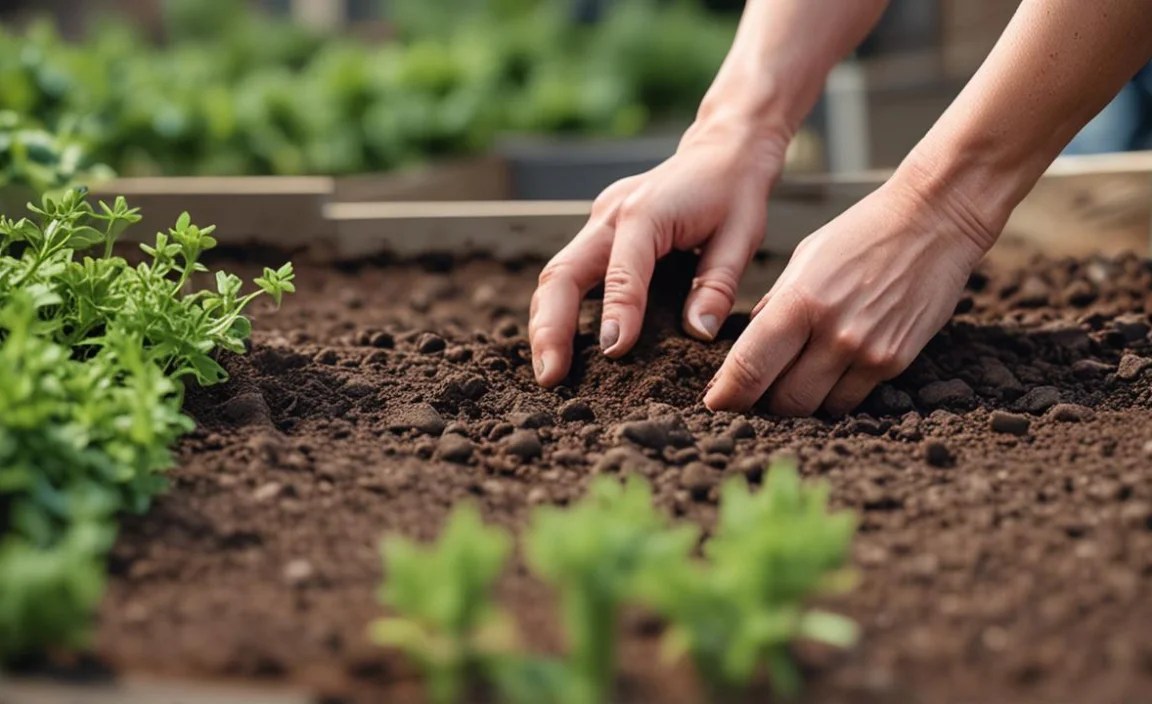
Testing your garden soil is important. It helps you know what your soil needs. You can test the pH of your soil. This tells you how acidic or alkaline it is. You can also test for nutrients. This tells you if your soil has enough nitrogen, phosphorus, and potassium. You can buy a soil test kit at a garden store. The kit will tell you how to take a sample of your soil. You send the sample to a lab. The lab will test the soil and send you the results. The results will tell you what you need to add to your soil. This will help your plants grow better. Testing your soil is a good way to make sure your plants are healthy.
- Test your soil’s pH.
- Test for nutrients in your soil.
- Buy a soil test kit at a garden store.
- Send your soil sample to a lab.
- The results tell you what to add.
Imagine you are a doctor. A doctor needs to run tests to find out what is wrong with a patient. Soil is the same way! You need to run tests to find out what your soil needs. A soil test will tell you if your soil is lacking nutrients. It will also tell you if the pH is too high or too low. Once you know what your soil needs, you can add the right amendments. This will help your plants grow strong and healthy. Testing your soil is a simple way to make sure your garden is a success.
Fun Fact or Stat: Soil testing can help prevent over-fertilization, which can harm plants and pollute the environment.
How to Take a Soil Sample
Taking a soil sample is easy. First, gather your materials. You will need a clean bucket, a trowel, and a soil test kit. Dig several small holes in your garden. Take a sample of soil from each hole. Mix the samples together in the bucket. This will give you a representative sample of your soil. Follow the instructions on the soil test kit. The kit will tell you how much soil to send to the lab. Pack the soil in a container and mail it to the lab. The lab will send you the results in a few weeks.
Understanding Soil Test Results
Soil test results can seem confusing. But they are easy to understand once you know what to look for. The results will tell you the pH of your soil. They will also tell you the levels of nitrogen, phosphorus, and potassium. The results will also give you recommendations. They will tell you what you need to add to your soil. If the pH is too low, you will need to add lime. If the pH is too high, you will need to add sulfur. If the nutrient levels are low, you will need to add fertilizer. Follow the recommendations to improve your soil.
What to Do After Testing Your Soil
After you get your soil test results, it is time to take action. If your soil is lacking nutrients, add fertilizer. Choose a fertilizer that is appropriate for your plants. If your soil is too acidic, add lime. If your soil is too alkaline, add sulfur. Mix the amendments into the soil well. Water the soil after adding amendments. This will help them dissolve and reach the roots. Re-test your soil after a few months. This will help you see if the amendments are working. Keep testing and adjusting your soil as needed.
Fun Fact or Stat: Some plants, like blueberries and azaleas, prefer acidic soil, while others, like lavender and rosemary, prefer alkaline soil.
Amending Garden Soil for Raised Beds

Amending your gardening soil for raised beds means adding things to it. This can improve the soil’s quality. Common amendments include compost, manure, and fertilizer. Compost adds nutrients and improves drainage. Manure is animal waste. It also adds nutrients. Fertilizer gives plants extra food. You can also add lime or sulfur to change the pH. Add lime if the soil is too acidic. Add sulfur if the soil is too alkaline. When amending your soil, follow the directions on the package. Too much amendment can hurt your plants. Amending your soil helps plants grow strong and healthy.
- Amendments improve soil quality.
- Compost adds nutrients and drainage.
- Manure also adds nutrients.
- Fertilizer gives plants extra food.
- Lime and sulfur change the pH.
Imagine you are cooking soup. The soup needs more flavor. You can add spices to make it taste better. Soil is the same way! It might need extra nutrients or a different pH. You can add amendments to make it better for your plants. Compost is like adding vegetables to the soup. It adds nutrients and fiber. Lime or sulfur is like adding salt or pepper. It adjusts the flavor. Amending your soil is like adding spices to soup. It makes it taste better, and it helps your plants grow better!
Fun Fact or Stat: Adding organic matter, such as compost, to soil can increase its water-holding capacity by up to 25%.
What is Compost Tea?
Compost tea is a liquid fertilizer made from compost. You soak compost in water. The water extracts the nutrients from the compost. You can then spray the compost tea on your plants. Compost tea is a gentle fertilizer. It will not burn your plants. It also adds beneficial microbes to the soil. Microbes are tiny organisms that help plants grow. To make compost tea, put compost in a bucket. Add water and let it sit for a few days. Strain the liquid and spray it on your plants. Compost tea is a great way to give your plants a boost.
How Does Manure Help Soil?
Manure is animal waste. It is a great source of nutrients for plants. Manure adds nitrogen, phosphorus, and potassium to the soil. It also adds organic matter. Organic matter helps the soil hold water. Manure can be fresh or composted. Fresh manure can burn plants. Composted manure is safer to use. You can buy composted manure at a garden store. Or you can compost your own manure. Add manure to your soil in the fall. This will give it time to break down before planting in the spring. Manure is a great way to improve your soil.
Choosing the Right Fertilizer
There are many types of fertilizer. Some fertilizers are organic. Others are synthetic. Organic fertilizers are made from natural materials. Synthetic fertilizers are made in a lab. Choose a fertilizer that is appropriate for your plants. Some plants need more nitrogen. Others need more phosphorus. Look for a fertilizer that has the right balance of nutrients. Read the directions on the package. Follow the directions carefully. Too much fertilizer can hurt your plants. Choose the right fertilizer and use it correctly. Your plants will thank you!
Fun Fact or Stat: Worm castings, or worm poop, are a highly effective natural fertilizer that can improve soil structure and fertility.
Maintaining Your Raised Bed Soil
Maintaining your gardening soil for raised beds is important. It keeps your soil healthy. Add compost every year. This adds nutrients and improves drainage. Check the pH of your soil. Adjust it if needed. Remove weeds regularly. Weeds steal nutrients from your plants. Water your soil regularly. Do not let it dry out. Mulch your soil. Mulch helps keep the soil moist. It also prevents weeds. Rotate your crops. Do not plant the same thing in the same place every year. This helps prevent soil problems. Maintaining your soil will help your plants grow well.
- Add compost every year.
- Check and adjust the pH.
- Remove weeds regularly.
- Water your soil regularly.
- Rotate your crops each year.
Imagine you have a pet. You need to take care of it. You need to feed it, water it, and give it exercise. Soil is the same way! You need to take care of it to keep it healthy. Adding compost is like feeding your pet. Checking the pH is like taking your pet to the vet. Removing weeds is like giving your pet a bath. Maintaining your soil is like taking care of a pet. It takes time and effort, but it is worth it. Your plants will be happy and healthy!
Fun Fact or Stat: Adding cover crops, such as clover or rye, can help improve soil health by adding organic matter and preventing erosion.
How Often Should I Add Compost?
You should add compost to your raised beds every year. Add it in the spring before planting. Or add it in the fall after harvesting. Spread a layer of compost on top of the soil. Then mix it in with a garden fork. You can also add compost during the growing season. Just be careful not to disturb the plant roots. Adding compost regularly will keep your soil healthy and productive. Your plants will thank you for it!
Why is Crop Rotation Important?
Crop rotation means planting different crops in the same place each year. This helps prevent soil problems. Some plants use up certain nutrients. Other plants add nutrients back to the soil. Rotating crops helps balance the nutrients in the soil. It also helps prevent pests and diseases. Plant different types of plants in different places each year. This will keep your soil healthy and your plants strong.
What is Mulch and Why Use It?
Mulch is a layer of material that you put on top of the soil. It can be made from straw, wood chips, or leaves. Mulch helps keep the soil moist. It also prevents weeds from growing. Mulch also helps regulate the soil temperature. It keeps the soil cooler in the summer and warmer in the winter. Add mulch to your raised beds after planting. This will help your plants grow better. It will also make your garden look nicer.
Fun Fact or Stat: Mulching can reduce water evaporation from the soil by up to 70%, conserving water and reducing the need for frequent watering.
Troubleshooting Common Soil Problems
Sometimes, gardening soil for raised beds can have problems. The soil might be too compacted. This means it is hard and packed down. The soil might have poor drainage. This means water does not drain well. The soil might have a pH that is too high or too low. The soil might be lacking nutrients. If you have these problems, you can fix them. Add compost to improve drainage and add nutrients. Add lime or sulfur to adjust the pH. Aerate the soil to relieve compaction. With a little effort, you can fix any soil problem.
| Problem | Solution |
|---|---|
| Compacted Soil | Add compost and aerate the soil |
| Poor Drainage | Add perlite or sand |
| High pH | Add sulfur |
| Low pH | Add lime |
Imagine you are building a sandcastle. The sand is too dry. It keeps falling apart. You can add water to make it stick together. Soil is the same way! It might have problems that you need to fix. If the soil is too dry, you can add water. If the soil is too compacted, you can add compost. Fixing soil problems is like building a sandcastle. It takes some effort, but it is worth it. You can create a strong and healthy foundation for your plants.
Fun Fact or Stat: Soil compaction can reduce plant growth by as much as 50% by limiting root penetration and nutrient uptake.
How to Fix Compacted Soil
Compacted soil is hard and packed down. Roots cannot grow well in compacted soil. To fix compacted soil, you need to aerate it. Aerating means poking holes in the soil. This lets air and water reach the roots. You can use a garden fork to aerate the soil. Push the fork into the soil and wiggle it around. You can also add compost to improve drainage. Compost helps keep the soil loose and well-drained. Aerating and adding compost will help fix compacted soil.
Improving Soil Drainage
Poor drainage means water does not drain well from the soil. This can cause root rot. To improve drainage, add perlite or sand to the soil. Perlite and sand help keep the soil loose. They also create air pockets. This lets water drain more easily. You can also add compost to improve drainage. Compost helps create a good soil structure. This allows water to drain well. Improving drainage will help prevent root rot.
Adjusting Soil pH
The pH of your soil affects how well plants can absorb nutrients. Most plants like a pH between 6.0 and 7.0. If your soil is too acidic, add lime. Lime raises the pH. If your soil is too alkaline, add sulfur. Sulfur lowers the pH. You can buy lime and sulfur at a garden store. Follow the directions on the package. Test your soil regularly to make sure the pH is correct. Adjusting the pH will help your plants grow better.
Fun Fact or Stat: Certain plants, like azaleas and blueberries, thrive in acidic soils with a pH between 4.5 and 5.5.
Summary
Choosing the right gardening soil for raised beds is very important for a successful garden. Good soil is loose and drains well. It also has the right nutrients and pH. You can mix your own soil using topsoil, compost, and peat moss. Test your soil regularly to see what it needs. Add amendments like compost, manure, or fertilizer to improve the soil. Maintain your soil by adding compost every year, removing weeds, and rotating crops. Healthy soil will help your plants grow big and strong. It will also give you lots of yummy fruits and vegetables to enjoy.
Conclusion
Growing plants in raised beds can be fun and rewarding. Start with the right gardening soil for raised beds. This will give your plants the best chance to thrive. Remember to test your soil and add amendments as needed. With a little care, you can create a beautiful and productive garden. Enjoy the process and watch your plants grow!
Frequently Asked Questions
Question No 1: What is the best soil mix for raised garden beds?
Answer: The best soil mix is a combination of topsoil, compost, and peat moss. A good ratio is usually one-third of each. This mix provides good drainage, nutrients, and water retention. Compost adds important organic matter that helps feed your plants. Peat moss keeps the soil loose and prevents compaction. You can adjust the mix based on the specific needs of your plants. For example, some plants may prefer more compost or a slightly different pH level. Experiment with different mixes to see what works best in your garden.
Question No 2: Can I use regular garden soil in a raised bed?
Answer: While you can technically use regular garden soil in a raised bed, it is not recommended. Regular garden soil can be too heavy and compacted. This makes it difficult for plant roots to grow and get the nutrients they need. Regular soil may also have poor drainage, which can lead to root rot. It is better to use a mix specifically designed for raised beds. This mix will be lighter, have better drainage, and provide the nutrients your plants need to thrive. Using the right gardening soil for raised beds is a worthwhile investment.
Question No 3: How often should I replace the soil in my raised garden bed?
Answer: You do not need to replace the soil in your raised garden bed every year. Instead, focus on maintaining the soil’s health by adding compost and other amendments. Adding compost each year will replenish nutrients and improve soil structure. However, if you notice that your soil is becoming compacted or has poor drainage, you may need to replace some of it. Generally, you should consider replacing a portion of the soil every few years. This will help keep your gardening soil for raised beds fresh and healthy.
Question No 4: What are the benefits of using raised garden beds?
Answer: Raised garden beds offer many benefits. They allow you to control the soil quality, which is especially helpful if your native soil is poor. Raised beds also improve drainage, prevent soil compaction, and make gardening easier on your back and knees. They warm up faster in the spring, extending the growing season. Raised beds can also protect your plants from pests and diseases. Using the right gardening soil for raised beds and building a raised bed is a great way to improve your gardening experience.
Question No 5: How do I test the pH of my garden soil?
Answer: Testing the pH of your garden soil is easy. You can buy a soil test kit at most garden stores. The kit will come with instructions on how to take a soil sample and interpret the results. You can also send a soil sample to a lab for testing. The lab will provide you with a detailed analysis of your soil’s pH and nutrient levels. Knowing your soil’s pH is important because it affects how well plants can absorb nutrients. Adjusting the pH with lime or sulfur can improve plant growth. Choose the method for testing gardening soil for raised beds that best suits your needs.
Question No 6: What is the best way to store extra soil for my raised garden beds?
Answer: The best way to store extra soil is in a cool, dry place. You can store it in a plastic container or a large bag. Make sure the container or bag is sealed to prevent the soil from drying out or becoming contaminated. Avoid storing soil in direct sunlight or in areas that are exposed to extreme temperatures. Storing gardening soil for raised beds properly will help maintain its quality and prevent it from becoming unusable. When you are ready to use the soil, simply add some water to moisten it before planting.
