Do you want to grow your own food? Have you ever planted a seed and watched it sprout? Gardening can be a fun and rewarding hobby. It is easier than you think! This article will share some great gardening tips for beginners.
Imagine picking a fresh tomato from your own garden. Think about the tasty salads you could make! Let’s get started with some simple steps. Soon, you will have a beautiful garden.
Gardening connects us with nature. It teaches us about where our food comes from. Plus, it’s a great way to get some exercise and fresh air. Are you ready to dig in and learn some gardening tips for beginners?
Key Takeaways
- Start small with easy-to-grow plants like lettuce, tomatoes, or herbs.
- Choose a sunny spot in your yard that gets at least six hours of sunlight daily.
- Water your plants regularly, especially during hot and dry weather periods.
- Use good quality soil and add compost for healthy plant growth and nutrients.
- These gardening tips for beginners will help you grow a thriving garden.
Simple Gardening Tips for Beginners
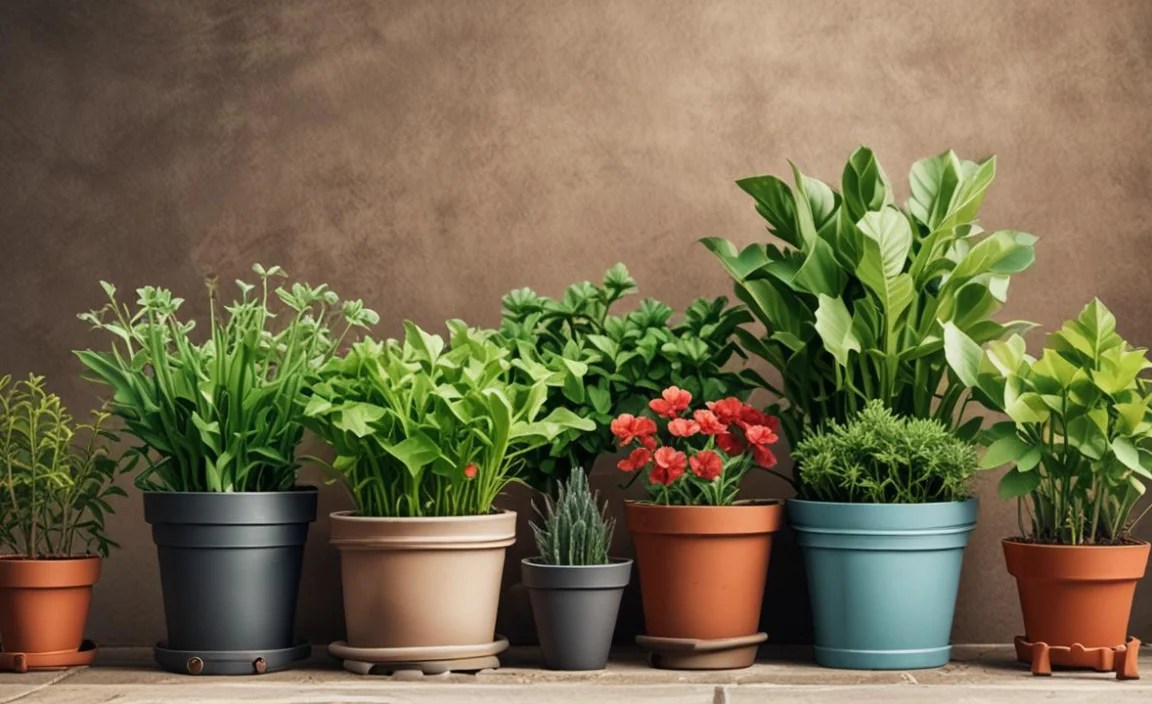
Starting a garden can feel like a big job. Don’t worry, it is easier than you think! The best way to start is to keep it simple. Choose a small area for your garden. A small garden is easier to manage. You can always make it bigger later. Pick plants that are easy to grow. Some good choices are tomatoes, lettuce, and herbs. These plants don’t need a lot of care. Make sure your garden gets plenty of sunlight. Most plants need at least six hours of sun each day. Water your plants regularly. Check the soil to see if it is dry. If it is, give your plants a good drink. Don’t overwater them. Too much water can be bad for plants. Have fun and enjoy the process of gardening! These simple gardening tips for beginners will set you up for success.
- Choose a sunny spot for your garden.
- Start with easy-to-grow plants.
- Water your plants regularly.
- Use good quality soil.
- Don’t be afraid to ask for help.
Gardening is a great way to learn about nature. You can see how plants grow from tiny seeds. You can also learn about different kinds of bugs and insects. Some bugs are good for your garden. They eat the bad bugs that can hurt your plants. Other bugs can be harmful. It is important to know the difference. When you garden, you get to spend time outdoors. Fresh air and sunshine are good for your body and mind. Gardening can also be a great way to relax. It can be calming to work with plants and watch them grow. Plus, you get to enjoy the fruits (or vegetables!) of your labor. Follow these gardening tips for beginners and you will be enjoying fresh food in no time!
What is the best soil for beginners?
Choosing the right soil is key for a successful garden. Beginners should start with good quality potting soil. This soil is made for growing plants in containers or raised beds. It has the right mix of nutrients and drainage. Don’t use soil from your yard. It might be too heavy or have too many rocks. Potting soil is light and fluffy. This helps the plant roots grow easily. You can also add compost to your soil. Compost is made from decayed leaves and food scraps. It adds extra nutrients to the soil. It also helps the soil hold water. When you plant, make sure the soil is loose. This will help the roots spread out. Good soil is one of the most important gardening tips for beginners.
How often should I water my plants?
Watering is a very important part of gardening. But how much water do your plants need? The answer depends on the type of plant. It also depends on the weather. A good rule of thumb is to check the soil every day. If the top inch of soil is dry, it’s time to water. Water deeply, so the water reaches the roots. Avoid watering the leaves, as this can cause diseases. Water in the morning is best. This gives the leaves time to dry before night. During hot weather, you may need to water more often. Use a watering can or a hose with a gentle spray. Don’t overwater, as this can drown the roots. Proper watering is key for healthy plants. Remember these gardening tips for beginners for watering.
What are the easiest vegetables to grow?
Picking the right vegetables can make all the difference for beginner gardeners. Some vegetables are easier to grow than others. Lettuce is a great choice. It grows quickly and doesn’t need a lot of care. Radishes are also easy to grow. They sprout in just a few days. Tomatoes are a popular choice. But they need a little more attention. Make sure to give them plenty of sunlight and water. Herbs like basil and mint are also easy to grow. You can grow them in pots on your windowsill. Green beans are another good option. They are easy to plant and produce lots of beans. Starting with these easy vegetables will help you gain confidence. These gardening tips for beginners should help you decide on your plants.
Fun Fact or Stat: Did you know that gardening can reduce stress and improve your mood? Studies have shown that spending time in a garden can lower your blood pressure and increase feelings of happiness.
Essential Gardening Tools for Beginners

To start gardening, you will need some basic tools. You don’t need to buy a lot of expensive equipment. A few simple tools will do the trick. A trowel is a small hand tool used for digging and planting. A hand rake is used for smoothing the soil. A watering can is used for watering your plants. Gardening gloves will protect your hands from dirt and thorns. A garden hose is helpful for watering larger areas. A pair of pruning shears is used for trimming plants. With these essential tools, you will be ready to start your garden. Consider these gardening tips for beginners for your tool kit.
- Trowel for digging small holes.
- Hand rake for smoothing soil.
- Watering can for gentle watering.
- Gardening gloves to protect your hands.
- Pruning shears for trimming plants.
Having the right tools can make gardening much easier. A trowel helps you dig small holes for planting seeds or seedlings. A hand rake helps you smooth out the soil and remove any rocks or debris. A watering can allows you to water your plants gently and evenly. Gardening gloves protect your hands from dirt, thorns, and insects. Pruning shears are used to trim dead or damaged branches. These tools will help you take care of your plants and keep your garden looking its best. Remember these gardening tips for beginners and start collecting your tools.
What is the best trowel to buy?
A trowel is a small hand tool that is very useful in the garden. It is used for digging small holes, transplanting seedlings, and weeding. When choosing a trowel, look for one that is sturdy and comfortable to hold. The blade should be made of stainless steel. This will prevent it from rusting. The handle should be ergonomic, meaning it fits comfortably in your hand. Some trowels have a pointed blade, while others have a rounded blade. A pointed blade is good for digging in hard soil. A rounded blade is good for scooping soil. Choose the type of trowel that works best for you. These gardening tips for beginners will help you find the right trowel.
How do I choose gardening gloves?
Gardening gloves are an important part of your gardening gear. They protect your hands from dirt, thorns, and insects. When choosing gardening gloves, look for a pair that fits well. They should be snug but not too tight. The gloves should be made of a durable material, such as leather or synthetic fabric. Leather gloves are good for heavy-duty work. Synthetic gloves are good for lighter tasks. Some gloves have a coating on the palms and fingers. This provides extra grip. Look for gloves that are easy to clean. Gardening gloves will help you keep your hands clean and protected. Remember these gardening tips for beginners when you shop for gloves.
Why do I need pruning shears?
Pruning shears are used for trimming and shaping plants. They are also used for removing dead or damaged branches. Pruning helps plants grow stronger and healthier. When choosing pruning shears, look for a pair that is comfortable to hold. The blades should be sharp and easy to use. There are two main types of pruning shears: bypass and anvil. Bypass shears have two blades that pass each other like scissors. Anvil shears have one blade that cuts against a flat surface. Bypass shears are better for cutting live plants. Anvil shears are better for cutting dead wood. Pruning shears are an essential tool for any gardener. These gardening tips for beginners should help you decide.
Fun Fact or Stat: The oldest known gardening tool is a sickle, dating back to around 10,000 BC. It was used for harvesting crops.
Understanding Soil Types for Your Garden

The type of soil you have in your garden can affect how well your plants grow. There are three main types of soil: sandy, silty, and clay. Sandy soil is light and drains quickly. Silty soil is smooth and holds water well. Clay soil is heavy and can become compacted. The best soil for gardening is a mix of all three types. This is called loam. Loam soil is rich in nutrients and drains well. To improve your soil, you can add compost or other organic matter. This will help your plants grow strong and healthy. Understanding soil types is one of the most important gardening tips for beginners.
- Sandy soil drains quickly.
- Silty soil holds water well.
- Clay soil can become compacted.
- Loam soil is a mix of all three.
- Add compost to improve soil.
Knowing your soil type helps you choose the right plants. If you have sandy soil, you should choose plants that can tolerate dry conditions. If you have clay soil, you should choose plants that can tolerate wet conditions. You can also amend your soil to make it more suitable for gardening. Adding compost is a great way to improve any type of soil. Compost adds nutrients and helps the soil retain water. It also improves drainage. By understanding your soil type and amending it as needed, you can create a healthy environment for your plants to thrive. Follow these gardening tips for beginners to improve your soil.
How can I test my soil type?
Testing your soil is easy to do. You can do a simple test at home. Grab a handful of soil and wet it. Try to roll it into a ball. If the soil feels gritty and falls apart, it is sandy soil. If the soil feels smooth and silky, it is silty soil. If the soil feels sticky and you can roll it into a long rope, it is clay soil. You can also send a soil sample to a lab for testing. They will tell you the exact composition of your soil. Knowing your soil type will help you choose the right plants and amendments. These gardening tips for beginners will help you test your soil.
What is the best soil amendment?
Soil amendments are materials that you add to your soil to improve its quality. Compost is one of the best soil amendments. It is made from decayed organic matter, such as leaves, grass clippings, and food scraps. Compost adds nutrients to the soil and helps it retain water. It also improves drainage. Other soil amendments include peat moss, manure, and vermiculite. Peat moss is a good choice for acidic soils. Manure adds nutrients and improves soil structure. Vermiculite helps the soil retain water. Choose the soil amendment that is best for your soil type and the plants you want to grow. These gardening tips for beginners will help you choose.
How do I improve clay soil?
Clay soil can be difficult to work with. It is heavy and can become compacted. But there are ways to improve clay soil. The best way is to add organic matter, such as compost. Compost will help break up the clay particles and improve drainage. You can also add gypsum to clay soil. Gypsum is a mineral that helps to loosen the soil. Avoid tilling clay soil when it is wet. This can make it even more compacted. Adding organic matter and gypsum will help you create a better environment for your plants. Follow these gardening tips for beginners and improve your soil.
Fun Fact or Stat: Earthworms are a gardener’s best friend! They aerate the soil and help break down organic matter, making nutrients more accessible to plants.
Choosing the Right Plants for Your Garden

Choosing the right plants is very important for a successful garden. Some plants are easy to grow, while others are more difficult. Consider your climate and the amount of sunlight your garden receives. Some plants need full sun, while others prefer shade. Choose plants that are well-suited to your growing conditions. This will increase your chances of success. Start with easy-to-grow plants like lettuce, tomatoes, and herbs. As you gain experience, you can try growing more challenging plants. Following these gardening tips for beginners will help you choose the right plants.
- Consider your climate.
- Think about sunlight.
- Choose easy-to-grow plants.
- Start with a small garden.
- Don’t be afraid to experiment.
When choosing plants, think about what you like to eat. Do you enjoy salads? Plant lettuce, spinach, and tomatoes. Do you like to cook with herbs? Plant basil, mint, and oregano. You can also choose plants based on their appearance. Do you want a colorful garden? Plant flowers like marigolds, zinnias, and petunias. Do you want a garden that attracts butterflies? Plant butterfly bushes, milkweed, and lavender. There are many different types of plants to choose from. Have fun and experiment with different varieties. Remember these gardening tips for beginners when you pick your plants.
What are the best vegetables for beginners?
For beginners, some vegetables are easier to grow than others. Lettuce is a great choice. It grows quickly and doesn’t need a lot of care. Radishes are also easy to grow. They sprout in just a few days. Tomatoes are a popular choice, but they need a little more attention. Make sure to give them plenty of sunlight and water. Zucchini is another easy-to-grow vegetable. It produces lots of zucchini in a short amount of time. Green beans are also a good option. They are easy to plant and produce lots of beans. Starting with these easy vegetables will help you gain confidence. These gardening tips for beginners should help you decide on your plants.
What are the best herbs for beginners?
Herbs are a great addition to any garden. They are easy to grow and can be used in cooking. Basil is a popular herb that is easy to grow. It adds a delicious flavor to pasta dishes and salads. Mint is another easy-to-grow herb. It can be used to make tea or added to desserts. Oregano is a hardy herb that can tolerate dry conditions. It is often used in Italian cooking. Chives are a mild-flavored herb that can be used in salads and soups. Parsley is a versatile herb that can be used in many different dishes. Starting with these easy herbs will add flavor to your meals. These gardening tips for beginners will help you grow herbs.
What are the best flowers for beginners?
Flowers can add beauty and color to your garden. Marigolds are easy to grow and come in a variety of colors. Zinnias are another good choice. They are also easy to grow and attract butterflies. Petunias are a popular choice for hanging baskets and containers. They come in a wide range of colors. Sunflowers are tall and impressive flowers that are easy to grow from seed. Impatiens are a good choice for shady areas. They produce lots of colorful flowers. Starting with these easy flowers will add beauty to your garden. These gardening tips for beginners will help you pick your flowers.
Fun Fact or Stat: The world’s tallest sunflower was over 30 feet tall! Sunflowers are known for their ability to track the sun throughout the day.
Watering Techniques for a Healthy Garden

Watering is a very important part of gardening. Plants need water to survive. But how much water do they need? The answer depends on the type of plant, the weather, and the soil. A good rule of thumb is to check the soil every day. If the top inch of soil is dry, it’s time to water. Water deeply, so the water reaches the roots. Avoid watering the leaves, as this can cause diseases. Water in the morning is best. This gives the leaves time to dry before night. During hot weather, you may need to water more often. Use a watering can or a hose with a gentle spray. Don’t overwater, as this can drown the roots. These gardening tips for beginners will help you water correctly.
- Check the soil daily.
- Water deeply.
- Avoid watering the leaves.
- Water in the morning.
- Don’t overwater.
There are several different ways to water your garden. You can use a watering can, a hose, or a sprinkler. A watering can is good for watering small areas. A hose is good for watering larger areas. A sprinkler is good for watering lawns and large gardens. When using a hose, be sure to use a gentle spray nozzle. This will prevent the water from damaging your plants. You can also use a soaker hose. A soaker hose is a hose with small holes that slowly release water into the soil. This is a good way to water plants that need consistent moisture. Remember these gardening tips for beginners when watering.
How do I know if I’m overwatering?
Overwatering can be just as bad as underwatering. When you overwater, the roots of your plants can rot. This can kill your plants. Signs of overwatering include yellow leaves, wilting leaves, and soft, mushy stems. The soil may also be soggy and smell bad. If you see these signs, stop watering and let the soil dry out. Make sure your plants have good drainage. If they are in pots, make sure the pots have drainage holes. Adjust your watering schedule based on the weather and the needs of your plants. These gardening tips for beginners will help you avoid overwatering.
What is the best time of day to water?
The best time of day to water your plants is in the morning. This gives the leaves time to dry before night. Wet leaves can attract diseases. Watering in the morning also helps the soil stay moist throughout the day. Avoid watering in the evening. This can create a damp environment that is favorable for diseases. If you must water in the evening, try to water the soil only and avoid getting the leaves wet. Watering in the morning is one of the most important gardening tips for beginners.
How can I conserve water in my garden?
Conserving water is important, especially during dry periods. There are several ways to conserve water in your garden. One way is to use mulch. Mulch is a layer of organic material that you spread around your plants. Mulch helps to retain moisture in the soil. It also helps to suppress weeds. Another way to conserve water is to group plants with similar water needs together. This will allow you to water them more efficiently. You can also use a rain barrel to collect rainwater. Rainwater is a great source of water for your plants. Follow these gardening tips for beginners to conserve water.
Fun Fact or Stat: Drip irrigation is a highly efficient watering method that delivers water directly to the roots of plants, minimizing water waste.
Dealing With Pests and Diseases in Your Garden
Pests and diseases can be a problem in any garden. But there are ways to deal with them. The first step is to identify the pest or disease. Once you know what you are dealing with, you can take steps to control it. There are many different ways to control pests and diseases. You can use organic methods, such as hand-picking pests or using insecticidal soap. You can also use chemical methods, such as pesticides and fungicides. However, it is important to use these products carefully and follow the instructions on the label. These gardening tips for beginners will help you deal with pests.
| Pest/Disease | Symptoms | Organic Control | Prevention |
|---|---|---|---|
| Aphids | Small, green bugs on leaves | Insecticidal soap | Attract beneficial insects |
| Tomato hornworms | Large green caterpillars eating leaves | Hand-picking | Check plants regularly |
| Powdery mildew | White powder on leaves | Baking soda spray | Good air circulation |
| Slugs and snails | Holes in leaves | Beer traps | Remove hiding places |
- Identify the pest or disease.
- Use organic methods first.
- Follow instructions carefully.
- Monitor your plants regularly.
- Don’t be afraid to ask for help.
Prevention is the best way to deal with pests and diseases. Keep your garden clean and free of debris. Remove any dead or dying plants. Water your plants properly. Avoid overwatering. Provide good air circulation. Attract beneficial insects to your garden. Beneficial insects eat pests. Some beneficial insects include ladybugs, lacewings, and praying mantises. By taking these steps, you can reduce the risk of pests and diseases in your garden. Remember these gardening tips for beginners to prevent pests and diseases.
How do I attract beneficial insects?
Beneficial insects can help control pests in your garden. There are several ways to attract beneficial insects. Plant flowers that attract them, such as sunflowers, daisies, and yarrow. Provide a water source for them, such as a birdbath or a shallow dish of water. Avoid using pesticides, as they can kill beneficial insects. Create a habitat for them, such as a brush pile or a rock pile. By attracting beneficial insects, you can reduce the need for pesticides in your garden. These gardening tips for beginners will help you attract insects.
What is insecticidal soap?
Insecticidal soap is a safe and effective way to control many common garden pests. It works by suffocating the pests. Insecticidal soap is made from potassium salts of fatty acids. It is safe for humans and pets. To use insecticidal soap, mix it with water according to the instructions on the label. Spray the solution on the affected plants. Be sure to cover all parts of the plant, including the undersides of the leaves. Repeat the treatment every few days until the pests are gone. Insecticidal soap is a great alternative to chemical pesticides. These gardening tips for beginners will help you use soap.
How do I get rid of slugs and snails?
Slugs and snails can be a nuisance in the garden. They eat holes in leaves and can damage plants. There are several ways to get rid of slugs and snails. One way is to hand-pick them off your plants. Do this at night, when they are most active. Another way is to use beer traps. Bury a shallow dish of beer in the ground. The slugs and snails will be attracted to the beer and drown in it. You can also use copper tape around your plants. Slugs and snails don’t like to cross copper. These gardening tips for beginners will help you eliminate slugs.
Fun Fact or Stat: Ladybugs are voracious predators of aphids and can consume up to 50 aphids per day!
Summary
Gardening can be a fun and rewarding hobby. Starting a garden is easier than you might think. Begin with a small garden in a sunny spot. Choose easy-to-grow plants like lettuce, tomatoes, and herbs. Use good quality soil and water your plants regularly. Be sure to check the soil before watering. Learn how to deal with pests and diseases. By following these gardening tips for beginners, you can grow a thriving garden. You can enjoy fresh vegetables, herbs, and flowers.
Remember to choose the right plants for your climate and soil type. Amend your soil with compost to improve its quality. Water your plants deeply and regularly. Be patient and don’t get discouraged if things don’t go perfectly at first. Gardening is a learning process. Have fun and enjoy the journey! These simple gardening tips for beginners can help you get started today.
Conclusion
Gardening is a wonderful way to connect with nature. You can grow your own food and enjoy the beauty of flowers. It can be a relaxing and rewarding hobby for people of all ages. Starting a garden doesn’t have to be complicated. With a few simple tools and some basic knowledge, you can create a beautiful and productive garden. Follow these gardening tips for beginners and you’ll be well on your way to having a green thumb. Get outside, get your hands dirty, and enjoy the magic of gardening!
Frequently Asked Questions
Question No 1: What is the best time of year to start a garden?
Answer: The best time to start a garden depends on your climate and what you want to grow. In general, spring and fall are the best times to plant most vegetables and flowers. Spring is a good time to plant warm-season crops like tomatoes, peppers, and cucumbers. Fall is a good time to plant cool-season crops like lettuce, spinach, and kale. Check the planting calendar for your region to find the best time to plant specific crops. Starting at the right time is one of the most important gardening tips for beginners.
Question No 2: How much sunlight do plants need?
Answer: Most plants need at least six hours of sunlight per day. Some plants need more sunlight than others. Vegetables and flowers generally need full sun, which means at least six hours of direct sunlight per day. Some plants can tolerate partial shade, which means four to six hours of sunlight per day. Other plants prefer full shade, which means less than four hours of sunlight per day. Check the plant label to find out how much sunlight your plants need. Choosing a sunny spot is one of the most important gardening tips for beginners.
Question No 3: How often should I fertilize my plants?
Answer: Fertilizing your plants depends on the type of plant, the soil, and the fertilizer you are using. In general, you should fertilize your plants every few weeks during the growing season. Use a balanced fertilizer that contains nitrogen, phosphorus, and potassium. Follow the instructions on the fertilizer label carefully. Avoid over-fertilizing, as this can damage your plants. Some plants don’t need much fertilizer at all. Do some research to find out the best fertilizer schedule for your plants. Following these gardening tips for beginners can really affect the health of your garden.
Question No 4: What are some common gardening mistakes to avoid?
Answer: There are several common gardening mistakes that beginners often make. One mistake is planting too early in the season. Another mistake is overwatering your plants. Another mistake is not providing enough sunlight. Another mistake is not amending your soil. Another mistake is not controlling pests and diseases. By avoiding these mistakes, you can increase your chances of success. Following these gardening tips for beginners will set you on the right path.
Question No 5: How do I know when to harvest my vegetables?
Answer: Knowing when to harvest your vegetables is important. Harvesting at the right time will ensure that they taste their best. Each vegetable has its own harvesting time. Tomatoes are ready to harvest when they are fully colored and slightly soft to the touch. Lettuce is ready to harvest when the leaves are large enough to eat. Carrots are ready to harvest when they are about an inch in diameter. Check the seed packet or plant label for specific harvesting instructions. These gardening tips for beginners will help you harvest properly.
Question No 6: Can I garden in a small space?
Answer: Yes, you can definitely garden in a small space! Container gardening is a great way to grow plants in a limited area. You can grow vegetables, herbs, and flowers in pots, hanging baskets, and window boxes. Vertical gardening is another option. You can use trellises, walls, and fences to grow plants upwards. Even if you only have a small balcony or patio, you can still enjoy the benefits of gardening. Small-space gardening is one of the most popular gardening tips for beginners for people living in apartments.
