Do you want to grow your own food? Gardening vegetables for beginners can be super fun. It is also very rewarding. Imagine eating a salad you grew yourself. That sounds tasty, right? Let’s learn how to start your own vegetable garden.
Growing your own food is easier than you think. You do not need a lot of space. You also don’t need a lot of fancy tools. With a little bit of planning, you can have yummy vegetables. Are you ready to get started with gardening vegetables for beginners?
Gardening is a great way to get outside. You can also learn about nature. Plus, you get to eat fresh, healthy food. It’s a win-win-win situation. Let’s explore some easy vegetables to grow. We will also cover some tips for success.
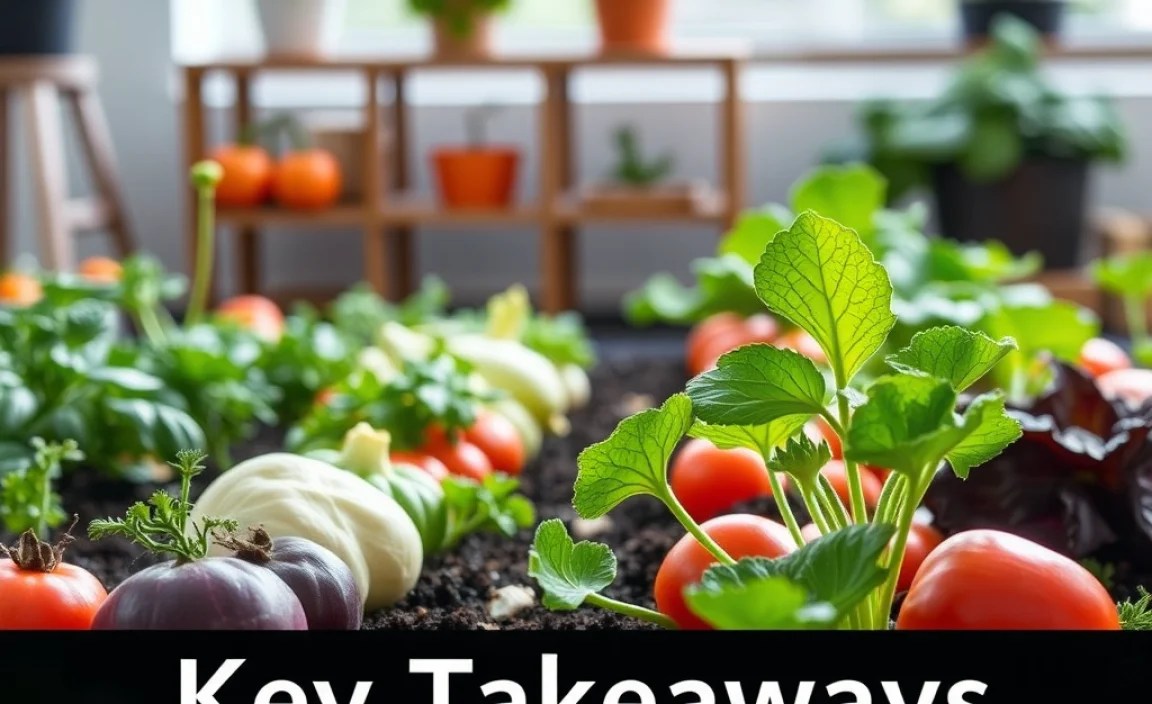
Key Takeaways
- Gardening vegetables for beginners is easier than you think with the right guidance.
- Choose vegetables that are easy to grow, like lettuce and radishes.
- Make sure your garden gets plenty of sunlight each day.
- Water your plants regularly, especially when it is hot outside.
- Have fun and don’t be afraid to make mistakes as you learn.
Easy Vegetables for Beginner Gardens
Starting a garden might seem hard. But growing gardening vegetables for beginners can be simple. Some vegetables are easier to grow than others. These are great choices for new gardeners. These vegetables don’t need a lot of care. They also grow quickly. This means you will see results fast. Quick results can help you stay motivated. You will want to keep gardening. Some easy options include lettuce, radishes, and spinach. These leafy greens are perfect for salads. Beans and peas are also good choices. They grow well in many gardens. These vegetables can help you feel successful. Feeling successful will make you want to keep gardening. It is also important to choose a sunny spot for your garden. Most vegetables need at least six hours of sunlight each day. Good soil is also important. You can buy special soil for gardens. This soil has the right nutrients for your plants.
- Lettuce is quick to grow and easy to harvest.
- Radishes sprout fast, giving you quick results.
- Spinach thrives in cool weather.
- Beans are easy to plant and produce a lot of food.
- Peas like to climb and are fun to watch grow.
Once you have chosen your vegetables, it’s time to plant them. Read the instructions on the seed packets. This will tell you how far apart to plant the seeds. It will also tell you how deep to plant them. Water the seeds gently after planting. Keep the soil moist but not too wet. As the plants grow, keep an eye out for weeds. Weeds can steal nutrients from your vegetables. Pull them out as soon as you see them. With a little care, you will soon have a thriving garden. You will be enjoying fresh, homegrown vegetables in no time. Remember to have fun and enjoy the process. Gardening is a great way to connect with nature.
Fun Fact or Stat: Did you know that lettuce can grow in as little as 30 days?
What is the easiest vegetable to grow?
Choosing the easiest vegetables can make your first garden a success. Many beginners start with lettuce. Lettuce is a very forgiving plant. It doesn’t need a lot of attention. You can grow it in a small space. Radishes are another great choice. They grow very quickly. You will see results in just a few weeks. This is exciting for new gardeners. Beans are also easy to grow. They just need a sunny spot and some support to climb. Spinach is another good option. It likes cooler weather. These vegetables are all relatively low-maintenance. They don’t require a lot of special care. This means you can focus on learning the basics of gardening. Starting with easy vegetables will boost your confidence. You will be more likely to keep gardening in the future. So, pick a few of these easy options and get started today.
How much sun do vegetables need?
Sunlight is very important for gardening vegetables for beginners. Most vegetables need at least six hours of sunlight each day. Sunlight helps the plants make their own food. This process is called photosynthesis. Without enough sunlight, plants will not grow well. They may be weak and produce fewer vegetables. Some vegetables can tolerate a little less sun. But most will do best with plenty of light. Observe your garden throughout the day. Notice which areas get the most sun. Plant your vegetables in those areas. If your garden doesn’t get enough sun, you can use grow lights. Grow lights can provide the light that your plants need. Make sure to choose the right type of grow light for vegetables. Proper lighting will ensure healthy growth. It will also lead to a bountiful harvest.
What kind of soil is best?
The right soil is essential for healthy vegetables. Good soil provides nutrients for plants. It also helps them retain water. The best soil for gardening vegetables for beginners is a mix of sand, silt, and clay. This is called loam. Loam soil drains well but also holds moisture. You can improve your soil by adding compost. Compost is made from decomposed organic matter. It adds nutrients to the soil and improves its structure. You can buy compost at a garden center. You can also make your own compost at home. Another option is to use raised beds. Raised beds allow you to control the soil quality. You can fill them with a mix of compost and topsoil. No matter what type of soil you use, make sure it is well-draining. This will prevent the roots from rotting. Healthy soil leads to healthy plants and a great harvest.
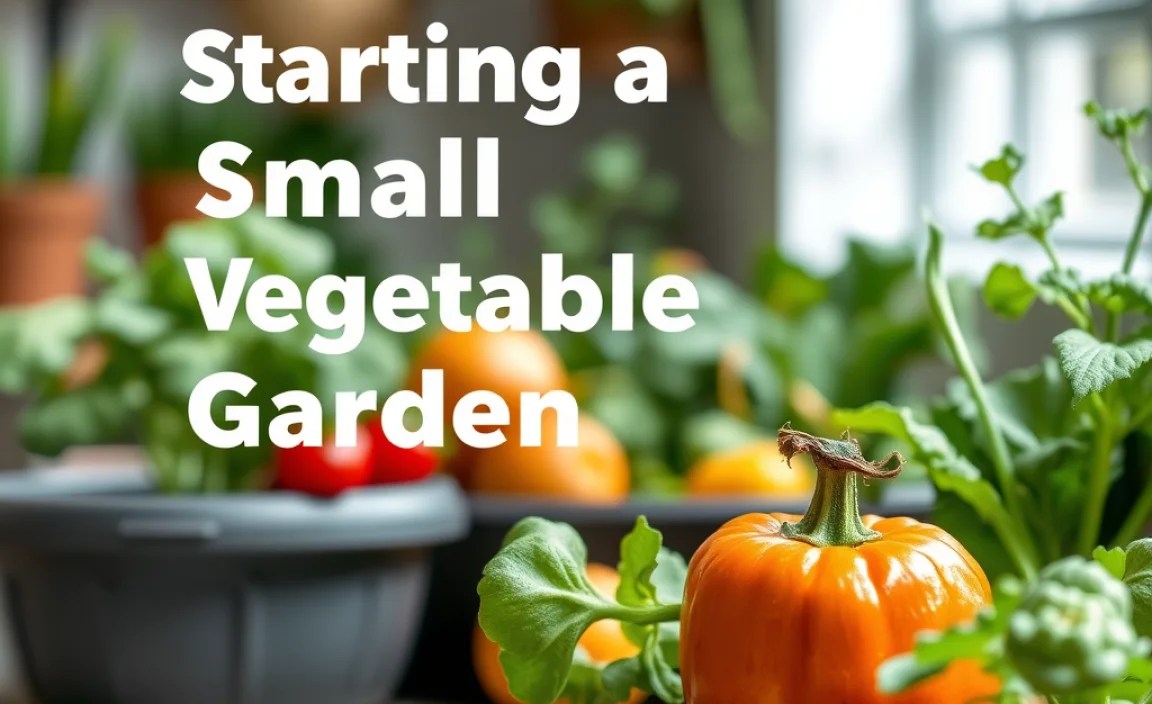
Starting a Small Vegetable Garden
You don’t need a big yard to start a garden. Gardening vegetables for beginners can be done in small spaces. You can use containers, raised beds, or even a small patch of ground. The key is to choose the right vegetables. Compact varieties are great for small spaces. These are plants that don’t grow too big. They still produce plenty of vegetables. Herbs are also a good choice for small gardens. They don’t take up much space. You can grow them in pots on a windowsill. When starting a small garden, plan carefully. Think about how much space you have. Choose vegetables that you like to eat. Make sure they will fit in your garden. Proper planning will help you make the most of your space. With a little creativity, you can have a thriving garden. Even if you only have a small area.
- Choose compact vegetable varieties for small spaces.
- Use containers to grow vegetables on patios or balconies.
- Vertical gardening maximizes space with climbing plants.
- Plant herbs in small pots on a windowsill.
- Plan your garden layout carefully to make the most of your space.
Containers are a great option for small gardens. You can grow almost any vegetable in a container. Just make sure the container is big enough for the plant. It should also have drainage holes in the bottom. This will prevent the roots from getting waterlogged. Use a good quality potting mix for your containers. Don’t use soil from your yard. It may not drain well. Water your container plants regularly. They will dry out faster than plants in the ground. You may also need to fertilize them more often. With proper care, your container garden will thrive. You will be enjoying fresh vegetables in no time. Container gardening is a fun and easy way to grow your own food. Even if you don’t have a lot of space.
Fun Fact or Stat: You can grow a surprising amount of food in a single container, like tomatoes, peppers, and herbs!
How do I choose the right container?
Choosing the right container is important for successful gardening. The size of the container depends on the type of vegetable you want to grow. Larger vegetables need bigger containers. Smaller vegetables can grow in smaller containers. Make sure the container has drainage holes. This will prevent the roots from rotting. You can use plastic, terracotta, or ceramic pots. Plastic pots are lightweight and inexpensive. Terracotta pots are porous. They allow the soil to breathe. Ceramic pots are decorative. Choose a container that fits your style and budget. Also, consider the location of your garden. If it’s on a balcony, choose lightweight containers. This will make them easier to move. The right container will help your vegetables thrive.
What are good vegetables for container gardening?
Some vegetables do better in containers than others. Tomatoes are a popular choice for container gardening. Choose a compact variety that doesn’t grow too big. Peppers are also well-suited to containers. They like warm weather and plenty of sunlight. Herbs are another great option for containers. They don’t take up much space. You can grow them on a windowsill or balcony. Lettuce and spinach can also be grown in containers. They like cool weather. Make sure to choose a container that is big enough for the plant. Use a good quality potting mix. Water regularly. With the right care, you can grow a variety of vegetables in containers.
How often should I water my container garden?
Watering is crucial for container gardens. Container plants dry out faster than plants in the ground. How often you need to water depends on the weather. Hot, sunny days will require more frequent watering. Cool, cloudy days will require less watering. Check the soil moisture by sticking your finger into the soil. If the top inch is dry, it’s time to water. Water deeply until the water drains out of the bottom of the container. Avoid watering the leaves, as this can lead to disease. Water in the morning or evening to avoid evaporation. Proper watering will keep your plants healthy and productive. It will also ensure a bountiful harvest.

Best Soil for Growing Vegetables
The soil is the foundation of your garden. The best soil for growing vegetables is rich in nutrients. It should also drain well. Good soil provides the plants with everything they need to grow. It also helps them resist disease. You can improve your soil by adding compost. Compost is made from decomposed organic matter. It adds nutrients to the soil. It also improves its structure. You can buy compost at a garden center. Or you can make your own compost at home. Another option is to use raised beds. Raised beds allow you to control the soil quality. You can fill them with a mix of compost and topsoil. No matter what type of soil you use, make sure it is well-draining. This will prevent the roots from rotting. Healthy soil leads to healthy plants and a great harvest. When thinking about gardening vegetables for beginners, soil is key.
- Use soil that drains well to prevent root rot.
- Add compost to improve soil structure and nutrients.
- Test your soil’s pH level for optimal growth.
- Consider raised beds for better soil control.
- Rotate crops to maintain soil health.
Testing your soil is a good way to see what it needs. You can buy a soil testing kit at a garden center. Follow the instructions on the kit. It will tell you the pH level of your soil. It will also tell you what nutrients are missing. Most vegetables prefer a slightly acidic soil. A pH of around 6.0 to 7.0 is ideal. If your soil is too acidic, you can add lime. If it is too alkaline, you can add sulfur. Knowing your soil’s pH will help you choose the right amendments. This will help you grow healthy, productive plants. Taking care of your soil is essential for a successful garden.
Fun Fact or Stat: One teaspoon of healthy soil can contain more living organisms than there are people on Earth!
What is soil pH and why does it matter?
Soil pH measures how acidic or alkaline your soil is. It is measured on a scale of 0 to 14. A pH of 7 is neutral. A pH below 7 is acidic. A pH above 7 is alkaline. Most vegetables prefer a slightly acidic soil. A pH of around 6.0 to 7.0 is ideal. Soil pH affects the availability of nutrients. If the pH is too high or too low, plants cannot absorb nutrients. This can lead to nutrient deficiencies. You can adjust the pH of your soil by adding amendments. Lime raises the pH. Sulfur lowers the pH. Testing your soil’s pH is important for successful gardening. It will help you choose the right amendments and grow healthy plants.
What are common soil amendments?
Soil amendments are materials that you add to your soil to improve its quality. Common soil amendments include compost, manure, peat moss, and lime. Compost is made from decomposed organic matter. It adds nutrients to the soil. It also improves its structure. Manure is animal waste. It is a good source of nutrients. But it should be composted before adding it to your garden. Peat moss is made from decomposed sphagnum moss. It improves soil drainage and water retention. Lime raises the pH of the soil. It is used to make acidic soils more alkaline. Choose the right soil amendments for your garden. This will help you grow healthy, productive plants.
How do I improve clay soil?
Clay soil is heavy and dense. It doesn’t drain well. This can lead to root rot. You can improve clay soil by adding organic matter. Compost, manure, and peat moss are all good choices. These materials will help to break up the clay particles. They will also improve drainage. Another option is to add gypsum. Gypsum is a mineral that helps to loosen clay soil. Work the amendments into the soil deeply. This will help to improve the soil structure. You can also build raised beds. Raised beds allow you to control the soil quality. Improving clay soil takes time and effort. But it is worth it in the end. You will have a much easier time growing vegetables.

Watering Your Vegetable Garden
Water is essential for healthy vegetables. Plants need water to grow and thrive. How often you need to water your garden depends on the weather. It also depends on the type of soil. Hot, sunny days will require more frequent watering. Sandy soil drains quickly. It will need to be watered more often than clay soil. Check the soil moisture by sticking your finger into the soil. If the top inch is dry, it’s time to water. Water deeply until the water drains out of the bottom of the pot. Avoid watering the leaves, as this can lead to disease. Water in the morning or evening to avoid evaporation. Proper watering will keep your plants healthy and productive. It’s a key part of gardening vegetables for beginners.
- Water deeply and less frequently to encourage root growth.
- Water in the morning to reduce evaporation.
- Avoid watering the leaves to prevent diseases.
- Use a soaker hose or drip irrigation for efficient watering.
- Check soil moisture regularly to determine watering needs.
Using a soaker hose or drip irrigation system can save water. These systems deliver water directly to the roots of the plants. This reduces water waste. It also helps to prevent diseases. You can also collect rainwater to water your garden. Rainwater is free and it is good for your plants. Store it in a rain barrel. Use it to water your garden during dry spells. Mulching your garden can also help to conserve water. Mulch is a layer of organic material that you spread around your plants. It helps to keep the soil moist. It also helps to suppress weeds. Proper watering practices will help you grow a healthy and productive garden.
Fun Fact or Stat: Plants are over 90% water!
What is the best time of day to water?
The best time to water your garden is in the morning. This gives the plants time to dry out before nightfall. Wet leaves can lead to fungal diseases. Watering in the morning also reduces evaporation. The sun is not as strong in the morning. This means less water will be lost to evaporation. If you can’t water in the morning, water in the evening. But try to water early enough so that the leaves have time to dry. Avoid watering during the heat of the day. This is when evaporation is at its highest. Watering at the right time of day will help you conserve water. It will also help to prevent diseases.
How much water do vegetables need?
The amount of water that vegetables need varies. It depends on the type of vegetable. It also depends on the weather. Leafy greens like lettuce and spinach need more water than root vegetables like carrots and potatoes. Hot, sunny days will require more frequent watering. Check the soil moisture regularly. If the top inch is dry, it’s time to water. Water deeply until the water drains out of the bottom of the pot. A general rule of thumb is to give your vegetables about one inch of water per week. You can measure this with a rain gauge. Adjust your watering schedule as needed based on the weather and the type of vegetable.
What is drip irrigation?
Drip irrigation is a watering system that delivers water slowly and directly to the roots of the plants. It is a very efficient way to water. It reduces water waste. It also helps to prevent diseases. Drip irrigation systems consist of a network of tubes and emitters. The emitters release water slowly and steadily. This allows the water to soak into the soil. Drip irrigation is ideal for vegetables that need consistent moisture. It is also good for gardens in dry climates. You can install a drip irrigation system yourself. Or you can hire a professional to do it for you. Drip irrigation can save you time and money. It can also help you grow healthier plants.
Dealing With Garden Pests
Pests can be a problem in any garden. But there are many things you can do to control them. The first step is to identify the pest. Once you know what you are dealing with, you can choose the right treatment. Many pests can be controlled with natural methods. These methods are safe for you, your plants, and the environment. Handpicking pests is one option. Simply remove the pests from the plants and drop them into a bucket of soapy water. Another option is to use insecticidal soap. This is a natural soap that kills many common pests. You can also use neem oil. Neem oil is a natural oil that repels pests. It also has antifungal properties. Gardening vegetables for beginners sometimes means dealing with pests.
| Pest | Damage | Control |
|---|---|---|
| Aphids | Suck sap from leaves | Insecticidal soap |
| Caterpillars | Eat leaves | Handpicking |
| Slugs | Eat leaves and fruit | Beer traps |
| Squash Bugs | Cause wilting and plant death | Handpicking, row covers |
- Identify pests early to prevent major damage.
- Use natural pest control methods whenever possible.
- Attract beneficial insects to your garden.
- Rotate crops to disrupt pest cycles.
- Keep your garden clean to reduce pest habitat.
Attracting beneficial insects to your garden can also help to control pests. Beneficial insects eat pests. They also pollinate your plants. Some beneficial insects include ladybugs, lacewings, and praying mantises. You can attract these insects by planting flowers that they like. These include daisies, sunflowers, and zinnias. You can also buy beneficial insects online or at a garden center. Releasing them into your garden will help to control pests naturally. Keeping your garden clean can also help to prevent pests. Remove dead leaves and debris. This will eliminate hiding places for pests. With a little effort, you can control pests in your garden without using harmful chemicals.
Fun Fact or Stat: Ladybugs can eat up to 50 aphids per day!
How do I identify common garden pests?
Identifying common garden pests is the first step in controlling them. Aphids are small, soft-bodied insects that suck sap from plants. They can be green, black, or brown. Caterpillars are the larvae of moths and butterflies. They eat leaves and flowers. Slugs are slimy, snail-like creatures that eat leaves and fruit. Squash bugs are brown, shield-shaped insects that attack squash and other cucurbits. Knowing what these pests look like will help you spot them early. You can then take action to control them before they cause too much damage. Use a gardening guide or online resources to help you identify pests.
What are some natural pest control methods?
Natural pest control methods are safe for you, your plants, and the environment. Handpicking pests is one option. Insecticidal soap is another option. It is a natural soap that kills many common pests. Neem oil is a natural oil that repels pests. It also has antifungal properties. Diatomaceous earth is a powder made from fossilized algae. It is abrasive and kills insects by drying them out. Bacillus thuringiensis (Bt) is a bacteria that kills caterpillars. Attracting beneficial insects to your garden can also help to control pests. These methods are effective and safe for your garden.
How do I attract beneficial insects?
Attracting beneficial insects to your garden can help to control pests naturally. Plant flowers that they like. These include daisies, sunflowers, and zinnias. These flowers provide nectar and pollen for beneficial insects. You can also provide water for them. A shallow dish of water with pebbles in it is perfect. Avoid using pesticides, as they can kill beneficial insects. You can also buy beneficial insects online or at a garden center. Releasing them into your garden will help to control pests naturally. Creating a welcoming habitat for beneficial insects will help your garden thrive.
Harvesting Your Vegetables
Harvesting your vegetables is the best part of gardening vegetables for beginners. It’s when you get to enjoy the fruits (or vegetables) of your labor. Knowing when to harvest your vegetables is important. It ensures that they are at their peak flavor and texture. Each vegetable has its own harvesting time. Lettuce can be harvested when the leaves are big enough to eat. Radishes are ready to harvest when they are about an inch in diameter. Tomatoes should be harvested when they are fully colored and slightly soft to the touch. Beans should be harvested when the pods are firm and full. Knowing when to harvest will help you get the most out of your garden. It will also ensure that your vegetables taste their best.
- Harvest vegetables at their peak ripeness for best flavor.
- Check seed packets for specific harvesting instructions.
- Harvest regularly to encourage continued production.
- Use clean tools to avoid damaging plants.
- Store vegetables properly to maintain freshness.
Harvesting regularly encourages continued production. This is especially true for vegetables like lettuce, beans, and tomatoes. When you harvest these vegetables, the plant will produce more. Use clean tools to harvest your vegetables. This will help to prevent the spread of disease. A sharp knife or scissors is ideal for harvesting. Store your vegetables properly to maintain freshness. Leafy greens should be stored in the refrigerator in a plastic bag. Tomatoes should be stored at room temperature. Root vegetables should be stored in a cool, dark place. Proper harvesting and storage will help you enjoy your garden’s bounty for longer.
Fun Fact or Stat: The best time to harvest herbs is in the morning, after the dew has dried!
How do I know when my vegetables are ripe?
Knowing when your vegetables are ripe is key to enjoying their best flavor. Check the seed packet for specific harvesting instructions. Each vegetable has its own signs of ripeness. Tomatoes should be fully colored and slightly soft to the touch. Cucumbers should be firm and green. Peppers should be fully colored and slightly soft. Beans should be firm and full. Leafy greens should be big enough to eat. Observe your vegetables closely. Look for these signs of ripeness. Harvesting at the right time will ensure that your vegetables taste their best.
What is succession planting?
Succession planting is a technique that involves planting crops in stages. This ensures a continuous harvest throughout the growing season. You can plant the same crop every few weeks. Or you can plant different crops that mature at different times. For example, you could plant lettuce every two weeks. This will give you a continuous supply of lettuce. You could also plant lettuce, spinach, and radishes. These crops mature at different times. Succession planting is a great way to maximize your garden’s productivity. It will also provide you with a steady supply of fresh vegetables.
How should I store my harvested vegetables?
Storing your harvested vegetables properly will help them stay fresh for longer. Leafy greens should be stored in the refrigerator in a plastic bag. Tomatoes should be stored at room temperature. Root vegetables should be stored in a cool, dark place. Onions and garlic should be stored in a dry, well-ventilated place. Some vegetables can be stored in the freezer. Blanch them first to preserve their flavor and texture. Proper storage will help you enjoy your garden’s bounty for longer. It will also reduce food waste. Use your vegetables as soon as possible for the best flavor.
Summary
Gardening vegetables for beginners can be a fun and rewarding experience. You can grow your own fresh, healthy food. It is also a great way to connect with nature. Choosing the right vegetables is important. Start with easy-to-grow vegetables like lettuce, radishes, and beans. Make sure your garden gets plenty of sunlight. Water your plants regularly. Use good quality soil. Control pests naturally. Harvest your vegetables at their peak ripeness. With a little effort, you can have a thriving vegetable garden. You will be enjoying fresh, homegrown vegetables in no time.
Conclusion
Gardening vegetables for beginners is a great way to learn about nature. It also teaches you where your food comes from. Start small and choose easy-to-grow vegetables. With a little patience, you can enjoy fresh, healthy food. Gardening is a rewarding hobby that you can enjoy for years to come. So, get your hands dirty and start planting.
Frequently Asked Questions
Question No 1: What are the easiest vegetables to grow for beginners?
Answer: Some of the easiest vegetables for beginners include lettuce, radishes, spinach, beans, and peas. These vegetables are relatively low-maintenance. They don’t require a lot of special care. They also grow quickly. This means you will see results fast. This can help you stay motivated. These vegetables are a great way to start your gardening journey. You will be enjoying fresh, homegrown food in no time. Starting with easy vegetables will boost your confidence. You will be more likely to keep gardening in the future. This is especially important for young gardening vegetables for beginners.
Question No 2: How much sunlight do vegetables need?
Answer: Most vegetables need at least six hours of sunlight each day. Sunlight helps the plants make their own food. This process is called photosynthesis. Without enough sunlight, plants will not grow well. They may be weak and produce fewer vegetables. Some vegetables can tolerate a little less sun. But most will do best with plenty of light. Observe your garden throughout the day. Notice which areas get the most sun. Plant your vegetables in those areas. If your garden doesn’t get enough sun, you can use grow lights. Grow lights can provide the light that your plants need.
Question No 3: What kind of soil is best for growing vegetables?
Answer: The best soil for growing vegetables is rich in nutrients. It should also drain well. Good soil provides the plants with everything they need to grow. It also helps them resist disease. You can improve your soil by adding compost. Compost is made from decomposed organic matter. It adds nutrients to the soil. It also improves its structure. You can buy compost at a garden center. Or you can make your own compost at home. Another option is to use raised beds. Raised beds allow you to control the soil quality. You can fill them with a mix of compost and topsoil.
Question No 4: How often should I water my vegetable garden?
Answer: How often you need to water your garden depends on the weather. It also depends on the type of soil. Hot, sunny days will require more frequent watering. Sandy soil drains quickly. It will need to be watered more often than clay soil. Check the soil moisture by sticking your finger into the soil. If the top inch is dry, it’s time to water. Water deeply until the water drains out of the bottom of the pot. Avoid watering the leaves, as this can lead to disease. Water in the morning or evening to avoid evaporation. Aim for about one inch of water per week.
Question No 5: What are some common garden pests and how do I control them?
Answer: Some common garden pests include aphids, caterpillars, and slugs. Aphids are small, soft-bodied insects that suck sap from plants. Caterpillars are the larvae of moths and butterflies. They eat leaves and flowers. Slugs are slimy, snail-like creatures that eat leaves and fruit. You can control these pests with natural methods. Handpicking pests is one option. Insecticidal soap is another option. Neem oil is a natural oil that repels pests. Attracting beneficial insects to your garden can also help to control pests. These methods are safe for you, your plants, and the environment. Gardening vegetables for beginners benefits from natural pest control.
Question No 6: When is the best time to harvest my vegetables?
Answer: Knowing when to harvest your vegetables is important. It ensures that they are at their peak flavor and texture. Each vegetable has its own harvesting time. Lettuce can be harvested when the leaves are big enough to eat. Radishes are ready to harvest when they are about an inch in diameter. Tomatoes should be harvested when they are fully colored and slightly soft to the touch. Beans should be harvested when the pods are firm and full. Check the seed packet for specific harvesting instructions. This will help you determine the best time to harvest your vegetables. Don’t forget that gardening vegetables for beginners is a learning process.
