Have you ever seen tiny bugs on your plants? They might be aphids! These little critters can cause big problems for gardens. They suck the juice out of plants. This can make them weak or even kill them. It is important to get rid aphids quickly. There are many ways to protect your plants from these pests.
Key Takeaways
- Use natural predators like ladybugs to get rid aphids effectively.
- Spray plants with soapy water to suffocate and eliminate aphid infestations.
- Regularly inspect plants for early signs of aphids to prevent major damage.
- Neem oil is a safe and effective organic solution for controlling aphids.
- Keep your garden healthy and strong to resist aphid attacks naturally.
How to Identify Aphids
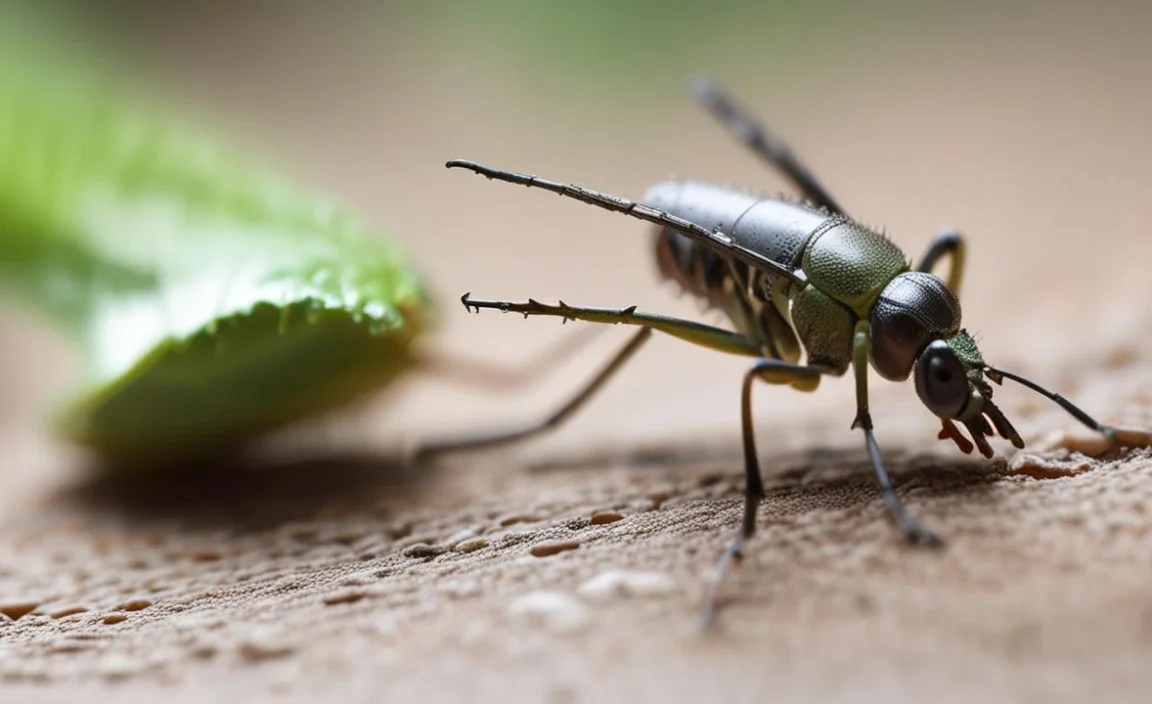
Identifying aphids early is key to protecting your plants. Aphids are small, soft-bodied insects. They come in many colors, like green, yellow, black, or even pink. Look closely at the undersides of leaves. Aphids often gather there in groups. They can also be found on stems and new shoots. Sometimes, you might see a sticky substance called honeydew. Aphids produce this as they feed. Ants love honeydew! So, if you see ants crawling on your plants, check for aphids. Keep an eye out for distorted or yellowing leaves. These are signs that aphids are feeding on your plants. Early detection makes it easier to get rid aphids before they cause too much damage.
- Check under leaves regularly.
- Look for small, colored bugs.
- Find sticky honeydew.
- Notice ants on plants.
- See distorted leaves.
Regularly inspecting your plants is the best way to find aphids early. Use a magnifying glass if needed. This will help you see them more clearly. Pay close attention to new growth. Aphids are often attracted to the tender new leaves and stems. Look for signs of damage, such as curled or yellowing leaves. Also, check for the sticky substance honeydew. If you find aphids, act quickly to get rid aphids. The sooner you take action, the easier it will be to control the infestation and protect your plants. Remember, a healthy garden starts with careful observation and prompt action.
Fun Fact or Stat: Aphids can reproduce very quickly! Some species can produce several generations in just one season.
What Do Aphids Look Like?
Have you ever seen tiny, pear-shaped bugs clustered on your plants? These could very well be aphids. They are small insects, usually less than a quarter of an inch long. Aphids come in various colors, including green, yellow, black, and even pink. Their bodies are soft and delicate. They have long antennae that help them find food. Some aphids have wings, while others do not. Winged aphids can fly to new plants. This helps them spread quickly. You can often find aphids on the undersides of leaves or on new stems. Look closely; they can be hard to spot at first.
Where Do Aphids Live?
Aphids are not picky about where they live. They can be found in gardens, farms, and even indoor plants. They prefer plants with tender new growth. This is because the sap is easier to suck. In gardens, they often target vegetables like tomatoes, peppers, and lettuce. Roses are also a favorite. Fruit trees can also be affected. Aphids can live on almost any plant. They thrive in mild temperatures. They can cause significant damage if left unchecked. So, it’s important to keep an eye on your plants. Taking action helps get rid aphids early.
Why Are Aphids Pests?
Aphids are considered pests because they harm plants. They suck sap from leaves and stems. This weakens the plant and stunts its growth. When aphids feed, they secrete a sticky substance called honeydew. Honeydew can attract ants and promote the growth of sooty mold. Sooty mold is an unsightly black fungus that can further harm plants. Aphids can also transmit plant viruses. These viruses can cause serious diseases. A large aphid infestation can severely damage or even kill a plant. That is why gardeners need to get rid aphids quickly and effectively to protect their plants.
Natural Predators to Control Aphids

One of the best ways to get rid aphids is by using natural predators. These helpful insects love to eat aphids. Ladybugs are a popular choice. They are bright red with black spots. Ladybugs can eat many aphids in their lifetime. Lacewings are another great predator. Their larvae are especially effective at hunting aphids. Hoverflies also help control aphids. Their larvae feed on aphids. Parasitic wasps are tiny wasps that lay their eggs inside aphids. When the wasp larvae hatch, they eat the aphid from the inside out. Encouraging these natural predators in your garden can keep the aphid population under control. You can attract them by planting flowers that provide nectar and pollen. Avoid using pesticides that can harm these beneficial insects.
- Attract ladybugs.
- Use lacewings.
- Encourage hoverflies.
- Introduce parasitic wasps.
- Plant flowers for beneficial insects.
Creating a welcoming habitat for natural predators is a great way to manage aphids. Plant flowers like dill, fennel, and yarrow. These plants attract ladybugs, lacewings, and hoverflies. Provide a source of water, such as a birdbath or shallow dish. Avoid using broad-spectrum pesticides. These can kill beneficial insects along with the aphids. You can also purchase ladybugs and lacewing larvae online or from garden centers. Release them in your garden in the evening. This gives them a chance to settle in before the sun comes up. By creating a balanced ecosystem in your garden, you can naturally get rid aphids and keep your plants healthy.
Fun Fact or Stat: A single ladybug can eat up to 50 aphids per day!
How Do Ladybugs Help?
Ladybugs are like tiny superheroes in the garden. They are bright and cheerful. They are also very hungry for aphids. Both adult ladybugs and their larvae eat aphids. A single ladybug can consume hundreds of aphids during its life. Ladybugs are easy to attract to your garden. Plant flowers like daisies, marigolds, and dandelions. These flowers provide nectar and pollen for ladybugs to eat. You can also buy ladybugs from garden centers. Releasing them in your garden can quickly reduce the aphid population. Ladybugs are a natural and effective way to get rid aphids without using harmful chemicals.
What Are Lacewings?
Lacewings are another beneficial insect that can help control aphids. They are delicate, green insects with lacy wings. It is the lacewing larvae that are the real aphid predators. Lacewing larvae are often called “aphid lions.” They have sharp mandibles that they use to grab and eat aphids. Lacewing larvae are voracious eaters. They can consume a large number of aphids in a short time. To attract lacewings to your garden, plant flowers like cosmos, sunflowers, and goldenrod. These flowers provide nectar and pollen for adult lacewings. You can also purchase lacewing eggs or larvae from garden centers.
Why Use Natural Predators?
Using natural predators to control aphids is a great option. It is an environmentally friendly approach. Natural predators provide a long-term solution. They help maintain a balanced ecosystem in your garden. They reduce the need for chemical pesticides. Chemical pesticides can harm beneficial insects. They can also pollute the environment. Natural predators target aphids specifically. This minimizes the risk of harming other plants or animals. By encouraging natural predators, you can create a healthy and sustainable garden. You can effectively get rid aphids without causing harm to the environment.
Soapy Water Spray to Eliminate Aphids

Soapy water spray is a simple and effective way to get rid aphids. This method works by suffocating the aphids. The soap disrupts their outer protective layer. This causes them to dehydrate and die. To make the spray, mix a few tablespoons of mild liquid soap with a gallon of water. Avoid using soaps with added detergents or fragrances. These can harm your plants. Use a spray bottle to apply the soapy water directly to the aphids. Be sure to spray the undersides of leaves. This is where aphids often hide. Repeat the treatment every few days until the aphids are gone. Soapy water spray is safe for most plants. However, it’s always a good idea to test it on a small area first. This ensures that it doesn’t damage the plant.
- Mix mild soap with water.
- Spray directly on aphids.
- Cover undersides of leaves.
- Repeat every few days.
- Test on a small area first.
When using soapy water spray, timing is important. Apply the spray in the early morning or late evening. This avoids spraying during the hottest part of the day. Hot sun can cause the soapy water to burn the leaves. Be thorough when spraying. Make sure to cover all parts of the plant where aphids are present. Pay special attention to new growth and areas where aphids tend to cluster. After spraying, monitor the plants closely. Check for any signs of damage or stress. If you notice any problems, rinse the plants with clean water. Soapy water spray is a gentle and effective way to get rid aphids. It helps keep your plants healthy and pest-free.
Fun Fact or Stat: Soapy water works because it breaks down the waxy coating on aphids, causing them to dry out.
What Kind of Soap Should I Use?
Choosing the right soap is crucial for making an effective and safe aphid spray. Use a mild, liquid soap. Castile soap is a good choice. Avoid using detergents or soaps with added fragrances, dyes, or moisturizers. These can harm your plants. Dish soap can be used, but make sure it doesn’t contain any harsh chemicals. Look for a simple, unscented dish soap. Test the soap on a small area of the plant first. This helps to ensure that it doesn’t cause any damage. A good soap will effectively get rid aphids without harming your plants.
How Often Should I Spray?
The frequency of spraying depends on the severity of the aphid infestation. For a mild infestation, spray every two to three days. For a more severe infestation, spray daily until the aphids are under control. After the aphids are gone, continue to monitor your plants. Spray once a week to prevent them from returning. Always check your plants for any signs of damage. Adjust the frequency of spraying as needed. Remember to spray in the early morning or late evening. This avoids spraying during the hottest part of the day.
Are There Risks to Using Soapy Water?
While soapy water is generally safe, there are some risks to be aware of. Some plants are more sensitive to soap than others. Always test the spray on a small area of the plant first. Watch for signs of leaf burn or discoloration. Avoid spraying during hot, sunny weather. This can increase the risk of damage. Use the correct concentration of soap. Too much soap can harm the plant. Rinse the plant with clean water after spraying. This helps to remove any soap residue. Be careful when using soapy water near beneficial insects. Soapy water can also harm them.
Neem Oil Treatment for Aphid Control

Neem oil is a natural insecticide that is effective at controlling aphids. It is derived from the seeds of the neem tree. Neem oil works in several ways to get rid aphids. It disrupts their feeding, prevents them from molting, and repels them. It is a safe option for organic gardening. To use neem oil, mix it with water according to the instructions on the label. Add a few drops of mild soap to help the oil mix with the water. Use a spray bottle to apply the neem oil solution to the affected plants. Be sure to cover all parts of the plant, including the undersides of leaves. Repeat the treatment every 7 to 14 days, or as needed. Neem oil is most effective when applied in the early morning or late evening. This avoids spraying during the hottest part of the day.
- Mix neem oil with water.
- Add soap to help mix.
- Spray all plant parts.
- Repeat every 7–14 days.
- Apply in the morning or evening.
When using neem oil, it’s important to follow the instructions carefully. Overuse of neem oil can harm plants. Test the solution on a small area of the plant before applying it to the entire plant. This helps to ensure that it doesn’t cause any damage. Neem oil can also affect beneficial insects. Avoid spraying neem oil directly on them. Instead, focus on the areas where aphids are present. Neem oil is a great option for controlling aphids in a natural and environmentally friendly way. It helps get rid aphids while minimizing the risk to other plants and insects in your garden.
Fun Fact or Stat: Neem oil has been used for centuries in traditional medicine and agriculture.
How Does Neem Oil Work?
Neem oil works in several ways to control aphids. It contains a compound called azadirachtin. Azadirachtin disrupts the aphid’s life cycle. It prevents them from molting, which is necessary for their growth. Neem oil also acts as a repellent. It makes the plant less attractive to aphids. Aphids will avoid feeding on plants treated with neem oil. Neem oil can also interfere with the aphid’s ability to reproduce. It reduces the number of eggs they lay. By disrupting the aphid’s life cycle, neem oil effectively controls their population. It is a natural and sustainable way to get rid aphids.
Is Neem Oil Safe for Plants?
Neem oil is generally safe for most plants when used correctly. However, some plants are more sensitive to neem oil than others. Always test the solution on a small area of the plant first. Watch for signs of leaf burn or discoloration. Avoid spraying neem oil on plants that are stressed or wilted. These plants are more susceptible to damage. Do not apply neem oil during hot, sunny weather. This can increase the risk of leaf burn. Follow the instructions on the label carefully. Use the correct concentration of neem oil. When used properly, neem oil is a safe and effective way to control aphids.
Can Neem Oil Harm Beneficial Insects?
Neem oil can affect beneficial insects, but it is generally less harmful than synthetic pesticides. Neem oil is most harmful to insects that ingest it. It has less impact on insects that only come into contact with it. To minimize the risk to beneficial insects, avoid spraying neem oil directly on them. Focus on the areas where aphids are present. Apply neem oil in the early morning or late evening. This is when beneficial insects are less active. You can also cover beneficial insects with a cloth while spraying. This will protect them from the neem oil.
Water Spray to Physically Remove Aphids

Using a strong stream of water is a simple and effective way to physically remove aphids from plants. This method works best for light to moderate infestations. The water pressure dislodges the aphids from the plant. They are then unable to climb back on. Use a garden hose with a spray nozzle to direct a strong stream of water onto the affected plants. Focus on the areas where aphids are clustered. This includes the undersides of leaves and new growth. Repeat the treatment every few days until the aphids are gone. Be careful not to use too much pressure. This can damage delicate plants. Water spray is a safe and easy way to get rid aphids without using any chemicals.
| Method | Pros | Cons | Best For |
|---|---|---|---|
| Water Spray | Simple, no chemicals | Can damage delicate plants, needs repeating | Light infestations |
| Soapy Water | Effective, affordable | Can burn leaves, needs testing | Moderate infestations |
| Neem Oil | Natural, systemic | Can affect beneficial insects, needs careful application | Severe infestations |
| Natural Predators | Long-term solution, eco-friendly | Takes time to establish, may not be immediate | Prevention and maintenance |
- Use a garden hose.
- Spray a strong stream of water.
- Focus on aphid clusters.
- Repeat every few days.
- Avoid too much pressure.
When using water spray, timing is important. Spray in the early morning. This gives the plants time to dry before nightfall. Wet leaves can promote fungal diseases. Be thorough when spraying. Make sure to cover all parts of the plant where aphids are present. Pay special attention to new growth and areas where aphids tend to cluster. After spraying, monitor the plants closely. Check for any signs of damage or stress. If you notice any problems, adjust the water pressure or frequency of spraying. Water spray is a gentle and effective way to get rid aphids. It helps keep your plants healthy and pest-free.
Fun Fact or Stat: A strong stream of water can knock aphids off plants, and they often can’t find their way back.
How Strong Should the Water Spray Be?
The strength of the water spray depends on the type of plant. Delicate plants need a gentler spray. Sturdier plants can handle a stronger spray. Start with a moderate spray. Increase the pressure gradually until the aphids are dislodged. Avoid using a jet setting. This can damage the plant. Test the spray on a small area of the plant first. Watch for signs of damage. Adjust the pressure as needed. The goal is to get rid aphids without harming the plant.
What If the Aphids Come Back?
Aphids can sometimes return after being sprayed off with water. This is because some aphids may survive. They can also be brought back by ants or wind. To prevent aphids from returning, repeat the treatment every few days. Monitor your plants regularly. Look for signs of new aphid infestations. You can also use other methods to control aphids. Consider introducing natural predators or using soapy water spray. A combination of methods is often the most effective way to keep aphids away.
Is Water Spray Enough to Control Aphids?
Water spray can be an effective way to control aphids. But it may not be enough for severe infestations. Water spray only removes the aphids that are present at the time of spraying. It does not prevent new aphids from arriving. For severe infestations, you may need to use other methods. Consider using neem oil or soapy water spray. You can also introduce natural predators to your garden. A combination of methods is often the most effective way to get rid aphids. This will help keep your plants healthy and pest-free.
Healthy Plants Resist Aphid Infestations
One of the best ways to prevent aphid infestations is to keep your plants healthy and strong. Healthy plants are better able to resist pests and diseases. Provide your plants with the right amount of sunlight, water, and nutrients. Use well-draining soil to prevent root rot. Mulch around your plants to retain moisture and suppress weeds. Prune your plants regularly to improve air circulation and remove dead or dying leaves. Monitor your plants regularly for signs of pests or diseases. Address any problems promptly to prevent them from spreading. Healthy plants are less attractive to aphids. They can better tolerate aphid feeding without suffering significant damage. By focusing on plant health, you can naturally get rid aphids and keep your garden thriving.
- Provide enough sunlight.
- Water plants properly.
- Use well-draining soil.
- Mulch around plants.
- Prune regularly.
When planting, choose varieties that are resistant to aphids. Some plants are naturally more resistant to aphids than others. Research which varieties are best suited for your area. Avoid over-fertilizing your plants. Too much nitrogen can make them more attractive to aphids. Use a balanced fertilizer or organic compost to provide your plants with the nutrients they need. Encourage beneficial insects in your garden. They will help to control the aphid population. By creating a healthy and balanced ecosystem in your garden, you can naturally get rid aphids and keep your plants healthy and productive.
Fun Fact or Stat: Healthy plants can produce natural defenses that repel aphids.
How Does Sunlight Help?
Sunlight is essential for plant growth. Plants need sunlight to perform photosynthesis. Photosynthesis is the process by which plants convert sunlight into energy. Adequate sunlight helps plants grow strong and healthy. Healthy plants are better able to resist pests and diseases, including aphids. Make sure your plants receive the right amount of sunlight. Different plants have different sunlight requirements. Research the specific needs of your plants. Provide them with the amount of sunlight they need to thrive.
Why Is Watering Important?
Watering is crucial for plant health. Plants need water to transport nutrients from the soil to their leaves. Water also helps to keep plants cool and hydrated. Proper watering can help plants resist stress and disease. Avoid overwatering your plants. Overwatering can lead to root rot. Root rot weakens the plant and makes it more susceptible to pests and diseases. Water your plants deeply and less frequently. Allow the soil to dry out slightly between waterings. This encourages healthy root growth.
What Nutrients Do Plants Need?
Plants need a variety of nutrients to grow strong and healthy. The three main nutrients are nitrogen, phosphorus, and potassium. Nitrogen promotes leaf growth. Phosphorus promotes root and flower development. Potassium helps with overall plant health and disease resistance. Use a balanced fertilizer or organic compost to provide your plants with the nutrients they need. Avoid over-fertilizing. Too much fertilizer can harm your plants. Follow the instructions on the fertilizer label carefully.
Regular Garden Checks for Aphid Prevention
Regular garden checks are essential for preventing aphid infestations. By inspecting your plants regularly, you can catch aphids early. Early detection makes it easier to get rid aphids before they cause too much damage. Check the undersides of leaves, stems, and new growth. These are common hiding spots for aphids. Look for signs of aphids, such as small, colored bugs, sticky honeydew, or distorted leaves. Also, check for ants crawling on your plants. Ants often protect aphids in exchange for honeydew. If you find aphids, take action immediately to control the infestation. The sooner you act, the easier it will be to protect your plants.
- Check under leaves.
- Inspect stems and new growth.
- Look for small bugs.
- Find sticky honeydew.
- Watch for ants.
Make garden checks a regular part of your gardening routine. Check your plants at least once a week. Use a magnifying glass if needed to see small aphids. Keep a record of your findings. Note any areas where aphids are present. This will help you track the infestation and monitor the effectiveness of your control methods. Remove any heavily infested plants or plant parts. This will prevent the aphids from spreading to other plants. Regular garden checks are a simple and effective way to prevent aphid infestations and keep your garden healthy. This way you can get rid aphids early.
Fun Fact or Stat: Early detection of aphids can prevent them from multiplying into large infestations.
When Is the Best Time to Check?
The best time to check your garden for aphids is in the early morning or late evening. During these times, the temperature is cooler. Aphids are more likely to be active. Check your plants on a regular basis. This will help you catch aphids early. Be especially vigilant during the spring and summer months. These are the peak seasons for aphid activity. Make garden checks a routine part of your gardening schedule. This will help you keep your plants healthy and pest-free.
What Tools Do I Need?
You don’t need many tools to check your garden for aphids. A magnifying glass can be helpful for seeing small aphids. A flashlight can help you see under leaves and in dark areas. A notebook and pen can be used to record your findings. Gloves can protect your hands from dirt and pests. A small spray bottle filled with soapy water can be used to treat small infestations. With these simple tools, you can effectively monitor your garden for aphids. You can take action to get rid aphids quickly.
What If I Find Aphids?
If you find aphids, don’t panic. Take action immediately to control the infestation. Start by spraying the affected plants with a strong stream of water. This will dislodge the aphids from the plant. You can also use soapy water spray or neem oil to control aphids. Introduce natural predators to your garden. Monitor your plants regularly. Repeat the treatment as needed. With prompt action, you can effectively get rid aphids and protect your plants.
Summary
Aphids are small pests that can cause big problems for your plants. They suck sap from leaves and stems, weakening the plant. Identifying aphids early is key to protecting your garden. Look for small, colored bugs on the undersides of leaves. Natural predators like ladybugs and lacewings can help control aphids. Soapy water spray and neem oil are effective treatments. A strong stream of water can physically remove aphids. Healthy plants are more resistant to infestations. Regular garden checks are essential for prevention. Remember, the sooner you take action to get rid aphids, the better!
Conclusion
Protecting your garden from aphids is important for healthy plants. There are many ways to control these pests. Natural predators, soapy water, and neem oil are all effective options. Regular garden checks can help you catch infestations early. Keeping your plants healthy will make them less attractive to aphids. By taking these steps, you can get rid aphids and enjoy a thriving garden.
Frequently Asked Questions
Question No 1: What are aphids?
Answer: Aphids are small, soft-bodied insects that feed on plants. They come in various colors. They include green, yellow, black, and pink. They suck the sap from leaves, stems, and flowers. Aphids can cause significant damage to plants. They can stunt growth, distort leaves, and transmit diseases. They reproduce quickly. This makes it important to control them early.
Question No 2: How do I know if I have aphids?
Answer: Look for small, colored bugs on your plants. Check the undersides of leaves and stems. Aphids often cluster in these areas. Look for a sticky substance called honeydew. Aphids produce this as they feed. Ants are often attracted to honeydew. Check for distorted or yellowing leaves. These are signs that aphids are feeding on your plants. Early detection is key to get rid aphids before they cause too much damage.
Question No 3: What are some natural ways to get rid of aphids?
Answer: There are many natural ways to control aphids. Introduce natural predators like ladybugs, lacewings, and hoverflies to your garden. These insects eat aphids. Spray your plants with soapy water. This will suffocate the aphids. Use neem oil. It is a natural insecticide that disrupts the aphid’s life cycle. A strong stream of water can physically remove aphids from plants. Keeping your plants healthy is also important. Healthy plants are better able to resist aphid infestations.
Question No 4: How do I make soapy water spray?
Answer: Making soapy water spray is easy. Mix a few tablespoons of mild liquid soap with a gallon of water. Avoid using soaps with added detergents or fragrances. These can harm your plants. Use a spray bottle to apply the soapy water directly to the aphids. Be sure to spray the undersides of leaves. This is where aphids often hide. Repeat the treatment every few days until the aphids are gone. Soapy water spray is a safe and effective way to get rid aphids.
Question No 5: What is neem oil?
Answer: Neem oil is a natural insecticide derived from the seeds of the neem tree. It works in several ways to control aphids. It disrupts their feeding, prevents them from molting, and repels them. Neem oil is a safe option for organic gardening. Mix neem oil with water according to the instructions on the label. Add a few drops of mild soap to help the oil mix with the water. Spray the solution on the affected plants.
Question No 6: How can I prevent aphids from coming back?
Answer: To prevent aphids from returning, monitor your plants regularly for signs of infestation. Encourage natural predators in your garden. Provide your plants with the right amount of sunlight, water, and nutrients. Use well-draining soil and mulch around your plants. Prune your plants regularly to improve air circulation. Consider planting aphid-resistant varieties. By taking these steps, you can create a healthy garden ecosystem. You can get rid aphids and prevent them from coming back.
