Did you know some bugs help your garden grow? They do! These good bugs for gardens eat the bad bugs. They also help flowers make seeds. It is like having tiny helpers in your backyard.
Imagine a garden full of colorful flowers and yummy vegetables. But then, bad bugs come and start eating everything! What can you do? That’s where good bugs for gardens come to the rescue. They are like superheroes for your plants.
Some bugs are like little bodyguards. They protect your plants from harm. Other bugs help spread pollen. This helps plants make new fruits and veggies. So, let’s learn about these amazing good bugs for gardens!
Key Takeaways
- Good bugs for gardens protect plants by eating harmful pests.
- Ladybugs are great for gardens as they eat aphids.
- Attracting beneficial insects can reduce the need for pesticides.
- Some good bugs help to pollinate flowers and vegetables.
- A healthy garden includes a diverse ecosystem of insects.
Understanding Good Bugs for Gardens

Good bugs for gardens are insects that help your plants grow. They do this in many ways. Some eat the bugs that harm your plants. These bad bugs can munch on leaves and stems. They can even spread diseases. Good bugs keep these bad bugs away. This helps your plants stay healthy and strong. Other good bugs help with pollination. Pollination is how plants make seeds and fruits. These bugs carry pollen from one flower to another. This helps the plants make new fruits and vegetables.
- Ladybugs eat aphids.
- Lacewings eat many pests.
- Ground beetles eat slugs.
- Hoverflies pollinate flowers.
- Parasitic wasps kill bad bugs.
When you have good bugs for gardens, you don’t need to use as many chemicals. Chemicals can hurt the environment. They can also harm the good bugs. By attracting good bugs, you create a healthier garden. This means healthier plants and food for you! It also means a safer place for all living things. So, learning about good bugs is a great way to help your garden and the planet. You can even build a bug hotel to attract them!
Why are good bugs important?
Have you ever wondered why some gardens thrive while others struggle? One big reason is the presence of good bugs for gardens. These helpful insects play a vital role in keeping your plants healthy and productive. They act as natural pest control, reducing the need for harmful chemicals. Good bugs eat the bad bugs that damage your plants. This keeps your garden balanced and thriving. Without these good bugs, your plants would be more vulnerable to pests and diseases. This would make it harder to grow healthy fruits, vegetables, and flowers.
How do good bugs help?
Imagine your garden as a tiny city. The plants are like buildings, and the bugs are like citizens. Some citizens, the bad bugs, cause trouble by eating the plants. But the good bugs are like the police force. They keep the bad bugs in check and protect the plants. For example, ladybugs are like tiny officers that patrol your plants, eating aphids. Aphids are small pests that suck the sap out of plants, weakening them. By eating aphids, ladybugs keep your plants strong and healthy. This helps your garden grow and produce more fruits and vegetables.
Attracting good bugs to your garden
Want to invite more good bugs for gardens to your yard? It’s easier than you think! One simple way is to plant flowers that they love. For example, many good bugs are attracted to flowers like dill, fennel, and yarrow. These plants provide food and shelter for the good bugs. Another way to attract them is to avoid using pesticides. Pesticides can kill both bad and good bugs. Instead, try using natural methods to control pests. You can also provide a water source for the bugs, like a shallow dish of water with pebbles. This will help them stay hydrated and happy in your garden.
Fun Fact or Stat: A single ladybug can eat up to 5,000 aphids in its lifetime!
Attracting Ladybugs to Your Garden

Ladybugs are some of the most popular good bugs for gardens. They are bright red with black spots and are very helpful. Ladybugs eat aphids, which are tiny pests that suck the juice out of plants. Aphids can weaken your plants and even kill them. Ladybugs are like little superheroes, saving your plants from these pesky creatures. To attract ladybugs, plant flowers like marigolds and dill. These plants provide food and shelter for the ladybugs. You can also buy ladybugs from garden stores and release them into your garden.
- Plant dill to attract ladybugs.
- Marigolds provide shelter.
- Avoid pesticides that harm them.
- Provide a water source.
- Buy and release ladybugs.
- Keep ants away from plants.
When you have ladybugs in your garden, you will notice fewer aphids. This means your plants will be healthier and stronger. They will be able to grow and produce more fruits and vegetables. Ladybugs are also fun to watch. They add color and life to your garden. So, attracting ladybugs is a great way to help your garden thrive. You can even get a magnifying glass and watch them eat the aphids! It’s like watching a tiny battle in your backyard.
What do ladybugs eat?
Most people know that ladybugs are good bugs for gardens, but what exactly do they eat? The answer is mostly aphids! Aphids are small, soft-bodied insects that feed on plant sap. They can quickly multiply and cause significant damage to your plants. Ladybugs are voracious predators of aphids. They can consume large numbers of them each day. This makes them an excellent natural pest control solution for gardeners. In addition to aphids, ladybugs also eat other small insects, such as mites and mealybugs. They are like tiny vacuum cleaners, sucking up all the harmful pests in your garden.
How to create a ladybug-friendly habitat
If you want to attract more ladybugs to your garden, you need to create a ladybug-friendly habitat. This means providing them with the things they need to survive and thrive. First, plant flowers that provide nectar and pollen, such as dill, fennel, and yarrow. These plants will attract ladybugs and provide them with a food source. Second, avoid using pesticides. Pesticides can kill ladybugs and other beneficial insects. Instead, try using natural pest control methods. Third, provide a water source for the ladybugs. A shallow dish of water with pebbles will do the trick.
Ladybug life cycle
Did you know that ladybugs go through a fascinating life cycle? It starts with the egg. Ladybugs lay their eggs on plants that are infested with aphids. When the eggs hatch, the larvae emerge. Ladybug larvae look like tiny, alligator-like creatures. They are also voracious predators of aphids. The larvae eat even more aphids than the adult ladybugs! After a few weeks, the larvae pupate. They form a hard shell around themselves. Inside the shell, they transform into adult ladybugs. The whole process takes about a month.
Fun Fact or Stat: Ladybugs are also called lady beetles or ladybird beetles.
Using Lacewings as Natural Pest Control

Lacewings are another type of good bugs for gardens. They are delicate insects with green bodies and lacy wings. Lacewing larvae are excellent predators. They eat aphids, mites, and other small pests. They are like tiny hunters, patrolling your plants for prey. To attract lacewings, plant flowers like cosmos and sunflowers. These plants provide nectar for the adult lacewings. You can also buy lacewing eggs and release them into your garden. The eggs will hatch into larvae, which will start eating pests right away.
- Plant cosmos to attract lacewings.
- Sunflowers provide nectar.
- Buy and release lacewing eggs.
- Provide shelter with plants.
- Avoid broad-spectrum pesticides.
- Attract with dill and fennel.
When you have lacewings in your garden, you will see a big reduction in pests. This means your plants will be healthier and more productive. Lacewings are also beautiful to watch. They add a touch of elegance to your garden. So, using lacewings as natural pest control is a great way to help your garden thrive. You can even build a small shelter for them out of sticks and leaves. This will give them a safe place to hide from predators.
What do lacewings eat?
Lacewings are known as good bugs for gardens because of their appetite for pests. But what exactly do they eat? The answer depends on whether you’re talking about the larvae or the adults. Lacewing larvae are voracious predators. They feed on a wide variety of small insects. This includes aphids, mites, mealybugs, and whiteflies. They even eat the eggs of other insects. Adult lacewings, on the other hand, primarily feed on nectar, pollen, and honeydew. Honeydew is a sweet substance produced by aphids and other sap-sucking insects.
How to identify lacewing larvae
Lacewing larvae are not as well-known as the adult lacewings. It is important to know what they look like. They are small, alligator-like creatures. They have elongated bodies and prominent mandibles. Mandibles are the mouthparts they use to grab and eat their prey. Lacewing larvae are usually brown or gray. They can also have spots or stripes. They move slowly and deliberately. They are often found on plants that are infested with aphids or other pests. Keep an eye out for these tiny predators in your garden.
The benefits of using lacewings
There are many benefits to using lacewings as natural pest control in your garden. First, they are very effective predators of a wide variety of pests. This means they can help keep your plants healthy and productive. Second, they are safe for the environment. They do not harm beneficial insects or pollute the soil. Third, they are easy to use. You can simply release lacewing eggs or larvae into your garden. They will take care of the rest. Using lacewings is a great way to protect your garden.
Fun Fact or Stat: Lacewings are attracted to light, so you might see them near outdoor lights at night.
Ground Beetles: Garden Guardians

Ground beetles are another type of good bugs for gardens. They are black or brown beetles that live in the soil. Ground beetles are nocturnal predators. They come out at night to hunt for slugs, snails, and other pests. They are like tiny security guards, patrolling your garden for intruders. To attract ground beetles, provide them with shelter. You can leave piles of leaves or wood in your garden. These will give the beetles a place to hide during the day. You can also plant ground cover plants.
| Bug | Eats | Attractant |
|---|---|---|
| Ladybug | Aphids | Dill, Marigolds |
| Lacewing | Aphids, Mites | Cosmos, Sunflowers |
| Ground Beetle | Slugs, Snails | Leaf piles, Ground cover |
| Hoverfly | Aphids | Yarrow, Lavender |
- Leave leaf piles for shelter.
- Plant ground cover plants.
- Avoid disturbing the soil.
- Provide a water source.
- Attract with stones and logs.
- Keep compost nearby.
When you have ground beetles in your garden, you will see fewer slugs and snails. These pests can damage your plants by eating their leaves. Ground beetles help keep these pests in check. This means your plants will be healthier and more productive. Ground beetles are also beneficial to the soil. They help break down organic matter, which enriches the soil. So, attracting ground beetles is a great way to help your garden thrive. You can even create a small beetle bank in your garden. This is a raised area of soil with lots of hiding places for beetles.
What do ground beetles eat?
Ground beetles are good bugs for gardens due to their diverse diet. They are not picky eaters and will consume a variety of pests. Their favorite foods include slugs, snails, cutworms, and other soil-dwelling insects. They also eat weed seeds, helping to control unwanted plants in your garden. Ground beetles are like tiny garbage collectors, cleaning up all the pests and debris in your garden. This helps to keep your plants healthy and thriving. If you have a problem with slugs or snails, ground beetles can be a great natural solution.
How to encourage ground beetles
If you want to encourage ground beetles to take up residence in your garden, there are several things you can do. First, provide them with plenty of shelter. Ground beetles like to hide during the day, so they need places to burrow and rest. You can leave piles of leaves, wood, or stones in your garden. You can also plant ground cover plants, such as clover or thyme. Second, avoid using pesticides. Pesticides can kill ground beetles and other beneficial insects. Instead, try using natural pest control methods. Third, keep your soil healthy. Ground beetles prefer soil that is rich in organic matter.
The role of ground beetles in the ecosystem
Ground beetles play an important role in the ecosystem. They are not only beneficial to gardeners, but they also help to maintain the balance of nature. They help to control populations of pests. They also help to break down organic matter, which enriches the soil. Ground beetles are an important food source for other animals. Birds, reptiles, and amphibians all eat ground beetles. By protecting ground beetles, you are helping to protect the entire ecosystem. They are a vital part of the food chain and contribute to a healthy environment.
Fun Fact or Stat: There are over 40,000 different species of ground beetles in the world!
Hoverflies: Pollinators and Pest Control
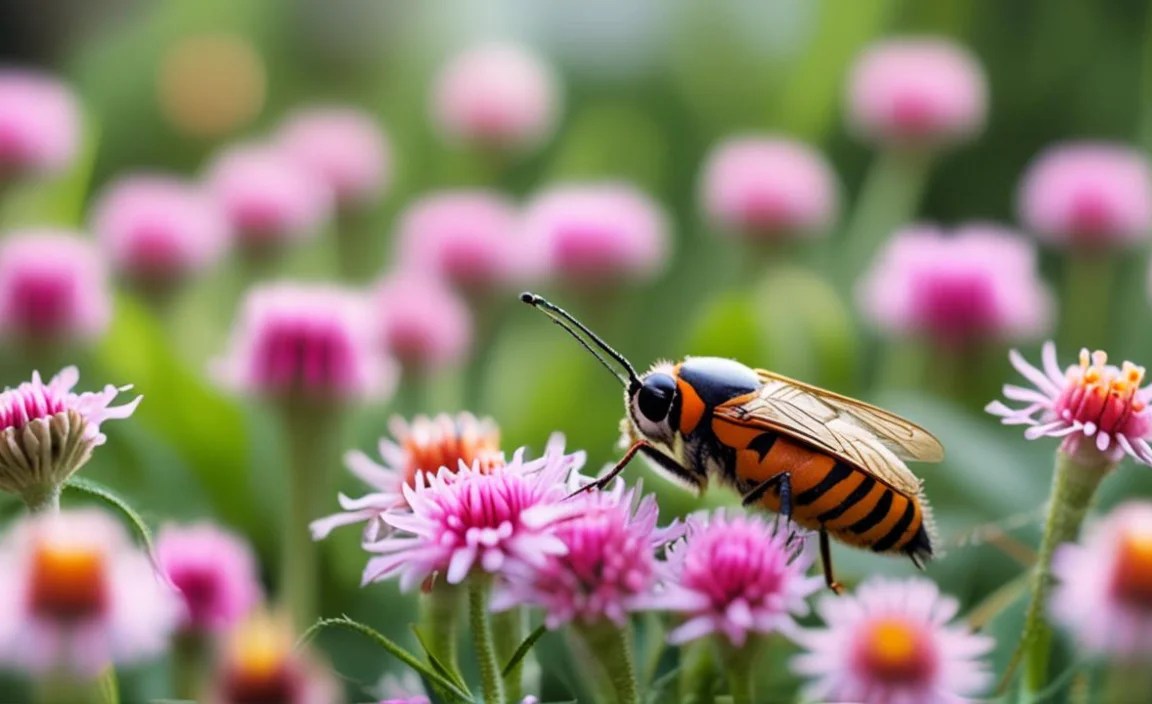
Hoverflies are another type of good bugs for gardens. They look like small bees or wasps. But they are actually flies. Hoverflies are important pollinators. They visit flowers to drink nectar. As they do, they carry pollen from one flower to another. This helps the plants make seeds and fruits. Hoverfly larvae are also helpful. They eat aphids, just like ladybugs. They are like tiny helpers, both pollinating and controlling pests. To attract hoverflies, plant flowers like yarrow and lavender.
- Plant yarrow to attract them.
- Lavender provides nectar.
- Provide a water source.
- Avoid pesticides.
- Plant dill and fennel.
- Attract with bright colors.
When you have hoverflies in your garden, you will see more flowers and fruits. Your plants will be healthier and more productive. Hoverflies are also beautiful to watch. They hover in the air, like tiny hummingbirds. So, attracting hoverflies is a great way to help your garden thrive. You can even build a small hoverfly house in your garden. This is a simple structure with holes that provide shelter for the flies.
What do hoverflies eat?
Hoverflies, also known as flower flies, are good bugs for gardens because of their diverse feeding habits. Adult hoverflies primarily feed on nectar and pollen. They visit flowers to obtain the energy they need to fly and reproduce. Hoverfly larvae, on the other hand, are voracious predators of aphids. Some species of hoverfly larvae can eat dozens of aphids per day. This makes them an excellent natural pest control solution for gardeners. By attracting hoverflies to your garden, you can both pollinate your plants and control aphids.
How to identify hoverfly larvae
Hoverfly larvae are not as well-known as the adult hoverflies. It is important to know what they look like. They are small, legless grubs. They have tapered bodies and are usually green or brown. They move slowly and deliberately. They are often found on plants that are infested with aphids. Look closely at your plants for these tiny predators. They are working hard to keep your garden healthy. They can easily be mistaken for caterpillars, but lack defined heads.
The benefits of attracting hoverflies
There are many benefits to attracting hoverflies to your garden. First, they are important pollinators. They help to transfer pollen from one flower to another. This helps the plants make seeds and fruits. Second, they are effective predators of aphids. They can help to control populations of these pests. Third, they are safe for the environment. They do not harm beneficial insects or pollute the soil. Attracting hoverflies is a great way to improve the health and productivity of your garden. Plus they look like bees, but can’t sting!
Fun Fact or Stat: Hoverflies can hover in mid-air, which is how they got their name.
Parasitic Wasps: Tiny Defenders
Parasitic wasps are another type of good bugs for gardens. They are tiny wasps that lay their eggs inside other insects. When the eggs hatch, the wasp larvae eat the host insect from the inside out. This kills the host insect. Parasitic wasps are like tiny assassins, targeting specific pests in your garden. To attract parasitic wasps, plant flowers like dill and fennel. These plants provide nectar for the adult wasps. You can also buy parasitic wasps and release them into your garden.
- Plant dill to attract them.
- Fennel provides nectar.
- Avoid broad-spectrum pesticides.
- Provide a water source.
- Attract with small flowers.
- Keep garden clean.
When you have parasitic wasps in your garden, you will see fewer pests. This means your plants will be healthier and more productive. Parasitic wasps are also very specific in their targets. They only attack certain types of pests. This means they won’t harm other beneficial insects. So, attracting parasitic wasps is a great way to help your garden thrive. You can even build a small wasp house in your garden. This is a simple structure with small holes that provide shelter for the wasps.
What do parasitic wasps target?
Parasitic wasps are good bugs for gardens because they target a wide range of pests. The specific pests that they target depend on the species of wasp. Some parasitic wasps target aphids. Others target caterpillars, whiteflies, or mealybugs. Some even target the eggs of other insects. Parasitic wasps are very specific in their targets. They only attack certain types of pests. This makes them an excellent natural pest control solution for gardeners. They won’t harm beneficial insects or other animals.
How do parasitic wasps work?
The way that parasitic wasps work is fascinating. The adult wasp searches for a host insect. Once it finds a host, it lays its eggs inside the host’s body. The wasp larvae hatch from the eggs. They begin to feed on the host’s tissues. As the larvae grow, they eventually kill the host. The wasp larvae then pupate inside the host’s body. They emerge as adult wasps. The whole process takes about a week or two. It is like a tiny horror movie playing out in your garden.
The importance of parasitic wasps
Parasitic wasps are an important part of the ecosystem. They help to control populations of pests. They also help to maintain the balance of nature. Parasitic wasps are an important food source for other animals. Birds, reptiles, and amphibians all eat parasitic wasps. By protecting parasitic wasps, you are helping to protect the entire ecosystem. They are a vital part of the food chain and contribute to a healthy environment. Gardeners should encourage them.
Fun Fact or Stat: Some parasitic wasps are so small that they are barely visible to the naked eye.
Creating a Bug-Friendly Garden Habitat
To attract good bugs for gardens, you need to create a bug-friendly habitat. This means providing them with food, water, and shelter. Plant a variety of flowers that bloom at different times of the year. This will provide a constant source of nectar and pollen. Provide a water source, such as a shallow dish of water with pebbles. Leave piles of leaves or wood in your garden. This will provide shelter for the bugs. Avoid using pesticides, as these can harm beneficial insects. By creating a bug-friendly habitat, you will attract a variety of good bugs. This will help your garden thrive.
- Plant a variety of flowers.
- Provide a water source.
- Leave leaf piles for shelter.
- Avoid using pesticides.
- Build a bug hotel.
- Add compost to the soil.
When you have a bug-friendly garden, you will see a big difference in the health and productivity of your plants. You will also see a greater variety of insects and other wildlife. Your garden will become a haven for all sorts of creatures. It will be a place where you can connect with nature and learn about the amazing world of insects. So, start creating your bug-friendly garden today. You will be amazed at the results.
Providing food for beneficial insects
One of the most important things you can do to attract good bugs for gardens is to provide them with food. Beneficial insects need nectar and pollen to survive and reproduce. Plant a variety of flowers that provide these resources. Choose flowers that bloom at different times of the year. This will ensure that there is always a food source available. Some good choices include yarrow, lavender, dill, fennel, and cosmos. You can also plant herbs, such as mint and basil. These herbs attract a variety of beneficial insects.
Providing shelter for beneficial insects
In addition to food, beneficial insects also need shelter. They need places to hide from predators and to lay their eggs. You can provide shelter by leaving piles of leaves, wood, or stones in your garden. You can also plant ground cover plants, such as clover or thyme. These plants provide a safe haven for insects. Another option is to build a bug hotel. This is a simple structure with different compartments that provide shelter for a variety of insects.
Avoiding pesticides
Pesticides can be harmful to beneficial insects. They can kill them directly or disrupt their life cycle. It is important to avoid using pesticides in your garden. If you have a pest problem, try using natural pest control methods. You can use insecticidal soap, neem oil, or Bacillus thuringiensis (Bt). These products are safe for beneficial insects. They will only kill the pests that are causing problems. By avoiding pesticides, you will create a healthier and more balanced garden ecosystem.
Fun Fact or Stat: A bug hotel can provide shelter for a wide variety of beneficial insects, including bees, ladybugs, and lacewings.
Summary
Good bugs for gardens are essential for a healthy and thriving ecosystem. These beneficial insects help to control pests, pollinate plants, and enrich the soil. By attracting and protecting these good bugs, you can create a garden that is both beautiful and productive. There are many ways to attract good bugs to your garden. Plant a variety of flowers, provide a water source, and avoid using pesticides. You can also build a bug hotel or leave piles of leaves and wood in your garden.
By creating a bug-friendly habitat, you will attract a variety of good bugs. This will help your garden thrive. Remember, a healthy garden is a balanced garden. It is a place where both plants and insects can thrive. So, embrace the good bugs and let them help you create the garden of your dreams.
Conclusion
Good bugs for gardens are like tiny superheroes. They help protect your plants from pests and diseases. They also help to pollinate flowers and enrich the soil. By attracting and protecting these good bugs, you can create a healthy and thriving garden. So, next time you see a ladybug or a lacewing, remember that it is your friend. Welcome it into your garden and let it do its job.
Frequently Asked Questions
Question No 1: What are some examples of good bugs for gardens?
Answer: Some examples of good bugs for gardens include ladybugs, lacewings, ground beetles, hoverflies, and parasitic wasps. Ladybugs eat aphids, which are small pests that suck the sap out of plants. Lacewings eat a variety of pests, including aphids, mites, and mealybugs. Ground beetles eat slugs, snails, and other soil-dwelling insects. Hoverflies are important pollinators and their larvae eat aphids. Parasitic wasps lay their eggs inside other insects, killing them from the inside out. These bugs all help to keep your garden healthy.
Question No 2: How can I attract good bugs to my garden?
Answer: There are many ways to attract good bugs for gardens. One way is to plant a variety of flowers that provide nectar and pollen. Some good choices include yarrow, lavender, dill, fennel, and cosmos. Another way is to provide a water source, such as a shallow dish of water with pebbles. You can also leave piles of leaves or wood in your garden. This will provide shelter for the bugs. Finally, avoid using pesticides, as these can harm beneficial insects. These simple steps can help you attract more good bugs to your garden and keep it healthy.
Question No 3: Are ladybugs really good for gardens?
Answer: Yes, ladybugs are very good for gardens! They are voracious predators of aphids, which are small pests that can damage plants. A single ladybug can eat thousands of aphids in its lifetime. This makes them an excellent natural pest control solution for gardeners. By attracting ladybugs to your garden, you can help to keep your plants healthy and free from pests. Ladybugs are like tiny superheroes patrolling your plants and protecting them from harm.
Question No 4: What if I see bad bugs in my garden?
Answer: If you see bad bugs in your garden, don’t panic! There are many natural ways to control them. One way is to attract more good bugs for gardens, which will help to keep the bad bugs in check. Another way is to use insecticidal soap, neem oil, or Bacillus thuringiensis (Bt). These products are safe for beneficial insects and will only kill the pests that are causing problems. You can also try hand-picking the bad bugs off your plants and dropping them into a bucket of soapy water.
Question No 5: What is a bug hotel, and why should I build one?
Answer: A bug hotel is a structure that provides shelter for a variety of insects. It can be made from a variety of materials, such as wood, bamboo, and straw. The different compartments in the bug hotel provide shelter for different types of insects. For example, ladybugs like to hide in small holes, while bees like to nest in hollow stems. By building a bug hotel, you can provide a safe haven for beneficial insects in your garden. This will help to attract more good bugs for gardens and keep your plants healthy.
Question No 6: How do I know if a bug is good or bad for my garden?
Answer: It can be tricky to tell the difference between good and bad bugs. One way to identify good bugs for gardens is to look for ones that eat other insects. Ladybugs, lacewings, and ground beetles are all examples of predatory insects. Another way to identify good bugs is to look for ones that pollinate flowers. Bees, butterflies, and hoverflies are all important pollinators. Bad bugs, on the other hand, often damage plants by eating their leaves or sucking their sap. If you’re not sure whether a bug is good or bad, you can take a picture of it and ask a local gardening expert for help.
