Do you ever feel too dry or too sticky inside? That might be because of the humidity. Humidity is the amount of water in the air. If there is too much or too little, it can make you uncomfortable. Finding a good humidity indoors is important.
Have you ever noticed your skin getting dry in the winter? Or maybe your nose feels stuffy? This can happen when the air inside is too dry. On the other hand, too much humidity can make your home feel like a jungle. It can also cause problems like mold.
Imagine your home is like Goldilocks’ porridge. You want the humidity to be just right. Not too high and not too low. Let’s learn how to get good humidity indoors. Then you can feel comfy and healthy all year long!
Key Takeaways
- Maintaining good humidity indoors keeps you healthy and comfortable.
- Ideal indoor humidity levels are between 30% and 50%.
- Dry air can cause dry skin, sore throats, and nosebleeds.
- Too much humidity can lead to mold growth and allergies.
- Use humidifiers or dehumidifiers to control indoor humidity.
Understanding Good Indoor Humidity

Humidity is the amount of water vapor in the air. It affects how comfortable we feel. When the air is too dry, it can cause problems. Dry skin, itchy eyes, and a scratchy throat are common. Low humidity can also make you more likely to get sick. Viruses spread easier in dry air. Too much humidity is also bad. It can make your home feel sticky and uncomfortable. High humidity can also lead to mold growth. Mold can cause allergies and other health problems. Finding good humidity indoors is key. It helps keep you healthy and comfortable. A good range is between 30% and 50%. You can use a hygrometer to measure the humidity in your home. A hygrometer is a tool that tells you how much water is in the air. Keep an eye on the humidity levels. Adjust them as needed to stay in the healthy range. This will help you breathe easier and feel better.
- Humidity affects how comfortable we feel.
- Dry air can cause dry skin and sore throats.
- Too much humidity can lead to mold growth.
- A hygrometer measures the humidity in your home.
- The ideal humidity range is 30% to 50%.
Keeping your home at the right humidity is important for your health and your home. When humidity is too low, your skin can become dry and cracked. This can be uncomfortable and even painful. Dry air can also irritate your sinuses, making it harder to breathe. On the other hand, when humidity is too high, it creates a breeding ground for mold and mildew. These can cause allergic reactions and respiratory problems. Mold can also damage your home, causing stains and weakening structures. Maintaining good humidity indoors helps prevent these issues. It keeps your home comfortable, healthy, and safe. Make sure to monitor humidity levels. Use a humidifier or dehumidifier to adjust them as needed. This will help you enjoy a comfortable and healthy living environment.
Fun Fact or Stat: The ideal humidity level for preventing the spread of viruses is between 40% and 60%!
Why Is Humidity Important?
Have you ever wondered why the weather report talks about humidity? It’s because humidity plays a big role in our comfort. Humidity affects how our bodies cool down. When the air is dry, sweat evaporates quickly. This helps us feel cooler. But when the air is humid, sweat doesn’t evaporate as easily. This makes us feel hot and sticky. Good humidity indoors helps our bodies regulate temperature. It keeps us from feeling too hot or too cold. It also helps our skin stay hydrated. Dry air can suck moisture from our skin. This can lead to dryness, itching, and cracking. Maintaining the right humidity helps keep our skin healthy and comfortable. It also protects our respiratory system. Dry air can irritate our lungs and throat. This can make it harder to breathe and increase the risk of infection.
How Does Humidity Affect Health?
Imagine your body as a plant. Plants need the right amount of water to thrive. Too little or too much can cause problems. Our bodies are similar. We need the right amount of humidity to stay healthy. Low humidity can lead to dry skin, chapped lips, and a sore throat. It can also make you more likely to get a cold or the flu. Viruses thrive in dry air. High humidity can cause other problems. It can promote the growth of mold and mildew. These can trigger allergies and asthma symptoms. Maintaining good humidity indoors helps prevent these health issues. It keeps your skin hydrated, your respiratory system healthy, and your immune system strong. It also reduces the risk of mold growth and allergies. By controlling humidity, you can create a healthier and more comfortable living environment.
What Happens When Humidity Is Too Low?
Have you ever woken up with a dry, scratchy throat? That might be a sign of low humidity. When the air is too dry, it can suck moisture from your body. This can lead to various uncomfortable symptoms. Low humidity can cause dry skin, itchy eyes, and nosebleeds. It can also make your hair brittle and your nails weak. Dry air can irritate your sinuses, making it harder to breathe. It can also increase your risk of getting sick. Viruses spread more easily in dry air. Maintaining good humidity indoors can help prevent these problems. A humidifier can add moisture to the air. This can relieve dryness and make you feel more comfortable. It can also protect your health by keeping your respiratory system moist and healthy.
Measuring Indoor Humidity Levels

Knowing the humidity level in your home is important. You can use a hygrometer to measure it. A hygrometer is a small device that tells you how much water vapor is in the air. They are easy to use and can be found at most hardware stores. Some thermostats also have built-in hygrometers. The ideal humidity level is between 30% and 50%. If the hygrometer reads below 30%, the air is too dry. If it reads above 50%, the air is too humid. Once you know the humidity level, you can take steps to adjust it. If the air is too dry, use a humidifier to add moisture. If the air is too humid, use a dehumidifier to remove moisture. Monitoring humidity levels regularly can help you maintain good humidity indoors. This will keep you comfortable and healthy. Remember to check the hygrometer in different rooms. Humidity levels can vary throughout your home.
- Use a hygrometer to measure humidity levels.
- Ideal humidity is between 30% and 50%.
- A reading below 30% means the air is too dry.
- A reading above 50% means the air is too humid.
- Check humidity levels in different rooms.
Measuring humidity is like checking the temperature. Just as you use a thermometer to see if it’s hot or cold, you use a hygrometer to see if the air is too wet or too dry. Think of your home as a terrarium. A terrarium needs the right amount of water to keep the plants healthy. Your home needs the right amount of humidity to keep you healthy. Regularly checking humidity levels can help you spot problems early. If you notice the humidity is consistently too high or too low, you can take action. This could involve adjusting your humidifier or dehumidifier. It might also involve improving ventilation in your home. By monitoring and adjusting humidity, you can create a more comfortable and healthy living environment. Maintaining good humidity indoors is an ongoing process. It requires regular attention and adjustments.
Fun Fact or Stat: Digital hygrometers are more accurate than analog ones!
What Is a Hygrometer?
Have you ever seen a weather station? Weather stations often have different tools to measure things. One of those tools is a hygrometer. A hygrometer measures the amount of water vapor in the air. It tells us how humid it is. There are different types of hygrometers. Some are digital, and some are analog. Digital hygrometers show the humidity level on a screen. Analog hygrometers use a needle to point to the humidity level. Both types can help you monitor the humidity in your home. Knowing the humidity level is important for maintaining good humidity indoors. You can use a hygrometer to check the humidity in different rooms. This will help you identify areas that are too dry or too humid. You can then take steps to adjust the humidity in those areas. This will help you create a more comfortable and healthy living environment.
Where Can You Buy a Hygrometer?
Do you want to start measuring the humidity in your home? You will need a hygrometer! Luckily, hygrometers are easy to find. You can buy them at most hardware stores. You can also find them at online retailers like Amazon. Some department stores also sell hygrometers. Look for a hygrometer that is easy to read and use. Digital hygrometers are often more accurate than analog ones. They also usually have a display that is easy to read. When you buy a hygrometer, make sure it is calibrated correctly. Calibration means that the hygrometer is measuring accurately. Some hygrometers come pre-calibrated. Others may need to be calibrated yourself. Maintaining good humidity indoors starts with accurate measurements. A good hygrometer can help you achieve this goal.
How Do You Use a Hygrometer?
Using a hygrometer is easy! First, find a good spot to place it. Don’t put it in direct sunlight or near a vent. These things can affect the reading. Place the hygrometer in a central location in the room. Wait for a few minutes for the hygrometer to adjust. Then, read the humidity level on the display. Digital hygrometers will show the humidity level as a number. Analog hygrometers will have a needle pointing to the humidity level. Compare the reading to the ideal range of 30% to 50%. If the humidity is too low, you need to add moisture to the air. If the humidity is too high, you need to remove moisture from the air. Regularly checking the humidity with a hygrometer helps maintain good humidity indoors. Remember to check the hygrometer in different rooms to get an accurate picture of the humidity throughout your home.
Using Humidifiers for Dry Air
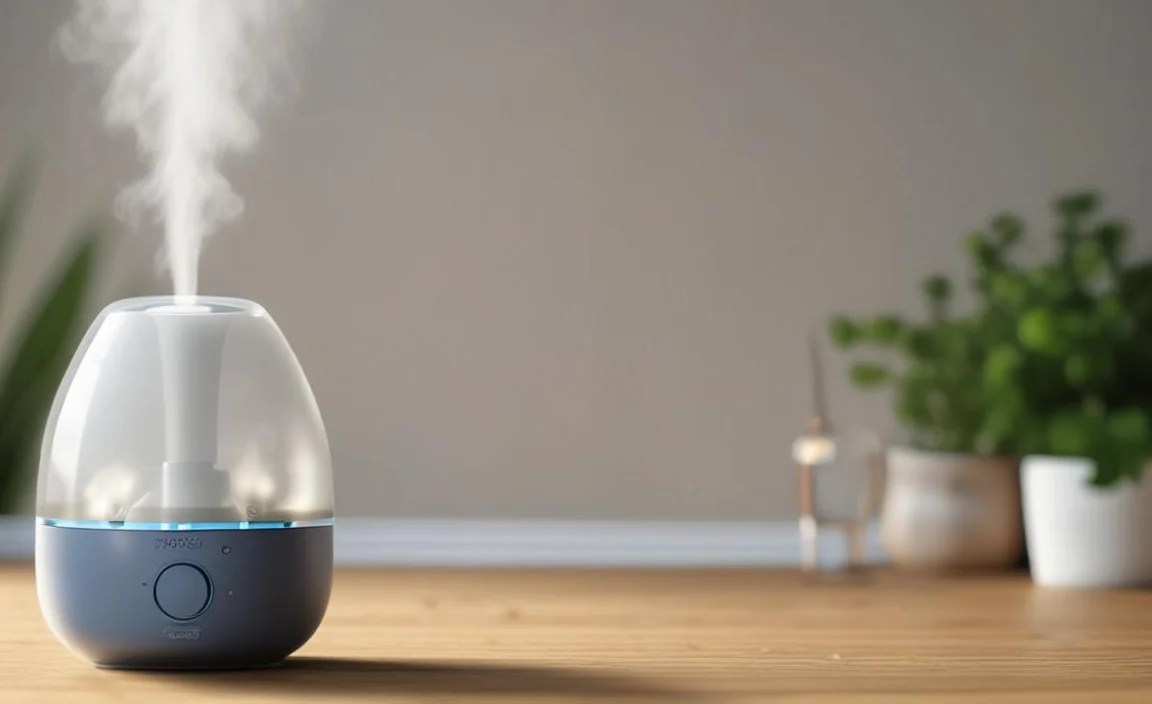
When the air is too dry, a humidifier can help. A humidifier adds moisture to the air. This can relieve dry skin, sore throats, and stuffy noses. There are different types of humidifiers. Some humidifiers use cool mist. Others use warm mist. Cool mist humidifiers are generally safer for children. Warm mist humidifiers can help kill bacteria. Choose a humidifier that is the right size for your room. A small humidifier is good for a bedroom. A larger humidifier is better for a living room. Clean your humidifier regularly. This will prevent the growth of mold and bacteria. Follow the manufacturer’s instructions for cleaning. Using a humidifier can help you maintain good humidity indoors. This will keep you comfortable and healthy, especially during the winter months when the air is often dry. Remember to monitor the humidity level with a hygrometer.
| Type of Humidifier | Pros | Cons | Best For |
|---|---|---|---|
| Cool Mist | Safer for children, energy-efficient | Can spread minerals, requires cleaning | Bedrooms, children’s rooms |
| Warm Mist | Kills bacteria, soothing | Can cause burns, uses more energy | Smaller rooms, adults |
| Ultrasonic | Quiet, energy-efficient | Can produce white dust, requires cleaning | Bedrooms, living rooms |
| Evaporative | Self-regulating, affordable | Can be noisy, requires filter changes | Larger rooms, whole house |
- Humidifiers add moisture to dry air.
- Cool mist humidifiers are safer for kids.
- Warm mist humidifiers can kill bacteria.
- Clean humidifiers regularly to prevent mold.
- Choose the right size humidifier for your room.
- Monitor humidity levels with a hygrometer.
Imagine your home is a desert. A humidifier is like an oasis. It provides much-needed moisture to the dry air. Humidifiers can make a big difference in how you feel. They can relieve dry skin, chapped lips, and a scratchy throat. They can also help you breathe easier. If you live in a dry climate or use heating frequently, a humidifier is a must-have. But it’s important to use it correctly. Over-humidifying can lead to mold growth. This can cause health problems. Always monitor the humidity level with a hygrometer. Adjust the humidifier as needed to maintain good humidity indoors. Also, remember to clean your humidifier regularly. This will prevent the growth of bacteria and mold. A clean and well-maintained humidifier can help you enjoy a comfortable and healthy living environment.
Fun Fact or Stat: Cool mist humidifiers use less energy than warm mist humidifiers!
What Are the Benefits of Using a Humidifier?
Have you ever felt like your skin was cracking in the winter? That’s because of dry air. A humidifier can help! Humidifiers add moisture to the air. This can relieve dry skin and chapped lips. It can also soothe a sore throat. A humidifier can also help you breathe easier. Dry air can irritate your sinuses. This can make it hard to breathe. A humidifier can moisten your nasal passages. This can make breathing easier. Humidifiers can also help prevent nosebleeds. Dry air can dry out the lining of your nose. This can cause it to crack and bleed. Maintaining good humidity indoors with a humidifier can help you stay comfortable and healthy. It can also improve the air quality in your home.
How Do You Choose the Right Humidifier?
Choosing the right humidifier can seem tricky. There are many different types and sizes. First, consider the size of the room you want to humidify. A small humidifier is fine for a bedroom. A larger humidifier is needed for a living room. Next, think about the type of humidifier. Cool mist humidifiers are safer for children. Warm mist humidifiers can help kill bacteria. Ultrasonic humidifiers are quiet and energy-efficient. Evaporative humidifiers are self-regulating and affordable. Consider your personal preferences and needs. Do you have children or pets? Do you want a quiet humidifier? Do you have allergies? Answering these questions can help you choose the right humidifier. Remember to maintain good humidity indoors with the right humidifier. This will keep you comfortable and healthy.
How Do You Clean a Humidifier?
Cleaning your humidifier is very important. A dirty humidifier can spread bacteria and mold. This can make you sick. Clean your humidifier at least once a week. First, unplug the humidifier. Then, empty the water tank. Rinse the tank with clean water. Next, clean the humidifier with a mild soap and water solution. You can also use a solution of water and vinegar. Vinegar is a natural disinfectant. Use a brush to scrub the inside of the tank. Rinse the tank thoroughly with clean water. Dry all the parts before reassembling the humidifier. Follow the manufacturer’s instructions for cleaning. Maintaining a clean humidifier helps ensure good humidity indoors. It also protects your health.
Using Dehumidifiers for Humid Air

When the air is too humid, a dehumidifier can help. A dehumidifier removes moisture from the air. This can prevent mold growth and reduce allergies. High humidity can make your home feel sticky and uncomfortable. It can also damage your belongings. A dehumidifier can help keep your home dry and comfortable. There are different sizes of dehumidifiers. Choose one that is the right size for your room. A small dehumidifier is good for a bathroom. A larger dehumidifier is better for a basement. Empty the dehumidifier’s water tank regularly. Some dehumidifiers have a hose that can drain the water automatically. Clean your dehumidifier regularly. This will prevent the growth of mold and bacteria. Using a dehumidifier can help you maintain good humidity indoors. This will keep your home healthy and comfortable. It can also protect your belongings from damage.
- Dehumidifiers remove moisture from humid air.
- They prevent mold growth and reduce allergies.
- Choose the right size dehumidifier for your room.
- Empty the water tank regularly.
- Clean dehumidifiers to prevent mold and bacteria.
- Maintain good indoor humidity for health.
Imagine your home is a rainforest. A dehumidifier is like the sun. It helps dry out the excess moisture. Dehumidifiers can make a big difference in how you feel. They can reduce stickiness, musty odors, and allergy symptoms. If you live in a humid climate or have a basement, a dehumidifier is essential. But it’s important to use it correctly. Over-dehumidifying can make the air too dry. This can cause dry skin and other problems. Always monitor the humidity level with a hygrometer. Adjust the dehumidifier as needed to maintain good humidity indoors. Also, remember to clean your dehumidifier regularly. This will prevent the growth of mold and bacteria. A clean and well-maintained dehumidifier can help you enjoy a comfortable and healthy living environment.
Fun Fact or Stat: Dehumidifiers can also help reduce dust mites!
What Are the Benefits of Using a Dehumidifier?
Do you ever feel like your home is too sticky? That might be because of high humidity. A dehumidifier can help! Dehumidifiers remove moisture from the air. This can make your home feel more comfortable. It can also prevent mold and mildew growth. Mold and mildew can cause allergies and respiratory problems. A dehumidifier can also help reduce dust mites. Dust mites thrive in humid environments. Removing excess moisture can make your home healthier. Dehumidifiers can also protect your belongings. High humidity can damage furniture, clothing, and electronics. Maintaining good humidity indoors with a dehumidifier can help you stay comfortable and healthy. It can also protect your home and belongings.
How Do You Choose the Right Dehumidifier?
Choosing the right dehumidifier can seem difficult. There are different sizes and types. First, consider the size of the area you want to dehumidify. A small dehumidifier is fine for a bathroom. A larger dehumidifier is needed for a basement. Next, think about the capacity of the dehumidifier. Capacity refers to how much water the dehumidifier can remove per day. Choose a dehumidifier with a capacity that matches your needs. Also, consider the features of the dehumidifier. Some dehumidifiers have automatic shut-off. This feature turns off the dehumidifier when the water tank is full. Other dehumidifiers have a built-in hygrometer. This allows you to monitor the humidity level. Maintaining good humidity indoors starts with choosing the right dehumidifier. This will keep your home comfortable and healthy.
How Do You Clean a Dehumidifier?
Cleaning your dehumidifier is important. A dirty dehumidifier can spread mold and bacteria. This can make you sick. Clean your dehumidifier at least once a month. First, unplug the dehumidifier. Then, empty the water tank. Rinse the tank with clean water. Next, clean the dehumidifier with a mild soap and water solution. You can also use a solution of water and bleach. Bleach is a strong disinfectant. Use a brush to scrub the inside of the tank. Rinse the tank thoroughly with clean water. Dry all the parts before reassembling the dehumidifier. Follow the manufacturer’s instructions for cleaning. Maintaining a clean dehumidifier helps ensure good humidity indoors. It also protects your health and prevents mold growth.
Natural Ways to Control Humidity

You don’t always need machines to control humidity. There are natural ways to help! Ventilation is key. Open windows and doors to let fresh air in. This can help reduce humidity. Use exhaust fans in the bathroom and kitchen. These fans remove moisture from the air. Houseplants can also help regulate humidity. Some plants absorb moisture from the air. Avoid overwatering your plants. This can increase humidity. Take shorter, cooler showers. Hot, steamy showers increase humidity. Dry your clothes outside instead of using a dryer. Clothes dryers release moisture into the air. Maintaining good humidity indoors can be achieved naturally. These simple steps can make a big difference. They can also save energy and money.
- Ventilation helps reduce humidity.
- Use exhaust fans in bathrooms and kitchens.
- Houseplants can absorb moisture.
- Avoid overwatering plants.
- Take shorter, cooler showers.
- Dry clothes outside when possible.
- Natural methods save energy and money.
Imagine your home is a sponge. It can soak up moisture. Natural methods are like squeezing the sponge. They help release the excess water. Ventilation is like opening a window to let the breeze dry the sponge. Exhaust fans are like wringing out the sponge. Houseplants are like tiny sponges that soak up a little bit of water. These simple steps can help you maintain good humidity indoors. They are also good for the environment. They don’t use electricity or require special equipment. You can easily incorporate these methods into your daily routine. This will help you create a more comfortable and healthy living environment. Remember, maintaining good humidity indoors is about balance. It’s about finding the right combination of methods to suit your needs.
Fun Fact or Stat: Some plants, like Boston ferns, are natural humidifiers!
How Does Ventilation Help Control Humidity?
Have you ever noticed how stuffy a room can get? That’s often because of poor ventilation. Ventilation is the movement of air in and out of a space. It helps remove excess moisture and pollutants. Opening windows and doors is a simple way to improve ventilation. This allows fresh air to circulate. Exhaust fans in bathrooms and kitchens also help. They remove moisture generated by showers and cooking. Proper ventilation helps maintain good humidity indoors. It prevents the buildup of moisture that can lead to mold growth. It also improves air quality by removing odors and pollutants. Make sure your home has adequate ventilation. This will help you stay comfortable and healthy.
What Kind of Plants Help Control Humidity?
Did you know that some plants can help control humidity? These plants absorb moisture from the air. This helps reduce humidity levels indoors. Boston ferns are excellent natural humidifiers. They absorb water through their leaves. Spider plants also help control humidity. They are easy to grow and maintain. Peace lilies are another good option. They also purify the air. Other humidity-regulating plants include snake plants and reed palms. Place these plants in areas where humidity tends to be high. This will help maintain good humidity indoors. Remember to avoid overwatering your plants. This can increase humidity levels.
How Do Showers and Laundry Affect Humidity?
Think about all the steam after a hot shower. Showers and laundry can significantly affect humidity levels. Hot, steamy showers release a lot of moisture into the air. This can increase humidity in the bathroom. Drying clothes indoors also adds moisture to the air. Clothes dryers vent moisture outside. But if you dry clothes inside, the moisture stays in your home. To minimize the impact, use exhaust fans during showers and laundry. Take shorter, cooler showers. Dry clothes outside whenever possible. Maintaining good humidity indoors requires managing these sources of moisture. These simple steps can make a big difference.
Signs of Poor Indoor Humidity
Knowing the signs of poor indoor humidity is important. It helps you take action quickly. Dry air can cause dry skin, itchy eyes, and a sore throat. You might also experience nosebleeds or static electricity. High humidity can cause condensation on windows. You might notice mold or mildew growth. Your home might feel sticky or musty. Other signs include warped wood and peeling paint. If you notice any of these signs, check the humidity level. Use a hygrometer to measure the humidity. Then, take steps to adjust the humidity. Use a humidifier for dry air. Use a dehumidifier for humid air. Addressing these issues promptly helps maintain good humidity indoors. This will keep your home comfortable and healthy.
- Dry skin, itchy eyes, and sore throat indicate dry air.
- Condensation on windows suggests high humidity.
- Mold or mildew growth is a sign of high humidity.
- A sticky or musty home indicates high humidity.
- Warped wood and peeling paint can mean humidity issues.
- Use a hygrometer to check humidity levels.
Imagine your home is a garden. If the soil is too dry, the plants will wilt. If the soil is too wet, the plants will rot. Poor indoor humidity is like having the wrong soil conditions. It can affect your health and your home. Dry air can make you feel uncomfortable and increase your risk of getting sick. High humidity can damage your home and promote mold growth. Being aware of the signs of poor indoor humidity can help you take action before problems get worse. Regularly check for these signs. Use a hygrometer to monitor humidity levels. Adjust your humidifier or dehumidifier as needed. This will help you maintain good humidity indoors and create a healthy living environment.
Fun Fact or Stat: Static electricity is more common in dry environments!
What Are the Signs of Dry Air?
Have you ever touched a doorknob and gotten a shock? That’s static electricity, and it’s often a sign of dry air. Dry air can cause a variety of uncomfortable symptoms. Dry skin, itchy eyes, and a sore throat are common. You might also experience nosebleeds or chapped lips. Static electricity is another telltale sign. Dry air can also damage wooden furniture. It can cause it to crack or warp. If you notice these signs, check the humidity level. Use a humidifier to add moisture to the air. Maintaining good humidity indoors prevents these problems. It keeps you comfortable and your home protected.
What Are the Signs of Humid Air?
Do you ever feel like your home is a sauna? That’s a sign of humid air. High humidity can make your home feel sticky and uncomfortable. You might notice condensation on windows or mirrors. Mold or mildew growth is another sign. Musty odors can also indicate high humidity. High humidity can also damage your belongings. It can cause furniture to warp and fabrics to mildew. If you notice these signs, check the humidity level. Use a dehumidifier to remove moisture from the air. Maintaining good humidity indoors prevents these problems. It keeps your home comfortable and healthy.
How Can Humidity Affect Your Home?
Humidity can have a big impact on your home. Both dry and humid air can cause damage. Dry air can cause wood to crack and warp. It can also damage paint and wallpaper. Humid air can promote mold and mildew growth. This can damage walls, floors, and furniture. High humidity can also attract pests like dust mites and cockroaches. Maintaining good humidity indoors protects your home. It prevents damage and keeps your home healthy. Regularly check humidity levels. Use a humidifier or dehumidifier as needed. This will help you preserve your home for years to come.
Summary
Maintaining good humidity indoors is important for your health and your home. The ideal humidity level is between 30% and 50%. You can use a hygrometer to measure the humidity in your home. If the air is too dry, use a humidifier to add moisture. If the air is too humid, use a dehumidifier to remove moisture. There are also natural ways to control humidity, such as ventilation and houseplants. Be aware of the signs of poor indoor humidity, such as dry skin, condensation, and mold growth. Taking steps to control humidity will help you create a comfortable and healthy living environment.
Conclusion
Keeping the humidity just right inside is a big deal. It helps you feel good and stay healthy. Use a hygrometer to check the moisture in the air. Then, use a humidifier or dehumidifier to fix it. Natural ways, like opening windows, also work. With a little effort, you can have good humidity indoors. This will make your home a happy and healthy place to be.
Frequently Asked Questions
Question No 1: What is humidity?
Answer: Humidity is the amount of water vapor in the air. It affects how comfortable we feel. When the air is too dry, it can cause problems like dry skin and sore throats. When the air is too humid, it can lead to mold growth and allergies. Maintaining good humidity indoors is important for our health and comfort. Think of humidity like the amount of water in a glass. Too much or too little can cause problems. Finding the right balance is key. That’s why it’s important to monitor and adjust humidity levels in your home.
Question No 2: Why is humidity important?
Answer: Humidity is important because it affects our health and comfort. When the air is too dry, it can dry out our skin, sinuses, and throat. This can lead to discomfort and increase our risk of getting sick. When the air is too humid, it can create a breeding ground for mold and mildew. These can cause allergies and respiratory problems. Maintaining good humidity indoors helps prevent these issues. It keeps our bodies healthy and our homes safe. Humidity also affects how we perceive temperature. High humidity can make us feel hotter, while low humidity can make us feel colder.
Question No 3: What is the ideal humidity level?
Answer: The ideal humidity level for indoor environments is between 30% and 50%. This range is comfortable for most people and helps prevent health problems. When humidity levels are below 30%, the air is too dry. This can cause dry skin, sore throats, and nosebleeds. When humidity levels are above 50%, the air is too humid. This can lead to mold growth and allergies. Monitoring humidity levels with a hygrometer can help you maintain good humidity indoors. Adjust your humidifier or dehumidifier as needed to stay within the ideal range. Remember, different people may have different preferences. So, it’s important to find the humidity level that feels most comfortable for you.
Question No 4: How can I measure humidity?
Answer: You can measure humidity using a device called a hygrometer. A hygrometer is a small, inexpensive tool that tells you how much water vapor is in the air. You can find hygrometers at most hardware stores or online retailers. Some thermostats also have built-in hygrometers. To use a hygrometer, simply place it in the room you want to measure. Wait a few minutes for the hygrometer to adjust. Then, read the humidity level on the display. Compare the reading to the ideal range of 30% to 50%. Regularly checking humidity levels with a hygrometer can help you maintain good humidity indoors.
Question No 5: How can I increase humidity in my home?
Answer: If the air in your home is too dry, you can increase humidity by using a humidifier. A humidifier adds moisture to the air. There are different types of humidifiers available, including cool mist, warm mist, and ultrasonic humidifiers. Choose a humidifier that is the right size for your room. You can also increase humidity naturally by placing bowls of water around your home. Houseplants can also help increase humidity. Remember to clean your humidifier regularly to prevent the growth of mold and bacteria. Monitoring humidity levels with a hygrometer will help you maintain good humidity indoors.
Question No 6: How can I decrease humidity in my home?
Answer: If the air in your home is too humid, you can decrease humidity by using a dehumidifier. A dehumidifier removes moisture from the air. Choose a dehumidifier that is the right size for your room. You can also decrease humidity naturally by improving ventilation. Open windows and doors to let fresh air in. Use exhaust fans in bathrooms and kitchens. Avoid overwatering your plants. Take shorter, cooler showers. These steps can help you maintain good humidity indoors. Remember to clean your dehumidifier regularly to prevent the growth of mold and bacteria. Regularly checking humidity levels with a hygrometer can help you determine if you need to adjust your efforts.
