Do you like colorful veggies? Have you ever tried a beet? Beets are root vegetables. They are sweet and earthy. You can grow beets home. It is easier than you think.
Growing your own food is fun. It is also good for you. Homegrown beets taste better. They are fresher than store-bought ones. You know where they came from. You can control what goes into the soil.
Imagine pulling a beet from your garden. The rich color pops. The fresh dirt smell fills the air. You can roast, boil, or pickle them. Beets are good in salads, too. Are you ready to grow beets home? Let’s get started!
Key Takeaways
- Growing beets home is easy and rewarding, offering fresh, tasty vegetables.
- Choose the right beet variety and plant them in well-drained, sunny locations.
- Water beets regularly and provide support as needed for healthy growth.
- Harvest beets when they are the right size, usually 1-3 inches in diameter.
- Enjoy your homegrown beets in salads, soups, or roasted as a side dish.

How to Grow Beets Home: A Beginner’s Guide
Growing beets home can be a fun and rewarding experience. Beets are easy to grow. They don’t need a lot of space. They are also packed with nutrients. You can plant them in early spring or late summer. This gives you two chances to harvest. First, choose the right beet variety. ‘Detroit Dark Red’ is a popular choice. ‘Golden’ beets offer a milder flavor. Next, find a sunny spot in your garden. Beets need at least six hours of sunlight each day. Make sure the soil is well-drained. Beets don’t like soggy soil. Prepare the soil by adding compost. Compost helps with drainage and adds nutrients. Now you are ready to plant your beet seeds.
- Choose the right beet variety for your taste.
- Find a sunny spot with well-drained soil.
- Prepare the soil with compost.
- Plant beet seeds about an inch deep.
- Water the seeds gently after planting.
Once you have planted your beet seeds, keep the soil moist. Water regularly, especially during dry periods. Beets need consistent moisture to grow well. Thin the seedlings when they are a few inches tall. This gives them enough space to develop. Beets don’t like to be crowded. You can eat the thinned seedlings as microgreens. Fertilize your beets with a balanced fertilizer. Follow the instructions on the fertilizer package. Beets are generally pest-resistant. Watch out for leaf miners. They can damage the leaves. Cover your beets with row covers to protect them. With a little care, you will be harvesting fresh beets in no time!
What are the Best Soil Conditions?
Have you ever wondered what makes plants grow really well? It often starts with the soil. Beets like soil that is loose and drains well. Imagine trying to run in thick mud. It’s hard, right? Plants feel the same way in heavy soil. They need to be able to stretch their roots out easily. The best soil for growing beets home is a sandy loam. This means it has a mix of sand, silt, and clay. It also has lots of organic matter, like compost. This helps hold moisture and nutrients. Before planting, test your soil’s pH. Beets like a pH between 6.0 and 7.0.
How Much Sunlight Do Beets Need?
Imagine you are a beet plant. You love soaking up the sun’s rays. Sunlight helps you make food through photosynthesis. Beets need at least six hours of sunlight each day to grow big and strong. If you don’t have a spot with full sun, don’t worry. Beets can still grow with partial shade. They might not get as big, but they will still taste great. Make sure to choose a location that gets morning sun. This will help dry off the leaves. It can also help prevent diseases. Watch your beets closely. If they look pale or leggy, they may not be getting enough sun.
When is the Best Time to Plant?
Timing is important when you grow beets home. Beets are a cool-season crop. This means they grow best in cooler temperatures. You can plant them in early spring or late summer. For a spring crop, plant beet seeds a few weeks before the last frost. The soil should be at least 40 degrees Fahrenheit. For a fall crop, plant beet seeds in late summer. This gives them time to mature before the first frost. Check your local weather forecast. This will help you decide when to plant. If you live in a warmer climate, you can plant beets in the fall and winter.
Fun Fact or Stat: Beets were first cultivated by the Romans, who mainly ate the beet greens and not the root!

Choosing the Right Beet Variety for Home Gardens
Choosing the right beet variety is important when you plan to grow beets home. Different beet varieties have different characteristics. They vary in color, size, and taste. Some beets are better for pickling. Others are better for roasting. ‘Detroit Dark Red’ is a classic choice. It is known for its deep red color and sweet flavor. ‘Golden’ beets are milder and less earthy. They are a good choice if you don’t like the strong taste of red beets. ‘Chioggia’ beets have beautiful red and white stripes. They are also very sweet. Consider your taste preferences. Think about how you want to use your beets. This will help you choose the right variety for your garden.
- ‘Detroit Dark Red’ is a classic, all-purpose beet.
- ‘Golden’ beets are milder and sweeter than red beets.
- ‘Chioggia’ beets have beautiful red and white stripes.
- ‘Cylindra’ beets are long and cylindrical, great for slicing.
- ‘Early Wonder Tall Top’ is early maturing with great greens.
When you choose a beet variety, consider your local climate. Some beets are more heat-tolerant than others. If you live in a hot climate, choose a heat-tolerant variety. Look for disease-resistant varieties. This can help prevent problems in your garden. Read seed catalogs and online reviews. This can help you learn more about different beet varieties. Don’t be afraid to try different varieties. Experiment to find your favorites. Growing beets home should be fun. Choosing the right variety is part of the fun.
What are the Differences in Taste?
Have you ever tasted a rainbow of beets? Each color has its own unique flavor. Red beets often have an earthy and sweet taste. Some people find the earthy taste strong. Golden beets are milder and sweeter. They are a good choice for picky eaters. Chioggia beets are also very sweet. They have a delicate flavor. The taste of beets can also depend on how you cook them. Roasting beets brings out their sweetness. Pickling beets adds a tangy flavor. When you grow beets home, you can experiment with different cooking methods to find your favorite way to enjoy them.
Which Varieties are Best for Small Spaces?
Do you have a small garden or just a balcony? You can still grow beets home! Some beet varieties are better suited for small spaces. Look for compact varieties that don’t need a lot of room. ‘Baby Ball’ beets are small and round. They are perfect for container gardening. ‘Cylindra’ beets grow long and cylindrical. This makes them easy to slice. They don’t take up much space in the garden. When you grow beets in containers, use a good quality potting mix. Make sure the containers have drainage holes. Water regularly and fertilize as needed.
Are Some Varieties More Disease-Resistant?
Nobody wants their plants to get sick. Choosing disease-resistant varieties can help. Some beet varieties are less likely to get certain diseases. ‘Detroit Dark Red’ is known for its good disease resistance. Look for varieties that are resistant to leaf spot and downy mildew. These are common beet diseases. When you grow beets home, practice good garden hygiene. Remove any diseased leaves or plants. This can help prevent the spread of disease. Provide good air circulation around your plants. This can also help prevent disease.
Fun Fact or Stat: Beets are related to spinach and chard, sharing similar nutritional benefits!
Planting Beets: Step-by-Step Instructions
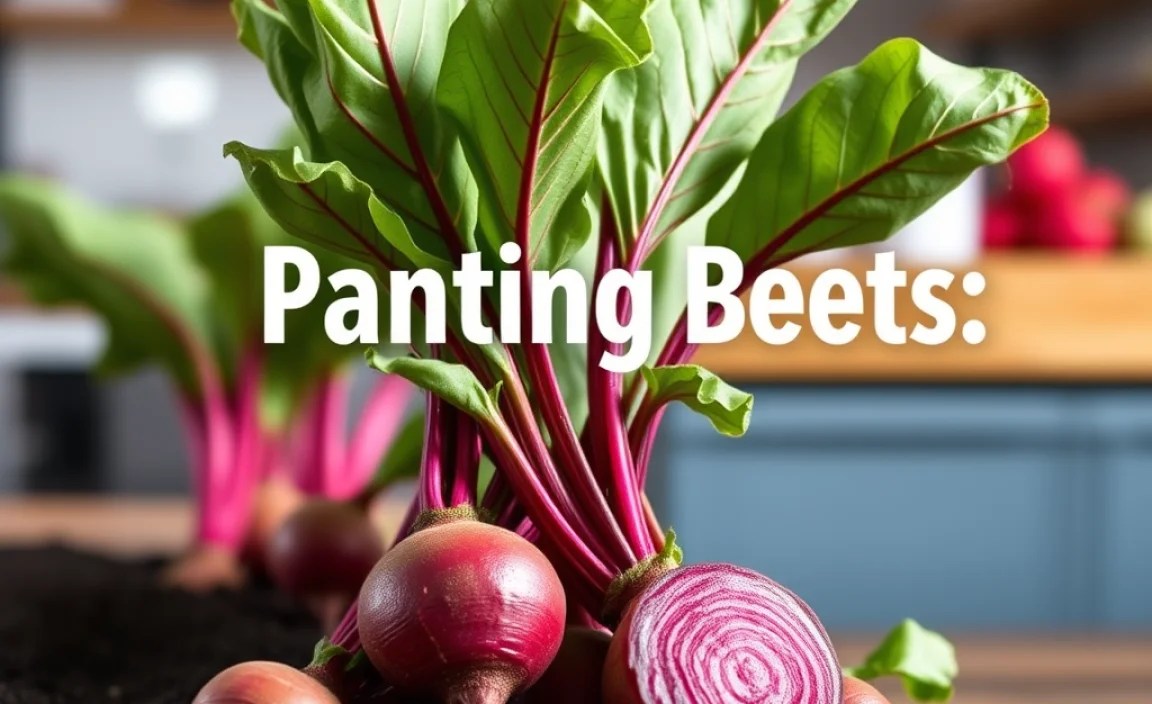
Are you ready to plant your beet seeds? Growing beets home is easy if you follow these steps. First, prepare your soil. Make sure it is loose and well-drained. Add compost or other organic matter. This will help improve the soil. Next, create rows in your garden. Space the rows about 12 inches apart. Plant the beet seeds about one inch deep. Cover the seeds with soil and water gently. Keep the soil moist until the seeds germinate. This usually takes about 5-10 days. Once the seedlings emerge, thin them to about 3-4 inches apart. This gives them enough space to grow.
- Prepare the soil by loosening it and adding compost.
- Create rows about 12 inches apart.
- Plant beet seeds one inch deep.
- Water gently and keep soil moist.
- Thin seedlings to 3-4 inches apart.
- Consider succession planting for a continuous harvest.
After thinning your beet seedlings, continue to water them regularly. Beets need consistent moisture to grow well. Fertilize your beets with a balanced fertilizer. Follow the instructions on the fertilizer package. Keep an eye out for pests and diseases. Take action if you see any problems. Beets are relatively easy to care for. With a little attention, you will be harvesting fresh beets in no time. Remember to enjoy the process. Growing beets home can be a fun and rewarding experience.
How Deep Should You Plant Beet Seeds?
Planting depth is important when you grow beets home. If you plant the seeds too deep, they may not germinate. If you plant them too shallow, they may dry out. The ideal planting depth for beet seeds is about one inch. Use your finger or a small tool to make a small hole in the soil. Drop the beet seeds into the hole. Cover the seeds with soil and pat gently. Water the area to help settle the soil. Be patient and wait for the seeds to germinate. With the right conditions, you will see seedlings in about a week.
What is Succession Planting?
Do you want to enjoy fresh beets all season long? Try succession planting! This means planting new beet seeds every few weeks. This will give you a continuous harvest. Start by planting a row of beet seeds in early spring. Then, plant another row two to three weeks later. Continue planting new rows every few weeks. This way, you will always have beets ready to harvest. Succession planting is a great way to maximize your garden’s yield. It can also help you avoid having too many beets at once.
Can You Grow Beets in Containers?
Yes, you can! Growing beets home in containers is a great option if you have limited space. Choose a container that is at least 12 inches deep. This gives the beets enough room to grow. Use a good quality potting mix. Make sure the container has drainage holes. Plant the beet seeds about one inch deep. Water regularly and fertilize as needed. Place the container in a sunny location. With proper care, you can enjoy fresh beets from your container garden.
Fun Fact or Stat: Beet seeds are actually clusters of seeds, so you may get multiple seedlings from one seed cluster!

Caring for Beets: Watering, Fertilizing, and Pest Control
Once your beet seeds have sprouted, it is time to care for your plants. Proper care is essential when you grow beets home. Watering is important. Beets need consistent moisture. Water deeply and regularly, especially during dry periods. Fertilizing is also important. Beets need nutrients to grow well. Use a balanced fertilizer or compost. Pest control is another key aspect of beet care. Watch out for common pests like leaf miners and aphids. Take action if you see any problems. With proper care, your beets will thrive.
- Water beets deeply and regularly.
- Fertilize with a balanced fertilizer or compost.
- Watch out for leaf miners and aphids.
- Use row covers to protect against pests.
- Weed regularly to prevent competition.
- Monitor for diseases and take action early.
Weeding is also an important part of beet care. Weeds compete with beets for water and nutrients. Pull weeds regularly to keep your beet plants healthy. Thinning is another important task. Thin the seedlings when they are a few inches tall. This gives them enough space to grow. Monitor your beets for diseases. Leaf spot and downy mildew are common beet diseases. Take action if you see any signs of disease. With a little care, you can enjoy a bountiful harvest of fresh beets.
How Often Should You Water Beets?
Watering is key when you grow beets home. Beets need consistent moisture. Water deeply whenever the top inch of soil feels dry. How often you need to water depends on the weather. In hot, dry weather, you may need to water every day. In cooler, wetter weather, you may only need to water once a week. Check the soil moisture regularly. Adjust your watering schedule as needed. Use a soaker hose or drip irrigation. This can help deliver water directly to the roots. Avoid overhead watering. This can lead to fungal diseases.
What Kind of Fertilizer Do Beets Need?
Beets need nutrients to grow well. Fertilizing can help you grow beets home successfully. Use a balanced fertilizer with equal amounts of nitrogen, phosphorus, and potassium. You can also use compost or other organic matter. Apply the fertilizer according to the instructions on the package. Fertilize your beets every few weeks. Avoid over-fertilizing. This can lead to excessive leaf growth and small beets. Side-dress your beets with fertilizer. This means applying the fertilizer along the rows.
How Do You Control Pests on Beets?
Pests can be a problem when you grow beets home. Leaf miners and aphids are common beet pests. Leaf miners tunnel through the leaves. Aphids suck the sap from the leaves. Use row covers to protect your beets from pests. Handpick pests off the plants. Spray the plants with insecticidal soap. Encourage beneficial insects in your garden. Ladybugs and lacewings eat aphids. Monitor your beets regularly. Take action if you see any signs of pests.
Fun Fact or Stat: Beet greens are edible and nutritious, offering a similar taste to spinach!
Harvesting Beets: When and How
Harvesting is the most rewarding part of growing beets home. But when is the right time to harvest? And how do you harvest them? Beets are usually ready to harvest 50-70 days after planting. The size of the beet depends on the variety. Most beets are harvested when they are 1-3 inches in diameter. Gently loosen the soil around the beet. Pull the beet from the ground. Cut off the leaves, leaving about an inch of stem. Wash the beets and store them in a cool, dry place.
- Harvest beets 50-70 days after planting.
- Harvest when beets are 1-3 inches in diameter.
- Loosen the soil around the beet.
- Pull the beet from the ground.
- Cut off the leaves, leaving an inch of stem.
- Store beets in a cool, dry place.
You can also harvest the beet greens. Beet greens are edible and nutritious. Harvest the outer leaves when they are young and tender. Leave the inner leaves to continue growing. Wash the beet greens and cook them like spinach. Beet greens can be steamed, sautéed, or added to salads. Growing beets home gives you two crops in one. You get both the beet root and the beet greens.
How Do You Know When Beets are Ready to Harvest?
Knowing when to harvest is key to successful growing beets home. Look at the size of the beet root. Most beets are ready to harvest when they are 1-3 inches in diameter. Check the maturity date on the seed packet. This will give you a general idea of when to expect your beets to be ready. Gently brush away the soil around the beet. This will allow you to see the size of the root. If the beet is the right size, it is probably ready to harvest. Don’t let the beets get too big. Overgrown beets can be tough and woody.
What is the Best Way to Store Harvested Beets?
Proper storage is important to keep your beets fresh. After you grow beets home and harvest them, cut off the leaves. Leave about an inch of stem. Wash the beets and let them dry. Store the beets in a plastic bag in the refrigerator. You can also store beets in a root cellar. A root cellar is a cool, humid space that is ideal for storing root vegetables. Beets can last for several months in a root cellar. Check the beets regularly. Remove any that are starting to spoil.
Can You Eat the Beet Greens?
Yes, you can! Beet greens are delicious and nutritious. They are a great bonus when you grow beets home. Harvest the outer leaves when they are young and tender. Wash the beet greens and cook them like spinach. Beet greens can be steamed, sautéed, or added to salads. They are a good source of vitamins and minerals. Beet greens are also low in calories. Don’t throw away your beet greens. Use them to add flavor and nutrition to your meals.
Fun Fact or Stat: Beets can be stored for several months if kept in a cool, humid environment like a root cellar!
Using Your Homegrown Beets: Recipes and Ideas
Now that you have harvested your beets, it is time to enjoy them! Growing beets home is only half the fun. The other half is cooking and eating your fresh beets. Beets can be used in a variety of dishes. They can be roasted, boiled, pickled, or added to salads. Roasted beets are a classic. They have a sweet and earthy flavor. Boiled beets are tender and mild. Pickled beets are tangy and crunchy. Beet salads are colorful and nutritious. Get creative and experiment with different beet recipes.
- Roast beets for a sweet and earthy flavor.
- Boil beets for a tender and mild taste.
- Pickle beets for a tangy and crunchy treat.
- Add beets to salads for color and nutrition.
- Make beet soup, like borscht.
- Juice beets for a healthy drink.
Beet greens can also be used in a variety of dishes. They can be steamed, sautéed, or added to soups. Beet greens are a good source of vitamins and minerals. Don’t waste any part of your homegrown beets. Use both the root and the greens. Share your homegrown beets with friends and family. Growing beets home is a great way to share the bounty of your garden.
What are Some Simple Beet Recipes?
Are you looking for easy beet recipes? Growing beets home means you’ll want to cook them! Roasting beets is a simple and delicious way to prepare them. Wash the beets and wrap them in foil. Roast them in the oven at 400 degrees Fahrenheit for about an hour. Let them cool and then peel them. Slice the beets and toss them with olive oil, salt, and pepper. Another easy recipe is boiled beets. Boil the beets until they are tender. Peel them and slice them. Serve them with butter and herbs.
How Can You Use Beet Greens?
Don’t throw away your beet greens! They are a nutritious and delicious addition to any meal. Growing beets home provides greens too! Sauté beet greens with garlic and olive oil. Add them to soups or stews. Steam beet greens and serve them as a side dish. Use beet greens in salads. They have a slightly bitter taste that pairs well with sweet dressings. Beet greens are a versatile ingredient. Get creative and experiment with different ways to use them.
Are There Any Health Benefits to Eating Beets?
Yes! Beets are packed with nutrients. They offer many health benefits. Growing beets home is good for you. Beets are a good source of vitamins, minerals, and antioxidants. They can help lower blood pressure. They can improve athletic performance. They can boost brain function. Beets are also high in fiber. This can help with digestion. Add beets to your diet to enjoy their health benefits.
Fun Fact or Stat: Beets are known for their high nitrate content, which can improve blood flow and lower blood pressure!
| Beet Variety | Taste | Best Use | Growing Notes |
|---|---|---|---|
| Detroit Dark Red | Sweet, earthy | Roasting, pickling | Classic, reliable |
| Golden | Mild, sweet | Salads, roasting | Less earthy taste |
| Chioggia | Very sweet, mild | Raw, salads | Beautiful stripes |
| Cylindra | Sweet | Slicing, pickling | Easy to slice |
Summary
Growing beets home is a rewarding experience. You can enjoy fresh, tasty vegetables from your own garden. Choose the right beet variety for your taste and climate. Plant beet seeds in well-drained soil and sunny locations. Water beets regularly and fertilize as needed. Watch out for pests and diseases. Harvest beets when they are the right size. Use your homegrown beets in a variety of dishes. Roast them, boil them, pickle them, or add them to salads. Don’t forget to use the beet greens, too.
Beets are easy to grow and care for. They are a great addition to any garden. With a little effort, you can enjoy a bountiful harvest of fresh beets. Share your homegrown beets with friends and family. Growing beets home is a great way to connect with nature and enjoy healthy food.
Conclusion
Growing beets home is a simple and fun way to enjoy fresh vegetables. Beets are easy to grow and offer many health benefits. You can experiment with different varieties and recipes. Homegrown beets taste better than store-bought ones. They are also more nutritious. So, grab some beet seeds and start planting. You will be enjoying homegrown beets in no time!
Frequently Asked Questions
Question No 1: How long does it take for beets to grow?
Answer: Beets typically take 50-70 days to mature after planting. The exact time can depend on the variety of beet you choose and the growing conditions. Make sure you give them enough sunlight and water. You can also check the seed packet for specific information on the maturity date for your chosen beet variety. Keep an eye on your beets as they grow. Harvest them when they are the right size for the best flavor. Growing beets home requires patience, but the reward is worth it!
Question No 2: Can you grow beets in pots?
Answer: Yes, you can definitely grow beets in pots! This is a great option if you have limited space or live in an apartment. Choose a pot that is at least 12 inches deep. This will give the beets enough room to grow. Use a good quality potting mix and make sure the pot has drainage holes. Plant the beet seeds about one inch deep. Water regularly and fertilize as needed. Place the pot in a sunny location. Growing beets home in pots is easy and rewarding.
Question No 3: What are the best companion plants for beets?
Answer: Companion planting is a great way to improve your garden’s health and productivity. Some of the best companion plants for beets include onions, garlic, lettuce, and cabbage. These plants can help deter pests and improve the soil. Avoid planting beets near beans or mustard. These plants can inhibit beet growth. Experiment with different companion plants to find what works best in your garden. Growing beets home with companion plants can be a fun and rewarding experience.
Question No 4: Why are my beet greens growing, but not the beets?
Answer: If you notice that your beet greens are growing well but the beets themselves are not developing, there could be a few reasons. One common cause is that the soil is too rich in nitrogen. Nitrogen promotes leafy growth, but it can inhibit root development. Try using a fertilizer that is lower in nitrogen and higher in phosphorus and potassium. Another possible cause is that the beets are not getting enough sunlight. Beets need at least six hours of sunlight each day to grow properly. If you grow beets home in a shady spot, move them to a sunnier location.
Question No 5: Can you eat beet leaves?
Answer: Absolutely! Beet leaves, also known as beet greens, are edible and nutritious. They have a slightly bitter taste similar to spinach or chard. You can cook them in the same way you would cook spinach. Sauté them with garlic and olive oil. Add them to soups or stews. Steam them and serve them as a side dish. Use them in salads. Beet greens are a good source of vitamins and minerals. When you grow beets home, you get two crops in one: the beet root and the beet greens!
Question No 6: What are some common pests and diseases that affect beets?
Answer: Beets are generally easy to grow, but they can be affected by some pests and diseases. Common pests include leaf miners, aphids, and flea beetles. Leaf miners tunnel through the leaves, creating unsightly trails. Aphids suck the sap from the leaves, weakening the plant. Flea beetles chew small holes in the leaves. Common diseases include leaf spot and downy mildew. These diseases can cause spots or discoloration on the leaves. Use row covers to protect your beets from pests. Practice good garden hygiene to prevent diseases. If you grow beets home, regular monitoring can prevent big problems.
