Have you ever seen a tiny seed turn into a big plant? It’s like magic! You can even grow cabbage pots right at home. It is easier than you think. Let’s learn how to do it.
Growing your own food is super cool. Imagine eating a salad made with cabbage you grew. Cabbage is full of vitamins. It helps you stay healthy and strong. Plus, growing things is a fun hobby.
You don’t need a big garden to grow cabbage pots. You can use pots on your porch. Or, you can use a sunny windowsill. We will show you all the steps. Get ready to get your hands dirty!
Key Takeaways
- Starting with the right size pot is very important to grow cabbage pots well.
- Choose a sunny spot with at least six hours of sunlight for your cabbage.
- Water your cabbage plants regularly, keeping the soil damp but not soggy.
- Use good soil and add fertilizer to help your cabbage grow big and strong.
- Protect your cabbage from pests like cabbage worms with netting or sprays.
How to Grow Cabbage in Pots

Growing cabbage in pots is a fun way to have fresh veggies. You can grow cabbage pots even if you don’t have a big garden. First, you need to pick the right pot. It should be at least 12 inches wide and deep. This gives the cabbage roots enough room to grow. Next, choose a good potting mix. Don’t use soil from your garden. Potting mix is lighter and drains better. Find a sunny spot for your pot. Cabbage needs at least six hours of sun each day. Water your cabbage regularly. Keep the soil damp, but not too wet. Add fertilizer every few weeks. This gives your cabbage extra food. Watch out for pests like cabbage worms. You can pick them off by hand or use a safe spray. With a little care, you can enjoy fresh cabbage from your own pots!
- Pick a pot that is at least 12 inches wide and deep.
- Use a good quality potting mix for drainage.
- Place the pot in a sunny spot with at least six hours of sunlight.
- Water the cabbage regularly to keep the soil moist.
- Fertilize every few weeks to give the cabbage extra nutrients.
- Watch out for pests and remove them by hand or with spray.
Growing cabbage pots is a rewarding experience. You get to watch a tiny seedling turn into a big, leafy head of cabbage. Plus, you know exactly where your food comes from. There are many kinds of cabbage to choose from. You can grow green cabbage, red cabbage, or even savoy cabbage. Each kind has a different taste and texture. Cabbage is also good for you. It has lots of vitamins and fiber. Fiber helps you feel full and keeps your tummy happy. Growing your own cabbage is a great way to eat healthy and have fun at the same time. So grab a pot, some soil, and a cabbage seedling and get started!
What Kind of Pot Do I Need?
Choosing the right pot is key for grow cabbage pots. The pot should be big enough for the cabbage to grow. A pot that is too small will stunt the plant. This means it won’t grow as big as it should. Look for a pot that is at least 12 inches wide and deep. This gives the roots plenty of room to spread out. Make sure the pot has drainage holes. These holes let extra water drain out. If the pot doesn’t have drainage holes, the roots can rot. You can use a plastic pot or a clay pot. Clay pots dry out faster than plastic pots. So, you may need to water more often. Pick a pot that you like and that will work well for your cabbage.
How Much Sun Does Cabbage Need?
Sunlight is super important when you grow cabbage pots. Cabbage needs at least six hours of sun each day. Find a spot in your yard or on your porch that gets plenty of sun. If you don’t have a sunny spot, you can use a grow light. A grow light is a special light that helps plants grow. Place the light about 6 inches above the cabbage plant. Leave the light on for about 12 hours each day. Without enough sun, your cabbage won’t grow big and strong. So, make sure your cabbage gets lots of sunlight!
How Often Should I Water My Cabbage?
Water is like a drink for your cabbage. When you grow cabbage pots, you need to water them regularly. But, don’t water too much! Too much water can be bad for the roots. Check the soil before you water. Stick your finger into the soil. If the soil feels dry, it’s time to water. If the soil feels wet, wait a day or two. Water the soil until it feels damp. Don’t get the leaves wet. Wet leaves can get sick. Water in the morning, so the leaves have time to dry. This helps keep your cabbage healthy and happy.
Fun Fact or Stat: Cabbage is over 4,000 years old and was first cultivated in Europe!
Best Soil for Cabbage in Pots

The best soil is important when you grow cabbage pots. Cabbage plants need soil that is full of good stuff. This good stuff is called nutrients. Don’t use soil from your backyard. It might have bugs or not enough nutrients. Instead, use potting mix. Potting mix is made just for growing plants in pots. It is light and fluffy, so the roots can grow easily. You can also add compost to the potting mix. Compost is made from old leaves and food scraps. It is full of nutrients that cabbage plants love. Make sure the soil drains well. This means that water can flow through it easily. If the soil doesn’t drain well, the roots can rot. So, use good potting mix and compost to help your cabbage grow strong.
- Use a good quality potting mix, not garden soil.
- Add compost to the potting mix for extra nutrients.
- Make sure the soil drains well to prevent root rot.
- Avoid soil that is too heavy or compact.
- Consider adding perlite or vermiculite to improve drainage.
- Check the soil pH; cabbage likes slightly acidic soil.
Think of the soil as the cabbage’s dinner plate. You want to fill it with all the good things it needs to grow big and strong. When you grow cabbage pots, the right soil mix makes a big difference. It helps the roots get the water and nutrients they need. Good soil also helps the plant stay healthy. Healthy plants are less likely to get sick or have problems with bugs. So, take the time to choose the right soil for your cabbage. It will be worth it when you see your cabbage growing big and beautiful. You’ll have yummy cabbage to eat soon!
Why is Potting Mix Important?
Potting mix is like a special food for plants. Imagine you are making a cake. You need the right ingredients to make it taste good. Potting mix is like the right ingredients for your cabbage. When you grow cabbage pots, potting mix helps the roots get air and water. It also helps the plant get the nutrients it needs. Potting mix is different from garden soil. Garden soil can be heavy and hard. Potting mix is light and fluffy. This makes it easier for the roots to grow. So, always use potting mix when you grow plants in pots. Your cabbage will thank you!
What is Compost and Why Use It?
Compost is like a superfood for plants. It’s made from things like old leaves, food scraps, and grass clippings. When these things break down, they turn into compost. Compost is full of nutrients that plants love. When you grow cabbage pots, adding compost to the soil helps your cabbage grow bigger and stronger. It also helps the soil hold water. This means you don’t have to water as often. Compost is good for the environment too. It helps reduce waste by turning trash into treasure. So, add some compost to your cabbage pots and watch them grow!
How Does Soil Drainage Work?
Imagine you are pouring water into a cup. If the cup has a hole in the bottom, the water will drain out. Soil drainage is like that hole in the cup. When you grow cabbage pots, the soil needs to drain well. This means that extra water can flow through it easily. If the soil doesn’t drain well, the roots can get too wet. Wet roots can rot and die. To make sure your soil drains well, use potting mix. Potting mix has things like perlite and vermiculite. These things help the water flow through the soil. So, make sure your cabbage soil drains well to keep the roots healthy.
Fun Fact or Stat: Compost helps soil retain moisture, reducing the need for frequent watering by up to 50%!
Watering Cabbage Plants in Pots

Water is very important when you grow cabbage pots. Cabbage plants need water to grow big and strong. But, you don’t want to give them too much water. Too much water can make the roots rot. The best way to water cabbage is to check the soil first. Stick your finger into the soil. If it feels dry, it’s time to water. If it feels wet, wait a day or two. When you water, water the soil around the plant. Try not to get the leaves wet. Wet leaves can get sick. Water slowly, so the water soaks into the soil. Water until you see water draining out of the bottom of the pot. This means the soil is wet all the way through.
- Check the soil moisture before watering.
- Water deeply but infrequently.
- Avoid wetting the leaves to prevent disease.
- Water in the morning to allow leaves to dry.
- Use a watering can or hose with a gentle spray.
- Ensure water drains out of the pot’s drainage holes.
Think of watering as giving your cabbage a refreshing drink. You want to give it just the right amount, not too much and not too little. When you grow cabbage pots, it’s important to pay attention to the weather. If it’s hot and sunny, you may need to water more often. If it’s cool and cloudy, you may need to water less often. Also, remember that different kinds of pots dry out at different rates. Clay pots dry out faster than plastic pots. So, check the soil often and water as needed. Your cabbage will thank you for keeping it well-hydrated.
How to Tell If Cabbage Needs Water?
Imagine your cabbage is talking to you. It can’t use words, but it can show you when it’s thirsty. When you grow cabbage pots, look for signs that your cabbage needs water. If the leaves are drooping, that means it’s thirsty. If the soil feels dry, that’s another sign. You can also lift the pot. If it feels light, it probably needs water. Don’t wait until the leaves are brown and crispy. That means it’s been too dry for too long. Check your cabbage often and give it a drink when it’s thirsty. It will grow much better!
What Happens If You Overwater Cabbage?
Too much of a good thing can be bad. Water is good for cabbage, but too much water can cause problems. When you grow cabbage pots, overwatering can lead to root rot. Root rot is when the roots start to decay. This makes it hard for the plant to get water and nutrients. Overwatered cabbage can also get diseases. The leaves might turn yellow or brown. To avoid overwatering, make sure your pot has drainage holes. Check the soil before you water. If it feels wet, wait a day or two. Your cabbage will be much happier if you give it just the right amount of water.
Best Time of Day to Water Cabbage?
The time of day you water your cabbage can make a difference. When you grow cabbage pots, it’s best to water in the morning. This gives the leaves time to dry before nightfall. Wet leaves at night can get diseases. Watering in the morning also helps the plant stay cool during the day. If you water in the evening, the water might not soak into the soil before it gets dark. This can lead to shallow roots. So, set your alarm and water your cabbage in the morning. It’s like giving it a good start to the day!
Fun Fact or Stat: Cabbage is 92% water, which is why proper hydration is crucial for its growth!
Fertilizing Potted Cabbage Plants
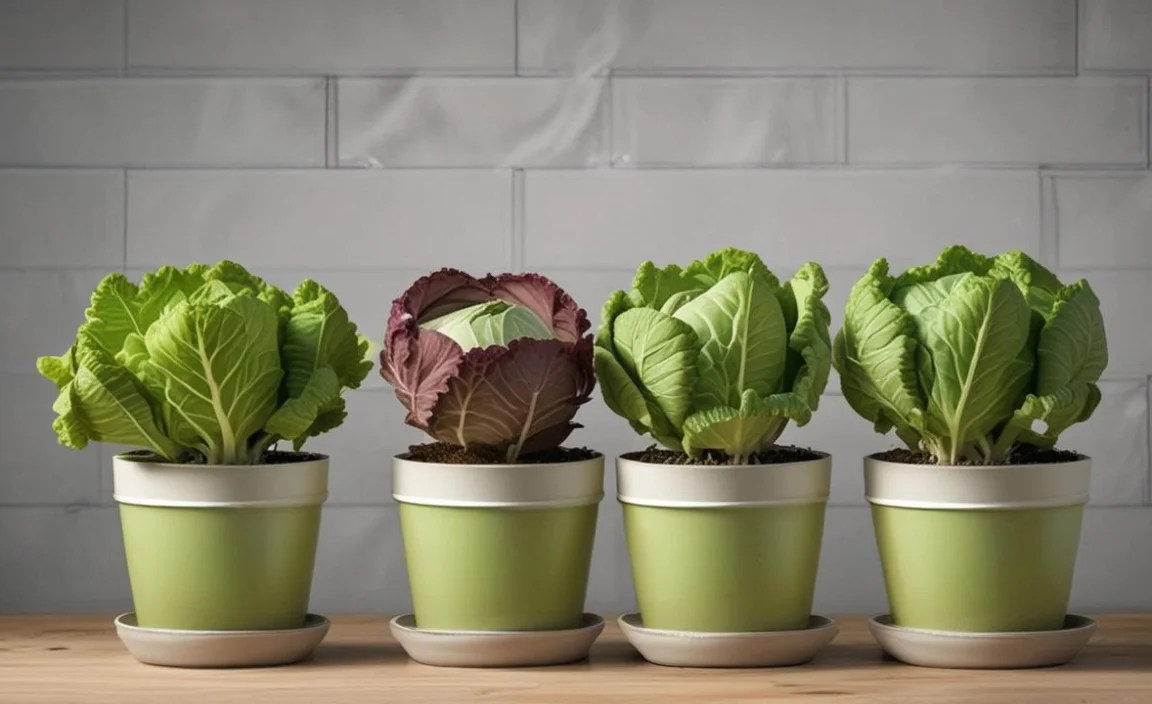
Fertilizer is like vitamins for your cabbage. When you grow cabbage pots, fertilizer helps your cabbage grow big and strong. Cabbage plants need nutrients like nitrogen, phosphorus, and potassium. These nutrients help the plant grow leaves, roots, and heads. You can use a liquid fertilizer or a slow-release fertilizer. Liquid fertilizer is easy to use. You just mix it with water and pour it on the soil. Slow-release fertilizer comes in little pellets. You mix the pellets into the soil. The pellets slowly release nutrients over time. Be careful not to use too much fertilizer. Too much fertilizer can burn the roots. Follow the directions on the fertilizer package. Your cabbage will love the extra nutrients!
- Use a balanced fertilizer (e.g., 10-10-10).
- Fertilize every 2-3 weeks during the growing season.
- Follow the instructions on the fertilizer package.
- Avoid over-fertilizing, which can burn the roots.
- Consider using organic fertilizers like compost tea.
- Water the soil after fertilizing to help distribute nutrients.
Think of fertilizer as giving your cabbage a nutritious meal. Just like you need food to grow, cabbage plants need nutrients to thrive. When you grow cabbage pots, fertilizer helps the plant make energy. This energy helps it grow leaves, stems, and a big, juicy head of cabbage. Without fertilizer, the plant might be weak and small. There are many different kinds of fertilizers to choose from. Some are made from natural ingredients, like compost and manure. Others are made in a factory. Choose a fertilizer that is right for your cabbage and follow the directions carefully. Your cabbage will thank you for the extra boost!
What Nutrients Does Cabbage Need?
Cabbage plants are like little athletes. They need the right nutrients to perform their best. When you grow cabbage pots, make sure your cabbage gets plenty of nitrogen. Nitrogen helps the plant grow green leaves. It also needs phosphorus, which helps the roots grow strong. Potassium is important for overall health. It helps the plant resist diseases. You can find these nutrients in fertilizer. Look for a fertilizer that has a balanced mix of nitrogen, phosphorus, and potassium. Your cabbage will be a star athlete with the right nutrients!
Liquid vs. Slow-Release Fertilizer?
Choosing the right fertilizer can be tricky. It’s like picking the right kind of snack. When you grow cabbage pots, you have two main choices: liquid fertilizer and slow-release fertilizer. Liquid fertilizer is like a quick snack. It gives the plant a boost of nutrients right away. You have to apply it often. Slow-release fertilizer is like a long-lasting snack. It releases nutrients slowly over time. You don’t have to apply it as often. Both kinds of fertilizer can work well. It depends on what you prefer. Try both and see which one your cabbage likes best!
How to Avoid Over-Fertilizing Cabbage?
Too much fertilizer can be harmful to your cabbage. It’s like eating too much candy. When you grow cabbage pots, be careful not to over-fertilize. Over-fertilizing can burn the roots. This can kill the plant. To avoid over-fertilizing, follow the directions on the fertilizer package. Use the right amount of fertilizer for the size of your pot. Don’t fertilize too often. Fertilize every few weeks, not every day. If you see white crust on the soil, that means you’re using too much fertilizer. Flush the soil with water to remove the extra fertilizer. Your cabbage will thank you for being careful!
Fun Fact or Stat: Organic fertilizers release nutrients slowly, reducing the risk of over-fertilizing and promoting healthier plant growth!
Protecting Cabbage from Pests
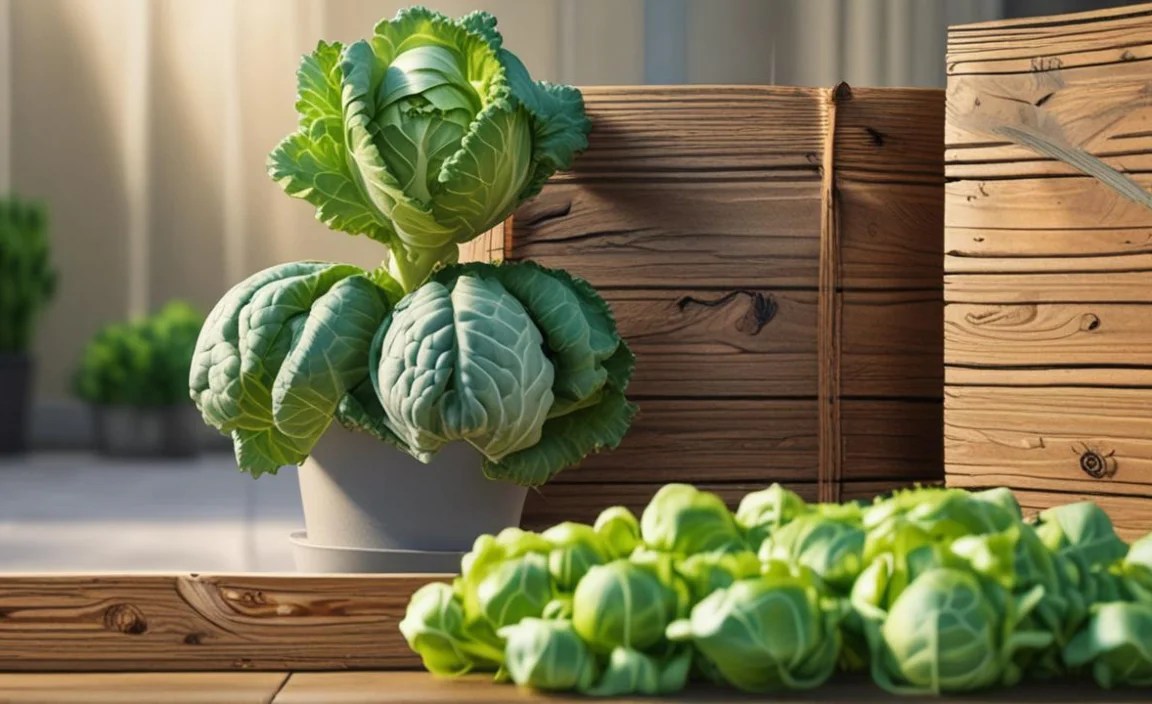
Bugs love to eat cabbage. When you grow cabbage pots, you need to protect your plants from pests. Cabbage worms are a common pest. They are green caterpillars that eat the leaves. You can pick them off by hand. Or, you can use a special spray. The spray is safe for plants and people. Another pest is aphids. Aphids are tiny bugs that suck the sap from the leaves. You can spray them off with water. You can also use insecticidal soap. This soap kills the aphids but is safe for the plant. You can also use netting to cover your cabbage. This keeps the bugs away. Protect your cabbage from pests so it can grow big and strong.
- Inspect plants regularly for pests.
- Handpick cabbage worms and other caterpillars.
- Use insecticidal soap to control aphids.
- Cover plants with netting to prevent pest access.
- Attract beneficial insects like ladybugs.
- Consider using Bacillus thuringiensis (Bt) spray.
Imagine your cabbage is a tasty treat. Bugs think so too! When you grow cabbage pots, you need to be like a bodyguard for your plant. You need to protect it from anything that wants to harm it. Pests can weaken the plant and make it sick. They can even eat the whole thing! That’s why it’s important to check your cabbage regularly for bugs. If you see any, take action right away. Use the methods we talked about to get rid of them. Your cabbage will be much happier and healthier if you keep the pests away.
What are Common Cabbage Pests?
Cabbage plants have many enemies in the bug world. When you grow cabbage pots, watch out for cabbage worms. They are green caterpillars that love to munch on leaves. Aphids are another common pest. They are tiny bugs that suck the sap from the leaves. Flea beetles are small beetles that jump around. They make tiny holes in the leaves. Slugs and snails also like to eat cabbage. They leave slimy trails behind. Knowing your enemy is the first step to protecting your cabbage. So, learn about these pests and be ready to fight them!
How to Use Insecticidal Soap Safely?
Insecticidal soap is like a gentle cleaner for your cabbage. It kills bugs without harming the plant. When you grow cabbage pots, follow the directions on the label. Mix the soap with water. Spray the soap on the leaves, stems, and undersides of the leaves. Be sure to cover all the bugs. Spray in the morning or evening. Avoid spraying in the hot sun. The sun can burn the leaves. Don’t spray too much soap. Too much soap can also burn the leaves. Insecticidal soap is a safe and effective way to get rid of pests. But, use it carefully!
How Does Netting Protect Cabbage?
Imagine your cabbage is wearing a superhero cape. Netting is like that cape. It protects your cabbage from harm. When you grow cabbage pots, netting keeps the bugs away. The bugs can’t get to the leaves to eat them. Netting is a simple and effective way to protect your cabbage. Just cover the plant with netting. Make sure the netting is secured to the pot. This will keep the bugs out. You can buy netting at most garden stores. It’s a great way to keep your cabbage safe and sound.
Fun Fact or Stat: Companion planting with herbs like rosemary and thyme can naturally deter cabbage pests!
Harvesting Your Cabbage from Pots
Harvesting is the best part of grow cabbage pots. It’s like unwrapping a present! After all your hard work, you get to enjoy the fruits (or vegetables) of your labor. You’ll know your cabbage is ready to harvest when the head is firm and solid. It should be about the size of a softball. Use a sharp knife to cut the head off the plant. Leave a few outer leaves on the plant. These leaves will protect the stump. The stump might grow another small head of cabbage. Store your cabbage in the refrigerator. It will stay fresh for a few weeks. Now you can enjoy your homegrown cabbage in salads, soups, or stir-fries!
- Harvest when the head is firm and solid.
- Cut the head off with a sharp knife.
- Leave a few outer leaves on the stump.
- Store harvested cabbage in the refrigerator.
- Check for a second smaller head growing on the stump.
Imagine you are a farmer, and it’s harvest time. You’ve worked hard all season, and now it’s time to reap the rewards. When you grow cabbage pots, harvesting is a special moment. It’s when you get to see the results of your efforts. You’ve nurtured the plant from a tiny seedling to a big, beautiful head of cabbage. Now you can share it with your family and friends. There’s nothing quite like the taste of homegrown vegetables. So, get ready to harvest your cabbage and enjoy the deliciousness!
How to Know When Cabbage is Ready?
Knowing when to harvest is like knowing when a cake is done. It’s all about timing! When you grow cabbage pots, there are a few things to look for. The head should be firm and solid. If it feels soft or squishy, it’s not ready yet. The head should also be the right size. Most cabbage heads are about the size of a softball. But, it depends on the kind of cabbage you’re growing. Check the seed packet or plant tag for information. If the head is starting to crack, it’s time to harvest. Don’t wait too long, or the cabbage will get tough.
Best Way to Cut Cabbage Head?
Cutting the cabbage head is like giving it a haircut. You want to do it neatly and cleanly. When you grow cabbage pots, use a sharp knife. A dull knife will crush the leaves. Cut the head off the plant at the base. Leave a few outer leaves on the stump. These leaves will protect the stump. They might also grow another small head of cabbage. Be careful not to cut yourself. Ask an adult to help you if you need it. Now you have a beautiful head of cabbage to enjoy!
How to Store Harvested Cabbage?
Storing your cabbage is like putting it to bed. You want to keep it fresh and cozy. When you grow cabbage pots, store your cabbage in the refrigerator. Wrap the head in plastic wrap or a plastic bag. This will keep it from drying out. You can also store it in a crisper drawer. Cabbage will stay fresh in the refrigerator for a few weeks. Check it regularly for signs of spoilage. If the leaves are starting to turn brown or slimy, it’s time to throw it away. Enjoy your fresh, homegrown cabbage while it lasts!
| Cabbage Type | Days to Harvest | Head Size (approx.) | Flavor |
|---|---|---|---|
| Green Cabbage | 80-100 days | 6-8 inches | Mild, slightly sweet |
| Red Cabbage | 85-105 days | 6-8 inches | Peppery, earthy |
| Savoy Cabbage | 75-90 days | 6-8 inches | Mild, tender |
| Napa Cabbage | 70-80 days | 12-18 inches | Sweet, delicate |
Fun Fact or Stat: Cabbage can be stored for several months in a root cellar at 32°F (0°C) with high humidity!
Summary
Growing cabbage pots is a fun and rewarding experience. You can have fresh, healthy cabbage right at your fingertips. First, choose the right pot and soil. Make sure your cabbage gets plenty of sunlight and water. Don’t forget to fertilize it regularly. Watch out for pests and take action to get rid of them. When the head is firm and solid, it’s time to harvest. Cut the head off the plant and store it in the refrigerator. You can use your homegrown cabbage in all kinds of dishes. Enjoy the deliciousness of your own garden!
Conclusion
Now you know how to grow cabbage pots. It’s easier than you think. Just follow these simple steps. Choose the right pot, soil, and location. Water and fertilize your cabbage regularly. Protect it from pests. Harvest when it’s ready. You’ll have fresh, healthy cabbage in no time. Growing your own food is a great way to eat healthy and have fun. So get started today!
Frequently Asked Questions
Question No 1: What kind of cabbage is best for growing in pots?
Answer: Some cabbage types do better in pots than others. Smaller varieties like dwarf or early cabbages are great. They don’t need as much space. Red cabbage and savoy cabbage also do well in pots. They are pretty and tasty. Make sure to check the plant label. It will tell you how big the cabbage will get. This will help you choose the right size pot. Remember to provide good soil and care for your cabbage. You will have a yummy harvest when you grow cabbage pots!
Question No 2: How big of a pot do I need to grow cabbage?
Answer: The size of the pot is important for grow cabbage pots. Cabbage needs room for its roots to grow. A pot that is too small will stunt the plant. Look for a pot that is at least 12 inches wide and deep. Bigger is better! This gives the roots plenty of space to spread out. Make sure the pot has drainage holes. These holes let extra water drain out. If the pot doesn’t have drainage holes, the roots can rot. Choose a pot that is big enough and has good drainage. Your cabbage will thank you!
Question No 3: How much sunlight does cabbage need to grow in pots?
Answer: Sunlight is like food for cabbage. It needs lots of it to grow big and strong. When you grow cabbage pots, place them in a sunny spot. Cabbage needs at least six hours of sun each day. If you don’t have a sunny spot, you can use a grow light. A grow light is a special light that helps plants grow. Place the light about 6 inches above the cabbage plant. Leave the light on for about 12 hours each day. Without enough sun, your cabbage won’t grow well. So, make sure your cabbage gets lots of sunlight!
Question No 4: How often should I water my cabbage plants in pots?
Answer: Water is like a drink for your cabbage. You need to give it the right amount. Too much or too little can be bad. Check the soil before you water. Stick your finger into the soil. If the soil feels dry, it’s time to water. If the soil feels wet, wait a day or two. When you water, water the soil around the plant. Try not to get the leaves wet. Water slowly, so the water soaks into the soil. Water until you see water draining out of the bottom of the pot. This means the soil is wet all the way through. Remember that when you grow cabbage pots, the watering schedule depends on the weather and the type of pot you use.
Question No 5: What kind of fertilizer should I use for cabbage in pots?
Answer: Fertilizer is like vitamins for your cabbage. It helps it grow big and strong. Cabbage plants need nutrients like nitrogen, phosphorus, and potassium. You can use a liquid fertilizer or a slow-release fertilizer. Liquid fertilizer is easy to use. You just mix it with water and pour it on the soil. Slow-release fertilizer comes in little pellets. You mix the pellets into the soil. The pellets slowly release nutrients over time. Be careful not to use too much fertilizer. Too much fertilizer can burn the roots. Follow the directions on the fertilizer package. Your grow cabbage pots will be successful with the right fertilizer!
Question No 6: How do I protect my cabbage plants from pests in pots?
Answer: Bugs love to eat cabbage. You need to protect your plants from pests. Cabbage worms are a common pest. They are green caterpillars that eat the leaves. You can pick them off by hand. Or, you can use a special spray. The spray is safe for plants and people. Another pest is aphids. Aphids are tiny bugs that suck the sap from the leaves. You can spray them off with water. You can also use insecticidal soap. This soap kills the aphids but is safe for the plant. You can also use netting to cover your cabbage. This keeps the bugs away. Protecting your grow cabbage pots from pests will help them grow big and strong.
