Do you love tasty, little tomatoes? Have you ever thought about growing them yourself? What if you could grow cherry tomatoes indoors? It is easier than you think! Even if you do not have a garden, you can still enjoy fresh tomatoes. Let’s learn how to grow them inside your house.
Growing your own food can be fun. It can also be very rewarding. Imagine picking fresh, juicy cherry tomatoes. You can use them in salads or as a healthy snack. You can even share them with your friends and family. Growing them inside is a great way to have fresh food all year.
Key Takeaways
- Growing cherry tomatoes indoors lets you enjoy fresh tomatoes anytime.
- Choose a sunny spot or use grow lights for best results.
- Water your tomato plants regularly, but do not overwater them.
- Provide support for your plants as they grow taller.
- Pick your ripe cherry tomatoes and enjoy their delicious flavor!
Best Cherry Tomato Varieties To Grow Indoors

Choosing the right variety is key when you grow cherry tomatoes indoors. Some types grow better inside than others. Look for compact or bush varieties. These do not get too big. They are perfect for containers. Consider varieties like ‘Tiny Tim’ or ‘Patio Princess.’ These are bred for small spaces. They produce lots of delicious tomatoes. They don’t need a lot of room to thrive. Make sure the variety you choose is right for indoor growing. This will help you have a successful harvest. Think about the taste and size of the tomatoes you want. Then, pick the variety that fits your needs. With the right choice, you’ll enjoy fresh cherry tomatoes all year long.
- ‘Tiny Tim’ is a very small plant.
- ‘Patio Princess’ is great for containers.
- ‘Tumbling Tom’ does well in hanging baskets.
- ‘Balcony Gardener’ is perfect for small spaces.
- ‘Red Robin’ produces lots of small tomatoes.
Once you have chosen the right variety, you can start planting. Use a good quality potting mix. Make sure your container has good drainage. This will help prevent overwatering. Place your plants in a sunny spot. Or, use grow lights if you do not have enough sunlight. Water them regularly and watch them grow. With a little care, you will soon have your own indoor cherry tomato garden. Enjoy the process and the tasty rewards. Remember to check on your plants daily. This will help you catch any problems early. Growing your own tomatoes is a fun and educational experience.
Fun Fact or Stat: Cherry tomatoes are called cherry tomatoes because they are small and round, just like cherries!
What Makes a Variety Good for Indoors?
What makes a cherry tomato variety good for growing indoors? Size is very important. Indoor spaces are often limited. So, you need a plant that stays small. Bush or dwarf varieties are best. They do not vine as much as other types. This means they need less support. They also fit better in containers. Another factor is how quickly they mature. Some varieties produce tomatoes faster than others. This is helpful when growing indoors. You want to see results without waiting too long. Taste is also key. Choose a variety that has the flavor you enjoy. Some are sweeter, while others are more tart. Finally, look for disease resistance. Indoor plants can still get diseases. Choosing a resistant variety helps prevent problems. Considering these factors will help you pick the perfect cherry tomato for your indoor garden.
Best Varieties for Beginners
Are you new to growing tomatoes? Some varieties are easier than others. ‘Tiny Tim’ is a great choice for beginners. It is very compact and easy to care for. ‘Red Robin’ is another good option. It produces lots of small, sweet tomatoes. Both of these varieties are disease-resistant. They do not need a lot of pruning. This makes them perfect for beginners. Make sure to give them enough sunlight. Water them regularly. Do not overwater them. With a little care, you will have a successful harvest. Remember to be patient. Growing takes time. Enjoy the process of watching your plants grow. Soon, you will be enjoying your own homegrown cherry tomatoes.
Where Can You Buy Seeds or Seedlings?
Do you know where to find seeds or seedlings for growing cherry tomatoes indoors? Many garden centers and nurseries sell them. You can also find them online. Look for reputable seed companies. They offer a wide variety of cherry tomato seeds. Make sure to read the descriptions carefully. Choose the right variety for indoor growing. Seedlings are also a good option. They are young plants that are already started. This can save you some time. However, they may be more expensive than seeds. Check your local stores first. You might find a good selection there. Online retailers can also be convenient. Just make sure they have good reviews. With a little searching, you will find the perfect seeds or seedlings for your indoor tomato garden.
Setting Up The Right Environment To Grow Cherry Tomatoes Indoors

Creating the right environment is important when you grow cherry tomatoes indoors. Tomatoes need a lot of sunlight. Aim for at least six to eight hours of direct sunlight each day. If you do not have enough natural light, use grow lights. Place them close to the plants. This will help them get the light they need. Temperature is also important. Tomatoes like warm temperatures. Keep the room between 65 and 80 degrees Fahrenheit. Avoid drafts and cold spots. Humidity can also affect your plants. Tomatoes prefer a slightly humid environment. You can increase humidity by using a humidifier. Or, place a tray of water near your plants. Proper ventilation is also key. Make sure the air is circulating. This will help prevent diseases. By creating the right environment, you will help your cherry tomato plants thrive.
- Provide at least 6-8 hours of sunlight daily.
- Use grow lights if you do not have enough sun.
- Keep the temperature between 65-80 degrees Fahrenheit.
- Maintain a slightly humid environment.
- Ensure good air circulation.
- Use a fan to improve airflow.
Choosing the right container is also very important. Make sure it is big enough for the plant to grow. A five-gallon container is usually a good size. The container should also have good drainage. This will prevent the roots from getting too wet. Use a good quality potting mix. This will provide the nutrients your plants need. Fertilize your plants regularly. Use a tomato fertilizer. Follow the instructions on the package. With the right environment and care, you will soon be harvesting your own cherry tomatoes. Remember to check your plants daily for any signs of problems. Early detection can help you solve issues before they become serious. Growing tomatoes indoors can be a rewarding experience.
Fun Fact or Stat: Tomatoes are technically fruits, not vegetables!
How Much Light Do They Really Need?
How much light do cherry tomatoes really need when you grow cherry tomatoes indoors? They need a lot! At least six to eight hours of direct sunlight each day is best. If you don’t have that much natural light, you’ll need grow lights. LED grow lights are a good choice. They are energy-efficient and provide the right spectrum of light. Place the lights close to the plants. About six inches away is usually good. You can use a timer to control the lights. Set it to turn on and off at the right times. Without enough light, your plants will get leggy. They won’t produce many tomatoes. So, make sure they get plenty of light. This is one of the most important factors for success. Remember to adjust the lights as your plants grow. They may need more light as they get bigger.
What Is The Ideal Temperature?
What is the ideal temperature for growing cherry tomatoes indoors? Tomatoes love warmth. They grow best when the temperature is between 65 and 80 degrees Fahrenheit. Avoid temperatures below 60 degrees. Cold temperatures can slow their growth. They can also damage the plants. Make sure your plants are not near any drafts. Cold air can harm them. If your home gets too cold at night, consider using a small space heater. Place it near your plants. This will help keep them warm. During the day, make sure they get enough sunlight. This will also help keep them warm. Monitoring the temperature is important. Use a thermometer to check the temperature regularly. Keeping the temperature in the right range will help your plants thrive.
How To Control Humidity Levels
How can you control humidity levels when you grow cherry tomatoes indoors? Tomatoes like a slightly humid environment. Aim for a humidity level of around 50-60%. If the air is too dry, your plants can suffer. Their leaves may turn brown and crispy. You can increase humidity by using a humidifier. This is a device that adds moisture to the air. Place it near your plants. You can also place a tray of water near your plants. As the water evaporates, it will increase humidity. Another option is to mist your plants with water. Do this in the morning so the leaves have time to dry. If the air is too humid, your plants can get diseases. Make sure there is good air circulation. Open a window or use a fan. Monitoring humidity levels is important. Use a hygrometer to check the humidity regularly. Adjust your methods as needed to keep the humidity in the right range.
Soil And Watering Needs For Indoor Cherry Tomatoes

Understanding soil and watering is key to grow cherry tomatoes indoors. Use a good quality potting mix. This will provide the right nutrients. It will also ensure good drainage. Do not use garden soil. It can be too heavy and may contain diseases. Water your plants regularly. Keep the soil moist, but not soggy. Overwatering can lead to root rot. Check the soil before watering. If the top inch is dry, it is time to water. Water deeply, until water drains out of the bottom of the container. This ensures the roots get enough water. Avoid getting water on the leaves. This can cause diseases. Fertilize your plants regularly. Use a tomato fertilizer. Follow the instructions on the package. With the right soil and watering, your cherry tomato plants will thrive.
- Use a good quality potting mix.
- Water regularly, but do not overwater.
- Check the soil moisture before watering.
- Water deeply until water drains out.
- Avoid getting water on the leaves.
- Fertilize regularly with tomato fertilizer.
Choosing the right container is also important. Make sure it has good drainage holes. This will prevent water from sitting in the bottom. A five-gallon container is usually a good size for cherry tomatoes. You can also use self-watering containers. These help regulate the moisture level. They can be a good option if you tend to overwater. Remember to monitor your plants closely. Look for signs of overwatering or underwatering. Adjust your watering schedule as needed. With a little practice, you will get the hang of it. Growing tomatoes indoors can be a rewarding experience. Enjoy the process and the delicious results. Do not be afraid to ask for help if you are unsure. There are many resources available online and at your local garden center.
Fun Fact or Stat: Tomatoes are native to South America!
Choosing The Right Potting Mix
Choosing the right potting mix is very important when you grow cherry tomatoes indoors. Do not use garden soil. It is too heavy and does not drain well. It can also contain pests and diseases. Instead, use a good quality potting mix. Look for a mix that is specifically designed for containers. These mixes are usually lighter and have better drainage. They also contain nutrients that your plants need. You can also make your own potting mix. Mix equal parts of peat moss, perlite, and vermiculite. This will create a light and well-draining mix. Make sure to moisten the potting mix before planting. This will help the seeds germinate. With the right potting mix, your cherry tomato plants will have a healthy start.
How Often Should You Water?
How often should you water your cherry tomato plants when you grow cherry tomatoes indoors? There is no one-size-fits-all answer. It depends on several factors. These include the size of the container, the type of potting mix, and the temperature and humidity. A good rule of thumb is to check the soil moisture every day. Stick your finger into the soil. If the top inch is dry, it is time to water. Water deeply, until water drains out of the bottom of the container. Avoid letting the soil dry out completely. This can stress the plants. Overwatering can also be harmful. It can lead to root rot. If the leaves are yellowing, it could be a sign of overwatering. Adjust your watering schedule as needed. With a little practice, you will learn how often to water your plants.
Recognizing Overwatering And Underwatering
How can you tell if you are overwatering or underwatering your cherry tomato plants when you grow cherry tomatoes indoors? Overwatering can cause the leaves to turn yellow. They may also feel soft and mushy. The soil will be constantly wet. Root rot can also develop. This is a serious problem that can kill your plants. Underwatering can cause the leaves to wilt. They may also turn brown and crispy. The soil will be dry and hard. The plants may also stop growing. Check the soil moisture regularly. This will help you catch these problems early. Adjust your watering schedule as needed. With a little observation, you will be able to tell if your plants are getting too much or too little water. Remember to be patient and learn from your mistakes.
Pollination Techniques For Indoor Cherry Tomatoes
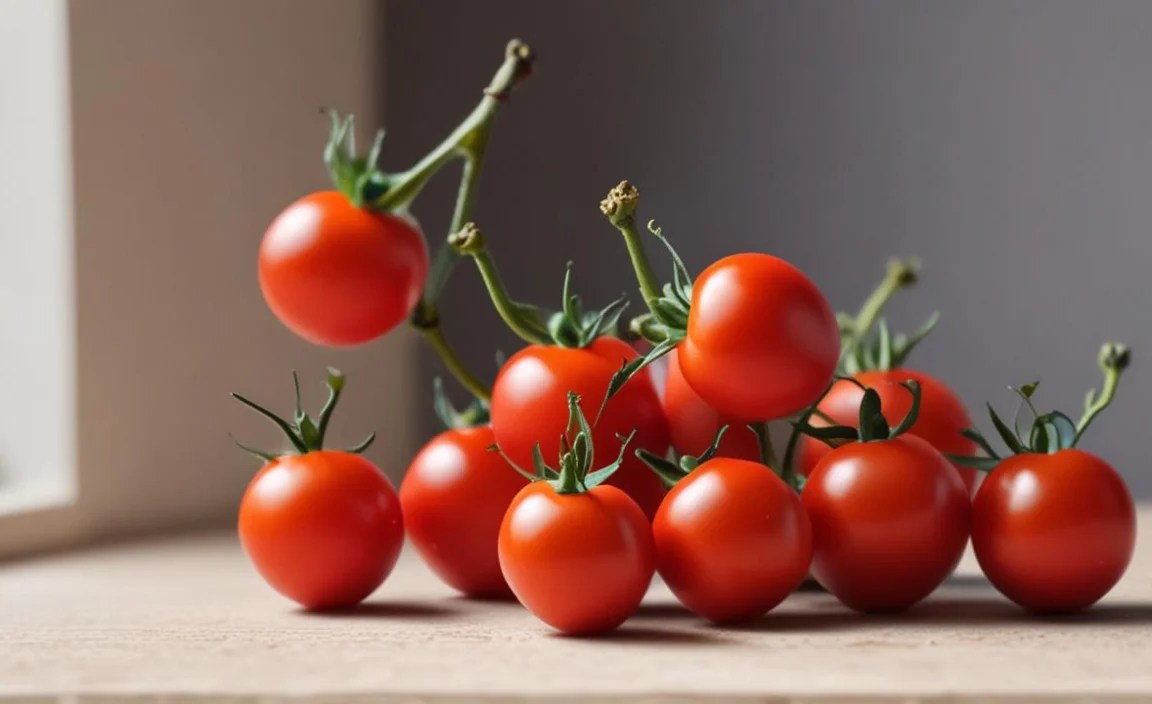
Pollination is important when you grow cherry tomatoes indoors. In a garden, bees and other insects do this job. But indoors, you need to help. Tomatoes are self-pollinating. This means they can pollinate themselves. But they still need a little help. One way to pollinate is to gently shake the plants. This will release the pollen. You can also use a small brush. Gently brush the inside of each flower. This will transfer the pollen. Do this every few days. Especially when the plants are flowering. You can also use a fan to blow air around the plants. This will help distribute the pollen. Pollination is key to getting tomatoes. Without it, you will not get any fruit. So, make sure to help your plants pollinate.
- Gently shake the plants to release pollen.
- Use a small brush to transfer pollen.
- Do this every few days when flowering.
- Use a fan to circulate air around plants.
- Ensure good pollination for fruit production.
Another technique is to use a vibrating toothbrush. Gently touch the back of each flower with the toothbrush. The vibrations will release the pollen. Be careful not to damage the flowers. You can also tap the flower stems gently. This will also help release the pollen. The best time to pollinate is in the morning. This is when the pollen is most active. Make sure the air is not too humid. High humidity can make the pollen sticky. This can prevent it from being transferred. With a little effort, you can successfully pollinate your indoor tomato plants. Enjoy the process and the delicious results. Remember to be gentle and patient. Pollination takes time and practice.
Fun Fact or Stat: Tomatoes are one of the most popular garden plants in the world!
Hand-Pollinating: The Brush Method
Have you heard of hand-pollinating when you grow cherry tomatoes indoors? The brush method is a simple way to do it. You’ll need a small, soft brush. An artist’s paintbrush works well. Gently brush the inside of each flower. This will collect pollen from the stamen. Then, brush the pollen onto the pistil of the same flower. This transfers the pollen and helps the flower get pollinated. Do this for each flower on the plant. Repeat every few days, especially when the plants are flowering. Be gentle so you don’t damage the delicate flowers. This method is effective for ensuring good pollination. It helps your plants produce lots of tasty cherry tomatoes. Remember to clean your brush between plants. This prevents the spread of diseases.
Using a Fan For Pollination
Can you use a fan for pollination when you grow cherry tomatoes indoors? Yes, you can! A fan can help distribute pollen. Set up a small fan near your tomato plants. Aim the fan so it gently blows air around the plants. The moving air will help shake the pollen loose. It will also carry the pollen from one flower to another. This increases the chances of pollination. Use the fan for a few hours each day. The best time to use the fan is in the morning. This is when the pollen is most active. Make sure the fan is not too strong. A strong wind can damage the plants. A gentle breeze is all you need. Using a fan is a simple and effective way to help your tomato plants pollinate.
Vibrating Tools For Pollination
Have you considered using vibrating tools for pollination when you grow cherry tomatoes indoors? A vibrating toothbrush can be very effective. Turn on the toothbrush and gently touch it to the back of each flower. The vibrations will help release the pollen. This will help the flower get pollinated. Be careful not to damage the flowers. Only touch them lightly. You can also use a special pollination tool. These tools are designed to vibrate at the right frequency. They are very effective for pollinating tomatoes. Use the tool for a few seconds on each flower. Repeat every few days, especially when the plants are flowering. Vibrating tools can be a quick and easy way to pollinate your indoor tomato plants.
Providing Support For Your Cherry Tomato Plants

Providing support is crucial when you grow cherry tomatoes indoors. As your plants grow, they will get heavy with tomatoes. They need support to stay upright. Without support, the stems can break. The plants can also fall over. There are several ways to support your plants. You can use stakes, cages, or trellises. Stakes are simple and easy to use. Just insert a stake into the soil near the plant. Then, tie the stem to the stake with soft twine. Cages are a good option for bush varieties. Place the cage around the plant when it is small. The plant will grow up through the cage. Trellises are good for vining varieties. Train the vines to grow up the trellis. Providing support will help your plants stay healthy. It will also help them produce more tomatoes.
- Use stakes to support individual stems.
- Use cages for bush-type tomato plants.
- Use trellises for vining tomato plants.
- Tie stems loosely to supports with twine.
- Provide support early in the plant’s growth.
When choosing supports, consider the size of your plants. Stakes are good for small plants. Cages are good for medium-sized plants. Trellises are good for large plants. Make sure the supports are strong enough to hold the weight of the plants. Check the supports regularly. Make sure they are still secure. Adjust them as needed. As the plants grow, you may need to add more supports. Providing support is an important part of growing tomatoes indoors. It will help your plants stay healthy and productive. Remember to be patient and observant. Adjust your methods as needed. With a little care, you will have a successful harvest.
Fun Fact or Stat: There are over 10,000 varieties of tomatoes in the world!
Staking Your Tomato Plants
Are you wondering about staking your tomato plants when you grow cherry tomatoes indoors? Staking is a simple way to provide support. You’ll need a stake that is tall enough for your plant. A four-foot stake is usually a good size. Insert the stake into the soil near the plant. Be careful not to damage the roots. Tie the stem to the stake with soft twine. Use a loose knot so you don’t strangle the stem. As the plant grows, add more ties. Space them about six inches apart. Check the ties regularly. Make sure they are not too tight. Staking helps keep the plant upright. It also prevents the stems from breaking. This allows the plant to focus on producing tomatoes. Staking is a simple and effective way to support your indoor tomato plants.
Using Tomato Cages
Have you considered using tomato cages when you grow cherry tomatoes indoors? Cages are a great way to support bush-type tomato plants. Choose a cage that is the right size for your plant. Place the cage around the plant when it is small. This allows the plant to grow up through the cage. As the plant grows, the cage will provide support. The stems will lean against the cage. This prevents them from breaking. Make sure the cage is sturdy enough to hold the weight of the plant. Check the cage regularly. Make sure it is still secure. Adjust it as needed. Tomato cages are a simple and effective way to support your indoor tomato plants. They are especially good for varieties that get bushy and produce lots of tomatoes.
Trellising: Vertical Support
What about trellising for vertical support when you grow cherry tomatoes indoors? Trellising is a great option for vining tomato plants. You’ll need a trellis that is tall enough for your plant. A six-foot trellis is usually a good size. Place the trellis behind the plant. Train the vines to grow up the trellis. You can use soft twine to tie the vines to the trellis. Space the ties about six inches apart. As the plant grows, continue to train the vines. Trellising helps save space. It also allows the plant to get more sunlight. This can lead to a better harvest. Trellising is a great way to support your indoor tomato plants. It is especially good for varieties that have long vines and need a lot of support.
Dealing With Pests And Diseases In Indoor Cherry Tomatoes
Dealing with pests and diseases is important when you grow cherry tomatoes indoors. Even indoors, your plants can get problems. Common pests include aphids, whiteflies, and spider mites. These pests can suck the sap from your plants. This can weaken them and reduce their yield. Check your plants regularly for signs of pests. Look for small insects on the leaves. Also, look for sticky residue or webbing. If you find pests, take action quickly. You can use insecticidal soap or neem oil. These are natural and effective ways to control pests. Common diseases include fungal diseases like powdery mildew. These diseases can cause white spots on the leaves. To prevent diseases, make sure there is good air circulation. Also, avoid getting water on the leaves. If you see signs of disease, remove the affected leaves. You can also use a fungicide. With a little care, you can keep your plants healthy and pest-free.
| Problem | Symptoms | Solution |
|---|---|---|
| Aphids | Small insects on leaves, sticky residue | Insecticidal soap, neem oil |
| Whiteflies | Tiny white insects, yellowing leaves | Insecticidal soap, sticky traps |
| Spider Mites | Webbing on leaves, tiny mites | Neem oil, increase humidity |
| Powdery Mildew | White spots on leaves | Improve air circulation, fungicide |
- Check plants regularly for pests and diseases.
- Use insecticidal soap or neem oil for pests.
- Remove affected leaves for diseases.
- Ensure good air circulation.
- Avoid getting water on the leaves.
Prevention is the best way to deal with pests and diseases. Keep your plants healthy and strong. This will make them less susceptible to problems. Water them properly and fertilize them regularly. Also, make sure they get enough sunlight. Clean your pots and tools before using them. This will help prevent the spread of diseases. Inspect new plants carefully before bringing them into your home. This will help prevent introducing pests or diseases. With a little vigilance, you can keep your indoor tomato plants healthy and productive. Remember to be patient and observant. Adjust your methods as needed. With a little care, you will have a successful harvest. Do not be afraid to ask for help if you are unsure. There are many resources available online and at your local garden center.
Fun Fact or Stat: Tomatoes are rich in vitamins A and C!
Identifying Common Pests
How can you identify common pests when you grow cherry tomatoes indoors? Aphids are small, soft-bodied insects. They can be green, black, or brown. They cluster on the stems and leaves of plants. Whiteflies are tiny, white, flying insects. They flutter around the plants when disturbed. Spider mites are very small, spider-like creatures. They are hard to see with the naked eye. They create webbing on the leaves. Thrips are small, slender insects with fringed wings. They can damage the flowers and leaves of plants. Look for these signs when inspecting your plants. Early detection is key to controlling pests. The sooner you identify a problem, the easier it will be to solve.
Natural Pest Control Methods
Are you looking for natural pest control methods when you grow cherry tomatoes indoors? Insecticidal soap is a good option. It is made from natural ingredients and is safe for plants. It kills pests by suffocating them. Neem oil is another natural pesticide. It is made from the neem tree. It disrupts the life cycle of pests. Diatomaceous earth is a powder made from fossilized algae. It kills pests by drying them out. You can also use beneficial insects. Ladybugs are natural predators of aphids. Lacewings are natural predators of whiteflies. These natural methods are effective and safe for your plants and the environment. Remember to follow the instructions carefully when using any pesticide.
Preventing Fungal Diseases
How can you prevent fungal diseases when you grow cherry tomatoes indoors? Good air circulation is key. This helps prevent moisture from building up on the leaves. Avoid getting water on the leaves when watering. Water at the base of the plant. Remove any dead or dying leaves. These can harbor fungal spores. Use a fungicide if necessary. Choose a fungicide that is specifically designed for tomatoes. Follow the instructions carefully. Make sure your plants get enough sunlight. This helps them stay healthy and strong. Healthy plants are less susceptible to diseases. These simple steps can help you prevent fungal diseases and keep your plants healthy.
Summary
Growing cherry tomatoes indoors can be a fun and rewarding experience. You can enjoy fresh, tasty tomatoes all year long. To be successful, choose the right variety. Provide plenty of sunlight or use grow lights. Use a good quality potting mix and water regularly. Make sure to pollinate your plants and provide support. Watch out for pests and diseases. Growing cherry tomatoes indoors requires some effort, but the results are worth it. With a little care, you can have a thriving indoor tomato garden.
Conclusion
Growing cherry tomatoes indoors is a great way to enjoy fresh tomatoes anytime. It requires some planning and care. Choose the right variety and provide the right environment. Remember to water, fertilize, and pollinate your plants. Watch out for pests and diseases. With a little effort, you can have a successful indoor tomato garden. Enjoy the delicious taste of your homegrown cherry tomatoes!
Frequently Asked Questions
Question No 1: How long does it take to grow cherry tomatoes indoors?
Answer: The time it takes to grow cherry tomatoes indoors varies. It depends on the variety and growing conditions. Generally, it takes about 60 to 80 days from planting to harvest. Some faster-maturing varieties may be ready in as little as 55 days. Be patient and watch your plants closely. Once the tomatoes start to turn red, they are almost ready to pick. The more sunlight they get, the faster they will ripen. Remember to provide the right care and conditions for the best results. Enjoy the process of watching your plants grow and produce delicious tomatoes.
Question No 2: What kind of fertilizer should I use for indoor cherry tomatoes?
Answer: Use a fertilizer specifically designed for tomatoes. Look for a balanced fertilizer with a higher middle number. This number represents phosphorus. Phosphorus is important for fruit development. A fertilizer with an NPK ratio of 5-10-5 or 10-15-10 is a good choice. Follow the instructions on the package carefully. Do not over-fertilize. This can damage your plants. Fertilize every two to three weeks. Start fertilizing when the plants start to flower. This will help them produce lots of delicious tomatoes. Remember to water your plants well after fertilizing. This helps distribute the fertilizer evenly.
Question No 3: How do I know when my cherry tomatoes are ripe?
Answer: Cherry tomatoes are ripe when they are fully colored. They should be red, yellow, or orange, depending on the variety. They should also be slightly soft to the touch. Gently squeeze the tomato. If it gives a little, it is ripe. The tomatoes should also detach easily from the plant. If you have to pull hard, they are not quite ready. Taste one to make sure it is sweet and flavorful. Ripe cherry tomatoes are delicious and juicy. Pick them regularly to encourage the plant to produce more. Enjoy your homegrown tomatoes in salads, snacks, or your favorite recipes.
Question No 4: Can I grow cherry tomatoes indoors in winter?
Answer: Yes, you can grow cherry tomatoes indoors in winter. You’ll need to provide enough light. Use grow lights if you do not have enough sunlight. Also, make sure the temperature is warm enough. Keep the room between 65 and 80 degrees Fahrenheit. Protect your plants from drafts. Winter air can be very dry. So, you may need to increase the humidity. Use a humidifier or place a tray of water near your plants. With the right care, you can enjoy fresh cherry tomatoes all winter long. It is a great way to have fresh produce even when it is cold outside.
Question No 5: What size pot is best for growing cherry tomatoes indoors?
Answer: A five-gallon pot is usually a good size for growing cherry tomatoes indoors. This gives the roots enough room to grow. It also provides enough soil to hold moisture and nutrients. You can use a larger pot if you want. But a five-gallon pot is usually sufficient. Make sure the pot has good drainage holes. This will prevent the roots from getting too wet. Use a good quality potting mix. This will provide the nutrients your plants need. Choose a pot that is made of a durable material. Plastic, terracotta, or ceramic pots are all good options. With the right size pot, your cherry tomato plants will thrive.
Question No 6: How do I prevent blossom end rot on my indoor cherry tomatoes?
Answer: Blossom end rot is a common problem with tomatoes. It is caused by a lack of calcium. The bottom of the tomato turns black and leathery. To prevent blossom end rot, make sure your plants get enough calcium. Use a potting mix that contains calcium. You can also add calcium to the soil. Bone meal is a good source of calcium. Water your plants regularly and consistently. Uneven watering can also contribute to blossom end rot. Avoid letting the soil dry out completely. Also, avoid overwatering. With consistent watering and enough calcium, you can prevent blossom end rot on your indoor cherry tomatoes.
