Do you love colorful flowers? Have you ever tried to grow chrysanthemums seeds? It can be a fun and rewarding hobby. Imagine your garden filled with beautiful blooms. Chrysanthemums, or mums, are popular flowers. They come in many colors and shapes. Starting them from seeds is easier than you think. You can have a vibrant garden with a little effort.
Growing mums from seeds is special. It lets you see the whole life cycle. From a tiny seed to a big, bright flower. Are you ready to start your chrysanthemum adventure?
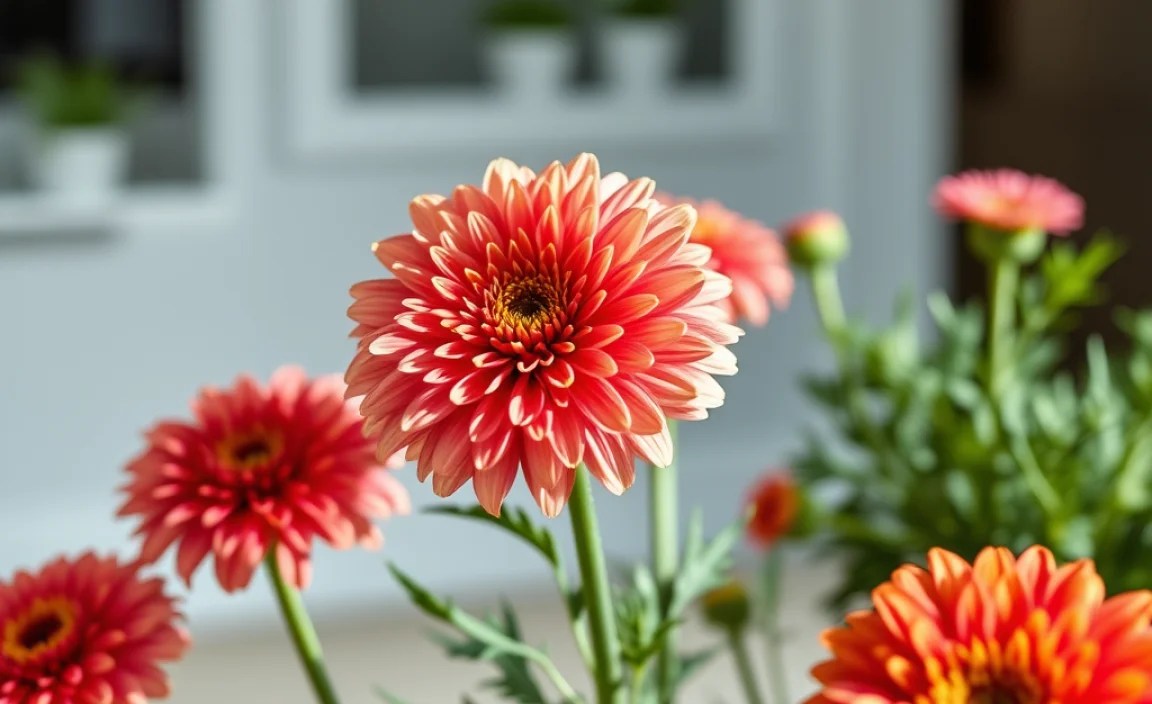
Key Takeaways
- Growing chrysanthemums from seeds needs patience but gives you lots of flowers.
- Choose the right soil, sunlight, and water to help your chrysanthemum seeds grow well.
- Grow chrysanthemums seeds indoors first and move them outside when it is warmer.
- Regularly water and feed your chrysanthemum plants to keep them healthy.
- Pick off dead flowers to help your plants make even more new blooms.

How to Grow Chrysanthemums Seeds
Growing chrysanthemums from seeds can be a fun project. First, you need the right seeds. Look for seeds from a trusted store or online. Make sure they are fresh. Old seeds might not grow well. Next, get some good soil. You want soil that drains well. This means water can flow through it easily. You don’t want the seeds sitting in water. That can make them rot. You can use a special seed-starting mix. Or you can make your own. Mix some potting soil with perlite and vermiculite. These help the soil drain well. Now, you are ready to plant your seeds. Put the soil in small pots or trays. Sprinkle the seeds on top of the soil. Cover them lightly with more soil. Water gently. Keep the soil moist but not too wet. Put the pots in a warm place. A sunny windowsill is good. Or you can use a grow light. Keep an eye on them. In a week or two, you should see little sprouts. These are your baby chrysanthemum plants! You are on your way to a beautiful garden.
- Buy fresh chrysanthemum seeds from a good store.
- Use soil that drains water well.
- Plant seeds in small pots or trays.
- Keep the soil moist but not wet.
- Put the pots in a warm, sunny spot.
Once your chrysanthemum seeds have sprouted, they need care. Give them plenty of light. If you don’t have enough sunlight, use a grow light. Water them when the soil feels dry. Be careful not to overwater. Too much water can kill the young plants. When the plants are bigger, you can move them to bigger pots. Use the same good soil mix. Keep giving them light and water. After a few weeks, the plants will be strong enough to go outside. Choose a sunny spot in your garden. Make sure the soil drains well. Dig a hole and gently put the plant in the ground. Water it well. Keep an eye on it. Protect it from strong winds and pests. With a little care, your chrysanthemum plants will grow and bloom. You will have beautiful flowers to enjoy. Growing chrysanthemums from seeds is worth the effort. It is a great way to add color to your garden.
Fun Fact or Stat: Chrysanthemums are native to Asia and northeastern Europe. They were first cultivated in China as a flowering herb as far back as the 15th century BC!
Why are My Seeds Not Growing?
Sometimes, grow chrysanthemums seeds can be tricky. You might wonder, “Why aren’t my seeds growing?” There are a few reasons this could happen. First, check your seeds. Are they old? Old seeds might not sprout. Use fresh seeds for the best chance of success. Next, look at the soil. Is it too wet or too dry? Seeds need moisture to grow. But too much water can make them rot. The soil should feel damp, not soggy. Also, check the temperature. Seeds need warmth to sprout. If it’s too cold, they might not grow. Try putting the seeds in a warmer place. A sunny windowsill or a heat mat can help. Finally, make sure the seeds have enough light. While they don’t need light to sprout, seedlings do. Once they sprout, give them plenty of light. If you check these things, you can help your seeds grow.
How Much Light Do They Need?
Light is super important when you grow chrysanthemums seeds! These plants love sunlight. They need at least six hours of sunlight each day. If they don’t get enough light, they might not bloom. Or they might have fewer flowers. A sunny spot in your garden is perfect. If you’re growing them indoors, use a grow light. Put the light close to the plants. This will help them grow strong and healthy. Watch your plants carefully. If they look pale or weak, they might need more light. You can also move them to a sunnier spot. Giving your chrysanthemums enough light is key. It helps them grow into beautiful, blooming plants. Remember, happy plants mean lots of colorful flowers!
What Kind of Soil is Best?
Choosing the right soil is important to grow chrysanthemums seeds. Chrysanthemums like soil that drains well. This means the water flows through it easily. They don’t like to sit in wet soil. Wet soil can cause their roots to rot. A good soil mix is one that is loose and crumbly. You can buy a special potting mix for flowers. Or you can make your own. Mix together potting soil, perlite, and vermiculite. Perlite and vermiculite help the soil drain well. They also help keep the soil loose. This lets the roots grow easily. Avoid using heavy clay soil. Clay soil holds too much water. It can also become hard and compacted. This makes it hard for the roots to grow. Using the right soil will help your chrysanthemums grow healthy and strong.

Watering Chrysanthemums Grown From Seeds
Watering is very important when you grow chrysanthemums seeds. You need to water them the right amount. Not too much and not too little. When the seeds are first planted, keep the soil moist. This means the soil should feel damp. But it shouldn’t be soaking wet. Water gently so you don’t wash the seeds away. Once the plants have sprouted, water them when the soil feels dry. Stick your finger in the soil. If it feels dry, it’s time to water. Water deeply, so the water reaches the roots. But be careful not to overwater. Overwatering can cause root rot. This is when the roots start to rot and die. Water early in the morning. This gives the plants time to dry out during the day. Avoid watering in the evening. This can make the leaves stay wet overnight. Wet leaves can lead to diseases. With the right watering, your chrysanthemums will thrive.
- Keep soil moist when seeds are planted.
- Water when the soil feels dry to the touch.
- Water deeply, reaching the roots.
- Avoid overwatering, which causes root rot.
- Water early in the morning.
When your chrysanthemum plants are bigger, they will need more water. Especially during hot, dry weather. Check the soil often. Water whenever it feels dry. You can also use a watering can or a hose. Make sure to water the soil, not the leaves. Wet leaves can attract pests and diseases. If you are growing your chrysanthemums in pots, they will dry out faster. Pots don’t hold as much water as the ground. So you might need to water them more often. Adding mulch around your plants can help. Mulch is a layer of material that covers the soil. It helps keep the soil moist. It also helps prevent weeds from growing. With the right watering, your chrysanthemums will stay healthy and beautiful. They will reward you with lots of colorful blooms.
Fun Fact or Stat: Chrysanthemums symbolize joy and longevity in many cultures. In Japan, there’s even a National Chrysanthemum Day!
What Happens if I Overwater?
Overwatering is a common mistake when you grow chrysanthemums seeds. It can cause serious problems for your plants. When you overwater, the soil becomes soggy. The roots can’t get enough air. This can lead to root rot. Root rot is a disease that makes the roots rot and die. If your plant has root rot, it might look wilted. The leaves might turn yellow or brown. The plant might stop growing. If you think you have overwatered your plant, stop watering it. Let the soil dry out completely. You can also try to improve the drainage. Make sure the pot has drainage holes. You can also add some sand or perlite to the soil. This will help the water drain better. In severe cases, you might need to replant the chrysanthemum in fresh soil. Be careful not to overwater in the future.
How Can I Tell if I Need to Water?
Knowing when to water is key to grow chrysanthemums seeds successfully. But how can you tell if your plants need water? The easiest way is to check the soil. Stick your finger into the soil about an inch deep. If the soil feels dry, it’s time to water. If it feels moist, wait a little longer. You can also look at the plant. If the leaves are drooping or wilting, it might need water. But sometimes, wilting can also be a sign of overwatering. So it’s important to check the soil first. Another sign is the color of the soil. Dry soil often looks lighter in color than moist soil. You can also lift the pot. If it feels light, the soil is probably dry. Over time, you will learn to recognize the signs that your chrysanthemums need water. Pay attention to your plants and they will tell you what they need.
Should I Water Every Day?
Watering every day isn’t always the best way to grow chrysanthemums seeds. Chrysanthemums don’t like to sit in wet soil. Watering every day can lead to overwatering. It’s better to water when the soil feels dry. Check the soil before you water. If it’s still moist, wait another day. The amount of water your plants need depends on several things. The weather, the type of soil, and the size of the plant all play a role. Hot, dry weather will dry out the soil faster. Sandy soil drains faster than clay soil. Bigger plants need more water than smaller plants. Pay attention to these factors. Adjust your watering schedule accordingly. With a little practice, you will learn how often to water your chrysanthemums.

Choosing the Right Fertilizer
Fertilizer helps plants grow strong. It gives them the nutrients they need. When you grow chrysanthemums seeds, fertilizer is important. Start fertilizing your plants after they sprout. Use a balanced fertilizer. This means it has equal amounts of nitrogen, phosphorus, and potassium. These are the three main nutrients plants need. Look for a fertilizer that says “10-10-10” on the label. This means it has 10% nitrogen, 10% phosphorus, and 10% potassium. Follow the instructions on the fertilizer package. Don’t use too much fertilizer. Too much can burn the plants. Fertilize your plants every few weeks. During the growing season, they need more fertilizer. During the winter, they need less. You can also use a special fertilizer for flowering plants. These fertilizers have more phosphorus. Phosphorus helps plants produce flowers. With the right fertilizer, your chrysanthemums will grow big and bloom beautifully.
- Start fertilizing after the seeds sprout.
- Use a balanced fertilizer (e.g., 10-10-10).
- Follow the instructions on the package.
- Fertilize every few weeks during the growing season.
- Use a fertilizer for flowering plants.
There are different types of fertilizer. Some fertilizers are liquid. You mix them with water and pour them on the soil. Other fertilizers are granular. You sprinkle them on the soil and then water. Liquid fertilizers work faster. Granular fertilizers last longer. You can also use organic fertilizers. These are made from natural materials. Compost, manure, and bone meal are examples of organic fertilizers. Organic fertilizers are good for the soil. They help improve its structure and drainage. They also release nutrients slowly over time. No matter what type of fertilizer you use, be careful not to over-fertilize. Too much fertilizer can damage your plants. It can burn the roots and leaves. It can also make the plants grow too fast. This can make them weak and leggy. With the right amount of fertilizer, your chrysanthemums will thrive.
Fun Fact or Stat: Some chrysanthemum varieties are edible! They are used in salads and teas in some Asian countries.
What Happens if I Use Too Much?
Using too much fertilizer can hurt your chrysanthemums. When you grow chrysanthemums seeds, moderation is key. Too much fertilizer can burn the roots. This makes it hard for the plant to get water and nutrients. The leaves might turn yellow or brown. The plant might look wilted. In severe cases, it can even die. If you think you have used too much fertilizer, try to flush the soil. Water the plant deeply. This will help wash away the excess fertilizer. You can also try to repot the plant in fresh soil. Be careful not to add any more fertilizer. In the future, always follow the instructions on the fertilizer package. Use the recommended amount. It’s better to use too little fertilizer than too much. You can always add more later if needed.
Are Organic Fertilizers Better?
Organic fertilizers are a good choice when you grow chrysanthemums seeds. They are made from natural materials. This means they are better for the environment. They also release nutrients slowly over time. This helps prevent over-fertilizing. Organic fertilizers also improve the soil. They add organic matter to the soil. This helps the soil hold more water and nutrients. It also improves the soil structure. Compost, manure, and bone meal are examples of organic fertilizers. You can buy organic fertilizers at most garden stores. Or you can make your own compost. Compost is made from decomposed food scraps and yard waste. It’s a great way to recycle and improve your soil. While organic fertilizers are good, they might not be as strong as synthetic fertilizers. You might need to use them more often. But the benefits for the environment and your soil are worth it.
How Often Should I Fertilize?
The right frequency is important to grow chrysanthemums seeds properly. You don’t want to over-fertilize or under-fertilize. Fertilize your chrysanthemums every few weeks during the growing season. The growing season is the time of year when the plants are actively growing. This is usually in the spring and summer. During the winter, the plants don’t need as much fertilizer. Fertilize them less often. Follow the instructions on the fertilizer package. They will tell you how often to fertilize. You can also watch your plants for signs that they need fertilizer. If the leaves are pale or yellow, they might need more fertilizer. If the plants are growing slowly, they might also need more fertilizer. On the other hand, if the leaves are dark green and the plants are growing very fast, you might be using too much fertilizer. Adjust your fertilizing schedule as needed.

Dealing With Pests and Diseases
Pests and diseases can cause problems when you grow chrysanthemums seeds. But don’t worry, you can protect your plants. Common pests include aphids, spider mites, and whiteflies. These tiny bugs can suck the sap from your plants. This can make the leaves turn yellow and wilt. You can get rid of them with insecticidal soap or neem oil. These are natural products that kill pests. You can also try washing the pests off with a strong stream of water. Diseases can also affect chrysanthemums. Powdery mildew is a common disease. It looks like a white powder on the leaves. You can prevent it by making sure your plants have good air circulation. Water them in the morning so the leaves have time to dry. You can also use a fungicide to treat powdery mildew. With a little care, you can keep your chrysanthemums healthy and pest-free.
- Watch for common pests like aphids and spider mites.
- Use insecticidal soap or neem oil to kill pests.
- Wash pests off with a strong stream of water.
- Prevent powdery mildew with good air circulation.
- Water in the morning so leaves dry quickly.
To prevent pests and diseases, keep your garden clean. Remove any dead leaves or flowers. These can harbor pests and diseases. Also, make sure your plants have enough sunlight and water. Healthy plants are more resistant to pests and diseases. You can also use companion planting. This means planting certain plants together that help each other. For example, marigolds can repel some pests. Garlic can also help protect plants from pests. Check your plants regularly for signs of pests or diseases. The sooner you catch them, the easier they are to treat. Don’t be afraid to ask for help from a local garden center. They can give you advice on how to deal with specific pests and diseases. With a little effort, you can keep your chrysanthemums healthy and beautiful.
Fun Fact or Stat: Chrysanthemums are used in traditional medicine in some cultures. They are believed to have healing properties.
What are Common Pests?
When you grow chrysanthemums seeds, you might encounter some common pests. Aphids are small, soft-bodied insects. They suck the sap from plants. They can be green, yellow, or black. Spider mites are tiny mites that spin webs on plants. They also suck the sap. Whiteflies are small, white insects that fly around plants. They also feed on the sap. These pests can weaken your plants. They can also spread diseases. Check your plants regularly for signs of these pests. Look for yellowing leaves, webbing, or small insects on the plants. If you find pests, take action right away.
How Can I Prevent Diseases?
Preventing diseases is important to grow chrysanthemums seeds successfully. Good air circulation is key. This helps prevent fungal diseases like powdery mildew. Water your plants in the morning. This gives the leaves time to dry out during the day. Avoid watering in the evening. This can make the leaves stay wet overnight. Wet leaves are more likely to get diseases. Keep your garden clean. Remove any dead leaves or flowers. These can harbor diseases. Also, make sure your plants have enough sunlight. Healthy plants are more resistant to diseases. You can also use disease-resistant varieties of chrysanthemums. These plants are less likely to get sick. By taking these steps, you can help prevent diseases in your chrysanthemum garden.
Are There Natural Ways to Control Pests?
Yes, there are many natural ways to control pests when you grow chrysanthemums seeds. Insecticidal soap is a natural soap that kills pests. Neem oil is a natural oil that also kills pests. You can spray these products on your plants. They are safe for the environment and for people. You can also use beneficial insects. Ladybugs are natural predators of aphids. They will eat the aphids and help control the population. You can buy ladybugs at some garden stores. Companion planting can also help. Marigolds repel some pests. Garlic also repels pests. Plant these near your chrysanthemums to help protect them. By using these natural methods, you can control pests without using harmful chemicals.
Moving Seedlings to the Garden
Moving your seedlings to the garden is a big step when you grow chrysanthemums seeds. It’s important to do it right. Wait until the weather is warm and the danger of frost is past. Chrysanthemums don’t like cold weather. Choose a sunny spot in your garden. Make sure the soil drains well. Dig a hole that is big enough for the roots of the plant. Gently remove the plant from its pot. Be careful not to damage the roots. Place the plant in the hole. Fill the hole with soil. Water the plant well. Add some mulch around the plant. This will help keep the soil moist. Protect the plant from strong winds and direct sunlight for the first few days. This will help it adjust to its new home. With a little care, your chrysanthemum seedlings will thrive in your garden.
| Step | Description | Why it’s Important |
|---|---|---|
| 1. Wait for Warm Weather | Move seedlings after the last frost. | Chrysanthemums don’t like cold. |
| 2. Choose a Sunny Spot | Select a place with at least 6 hours of sunlight. | Sunlight helps them grow and bloom. |
| 3. Dig a Hole | Make the hole big enough for the roots. | Gives the roots space to spread. |
| 4. Water Well | Water the plant after planting. | Helps the plant adjust to its new home. |
| 5. Add Mulch | Mulch helps keep the soil moist. | Mulch also prevents weeds. |
Before you move your seedlings to the garden, you need to harden them off. This means gradually getting them used to the outdoor conditions. Start by putting the seedlings outside for a few hours each day. Choose a sheltered spot where they are protected from wind and direct sunlight. Gradually increase the amount of time they spend outside each day. After a week or two, they should be ready to be planted in the garden. This process helps them to adapt to the outdoor conditions and prevents them from getting shocked when they are moved to the garden. Hardening off is an important step to ensure the success of your chrysanthemum seedlings.
Fun Fact or Stat: Chrysanthemums are the official flower of Chicago!
When is the Best Time to Move Them?
The best time to move your seedlings when you grow chrysanthemums seeds is in the late afternoon or early evening. This gives them time to adjust to their new environment before the heat of the day. Avoid moving them during the hottest part of the day. This can stress the plants. Also, make sure the soil is moist before you move them. This will help them to stay hydrated. Choose a calm day with no strong winds. Strong winds can damage the delicate seedlings. By following these tips, you can ensure a smooth transition for your chrysanthemum seedlings to their new home in the garden.
How Do I Protect Them From the Sun?
Protecting your seedlings from the sun is important when you grow chrysanthemums seeds. Young plants can be sensitive to direct sunlight. It can burn their leaves. To protect them, you can use shade cloth. This is a special fabric that blocks some of the sunlight. You can also use row covers. These are lightweight covers that protect plants from the sun and wind. You can also plant your seedlings near taller plants. The taller plants will provide some shade for the seedlings. Water your seedlings regularly. This will help them stay hydrated. Hydrated plants are less likely to get burned by the sun. By taking these steps, you can protect your chrysanthemum seedlings from the sun and help them thrive.
What if There’s a Late Frost?
A late frost can be a problem when you grow chrysanthemums seeds. Frost can damage or kill young plants. If there’s a risk of frost, cover your seedlings with a blanket or sheet. This will protect them from the cold. You can also move them indoors if possible. If they are in pots, bring them inside. If they are planted in the ground, cover them with a large container. Make sure to remove the cover in the morning when the temperature warms up. Don’t leave the cover on for too long. This can trap moisture and cause fungal diseases. By taking these precautions, you can protect your chrysanthemum seedlings from a late frost.
Caring for Mature Chrysanthemums
Once your chrysanthemums are growing well, they need regular care. This will help them bloom beautifully. Water them regularly, especially during dry weather. Fertilize them every few weeks. Remove any dead or faded flowers. This is called deadheading. It encourages the plant to produce more flowers. Pinch back the stems in the spring and early summer. This will make the plant bushier. Watch for pests and diseases. Treat them promptly. Support tall plants with stakes. This will prevent them from falling over. With a little care, your mature chrysanthemums will provide you with a beautiful display of color for many weeks.
- Water regularly, especially in dry weather.
- Fertilize every few weeks.
- Deadhead faded flowers.
- Pinch back stems for bushier growth.
- Support tall plants with stakes.
Chrysanthemums need different care depending on the time of year. In the spring, pinch back the stems to encourage bushier growth. Fertilize regularly to promote strong growth. In the summer, water deeply during dry weather. Watch for pests and diseases. In the fall, enjoy the beautiful blooms. Cut back the plants after they finish flowering. In the winter, protect the plants from freezing temperatures. You can mulch around the base of the plants. Or you can move them to a sheltered location. By providing the right care at the right time of year, you can keep your chrysanthemums healthy and beautiful for many years.
Fun Fact or Stat: Chrysanthemums are one of the most popular cut flowers in the world!
How Do I Make Them Bloom More?
If you want your chrysanthemums to bloom more when you grow chrysanthemums seeds, there are several things you can do. First, make sure they are getting enough sunlight. Chrysanthemums need at least six hours of sunlight each day. Second, fertilize them regularly. Use a fertilizer that is high in phosphorus. Phosphorus promotes blooming. Third, deadhead the faded flowers. This encourages the plant to produce more flowers. Fourth, pinch back the stems in the spring and early summer. This will make the plant bushier and produce more blooms. By following these tips, you can encourage your chrysanthemums to bloom more abundantly.
Should I Cut Them Back After Flowering?
Yes, you should cut back your chrysanthemums after they finish flowering. This helps the plant conserve energy. It also promotes new growth. Cut the stems back to about six inches above the ground. Remove any dead or diseased leaves. You can also add some mulch around the base of the plant. This will help protect it from the cold. In the spring, new growth will emerge from the base of the plant. You can then start fertilizing again. Cutting back your chrysanthemums after flowering is an important part of their care.
How Do I Protect Them in Winter?
Protecting your chrysanthemums in winter is important, especially in cold climates. You can mulch around the base of the plants. This will help insulate the roots. Use a thick layer of mulch, such as straw or leaves. You can also move the plants to a sheltered location. A garage or shed is a good option. If you live in a very cold climate, you can dig up the plants and store them indoors. Store them in a cool, dark place. Water them occasionally to keep the soil from drying out completely. In the spring, you can replant them in the garden. By taking these steps, you can protect your chrysanthemums from the cold and ensure that they survive the winter.
Summary
Growing chrysanthemums from seeds is a rewarding experience. You can enjoy beautiful flowers in your garden. Start with fresh seeds and good soil. Keep the soil moist but not wet. Give the plants plenty of light. Fertilize them regularly. Watch for pests and diseases. Grow chrysanthemums seeds requires patience. It also requires attention. Moving seedlings to the garden carefully is important. Protect them from frost and strong sun. Caring for mature plants includes watering, deadheading, and pinching back stems. With the right care, your chrysanthemums will thrive and bring you joy.
Conclusion
Growing chrysanthemums from seeds takes effort. You must be patient. The reward is worth it. You get colorful flowers in your garden. Remember to use good soil. Water and fertilize regularly. Watch for pests. Protect them from frost. With the right care, you can grow chrysanthemums seeds and enjoy beautiful blooms. You will have a garden filled with color and beauty.
Frequently Asked Questions
Question No 1: How long does it take for chrysanthemum seeds to germinate?
Answer: Chrysanthemum seeds usually take about one to three weeks to germinate. Keep the soil moist and warm during this time. You can cover the seed tray with a plastic dome to help retain moisture. Make sure to provide adequate light once the seedlings emerge. Be patient and don’t give up if they don’t sprout right away. Sometimes seeds can take a little longer, depending on the conditions. Remember that fresh seeds tend to germinate better than older ones, so always check the expiration date or purchase from a reputable source. You will be able to grow chrysanthemums seeds in no time!
Question No 2: Can I grow chrysanthemums in pots?
Answer: Yes, you can definitely grow chrysanthemums in pots! Choose a pot that is large enough for the plant to grow. Make sure it has drainage holes. Use a good quality potting mix. Water regularly and fertilize every few weeks. Potted chrysanthemums may need more frequent watering than those planted in the ground. Place the pot in a sunny location. This helps your grow chrysanthemums seeds project succeed. You can move the pot indoors during the winter to protect the plant from freezing temperatures. With proper care, your potted chrysanthemums will thrive.
Question No 3: What is deadheading, and why is it important?
Answer: Deadheading is the process of removing faded or dead flowers from a plant. It is important because it encourages the plant to produce more flowers. When you remove the dead flowers, the plant doesn’t waste energy on producing seeds. Instead, it can focus on creating new blooms. To deadhead chrysanthemums, simply cut off the flower stem below the dead flower. Use sharp scissors or pruning shears. Deadheading regularly will help keep your chrysanthemums blooming beautifully throughout the season. It is an important thing to keep in mind when you grow chrysanthemums seeds.
Question No 4: How do I know if my chrysanthemums are getting enough sunlight?
Answer: Chrysanthemums need at least six hours of sunlight per day. If they are not getting enough sunlight, they may not bloom as well. The leaves may also turn yellow. If you suspect your chrysanthemums are not getting enough sunlight, try moving them to a sunnier location. If that’s not possible, you can supplement with artificial light. Grow lights can provide the necessary light for your plants to thrive. Pay attention to your plants and adjust their environment as needed. You will be able to grow chrysanthemums seeds successfully.
Question No 5: What are some common problems when growing chrysanthemums from seeds?
Answer: Some common problems when growing chrysanthemums from seeds include: poor germination, overwatering, pests, and diseases. To avoid poor germination, use fresh seeds and keep the soil moist. Overwatering can lead to root rot, so water only when the soil feels dry. Pests such as aphids and spider mites can damage the plants. Treat them with insecticidal soap or neem oil. Diseases such as powdery mildew can also be a problem. Prevent it by providing good air circulation. Addressing these issues promptly will help your grow chrysanthemums seeds project succeed.
Question No 6: How do I store chrysanthemum seeds?
Answer: To store chrysanthemum seeds properly, keep them in a cool, dry, and dark place. A good option is to place them in an airtight container, like a glass jar or a sealed plastic bag. You can also add a desiccant packet (those little packets that absorb moisture) to the container to ensure the seeds stay dry. Avoid storing the seeds in areas with fluctuating temperatures or high humidity, such as a kitchen or bathroom. Storing the seeds properly will help them remain viable (able to germinate) for a longer period, increasing your chances of successfully grow chrysanthemums seeds when you’re ready to plant them.
