Have you ever seen a cucumber plant? They love to spread out. But what if you don’t have much space? There is a cool way to grow cucumbers vertically. It saves space and helps your plants grow better.
Have you ever thought about how plants climb? Some plants like cucumbers need help. They can climb up a trellis or fence. This helps them get more sunlight. Let’s learn how to grow cucumbers vertically in your garden.
Imagine a garden full of tall cucumber plants. They are reaching for the sky. Growing up instead of out can be fun. Plus, you get to eat yummy cucumbers. Let’s find out how to grow cucumbers vertically. It is easier than you think.

Key Takeaways
- Growing cucumbers vertically saves space and makes harvesting easier for everyone.
- Choose the right cucumber variety, like bush or compact types, for vertical growth.
- Provide a strong trellis or support system for the cucumber vines to climb on.
- Water and fertilize your vertical cucumber plants regularly for healthy growth.
- Prune the cucumber vines to encourage airflow and prevent diseases from spreading.
Why Grow Cucumbers Vertically?
Growing cucumbers on the ground can take up a lot of space. The vines spread out everywhere. This can make it hard to walk around your garden. When you grow cucumbers vertically, you use less space. The vines climb up instead of out. This makes your garden look neat and tidy. It also makes it easier to find the cucumbers when they are ready to pick. Plus, the cucumbers stay cleaner because they are not touching the soil. You also have better air flow around your plants. This will help stop the plants from getting sick. Vertical gardening helps keep pests away, too. Many bugs like to hide under the leaves. But when the plant grows up, they have nowhere to hide.
- Saves a lot of garden space.
- Makes harvesting easier.
- Keeps cucumbers cleaner.
- Improves air circulation.
- Reduces pest problems.
Growing cucumbers vertically
is a great way to maximize your harvest. When the plants get more sunlight, they grow better. This means you get more cucumbers from each plant. You will be able to share the extra cucumbers with your friends and family. You can also use them to make pickles or salads. Vertical gardening also looks really cool. It adds a nice touch to your backyard. Your friends will be amazed at how tall your cucumber plants grow. So, if you want to have a great garden, try growing your cucumbers vertically. It is a fun and easy way to get lots of fresh cucumbers.
Fun Fact or Stat: Did you know that some cucumber vines can grow up to 6 feet tall when they grow vertically?
What Are the Benefits of Vertical Growth?
Have you ever tripped over a cucumber vine? Growing cucumbers vertically solves this problem. Vertical growth keeps the vines off the ground. This makes your garden safer and easier to navigate. You don’t have to worry about stepping on the plants. Vertical growth also makes it easier to water your plants. You can water them from the top, and the water will trickle down. This ensures that the roots get enough water. Plus, you can easily see if there are any problems with your plants. You can spot pests or diseases early. This helps you keep your plants healthy and strong.
How Does Vertical Growth Improve Airflow?
Have you ever noticed how crowded plants can get? When plants are too close together, air can’t move around them. This can cause problems like mold and mildew. Growing cucumbers vertically helps improve airflow. When the vines are spread out on a trellis, air can circulate freely. This helps to dry out the leaves and stems. This makes it harder for diseases to take hold. Good airflow also helps the plants stay cool in hot weather. It’s like having a natural air conditioner for your cucumbers. So, vertical growth is not just about saving space. It’s about keeping your plants healthy.
How Does It Help with Pest Control?
Do you hate finding bugs on your plants? Pests can be a big problem in the garden. But growing cucumbers vertically can help. When the plants are off the ground, it’s harder for pests to reach them. Many pests live in the soil. They crawl up the plants to feed. But when the plants are growing on a trellis, the pests have to climb higher. This makes it harder for them to get to the leaves and fruits. Plus, it’s easier for you to spot pests when the plants are growing vertically. You can see them more easily and take action to get rid of them.
Fun Fact or Stat: Cucumber plants grown vertically are 30% less likely to develop fungal diseases due to better air circulation!

Choosing the Right Cucumber Variety
Not all cucumbers are the same. Some cucumber plants are long and viney. Others are short and bushy. If you want to grow cucumbers vertically, you should pick the right kind. Bush cucumbers are a good choice. They don’t grow as long vines. They are easier to train to grow up a trellis. Vining cucumbers also work well. But you need to make sure they have enough support. Look for varieties that are labeled as “compact” or “bush.” These will be easier to manage in a vertical garden. Also, think about what you want to use the cucumbers for. Some are better for slicing, while others are better for pickling. Pick the variety that best fits your needs.
| Cucumber Variety | Type | Best Use | Vine Length |
|---|---|---|---|
| Bush Champion | Bush | Slicing | 2-3 feet |
| Spacemaster | Bush | Pickling | 2-3 feet |
| National Pickling | Vining | Pickling | 4-6 feet |
| Marketmore 76 | Vining | Slicing | 6-8 feet |
Choosing the right cucumber variety is the first step to success. You want to make sure your plants have enough room to grow. You also want to make sure they produce the kind of cucumbers you want. Growing cucumbers vertically can be a fun and rewarding experience. By choosing the right variety, you will have a great harvest.
- Bush cucumbers are good for small spaces.
- Vining cucumbers need strong support.
- Compact varieties are easy to manage.
- Consider what you will use the cucumbers for.
- Pick varieties that fit your needs.
Fun Fact or Stat: “Bush Champion” cucumbers are a popular choice for vertical gardens because they produce lots of cucumbers in a small space!
What Are Bush Cucumber Varieties?
Have you heard of bush cucumbers? These are special kinds of cucumbers. They don’t grow long vines like other cucumbers. Instead, they stay compact and bushy. This makes them perfect for small gardens. You can easily grow cucumbers vertically using bush varieties. They don’t need as much support as vining types. Bush cucumbers are great for growing in pots. You can put them on your patio or balcony. They are also good for kids to grow. They are easy to take care of and don’t take up much space. So, if you have a small garden, try growing bush cucumbers. You’ll be surprised at how many cucumbers you can get.
What Are Vining Cucumber Varieties?
Did you know that some cucumbers grow long vines? These are called vining cucumbers. They need a lot of space to spread out. But you can also grow cucumbers vertically with vining cucumbers. You just need to give them a strong support system. A trellis or fence works well. Vining cucumbers will climb up the support. They will reach for the sun. Vining cucumbers often produce more cucumbers than bush types. They are great for making pickles. You can also slice them for salads. Just make sure you have enough space and support for them to grow.
Which Variety Is Best for Vertical Growing?
Are you wondering which cucumber is best for vertical growing? Both bush and vining cucumbers can grow cucumbers vertically. It depends on your space and what you want. Bush cucumbers are good for small spaces. They don’t need as much support. Vining cucumbers need more space and a strong trellis. But they can produce more cucumbers. If you are a beginner, start with bush cucumbers. They are easier to manage. If you have more experience, try vining cucumbers. You can experiment with different varieties to see what works best for you. The most important thing is to have fun and enjoy the process.
Fun Fact or Stat: Vining cucumbers can grow up to 8 inches a day when they are happy and healthy!
Building a Support System
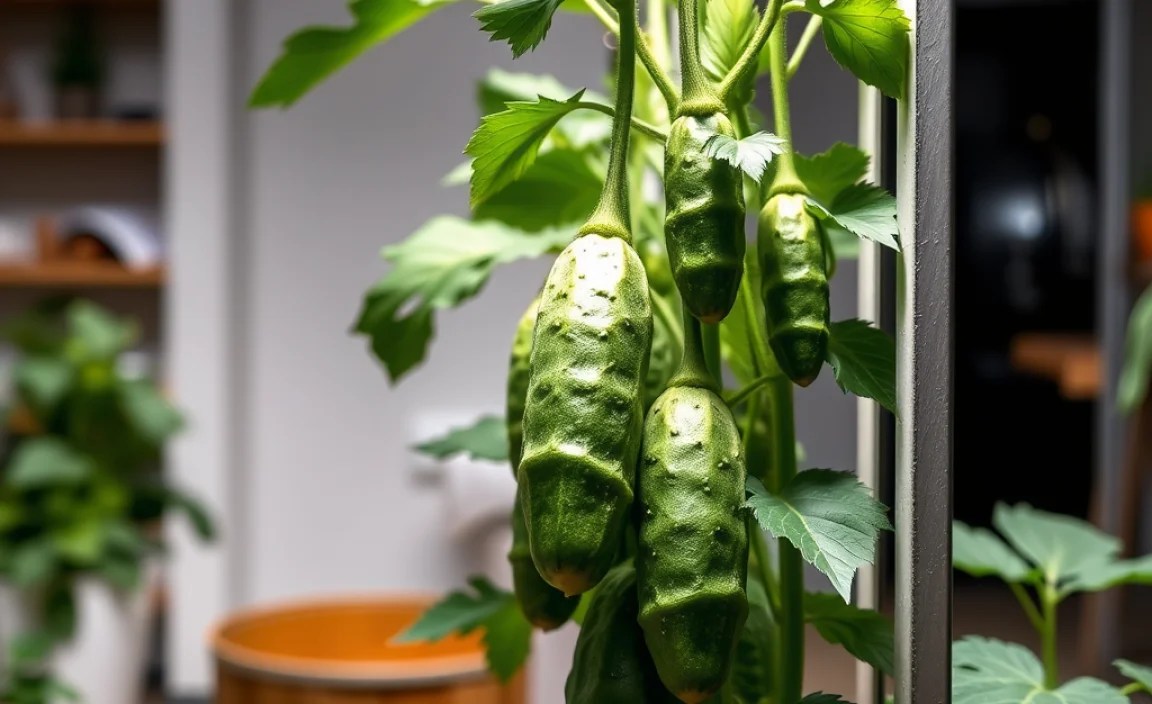
Cucumbers need something to climb on. You can use a trellis, a fence, or even a tomato cage. The support should be strong enough to hold the weight of the plants and the cucumbers. A simple trellis can be made from wood or metal. You can also use netting or string. Make sure the support is tall enough. Cucumber vines can grow several feet long. Place the support close to your plants. This makes it easy for them to start climbing. You can gently guide the vines onto the support. Use soft ties to hold them in place. As the plants grow, they will grab onto the support and climb on their own. Building a good support system is important for growing cucumbers vertically.
- Use a strong trellis or fence.
- Make sure the support is tall enough.
- Place the support close to the plants.
- Guide the vines onto the support.
- Use soft ties to hold them in place.
A good support system is essential for growing cucumbers vertically. Without it, the plants will fall over and the cucumbers will rot. Take the time to build a strong and sturdy support. Your plants will thank you for it. You will also have a much better harvest. Vertical gardening is a great way to save space and grow lots of cucumbers. With the right support, you can have a beautiful and productive garden.
Fun Fact or Stat: A well-built trellis can last for many years and support multiple cucumber crops!
What Materials Can You Use?
Are you wondering what to use for your cucumber support? There are many options. You can use wood, metal, or even bamboo. Wood is a classic choice. It’s strong and easy to work with. Metal is also very strong and durable. Bamboo is a natural and eco-friendly option. You can also use netting or string. These are lightweight and easy to install. Just make sure they are strong enough to hold the plants. You can find these materials at your local hardware store. Or you can recycle materials from around your house. Get creative and have fun with it.
How Tall Should the Support Be?
How tall should your cucumber support be? It depends on the type of cucumber you are growing. Bush cucumbers don’t need as much height. A trellis that is 3-4 feet tall is usually enough. Vining cucumbers need more height. A trellis that is 6-8 feet tall is best. Make sure the support is strong enough to hold the weight of the plants. You don’t want it to fall over in the middle of the growing season. Check the plant label for the expected vine length. This will help you choose the right height for your support.
How Do You Attach the Vines?
How do you get the cucumber vines to climb the support? You can gently guide the vines onto the trellis. Use soft ties to hold them in place. You can use twine, cloth strips, or even zip ties. Just make sure they are not too tight. You don’t want to damage the stems. As the plants grow, they will grab onto the support. They will climb on their own. Check the plants regularly. Make sure they are still attached to the trellis. If they are not, gently reattach them. With a little help, your cucumber vines will climb all the way to the top.
Fun Fact or Stat: Some gardeners use old pantyhose to tie up their cucumber vines because they are soft and stretchy!
Planting and Spacing
When you plant your cucumber seeds or seedlings, give them enough space. If you grow cucumbers vertically, you can plant them closer together than if you were growing them on the ground. But you still need to give them room to grow. Plant the seeds or seedlings about 12 inches apart. This will give them enough space to spread out and climb. Make sure the soil is well-drained and rich in nutrients. You can add compost or fertilizer to help the plants grow. Water the plants regularly, especially during hot weather. Cucumbers need plenty of water to produce lots of fruit.
- Plant seeds or seedlings 12 inches apart.
- Use well-drained, nutrient-rich soil.
- Add compost or fertilizer.
- Water regularly, especially in hot weather.
- Provide plenty of sunlight.
Planting and spacing are important for growing cucumbers vertically. If you plant the seeds too close together, the plants will compete for resources. This will result in smaller cucumbers and fewer of them. If you plant the seeds too far apart, you will waste space. The key is to find the right balance. With the right planting and spacing, you can have a bountiful harvest.
Fun Fact or Stat: Cucumbers need at least 6 hours of sunlight each day to grow well!
When Is the Best Time to Plant?
Are you wondering when to plant your cucumbers? It depends on where you live. Cucumbers are warm-weather plants. They need warm soil and plenty of sunshine. Plant your cucumber seeds or seedlings after the last frost. The soil temperature should be at least 60 degrees Fahrenheit. If you live in a cold climate, you can start the seeds indoors. Plant them in small pots about 4-6 weeks before the last frost. Then, transplant the seedlings into your garden when the weather warms up. Check your local weather forecast to find out when the last frost is expected.
How Deep Should You Plant?
How deep should you plant your cucumber seeds? Plant them about 1 inch deep. Cover them with soil and gently water them. Keep the soil moist until the seeds germinate. Germination is when the seeds start to sprout. This usually takes about 7-10 days. If you are transplanting seedlings, dig a hole that is the same size as the pot. Gently remove the seedling from the pot. Place it in the hole and cover the roots with soil. Water the seedling well. Make sure the soil is firmly packed around the roots.
What Kind of Soil Is Best?
What kind of soil do cucumbers like? Cucumbers like well-drained, nutrient-rich soil. The soil should be loose and easy to work with. You can improve your soil by adding compost or manure. These will add nutrients and help the soil drain better. You can also add sand or perlite to improve drainage. Avoid heavy clay soils. They can become waterlogged and cause the roots to rot. Test your soil to see if it needs any amendments. You can buy a soil testing kit at your local garden center.
Fun Fact or Stat: Adding coffee grounds to the soil can help cucumbers grow because they add nitrogen and improve drainage!
Watering and Fertilizing
Cucumbers need plenty of water to grow well. Water them regularly, especially during hot, dry weather. The soil should be moist, but not soggy. Water deeply, so the water reaches the roots. You can use a watering can or a garden hose. Mulching around the plants can help to retain moisture. This means putting a layer of organic material around the base of the plants. This can be straw, wood chips, or compost. Cucumbers also need fertilizer to grow. Use a fertilizer that is high in potassium. This will help the plants produce lots of cucumbers. Follow the instructions on the fertilizer label. Growing cucumbers vertically still requires proper watering and feeding.
- Water regularly, especially during hot weather.
- Keep the soil moist, but not soggy.
- Water deeply to reach the roots.
- Mulch around the plants to retain moisture.
- Fertilize with a high-potassium fertilizer.
Watering and fertilizing are essential for growing cucumbers vertically. Without enough water and nutrients, the plants will not grow well. They will produce fewer cucumbers. The cucumbers may also be small and misshapen. Take the time to water and fertilize your plants properly. You will be rewarded with a bountiful harvest.
Fun Fact or Stat: Cucumbers are mostly water, so they need a lot of water to grow!
How Often Should You Water?
How often should you water your cucumbers? It depends on the weather and the soil. During hot, dry weather, you may need to water every day. During cooler, wetter weather, you may only need to water every few days. Check the soil moisture before you water. Stick your finger into the soil. If the soil feels dry, it’s time to water. If the soil feels moist, you can wait. Avoid overwatering. This can cause the roots to rot. Use a watering can or a hose to water the plants. Water deeply, so the water reaches the roots.
What Kind of Fertilizer Should You Use?
What kind of fertilizer should you use for your cucumbers? Cucumbers need a fertilizer that is high in potassium. Potassium helps the plants produce lots of cucumbers. You can use a balanced fertilizer, such as 10-10-10. Or you can use a fertilizer that is specifically designed for vegetables. Follow the instructions on the fertilizer label. Don’t over-fertilize. This can burn the plants. You can also add compost or manure to the soil. These are natural fertilizers that will provide the plants with nutrients.
How Do You Know If You’re Overwatering?
How do you know if you are overwatering your cucumbers? Overwatering can cause the leaves to turn yellow. The plants may also wilt. The soil may also be soggy and smell bad. If you see these signs, stop watering. Let the soil dry out before you water again. You can also improve the drainage of the soil. Add sand or perlite to help the water drain more quickly. Make sure the plants are not sitting in standing water. This can cause the roots to rot.
Fun Fact or Stat: Cucumbers can get sunburned if they don’t get enough water during hot weather!
Pruning and Training
Pruning and training are important for growing cucumbers vertically. Pruning means cutting off parts of the plant. Training means guiding the plant to grow in a certain direction. Prune off any yellow or brown leaves. These leaves are not helping the plant. They are just taking up space. You can also prune off some of the side shoots. These are small branches that grow from the main stem. Pruning the side shoots will encourage the plant to grow taller. Train the vines to climb up the trellis. Gently guide the vines onto the support. Use soft ties to hold them in place. As the plants grow, they will grab onto the support and climb on their own.
- Prune off yellow or brown leaves.
- Prune off some of the side shoots.
- Train the vines to climb the trellis.
- Gently guide the vines onto the support.
- Use soft ties to hold them in place.
Pruning and training help to keep the plants healthy and productive. By pruning off the dead leaves and side shoots, you are allowing the plant to focus its energy on producing cucumbers. By training the vines to climb the trellis, you are ensuring that they get enough sunlight. This will result in more cucumbers. Growing cucumbers vertically requires some care. Pruning and training are worth the effort.
Fun Fact or Stat: Pruning cucumber plants can increase cucumber production by up to 25%!
Why Is Pruning Important?
Why is pruning important for cucumbers? Pruning helps to keep the plants healthy. It also helps them to produce more cucumbers. Pruning removes dead or dying leaves. These leaves can attract pests and diseases. Pruning also removes side shoots. These side shoots can take energy away from the main stem. By pruning the plants, you are allowing them to focus their energy on producing cucumbers. Pruning also improves air circulation. This helps to prevent diseases.
How Do You Train the Vines?
How do you train the cucumber vines to climb the trellis? Gently guide the vines onto the support. Use soft ties to hold them in place. You can use twine, cloth strips, or even zip ties. Just make sure they are not too tight. You don’t want to damage the stems. As the plants grow, they will grab onto the support. They will climb on their own. Check the plants regularly. Make sure they are still attached to the trellis. If they are not, gently reattach them.
What Tools Do You Need for Pruning?
What tools do you need for pruning cucumbers? You will need a pair of sharp scissors or pruning shears. Make sure the tools are clean and sharp. This will help to prevent the spread of diseases. You can clean the tools with rubbing alcohol. When you are pruning, make sure to cut at a 45-degree angle. This will help the wound to heal quickly. Wear gloves to protect your hands.
Fun Fact or Stat: Cucumber plants have tendrils that help them grab onto the trellis and climb!
Harvesting Your Cucumbers
When are your cucumbers ready to pick? Cucumbers are usually ready to harvest about 50-70 days after planting. The cucumbers should be firm and green. They should also be the right size for the variety you are growing. Check the plant label to find out the expected size of the cucumbers. To harvest the cucumbers, use a sharp knife or scissors. Cut the cucumber from the vine, leaving a small piece of stem attached. Be careful not to damage the vine. Harvest the cucumbers regularly. This will encourage the plant to produce more cucumbers. Growing cucumbers vertically makes harvesting easier.
- Harvest cucumbers 50-70 days after planting.
- Cucumbers should be firm and green.
- Check the plant label for the expected size.
- Use a sharp knife or scissors to harvest.
- Harvest regularly to encourage more production.
Harvesting is the best part of growing cucumbers vertically. You get to enjoy the fruits of your labor. Freshly picked cucumbers taste so much better than store-bought ones. You can use them in salads, sandwiches, or pickles. You can also share them with your friends and family. Vertical gardening is a fun and rewarding way to grow your own food.
Fun Fact or Stat: One cucumber plant can produce up to 10 pounds of cucumbers in a season!
How Do You Know When They Are Ready?
How do you know when your cucumbers are ready to harvest? Check the color and size of the cucumbers. They should be a deep green color. They should also be the right size for the variety you are growing. The skin should be smooth and firm. If the cucumbers are yellow or soft, they are overripe. Pick them before they get too big. Overripe cucumbers can be bitter.
What Is the Best Time of Day to Harvest?
What is the best time of day to harvest cucumbers? The best time to harvest is in the morning. The cucumbers will be cool and crisp. Avoid harvesting in the heat of the day. The cucumbers may be wilted and less flavorful. Use a sharp knife or scissors to harvest the cucumbers. Cut the cucumber from the vine, leaving a small piece of stem attached.
How Should You Store Your Harvest?
How should you store your harvested cucumbers? Store them in the refrigerator. They will stay fresh for about a week. You can also pickle them. Pickling is a great way to preserve cucumbers. You can make pickles, relish, or other pickled products. Share your harvest with your friends and family. They will appreciate your homegrown cucumbers.
Fun Fact or Stat: Cucumbers can be stored in the refrigerator for up to 10 days if they are wrapped in plastic wrap!
Summary
Growing cucumbers vertically
is a fun and easy way to grow your own food. It saves space in your garden. It also makes it easier to harvest the cucumbers. To grow cucumbers vertically, you need to choose the right variety. You also need to build a strong support system. Plant the seeds or seedlings in well-drained, nutrient-rich soil. Water and fertilize the plants regularly. Prune and train the vines to climb the trellis. Harvest the cucumbers when they are firm and green. By following these tips, you can have a bountiful harvest of fresh, delicious cucumbers.
Growing vertically is a great way to maximize your garden space. You can grow more food in a smaller area. It also helps to keep the plants healthy and productive. Vertical gardening is a great way to get kids involved in gardening. It’s a fun and educational activity that the whole family can enjoy. So, why not try growing cucumbers vertically in your garden? You will be amazed at how easy and rewarding it is.
Conclusion
Growing cucumbers vertically
is a great way to maximize garden space and yield. It’s easier to harvest and maintain the plants. Choose the right variety and provide a strong support. Water and fertilize regularly. You can enjoy fresh, homegrown cucumbers all season long. It is fun and rewarding.
Frequently Asked Questions
Question No 1: What are the advantages of growing cucumbers vertically compared to growing them on the ground?
Answer: Growing cucumbers vertically offers several benefits. It saves space in your garden because the vines grow up instead of spreading out. This makes it easier to walk around and manage your plants. Also, vertical growth improves air circulation around the plants, reducing the risk of fungal diseases. Harvesting is easier because the cucumbers are more visible and accessible. The fruits also stay cleaner since they are not in contact with the soil. This method helps you get more cucumbers from each plant, making your garden more productive.
Question No 2: What type of support system is best for growing cucumbers vertically, and how do I build one?
Answer: A strong trellis is ideal for growing cucumbers vertically. You can build one from wood, metal, or sturdy netting. For a simple wooden trellis, use wooden posts and horizontal slats. Make sure it’s tall enough for the cucumber variety you choose, usually 6-8 feet. Secure the structure firmly in the ground to support the weight of the vines and fruits. Alternatively, you can use a sturdy fence or even a tomato cage for smaller bush varieties. The key is to provide a stable and durable structure that the cucumber vines can easily climb.
Question No 3: How do I train cucumber vines to grow up a trellis or support system?
Answer: Training cucumber vines to grow up a trellis is simple. As the vines grow, gently guide them towards the support structure. Use soft plant ties, twine, or even strips of cloth to loosely attach the vines to the trellis. Be careful not to tie them too tightly, as this can damage the stems. Regularly check the plants and re-tie them as needed. Cucumber plants also have tendrils, small, curly structures that naturally grab onto supports. Encourage this natural climbing by positioning the vines close to the trellis.
Question No 4: What are some common problems when growing cucumbers vertically, and how can I prevent them?
Answer: Common problems when growing cucumbers vertically include pests, diseases, and lack of support. To prevent pests, inspect your plants regularly and use organic pest control methods like insecticidal soap or neem oil. Good air circulation, achieved through vertical growth, helps prevent fungal diseases. Ensure your trellis is strong enough to support the weight of the vines and fruits to avoid collapses. Proper watering and fertilization will keep your plants healthy and resilient, reducing the risk of problems.
Question No 5: How does vertical growing affect the watering and fertilizing needs of cucumber plants?
Answer: Growing cucumbers vertically can affect their watering and fertilizing needs. Because the plants are more exposed to air and sunlight, they may dry out faster, requiring more frequent watering, especially during hot weather. Check the soil moisture regularly and water deeply when the top inch feels dry. Vertical growing also allows for better nutrient absorption. Use a balanced fertilizer or one specifically formulated for vegetables, and follow the package instructions. Regular feeding will help your plants produce plenty of healthy cucumbers.
Question No 6: Can all cucumber varieties be grown vertically, or are some better suited for this method?
Answer: While most cucumber varieties can be grown cucumbers vertically, some are better suited for this method. Bush or compact varieties are ideal for smaller spaces and require less support. Vining varieties, which produce longer vines, need a taller and stronger trellis. Look for cucumber varieties labeled as “bush,” “compact,” or “space-saving” if you have limited space. Regardless of the variety, providing adequate support and training the vines will help ensure a successful vertical growing experience.
