Have you ever seen a superhero eat kale? Maybe they grow kale containers on their rooftop! Kale is a super healthy green. It can make you strong like a superhero. You can even grow it yourself. It is easier than you think to grow kale containers.
You don’t need a big garden to grow kale. You can grow it in a container. It is fun and rewarding. Imagine picking fresh kale from your own home. You can add it to smoothies or salads. Are you ready to become a kale grower?
It is simple to grow kale containers with some tips. This guide will show you how. Let’s get started and grow some kale! Soon, you’ll enjoy fresh, healthy kale. It’s a great way to add greens to your meals.
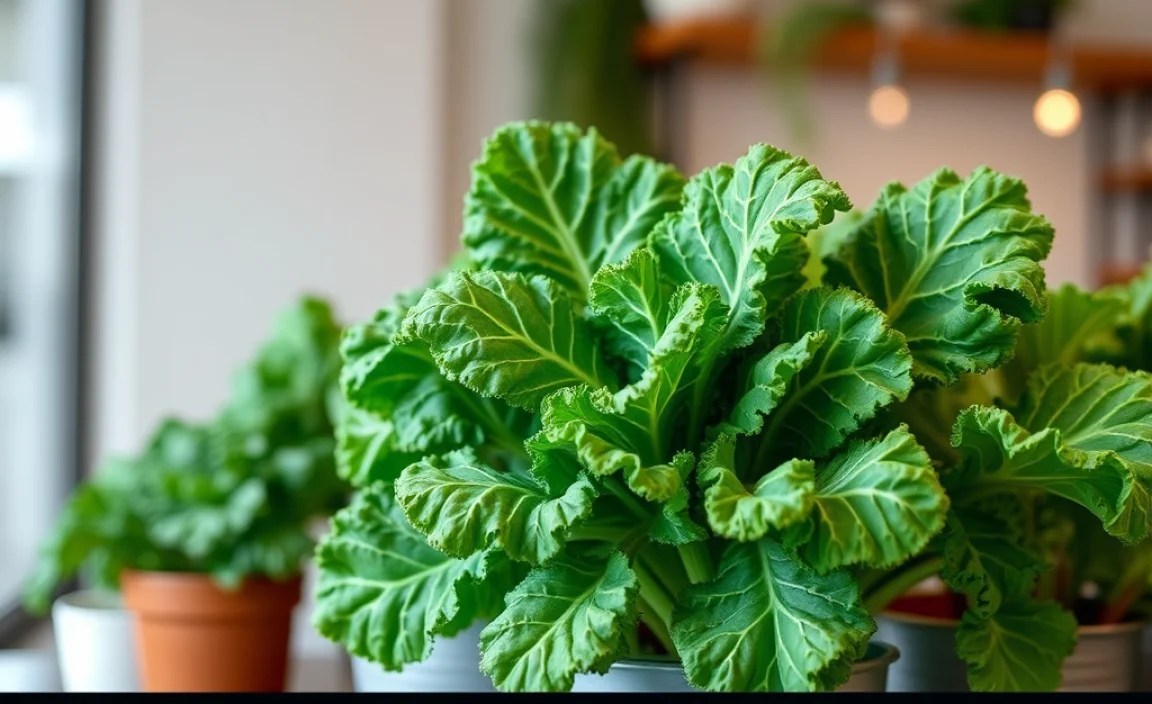
Key Takeaways
- Growing kale in containers is easy and fun for everyone, even kids.
- Choose the right size container and use good potting mix for best results.
- Water your kale regularly and give it some sunlight to help it grow big.
- Protect your kale from pests like aphids with simple, natural solutions.
- Harvest your kale leaves often to encourage more growth and enjoy fresh greens.

Choosing the Right Container to Grow Kale
Picking the right container is key to grow kale containers. Kale needs space for its roots. A container that is too small will stunt its growth. A good size is at least 12 inches wide and 12 inches deep. This gives the kale roots plenty of room. Make sure the container has drainage holes. These holes let extra water escape. Without them, the roots can rot. You can use plastic, ceramic, or even fabric pots. Fabric pots are great because they let the roots breathe. Consider where you will put the container. A heavy ceramic pot can be hard to move. A lighter plastic pot might be easier. No matter what you choose, make sure it is clean. A clean container helps prevent diseases. Now you are ready to start planting your kale!
- Choose a container at least 12 inches wide and deep.
- Make sure the container has good drainage holes.
- Plastic, ceramic, and fabric pots are all good options.
- Consider the weight of the container when it is full.
- Clean the container before planting to prevent diseases.
The material of your container also matters. Plastic pots are lightweight and inexpensive. They are good for beginners. Ceramic pots look nice but can be heavy. Fabric pots allow for good air circulation. This helps the roots grow strong. Think about the color of your container too. Dark-colored pots can get very hot in the sun. This can harm the roots. Light-colored pots reflect the sun and keep the soil cooler. Check the container regularly for cracks or damage. Replace it if needed. A good container will last for many seasons. It will help you grow kale containers successfully. Happy planting!
What Size Container Does Kale Need?
Have you ever wondered how much space a kale plant needs? It’s like asking how much space you need to dance! Kale needs enough room for its roots to spread out. A good rule is to give each plant at least 12 inches of space. This means your container should be at least 12 inches wide and deep. If you want to plant more than one kale plant in a container, get a bigger one. A large container can hold two or three kale plants. Make sure they are spaced apart. This prevents them from competing for nutrients. When the roots have enough space, the kale will grow bigger and healthier. Imagine the roots doing a happy dance in their spacious home!
Can You Use Old Buckets for Kale?
Did you know you can recycle old buckets to grow kale containers? It’s like giving the bucket a new life! Old buckets can be great containers for kale. Just make sure the bucket is clean. Wash it out with soap and water. Drill some drainage holes in the bottom. This is very important. The holes let extra water escape. Otherwise, the kale roots will rot. Avoid using buckets that held chemicals. These chemicals can harm your kale plants. A food-grade bucket is a safe choice. You can often get these for free from restaurants or bakeries. Using old buckets is a great way to save money and help the environment.
How Deep Should My Container Be?
Imagine you are building a house for kale roots. How deep should the foundation be? Kale roots need enough depth to grow strong and healthy. A container that is at least 12 inches deep is ideal. This gives the roots plenty of room to stretch out. If the container is too shallow, the roots will get cramped. This can stunt the growth of the kale plant. A deeper container also holds more soil. This means the soil will stay moist longer. You won’t have to water as often. Think of it as giving your kale roots a cozy underground apartment. They will thank you with lots of tasty leaves!
Fun Fact or Stat: Kale is one of the most nutrient-dense foods on the planet, packed with vitamins A, K, B6, and C!

Best Soil for Growing Kale in Containers
The right soil is very important to grow kale containers. Kale needs soil that drains well. It also needs soil that is full of nutrients. Regular garden soil can be too heavy for containers. It can compact and not drain well. A good potting mix is the best choice. Look for a mix that contains peat moss, perlite, and vermiculite. These ingredients help with drainage and aeration. You can also add compost to the mix. Compost provides extra nutrients for the kale. Avoid using soil that has a lot of clay. Clay soil holds too much water. This can cause the roots to rot. You can also buy special potting mixes for vegetables. These mixes are designed to provide the right nutrients for healthy growth. Make sure the soil is loose and fluffy before planting.
- Use a high-quality potting mix, not garden soil.
- Look for mixes with peat moss, perlite, and vermiculite.
- Add compost to provide extra nutrients.
- Avoid soil with a lot of clay, as it retains too much water.
- Choose a potting mix designed for growing vegetables.
Soil pH is also something to think about. Kale likes soil that is slightly acidic. A pH of 6.0 to 7.0 is ideal. You can test the soil pH with a kit from a garden store. If the soil is too acidic, add lime to raise the pH. If it is too alkaline, add sulfur to lower the pH. Proper soil pH helps the kale absorb nutrients. Don’t forget to refresh the soil each season. Old soil can lose its nutrients. Start with fresh potting mix each time you plant. This will give your kale the best start. Healthy soil leads to healthy kale plants!
What is Potting Mix Made Of?
Ever wondered what’s inside that bag of potting mix? It’s like a secret recipe for happy plants! Potting mix is not just regular soil. It’s a special blend of ingredients. These ingredients help plants grow well in containers. Common ingredients include peat moss, perlite, and vermiculite. Peat moss helps retain moisture. Perlite helps with drainage. Vermiculite also helps retain moisture and nutrients. Some potting mixes also contain compost or other organic matter. These add extra nutrients to the soil. The exact mix of ingredients can vary. But the goal is always the same: to create a light, airy, and nutrient-rich environment for plant roots.
Can I Use Compost Instead of Potting Mix?
Imagine giving your kale a super-food smoothie made of compost! Can you use compost instead of potting mix? The answer is a little bit yes and a little bit no. Compost is great for adding nutrients to the soil. But it can be too heavy and dense to use on its own. It doesn’t drain as well as potting mix. A better idea is to mix compost with potting mix. This gives your kale the best of both worlds. The potting mix provides good drainage and aeration. The compost adds extra nutrients. Aim for a mix that is about one-third compost and two-thirds potting mix. Your kale will thank you with lots of yummy leaves!
How Often Should I Replace the Soil?
Think of soil like your own food. After a while, it gets used up! How often should you replace the soil in your containers? It’s a good idea to replace the soil every year. Over time, the soil loses nutrients. It can also become compacted. This makes it harder for the roots to grow. Starting with fresh soil each year gives your kale a boost. You can compost the old soil and use it in your garden. Or you can add it to your flower beds. Just make sure it is free of diseases and pests. Replacing the soil is like giving your kale a fresh start to a new season.
Fun Fact or Stat: The ideal soil pH for kale is between 6.0 and 7.0, which is slightly acidic to neutral.

Sunlight and Watering Needs for Kale
Sunlight and water are vital to grow kale containers. Kale needs at least six hours of sunlight each day. Place your containers in a sunny spot. A south-facing balcony or patio is ideal. If you don’t have enough sunlight, use grow lights. Grow lights can help supplement the natural light. Water your kale regularly. The soil should be moist, but not soggy. Check the soil moisture with your finger. If the top inch of soil feels dry, it is time to water. Water deeply until the water drains out of the bottom of the container. Avoid watering the leaves, as this can lead to diseases. Water early in the morning so the leaves can dry during the day. Overwatering can cause root rot. Underwatering can cause the leaves to wilt. Finding the right balance is important.
- Kale needs at least six hours of sunlight per day.
- Water regularly, keeping the soil moist but not soggy.
- Check soil moisture with your finger before watering.
- Water deeply until water drains from the bottom.
- Avoid watering the leaves to prevent diseases.
During hot weather, you may need to water more often. Check the soil moisture every day. Mulching can help retain moisture. Add a layer of straw or wood chips to the top of the soil. This helps keep the soil cool and moist. In the winter, you may need to water less often. The kale will not grow as quickly. Pay attention to the weather and adjust your watering schedule accordingly. Remember, consistent watering is key to healthy kale growth. It is also important to protect your kale from extreme temperatures. Move the containers to a sheltered location during heat waves or cold snaps.
How Much Sun Does Kale Need?
Imagine kale plants sunbathing on a warm summer day! How much sun do they need to get that healthy glow? Kale needs at least six hours of sunlight each day. More is even better! Sunlight helps the kale plants make their own food through photosynthesis. If they don’t get enough sun, they will grow slowly. The leaves might be pale and weak. Find the sunniest spot in your yard or on your balcony. Place your kale containers there. If you live in a very hot climate, some afternoon shade can be helpful. This prevents the leaves from getting scorched. Give your kale plenty of sunshine, and it will reward you with lots of tasty greens!
What Happens if I Overwater Kale?
Have you ever given your plants too much love? It’s easy to do! But overwatering can be harmful. What happens if you overwater kale? The roots can start to rot. Roots need air to breathe. When the soil is constantly wet, the roots can’t get enough air. They start to decay. This can lead to fungal diseases. The leaves might turn yellow or brown. The plant might wilt. If you think you have overwatered your kale, stop watering. Let the soil dry out a bit. Make sure the container has good drainage. If the plant is severely affected, you might need to replant it in fresh soil.
How Can I Tell if My Kale Needs Water?
Imagine your kale plant is trying to tell you it’s thirsty! How can you understand its secret language? There are a few signs to look for. One of the easiest ways to tell if your kale needs water is to check the soil. Stick your finger into the soil about an inch deep. If it feels dry, it’s time to water. Another sign is wilting leaves. If the leaves are drooping or limp, the plant is likely thirsty. The color of the leaves can also be a clue. If the leaves are turning yellow or brown, it could be a sign of underwatering. Get to know your kale plants and their watering needs. They will tell you what they need!
Fun Fact or Stat: Kale is a cool-season crop and can tolerate light frost, making it a great choice for fall and winter gardens.

Protecting Kale From Pests and Diseases
Protecting your kale from pests is important to grow kale containers. Aphids are a common pest. These tiny insects suck the sap from the leaves. You can spray them off with a strong stream of water. Insecticidal soap is another good option. Cabbage worms are also a problem. These green caterpillars eat the leaves. You can pick them off by hand. Bacillus thuringiensis (Bt) is a natural insecticide that kills cabbage worms. Slugs and snails can also damage kale. You can set traps for them or use diatomaceous earth. This natural powder cuts their bodies. Check your kale plants regularly for pests. The sooner you find them, the easier they are to control. Good air circulation can also help prevent pests and diseases. Space your plants properly and avoid overcrowding.
- Check plants regularly for pests like aphids and cabbage worms.
- Spray aphids off with water or use insecticidal soap.
- Pick off cabbage worms by hand or use Bacillus thuringiensis (Bt).
- Set traps or use diatomaceous earth for slugs and snails.
- Ensure good air circulation to prevent pests and diseases.
Diseases can also affect kale. Fungal diseases are common in humid conditions. Powdery mildew is one example. It looks like a white powder on the leaves. You can treat it with a fungicide. Black rot is another disease. It causes the leaves to turn black and rot. Remove infected leaves immediately. Make sure the soil drains well to prevent root rot. Avoid overhead watering to reduce the risk of fungal diseases. Crop rotation can also help prevent diseases. Don’t plant kale in the same spot every year. Choose disease-resistant varieties of kale. These varieties are less likely to be affected by common diseases. With a little care, you can keep your kale healthy and pest-free.
What are Common Kale Pests?
Imagine little bugs throwing a kale party in your garden! What are the most common uninvited guests? Aphids are tiny, soft-bodied insects. They suck the sap from the leaves. Cabbage worms are green caterpillars. They chew holes in the leaves. Flea beetles are small, jumping insects. They make tiny holes in the leaves. Slugs and snails are slimy creatures. They eat large chunks of the leaves. Whiteflies are small, white insects. They fly around the plants and suck the sap. Knowing your enemy is the first step to protecting your kale!
How to Deal With Aphids?
Imagine aphids are like tiny vampires sucking the life out of your kale! How can you stop them? One of the easiest ways to get rid of aphids is to spray them off with a strong stream of water. This knocks them off the plant. Insecticidal soap is another effective treatment. It kills the aphids without harming the plant. You can also introduce beneficial insects like ladybugs. Ladybugs love to eat aphids. Neem oil is a natural insecticide that can also help. Check your plants regularly for aphids. The sooner you find them, the easier they are to control. Don’t let those little vampires ruin your kale harvest!
Are Yellow Leaves a Sign of Disease?
Have you ever noticed yellow leaves on your kale plants? It’s like a warning sign! Yellow leaves can be a sign of several problems. Sometimes, it’s just a sign that the plant needs more nutrients. Other times, it can be a sign of disease. Overwatering or underwatering can also cause yellow leaves. Pests like aphids can also cause yellowing. If you see yellow leaves, check the soil moisture. Look for pests. Consider adding fertilizer. If the problem persists, it could be a sign of a more serious disease. Remove any infected leaves to prevent the disease from spreading.
Fun Fact or Stat: Companion planting with herbs like rosemary and sage can help deter pests from attacking your kale plants.
Harvesting Your Container-Grown Kale
Knowing when to harvest is important to grow kale containers. You can start harvesting kale when the leaves are about six inches long. Harvest the outer leaves first. Leave the inner leaves to continue growing. This allows the plant to keep producing new leaves. Use scissors or a knife to cut the leaves. Cut them close to the stem. Avoid pulling the leaves off, as this can damage the plant. Harvest in the morning, when the leaves are crisp and fresh. Wash the leaves thoroughly before eating them. You can store kale in the refrigerator for up to a week. Wrap it in a damp paper towel and place it in a plastic bag. Regular harvesting encourages the plant to produce more leaves.
- Harvest kale when the leaves are about six inches long.
- Harvest the outer leaves first, leaving the inner ones to grow.
- Use scissors or a knife to cut the leaves close to the stem.
- Harvest in the morning for the freshest leaves.
- Store kale in the refrigerator wrapped in a damp paper towel.
Don’t be afraid to harvest often. The more you harvest, the more the plant will grow. You can even harvest kale during the winter. It can tolerate light frost. The flavor of kale can improve after a frost. It becomes sweeter and less bitter. If you have too much kale, you can freeze it. Blanch the leaves in boiling water for a few minutes. Then, cool them in ice water. Drain the water and freeze the leaves in a freezer bag. Frozen kale can be used in soups, stews, and smoothies. Harvesting your own kale is a rewarding experience. It’s a great way to enjoy fresh, healthy greens.
How Do I Know When Kale is Ready?
Imagine your kale plant is waving its leaves and saying, “Pick me!” How do you know when it’s really ready? The leaves should be about six inches long. They should be a deep green color. The leaves should feel firm and crisp. Avoid harvesting leaves that are yellow or damaged. The plant should look healthy and vibrant. If you are unsure, taste a small piece of a leaf. If it tastes good, it’s probably ready to harvest. Harvesting is like giving your kale plant a haircut. It encourages new growth and keeps the plant healthy.
Can I Harvest Kale All Winter?
Imagine enjoying fresh kale smoothies even when it’s snowing outside! Can you harvest kale all winter? The answer is yes, in many climates! Kale is a very hardy plant. It can tolerate cold temperatures and even light frost. In mild climates, you can harvest kale throughout the winter. In colder climates, the plant might stop growing during the coldest months. But it will usually start growing again in the spring. Protect your kale plants from extreme cold with a layer of mulch. You can also cover them with a cold frame or row cover. Enjoy fresh kale all year round!
What is the Best Time of Day to Harvest?
Imagine waking up early and picking fresh kale leaves as the sun rises! What is the best time of day to harvest kale? The best time to harvest is in the morning. The leaves are crisp and fresh after a cool night. Avoid harvesting during the heat of the day. The leaves can wilt and lose their flavor. Harvest after the dew has dried. This prevents the spread of diseases. Use a sharp knife or scissors to cut the leaves. Handle the leaves gently to avoid bruising them. Start your day with a healthy dose of fresh kale!
Fun Fact or Stat: Kale leaves can continue to grow even after being harvested, making it a very productive vegetable.
Different Varieties of Kale for Containers
Choosing the right variety is important to grow kale containers. There are many different types of kale. Some are better suited for containers than others. Curly kale is a popular choice. It has frilly, curly leaves. It grows well in containers and is easy to harvest. Lacinato kale, also known as dinosaur kale, has long, dark green leaves. It is also a good choice for containers. Red Russian kale has flat, red-tinged leaves. It is more tender and mild-flavored than other varieties. Dwarf Blue Curled kale is a compact variety. It is perfect for small containers. Choose a variety that you like to eat. Consider the size of your container when choosing a variety. Some varieties can get quite large. Start with a small plant and see how it grows. You can always plant more kale later.
- Curly kale is a popular and easy-to-grow variety for containers.
- Lacinato kale (dinosaur kale) has long, dark green leaves and is also suitable.
- Red Russian kale is tender and mild-flavored with red-tinged leaves.
- Dwarf Blue Curled kale is a compact variety perfect for small containers.
- Choose a variety that you enjoy eating and that fits your container size.
Experiment with different varieties to see which ones you like best. You can even mix different varieties in the same container. This adds visual interest and variety to your harvest. Consider the growing conditions in your area. Some varieties are more heat-tolerant than others. Some are more cold-tolerant. Choose a variety that is well-suited to your climate. You can find information about different kale varieties online or at your local garden store. Don’t be afraid to try something new. Growing kale is a fun and rewarding experience. It is a great way to add fresh, healthy greens to your diet. With a little planning, you can successfully grow kale containers.
What is Dinosaur Kale?
Have you ever heard of dinosaur kale? It sounds like something from a prehistoric garden! Dinosaur kale is also known as Lacinato kale. It has long, narrow, dark green leaves. The leaves have a slightly bumpy texture. Some people say they look like dinosaur skin. Dinosaur kale has a slightly sweeter and milder flavor than curly kale. It is a popular choice for salads and soups. It is also very nutritious. It is packed with vitamins and minerals. Dinosaur kale is easy to grow in containers. It is a fun and interesting variety to try.
Is Curly Kale Easy to Grow?
Imagine curly kale waving its frilly leaves in the breeze! Is it easy to grow? The answer is yes! Curly kale is one of the easiest varieties to grow. It is very adaptable and can tolerate a wide range of conditions. It grows well in containers. It is resistant to many pests and diseases. Curly kale is also very productive. It produces lots of leaves over a long period of time. It is a great choice for beginners. If you are new to growing kale, start with curly kale. You will be enjoying fresh, healthy greens in no time!
Which Kale is Best for Salads?
Imagine making a delicious kale salad with leaves fresh from your garden! Which kale variety is the best for salads? Red Russian kale is a popular choice for salads. It has tender, mild-flavored leaves. It is less bitter than other varieties. Baby kale is also a good choice. It is harvested when the leaves are very young and tender. Lacinato kale can also be used in salads. But it is best to massage the leaves first. This helps to break down the tough fibers. Massaging the leaves with olive oil and lemon juice makes them more tender and flavorful. Experiment with different varieties to find your favorite!
Fun Fact or Stat: Red Russian kale is believed to have originated in Siberia and was brought to Canada by Russian traders in the 19th century.
Troubleshooting Common Kale Problems
Even experts face issues when they grow kale containers. Sometimes, things don’t go as planned. But don’t worry! Most kale problems are easy to fix. Yellow leaves can be a sign of several problems. It could be a lack of nutrients. Try adding fertilizer. It could also be overwatering or underwatering. Check the soil moisture. Pests can also cause yellow leaves. Inspect the plants for aphids or other insects. Holes in the leaves are usually caused by cabbage worms or flea beetles. Pick off the cabbage worms by hand or use Bt. Control flea beetles with insecticidal soap. Wilting leaves can be a sign of underwatering. Water the plants deeply. It could also be a sign of root rot. Make sure the container has good drainage. Stunted growth can be caused by a lack of sunlight or nutrients. Move the containers to a sunnier spot. Add fertilizer to the soil.
- Yellow leaves can indicate nutrient deficiencies, overwatering, or pests.
- Holes in leaves are often caused by cabbage worms or flea beetles.
- Wilting leaves suggest underwatering or root rot.
- Stunted growth can result from insufficient sunlight or nutrients.
- Always check soil moisture and inspect plants regularly for problems.
Sometimes, kale plants can bolt. Bolting means they start to produce flowers and seeds. This usually happens in hot weather. The leaves become bitter. To prevent bolting, choose heat-tolerant varieties. Provide shade during the hottest part of the day. Harvest the leaves regularly to encourage continued growth. If your kale plants do bolt, you can still harvest the leaves. They might be a little more bitter, but they are still edible. You can also let the plants go to seed. Collect the seeds and save them for next year. Growing kale is a learning experience. Don’t be discouraged by problems. With a little patience, you can overcome any challenges.
Why Are My Kale Leaves Turning Yellow?
Imagine your kale plant is sending you a yellow SOS signal! Why are the leaves turning yellow? There are several possible reasons. One common reason is a lack of nutrients. Kale needs nitrogen, phosphorus, and potassium to grow healthy. If the soil is lacking these nutrients, the leaves can turn yellow. Overwatering can also cause yellow leaves. When the soil is constantly wet, the roots can’t get enough oxygen. This can lead to root rot. Underwatering can also cause yellowing. Pests like aphids can suck the sap from the leaves and cause them to turn yellow. Check your plants carefully for pests and adjust your watering and fertilizing accordingly.
What Causes Holes in Kale Leaves?
Imagine tiny monsters munching on your kale leaves! What causes those mysterious holes? Cabbage worms are a common culprit. These green caterpillars love to eat kale leaves. Flea beetles are small, jumping insects that also make tiny holes in the leaves. Slugs and snails can also cause damage. They eat large chunks of the leaves. Check your plants regularly for these pests. Pick off cabbage worms by hand or use Bt. Control flea beetles with insecticidal soap. Set traps for slugs and snails. Protect your kale from these hungry creatures!
How Do I Prevent Kale From Bolting?
Imagine your kale plant suddenly deciding to run away and flower! How can you prevent it from bolting? Bolting is when the plant starts to produce flowers and seeds. This usually happens in hot weather. The leaves become bitter. Choose heat-tolerant varieties of kale. Provide shade during the hottest part of the day. Water the plants regularly. Harvest the leaves frequently. This encourages the plant to keep producing new leaves. If your kale plants do start to bolt, you can still harvest the leaves. They might be a little more bitter, but they are still edible. You can also let the plants go to seed. Collect the seeds and save them for next year.
| Problem | Possible Cause | Solution |
|---|---|---|
| Yellow Leaves | Nutrient deficiency, overwatering, underwatering, pests | Fertilize, adjust watering, check for pests |
| Holes in Leaves | Cabbage worms, flea beetles, slugs, snails | Handpick worms, use Bt, insecticidal soap, set traps |
| Wilting Leaves | Underwatering, root rot | Water deeply, improve drainage |
| Stunted Growth | Lack of sunlight, nutrient deficiency | Move to sunnier spot, fertilize |
| Bolting | Hot weather | Choose heat-tolerant varieties, provide shade, harvest regularly |
Fun Fact or Stat: Kale is a biennial plant, meaning it has a two-year life cycle. It typically bolts in its second year.
Summary
Growing kale in containers is a simple way to enjoy fresh greens. You need the right container and good soil. Sunlight and water are also very important. Protect your kale from pests and diseases. Harvest the leaves regularly to encourage more growth. There are many different varieties of kale to choose from. Experiment to find your favorites. Even experienced gardeners face problems. But most issues are easy to fix. With a little care, you can grow healthy kale. You can have it right on your patio or balcony. Fresh kale adds nutrients to your meals. It’s a rewarding experience for gardeners of all ages.
Conclusion
Growing kale containers is fun and easy. You can grow kale in small spaces. It is a great way to get fresh, healthy greens. You can harvest kale for many months. It is a rewarding project for kids and adults. Start today and enjoy your own homegrown kale!
Frequently Asked Questions
Question No 1: What are the best containers for growing kale?
Answer: The best containers for growing kale containers are those that are at least 12 inches wide and 12 inches deep. This gives the kale roots enough space to grow. Make sure the container has drainage holes. This will prevent the roots from rotting. You can use plastic, ceramic, or fabric pots. Fabric pots are great because they allow the roots to breathe. Consider the weight of the container when it is full of soil. A heavy container can be difficult to move. Choose a container that is appropriate for your space and needs.
Question No 2: How often should I water my kale plants?
Answer: You should water your kale plants regularly. The soil should be moist, but not soggy. Check the soil moisture with your finger. If the top inch of soil feels dry, it is time to water. Water deeply until the water drains out of the bottom of the container. Avoid watering the leaves, as this can lead to diseases. Water early in the morning so the leaves can dry during the day. During hot weather, you may need to water more often. Pay attention to the weather and adjust your watering schedule accordingly. Consistent watering is key to healthy kale growth.
Question No 3: What kind of fertilizer should I use for kale?
Answer: Kale needs a fertilizer that is high in nitrogen. Nitrogen helps the leaves grow green and lush. You can use a balanced fertilizer, such as 10-10-10. Or you can use a fertilizer that is specifically designed for leafy greens. Follow the instructions on the fertilizer package. Avoid over-fertilizing, as this can burn the roots. You can also add compost to the soil. Compost provides extra nutrients and helps improve drainage. Fertilize your kale plants every few weeks during the growing season. This will help them grow strong and healthy. Remember that proper nutrients are important to successfully grow kale containers.
Question No 4: How do I protect my kale from pests?
Answer: There are several ways to protect your kale from pests. One of the easiest ways is to check your plants regularly for pests. The sooner you find them, the easier they are to control. You can spray aphids off with a strong stream of water. Insecticidal soap is another good option. Pick off cabbage worms by hand or use Bacillus thuringiensis (Bt). Set traps for slugs and snails or use diatomaceous earth. Good air circulation can also help prevent pests. Space your plants properly and avoid overcrowding. A healthy plant is also more resistant to pests. Ensure your kale gets enough sunlight, water, and nutrients.
Question No 5: Can I grow kale indoors?
Answer: Yes, you can grow kale indoors! Kale needs at least six hours of sunlight each day. If you don’t have enough natural light, you can use grow lights. Place the grow lights about 6-12 inches above the plants. Use the right container and potting mix. Water the plants regularly, keeping the soil moist but not soggy. Fertilize the plants every few weeks. Keep an eye out for pests and diseases. Growing kale containers indoors can be a great way to enjoy fresh greens year-round. Just make sure to provide the plants with the right conditions.
Question No 6: How long does it take for kale to grow?
Answer: Kale is a fast-growing vegetable. You can start harvesting leaves about 50-60 days after planting. The exact time will depend on the variety of kale and the growing conditions. Start harvesting the outer leaves first. Leave the inner leaves to continue growing. This allows the plant to keep producing new leaves. Regular harvesting encourages the plant to grow more leaves. With proper care, you can harvest kale for many months. So, you can enjoy fresh kale leaves from your container garden in just a couple of months!
