Have you ever seen a beautiful purple field? It might be lavender! Lavender smells great and looks amazing. You can even grow lavender cuttings yourself. It is easier than you might think. Let’s learn how to make more lavender plants.
Lavender is a popular plant. People use it to make soap and perfume. It can also help you relax. Are you ready to learn more about lavender?
Growing new plants from cuttings is fun. It saves you money. Plus, you get more of a plant you love. Let’s find out how to grow lavender cuttings at home.
Key Takeaways
- It is easy to grow lavender cuttings if you follow the right steps.
- Use sharp, clean tools to take your lavender cuttings.
- Plant the cuttings in well-draining soil for best results.
- Keep the soil moist but not too wet while the cuttings root.
- You can enjoy new lavender plants in just a few weeks.

How to Grow Lavender Cuttings: Getting Started
Growing lavender from cuttings is a fun way to get new plants. First, you need to gather some things. You will need a healthy lavender plant. Look for stems that are not flowering. You also need sharp scissors or a knife. Make sure they are clean. Get some small pots and soil. The soil should drain well. You can use a mix of perlite and potting soil. A rooting hormone is also helpful. This helps the cuttings grow roots faster. Water is important too. You will need a spray bottle to keep the cuttings moist. Finally, find a warm place with indirect sunlight. This is where your cuttings will grow. Getting ready is the first step to grow lavender cuttings successfully. This ensures a smooth start for your new lavender plants.
- Gather your supplies.
- Choose a healthy lavender plant.
- Use clean, sharp tools.
- Get small pots and well-draining soil.
- Find a warm, sunny spot.
Now that you have everything, you can start taking cuttings. Look for stems that are green and healthy. Avoid stems that are woody or have flowers. Cut the stem about 4-6 inches long. Remove the leaves from the bottom inch of the stem. Dip the cut end into rooting hormone. This helps the roots grow. Plant the cutting in the soil. Water it gently. Cover the pot with a plastic bag or dome. This keeps the humidity high. Keep the soil moist but not too wet. In a few weeks, the cuttings should start to grow roots. You will know they have roots when you see new growth. Then, you can transplant them into bigger pots. This method makes it simple to grow lavender cuttings and expand your garden.
Fun Fact or Stat: Lavender has been used for its medicinal properties for over 2,500 years!
Why Take Lavender Cuttings?
Have you ever wondered why people take cuttings? Taking cuttings is like making a copy of a plant. It is a way to get new plants from a plant you already have. This is cheaper than buying new plants. Plus, the new plants will be exactly like the parent plant. This means they will have the same color and smell. Taking cuttings is also a fun project. You can watch the cuttings grow into new plants. It is like magic! For example, if you have a special lavender plant, you can grow lavender cuttings from it. Then you can have more of the same lavender. It is a great way to share your favorite plants with friends and family.
What Are the Best Lavender Varieties for Cuttings?
Not all lavender plants are the same. Some are better for cuttings than others. English lavender is a good choice. It is easy to grow lavender cuttings from this type. French lavender is another good option. It grows well from cuttings too. Spanish lavender can also be grown from cuttings. However, it might be a little harder. Look for healthy plants to take cuttings from. Choose stems that are green and strong. Avoid stems that are woody or have flowers. These stems might not grow roots as easily. The best lavender varieties make the process smoother and more successful.
When Is the Best Time to Take Cuttings?
Timing is important when taking cuttings. The best time is in the spring or early summer. This is when the plants are growing the most. The stems are also more likely to grow roots. Avoid taking cuttings in the winter. The plants are not growing as much then. It is also important to take cuttings in the morning. The stems are full of water then. This helps them grow roots. If you take cuttings in the afternoon, they might be dry. Remember, the right timing can greatly improve your chances to successfully grow lavender cuttings and enjoy more of these beautiful plants.
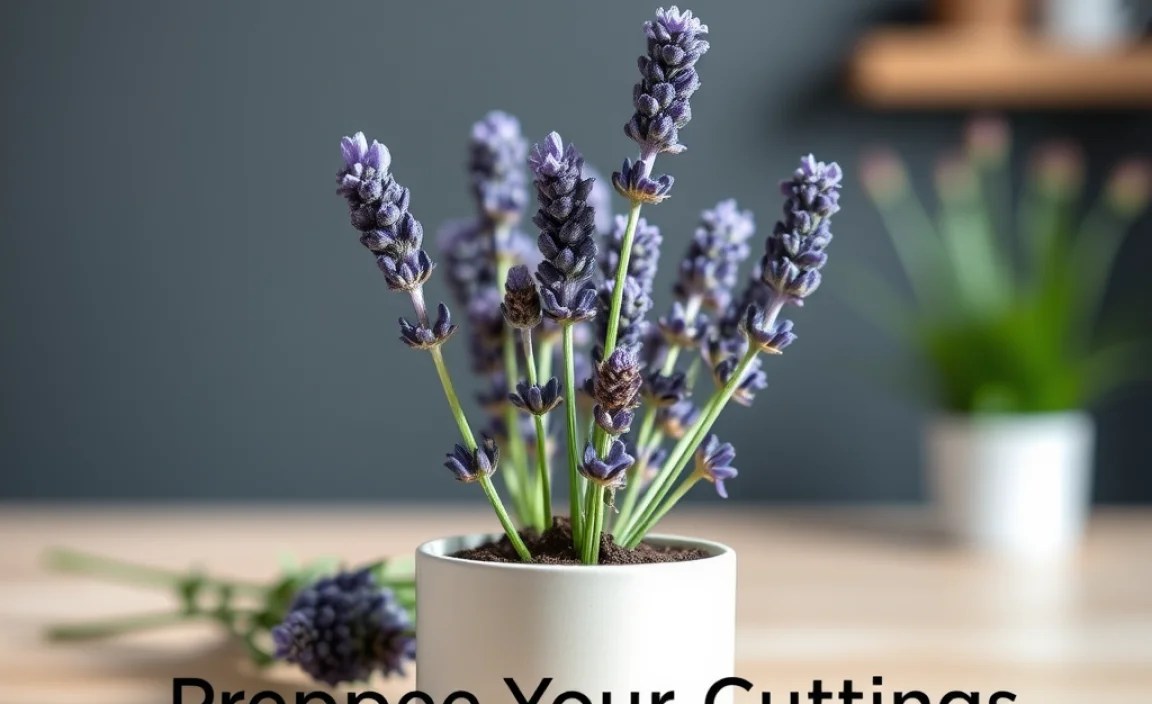
Prepare Your Cuttings: A Simple Guide
Preparing your cuttings is a key step to help them grow. You need to select healthy stems. Choose stems that are green and not too woody. Cut the stems about 4-6 inches long. Use clean and sharp scissors or a knife. Remove the leaves from the bottom inch of the stem. This helps prevent rot. You can dip the cut end in rooting hormone. This is not required, but it can help the roots grow faster. Now, your cuttings are ready to plant. Proper preparation makes it easier to grow lavender cuttings and ensures they have the best start possible. A little effort in the beginning pays off with healthy new plants.
- Select healthy, green stems.
- Cut stems to 4-6 inches long.
- Remove lower leaves carefully.
- Consider using rooting hormone.
- Use clean, sharp cutting tools.
Once your cuttings are prepared, it’s time to plant them. Fill small pots with well-draining soil. Make a small hole in the soil. Place the cutting into the hole. Gently press the soil around the stem. Water the cutting lightly. Cover the pot with a plastic bag or dome. This keeps the humidity high. Place the pot in a warm place with indirect sunlight. Check the soil often. Keep it moist, but not too wet. In a few weeks, the cuttings should start to grow roots. You will know they have roots when you see new growth. Then, you can remove the plastic bag. Preparing and planting the cuttings this way will help you successfully grow lavender cuttings.
Fun Fact or Stat: Lavender is part of the mint family!
How Do You Select the Right Stems?
Imagine you are picking the best apples from a tree. You want the ones that are firm and shiny. It is the same with lavender stems. You want to choose the healthiest ones. Look for stems that are green and strong. Avoid stems that are woody or have flowers. These might not grow roots as easily. The stems should be about as thick as a pencil. This is a good size for growing roots. Selecting the right stems is important to grow lavender cuttings successfully. Think of it as choosing the best building blocks for your new lavender plants.
What Tools Do You Need?
To take cuttings, you need a few simple tools. First, you need something to cut the stems. Sharp scissors or a knife work well. Make sure they are clean. This helps prevent disease. You also need small pots for the cuttings. Plastic pots are fine. You need soil that drains well. A mix of perlite and potting soil is good. Rooting hormone can help the cuttings grow roots faster. You will need water to keep the soil moist. A spray bottle works well for this. Having these tools ready makes it easier to grow lavender cuttings and ensures you are prepared for each step.
How Important is Rooting Hormone?
Rooting hormone is like a vitamin for plant cuttings. It helps them grow roots faster. It is not required, but it can be helpful. If you are having trouble growing roots, try using rooting hormone. You can buy it at a garden store. To use it, dip the cut end of the stem into the powder. Then, plant the cutting in the soil. Rooting hormone can make it easier to grow lavender cuttings, especially if you are new to taking cuttings. Think of it as giving your new plants a little boost to get them started.

Planting Lavender Cuttings: Step-by-Step
Planting your lavender cuttings is an exciting step. First, fill small pots with well-draining soil. A mix of perlite and potting soil works great. Make a small hole in the center of the soil. Gently place the cutting into the hole. Make sure the bottom inch of the stem is covered. Press the soil around the stem to hold it in place. Water the cutting lightly. You want the soil to be moist, but not soaking wet. Cover the pot with a plastic bag or dome. This creates a humid environment. Place the pot in a warm spot with indirect sunlight. Check the soil every few days. Add water if it feels dry. Planting carefully will help you grow lavender cuttings and watch them thrive.
- Fill pots with well-draining soil.
- Make a small hole for the cutting.
- Place the cutting in the soil gently.
- Water lightly after planting.
- Cover with a plastic bag to retain moisture.
Be patient as you wait for your cuttings to root. It usually takes a few weeks. You will know the cuttings have roots when you see new growth. This means new leaves are growing. Once the cuttings have roots, you can remove the plastic bag. Continue to water them regularly. Make sure the soil stays moist. After a few more weeks, you can transplant the cuttings into bigger pots. Now, you have new lavender plants that you grew yourself! This process shows how easy it is to grow lavender cuttings and expand your collection of these fragrant plants.
Fun Fact or Stat: Lavender oil is often used in aromatherapy to reduce stress and anxiety.
What Kind of Soil Should You Use?
Imagine you are building a house. You need a strong foundation. Soil is like the foundation for plants. Lavender likes soil that drains well. This means the water flows through it easily. If the soil stays too wet, the roots can rot. A good mix is perlite and potting soil. Perlite helps the soil drain better. Potting soil provides nutrients for the plant. You can also add sand to the mix. This also helps with drainage. Using the right soil is important to grow lavender cuttings successfully. It gives your new plants a healthy start.
How Deep Should You Plant the Cuttings?
Planting depth is important. You want to plant the cuttings deep enough so they are stable. But you don’t want to plant them too deep. The bottom inch of the stem should be covered with soil. This is where the roots will grow. If you plant them too deep, the stem might rot. If you don’t plant them deep enough, they might fall over. Gently press the soil around the stem to hold it in place. Getting the planting depth right helps you grow lavender cuttings that are strong and healthy.
Should You Cover the Cuttings?
Covering the cuttings is like giving them a little greenhouse. It helps keep the humidity high. This is important for growing roots. You can use a plastic bag or a clear plastic dome. Place it over the pot. Make sure it doesn’t touch the leaves. You can use sticks to hold it up. Remove the cover for a little while each day. This lets fresh air in. After a few weeks, when the cuttings have roots, you can remove the cover completely. Covering the cuttings helps you grow lavender cuttings by creating the perfect environment for root growth.

Caring for Your Lavender Cuttings: The First Few Weeks
Caring for your lavender cuttings is like taking care of a baby plant. They need special attention in the first few weeks. Keep the soil moist, but not too wet. Water them gently with a spray bottle. Make sure they get enough sunlight. But don’t put them in direct sunlight. Indirect sunlight is best. Check the cuttings regularly for any signs of problems. Look for yellow leaves or mold. If you see any problems, take action right away. Good care in the first few weeks will help you grow lavender cuttings into healthy plants. It’s a time of nurturing and watching for signs of growth.
- Keep the soil moist but not wet.
- Provide indirect sunlight.
- Check regularly for problems.
- Water gently with a spray bottle.
- Maintain a warm environment.
As your cuttings grow, you will see new leaves. This is a sign that they are growing roots. Once they have roots, you can start to give them more sunlight. You can also start to water them less often. Let the soil dry out a little between waterings. After a few more weeks, you can transplant them into bigger pots. Now, you have new lavender plants that are ready to grow bigger. This is the rewarding part of learning how to grow lavender cuttings – seeing your efforts turn into beautiful, fragrant plants.
Fun Fact or Stat: Lavender is known for its calming scent, which can help promote relaxation and better sleep.
How Often Should You Water the Cuttings?
Watering is important, but you don’t want to overdo it. The soil should be moist, not soaking wet. Check the soil every day. If it feels dry, water the cuttings. Use a spray bottle to water them gently. Avoid pouring water directly onto the soil. This can wash away the soil. Overwatering can cause the roots to rot. Underwatering can cause the cuttings to dry out. Finding the right balance is key to grow lavender cuttings successfully. Think of it as giving them just the right amount of a refreshing drink.
How Much Sunlight Do They Need?
Sunlight is like food for plants. But lavender cuttings don’t need too much direct sunlight. Indirect sunlight is best. This means they should be in a bright place, but not in direct sun. Too much sun can burn the leaves. A window that faces east or west is a good spot. You can also use a grow light. This provides the right amount of light. Giving your cuttings the right amount of light helps them grow lavender cuttings that are strong and healthy.
What Are Common Problems and How to Fix Them?
Sometimes, things don’t go as planned. You might see yellow leaves. This could mean the cuttings are getting too much water. Or not enough water. You might see mold. This means the air is too humid. Remove the plastic bag for a while each day. You might see no growth. This could mean the cuttings don’t have enough light. Or they need rooting hormone. Don’t give up! Try different things to see what works. Learning to fix problems helps you grow lavender cuttings and become a better gardener.
Transplanting Your Lavender Cuttings: Moving to a New Home
Transplanting is like moving your lavender cuttings to a new home. They have grown roots and need more space. Choose a bigger pot that is a few inches wider than the current pot. Fill the new pot with well-draining soil. Gently remove the cutting from its old pot. Be careful not to damage the roots. Place the cutting in the new pot. Fill in the space around the roots with soil. Water the cutting lightly. Place the pot in a sunny spot. Now, your lavender cutting has room to grow bigger and stronger. This is an important step to grow lavender cuttings into mature plants.
| Step | Action | Why |
|---|---|---|
| 1 | Choose a bigger pot. | Gives the roots more room to grow. |
| 2 | Fill with well-draining soil. | Prevents root rot and provides nutrients. |
| 3 | Gently remove the cutting. | Avoids damaging the delicate roots. |
| 4 | Place in the new pot. | Allows the plant to continue growing. |
| 5 | Water lightly. | Helps the soil settle and hydrates the plant. |
After transplanting, continue to care for your lavender plant. Water it regularly. Make sure it gets enough sunlight. You can also add fertilizer to help it grow. Prune the plant to keep it healthy and bushy. With proper care, your lavender plant will grow into a beautiful and fragrant addition to your garden. Transplanting is a key step in the journey to grow lavender cuttings into thriving, mature plants that you can enjoy for years to come.
Fun Fact or Stat: Different varieties of lavender have different scents, ranging from sweet to more herbal.
When Is the Right Time to Transplant?
Knowing when to transplant is like knowing when to move to a bigger house. You want to wait until the cuttings have grown enough roots. You will see new leaves growing. The roots should be filling the pot. Gently pull on the stem. If it feels firm, the roots are ready. If it comes out easily, the roots are not ready yet. Transplanting at the right time helps you grow lavender cuttings that will thrive in their new home.
How Do You Choose the Right Pot?
Choosing the right pot is like choosing the right shoes. You want something that fits well and is comfortable. The new pot should be a few inches wider than the old pot. This gives the roots more room to grow. Make sure the pot has drainage holes. This allows water to drain out. You can use plastic pots or terracotta pots. Terracotta pots dry out faster. This can be good if you tend to overwater. Selecting the right pot helps you grow lavender cuttings that will be happy and healthy.
What Should You Do After Transplanting?
After transplanting, give your lavender plant some extra care. Water it lightly. Place it in a sunny spot. Avoid direct sunlight for a few days. This gives the plant time to adjust. You can also add a little fertilizer. This helps it grow. Check the soil regularly. Water when it feels dry. With proper care, your lavender plant will grow quickly. Taking care of your plant after transplanting helps you successfully grow lavender cuttings into strong, mature plants.
Propagating Lavender: Other Methods to Know
Besides cuttings, there are other ways to propagate lavender. One way is by layering. This involves bending a stem to the ground and covering it with soil. The stem will grow roots where it touches the soil. Once the roots have grown, you can cut the stem from the parent plant. Another way is by seeds. However, this can be harder. The seeds need special treatment. The plants might not be exactly like the parent plant. Knowing different methods can help you grow lavender cuttings, even if one method doesn’t work. Exploring these options can expand your gardening skills.
- Layering involves rooting a stem while attached.
- Seeds can be used but are less reliable.
- Division is possible for established plants.
- Grafting is a more advanced technique.
- Each method has its advantages and disadvantages.
Different methods work better for different people. Cuttings are a popular choice because they are easy and reliable. Layering is good for plants that have long stems. Seeds are good if you want to try something different. No matter which method you choose, remember to be patient. It takes time for new plants to grow. With practice, you can become an expert at propagating lavender. This knowledge will help you grow lavender cuttings and expand your garden with beautiful, fragrant plants.
Fun Fact or Stat: Lavender attracts bees and butterflies, making your garden a pollinator-friendly haven.
What is Layering?
Have you ever seen a vine growing along the ground? That’s similar to layering. Layering is when you help a stem grow roots while it is still attached to the parent plant. Bend a stem down to the ground. Cover part of the stem with soil. Keep the soil moist. After a few weeks, the stem will grow roots. Then, you can cut it from the parent plant. Layering is a good way to grow lavender cuttings if you have a plant with long, flexible stems. It’s a natural and simple way to create new plants.
How About Growing From Seed?
Growing lavender from seed can be a fun experiment. But it can also be tricky. Lavender seeds need cold stratification. This means they need to be kept cold for a few weeks before planting. You can put them in the refrigerator. After that, plant them in well-draining soil. Keep the soil moist. It can take a few weeks for the seeds to sprout. The new plants might not be exactly like the parent plant. Growing from seed is a different way to grow lavender cuttings, but it requires patience and care.
Why Are Cuttings the Most Popular Method?
Cuttings are popular because they are easy and reliable. You can get new plants quickly. The new plants will be exactly like the parent plant. You don’t need any special equipment. Just a sharp knife, some soil, and water. Cuttings are also a good way to propagate plants that don’t grow well from seed. For all these reasons, using cuttings is a great way to grow lavender cuttings and expand your garden with your favorite lavender plants.
Enjoying Your Lavender: Uses and Benefits
Now that you know how to grow lavender cuttings, it’s time to enjoy your lavender! Lavender has many uses. You can use it to make soap and lotion. You can use it to make tea. Lavender tea can help you relax. You can put dried lavender in your drawers. It will make your clothes smell nice. Lavender can also help you sleep better. Put a lavender sachet under your pillow. Lavender is also good for your skin. It can help heal cuts and burns. The benefits of lavender are endless. It is a wonderful plant to have in your garden.
- Use lavender to make soaps and lotions.
- Enjoy lavender tea for relaxation.
- Add dried lavender to drawers for a fresh scent.
- Use lavender sachets to improve sleep.
- Apply lavender oil to heal minor skin issues.
Growing your own lavender is a rewarding experience. You can enjoy the beauty and fragrance of lavender in your garden. You can also use it to make your own natural products. Lavender is a versatile plant that can bring joy and relaxation to your life. By learning how to grow lavender cuttings, you can have an endless supply of this amazing plant. Enjoy the process and the many benefits that lavender has to offer.
Fun Fact or Stat: Lavender is used in many perfumes and fragrances because of its pleasant and calming scent.
How Can You Use Lavender in Cooking?
Did you know you can eat lavender? Some types of lavender are safe to use in cooking. English lavender is a good choice. Use the flowers sparingly. They have a strong flavor. You can add them to baked goods. Lavender shortbread is a delicious treat. You can also use them to make honey. Lavender honey is sweet and fragrant. Just make sure you use culinary lavender. Other types might not taste good. Learning to cook with lavender is a great way to enjoy the plants you grow lavender cuttings from.
What Are the Health Benefits of Lavender?
Lavender has many health benefits. It can help you relax. Lavender oil can reduce stress and anxiety. You can use it in a diffuser. You can also add it to your bath. Lavender can also help you sleep. Put a few drops on your pillow. Lavender can also help heal skin problems. It can soothe burns and cuts. Lavender is a natural remedy that can improve your well-being. By using the plants you grow lavender cuttings from, you can enjoy these health benefits.
How Can You Dry Lavender?
Drying lavender is easy. Cut the stems in the morning. Tie them together with a rubber band. Hang them upside down in a dark, dry place. A closet is a good choice. After a few weeks, the lavender will be dry. The flowers will be brittle. You can use dried lavender in sachets. You can also use it in potpourri. Dried lavender will keep its scent for a long time. Drying lavender is a great way to preserve the plants you grow lavender cuttings from and enjoy their fragrance all year round.
Summary
Growing lavender from cuttings is a simple and rewarding process. You can easily get new lavender plants by taking cuttings from a healthy plant. Gather the right tools, including sharp scissors, small pots, and well-draining soil. Prepare the cuttings by removing the lower leaves and dipping them in rooting hormone. Plant the cuttings in the soil, water them gently, and cover them with a plastic bag to keep the humidity high. Place the pots in a warm spot with indirect sunlight. With patience and proper care, you can grow lavender cuttings and enjoy new lavender plants in a few weeks.
Remember to keep the soil moist but not too wet. Check the cuttings regularly for any signs of problems. Once the cuttings have roots, you can transplant them into bigger pots. You can then use your lavender to make soap, tea, or simply enjoy its fragrance in your garden. Growing lavender from cuttings is a great way to expand your garden and enjoy the many benefits of this wonderful plant.
Conclusion
Growing lavender from cuttings is a fun project. It is easy to do. You can get more of your favorite plant. Remember to use clean tools. Plant the cuttings in well-draining soil. Keep the soil moist. Be patient and wait for the roots to grow. Soon, you will have new lavender plants. You can share them with friends. You can also enjoy them in your garden. Learning to grow lavender cuttings opens up a world of possibilities for your garden.
Frequently Asked Questions
Question No 1: What is the best time of year to take lavender cuttings?
Answer: The best time to take lavender cuttings is in the spring or early summer. This is when the plants are actively growing. The stems are more likely to root during this time. Avoid taking cuttings in the winter when the plants are dormant. Taking cuttings at the right time helps you grow lavender cuttings successfully. This ensures the cuttings have the best chance to develop roots and thrive. Spring and early summer provide the ideal conditions for propagation.
Question No 2: How long does it take for lavender cuttings to root?
Answer: It usually takes about 3-4 weeks for lavender cuttings to root. This can depend on the type of lavender and the conditions. Keep the soil moist and the cuttings in a warm place with indirect sunlight. You will know the cuttings have roots when you see new growth. Be patient and don’t disturb the cuttings too much. With proper care, you can grow lavender cuttings that will develop roots and grow into healthy plants. The rooting process requires patience and consistent care.
Question No 3: Can I use any type of soil for lavender cuttings?
Answer: No, you should not use just any type of soil. Lavender needs soil that drains well. Soil that holds too much water can cause the roots to rot. A good mix is perlite and potting soil. You can also add sand to improve drainage. Make sure the soil is not too heavy. Using the right soil is important to grow lavender cuttings successfully. Well-draining soil prevents root rot and provides the right environment for healthy root growth. Always choose a soil mix that is specifically designed for cuttings.
Question No 4: Do I need to use rooting hormone for lavender cuttings?
Answer: No, you don’t have to use rooting hormone. But it can help the cuttings grow roots faster. Rooting hormone contains substances that encourage root growth. If you are having trouble getting your cuttings to root, try using rooting hormone. You can buy it at a garden store. Dip the cut end of the stem into the hormone before planting. While not essential, rooting hormone can significantly increase your success when you grow lavender cuttings.
Question No 5: How much sunlight do lavender cuttings need?
Answer: Lavender cuttings need indirect sunlight. Direct sunlight can burn the leaves. Place the cuttings in a bright spot, but not in direct sun. A window that faces east or west is a good choice. You can also use a grow light. The right amount of light helps the cuttings grow strong roots. Insufficient light can hinder root development. Giving your cuttings the right amount of sunlight is crucial when you grow lavender cuttings.
Question No 6: What should I do if my lavender cuttings start to turn yellow?
Answer: If your lavender cuttings start to turn yellow, it could be a sign of a few problems. It might be getting too much water. Or not enough water. Check the soil. If it is too wet, let it dry out a bit. If it is too dry, water the cuttings gently. Yellow leaves can also be a sign of nutrient deficiency. Try adding a little fertilizer. Adjusting the watering and nutrient levels can help you successfully grow lavender cuttings and prevent further yellowing. Monitor the cuttings closely and address any issues promptly.
