Have you ever seen plants grow without soil? It might sound like magic. But it’s a real thing called hydroponics. You can even grow lettuce hydroponically. It is a fun and easy way to garden!
Imagine fresh lettuce all year. You don’t need a big garden. You can grow lettuce hydroponically indoors. Let’s learn how!
Key Takeaways
- Growing lettuce hydroponically lets you harvest fresh greens anytime.
- Hydroponics uses water and nutrients instead of soil.
- Set up a simple hydroponic system with easy steps.
- Choose the right lettuce and give it enough light.
- Keep the water clean and watch your lettuce grow fast.
Why Grow Lettuce Hydroponically?
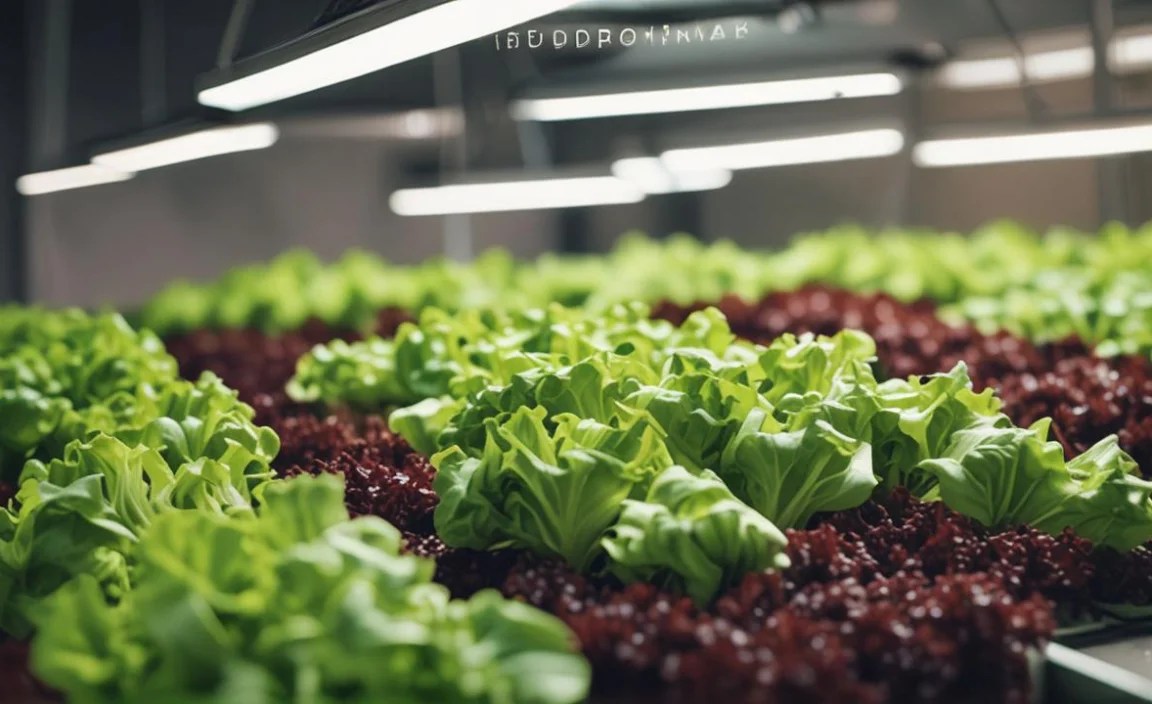
Have you ever wondered why some people choose to grow lettuce hydroponically? It’s a cool way to garden! Hydroponics means growing plants without soil. Instead, the roots get what they need from water filled with nutrients. This can be a fun science project and a great way to get fresh food. Hydroponics is often faster than growing in soil. You also don’t have to worry about soil pests or weeds. Imagine picking fresh lettuce from your kitchen! It’s a great way to add healthy greens to your meals. Plus, you can grow lettuce hydroponically all year round. Even when it’s cold outside, your lettuce can thrive inside.
- Hydroponics is growing without soil.
- It can be faster than soil gardening.
- You don’t need to worry about weeds.
- You can grow lettuce indoors.
- It’s a fun way to learn about plants.
So, growing lettuce hydroponically offers many benefits. It’s efficient, clean, and fun. You can control the growing environment. This means you can adjust light, temperature, and nutrients. When you grow lettuce hydroponically, you use less water. The water is recycled in the system. It’s a great way to conserve water. You can grow lots of lettuce in a small space. This is perfect for people who live in apartments. Growing lettuce hydroponically is a smart choice for modern gardeners. It combines science and nature in a tasty way.
Fun Fact or Stat: Hydroponics uses up to 90% less water than traditional soil-based agriculture!
What Are the Benefits?
Why should you try to grow lettuce hydroponically? Well, think about this: Have you ever pulled a weed from your garden, only to find another one the next day? With hydroponics, you say goodbye to weeds! Since there’s no soil, weeds can’t grow. Also, hydroponics can mean faster growth. Plants get nutrients directly from the water. They don’t have to search for them in the soil. This means they can grow faster and bigger. Plus, you use less water. Hydroponic systems recycle water, so you don’t waste any. It’s great for the environment. You can also grow lettuce hydroponically indoors. This means you can have fresh lettuce even in the winter!
Is It Hard to Do?
Is it really hard to grow lettuce hydroponically? Not at all! It might seem complicated. But it’s actually quite simple. You can start with a small, easy-to-manage system. There are lots of kits you can buy. These kits have everything you need to get started. You just need to follow the instructions. Once you get the hang of it, you can try bigger systems. The key is to start small and learn as you go. Don’t be afraid to experiment! Growing plants is all about learning. Even if you make mistakes, you’ll learn something new. And soon, you’ll be enjoying fresh, homegrown lettuce!
What Kind of Lettuce Grows Best?
Do you know what kind of lettuce loves to grow lettuce hydroponically? Some lettuces do better than others. Loose-leaf lettuce is a great choice. It grows quickly and easily. Romaine lettuce is also a good option. It’s crisp and tasty. Butterhead lettuce is soft and mild. You can pick the type you like best. Make sure to choose seeds that are good for hydroponics. Some seeds are specially made for growing in water. These seeds will give you the best results. Remember to give your lettuce enough light and nutrients. Then, you’ll have a yummy salad in no time!
Setting Up Your Hydroponic System
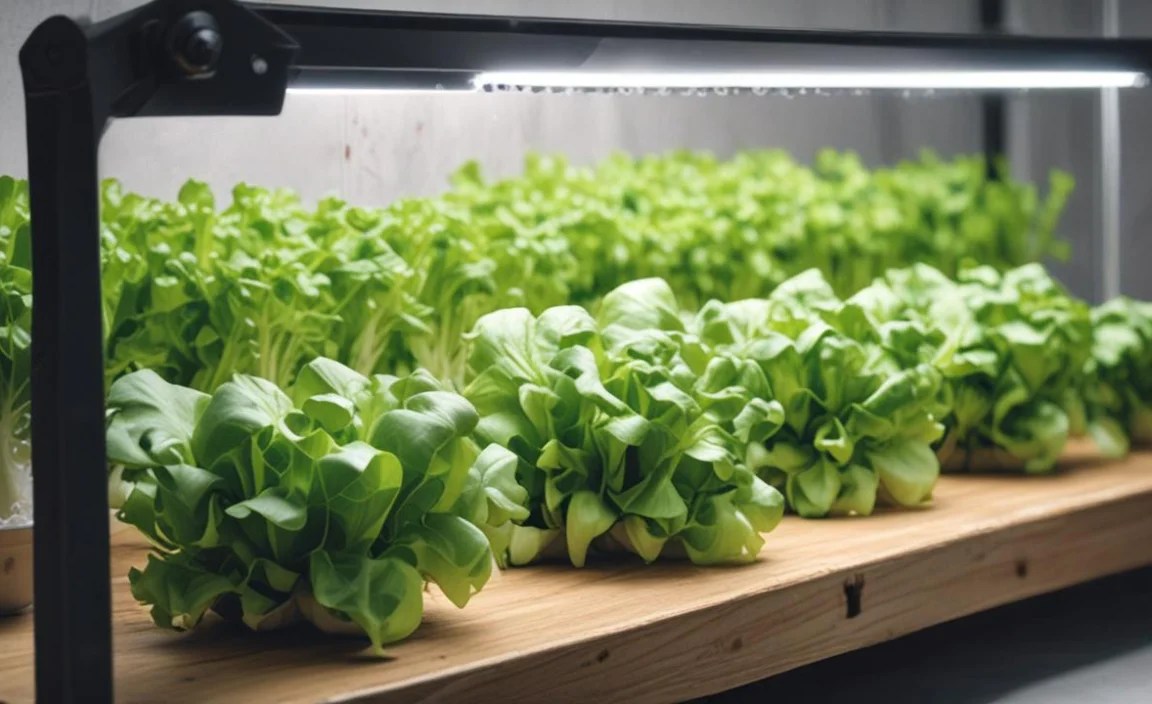
Ready to grow lettuce hydroponically? First, you need a hydroponic system. There are many types you can choose from. A simple one is the Kratky method. This is a passive system that doesn’t need pumps or electricity. You just need a container, water, nutrients, and a net pot. Another option is the nutrient film technique (NFT). This system uses a pump to flow water over the roots. It’s a bit more complex but very effective. You can also use a deep water culture (DWC) system. Here, the roots are suspended in water with an air stone. The air stone adds oxygen to the water. Choose the system that best fits your space and budget. Then, get ready to start growing lettuce hydroponically!
- Choose a hydroponic system.
- The Kratky method is simple and passive.
- NFT uses a pump to flow water.
- DWC uses an air stone for oxygen.
- Consider space and budget.
Once you pick your system, you need to set it up. For a Kratky system, find a container. A plastic tub or bucket works well. Drill a hole in the lid for the net pot. The net pot holds the lettuce seedling. Fill the container with water and add nutrients. Follow the instructions on the nutrient package. Place the net pot in the hole. Make sure the bottom of the net pot touches the water. For an NFT or DWC system, follow the kit instructions. These systems need more setup. But they can grow lettuce hydroponically very well. Remember to check the water level and nutrient levels often. Happy growing!
Fun Fact or Stat: The Kratky method is named after Professor Bernard Kratky from the University of Hawaii!
What Supplies Do I Need?
Do you want to know what you need to grow lettuce hydroponically? First, you need a container. This can be a plastic tub or bucket. Next, you need net pots. These hold the lettuce seedlings. You also need hydroponic nutrients. These are special fertilizers for hydroponics. You’ll need a grow light if you’re growing indoors. Lettuce needs lots of light to grow. You might also need an air pump and air stone. These add oxygen to the water. And, of course, you need lettuce seeds! Choose the type of lettuce you like best. With these supplies, you’ll be ready to start your hydroponic garden.
How Do I Prepare the Water?
How do you make the perfect water for lettuce to grow lettuce hydroponically? The water is very important. It carries the nutrients to the plants. You need to use clean water. Tap water can work, but it’s best to use filtered water. This removes any harmful chemicals. Next, you need to add nutrients. Hydroponic nutrients come in liquid or powder form. Follow the instructions on the package. Add the nutrients to the water and mix well. Check the pH level of the water. Lettuce likes a pH between 6.0 and 7.0. You can use a pH meter to check the level. If it’s too high or low, adjust it with pH up or pH down solutions. Now your water is ready for your lettuce!
Where Should I Put My System?
Where is the best place to put your system to grow lettuce hydroponically? Lettuce needs lots of light. If you’re growing indoors, you’ll need a grow light. Place the system under the grow light. Make sure the light is close enough to the lettuce. But not too close, or it will burn the leaves. If you’re growing outdoors, choose a sunny spot. Lettuce needs at least six hours of sunlight a day. Protect the system from strong winds. Wind can dry out the lettuce. Also, keep the system away from extreme temperatures. Lettuce likes temperatures between 60 and 70 degrees Fahrenheit. With the right location, your lettuce will thrive!
Choosing the Right Lettuce Variety

Not all lettuce is the same. Some types are better to grow lettuce hydroponically. Loose-leaf varieties are a great choice. They grow quickly and easily. Black Seeded Simpson is a popular loose-leaf lettuce. It has a mild flavor and crinkly leaves. Salad Bowl lettuce is another good option. It’s easy to grow and harvest. Romaine lettuce is also a good choice for hydroponics. It’s crisp and has a strong flavor. Butterhead lettuce, like Bibb or Buttercrunch, is soft and tender. Choose the type of lettuce you like to eat. Then, find seeds that are good for hydroponics. Some seed companies sell seeds specifically for hydroponic growing. These seeds will give you the best results. Remember, the right lettuce can make all the difference when you grow lettuce hydroponically.
- Loose-leaf lettuce grows quickly.
- Romaine lettuce is crisp and flavorful.
- Butterhead lettuce is soft and tender.
- Choose seeds for hydroponics.
- Pick the lettuce you like to eat.
Once you choose your lettuce, it’s time to start the seeds. You can start the seeds indoors. Use a seed starting tray or small pots. Fill the tray with a seed starting mix. This mix is light and airy. It helps the seeds germinate. Plant the seeds according to the package instructions. Keep the soil moist but not soggy. Place the tray under a grow light. The light will help the seeds sprout. Once the seedlings have a few leaves, they’re ready to transplant. Carefully remove the seedlings from the tray. Place them in the net pots. Now they’re ready to grow lettuce hydroponically in your system!
Fun Fact or Stat: Lettuce is one of the oldest known vegetables, with evidence of its cultivation dating back over 2,000 years!
What Is Loose-Leaf Lettuce?
Have you ever heard of loose-leaf lettuce when you grow lettuce hydroponically? It’s a type of lettuce that doesn’t form a head. Instead, the leaves grow separately from a single stem. This makes it easy to harvest. You can pick the outer leaves as you need them. The plant will keep growing new leaves. Loose-leaf lettuce comes in many colors and textures. Some are green, some are red. Some are smooth, some are frilly. This type of lettuce is great for hydroponics because it grows quickly. It’s also very easy to care for. Some popular loose-leaf varieties are Black Seeded Simpson and Salad Bowl. Give loose-leaf lettuce a try in your hydroponic garden!
Why Choose Romaine Lettuce?
Why do people choose Romaine lettuce when they grow lettuce hydroponically? Romaine lettuce is a popular choice. It has long, crisp leaves. It’s the lettuce used in Caesar salads. Romaine lettuce has a strong, slightly bitter flavor. It’s also very nutritious. It’s packed with vitamins and minerals. Romaine lettuce grows well in hydroponic systems. It needs a little more space than loose-leaf lettuce. But it’s still a good option for beginners. Make sure to give it enough light and nutrients. With proper care, you can harvest lots of Romaine lettuce. And enjoy delicious Caesar salads!
Is Butterhead Lettuce a Good Choice?
Is Butterhead lettuce a good choice when you grow lettuce hydroponically? Butterhead lettuce is known for its soft, tender leaves. It has a mild, buttery flavor. This makes it a favorite for salads. Butterhead lettuce, like Bibb or Buttercrunch, grows well in hydroponics. It prefers cooler temperatures. So, it’s a good choice for indoor growing. Butterhead lettuce is also relatively small. So, you can grow several plants in a small space. Give Butterhead lettuce a try if you want a soft and tasty lettuce. It’s a great addition to any hydroponic garden.
Caring for Your Hydroponic Lettuce

Taking care of your lettuce is key to grow lettuce hydroponically. First, check the water level often. The roots need to be in contact with the water. Add water as needed. Next, check the nutrient levels. Use a hydroponic nutrient solution. Follow the instructions on the package. Change the water and nutrients every one to two weeks. This prevents the buildup of algae and bacteria. Also, check the pH level. Lettuce likes a pH between 6.0 and 7.0. Adjust the pH as needed. Finally, make sure the lettuce gets enough light. If you’re growing indoors, use a grow light. With proper care, your lettuce will thrive. And you’ll enjoy fresh, homegrown salads in no time when you grow lettuce hydroponically!
- Check the water level often.
- Check the nutrient levels.
- Change the water every 1-2 weeks.
- Check and adjust the pH level.
- Give the lettuce enough light.
One common problem is algae growth. Algae can grow in the water. It can block the roots from getting nutrients. To prevent algae, keep the system clean. Use an opaque container. This blocks light from reaching the water. You can also add hydrogen peroxide to the water. This kills algae. Another problem is nutrient deficiency. If the lettuce leaves turn yellow, it might need more nutrients. Add more nutrient solution to the water. Also, watch out for pests. Aphids and spider mites can attack lettuce. Use insecticidal soap to get rid of them. By watching carefully, you can keep your lettuce healthy and grow lettuce hydroponically successfully.
Fun Fact or Stat: Lettuce is a member of the Asteraceae family, which also includes sunflowers and daisies!
How Often Should I Change the Water?
How often should you change the water when you grow lettuce hydroponically? It’s important to keep the water fresh. Over time, the nutrients in the water get used up. Also, bacteria and algae can grow in the water. This can harm the lettuce. You should change the water every one to two weeks. This keeps the water clean and the nutrients fresh. When you change the water, also clean the container. This prevents the buildup of algae and bacteria. Use a mild soap and water to clean the container. Rinse it well before adding fresh water and nutrients. With regular water changes, your lettuce will stay healthy and strong.
What About Nutrients?
What are the best nutrients to use when you grow lettuce hydroponically? Lettuce needs certain nutrients to grow. These include nitrogen, phosphorus, and potassium. These are called macronutrients. Lettuce also needs micronutrients. These include iron, manganese, and zinc. You can buy hydroponic nutrient solutions. These solutions contain all the nutrients lettuce needs. Follow the instructions on the package. Add the nutrients to the water when you change it. Monitor the lettuce for signs of nutrient deficiency. Yellow leaves can mean a lack of nitrogen. Brown spots can mean a lack of calcium. Adjust the nutrients as needed. With the right nutrients, your lettuce will grow big and healthy.
How Much Light Does Lettuce Need?
How much light does lettuce need to grow lettuce hydroponically? Lettuce needs plenty of light to grow. If you’re growing outdoors, choose a sunny spot. Lettuce needs at least six hours of sunlight a day. If you’re growing indoors, you’ll need a grow light. LED grow lights are a good choice. They don’t use much energy. Place the light close to the lettuce. But not too close, or it will burn the leaves. A good distance is about 6-12 inches. Keep the light on for 14-16 hours a day. This gives the lettuce enough energy to grow. With enough light, your lettuce will be green and healthy.
Harvesting Your Hydroponic Lettuce

Harvesting is the best part of grow lettuce hydroponically! You can start harvesting when the lettuce is big enough to eat. This is usually about four to six weeks after planting. You can harvest the whole head of lettuce. Or you can harvest just the outer leaves. If you harvest the outer leaves, the plant will keep growing. This is called “cut and come again” harvesting. To harvest, use a sharp knife or scissors. Cut the leaves close to the base of the plant. Wash the lettuce before eating it. Enjoy your fresh, homegrown lettuce! It’s delicious in salads, sandwiches, and wraps. And you grew it yourself when you grow lettuce hydroponically!
- Harvest after 4-6 weeks.
- Harvest the whole head or outer leaves.
- Use a sharp knife or scissors.
- Wash the lettuce before eating.
- Enjoy your fresh lettuce!
After harvesting, you can store the lettuce in the refrigerator. Wrap the lettuce in a damp paper towel. Place it in a plastic bag. This will keep it fresh for several days. You can also freeze the lettuce. But it will be limp when you thaw it. Frozen lettuce is best used in cooked dishes. If you harvested the whole head, you can replant the roots. Sometimes, the roots will grow new leaves. This is a fun experiment! But don’t expect the lettuce to grow as big as before. Enjoy the fruits (or rather, vegetables) of your labor. You grow lettuce hydroponically and now you can eat it!
| Lettuce Type | Harvest Time | Flavor | Best Use |
|---|---|---|---|
| Loose-Leaf | 4-5 weeks | Mild | Salads, sandwiches |
| Romaine | 6-7 weeks | Crisp, slightly bitter | Caesar salads, wraps |
| Butterhead | 5-6 weeks | Soft, buttery | Salads |
| Crisphead (Iceberg) | 7-8 weeks | Very mild | Salads, sandwiches (less common hydroponically) |
Fun Fact or Stat: Lettuce is over 90% water, making it a very hydrating food!
When Is the Best Time to Harvest?
When is the perfect time to harvest when you grow lettuce hydroponically? You can start harvesting when the lettuce is big enough to eat. This is usually about four to six weeks after planting. The best time to harvest is in the morning. The leaves are crisp and fresh in the morning. Avoid harvesting in the heat of the day. The leaves can wilt in the heat. You can harvest the whole head of lettuce. Or you can harvest just the outer leaves. If you harvest the outer leaves, the plant will keep growing. This gives you a continuous supply of lettuce.
How Do I Store My Harvested Lettuce?
How should you store your lettuce after you grow lettuce hydroponically? Proper storage keeps the lettuce fresh. After harvesting, wash the lettuce. Remove any dirt or debris. Dry the lettuce with a salad spinner or paper towels. Wrap the lettuce in a damp paper towel. Place it in a plastic bag or container. Store the lettuce in the refrigerator. It will stay fresh for several days. Avoid storing lettuce near fruits that produce ethylene gas. Ethylene gas can cause the lettuce to spoil quickly. These fruits include apples, bananas, and pears. With proper storage, your lettuce will stay crisp and delicious.
Can I Replant the Roots?
Can you replant the roots after you grow lettuce hydroponically? It’s an interesting experiment! After harvesting the whole head of lettuce, you can try replanting the roots. Leave about an inch of the stem attached to the roots. Place the roots in a glass of water. Change the water every day. Keep the glass in a sunny spot. Sometimes, the roots will grow new leaves. This is because the roots still contain some nutrients. However, the new leaves will probably be smaller. And the lettuce won’t grow as big as before. But it’s still a fun way to see how plants can regrow. Give it a try and see what happens!
Troubleshooting Common Problems
Even when you grow lettuce hydroponically, you might face some problems. One common problem is yellowing leaves. This can be caused by nutrient deficiency. Make sure you’re using a hydroponic nutrient solution. And that you’re adding enough to the water. Another problem is algae growth. Algae can block the roots from getting nutrients. Keep the system clean. Use an opaque container. Add hydrogen peroxide to the water. Pests can also be a problem. Aphids and spider mites can attack lettuce. Use insecticidal soap to get rid of them. Finally, check the pH level. If the pH is too high or low, the lettuce won’t be able to absorb nutrients. By addressing these problems, you can keep your lettuce healthy when you grow lettuce hydroponically.
- Yellowing leaves: nutrient deficiency.
- Algae growth: keep system clean.
- Pests: use insecticidal soap.
- Check the pH level.
- Adjust nutrient levels as needed.
Sometimes, the lettuce might not grow as fast as you expect. This can be due to several factors. Make sure the lettuce is getting enough light. If you’re growing indoors, use a grow light. Check the temperature. Lettuce likes temperatures between 60 and 70 degrees Fahrenheit. Also, make sure the water is oxygenated. If you’re using a DWC system, check the air stone. Make sure it’s working properly. If you’re using a Kratky system, make sure the roots are getting enough air. By checking these factors, you can help your lettuce grow faster and healthier when you grow lettuce hydroponically.
Fun Fact or Stat: Lettuce seeds germinate best at temperatures between 60°F and 68°F (15°C and 20°C)!
Why Are My Leaves Turning Yellow?
Why are the leaves turning yellow when you grow lettuce hydroponically? Yellow leaves often mean nutrient deficiency. Lettuce needs nitrogen, phosphorus, and potassium. These are macronutrients. It also needs micronutrients like iron and magnesium. If the leaves are yellowing, your lettuce might not be getting enough of these nutrients. Make sure you’re using a hydroponic nutrient solution. Follow the instructions on the package. You can also test the nutrient levels in the water. Use a hydroponic test kit. Adjust the nutrient levels as needed. With the right nutrients, your lettuce will be green and healthy again.
How Do I Get Rid of Algae?
How can you get rid of algae when you grow lettuce hydroponically? Algae can be a common problem in hydroponic systems. It grows in the water and can block the roots from getting nutrients. To get rid of algae, keep the system clean. Use an opaque container. This blocks light from reaching the water. You can also add hydrogen peroxide to the water. Hydrogen peroxide kills algae. Use a 3% solution. Add one teaspoon per gallon of water. You can also use a UV sterilizer. This kills algae with ultraviolet light. With these methods, you can keep your hydroponic system algae-free.
What Should I Do About Pests?
What should you do about pests when you grow lettuce hydroponically? Even in a hydroponic system, pests can be a problem. Aphids and spider mites are common pests of lettuce. They suck the sap from the leaves. This can weaken the plant. To get rid of pests, use insecticidal soap. This is a natural pesticide. Spray the leaves with the soap. Make sure to cover all surfaces. You can also use neem oil. This is another natural pesticide. You can also introduce beneficial insects. Ladybugs eat aphids. With these methods, you can keep your lettuce pest-free and grow lettuce hydroponically without worry.
Summary
Growing lettuce hydroponically is a fun and easy way to have fresh greens. Hydroponics means growing plants without soil. You use water and nutrients instead. It can be faster than growing in soil. You also don’t have to worry about weeds. There are different types of hydroponic systems. The Kratky method is simple and passive. NFT and DWC are more complex. Choose the right lettuce variety. Loose-leaf, romaine, and butterhead are good choices. Take care of your lettuce. Check the water and nutrient levels. Harvest when the lettuce is big enough. Troubleshooting can help solve common problems like yellowing leaves or algae. Growing lettuce hydroponically lets you enjoy fresh lettuce all year round.
Conclusion
Growing lettuce hydroponically is a rewarding experience. You can enjoy fresh, healthy lettuce all year long. It’s a fun project for kids and adults. You can learn about plants and science. Hydroponics saves water and space. You don’t need a big garden. Just a small space indoors. Follow the steps and tips in this article. You can successfully grow lettuce hydroponically. Enjoy your fresh, homegrown salads!
Frequently Asked Questions
Question No 1: What is hydroponics?
Answer: Hydroponics is a method of growing lettuce hydroponically and other plants without soil. Instead of soil, the roots of the plants get nutrients from a water-based solution. This solution contains all the essential minerals and nutrients that plants need to grow. Hydroponics can be done indoors or outdoors. It’s a great way to grow plants in small spaces. You can even grow plants in places where the soil is not good for growing. It’s an innovative approach to gardening.
Question No 2: What are the benefits of growing lettuce hydroponically?
Answer: There are many benefits to grow lettuce hydroponically. First, hydroponics uses less water than traditional soil-based gardening. The water is recycled in the system. Second, hydroponics can be faster. Plants get nutrients directly from the water. They don’t have to search for them in the soil. Third, you don’t have to worry about weeds. There’s no soil for weeds to grow in. Fourth, you can grow lettuce indoors. This means you can have fresh lettuce all year round. Finally, it’s a fun and educational experience.
Question No 3: What kind of lettuce grows best hydroponically?
Answer: Some types of lettuce do better than others when you grow lettuce hydroponically. Loose-leaf lettuce is a great choice. It grows quickly and easily. Romaine lettuce is also a good option. It’s crisp and tasty. Butterhead lettuce is soft and mild. You can pick the type you like best. Make sure to choose seeds that are good for hydroponics. Some seeds are specially made for growing in water. These seeds will give you the best results. Also, consider what kind of lettuce you enjoy eating most.
Question No 4: How do I set up a hydroponic system?
Answer: Setting up a hydroponic system to grow lettuce hydroponically involves a few steps. First, choose a hydroponic system. There are many types you can choose from, like the Kratky method, NFT, or DWC. Next, gather your supplies. You’ll need a container, net pots, hydroponic nutrients, and a grow light. Prepare the water by adding nutrients. Then, plant your lettuce seeds or seedlings in the net pots. Place the net pots in the system. Make sure the roots are in contact with the water. Finally, provide enough light and monitor the system regularly.
Question No 5: How do I care for my hydroponic lettuce?
Answer: Caring for your hydroponic lettuce involves several key steps to ensure you grow lettuce hydroponically successfully. Check the water level often. The roots need to be in contact with the water. Add water as needed. Next, check the nutrient levels. Use a hydroponic nutrient solution. Change the water and nutrients every one to two weeks. Also, check the pH level. Lettuce likes a pH between 6.0 and 7.0. Finally, make sure the lettuce gets enough light. With proper care, your lettuce will thrive.
Question No 6: What are common problems and how do I fix them?
Answer: When you grow lettuce hydroponically, you might face some problems. Yellowing leaves can be caused by nutrient deficiency. Make sure you’re using a hydroponic nutrient solution and adding enough to the water. Algae growth can block the roots from getting nutrients. Keep the system clean and use an opaque container. Pests can also be a problem. Use insecticidal soap to get rid of them. If the pH is too high or low, the lettuce won’t be able to absorb nutrients. Adjust the pH as needed for optimal growth.
