Have you ever thrown away lettuce? Did you know you can grow lettuce scraps? It is easier than you think. You can save money and reduce waste. Let’s learn how to regrow lettuce. It is a fun and simple project.
Lettuce is a tasty and healthy vegetable. We often eat it in salads and sandwiches. But what if you could grow lettuce scraps again? It is a cool trick to try at home. It can help you have fresh lettuce all the time.
Imagine having lettuce whenever you want. No more trips to the store. You can just regrow it from your kitchen scraps. It is like magic, but it’s science. Let’s find out how to do it. Get ready to have fun and grow lettuce scraps!
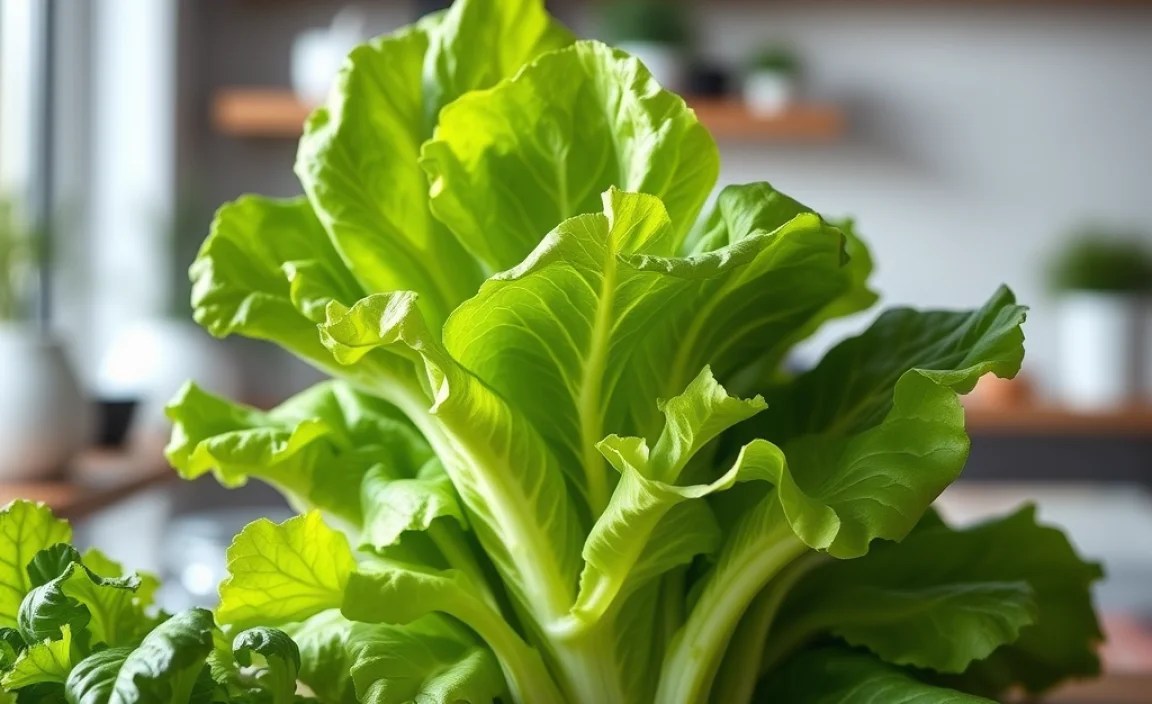
Key Takeaways
- Growing lettuce from scraps is an easy way to reduce food waste at home.
- Place lettuce scraps in water, changing it every day to prevent rot.
- After a week, you will see new roots and leaves starting to appear.
- Transfer the regrown lettuce to soil for better growth and nutrients.
- You can grow lettuce scraps indoors or outdoors, depending on the weather.

How to Grow Lettuce from Scraps
Growing lettuce from scraps is a fun and easy way to get more from your food. Instead of throwing away the bottom part of your lettuce, you can use it to grow new lettuce. It’s like a science experiment you can eat! You will need a few simple things to get started. These include a bowl, some water, and the lettuce scraps. It is important to use fresh lettuce scraps. Older scraps might not grow as well. You should also make sure the water is clean. Dirty water can cause the lettuce to rot. Once you have these things, you are ready to begin. Get ready to watch your lettuce grow!
- Collect lettuce scraps after using the leaves.
- Place the scraps in a bowl with water.
- Change the water every day to keep it fresh.
- Keep the bowl in a sunny spot.
- Watch for new roots and leaves to grow.
Growing lettuce from scraps does not take much time. You will need to be patient. It takes about one to two weeks to see new growth. Make sure to keep the water fresh. This will help prevent bacteria from growing. Once you see roots and new leaves, you can plant the lettuce in soil. Choose a spot in your garden or a pot. Water it regularly. Soon, you will have a new head of lettuce to enjoy. Growing lettuce from scraps is a great way to teach kids about plants and recycling. It is also a fun project for adults who love gardening. You can also try growing other vegetables from scraps, like celery or onions. It is a great way to reduce waste and have fresh food.
Fun Fact or Stat: Did you know that lettuce is mostly water? It is about 95% water, which helps keep you hydrated when you eat it!
What Kind of Lettuce Grows Best?
Have you ever wondered which type of lettuce grows best from scraps? Some types of lettuce are easier to regrow than others. Romaine lettuce is a good choice for beginners. It tends to grow roots quickly and easily. Butter lettuce is another good option. It has a mild flavor and grows well in water. Iceberg lettuce can be a bit more difficult. It may not grow as well as other types. Experimenting with different kinds of lettuce is part of the fun. You can see which ones work best for you. Remember to keep the water fresh and provide plenty of sunlight. Soon, you will be enjoying fresh lettuce from your own scraps!
How Much Sunlight Does it Need?
Sunlight is very important for growing lettuce. Just like people, plants need sunlight to grow strong and healthy. Lettuce scraps need about six hours of sunlight each day. Place your bowl or pot in a sunny spot. A windowsill that faces south is a good choice. If you don’t have enough sunlight, you can use a grow light. These lights help plants grow when there isn’t enough natural light. Watch your lettuce closely. If the leaves start to turn yellow, it might be getting too much sun. If the leaves look pale, it might need more sun. Finding the right balance is key to growing healthy lettuce. Do you think you can find the perfect sunny spot for your lettuce?
What is the Best Time of Year to Grow Lettuce?
When is the best time to grow lettuce scraps? Lettuce likes cool weather. The best time to grow lettuce is in the spring or fall. The weather is not too hot or too cold during these seasons. If you live in a place with hot summers, you can still grow lettuce. You will need to provide some shade. This will protect the lettuce from the hot sun. If you live in a place with cold winters, you can grow lettuce indoors. Place your lettuce scraps in a pot near a sunny window. You can also use a grow light to help them grow. No matter where you live, you can enjoy fresh lettuce all year round. Just remember to give it the right amount of sunlight and water.

Prepare Lettuce Scraps for Regrowth
Preparing lettuce scraps for regrowth is simple. You need to cut off the bottom part of the lettuce. This is the part that you usually throw away. Make sure to cut it cleanly. You want to leave about one to two inches of the stem. This part will grow new roots. Remove any wilted or brown leaves. These leaves will not grow. They can also cause the water to get dirty. Once you have the lettuce scraps ready, you can place them in a bowl of water. Make sure the water covers the bottom of the stem. Now, you are ready to watch your lettuce grow. Remember to change the water every day to keep it fresh and clean!
- Cut the bottom of the lettuce head off.
- Leave about two inches of the stem.
- Remove any damaged or brown leaves.
- Place the stem in a bowl of water.
- Ensure the water covers the bottom of stem.
- Change the water daily for best results.
Once your lettuce scraps are in water, find a good spot for them. A windowsill is often a great choice. Make sure the spot gets plenty of sunlight. Sunlight is very important for growth. If you don’t have a sunny windowsill, you can use a grow light. A grow light will help the lettuce grow even without natural sunlight. Check the water level every day. Add more water if needed. The bottom of the stem should always be covered in water. After a few days, you should start to see new roots growing. These roots will help the lettuce get nutrients from the water. Be patient and keep taking care of your lettuce scraps. Soon, you will have new lettuce leaves to enjoy. Growing lettuce from scraps is a rewarding experience.
Fun Fact or Stat: Lettuce was first grown for its seeds, not its leaves! People used the seeds to make oil.
What Kind of Container Should I Use?
Choosing the right container is important. You can use a simple bowl or a plastic container. The container should be wide enough to hold the lettuce scraps. It should also be shallow. A deep container can make it hard to change the water. Clear containers are helpful. You can see the roots growing. This helps you know when to plant the lettuce in soil. Make sure the container is clean. Wash it with soap and water before using it. This will help prevent bacteria from growing. A clean container will help your lettuce scraps grow healthy and strong. What kind of container do you think would work best?
How Deep Should the Water Be?
How much water do your lettuce scraps need? The water level is important. You want to cover the bottom of the stem. About one inch of water is usually enough. Too much water can cause the lettuce to rot. Not enough water can cause it to dry out. Check the water level every day. Add more water if needed. The stem should always be moist. This will help the roots grow. Keep an eye on the water. If it looks cloudy or dirty, change it right away. Clean water is essential for healthy growth. Do you think you can keep the water at the right level?
Should I Add Anything to the Water?
Sometimes, adding a little something to the water can help. Some people add a drop of liquid fertilizer. This can give the lettuce extra nutrients. Be careful not to add too much. Too much fertilizer can harm the lettuce. Another option is to add a pinch of Epsom salts. Epsom salts can help the roots grow stronger. Again, use only a small amount. You can also use plain water. Clean water is often enough for lettuce to grow. Experiment and see what works best for you. Remember to change the water every day, even if you add something to it. What do you think you will add to your water?
Caring for Regrowing Lettuce
Caring for regrowing lettuce is easy but important. Once you see roots, it is time to think about planting. You can plant the lettuce in a pot or in your garden. Choose a spot that gets plenty of sunlight. The soil should be well-drained. This means the water should not sit on top of the soil. Water the lettuce regularly. Keep the soil moist, but not too wet. Check the lettuce every day for pests. Pests are small insects that can eat your plants. If you see any pests, you can use insecticidal soap. This will help get rid of the pests without harming the lettuce. Taking good care of your lettuce will help it grow big and strong.
- Plant the lettuce in well-drained soil.
- Choose a sunny spot for planting.
- Water the lettuce regularly to keep soil moist.
- Check for pests and treat as needed.
- Provide support if the lettuce gets too tall.
- Fertilize lightly every few weeks.
Remember to protect your lettuce from extreme weather. If it gets too hot, move the lettuce to a shady spot. If it gets too cold, cover the lettuce with a blanket. You can also bring it inside. Lettuce likes temperatures between 60 and 70 degrees Fahrenheit. Harvest the lettuce when the leaves are big enough to eat. You can pick the outer leaves and let the inner leaves continue to grow. This way, you can have fresh lettuce for a longer time. Growing lettuce from scraps is a rewarding experience. It is fun to watch your lettuce grow from something you would have thrown away. Enjoy your fresh, homegrown lettuce!
Fun Fact or Stat: Lettuce is a member of the sunflower family! It might not look like a sunflower, but they are related.
When Should I Plant it in Soil?
Knowing when to plant your lettuce in soil is key. You should wait until the roots are about one inch long. This usually takes about a week. The roots need to be strong enough to support the plant. Prepare a pot or garden bed with good soil. Make a small hole in the soil. Gently remove the lettuce from the water. Place it in the hole. Cover the roots with soil. Water the lettuce gently. Keep the soil moist. Watch your lettuce grow. It will need sunlight and water to thrive. Do you think you can tell when the roots are ready?
How Often Should I Water It?
Water is essential for growing healthy lettuce. You should water your lettuce regularly. How often depends on the weather. If it is hot and sunny, you may need to water it every day. If it is cool and cloudy, you may only need to water it every other day. Check the soil before watering. If the soil feels dry, it is time to water. If the soil feels wet, wait a day or two. Overwatering can cause the lettuce to rot. Underwatering can cause it to wilt. Finding the right balance is important. Do you think you can remember to check the soil?
How Can I Protect it from Pests?
Pests can be a problem for lettuce. There are several things you can do to protect your lettuce. One option is to use insecticidal soap. This is a safe way to get rid of pests. You can also try planting companion plants. Companion plants are plants that help protect each other. For example, marigolds can help repel pests. You can also cover your lettuce with a net. This will keep the pests away. Check your lettuce regularly for signs of pests. The sooner you catch them, the easier they are to get rid of. What methods do you think would work best for you?
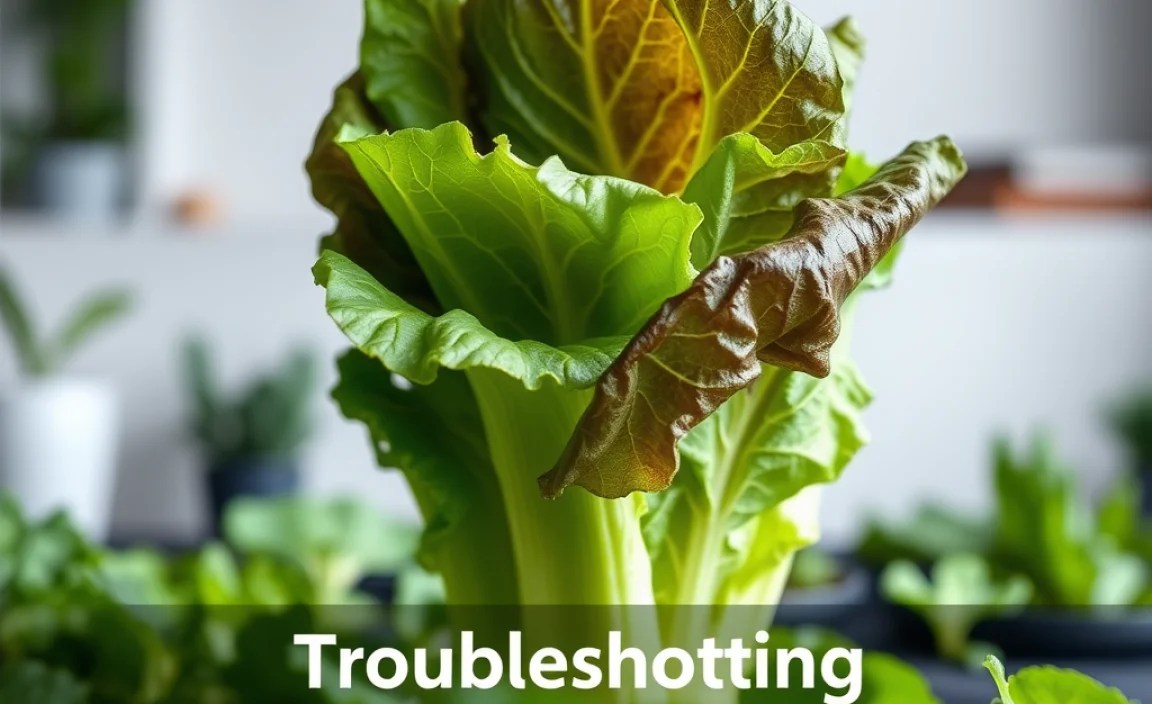
Troubleshooting Common Issues
Sometimes, things can go wrong when you grow lettuce scraps. Your lettuce might not grow, or it might turn yellow. Don’t worry! There are usually simple solutions. One common problem is that the water is not fresh. Make sure to change the water every day. Another problem is not enough sunlight. Lettuce needs plenty of sunlight to grow. If your lettuce is not growing, try moving it to a sunnier spot. Pests can also be a problem. Check your lettuce for bugs. If you see bugs, use insecticidal soap. With a little troubleshooting, you can fix most problems and get your lettuce growing again.
- Lettuce not growing? Ensure fresh water daily.
- Yellow leaves? Increase sunlight exposure.
- Bugs on lettuce? Use insecticidal soap.
- Lettuce rotting? Reduce watering frequency.
- Leaves wilting? Water more often.
Another common issue is that the lettuce starts to rot. This can happen if the water is too warm or if there is too much water. Make sure the water is cool and change it every day. Also, make sure the soil is well-drained. If the soil is too wet, the roots can rot. If your lettuce is wilting, it might not be getting enough water. Water it more often. Also, make sure the soil is not too dry. Dry soil can also cause wilting. Remember to check your lettuce regularly for any signs of problems. Catching problems early can help you fix them before they get too serious. Growing lettuce from scraps takes patience and care.
Fun Fact or Stat: Thomas Jefferson, one of the Founding Fathers, was a big fan of growing lettuce at his home, Monticello!
Why is My Lettuce Turning Yellow?
Yellow leaves can be a sign of a problem. One common cause is not enough sunlight. Lettuce needs sunlight to make food. If it doesn’t get enough sunlight, the leaves can turn yellow. Another cause can be too much water. Overwatering can cause the roots to rot. This can also cause the leaves to turn yellow. Check the soil. If it is too wet, let it dry out before watering again. Pests can also cause yellow leaves. Check your lettuce for bugs. If you see bugs, use insecticidal soap. Can you figure out why your lettuce is turning yellow?
Why is My Lettuce Not Growing?
If your lettuce is not growing, don’t give up. There are several reasons why this might be happening. One reason is not enough sunlight. Lettuce needs at least six hours of sunlight each day. Another reason is not enough water. Lettuce needs regular watering to grow. The soil should be moist, but not too wet. Another reason could be poor soil. Lettuce needs soil that is rich in nutrients. Try adding some compost or fertilizer to the soil. Be patient and keep trying. Soon, you will see your lettuce growing. What do you think is stopping your lettuce from growing?
What if My Lettuce Starts to Rot?
Rotting lettuce is a sign of too much moisture. The first thing to do is remove any rotting leaves. This will help prevent the rot from spreading. Next, make sure the soil is well-drained. If the soil is too wet, the roots can rot. You can also try using a fungicide. A fungicide is a chemical that kills fungus. Fungus can cause rot. Be careful when using fungicides. Follow the instructions on the label. You can also try moving the lettuce to a drier location. A drier location will help prevent rot. What steps will you take to stop your lettuce from rotting?
Harvesting and Enjoying Your Lettuce
Harvesting your lettuce is the best part. It means you did a good job! You can harvest lettuce when the leaves are big enough to eat. Usually, the outer leaves are ready first. You can pick these leaves and leave the inner leaves to grow. This way, you can have fresh lettuce for a longer time. To harvest, simply cut the leaves off with scissors or a knife. Wash the leaves before eating them. You can use your lettuce in salads, sandwiches, or wraps. It is a healthy and delicious addition to any meal. Enjoy the fruits (or vegetables) of your labor!
- Harvest when outer leaves are big enough.
- Cut leaves with scissors or a knife.
- Wash the harvested leaves before eating.
- Use lettuce in salads and sandwiches.
- Store lettuce in the refrigerator.
After harvesting, store your lettuce in the refrigerator. Place the lettuce in a plastic bag or container. This will help keep it fresh. You can also wrap the lettuce in a damp paper towel. This will help keep it from drying out. Lettuce can last for several days in the refrigerator. Use it as soon as possible for the best flavor. Remember that homegrown lettuce tastes better than store-bought lettuce. It is fresh and full of flavor. Plus, you grew it yourself! Growing lettuce from scraps is a rewarding experience. It is a fun and easy way to get fresh, healthy food.
Fun Fact or Stat: In ancient times, lettuce was believed to have medicinal properties. People used it to help them sleep!
How Do I Know When It’s Ready to Harvest?
Knowing when to harvest is important. You want to harvest your lettuce when it is at its peak flavor. The leaves should be big enough to eat. They should also be firm and crisp. Avoid harvesting lettuce that is wilted or yellow. These leaves may not taste very good. The best time to harvest lettuce is in the morning. The leaves will be crisp and fresh. You can also harvest lettuce in the evening. Avoid harvesting lettuce in the middle of the day. The leaves may be wilted from the heat. Can you tell when your lettuce is ready to harvest?
Can I Harvest Just a Few Leaves at a Time?
Yes, you can harvest just a few leaves at a time. This is called “cut and come again” harvesting. It is a great way to get fresh lettuce for a longer time. Simply pick the outer leaves as you need them. Leave the inner leaves to continue growing. This way, you will always have fresh lettuce available. Be careful not to damage the plant when you are harvesting. Use scissors or a knife to cut the leaves cleanly. Avoid pulling the leaves off. This can damage the plant. What leaves will you harvest first?
How Long Will My Regrown Lettuce Last?
Regrown lettuce may not last as long as lettuce grown from seed. However, it can still provide you with several harvests. How long it lasts depends on several factors. These include the type of lettuce, the growing conditions, and how well you care for it. With proper care, your regrown lettuce can last for several weeks. Remember to water it regularly and protect it from pests. Harvest the leaves as you need them. This will help the plant stay healthy. Enjoy your fresh, homegrown lettuce while it lasts. How long do you think your lettuce will last?
Benefits of Growing Lettuce from Scraps
Growing lettuce from scraps has many benefits. It is a great way to reduce food waste. Instead of throwing away the bottom of your lettuce, you can regrow it. This saves you money. You don’t have to buy as much lettuce from the store. It is also a fun and educational activity. You can learn about plants and how they grow. It is a great project for kids. Growing your own lettuce is also good for the environment. You are not using as much plastic packaging. You are also not using as much energy to transport lettuce from the farm to the store. It is a win-win for you and the planet. You can grow lettuce scraps easily.
- Reduces food waste in your household.
- Saves money on groceries each month.
- Offers an educational activity for kids.
- Reduces plastic packaging waste.
- Provides fresh lettuce at home.
- Environmentally friendly gardening method.
Another benefit of growing lettuce from scraps is that you know where your food comes from. You are in control of what goes into your lettuce. You can choose to use organic soil and fertilizers. You can also avoid using pesticides. This means your lettuce is healthier and safer to eat. Growing your own lettuce is also a great way to connect with nature. You can watch the lettuce grow from a small scrap to a full head of lettuce. It is a rewarding experience. Plus, you can enjoy the delicious taste of fresh, homegrown lettuce. So, why not give it a try? You might be surprised at how easy and fun it is to grow lettuce from scraps. You can also use the extra scraps as compost.
Fun Fact or Stat: Lettuce has been grown for over 2,000 years! The ancient Egyptians were some of the first people to cultivate it.
What are the Environmental Benefits?
Growing lettuce from scraps is good for the environment. It reduces food waste. Food waste is a big problem. When food goes to the landfill, it produces methane gas. Methane is a greenhouse gas. It contributes to climate change. By growing lettuce from scraps, you are reducing the amount of food that goes to the landfill. You are also reducing the amount of methane gas that is produced. Growing your own lettuce also reduces the need for transportation. Transporting food uses energy and produces pollution. By growing your own lettuce, you are reducing your carbon footprint. What other ways can you help the environment?
How Does it Save Me Money?
Growing lettuce from scraps can save you money. Lettuce can be expensive to buy at the store. By growing your own lettuce, you can save money on groceries. You don’t have to buy lettuce as often. You can also save money on gas. You don’t have to drive to the store as often to buy lettuce. The cost of growing lettuce from scraps is very low. You only need a few simple things. These include water, soil, and sunlight. You may already have these things at home. So, why not give it a try? You might be surprised at how much money you can save. How else can you save money on food?
Is it a Good Project for Kids?
Growing lettuce from scraps is a great project for kids. It is a fun and educational activity. Kids can learn about plants and how they grow. They can also learn about responsibility. They need to water the lettuce and take care of it. It is also a good way to teach kids about food waste. They can see how they can reduce waste by growing their own food. It is also a great way to get kids interested in gardening. They can see the results of their hard work. It is a rewarding experience for them. What other projects can kids do to learn about nature?
Different Varieties to Grow from Scraps
You can grow lettuce scraps from many different varieties. Romaine lettuce is a popular choice. It is easy to regrow and has a good flavor. Butter lettuce is another good option. It has a soft texture and a mild flavor. Green leaf lettuce and red leaf lettuce are also easy to grow. They add color to your salads. Iceberg lettuce can be more difficult to regrow. It may not produce as many new leaves. Experiment with different varieties to see which ones you like best. Each type of lettuce has a unique taste and texture. Growing different varieties can make your salads more interesting.
| Lettuce Variety | Taste | Texture | Ease of Regrowth |
|---|---|---|---|
| Romaine | Slightly Bitter | Crisp | Easy |
| Butter | Mild | Soft | Easy |
| Green Leaf | Mild | Tender | Moderate |
| Red Leaf | Slightly Bitter | Tender | Moderate |
When choosing lettuce to regrow, consider what you like to eat. If you like salads with a lot of crunch, romaine lettuce is a good choice. If you prefer a softer lettuce, butter lettuce is a good option. You can also mix different varieties for a more interesting salad. Remember to choose fresh lettuce scraps. Older scraps may not grow as well. With a little experimentation, you can find the perfect varieties to grow lettuce scraps. Growing your own lettuce is a fun and rewarding experience. You can enjoy fresh, healthy lettuce all year round. Plus, you are reducing food waste and saving money.
Fun Fact or Stat: Lettuce comes in many colors, including green, red, and even purple! The different colors are due to different pigments in the leaves.
What are the Easiest Varieties to Regrow?
Some lettuce varieties are easier to regrow than others. Romaine and butter lettuce are generally the easiest. They tend to root quickly and grow new leaves readily. Green leaf and red leaf lettuce are also relatively easy to regrow. Iceberg lettuce can be more challenging. It often doesn’t produce as many new leaves. If you are a beginner, start with romaine or butter lettuce. Once you have mastered these varieties, you can try others. Remember to provide plenty of sunlight and water. This will help your lettuce grow strong and healthy. What variety will you try first?
What are the Best Tasting Varieties?
Taste is a matter of personal preference. However, some lettuce varieties are generally considered to be more flavorful than others. Romaine lettuce has a slightly bitter taste. It is often used in Caesar salads. Butter lettuce has a mild and buttery flavor. It is great in sandwiches and wraps. Green leaf and red leaf lettuce have a mild, slightly sweet flavor. They are good in any type of salad. Experiment with different varieties to find your favorites. Remember to grow your lettuce in good soil and provide plenty of sunlight and water. This will help it develop the best flavor. What is your favorite type of lettuce?
Can I Mix Different Varieties in the Same Container?
Yes, you can mix different varieties in the same container. This can add variety to your salads. It can also be a fun way to experiment with different flavors and textures. Just make sure to give each plant enough space to grow. Don’t overcrowd the container. Also, make sure to provide the right amount of sunlight and water for each variety. Some varieties may need more sunlight or water than others. With a little planning, you can create a beautiful and delicious mixed lettuce garden. What combinations will you try?
Summary
Growing lettuce from scraps is a simple and rewarding way to reduce waste. It also saves you money. You can regrow lettuce using just water and sunlight. Start by placing the lettuce scraps in a bowl of water. Make sure to change the water every day. After a week or so, you will see new roots and leaves growing. Once the roots are long enough, you can plant the lettuce in soil. Water it regularly and provide plenty of sunlight. Soon, you will have fresh lettuce to enjoy. This method works best with romaine and butter lettuce. It is a fun and easy project for kids and adults alike.
Conclusion
Growing lettuce scraps is a fun and easy way to get more from your food. You can reduce waste and save money. It’s a simple process that anyone can do. Just remember to keep the water fresh and provide plenty of sunlight. With a little patience, you can enjoy fresh, homegrown lettuce. So next time you have lettuce scraps, don’t throw them away. Try regrowing them instead! It is a great way to learn about plants and gardening.
Frequently Asked Questions
Question No 1: Can I really grow lettuce scraps from the grocery store?
Answer: Yes, you can definitely grow lettuce scraps from the grocery store. The key is to use the bottom part of the lettuce where the stem is still attached. Place this part in a bowl of water, and make sure to change the water every day. Keep it in a sunny spot, and you should see new roots and leaves starting to grow within a week or two. It’s a fun way to recycle and get a little bit more out of your vegetables. You can then transplant the lettuce into soil to grow it even bigger!
Question No 2: What kind of lettuce works best for regrowing?
Answer: Some types of lettuce are easier to regrow than others. Romaine lettuce and butter lettuce tend to work best. They are known for their ability to sprout new roots quickly and grow new leaves when placed in water. Iceberg lettuce can be more difficult to regrow because it doesn’t always produce new leaves as readily. So, if you’re just starting out, try using romaine or butter lettuce for the best chance of success. Remember to keep the water fresh and provide plenty of sunlight for optimal growth.
Question No 3: How long does it take to see new growth when growing lettuce from scraps?
Answer: You can typically start to see new growth within one to two weeks. The first thing you’ll notice is small roots forming from the bottom of the lettuce scrap. Then, you’ll start to see tiny new leaves sprouting from the top. Make sure to change the water every day to prevent rot and keep the water fresh. Patience is key, but it’s exciting to watch the lettuce come back to life. Once the roots are about an inch long, you can plant the lettuce in soil for continued growth.
Question No 4: How much sunlight does regrowing lettuce need?
Answer: Lettuce needs plenty of sunlight to grow well, even when regrowing from scraps. Aim to give your lettuce at least six hours of sunlight each day. A sunny windowsill is a great spot. If you don’t have enough natural sunlight, you can use a grow light to help. Without enough light, the lettuce might not grow as quickly or the leaves might turn yellow. So, make sure your lettuce gets enough sunshine to thrive. Sunlight helps the plant create the energy it needs to grow strong and healthy.
Question No 5: Can I plant my regrown lettuce outdoors?
Answer: Yes, you can plant your regrown lettuce outdoors, but there are a few things to keep in mind. First, make sure the weather is suitable for lettuce. Lettuce likes cool weather, so spring and fall are usually the best times to plant it outdoors. Avoid planting it during the hot summer months, as the heat can cause it to wilt. Also, choose a spot in your garden that gets plenty of sunlight and has well-drained soil. Gently transplant the lettuce from the water to the soil, and water it regularly. This is a great way to grow lettuce scraps!
Question No 6: What if my regrown lettuce starts to rot?
Answer: If your regrown lettuce starts to rot, there are a few things you can do. First, make sure you are changing the water every day. Stale water can promote rot. Also, check to see if the lettuce is getting too much water. The bottom of the stem should be submerged, but the leaves should not be sitting in water. If the rot is severe, you may need to start with a fresh lettuce scrap. With a little care, you can prevent rot and successfully grow lettuce scraps.
