Do you love bright, cheerful flowers? Marigolds are a great choice. These sunny blooms are easy to grow marigolds seed. They bring color to any garden. Plus, they help keep bad bugs away.
Have you ever tried growing flowers from seeds? It’s a fun project. Even if you don’t have a big yard, you can grow marigolds seed in pots. Imagine your windowsills filled with happy, yellow and orange flowers.
Marigolds are not just pretty. They also have a special smell. This smell helps to keep away some garden pests. So, you can grow marigolds seed and protect your other plants too. Let’s learn how to grow them!
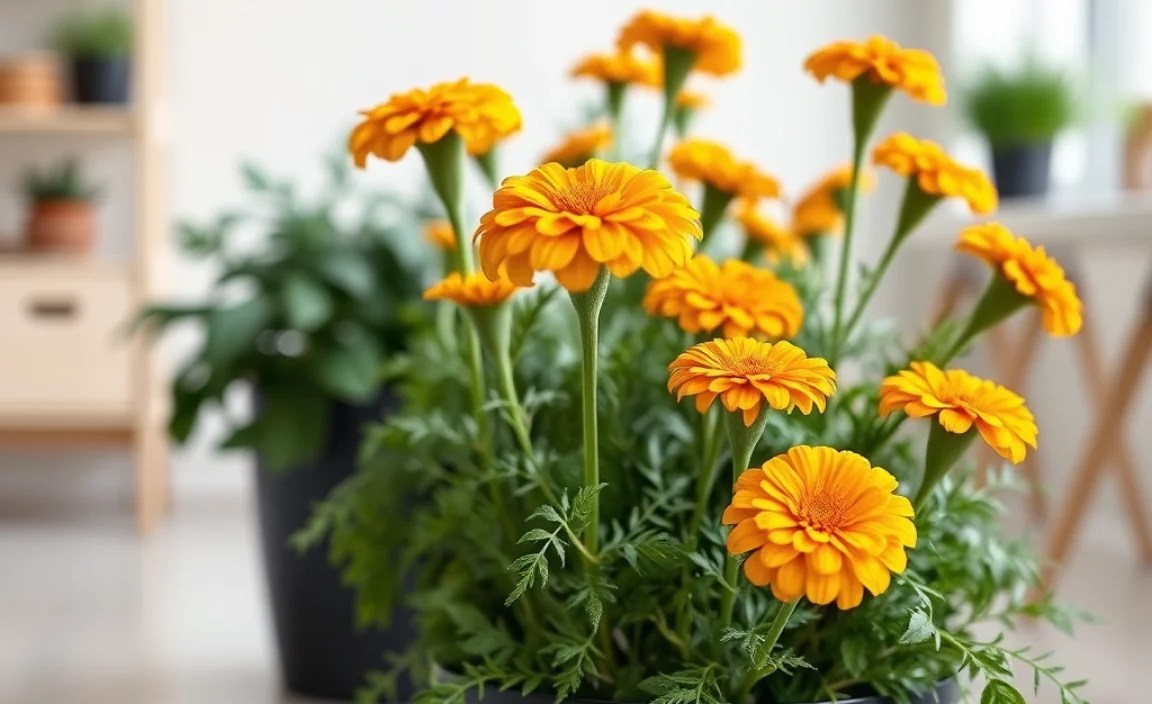
Key Takeaways
- Growing marigolds seed is easy and brings bright colors to your garden.
- Marigolds help protect other plants from harmful pests with their scent.
- Choose a sunny spot with well-draining soil to plant marigold seeds.
- Water the seeds gently and keep the soil moist until they sprout.
- You can start marigold seeds indoors or directly in your garden.

Best Time to Grow Marigolds Seed
The best time to grow marigolds seed depends on where you live. If you live in a place with warm weather all year, you can plant them almost anytime. But, if you have cold winters, it’s best to wait until the danger of frost is over. You can start seeds indoors about 6-8 weeks before the last expected frost. This will give your plants a head start. Then, you can move them outside when the weather gets warmer. If you want to plant seeds directly in the garden, wait until the soil has warmed up. Marigolds like warm soil. They will grow faster and stronger if the soil is warm enough. So, check your local weather forecast and plan accordingly. Remember, patience is key when growing plants from seeds.
- Start seeds indoors 6-8 weeks before the last frost.
- Wait until the soil is warm to plant seeds outside.
- Check your local weather forecast.
- Marigolds like warm weather and soil.
- Be patient when growing plants from seeds.
Starting seeds indoors is a good way to get a jump start on the growing season. You can use small pots or trays filled with seed-starting mix. Plant the seeds about ¼ inch deep and keep the soil moist. Place the pots in a warm, sunny spot or under grow lights. Once the seedlings have a few sets of leaves, you can transplant them into larger pots or into the garden. When transplanting, be careful not to damage the roots. Water the plants well after transplanting to help them settle in. Whether you start seeds indoors or plant them directly in the garden, remember to give your marigolds plenty of sunlight and water. With a little care, you’ll have beautiful blooms in no time.
When to Start Seeds Indoors?
Have you ever wondered when the perfect time is to start seeds indoors? It’s a common question for gardeners! The answer depends on your local climate and the type of plant you’re growing. For marigolds, starting seeds indoors about 6-8 weeks before the last expected frost is ideal. This gives the seedlings enough time to develop before they are transplanted outdoors. To figure out the last frost date in your area, you can check online resources or consult with local gardening experts. Starting seeds indoors allows you to extend the growing season and get a head start on your garden. Plus, it can be a fun and rewarding activity to do during the colder months.
How to Harden Off Seedlings?
Have you heard about “hardening off” seedlings? It might sound strange, but it’s an important step when transplanting seedlings from indoors to outdoors. Hardening off is the process of gradually exposing your seedlings to outdoor conditions. This helps them adjust to the sun, wind, and temperature changes. To harden off seedlings, start by placing them outdoors in a sheltered spot for a few hours each day. Gradually increase the amount of time they spend outdoors over a week or two. Be sure to protect them from strong winds and direct sunlight at first. Hardening off helps prevent transplant shock and ensures that your seedlings will thrive in their new outdoor environment.
Why is Soil Temperature Important?
Why does soil temperature matter so much? Well, it plays a big role in seed germination and plant growth. Seeds need warmth to sprout. If the soil is too cold, they may not germinate at all. Different plants have different soil temperature preferences. Marigolds like warm soil, around 70-80°F (21-27°C). You can use a soil thermometer to check the temperature before planting. If the soil is too cold, you can warm it up by covering it with black plastic for a few days. Once the soil reaches the right temperature, you can plant your seeds with confidence. Remember, happy soil equals happy plants!
Fun Fact or Stat: Marigolds can germinate in soil temperatures as low as 65°F (18°C), but they thrive best when the soil is between 70-80°F (21-27°C).

Choosing the Right Soil to Grow Marigolds Seed
Choosing the right soil is very important when you grow marigolds seed. Marigolds like soil that drains well. This means that water doesn’t sit in the soil for too long. If the soil stays wet, the roots can rot. You can improve drainage by adding things like perlite or sand to the soil. Marigolds also like soil that is rich in nutrients. You can add compost or other organic matter to the soil to make it more nutritious. Before you plant your seeds, test the soil to see if it needs any amendments. You can buy a soil testing kit at your local garden center. Follow the instructions on the kit to test the soil’s pH and nutrient levels. Marigolds prefer soil with a slightly acidic to neutral pH.
- Marigolds need well-draining soil.
- Add perlite or sand to improve drainage.
- Use compost to enrich the soil.
- Test the soil before planting.
- Marigolds like slightly acidic to neutral pH.
When you are planting marigolds in pots, use a good quality potting mix. Potting mix is specially formulated to drain well and provide the nutrients that plants need. Avoid using garden soil in pots, as it can become compacted and not drain properly. You can also add slow-release fertilizer to the potting mix to provide a steady supply of nutrients to the plants. Water the soil well after planting and keep it moist but not soggy. Avoid overwatering, as this can lead to root rot. With the right soil and proper watering, your marigolds will thrive and bloom beautifully. Remember, healthy soil is the foundation for healthy plants.
What is Soil pH?
Have you ever heard of soil pH? It’s a measure of how acidic or alkaline your soil is. The pH scale ranges from 0 to 14, with 7 being neutral. Numbers below 7 indicate acidic soil, while numbers above 7 indicate alkaline soil. Different plants have different pH preferences. Marigolds prefer soil with a slightly acidic to neutral pH, around 6.0 to 7.0. You can test your soil’s pH using a soil testing kit. If the pH is too high or too low, you can amend the soil to adjust it. For example, you can add lime to raise the pH or sulfur to lower it.
How to Improve Soil Drainage?
Is your garden soil heavy and compacted? This can lead to poor drainage, which can be harmful to plants. Good drainage is essential for healthy roots. There are several ways to improve soil drainage. One way is to add organic matter, such as compost or aged manure. Organic matter helps to loosen the soil and create air pockets. Another way is to add perlite or sand. These materials help to improve the soil’s structure and allow water to drain more easily. You can also create raised beds or mounds to improve drainage in areas with heavy soil.
What are Soil Amendments?
Have you ever wondered what soil amendments are? They are materials that you add to the soil to improve its properties. Soil amendments can help to improve drainage, fertility, and pH. Common soil amendments include compost, aged manure, peat moss, perlite, and vermiculite. Compost is a great all-around amendment that adds nutrients and improves soil structure. Aged manure is another good source of nutrients. Peat moss helps to retain moisture in the soil. Perlite and vermiculite improve drainage and aeration. When choosing soil amendments, consider the specific needs of your plants and the characteristics of your soil.
Fun Fact or Stat: Adding coffee grounds to your marigold soil can help increase acidity and provide extra nitrogen, which marigolds love!

Sunlight Needs When You Grow Marigolds Seed
Sunlight is super important when you grow marigolds seed. Marigolds love the sun! They need at least six hours of sunlight each day to grow well and produce lots of flowers. If they don’t get enough sunlight, they might get leggy and not bloom as much. Find a sunny spot in your garden or on your balcony to plant your marigolds. If you’re growing them indoors, put them near a sunny window. You can also use grow lights to give them extra light. Make sure the grow lights are not too close to the plants, or they might get burned. Turn the plants regularly so that all sides get enough light. This will help them grow evenly.
- Marigolds need at least six hours of sunlight daily.
- Choose a sunny spot in your garden.
- Use grow lights if growing indoors.
- Turn plants regularly for even growth.
- Not enough sunlight can make them leggy.
If you live in a very hot climate, marigolds might benefit from some afternoon shade. The hot sun can scorch their leaves. You can plant them near taller plants that will provide some shade during the hottest part of the day. Or, you can use shade cloth to protect them from the sun. Observe your plants carefully to see how they are reacting to the sunlight. If the leaves look burned or wilted, they might be getting too much sun. If they are not blooming well, they might not be getting enough sun. Adjust their location or the amount of shade they receive as needed. Remember, happy marigolds are sunny marigolds!
How to Tell if Plants Get Enough Light?
Do you know how to tell if your plants are getting enough light? There are a few clues to look for. If the leaves are pale or yellow, it could mean they are not getting enough light. If the stems are long and spindly, and the leaves are far apart, that’s another sign of insufficient light. Plants that don’t get enough light may also not bloom as much or at all. On the other hand, if the leaves are burned or scorched, they might be getting too much light. Observe your plants carefully and adjust their light exposure as needed.
What are Grow Lights?
Have you ever heard of grow lights? They are special lights that provide plants with the light they need to grow. Grow lights are often used indoors, where plants don’t get enough natural sunlight. There are different types of grow lights, including fluorescent lights, LED lights, and high-intensity discharge (HID) lights. LED lights are becoming increasingly popular because they are energy-efficient and long-lasting. When using grow lights, it’s important to position them at the right distance from the plants. Too close, and they can burn the leaves. Too far, and they won’t provide enough light.
Can Too Much Sun Harm Marigolds?
While marigolds love the sun, too much sun can actually harm them. In very hot climates, the intense afternoon sun can scorch the leaves and damage the flowers. This is especially true for young seedlings. To protect your marigolds from too much sun, you can provide them with some afternoon shade. You can plant them near taller plants that will provide shade, or you can use shade cloth. You can also water them more frequently during hot weather to help them stay hydrated. Observe your plants carefully and adjust their sun exposure as needed.
Fun Fact or Stat: Marigolds are photoperiod neutral, meaning their flowering isn’t affected by day length, unlike some other plants!

Watering Tips When You Grow Marigolds Seed
Water is very important when you grow marigolds seed. You need to water the seeds gently after planting. Keep the soil moist, but not too wet. If the soil is too wet, the seeds might rot. Once the seedlings sprout, water them regularly. Water deeply, so that the water reaches the roots. Let the soil dry out slightly between waterings. This will help prevent root rot. The amount of water your marigolds need will depend on the weather and the type of soil you have. Check the soil regularly to see if it needs water. If the top inch of soil feels dry, it’s time to water. Water in the morning, so that the leaves have time to dry before nightfall. This will help prevent fungal diseases.
- Water seeds gently after planting.
- Keep soil moist, but not too wet.
- Water seedlings regularly and deeply.
- Let soil dry out slightly between waterings.
- Water in the morning to prevent diseases.
When watering marigolds in pots, be sure to check the drainage. The water should drain out of the bottom of the pot quickly. If the water is sitting in the pot, the soil is not draining well. You might need to repot the plant into a pot with better drainage. Avoid using a saucer under the pot, as this can trap water and lead to root rot. If you do use a saucer, be sure to empty it after each watering. During hot weather, you might need to water your marigolds more frequently. Check the soil every day to see if it needs water. With proper watering, your marigolds will thrive and bloom beautifully.
How to Tell if You Are Overwatering?
Are you worried about overwatering your plants? Overwatering is a common mistake that can lead to root rot and other problems. There are a few signs that you are overwatering. If the leaves are yellow or brown and droopy, that could be a sign. If the soil is constantly wet and soggy, that’s another clue. You might also notice mold or algae growing on the surface of the soil. To avoid overwatering, let the soil dry out slightly between waterings. Check the soil moisture regularly and only water when the top inch of soil feels dry.
What is Deep Watering?
Have you heard of deep watering? It’s a technique that encourages healthy root growth. Deep watering means watering the plant thoroughly, so that the water reaches the deepest roots. This encourages the roots to grow deeper into the soil, which makes the plant more drought-tolerant. To deep water, water slowly and steadily for a longer period of time. You can use a soaker hose or a watering can with a gentle spray. Avoid watering the leaves, as this can lead to fungal diseases.
How to Water During Hot Weather?
Watering during hot weather requires some extra attention. Plants lose more water through evaporation during hot weather, so they need to be watered more frequently. Check the soil moisture every day and water when the top inch of soil feels dry. Water early in the morning or late in the evening, when the temperatures are cooler. Avoid watering during the hottest part of the day, as much of the water will evaporate before it reaches the roots. You can also use mulch to help retain moisture in the soil.
Fun Fact or Stat: Marigolds are relatively drought-tolerant once established, so avoid overwatering them!
Fertilizing to Help Grow Marigolds Seed
Fertilizing is important to help grow marigolds seed into strong, healthy plants. Marigolds are not heavy feeders, but they do benefit from regular fertilization. You can use a balanced fertilizer, such as 10-10-10, to provide them with the nutrients they need. Apply the fertilizer according to the instructions on the package. Avoid over-fertilizing, as this can burn the roots. You can also use organic fertilizers, such as compost tea or fish emulsion. These fertilizers are gentler on the plants and provide them with a slow-release source of nutrients. Fertilize your marigolds every few weeks during the growing season. This will help them produce lots of beautiful flowers.
- Use a balanced fertilizer, such as 10-10-10.
- Apply fertilizer according to package instructions.
- Avoid over-fertilizing, which can burn roots.
- Use organic fertilizers like compost tea.
- Fertilize every few weeks during growing season.
When fertilizing marigolds in pots, be sure to use a water-soluble fertilizer. This type of fertilizer dissolves easily in water and is quickly absorbed by the plants. You can also use slow-release fertilizer granules, which will provide a steady supply of nutrients over a longer period of time. Avoid using too much fertilizer, as this can lead to a buildup of salts in the soil. This can damage the roots and stunt the plant’s growth. Flush the soil with water occasionally to remove any excess salts. With proper fertilization, your marigolds will thrive and bloom profusely.
What is N-P-K Ratio?
Have you ever seen the numbers on a fertilizer package, like 10-10-10 or 20-20-20? These numbers represent the N-P-K ratio, which stands for nitrogen (N), phosphorus (P), and potassium (K). These are the three main nutrients that plants need to grow. Nitrogen promotes leafy growth, phosphorus promotes root growth and flowering, and potassium promotes overall plant health. The N-P-K ratio tells you the percentage of each nutrient in the fertilizer. For example, a 10-10-10 fertilizer contains 10% nitrogen, 10% phosphorus, and 10% potassium.
What are Organic Fertilizers?
Have you heard of organic fertilizers? They are fertilizers that are derived from natural sources, such as plants, animals, and minerals. Organic fertilizers are a great way to provide your plants with the nutrients they need without using synthetic chemicals. Some common organic fertilizers include compost, aged manure, bone meal, fish emulsion, and seaweed extract. Organic fertilizers release nutrients slowly, which helps to prevent over-fertilization. They also improve soil health and promote beneficial microbial activity.
How to Make Compost Tea?
Have you ever made compost tea? It’s a great way to feed your plants with a nutrient-rich liquid fertilizer. Compost tea is made by steeping compost in water. To make compost tea, fill a bucket with water and add a few handfuls of compost. Let the mixture steep for 24-48 hours, stirring occasionally. Then, strain the liquid through a cheesecloth or sieve. The resulting liquid is your compost tea. You can use it to water your plants or to spray their leaves. Compost tea provides plants with a boost of nutrients and helps to improve their overall health.
Fun Fact or Stat: Adding Epsom salts (magnesium sulfate) to your marigolds can boost their growth and flower production!
Pest and Disease Control When You Grow Marigolds Seed
Pest and disease control is important when you grow marigolds seed. Marigolds are generally pest-resistant, but they can be affected by certain pests and diseases. Common pests that attack marigolds include aphids, spider mites, and snails. Aphids are small, soft-bodied insects that suck the sap from plants. Spider mites are tiny pests that create webs on the leaves. Snails are slimy creatures that eat the leaves and flowers. To control these pests, you can use insecticidal soap, horticultural oil, or snail bait. Common diseases that affect marigolds include powdery mildew and root rot. Powdery mildew is a fungal disease that causes a white, powdery coating on the leaves. Root rot is a fungal disease that causes the roots to rot. To prevent these diseases, avoid overwatering and provide good air circulation.
| Pest/Disease | Symptoms | Control Method | Prevention |
|---|---|---|---|
| Aphids | Small insects, sticky leaves | Insecticidal soap | Encourage beneficial insects |
| Spider Mites | Webs on leaves, yellowing | Horticultural oil | Increase humidity |
| Snails | Holes in leaves, slime trails | Snail bait | Remove hiding places |
| Powdery Mildew | White powder on leaves | Fungicide | Good air circulation |
- Control aphids with insecticidal soap.
- Use horticultural oil for spider mites.
- Apply snail bait to control snails.
- Prevent powdery mildew with good air circulation.
- Avoid overwatering to prevent root rot.
Marigolds are often used as companion plants in gardens because they help to repel certain pests. Their strong scent can deter insects such as nematodes and whiteflies. Planting marigolds near other plants can help to protect them from these pests. Marigolds also attract beneficial insects, such as ladybugs and lacewings, which prey on aphids and other pests. By planting marigolds in your garden, you can create a natural pest control system. Remember to inspect your plants regularly for any signs of pests or diseases. Early detection and treatment can help to prevent serious problems.
What are Companion Plants?
Have you ever heard of companion plants? They are plants that are grown together because they benefit each other. Some plants help to repel pests, while others attract beneficial insects. Some plants also provide shade or support for other plants. Marigolds are a popular companion plant because they help to repel certain pests, such as nematodes and whiteflies. They also attract beneficial insects, such as ladybugs and lacewings. Some good companion plants for marigolds include tomatoes, peppers, and basil.
How to Attract Beneficial Insects?
Do you want to attract beneficial insects to your garden? Beneficial insects are insects that help to control pests. Some common beneficial insects include ladybugs, lacewings, and hoverflies. To attract these insects, you can plant flowers that provide them with nectar and pollen. Some good flowers to plant include marigolds, sunflowers, and dill. You can also provide them with shelter by leaving some areas of your garden undisturbed. Avoid using pesticides, as they can harm beneficial insects.
What is Integrated Pest Management (IPM)?
Have you ever heard of Integrated Pest Management (IPM)? IPM is an approach to pest control that focuses on using a variety of methods to manage pests while minimizing the use of pesticides. IPM methods include cultural practices, such as crop rotation and sanitation; biological control, such as using beneficial insects; and chemical control, such as using pesticides only when necessary. The goal of IPM is to keep pest populations below damaging levels while protecting the environment and human health.
Fun Fact or Stat: Marigolds contain a compound called pyrethrum, which is a natural insecticide!
Summary
Growing marigolds seed is a rewarding experience that brings beauty and benefits to your garden. Marigolds are easy to grow and require minimal care. Choose a sunny spot with well-draining soil. Water them regularly, but avoid overwatering. Fertilize them every few weeks to promote healthy growth and abundant blooms. With proper care, your marigolds will thrive and provide you with a season-long display of vibrant colors. They will also help to protect your other plants from pests and attract beneficial insects.
Remember to start your seeds indoors or directly in the garden, depending on your climate. Choose the right soil and provide plenty of sunlight. Water deeply and let the soil dry out slightly between waterings. With a little effort, you can enjoy the beauty and benefits of marigolds in your garden. Growing marigolds seed is a great way to add color, fragrance, and pest control to your outdoor space.
Conclusion
In conclusion, growing marigolds seed is simple and fun. These cheerful flowers brighten any space. They also help protect your garden from pests. Remember to provide sunlight, well-draining soil, and regular watering. With a little care, you’ll have beautiful blooms all season long. Enjoy the vibrant colors and benefits of marigolds in your garden.
Frequently Asked Questions
Question No 1: How long does it take to grow marigolds from seed?
Answer: It typically takes about 50 to 80 days to grow marigolds seed into mature plants that are flowering. Starting seeds indoors can shorten this time. The exact time depends on the variety of marigold and the growing conditions. Make sure they receive enough sunlight and water. Consistent care will ensure they grow faster. Also, protect them from pests. This ensures they grow healthily. If you follow these tips, you can expect to see flowers in a few months.
Question No 2: Can I grow marigolds in pots?
Answer: Yes, you can absolutely grow marigolds seed in pots! Marigolds are well-suited for container gardening. Choose a pot that is at least 6 inches in diameter to give the roots enough room to grow. Use a good quality potting mix that drains well. Make sure the pot has drainage holes to prevent water from sitting in the bottom. Place the pot in a sunny location where the marigolds will receive at least six hours of sunlight per day. Water regularly and fertilize every few weeks. Enjoy your potted marigolds!
Question No 3: What are the best conditions to grow marigolds from seed?
Answer: The best conditions to grow marigolds seed include plenty of sunlight, well-draining soil, and regular watering. Marigolds need at least six hours of sunlight per day to thrive. The soil should be rich in nutrients and drain well to prevent root rot. Water deeply but allow the soil to dry out slightly between waterings. Fertilize every few weeks with a balanced fertilizer. Protect the seedlings from frost and pests. With these conditions, your marigolds will grow strong and healthy.
Question No 4: Why are my marigolds not flowering?
Answer: If your marigolds are not flowering, there could be several reasons. One common reason is lack of sunlight. Marigolds need at least six hours of sunlight per day to bloom. Another reason could be over-fertilizing with nitrogen. Too much nitrogen can promote leafy growth at the expense of flowers. Overwatering can also prevent flowering. Make sure the soil drains well and allow it to dry out slightly between waterings. Finally, make sure the plants are not stressed by pests or diseases. Correcting these issues should help your marigolds to flower.
Question No 5: Do marigolds repel mosquitoes?
Answer: Yes, marigolds are known to repel mosquitoes. They contain a compound called pyrethrum, which is a natural insecticide. The strong scent of marigolds can also deter mosquitoes and other pests. Planting marigolds around your patio or garden can help to keep mosquitoes away. Crush the leaves to release more of the scent. While they can help, they are not a complete solution. They should be used along with other mosquito control methods. So, grow marigolds seed for a more enjoyable outdoor experience!
Question No 6: How often should I water marigolds?
Answer: You should water marigolds regularly, but allow the soil to dry out slightly between waterings. The frequency of watering will depend on the weather, the type of soil, and the size of the plant. Check the soil moisture regularly. If the top inch of soil feels dry, it’s time to water. Water deeply, so that the water reaches the roots. Avoid overwatering, as this can lead to root rot. In hot weather, you may need to water more frequently. Adjust your watering schedule as needed to keep your marigolds healthy and thriving.
