Have you ever dreamed of a tropical paradise? Imagine juicy mangoes and sweet bananas. You can actually grow tropical fruit in a greenhouse. It is easier than you think. Let’s explore how to make your own tropical oasis.
Do you love fresh fruit? Imagine picking your own papayas. Growing tropical fruits can be a fun hobby. It also gives you healthy snacks. Let’s learn how to grow tropical fruit in a greenhouse.
What if you could have a taste of the tropics all year? Greenhouses help you control the weather. This means you can grow tropical fruit in a greenhouse, even in cold places. Let’s get started and discover the secrets.
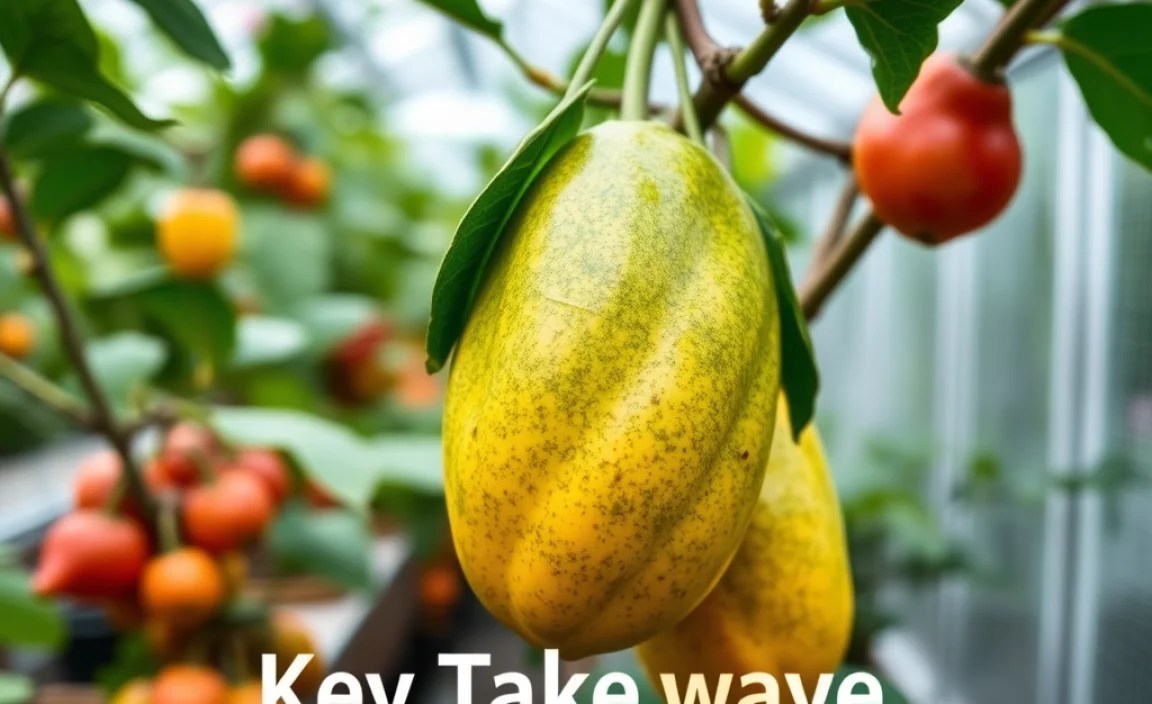
Key Takeaways
- You can grow tropical fruit in a greenhouse, even in colder climates.
- Proper temperature and humidity control are vital for tropical fruit.
- Select the right tropical fruits that thrive well in greenhouse conditions.
- Good watering, feeding, and pruning are needed for healthy plants.
- Protect your plants from pests and diseases to ensure a good harvest.

Choosing the Right Greenhouse to Grow Tropical Fruit
To grow tropical fruit in a greenhouse, picking the right greenhouse is key. Greenhouses protect plants from cold weather. They also help control temperature and humidity. Size matters, think about how much space you have. Also, consider the types of fruits you want to grow. Some fruits need more space than others. A small greenhouse is good for starting. A bigger one lets you grow more kinds of fruit. Make sure your greenhouse gets lots of sunlight. Sunlight helps your plants grow big and strong. Proper ventilation is also important. It keeps the air fresh and stops mold from growing. With the right greenhouse, you can enjoy tropical fruits all year long. This makes growing tropical fruit in a greenhouse an enjoyable experience. It all begins with careful planning.
- Consider the size of your growing area.
- Think about the height of the greenhouse.
- Choose a greenhouse with good ventilation.
- Make sure the greenhouse gets enough sunlight.
- Consider a greenhouse with heating and cooling.
- Select a durable and weather-resistant structure.
Building a greenhouse is like building a house for your plants. You need a strong frame to hold it up. Glass or plastic panels let sunlight in. These panels should also keep the cold out. Think about adding a fan to keep the air moving. A heater will keep the greenhouse warm in winter. A cooler can keep it from getting too hot in summer. Thermometers and hygrometers help you track temperature and humidity. Automatic watering systems make watering easier. Shelves and benches give you more space to grow plants. Growing tropical fruit in a greenhouse becomes much easier with these tools. It’s like having a smart garden that takes care of itself. This setup ensures your plants get everything they need to thrive.
What Size Greenhouse Do I Need?
How much space do you have? That’s the first question to ask. The size of your greenhouse depends on what you want to grow. A small greenhouse is good for a few plants. A larger one is better if you want to grow many fruits. Think about the mature size of the plants. Mango trees need more space than strawberry plants. Measure your available space before you buy anything. Draw a plan of your greenhouse. This helps you figure out where to put everything. Remember to leave room to walk around. You need to be able to reach all your plants. Growing tropical fruit in a greenhouse is easier if you have enough room. A well-planned space makes gardening more fun and less crowded.
What Materials Should I Use?
The materials you use matter a lot. Glass greenhouses look nice and let in lots of light. But they can be expensive and break easily. Plastic greenhouses are cheaper and more durable. Polycarbonate panels are a good choice. They are strong and let in plenty of light. The frame of your greenhouse should be sturdy. Wood, metal, or PVC are all good options. Wood looks nice but can rot over time. Metal is strong but can rust. PVC is cheap and easy to work with. Think about the climate where you live. Choose materials that can handle the weather. Growing tropical fruit in a greenhouse means protecting your plants from the elements. Good materials make your greenhouse last longer and work better.
How Do I Control Temperature?
Temperature control is very important. Tropical fruits like it warm. But too much heat can be bad. You need a way to keep the greenhouse at the right temperature. Heaters keep the greenhouse warm in winter. Thermostats help you control the temperature automatically. Fans help circulate the air. This keeps the temperature even. Vents let hot air out in the summer. Shade cloths block some of the sunlight. This helps keep the greenhouse cool. Misters add moisture to the air. Growing tropical fruit in a greenhouse means keeping the temperature just right. With the right tools, you can create the perfect climate for your plants. This ensures they stay healthy and produce lots of fruit.
Fun Fact or Stat: Did you know the ideal temperature for most tropical fruits is between 75°F and 85°F during the day?

Selecting Tropical Fruits for Greenhouse Growing
Choosing the right fruits is important for growing tropical fruit in a greenhouse. Some fruits grow better in greenhouses than others. Think about the size of the plant when it is fully grown. Dwarf varieties are often a good choice. They don’t need as much space. Consider fruits that are easy to care for. Bananas, papayas, and mangoes can do well. They need warmth and humidity. Citrus fruits like lemons and limes are also good options. They like the warm environment of a greenhouse. Do some research to find the best fruits for your area. Talk to other gardeners for advice. Growing tropical fruit in a greenhouse can be a rewarding experience. But you need to start with the right plants. Proper selection sets you up for success.
- Dwarf bananas are great for smaller greenhouses.
- Papayas grow quickly and produce lots of fruit.
- Mangoes need more space but are worth the effort.
- Lemons and limes thrive in warm conditions.
- Pineapples can be grown in pots or containers.
- Passion fruit vines add beauty and flavor.
When choosing fruits, think about your local climate. Even in a greenhouse, some fruits are easier to grow than others. Bananas are a popular choice because they grow quickly. Dwarf varieties don’t need a lot of space. Papayas also grow fast and produce fruit in the first year. Mangoes take longer to produce, but they are very rewarding. Citrus fruits like lemons, limes, and oranges are good for beginners. They are relatively easy to care for and produce fruit regularly. Pineapples can be grown in pots, making them suitable for smaller greenhouses. Growing tropical fruit in a greenhouse means adapting to your environment. With careful planning, you can enjoy a variety of delicious fruits.
What Are Dwarf Varieties?
Dwarf varieties are smaller versions of regular plants. They are perfect for greenhouses because they don’t need as much space. Dwarf banana trees are a popular choice. They produce full-sized bananas on a smaller tree. Dwarf mango trees are also available. They are grafted onto rootstock to keep them small. Dwarf citrus trees are another good option. They produce lots of fruit without taking up too much space. Dwarf varieties make growing tropical fruit in a greenhouse easier. They let you grow more plants in a smaller area. This is great if you have limited space or want to grow a variety of fruits.
How Long Before I Get Fruit?
The time it takes to get fruit depends on the type of plant. Some fruits produce quickly, while others take longer. Papayas can produce fruit in the first year. Bananas usually take about nine months to a year. Citrus fruits may take a few years to produce. Mangoes can take even longer, sometimes up to five years. Be patient and take good care of your plants. Proper watering, feeding, and pruning can help them produce fruit faster. Remember, growing tropical fruit in a greenhouse is a long-term project. It takes time and effort to see results. But the reward of fresh, homegrown fruit is worth the wait.
Are Some Fruits Easier to Grow?
Yes, some tropical fruits are easier to grow than others. Bananas and papayas are often recommended for beginners. They grow quickly and are relatively low-maintenance. Citrus fruits are also a good choice. They are fairly easy to care for and produce fruit regularly. Mangoes can be more challenging. They need more heat and humidity. They also take longer to produce fruit. Pineapples are also a good option for beginners. They can be grown in pots and don’t need a lot of space. Growing tropical fruit in a greenhouse should be a fun experience. Start with easier fruits and then try more challenging ones as you gain experience. This helps you build confidence and enjoy the process.
Fun Fact or Stat: Dwarf fruit trees can produce full-size fruits but only grow to about 6-8 feet tall, perfect for greenhouses!

Setting Up the Ideal Environment to Grow Tropical Fruit
Creating the right environment is key to grow tropical fruit in a greenhouse. Tropical fruits need warmth and humidity. Temperature should stay between 75°F and 85°F during the day. At night, it should not drop below 60°F. Humidity should be around 60-80%. Use a thermometer and hygrometer to monitor conditions. Heaters and coolers can help control temperature. Misters and humidifiers can increase humidity. Good ventilation is also important. It helps prevent diseases and keeps the air fresh. Proper lighting is essential for plant growth. Supplement natural light with grow lights if needed. With the right environment, your tropical fruits will thrive. This makes growing tropical fruit in a greenhouse a success. Consistent monitoring is very important.
- Maintain consistent temperature levels.
- Keep humidity levels high.
- Ensure good air circulation.
- Provide adequate lighting.
- Monitor conditions regularly.
- Adjust settings as needed.
Maintaining the right environment involves several steps. First, invest in good quality thermometers and hygrometers. Place them at different spots in the greenhouse. Check them regularly to monitor conditions. Use heaters to keep the greenhouse warm during cold months. Electric heaters and propane heaters are common choices. Install ventilation fans to circulate air. This prevents stagnant air and reduces the risk of diseases. Use misters or humidifiers to increase humidity levels. Adjust the settings based on the type of fruit you are growing. Growing tropical fruit in a greenhouse requires constant attention. With the right equipment and practices, you can create the perfect environment. This ensures your plants stay healthy and productive.
How Much Light Do They Need?
Tropical fruits need plenty of light. Most tropical fruits need at least six hours of sunlight per day. If your greenhouse doesn’t get enough natural light, use grow lights. LED grow lights are energy-efficient and provide the right spectrum of light. Place the lights close enough to the plants for them to benefit. But don’t put them too close, or they might burn the leaves. Monitor your plants to see if they are getting enough light. If the leaves are pale or the plants are leggy, they need more light. Growing tropical fruit in a greenhouse means providing the right amount of light. This ensures your plants grow strong and produce lots of fruit.
How Do I Control Humidity?
Controlling humidity is very important for tropical fruits. High humidity helps them thrive. Low humidity can cause problems. Misters and humidifiers are great for raising humidity. They release a fine mist into the air. This increases the moisture level. Grouping plants together can also help. Plants release moisture through their leaves. This creates a more humid environment around them. Avoid overwatering, as this can lead to fungal diseases. Ensure good ventilation to prevent excess moisture buildup. Growing tropical fruit in a greenhouse means finding the right balance of humidity. With the right tools and techniques, you can create the ideal conditions for your plants.
How Do I Provide Ventilation?
Ventilation is important for healthy plant growth. It helps prevent diseases and keeps the air fresh. Open vents on the sides or roof of your greenhouse. This allows fresh air to enter and stale air to escape. Use fans to circulate air inside the greenhouse. This helps prevent pockets of stagnant air. Make sure the air is moving around all the plants. Avoid overcrowding your plants. This allows air to flow freely between them. Regularly check your ventilation system to make sure it is working properly. Growing tropical fruit in a greenhouse means providing good ventilation. This ensures your plants get the fresh air they need to thrive.
Fun Fact or Stat: The ideal humidity for tropical plants is between 60% and 80%. Use a hygrometer to monitor humidity levels!

Watering and Feeding Tropical Fruits in a Greenhouse
Proper watering and feeding are crucial to grow tropical fruit in a greenhouse. Tropical fruits need consistent moisture. But overwatering can lead to root rot. Check the soil before watering. If it feels dry, it’s time to water. Water deeply until the water drains out of the bottom of the pot. Use a balanced fertilizer to feed your plants. Follow the instructions on the fertilizer label. Fertilize regularly during the growing season. Reduce fertilization during the dormant season. Monitor your plants for signs of nutrient deficiencies. Yellow leaves can indicate a lack of nitrogen. Purple leaves can indicate a lack of phosphorus. With proper watering and feeding, your plants will thrive. This makes growing tropical fruit in a greenhouse easier and more rewarding. Regular observation is key.
| Fruit | Watering Frequency | Fertilizer Type | Notes |
|---|---|---|---|
| Bananas | Every 2-3 days | Balanced fertilizer | Keep soil consistently moist. |
| Papayas | Every 3-4 days | High-phosphorus fertilizer | Avoid overwatering. |
| Mangoes | Every 5-7 days | Balanced fertilizer | Water deeply when soil is dry. |
| Citrus | Every 7-10 days | Citrus-specific fertilizer | Allow soil to dry slightly between waterings. |
- Water deeply but infrequently.
- Check soil moisture before watering.
- Use a balanced fertilizer.
- Fertilize regularly during growing season.
- Monitor plants for nutrient deficiencies.
- Adjust watering based on weather.
Watering and feeding your plants is like giving them food and drinks. You need to give them the right amount at the right time. Overwatering can be just as bad as underwatering. Too much water can cause the roots to rot. Not enough water can cause the plants to wilt. Check the soil regularly to see if it’s dry. If the top inch of soil is dry, it’s time to water. When you water, water deeply. This means watering until the water comes out of the bottom of the pot. Fertilizing your plants gives them the nutrients they need to grow. Use a balanced fertilizer that contains nitrogen, phosphorus, and potassium. Growing tropical fruit in a greenhouse means paying close attention to your plants’ needs. With the right care, your plants will reward you with delicious fruit.
How Often Should I Water?
How often you should water depends on several things. The type of plant, the size of the pot, and the weather all play a role. In general, you should water when the top inch of soil is dry. Stick your finger into the soil to check. If it feels dry, it’s time to water. During hot weather, you may need to water more often. During cooler weather, you may need to water less often. Be careful not to overwater. Overwatering can lead to root rot. Growing tropical fruit in a greenhouse requires careful monitoring of soil moisture. With practice, you’ll learn how often to water your plants.
What Kind of Fertilizer Should I Use?
The type of fertilizer you should use depends on the type of plant. In general, a balanced fertilizer is a good choice. A balanced fertilizer contains equal amounts of nitrogen, phosphorus, and potassium. Nitrogen helps plants grow leaves. Phosphorus helps plants grow roots. Potassium helps plants produce fruit. Look for a fertilizer that is specifically designed for tropical fruits. Follow the instructions on the fertilizer label. Don’t over-fertilize. Over-fertilizing can burn the roots. Growing tropical fruit in a greenhouse means providing the right nutrients. With the right fertilizer, your plants will grow strong and produce lots of fruit.
How Do I Know if I’m Overwatering?
There are several signs that you are overwatering your plants. The leaves may turn yellow or brown. The soil may be constantly wet. The roots may start to rot. If you see these signs, reduce the amount of water you are giving your plants. Allow the soil to dry out slightly between waterings. Make sure your pots have good drainage. This will help prevent the soil from becoming waterlogged. Growing tropical fruit in a greenhouse means avoiding overwatering. With careful attention, you can keep your plants healthy and happy.
Fun Fact or Stat: Overwatering is one of the most common mistakes when growing plants in a greenhouse. Always check the soil moisture before watering!
Pruning and Training Tropical Fruit Trees
Pruning and training are important for growing tropical fruit in a greenhouse. Pruning helps control the size and shape of your plants. It also encourages them to produce more fruit. Remove dead, damaged, or diseased branches. Prune your plants regularly to keep them healthy. Training helps guide the growth of your plants. Use stakes or trellises to support them. This helps them grow in the right direction. Prune and train your plants carefully to maximize fruit production. Growing tropical fruit in a greenhouse requires regular maintenance. Pruning and training are essential tasks. These tasks help ensure healthy and productive plants.
- Remove dead or diseased branches.
- Prune to control size and shape.
- Use stakes or trellises for support.
- Train plants to grow in the right direction.
- Prune regularly to encourage fruit production.
- Clean your pruning tools after each use.
Pruning is like giving your plants a haircut. It helps them stay healthy and look their best. Remove any branches that are dead, damaged, or diseased. These branches can attract pests and diseases. Prune your plants to control their size and shape. This helps them fit in your greenhouse. It also allows more light to reach all parts of the plant. Training your plants is like teaching them to grow in the right direction. Use stakes or trellises to support them. This helps them grow straight and strong. Growing tropical fruit in a greenhouse means taking care of your plants. Pruning and training are important parts of this care. With regular maintenance, your plants will thrive.
Why Is Pruning Important?
Pruning is important for several reasons. It helps remove dead, damaged, or diseased branches. These branches can attract pests and diseases. Pruning also helps control the size and shape of your plants. This allows more light to reach all parts of the plant. Pruning can also encourage your plants to produce more fruit. By removing unwanted growth, you can direct the plant’s energy towards fruit production. Growing tropical fruit in a greenhouse means understanding the importance of pruning. With regular pruning, your plants will stay healthy and productive.
How Do I Train My Plants?
Training your plants involves guiding their growth in the right direction. Use stakes or trellises to support them. Tie the branches to the supports with soft twine. This will help them grow straight and strong. Prune away any branches that are growing in the wrong direction. Encourage the plants to grow up instead of out. This will help them save space in your greenhouse. Growing tropical fruit in a greenhouse means using training techniques to maximize space and sunlight. With proper training, your plants will thrive.
When Should I Prune?
The best time to prune depends on the type of plant. In general, you should prune during the dormant season. This is when the plants are not actively growing. For most tropical fruits, this is during the winter months. Avoid pruning during the growing season. This can stress the plants and reduce fruit production. Remove dead, damaged, or diseased branches at any time of year. Growing tropical fruit in a greenhouse means knowing when to prune. With proper timing, you can help your plants stay healthy and productive.
Fun Fact or Stat: Pruning can increase fruit production by up to 30% by directing the plant’s energy to fruit development!
Pest and Disease Control for Greenhouse Tropical Fruits
Protecting your plants from pests and diseases is key to grow tropical fruit in a greenhouse. Greenhouses can be breeding grounds for pests and diseases. Regularly inspect your plants for signs of trouble. Look for insects, spots, or discoloration on the leaves. Use organic pest control methods to keep your plants healthy. Insecticidal soap and neem oil are effective options. Ensure good ventilation to prevent fungal diseases. Remove any diseased leaves or branches immediately. With proper pest and disease control, your plants will thrive. Growing tropical fruit in a greenhouse requires vigilance. Early detection and treatment are essential.
- Inspect plants regularly for pests.
- Use organic pest control methods.
- Ensure good ventilation to prevent diseases.
- Remove diseased leaves or branches.
- Quarantine new plants before introducing them.
- Keep the greenhouse clean and tidy.
Pest and disease control is like being a doctor for your plants. You need to watch them carefully and treat them when they get sick. Regularly inspect your plants for signs of pests. Look for small insects on the leaves or stems. Check for holes or discoloration on the leaves. Use organic pest control methods to get rid of pests. Insecticidal soap and neem oil are safe and effective options. Prevent diseases by ensuring good ventilation. This helps keep the air fresh and prevents fungal growth. Growing tropical fruit in a greenhouse means being proactive about pest and disease control. With regular monitoring and treatment, you can keep your plants healthy and productive.
What Are Common Greenhouse Pests?
Several pests are common in greenhouses. Aphids are small, soft-bodied insects that suck sap from plants. Spider mites are tiny pests that create webs on the leaves. Whiteflies are small, white insects that fly around the plants. Scale insects are small, armored pests that attach themselves to the stems and leaves. Mealybugs are cottony pests that suck sap from plants. Growing tropical fruit in a greenhouse means being aware of these common pests. With regular monitoring, you can catch infestations early.
What Are Common Greenhouse Diseases?
Several diseases are common in greenhouses. Powdery mildew is a fungal disease that causes a white, powdery coating on the leaves. Botrytis is a fungal disease that causes gray mold on the leaves and stems. Root rot is a fungal disease that causes the roots to rot. Damping-off is a fungal disease that affects seedlings. Growing tropical fruit in a greenhouse means being aware of these common diseases. With proper ventilation and sanitation, you can prevent them from spreading.
How Do I Prevent Problems?
Preventing problems is the best way to keep your plants healthy. Start by inspecting your plants regularly. Look for signs of pests or diseases. Ensure good ventilation to prevent fungal growth. Keep the greenhouse clean and tidy. Remove any dead leaves or debris. Quarantine new plants before introducing them to the greenhouse. This will prevent them from spreading pests or diseases. Growing tropical fruit in a greenhouse means taking preventative measures. With proper care, you can minimize the risk of problems.
Fun Fact or Stat: Introducing beneficial insects like ladybugs can help control aphid populations in your greenhouse naturally!
Summary
Growing tropical fruit in a greenhouse can be a rewarding experience. Choosing the right greenhouse and fruits is key. You must create the ideal environment. Temperature, humidity, and light are very important. Proper watering, feeding, pruning, and pest control are also crucial. Start with easy-to-grow fruits like bananas and papayas. With patience and care, you can enjoy fresh tropical fruits all year round. It takes effort to maintain the perfect environment for your tropical plants.
Remember to monitor your plants regularly. Adjust your practices as needed. Growing tropical fruit in a greenhouse is a learning process. Don’t be afraid to experiment and try new things. Talk to other gardeners and learn from their experiences. With the right knowledge and dedication, you can create your own tropical paradise.
Conclusion
Growing tropical fruit in a greenhouse lets you enjoy delicious, homegrown produce. Even in cold climates, you can have a taste of the tropics. You must choose the right fruits and maintain the ideal environment. Regular care and attention are very important. With a little effort, you can have a thriving tropical garden. Enjoy the fruits of your labor. Share your harvest with friends and family. Growing tropical fruits is a fun and rewarding hobby.
Frequently Asked Questions
Question No 1: What tropical fruits are easiest to grow in a greenhouse?
Answer: Some of the easiest tropical fruits to grow in a greenhouse include dwarf bananas, papayas, and citrus fruits like lemons and limes. These fruits are relatively low-maintenance and can adapt well to the controlled environment of a greenhouse. Dwarf varieties are especially good because they don’t need as much space. With the right conditions, you can enjoy a plentiful harvest of these delicious fruits.
Question No 2: How do I maintain the right temperature in my greenhouse?
Answer: Maintaining the right temperature is crucial for growing tropical fruit in a greenhouse. Use heaters to keep the greenhouse warm during cold months and ventilation fans to circulate air. Thermostats help you control the temperature automatically. In the summer, use shade cloths to block some of the sunlight. This helps keep the greenhouse cool. Regularly monitor the temperature with a thermometer and adjust settings as needed. The ideal temperature range is between 75°F and 85°F during the day and not below 60°F at night.
Question No 3: How often should I water my tropical fruit plants?
Answer: How often you should water your tropical fruit plants depends on several factors. These include the type of plant, the size of the pot, and the weather. In general, you should water when the top inch of soil is dry. Stick your finger into the soil to check. During hot weather, you may need to water more often. Be careful not to overwater, as this can lead to root rot. Proper watering is essential to successfully grow tropical fruit in a greenhouse.
Question No 4: What kind of fertilizer should I use for my tropical fruit plants?
Answer: A balanced fertilizer is a good choice for most tropical fruit plants. Look for a fertilizer that contains equal amounts of nitrogen, phosphorus, and potassium. You can also use a fertilizer that is specifically designed for tropical fruits. Follow the instructions on the fertilizer label carefully. Don’t over-fertilize, as this can burn the roots. Regular feeding with the right fertilizer will help your plants thrive when you grow tropical fruit in a greenhouse.
Question No 5: How can I control pests and diseases in my greenhouse?
Answer: Regularly inspect your plants for signs of pests or diseases. Look for insects, spots, or discoloration on the leaves. Use organic pest control methods like insecticidal soap and neem oil. Ensure good ventilation to prevent fungal diseases. Remove any diseased leaves or branches immediately. Quarantine new plants before introducing them to the greenhouse. Growing tropical fruit in a greenhouse requires vigilance to keep your plants healthy.
Question No 6: Is it possible to grow tropical fruit in a greenhouse year-round?
Answer: Yes, it is possible to grow tropical fruit in a greenhouse year-round. Greenhouses help control the environment. This allows you to maintain the warm temperatures and high humidity that tropical fruits need. With proper heating, lighting, and ventilation, you can create the perfect conditions for your plants. This ensures a continuous harvest of fresh, delicious tropical fruits, regardless of the outside weather.
