Do you want to grow your own food? Growing microgreens indoors can be fun. It is also easy for beginners. Imagine tiny plants packed with flavor. You can grow them right in your home.
Microgreens are small but mighty. They add a fresh taste to any meal. Even if you don’t have a garden, you can grow them. Growing microgreens indoors for beginners is a great way to start. Let’s learn how!
Key Takeaways
- Growing microgreens indoors for beginners is simple and rewarding.
- Microgreens need light, water, and a good growing medium.
- You can harvest microgreens in just one to two weeks.
- Choose your favorite seeds to grow tasty microgreens at home.
- Microgreens add nutrients and flavor to your meals easily.
Growing Microgreens Indoors: A Beginner’s Guide

Starting your own indoor garden can be very exciting. Growing microgreens indoors is a perfect project for beginners. These tiny plants are easy to grow. They don’t need much space. You can grow them on a windowsill or a small shelf. All you need are seeds, a tray, and some light. Choose seeds like radish, broccoli, or sunflower. These grow quickly and taste great. You will also need a growing medium. Coco coir or seed starting mix works well. Keep the medium moist but not too wet. Place your tray in a sunny spot or use a grow light. Watch your microgreens sprout and grow. In just a week or two, you’ll have fresh greens to enjoy. Growing microgreens indoors is a fun and easy way to add healthy food to your plate. It’s also a great way to learn about gardening.
- Use a shallow tray with drainage holes.
- Soak seeds before planting for better results.
- Mist the soil regularly to keep it moist.
- Provide enough light for healthy growth.
- Harvest when the first true leaves appear.
Growing microgreens indoors for beginners does not have to be hard. Once you get the hang of it, you can try different seeds and mixes. Experiment with flavors and textures. Try adding microgreens to salads, sandwiches, or soups. They add a pop of color and a burst of flavor. Plus, they are packed with vitamins and minerals. Growing microgreens indoors is a great way to eat healthy. It’s also a fun hobby that you can enjoy all year round. You can even get your friends and family involved. Share your harvest and teach them how to grow their own microgreens. Gardening is a fun activity.
Fun Fact or Stat: Microgreens can contain up to 40 times more nutrients than their mature counterparts!
What Supplies Do You Need?
Have you ever wondered what you need to start growing microgreens? You will need a few basic supplies. First, get a shallow tray. It should have drainage holes. Next, you’ll need a growing medium. Coco coir or seed starting mix are good choices. You will also need seeds. Choose seeds that are easy to grow, like radish or broccoli. A spray bottle is useful for keeping the soil moist. You’ll also need a light source. A sunny windowsill or a grow light will work. With these supplies, you can start growing microgreens. Growing microgreens indoors is easy.
Choosing The Right Seeds
Picking the right seeds is very important. Some seeds grow better than others. Radish seeds are a good choice for beginners. They sprout quickly and easily. Broccoli seeds are also popular. They have a mild flavor. Sunflower seeds add a nutty taste to your salads. Cress seeds are peppery and add a kick. Consider what flavors you enjoy. Then, choose seeds that match your taste. Growing microgreens indoors for beginners is more fun when you like the taste. You can buy seeds online or at your local garden store.
Setting Up Your Growing Station
Where will you grow your microgreens? Setting up your growing station is very important. Find a spot with good light. A sunny windowsill is a great option. If you don’t have enough natural light, use a grow light. Place your tray on a flat surface. Make sure it is easy to reach. You will need to water your microgreens regularly. Keep your supplies nearby. This will make growing microgreens indoors easier. A well-organized growing station will help you succeed. Growing microgreens indoors can be rewarding. With the right setup, you’ll be enjoying fresh greens in no time.
Best Soil and Tray Choices for Microgreens

The right soil and tray can make a big difference. They help your microgreens grow strong and healthy. When you’re growing microgreens indoors, soil is very important. You want something that holds moisture. It should also drain well. Coco coir is a popular choice. It’s made from coconut husks. It holds water well and provides good aeration. Seed starting mix is another good option. It’s a blend of peat moss, vermiculite, and perlite. For trays, shallow trays work best. They should have drainage holes. This helps prevent the soil from getting too wet. Growing microgreens indoors for beginners is easier with the right soil and tray. They provide the perfect environment for your microgreens to thrive. The right tray will help you to become a master gardener in no time at all.
- Coco coir retains moisture well.
- Seed starting mix provides good drainage.
- Shallow trays are easy to manage.
- Drainage holes prevent overwatering.
- Clean trays before each planting.
Growing microgreens indoors for beginners also involves understanding the importance of cleanliness. Always make sure your trays are clean before planting. This helps prevent diseases and mold. You can wash them with soap and water. Rinse them thoroughly before use. Cleanliness is especially important when you’re growing food. It helps ensure that your microgreens are safe to eat. Once you have your soil and tray ready, you can start planting. Sprinkle your seeds evenly over the soil. Then, cover them with a thin layer of soil. Water gently and wait for your microgreens to sprout. Enjoy your gardening!
Fun Fact or Stat: Coco coir is a sustainable alternative to peat moss, making it an eco-friendly choice for growing microgreens!
Why Soil Choice Matters
Why is soil so important for growing microgreens? The soil provides nutrients to the growing plants. It also supports the roots. Good soil helps the plants grow strong. Poor soil can lead to weak plants. It may even cause them to die. Choose a soil that is designed for seed starting. This will give your microgreens the best chance of success. Growing microgreens indoors for beginners is easier with the right soil. It’s a small investment that can make a big difference. You will be happy that you put in the effort to do it right.
Tray Materials and Drainage
What kind of tray should you use for growing microgreens? The material of the tray matters. Plastic trays are common and affordable. They are also easy to clean. Metal trays can also be used. Make sure they are rust-resistant. Drainage is also very important. The tray should have holes in the bottom. This allows excess water to drain away. Too much water can cause the roots to rot. Growing microgreens indoors requires proper drainage. It helps keep your plants healthy and happy.
DIY vs. Store-Bought Options
Should you make your own soil or buy it from the store? There are pros and cons to both. Making your own soil can save money. You can also customize it to your needs. However, it takes time and effort. Buying soil from the store is more convenient. It’s also pre-mixed and ready to use. Consider your budget and time constraints. Then, choose the option that works best for you. Growing microgreens indoors for beginners can be simple with either choice.
Lighting Essentials for Indoor Microgreens
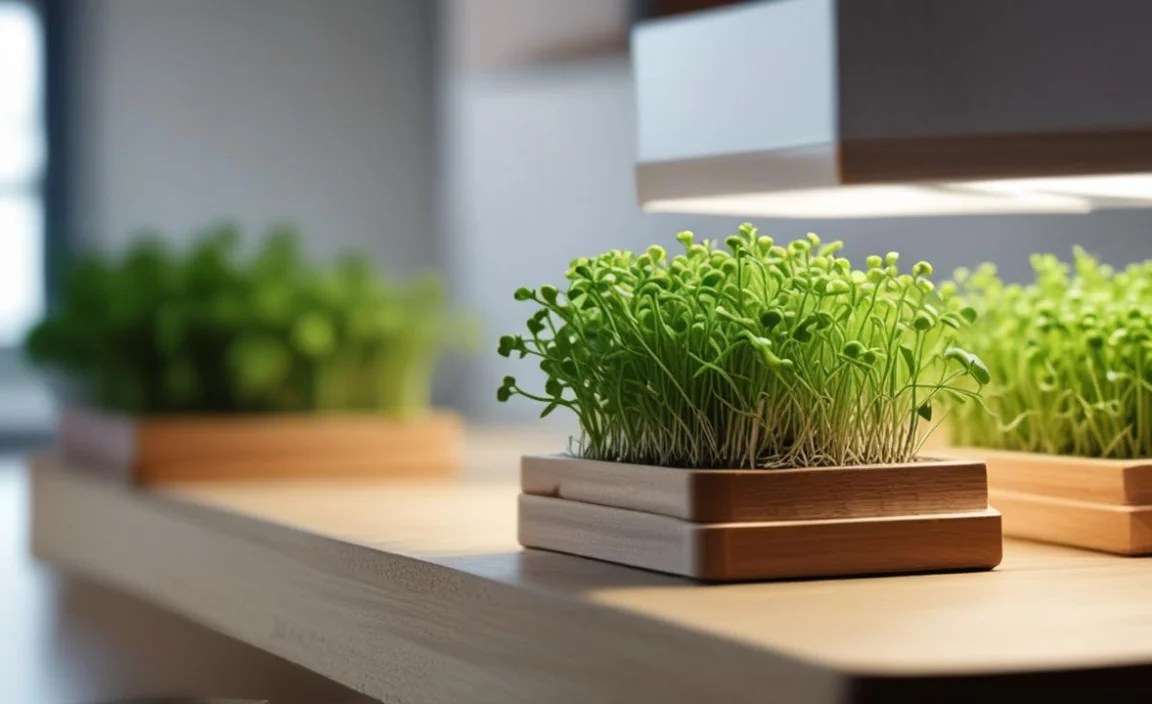
Lighting is key when growing microgreens indoors. Plants need light to grow. They use light to make food through photosynthesis. Without enough light, microgreens will be weak and leggy. They might not even grow at all. A sunny windowsill can work. But it might not provide enough light, especially in winter. Grow lights are a great alternative. They provide consistent light. This helps your microgreens grow evenly and quickly. LED grow lights are energy-efficient and long-lasting. They are a good choice for beginners. Position the light close to the plants. This will ensure they get enough light. Growing microgreens indoors for beginners is easier with proper lighting. Your greens will be healthy and delicious.
- Natural sunlight is a good starting point.
- Grow lights provide consistent light.
- LED lights are energy-efficient.
- Position lights close to the plants.
- Adjust light as the plants grow.
When growing microgreens indoors for beginners, understanding light cycles is essential. Microgreens typically need 12-16 hours of light per day. You can use a timer to automate the light cycle. This ensures that your plants get the right amount of light. Too much light can burn the leaves. Too little light can cause them to become pale and weak. Observe your plants carefully. Adjust the light as needed. With the right lighting, you can grow healthy microgreens all year round. It can be a very fun experience for you to watch your garden grow indoors.
Fun Fact or Stat: Microgreens grown under LED lights can have higher levels of certain vitamins compared to those grown under natural light!
Understanding Light Spectrum
What is the light spectrum? It is the range of colors in light. Plants use different colors for different purposes. Blue light helps with leaf growth. Red light helps with flowering. Most grow lights provide a full spectrum of light. This means they emit all the colors that plants need. Growing microgreens indoors is easier with full-spectrum lights. They provide the right balance of light for healthy growth. Consider the spectrum when choosing a grow light. You need to be sure that you have all of the right equipment.
Setting Up a Light Timer
Why use a light timer? A light timer automates the lighting process. It turns the lights on and off at set times. This ensures that your microgreens get the right amount of light. It also saves you time and effort. You don’t have to remember to turn the lights on and off every day. Growing microgreens indoors for beginners is simpler with a timer. It takes one less thing off your plate. This will also help your plants to grow big and strong.
Troubleshooting Light Issues
What happens if your microgreens aren’t growing well? It could be a light issue. Are they getting enough light? Are they getting too much light? Check the distance between the light and the plants. Adjust the timer if needed. If the leaves are pale, they need more light. If the leaves are burned, they need less light. Growing microgreens indoors requires careful observation. Pay attention to your plants. Adjust the lighting as needed. With a little patience, you can solve most light issues.
Watering Techniques for Healthy Microgreens

Water is life for growing microgreens. They need water to grow and thrive. But too much water can be harmful. It can lead to mold and disease. The key is to water gently and consistently. Use a spray bottle to mist the soil. This helps keep it moist without overwatering. Water when the top of the soil feels dry to the touch. Avoid watering the leaves directly. This can promote mold growth. Good drainage is also important. Make sure your tray has drainage holes. This allows excess water to drain away. Growing microgreens indoors for beginners requires careful watering. With the right technique, you can keep your microgreens healthy and happy. You will have a beautiful garden in no time.
- Use a spray bottle for gentle watering.
- Water when the topsoil feels dry.
- Avoid watering the leaves directly.
- Ensure good drainage to prevent mold.
- Check soil moisture daily.
Growing microgreens indoors for beginners involves understanding different watering methods. Bottom watering is a good alternative to top watering. Place your tray in a shallow dish of water. The soil will absorb the water from the bottom. This helps prevent the leaves from getting wet. It also encourages the roots to grow deeper. Be careful not to leave the tray in water for too long. Remove it once the soil is moist. With bottom watering, you can keep your microgreens hydrated without risking mold growth. It can be a lot of fun to see your garden grow.
Fun Fact or Stat: Microgreens are mostly water, with some varieties containing up to 90% water!
Recognizing Signs of Overwatering
How do you know if you’re overwatering your microgreens? The signs are easy to spot. The leaves may turn yellow or brown. The soil may be soggy. You may even see mold growing on the surface. If you notice these signs, reduce your watering frequency. Allow the soil to dry out slightly before watering again. Growing microgreens indoors requires careful observation. Pay attention to your plants. Adjust your watering as needed.
Best Time of Day to Water
When is the best time to water your microgreens? Morning is generally the best time. This gives the plants a chance to absorb the water during the day. It also allows the leaves to dry before nightfall. This helps prevent mold growth. Avoid watering in the evening. The leaves may stay wet overnight. This can create a favorable environment for mold. Growing microgreens indoors for beginners is easier with a consistent watering schedule.
Adjusting Watering Based on Environment
How does the environment affect watering? Warm, dry environments require more frequent watering. Cool, humid environments require less frequent watering. Pay attention to the temperature and humidity in your home. Adjust your watering schedule accordingly. Growing microgreens indoors requires flexibility. Be prepared to adapt your watering based on the conditions.
Harvesting Your First Batch of Microgreens

The most exciting part of growing microgreens indoors is harvesting. It’s when you get to enjoy the fruits of your labor. Microgreens are ready to harvest when they have their first true leaves. These are the small leaves that appear after the initial seed leaves. Use scissors to snip the stems just above the soil. Wash the microgreens gently before eating. They are best eaten fresh. You can store them in the refrigerator for a few days. But they will lose some of their flavor and nutrients. Growing microgreens indoors for beginners is a rewarding experience. Harvesting your first batch is a moment to celebrate. Enjoy your fresh, homegrown greens! Your garden will be so happy.
- Harvest when true leaves appear.
- Use scissors to snip the stems.
- Wash microgreens gently before eating.
- Eat fresh for best flavor and nutrients.
- Store in the refrigerator for a few days.
Growing microgreens indoors for beginners also involves understanding how to extend your harvest. You can plant new seeds every week or two. This will ensure a continuous supply of microgreens. After harvesting, you can reuse the soil. Just remove any remaining roots and add some fresh soil. You can also compost the used soil. This is a great way to recycle nutrients. With a little planning, you can enjoy fresh microgreens all year round. You will feel very accomplished when you eat them!
Fun Fact or Stat: Some microgreens can be harvested in as little as 7 days after planting!
Knowing When They’re Ready
How do you know when your microgreens are ready to harvest? Look for the first true leaves. These are the leaves that look like miniature versions of the adult plant leaves. The microgreens should also be a few inches tall. They should be vibrant in color. Avoid harvesting if they look wilted or yellow. Growing microgreens indoors requires patience. Wait until they are fully ready before harvesting.
Proper Cutting Techniques
How should you cut your microgreens? Use sharp scissors or a knife. Cut the stems just above the soil line. Avoid pulling the plants out by the roots. This can disturb the soil and make it harder to reuse. Cut only what you need. The remaining microgreens will continue to grow. Growing microgreens indoors for beginners involves learning the right techniques. With practice, you’ll become a pro at harvesting.
Storing and Using Harvested Greens
How should you store your harvested microgreens? Wash them gently and pat them dry. Store them in a sealed container in the refrigerator. They will stay fresh for a few days. Use them in salads, sandwiches, or soups. Add them to smoothies or juices. They are a great way to add flavor and nutrients to your meals. Growing microgreens indoors is a great way to eat healthy.
Troubleshooting Common Microgreen Problems
Even with the best care, problems can arise when growing microgreens indoors. Mold is a common issue. It can be caused by overwatering or poor air circulation. To prevent mold, ensure good drainage and ventilation. Use a fan to circulate the air. If you see mold, remove the affected areas. You can also spray the plants with a diluted hydrogen peroxide solution. Another common problem is leggy growth. This is caused by insufficient light. Move the plants to a brighter location. Or add a grow light. Growing microgreens indoors for beginners involves learning to troubleshoot. Don’t be discouraged by problems. They are a normal part of the process. Learn from your mistakes. And keep trying.
| Problem | Cause | Solution |
|---|---|---|
| Mold | Overwatering, poor air circulation | Improve drainage, increase ventilation |
| Leggy growth | Insufficient light | Provide more light |
| Yellowing leaves | Overwatering, nutrient deficiency | Adjust watering, add nutrients |
| Slow growth | Low temperature, poor soil | Increase temperature, improve soil |
- Mold can be caused by overwatering.
- Leggy growth means not enough light.
- Yellowing leaves may mean overwatering.
- Slow growth can mean low temperature.
- Pests are rare but can occur.
Growing microgreens indoors for beginners also means understanding how to prevent pests. Pests are not common. But they can sometimes attack microgreens. Keep your growing area clean. Inspect your plants regularly. If you see pests, remove them by hand. You can also use insecticidal soap. Follow the instructions carefully. Growing microgreens indoors is a learning process. With patience and persistence, you can overcome any challenge. These problems are easy to solve and you will be happy that you did!
Fun Fact or Stat: A diluted hydrogen peroxide solution can help kill mold without harming your microgreens!
Identifying and Treating Mold
How can you tell if your microgreens have mold? Look for white or gray fuzzy patches on the soil or plants. Mold often has a musty odor. If you see mold, act quickly. Remove the affected areas. Improve air circulation. Reduce watering. Spray the plants with a diluted hydrogen peroxide solution. Growing microgreens indoors requires vigilance. Check your plants regularly for signs of mold.
Addressing Leggy Growth
What causes leggy growth? It’s usually caused by insufficient light. The plants are stretching towards the light. They become tall and weak. To fix this, move the plants to a brighter location. Or add a grow light. Make sure the light is close enough to the plants. Growing microgreens indoors for beginners is easier with enough light. Your plants will be stronger and healthier.
Preventing Common Pests
How can you prevent pests from attacking your microgreens? Keep your growing area clean. Remove any debris or dead leaves. Inspect your plants regularly for signs of pests. If you see pests, remove them by hand. You can also use insecticidal soap. Growing microgreens indoors is easier when you take preventative measures. A clean environment is key to preventing pests.
Summary
Growing microgreens indoors for beginners is an easy and fun way to grow your own food. Microgreens are small plants that are packed with flavor and nutrients. You can grow them in a small space, like a windowsill or a shelf. All you need are seeds, a tray, soil, and light. Choose seeds like radish, broccoli, or sunflower. Keep the soil moist but not too wet. Provide enough light for healthy growth. Harvest your microgreens when they have their first true leaves. Growing microgreens indoors is a great way to add fresh greens to your meals. It’s also a fun hobby that you can enjoy all year round. It is a fun thing to do with your family.
Conclusion
Growing microgreens indoors is a simple and rewarding activity. It’s perfect for beginners who want to start gardening. With just a few basic supplies and a little bit of care, you can grow your own fresh, healthy greens. Microgreens add flavor and nutrients to your meals. They are easy to grow and don’t require much space. So why not give it a try? Start growing microgreens indoors today and enjoy the delicious taste of homegrown goodness.
Frequently Asked Questions
Question No 1: What are microgreens?
Answer: Microgreens are young vegetable greens. They are harvested after the cotyledon leaves have developed. They’re bigger than sprouts, but smaller than baby greens. Microgreens offer intense flavors and a concentrated source of nutrients. Growing microgreens indoors is a great way to access these benefits year-round. They are very easy to grow, and you will enjoy them. They are great for salads and sandwiches and other foods that you like to eat.
Question No 2: What do I need to start growing microgreens indoors?
Answer: To start growing microgreens indoors, you will need a few essential supplies. These include seeds, shallow trays, a growing medium (like coco coir or seed starting mix), a spray bottle, and a light source (either a sunny windowsill or a grow light). Ensuring you have these items will set you up for success in your indoor microgreen gardening journey. Growing microgreens indoors for beginners can be very rewarding.
Question No 3: How often should I water my microgreens?
Answer: You should water your microgreens when the top of the soil feels dry to the touch. Use a spray bottle to mist the soil gently. Avoid overwatering, as this can lead to mold growth. Check the soil moisture daily and adjust your watering schedule accordingly. Remember that environmental factors, such as temperature and humidity, can also affect how often you need to water. Growing microgreens indoors requires careful attention to the water levels.
Question No 4: How much light do microgreens need?
Answer: Microgreens need plenty of light to grow properly. Aim for 12-16 hours of light per day. A sunny windowsill can work, but a grow light is often necessary, especially in winter. Position the light close to the plants to ensure they get enough light. Insufficient light can lead to leggy growth, where the plants stretch towards the light source. Growing microgreens indoors requires proper lighting for optimal results.
Question No 5: How long does it take to grow microgreens?
Answer: The time it takes to grow microgreens varies depending on the type of seed. However, most microgreens are ready to harvest in 7-14 days. Look for the first true leaves to appear. This is a sign that your microgreens are ready to be harvested and enjoyed. Growing microgreens indoors for beginners is a fast and rewarding process.
Question No 6: What are some common problems when growing microgreens?
Answer: Some common problems when growing microgreens indoors include mold, leggy growth, and pests. Mold can be prevented by ensuring good drainage and air circulation. Leggy growth is often caused by insufficient light. Pests are rare but can be addressed with insecticidal soap. Regularly inspect your plants and take action to address any issues promptly. Many of these issues are very easy to solve if you stay on top of your garden.
