Do you have an outdoor cat? Do you worry about them in the cold? Many cats need extra help in winter. Heating for outdoor cat houses can keep them safe and warm. Let’s find out how to choose the best option.
Key Takeaways
- Choosing the right heating for an outdoor cat house ensures your cat stays warm and safe.
- Heated pads offer a safe and comfy spot, using low wattage to prevent overheating.
- Always check the power source and safety features of any heating device you buy.
- Insulated cat houses trap heat, reducing the need for constant heating.
- Regularly check the heating system to make sure it works well and is safe.

Choosing Safe Heating for Outdoor Cat Houses
Keeping outdoor cats warm is very important. Cats can get cold just like people. Heating for outdoor cat houses must be safe. You don’t want anything that could hurt your furry friend. Look for products made just for pets. These are often low-wattage. Low-wattage means they use less power. This also means they are less likely to overheat. Always read the instructions. Follow them carefully. Check the heater often. Make sure it is still working right. A safe heater will keep your cat happy all winter. It also gives you peace of mind. You’ll know your kitty is cozy and protected from the cold.
- Use only heaters made for pets.
- Check the wattage to prevent overheating.
- Always read and follow instructions.
- Inspect the heater regularly.
- Make sure the heater is placed safely.
Think about where you put the heater. It should be in a spot where your cat can’t knock it over. The heater should also be protected from rain and snow. Water can damage the heater and make it unsafe. Some heaters have a cord that the cat could chew. Hide the cord or use a cord protector. Keep the area around the heater clean. Don’t put anything flammable near it. Flammable things can catch fire easily. Make sure your cat can get away from the heater if it gets too warm. You want them to be comfortable, not trapped. Taking these steps will help you use heating for outdoor cat houses safely and effectively.
What Kind of Heater is Best?
There are many different heaters. Which one is best for your cat? Some heaters are pads. These go inside the cat house. The cat can lie on the pad to get warm. Other heaters are small lamps. These give off heat from above. Some people use heated water bowls. These stop the water from freezing. Each kind of heater has good and bad points. Pads are often very safe. But they might not give off much heat. Lamps can give off a lot of heat. But they need to be placed carefully. Heated bowls are great for water. But they don’t help to warm the cat house. Think about your cat’s needs when you choose. What will make them the most comfortable and safe?
How Much Heat is Enough?
How warm should the cat house be? It should be warm enough to keep your cat from getting cold. But not so warm that they get too hot. A good temperature is around 50 degrees Fahrenheit. This is warmer than outside on a cold day. But not as warm as your house. You can use a thermometer to check the temperature. Put the thermometer inside the cat house. Check it often. If the cat house is too warm, turn down the heater. If it is too cold, turn it up. Watch your cat for signs of being too hot or cold. If they are panting, they are too hot. If they are shivering, they are too cold. Adjust the heating until they seem comfortable.
What About Power Outages?
What happens if the power goes out? Your heater will stop working. Your cat could get cold. It is good to have a backup plan. One idea is to use a self-warming pad. These pads don’t need electricity. They use the cat’s body heat to stay warm. Another idea is to add extra insulation to the cat house. Insulation helps to keep heat in. You can use blankets or straw for insulation. Check on your cat often during a power outage. Make sure they are still warm enough. If it is very cold, you might need to bring them inside. Being prepared will help you keep your cat safe in any weather.
Fun Fact or Stat: Studies show that outdoor cats with access to heated shelters have a 40% higher survival rate during winter.

Understanding Heated Pads for Cat Houses
Heated pads are a popular choice. They are easy to use and safe. These pads use very little power. This means they won’t cost you much to run. They also won’t get too hot. Most heated pads have a thermostat. A thermostat keeps the temperature steady. It turns the pad on and off as needed. This stops the pad from overheating. Look for pads that are waterproof. This will protect them from rain or spills. Some pads have a chew-proof cord. This is important if your cat likes to chew. Place the pad in a cozy spot inside the cat house. Cover it with a soft blanket. This will make it even more comfortable for your cat. Heating for outdoor cat houses can be safe and effective with heated pads.
- Heated pads use low wattage.
- They often have a thermostat.
- Look for waterproof pads.
- Choose a pad with a chew-proof cord.
- Cover the pad with a soft blanket.
Make sure the heated pad is the right size. It should not take up the whole cat house. Your cat needs a place to go if they get too warm. The pad should be easy to clean. Cats can be messy. You will want to wash the pad often. Some pads have a removable cover. This makes them easier to wash. Always unplug the pad before you clean it. Use a mild soap and water. Don’t use harsh chemicals. These could hurt your cat. Dry the pad completely before you put it back in the cat house. A clean and safe heated pad will keep your cat happy all winter. This is a simple way to provide heating for outdoor cat houses.
How to Choose the Right Size Pad
The size of the pad matters. A pad that is too big will take up too much space. Your cat won’t have anywhere to cool off. A pad that is too small won’t give enough warmth. Measure the inside of your cat house. Choose a pad that is about half the size. This will give your cat a warm spot and a cool spot. Watch your cat when you first put the pad in. Do they seem comfortable? Do they move away from the pad often? If so, it might be too warm. Try a smaller pad or turn down the heat. The right size pad will help your cat feel safe and cozy.
Checking the Pad’s Temperature
How do you know if the pad is the right temperature? You can’t always tell by touching it. Some pads don’t feel very warm to the touch. But they are still warm enough for a cat. Use a thermometer to check the temperature. Place the thermometer on the pad. Cover it with a blanket. Wait for a few minutes. Then check the thermometer. It should be around 100 degrees Fahrenheit. This is a safe and comfortable temperature for cats. Check the temperature often, especially when the weather changes. You want to make sure your cat is always comfortable.
What if My Cat Doesn’t Like the Pad?
Some cats don’t like heated pads. They might be scared of the new thing. Or they might not like the way it feels. Don’t force your cat to use the pad. Try to make it more inviting. Put a soft blanket on top. Sprinkle some catnip on it. Put some of your cat’s favorite toys nearby. You can also try putting the pad in a different spot. Maybe your cat would prefer it in a darker corner. If your cat still doesn’t like the pad, don’t worry. There are other ways to keep them warm. You could try a different type of heater. Or you could add more insulation to the cat house.
Fun Fact or Stat: A heated pad only uses about 60 watts of electricity, which is less than most light bulbs.
Using Self-Warming Beds for Outdoor Cats
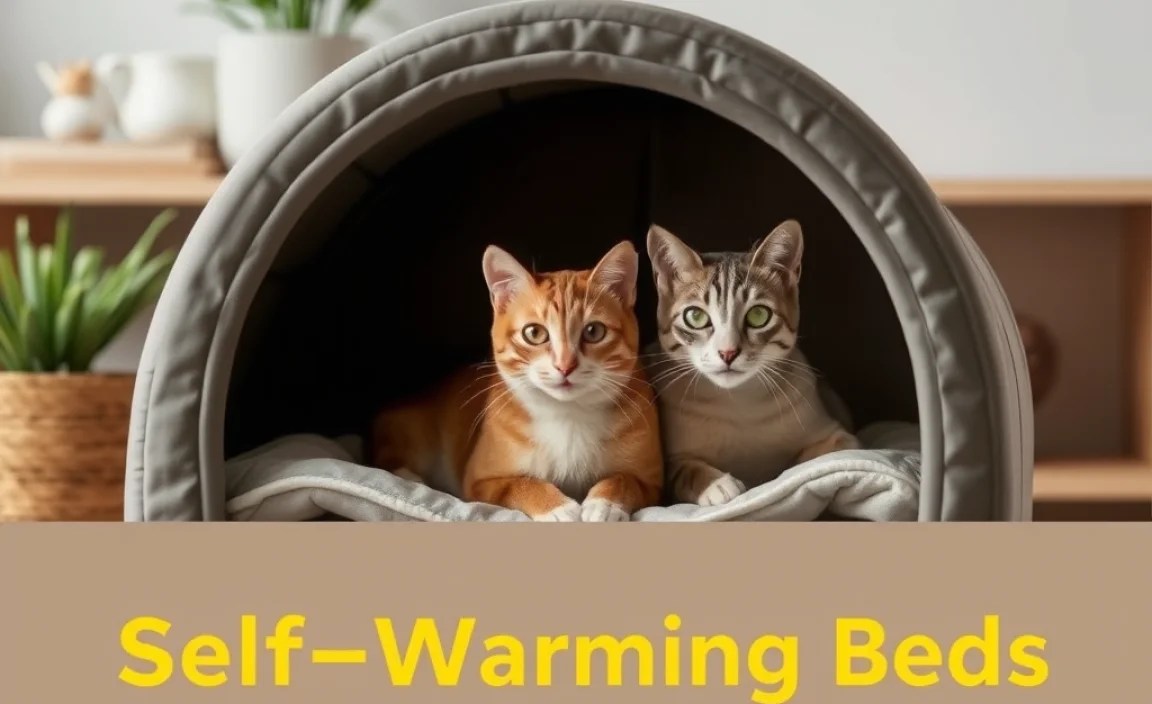
Self-warming beds are another good choice. They don’t need electricity. This makes them safe and easy to use. These beds have a special layer inside. This layer reflects the cat’s body heat. The heat bounces back and keeps the cat warm. Self-warming beds are often made of soft, cozy materials. This makes them extra comfortable. They are also lightweight and easy to move. You can put them anywhere in the cat house. They are a great way to provide heating for outdoor cat houses without using electricity. This can be very helpful during power outages. Just make sure the bed is clean and dry for your cat’s comfort.
- Self-warming beds don’t need electricity.
- They reflect the cat’s body heat.
- They are made of soft materials.
- They are lightweight and easy to move.
- They are great for power outages.
Self-warming beds are easy to care for. Most can be washed in the washing machine. This makes them easy to keep clean. Check the label for washing instructions. Use a mild soap and cold water. Don’t use bleach. Bleach can hurt your cat. Dry the bed on low heat. Or you can let it air dry. Make sure the bed is completely dry before you put it back in the cat house. A clean self-warming bed will keep your cat warm and cozy all winter. They are a simple and safe heating solution for outdoor cats.
How Do Self-Warming Beds Work?
Have you ever wondered how self-warming beds work? They use a special material called Mylar. Mylar is a thin, shiny material. It is often used in space blankets. Mylar reflects heat. When your cat lies on the bed, their body heat goes into the bed. The Mylar layer reflects the heat back to the cat. This keeps them warm. The bed doesn’t make heat. It just uses the cat’s own heat. This is why it doesn’t need electricity. It’s a simple and clever way to keep your cat warm.
Are Self-Warming Beds Enough in Very Cold Weather?
Self-warming beds are great for mild weather. But are they enough when it’s very cold? They can help, but they might not be enough on their own. If the temperature is below freezing, you might need extra heating. You can add a heated pad to the cat house. Or you can add more insulation. Straw and blankets can help trap heat. Check on your cat often to make sure they are warm enough. If they are shivering, they need more warmth. Self-warming beds are a good start. But be ready to add extra warmth when needed.
What are the Benefits of Self-Warming Beds?
Self-warming beds have many benefits. They are safe because they don’t use electricity. They are easy to use and care for. They are also affordable. They don’t cost anything to run. They are also comfortable for cats. Many cats love to snuggle in them. Self-warming beds are also good for the environment. They don’t use any energy. This means they don’t contribute to pollution. If you want a simple, safe, and eco-friendly way to keep your cat warm, a self-warming bed is a great choice.
Fun Fact or Stat: Self-warming beds can increase the temperature inside the cat house by up to 15 degrees Fahrenheit.

Insulating Your Cat House for Better Heating
Insulation is very important. It helps to keep the heat in. It also keeps the cold out. A well-insulated cat house will stay warmer. This means you won’t need as much heating. There are many ways to insulate a cat house. You can use blankets or towels. Straw is also a good choice. It is warm and dry. You can also buy special insulation. This is often made of foam or fiberglass. Put the insulation on the walls, floor, and roof of the cat house. Make sure there are no gaps. Cold air can get in through gaps. A well-insulated cat house will keep your cat cozy all winter. It’s a great way to improve heating for outdoor cat houses.
- Insulation keeps heat in.
- It keeps cold out.
- Use blankets, towels, or straw.
- Insulate the walls, floor, and roof.
- Seal any gaps to keep cold out.
Think about the size of the door. A big door lets out a lot of heat. A small door keeps more heat in. You can also add a flap to the door. This will help to block the wind. Make sure the flap is easy for your cat to push open. You don’t want them to get trapped inside. Put the cat house in a sheltered spot. This will protect it from the wind. Put it near a wall or fence. Or put it under a tree. This will help to keep it warmer. Good insulation and a sheltered spot will make a big difference. Your cat will be much happier in their warm and cozy house. These steps improve heating for outdoor cat houses.
What Materials Make Good Insulation?
Some materials are better than others for insulation. Straw is a good choice. It is cheap and easy to find. It also stays dry. Blankets and towels can also work. But they can get wet. Wet insulation doesn’t work well. Foam insulation is very effective. It is also waterproof. But it can be expensive. Fiberglass insulation is another option. But it can be itchy. Make sure to cover it with a layer of fabric. Choose the insulation that is best for you and your cat. Think about the cost, the effectiveness, and the safety.
How Thick Should the Insulation Be?
How much insulation do you need? The thicker the insulation, the better. But you don’t want to make the cat house too small. A good rule of thumb is to use at least two inches of insulation. This will provide good protection from the cold. If you live in a very cold area, you might need more. Check the weather forecast. If it’s going to be very cold, add extra insulation. You can always remove some insulation if it gets too warm. It’s better to have too much than not enough.
How to Insulate an Existing Cat House
What if you already have a cat house? Can you still insulate it? Yes, you can. It might take a little work. But it’s worth it. Start by cleaning out the cat house. Remove any old blankets or towels. Then, measure the inside of the cat house. Cut the insulation to fit. Use a staple gun to attach the insulation to the walls, floor, and roof. Make sure to cover all the surfaces. Add a layer of fabric over the insulation. This will protect your cat from the insulation. Put fresh blankets or towels inside. Your cat will love their newly insulated house.
Fun Fact or Stat: A well-insulated cat house can be up to 20 degrees warmer than the outside temperature.
Considering Outdoor Cat House Placement
Where you put the cat house matters a lot. A good spot can make a big difference. It can help to keep the cat house warm. Put the cat house in a place that is protected from the wind. Wind can make the cat house feel much colder. Put it near a wall or fence. This will block the wind. You can also put it under a tree. The tree will provide shade in the summer. It will also block some of the wind in the winter. Choose a spot that is also protected from the rain and snow. Water can make the cat house damp and cold. A dry cat house is a warm cat house. Good placement is key to effective heating for outdoor cat houses. It’s about more than just the heater itself.
| Placement Factor | Why It Matters | Example |
|---|---|---|
| Wind Protection | Reduces cold drafts and heat loss. | Near a fence or building. |
| Sun Exposure | Provides natural warmth during the day. | Facing south for maximum sunlight. |
| Rain Protection | Keeps the house dry and prevents mold. | Under an overhang or covered area. |
| Accessibility | Easy for the cat to enter and exit. | Away from busy areas or predators. |
| Elevation | Keeps the house above ground moisture. | Slightly raised on bricks or a platform. |
- Protect the cat house from wind.
- Choose a spot that is sunny.
- Keep the cat house dry.
- Make sure it is easy for the cat to get in.
- Put it in a safe place.
Think about how the sun moves. A sunny spot will get warm during the day. This can help to heat up the cat house. But make sure the cat house also has some shade. You don’t want it to get too hot. A spot that gets morning sun is often a good choice. It will warm up the cat house in the morning. But it won’t get too hot in the afternoon. Watch the spot for a few days. See how much sun it gets. Then decide if it is the right place for the cat house. Smart placement enhances heating for outdoor cat houses.
Should the Cat House Face a Certain Direction?
Yes, the direction the cat house faces matters. In the Northern Hemisphere, facing south is best. This lets the cat house get the most sunlight during the day. Sunlight helps to warm the cat house naturally. In the Southern Hemisphere, facing north is best. This is because the sun is in the north. If you can’t face the cat house south or north, try to face it east. This will give it morning sun. Avoid facing it west. This will give it afternoon sun, which can be too hot.
What About Raising the Cat House Off the Ground?
Raising the cat house off the ground is a good idea. This helps to keep it dry. It also helps to keep it warmer. The ground can be cold and damp. Raising the cat house helps to protect it from these things. You can use bricks or wood to raise the cat house. Just make sure it is stable. You don’t want it to fall over. Raising the cat house a few inches is enough. This will make a big difference in how warm and dry it stays.
How to Protect the Cat House from Predators
You also need to think about predators. Predators are animals that might try to hurt your cat. Dogs, coyotes, and raccoons are all predators. Put the cat house in a place where predators can’t easily get to it. Don’t put it near bushes or trees. These give predators a place to hide. Put it in a place where you can see it from your house. This will help you keep an eye on it. You can also put a fence around the cat house. This will help to keep predators away. Keeping your cat safe is just as important as keeping them warm.
Fun Fact or Stat: Placing a cat house in a sunny spot can increase the inside temperature by 5-10 degrees on a clear day.
Maintaining Heating Systems for Cat Houses
Taking care of your heating system is key. It will keep your cat safe and warm all winter. Check the heater often. Make sure it is working right. Look for any damage. Are there any frayed wires? Is the heater getting too hot? If you see any problems, fix them right away. Clean the cat house regularly. Remove any dirt or debris. This will help the heater work better. It will also keep your cat healthy. Regular maintenance is essential for safe and effective heating for outdoor cat houses.
- Check the heater regularly for damage.
- Clean the cat house often.
- Replace any damaged parts.
- Make sure the heater is still safe.
- Test the heater before winter starts.
Before winter starts, test the heater. Plug it in and turn it on. Make sure it is getting warm. Use a thermometer to check the temperature. It should be warm enough to keep your cat comfortable. If the heater isn’t working, don’t use it. Get a new one. Don’t try to fix it yourself. This could be dangerous. Store the heater properly when you’re not using it. Keep it in a dry place. This will protect it from damage. Proper care will make your heating for outdoor cat houses last longer.
How Often Should I Check the Heater?
You should check the heater at least once a week. More often if the weather is very cold. Check it every day if possible. Look for any signs of damage. Make sure the cord is not frayed. Make sure the heater is not getting too hot. If you see any problems, fix them right away. It’s better to be safe than sorry. A quick check can prevent a serious problem.
How to Clean the Cat House Safely
Cleaning the cat house is important. It helps to keep your cat healthy. Remove any old blankets or towels. Wash them in hot water. Use a mild soap. Clean the inside of the cat house with soap and water. Don’t use harsh chemicals. These could hurt your cat. Let the cat house dry completely before you put the heater back in. A clean cat house is a happy cat house. Regular cleaning is part of good heating for outdoor cat houses management.
What to Do if the Heater Stops Working
What if the heater stops working? First, check the power. Make sure the heater is plugged in. Check the circuit breaker. If the power is on, the heater might be broken. Don’t try to fix it yourself. This could be dangerous. Get a new heater. In the meantime, add extra insulation to the cat house. Use blankets or towels. Check on your cat often. Make sure they are still warm enough. It’s important to have a backup plan in case the heater fails.
Fun Fact or Stat: Regularly cleaning your cat house can reduce the risk of fleas and other parasites by up to 70%.
Emergency Heating Solutions for Outdoor Cats
Sometimes, you need a quick fix. The power might go out. Or the heater might break down. What can you do? There are some emergency heating solutions. These can help to keep your cat warm until you can get a new heater. Add extra insulation to the cat house. Use blankets, towels, or straw. These will help to trap heat. Move the cat house to a sheltered spot. This will protect it from the wind. You can also bring your cat inside. This is the best way to keep them warm. Plan for emergencies to ensure effective heating for outdoor cat houses at all times.
- Add extra insulation.
- Move the cat house to a sheltered spot.
- Bring your cat inside.
- Use a self-warming bed.
- Wrap the cat house in a blanket.
A self-warming bed can help. These beds don’t need electricity. They use the cat’s body heat to stay warm. You can also wrap the cat house in a blanket. This will help to keep the heat in. Check on your cat often. Make sure they are still warm enough. If they are shivering, they need more warmth. Emergency heating solutions are not a long-term fix. But they can help to keep your cat safe until you can get a new heater. Being prepared is very important.
Using Hand Warmers Safely
Hand warmers can provide some heat. But you need to use them carefully. Don’t put them directly on your cat’s skin. They can get too hot. Wrap them in a blanket or towel. Then put them in the cat house. Make sure your cat can’t chew on them. The chemicals inside can be harmful. Check the hand warmers often. Replace them when they cool down. Hand warmers are a temporary solution. But they can help in an emergency.
Creating a Makeshift Insulated Shelter
You can create a makeshift insulated shelter. Use a cardboard box. Line it with blankets or towels. Put the box inside the cat house. This will add extra insulation. Make sure the box is big enough for your cat to turn around in. Cut a hole in the side for a door. This will give your cat a warm and safe place to hide. A makeshift shelter is a simple and effective way to provide emergency warmth.
When to Bring Your Cat Inside
Sometimes, the best thing to do is bring your cat inside. If the weather is very cold, this is the safest option. If your cat is sick or injured, bring them inside. If you can’t keep the cat house warm enough, bring them inside. Your cat will be much happier and safer inside your warm home. Make sure they have food, water, and a litter box. Give them a cozy place to sleep. They will thank you for your kindness.
Fun Fact or Stat: During extreme cold, a cat’s body temperature can drop dangerously low in as little as 30 minutes without adequate shelter.
Summary
Keeping your outdoor cat warm in winter is very important. Heating for outdoor cat houses is a great way to do this. You can use heated pads. These are safe and easy to use. Self-warming beds are another good option. They don’t need electricity. Insulation is also very important. It helps to keep the heat in. Place the cat house in a sheltered spot. This will protect it from the wind. Maintain the heating system regularly. This will keep it working properly. Have emergency solutions ready. This will help in case of a power outage. A warm cat is a happy cat.
Conclusion
Choosing the right heating for outdoor cat houses is important for your cat’s health and happiness. Heated pads, self-warming beds, and good insulation all help. Proper placement and regular maintenance are also key. By taking these steps, you can ensure your outdoor cat stays warm and safe all winter long. A little effort makes a big difference in your cat’s comfort. Your cat will appreciate a warm and cozy home.
Frequently Asked Questions
Question No 1: How warm should the heating pad be for my outdoor cat house?
Answer: The ideal temperature for a heating pad in an outdoor cat house should be around 100 degrees Fahrenheit. This provides enough warmth to keep your cat comfortable without overheating. Use a thermometer to check the temperature regularly, especially when the weather changes. Adjust the settings as needed to maintain a consistent and safe environment for your feline friend. A safe and appropriately warm pad makes heating for outdoor cat houses effective.
Question No 2: Is it safe to use a regular electric blanket in an outdoor cat house?
Answer: No, it is generally not safe to use a regular electric blanket. These blankets are not designed for outdoor use and can pose a significant risk of electric shock or fire, especially if they get wet. They often lack the safety features needed for pet use. Instead, opt for heating pads or beds specifically designed for outdoor pet use. These are made with safety features that prevent overheating and are often waterproof or water-resistant. Prioritize safety in heating for outdoor cat houses.
Question No 3: How can I insulate my cat house without using electricity?
Answer: There are several ways to insulate your cat house without electricity. Use materials like straw, blankets, or towels to line the walls, floor, and roof. Straw is a great option as it stays dry and provides excellent insulation. Ensure there are no gaps where cold air can enter. A well-insulated cat house can trap your cat’s body heat, keeping them warm naturally. Proper insulation reduces the need for heating for outdoor cat houses. This is both safe and cost-effective.
Question No 4: What should I do if the power goes out and my cat’s heated bed stops working?
Answer: If the power goes out, add extra insulation to the cat house. Use blankets, towels, or straw to trap heat. A self-warming bed can also provide warmth without electricity. Consider moving the cat house to a more sheltered location, away from wind and rain. Check on your cat frequently to ensure they are warm enough. If possible, bring your cat indoors until the power is restored. Prioritize safety and warmth when heating for outdoor cat houses fails due to power outages.
Question No 5: How often should I clean my outdoor cat house, especially if it has a heating element?
Answer: You should clean your outdoor cat house at least once a week, and more often if it becomes soiled. Remove any old bedding and wash it in hot water. Wipe down the inside of the cat house with a mild soap and water solution. Ensure it is completely dry before replacing the bedding and heating element. Regular cleaning helps prevent the buildup of bacteria and parasites, keeping your cat healthy. Hygiene is important for effective heating for outdoor cat houses.
Question No 6: Can I use a heating lamp for chickens to heat my outdoor cat house?
Answer: While you could technically use a heating lamp, it is generally not recommended. Chicken heating lamps are designed for large spaces and can easily overheat a small cat house. This poses a burn risk to your cat. Furthermore, these lamps can be fragile and a falling lamp could cause a fire. It is much safer and more effective to use a heated pad or a self-warming bed, specifically designed for pets. These offer safe and regulated heating for outdoor cat houses.
