Have you ever seen a snail climb a tiny mountain? Imagine that mountain is full of yummy herbs. That is kind of like an herb spiral garden! It’s a fun way to grow lots of different herbs in a small space. These gardens look cool and help plants grow better.
Do you like helping in the garden? Maybe you can build your own herb spiral garden. It is a fun project. You can learn about plants. Plus, you get fresh herbs for cooking!
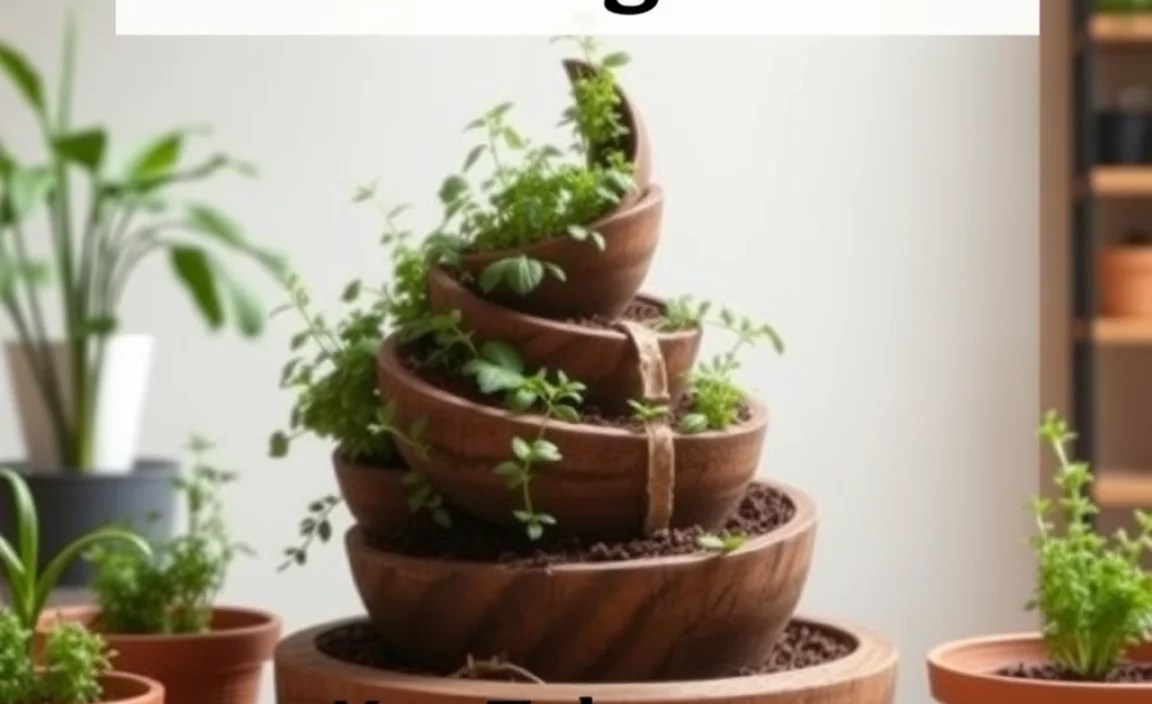
Key Takeaways
- An herb spiral garden is a creative and efficient way to grow many herbs.
- The spiral shape creates different growing conditions for various herbs.
- Building one helps you learn about plants and garden design.
- You can use the fresh herbs you grow in your cooking.
- It’s a fun and eco-friendly project for any garden.

What Is an Herb Spiral Garden?
An herb spiral garden is a garden shaped like a spiral. It rises from the ground like a snail shell. This design is not just for looks. The spiral shape creates different areas for different herbs. The top is dry and sunny. The bottom is moist and shady. This means you can grow many types of herbs in one small space. The spiral also helps with drainage. Water flows down, so the herbs at the bottom get enough water. Herbs like rosemary and thyme like dry soil. They can grow at the top. Herbs like mint and chives like wet soil. They can grow at the bottom. It’s like giving each herb its perfect home. You can build an herb spiral garden in your backyard. You can also build one in a container on your balcony.
- It looks like a snail shell.
- It has dry and wet areas.
- Many herbs can grow there.
- Water flows down the spiral.
- It can be big or small.
Building an herb spiral garden is a fun project. You can use bricks, stones, or even old tires. The most important thing is to make sure it drains well. You should also choose a sunny spot. Most herbs need at least six hours of sunlight each day. Once you have built your spiral, you can start planting. Choose herbs you like to cook with. You can also choose herbs that attract bees and butterflies. An herb spiral garden is not only useful, but it is also beautiful. It can add a special touch to your garden. Plus, you will always have fresh herbs on hand for your favorite recipes.
Fun Fact or Stat: Herb spiral gardens can increase herb yields by up to 30% compared to traditional flat gardens!
Why Build a Spiral Garden?
Have you ever wondered why some plants grow better in certain spots? An herb spiral garden helps answer that question. The spiral shape creates different microclimates. Microclimates are small areas with different temperatures and moisture levels. The top of the spiral is warm and dry. The bottom is cool and moist. This lets you grow herbs that like different conditions. For example, Mediterranean herbs like rosemary and thyme love the dry top. They get lots of sun and don’t like wet feet. Herbs like mint and parsley prefer the moist bottom. They like the shade and need more water. Building a spiral garden means you can grow more types of herbs in less space. It is like having a mini-ecosystem in your backyard.
What Materials Do You Need?
Imagine you are building a Lego castle. You need different kinds of bricks, right? Building an herb spiral garden is similar. You need materials to create the spiral walls. You can use bricks, stones, or even recycled materials like old tires or wooden pallets. You will also need soil. A mix of topsoil, compost, and sand works well. This mix helps with drainage and gives the herbs nutrients. You might also want to add some gravel or small stones at the bottom. This helps with drainage too. Don’t forget to gather your gardening tools. You will need a shovel, a trowel, and maybe a wheelbarrow. And of course, you will need the herbs themselves! Choose herbs that you like to use in your cooking.
Where Should You Put It?
Think of your herb spiral garden as a little sunbather. It needs a sunny spot to thrive. Most herbs need at least six hours of sunlight each day. Choose a location in your yard that gets plenty of sun. Also, think about water access. You will need to water your herbs regularly. Make sure the location is near a water source. You don’t want to lug heavy watering cans across the yard. Consider the soil too. If your soil is poor, you might need to amend it with compost. This will give your herbs a good start. Finally, think about how the spiral will look in your yard. You want it to be both functional and beautiful. Choose a spot that you will enjoy seeing every day.

Planning Your Herb Spiral Garden Design
Planning is key when designing your herb spiral garden. First, think about the size. How much space do you have? A small spiral can be just a few feet across. A large spiral can be several feet across. Consider how many herbs you want to grow. This will help you decide on the size. Next, think about the materials. Do you want to use bricks, stones, or something else? Bricks are easy to work with. Stones give a more natural look. Recycled materials are eco-friendly. Draw a sketch of your design. This will help you visualize the finished product. Mark where the dry and wet areas will be. This will help you choose the right herbs for each spot. Don’t forget to plan for drainage. Good drainage is essential for healthy herbs.
- Decide on the size of the spiral.
- Choose your building materials.
- Sketch out your design.
- Plan for dry and wet zones.
- Ensure good drainage.
- Consider adding a small pond at the base.
When planning your herb spiral garden, think about accessibility. Make sure you can easily reach all parts of the spiral. You don’t want to have to climb over it to harvest your herbs. Also, think about the aesthetics. How will the spiral look in your garden? Choose materials and herbs that complement your existing landscape. You can even add decorative elements like rocks or small statues. The goal is to create a garden that is both functional and beautiful. A well-planned herb spiral garden will be a source of joy for years to come. It will provide you with fresh herbs and add beauty to your outdoor space.
Fun Fact or Stat: The ideal height for an herb spiral is typically between 2 to 3 feet, allowing for easy access and optimal drainage.
Choosing the Right Location
Imagine you are setting up a lemonade stand. You would want to put it in a busy spot, right? The same is true for your herb spiral garden. Choose a location that gets plenty of sunlight. Most herbs need at least six hours of sun each day. A south-facing location is ideal. This will give your herbs the most sunlight. Also, consider the soil. Herbs like well-drained soil. If your soil is heavy clay, you might need to amend it with compost or sand. This will improve drainage. Finally, think about water access. You will need to water your herbs regularly. Choose a location that is near a water source. This will make watering easier.
Selecting Your Herbs
Choosing the right herbs for your herb spiral garden is like picking your favorite flavors for a pizza. You want a mix of herbs that you enjoy using in your cooking. Some popular choices include basil, mint, rosemary, thyme, and oregano. Consider the growing conditions that each herb prefers. Rosemary and thyme like dry, sunny conditions. They are perfect for the top of the spiral. Mint and parsley like moist, shady conditions. They are perfect for the bottom of the spiral. Don’t be afraid to experiment. Try growing some less common herbs like lemon balm or chamomile. You might discover a new favorite! Remember to give each herb enough space to grow. You don’t want them to be too crowded.
Building the Spiral Structure
Building the spiral structure is like building a fort. You need a strong foundation and sturdy walls. Start by marking out the area for your spiral. Use a rope or hose to create the spiral shape. Then, start building the walls. You can use bricks, stones, or recycled materials. Make sure the walls are stable. You don’t want them to collapse. As you build, fill the spiral with soil. Use a mix of topsoil, compost, and sand. This will provide good drainage and nutrients for your herbs. Gradually raise the height of the spiral. The top should be higher than the bottom. This will create the different growing zones. Take your time and have fun with it. Building a spiral garden is a rewarding project.

Building Your Herb Spiral Garden
Building your herb spiral garden is like putting together a puzzle. You start with the basic shape and then add the details. First, choose a sunny spot in your yard. Mark out the area where you want to build the spiral. A circle about four to six feet across is a good size for beginners. Next, gather your materials. You can use bricks, stones, or even recycled materials like old tires. Start building the walls of the spiral. Work your way up, creating a raised bed that curves around like a snail shell. Fill the inside with a mixture of topsoil, compost, and sand. This will provide good drainage and nutrients for your herbs. As you fill the spiral, create different levels. The top should be higher than the bottom. This will create different microclimates for different herbs.
- Choose a sunny spot.
- Mark out the area.
- Gather your materials.
- Build the spiral walls.
- Fill with soil and compost.
- Create different levels.
- Water the soil well.
Once you have built the basic structure of your herb spiral garden, it’s time to add the finishing touches. You can add rocks or stones to the walls to make them more stable. You can also add a small pond at the base of the spiral. This will create a moist environment for herbs that like wet conditions. Before you start planting, water the soil well. This will help it settle and prevent erosion. Now you are ready to plant your herbs. Choose herbs that are suited to the different microclimates in the spiral. Plant rosemary and thyme at the top, where it is dry and sunny. Plant mint and parsley at the bottom, where it is moist and shady. With a little care, your herb spiral garden will thrive.
Fun Fact or Stat: Using recycled materials in your herb spiral can reduce your carbon footprint by up to 50% compared to using new materials.
Preparing the Ground
Imagine you are getting ready to paint a picture. You need to prepare the canvas first, right? Preparing the ground for your herb spiral garden is similar. You need to make sure the soil is ready for planting. Start by clearing the area of any grass or weeds. Dig up the soil and remove any rocks or debris. If your soil is heavy clay, you might need to amend it with compost or sand. This will improve drainage. You can also add some fertilizer to give your herbs a good start. Rake the soil smooth and level. Now you are ready to start building your spiral.
Constructing the Walls
Building the walls of your herb spiral garden is like building a castle. You need to make sure the walls are strong and stable. You can use bricks, stones, or recycled materials like old tires. Start by laying the foundation of the walls. Make sure the foundation is level. Then, start stacking the bricks or stones. Use mortar to hold them together. If you are using recycled materials, make sure they are clean and safe. As you build the walls, curve them around in a spiral shape. Gradually raise the height of the spiral. The top should be higher than the bottom. This will create different microclimates for different herbs.
Filling the Spiral with Soil
Filling the spiral with soil is like filling a cake pan with batter. You need to make sure the soil is evenly distributed. Use a mixture of topsoil, compost, and sand. This will provide good drainage and nutrients for your herbs. Start by filling the bottom of the spiral. Then, gradually work your way up. As you fill the spiral, create different levels. The top should be higher than the bottom. This will create different microclimates for different herbs. Water the soil well after filling the spiral. This will help it settle and prevent erosion. Now you are ready to plant your herbs.

Choosing the Right Herbs for Your Spiral
Choosing the right herbs for your herb spiral garden is like picking the right players for a team. You want to choose herbs that will thrive in the different conditions of the spiral. The top of the spiral is dry and sunny. This is a good place for herbs like rosemary, thyme, and lavender. These herbs like well-drained soil and plenty of sunlight. The bottom of the spiral is moist and shady. This is a good place for herbs like mint, parsley, and chives. These herbs like moist soil and some shade. Consider the size of the herbs. Some herbs, like mint, can spread quickly. You might want to plant them in containers to keep them from taking over the spiral. Choose herbs that you enjoy using in your cooking. This will make your herb spiral garden both beautiful and useful.
- Rosemary loves the dry top.
- Thyme also likes it dry.
- Mint prefers the wet bottom.
- Parsley needs some shade.
- Chives like moist soil.
- Basil needs lots of sun.
| Herb | Sun Needs | Water Needs | Best Location in Spiral |
|---|---|---|---|
| Rosemary | Full Sun | Low | Top |
| Thyme | Full Sun | Low | Top |
| Mint | Partial Shade | High | Bottom |
| Parsley | Partial Shade | Medium | Bottom |
| Chives | Full Sun | Medium | Bottom |
When choosing herbs for your herb spiral garden, think about their growth habits. Some herbs are annuals. This means they only live for one growing season. Others are perennials. This means they come back year after year. Annual herbs include basil and cilantro. Perennial herbs include rosemary and thyme. You might want to plant a mix of annuals and perennials. This will ensure that you always have fresh herbs. Also, consider the color and texture of the herbs. Choose a mix of herbs that will create a visually appealing garden. You can even add some edible flowers like nasturtiums or pansies. An herb spiral garden is a great way to add beauty and flavor to your life.
Fun Fact or Stat: Planting companion herbs together can help deter pests naturally, reducing the need for pesticides.
Herbs for Dry, Sunny Areas
Imagine you are packing for a desert trip. You would bring sunscreen and a hat, right? Herbs that like dry, sunny areas are similar. They need protection from too much moisture. Rosemary is a great choice for the top of your herb spiral garden. It loves the sun and doesn’t need much water. Thyme is another good option. It is drought-tolerant and has a wonderful aroma. Lavender is also a good choice. It has beautiful flowers and a calming scent. These herbs are perfect for the dry, sunny conditions at the top of the spiral. They will thrive with minimal watering and plenty of sunlight.
Herbs for Moist, Shady Areas
Think about a cool, shady forest. What kind of plants would you find there? Herbs that like moist, shady areas are similar. They need protection from the hot sun. Mint is a classic choice for the bottom of your herb spiral garden. It loves moist soil and some shade. Parsley is another good option. It needs regular watering and protection from the afternoon sun. Chives also prefer moist soil and some shade. These herbs are perfect for the moist, shady conditions at the bottom of the spiral. They will thrive with regular watering and protection from the sun.
Combining Herbs for Pest Control
Imagine you are building a team of superheroes. Each hero has a special power, right? Combining herbs for pest control is similar. Some herbs have natural pest-repelling properties. Planting them together can help protect your garden from pests. For example, basil repels flies and mosquitoes. Planting it near tomatoes can help protect them from pests. Rosemary repels cabbage moths and bean beetles. Planting it near cabbage and beans can help protect them. Marigolds repel nematodes and other soil pests. Planting them throughout your garden can help keep pests away. Combining herbs for pest control is a natural and effective way to protect your garden.
Maintaining Your Herb Spiral Garden
Maintaining your herb spiral garden is like taking care of a pet. You need to give it regular attention to keep it healthy and happy. Water your herbs regularly, especially during dry spells. Check the soil moisture to see if they need water. Weed your garden regularly to prevent weeds from competing with your herbs. Add compost to the soil each year to replenish nutrients. Prune your herbs regularly to encourage growth. Remove any dead or diseased leaves. Harvest your herbs regularly to keep them producing. With a little care, your herb spiral garden will thrive and provide you with fresh herbs for years to come.
- Water herbs regularly.
- Weed the garden often.
- Add compost yearly.
- Prune herbs to grow well.
- Harvest herbs often.
- Check for pests and diseases.
- Mulch to keep soil moist.
When maintaining your herb spiral garden, pay attention to the specific needs of each herb. Some herbs, like rosemary, prefer dry conditions. Avoid overwatering them. Other herbs, like mint, prefer moist conditions. Water them regularly. Check your herbs regularly for pests and diseases. If you see any problems, take action quickly. You can use organic pest control methods to protect your herbs. Mulch around your herbs to help keep the soil moist and prevent weeds. With a little attention, your herb spiral garden will be a source of joy and fresh herbs for years to come. You can enjoy the beauty of the garden and the flavor of the herbs in your cooking.
Fun Fact or Stat: Regular pruning of herbs can increase their yield by up to 50% over the growing season.
Watering Your Herbs
Imagine you are giving your plants a drink. You want to give them just the right amount, right? Watering your herbs is similar. You need to water them regularly, but not too much. Check the soil moisture to see if they need water. If the soil is dry to the touch, it’s time to water. Water deeply, so the water reaches the roots. Avoid watering the leaves, as this can lead to disease. Water in the morning, so the leaves have time to dry before nightfall. With a little practice, you will learn how much water your herbs need.
Weeding Your Garden
Think about pulling weeds in your garden. It’s like cleaning up a messy room. You want to get rid of the things that don’t belong there, right? Weeding your herb spiral garden is similar. You need to remove any weeds that are competing with your herbs. Weeds can steal water and nutrients from your herbs. They can also spread diseases. Pull weeds by hand, making sure to get the roots. Use a hoe to cultivate the soil and remove small weeds. Weed your garden regularly to keep it healthy and productive.
Harvesting Your Herbs
Imagine you are picking ripe fruit from a tree. You want to choose the ones that are ready to eat, right? Harvesting your herbs is similar. You need to harvest them at the right time to get the best flavor. Harvest herbs in the morning, after the dew has dried. Use scissors or a knife to cut the stems. Harvest herbs regularly to encourage growth. You can use fresh herbs in your cooking or dry them for later use. Harvesting your herbs is a rewarding part of gardening. You get to enjoy the fruits (or herbs!) of your labor.
Troubleshooting Common Herb Spiral Problems
Even the best herb spiral garden can have problems. Knowing how to fix them will keep your garden healthy. One common problem is pests. Aphids, spider mites, and other insects can attack your herbs. Use organic pest control methods to get rid of them. Another problem is diseases. Powdery mildew and other fungal diseases can damage your herbs. Make sure your herbs have good air circulation. Avoid overwatering them. Poor drainage can also cause problems. If your soil is too wet, your herbs can rot. Make sure your soil drains well. Add compost or sand to improve drainage. With a little troubleshooting, you can keep your herb spiral garden healthy and productive.
- Watch for aphids.
- Look for spider mites.
- Prevent powdery mildew.
- Avoid root rot.
- Fix nutrient deficiencies.
- Protect from frost.
- Control weeds.
When troubleshooting problems in your herb spiral garden, start by identifying the cause. What is causing the problem? Once you know the cause, you can take action to fix it. If you are not sure what is causing the problem, ask a gardening expert for help. There are many resources available online and at your local garden center. Don’t be afraid to experiment. Sometimes the best way to solve a problem is to try different solutions until you find one that works. With a little patience and persistence, you can overcome any challenges and enjoy a thriving herb spiral garden. Remember that gardening is a learning process. Every problem is an opportunity to learn something new.
Fun Fact or Stat: Early detection and treatment of pests and diseases can prevent up to 80% of potential herb crop loss.
Dealing with Pests Organically
Imagine you are protecting your garden from invaders. You want to use natural methods, right? Dealing with pests organically is similar. You want to use methods that are safe for your herbs and the environment. One method is to attract beneficial insects. Ladybugs, lacewings, and other beneficial insects eat aphids and other pests. You can attract them by planting flowers that they like. Another method is to use insecticidal soap. Insecticidal soap is a natural pesticide that kills many common pests. You can also use neem oil. Neem oil is another natural pesticide that is effective against many pests. Dealing with pests organically is a safe and effective way to protect your garden.
Preventing Diseases
Think about staying healthy. You wash your hands and eat healthy food, right? Preventing diseases in your herb spiral garden is similar. You need to take steps to keep your herbs healthy and strong. One step is to provide good air circulation. Make sure your herbs are not too crowded. This will help prevent fungal diseases. Another step is to avoid overwatering. Overwatering can lead to root rot and other diseases. Water your herbs in the morning, so the leaves have time to dry before nightfall. You can also use a fungicide if necessary. Choose an organic fungicide that is safe for your herbs and the environment. Preventing diseases is an important part of maintaining a healthy garden.
Improving Drainage
Imagine you are building a sandcastle. You need to make sure the sand is not too wet or too dry, right? Improving drainage in your herb spiral garden is similar. You need to make sure the soil drains well. Poor drainage can lead to root rot and other problems. One way to improve drainage is to add compost or sand to the soil. Compost and sand help to loosen the soil and improve drainage. Another way to improve drainage is to raise the beds. Raised beds allow water to drain away from the roots of your herbs. You can also install a drainage system. A drainage system can help to remove excess water from the soil. Improving drainage is essential for a healthy garden.
Summary
An herb spiral garden is a fun and useful way to grow many herbs in a small space. Its spiral shape creates different areas for different herbs. Some herbs like it dry and sunny, while others like it wet and shady. You can build your own herb spiral garden using bricks, stones, or even recycled materials. Remember to choose a sunny spot and plan your design carefully. With a little care, your herb spiral garden will provide you with fresh herbs for cooking and add beauty to your garden.
Conclusion
Building an herb spiral garden is a rewarding project. You learn about plants. You get fresh herbs. You also create a beautiful garden feature. It’s a fun way to be eco-friendly. So, gather your materials and start building! You’ll enjoy the taste of fresh herbs. Your garden will look amazing. It’s a win-win!
Frequently Asked Questions
Question No 1: What is an herb spiral garden?
Answer: An herb spiral garden is a garden design shaped like a spiral. It’s a raised bed that curves upwards, creating different microclimates. The top is dry and sunny, perfect for herbs like rosemary and thyme. The bottom is moist and shady, ideal for herbs like mint and parsley. This design allows you to grow a variety of herbs in a small space. It’s also a beautiful and unique addition to any garden.
Question No 2: What are the benefits of an herb spiral garden?
Answer: There are many benefits to having an herb spiral garden. It maximizes space, allowing you to grow more herbs in a smaller area. The spiral shape creates different growing conditions, catering to various herbs’ needs. It’s also a visually appealing garden feature. Plus, you’ll have fresh herbs readily available for cooking. It is also a great way to learn about gardening and plant care.
Question No 3: What materials do I need to build an herb spiral garden?
Answer: You’ll need materials to build the walls of the spiral. Bricks, stones, or recycled materials like old tires or wooden pallets work well. You’ll also need soil, compost, and sand to fill the spiral. Gardening tools like a shovel, trowel, and wheelbarrow will be helpful. Of course, you’ll need the herbs you want to plant. Choose herbs that you enjoy using in your cooking and that are suited to the different microclimates in the spiral. With these materials, you can make your own herb spiral garden.
Question No 4: How do I choose the right herbs for my spiral?
Answer: Consider the growing conditions each herb prefers. Rosemary and thyme like dry, sunny conditions. Mint and parsley like moist, shady conditions. Plant them accordingly in your herb spiral garden. Also, think about the size of the herbs and their growth habits. Some herbs spread quickly, so you might want to plant them in containers. Choose herbs that you enjoy using in your cooking to make the most of your garden. You can even add some edible flowers for extra color and flavor.
Question No 5: How do I maintain an herb spiral garden?
Answer: Water your herbs regularly, especially during dry spells. Weed your garden regularly to prevent weeds from competing with your herbs. Add compost to the soil each year to replenish nutrients. Prune your herbs regularly to encourage growth. Harvest your herbs often to keep them producing. Check for pests and diseases and take action quickly if you see any problems. With regular care, your herb spiral garden will thrive and provide you with fresh herbs for years to come.
Question No 6: What are some common problems with herb spiral gardens and how do I fix them?
Answer: Common problems include pests, diseases, and poor drainage. Use organic pest control methods to get rid of pests. Ensure good air circulation and avoid overwatering to prevent diseases. Improve drainage by adding compost or sand to the soil. If you see any problems, identify the cause and take action quickly. Don’t be afraid to ask for help from a gardening expert. With a little troubleshooting, you can keep your herb spiral garden healthy and productive.
