Have you ever smelled fresh basil? Maybe you want to grow your own food. Herbs gardening for beginners is easier than you think! You can have tasty herbs right outside your door. Let’s learn how to start your own herb garden.
Growing herbs is fun and rewarding. Fresh herbs make your food taste better. You can even make teas with them. Are you ready to start?
Starting a herb garden doesn’t need lots of space. You can use pots on a balcony. A small patch in your yard also works great. Let’s discover the joys of herbs gardening for beginners!
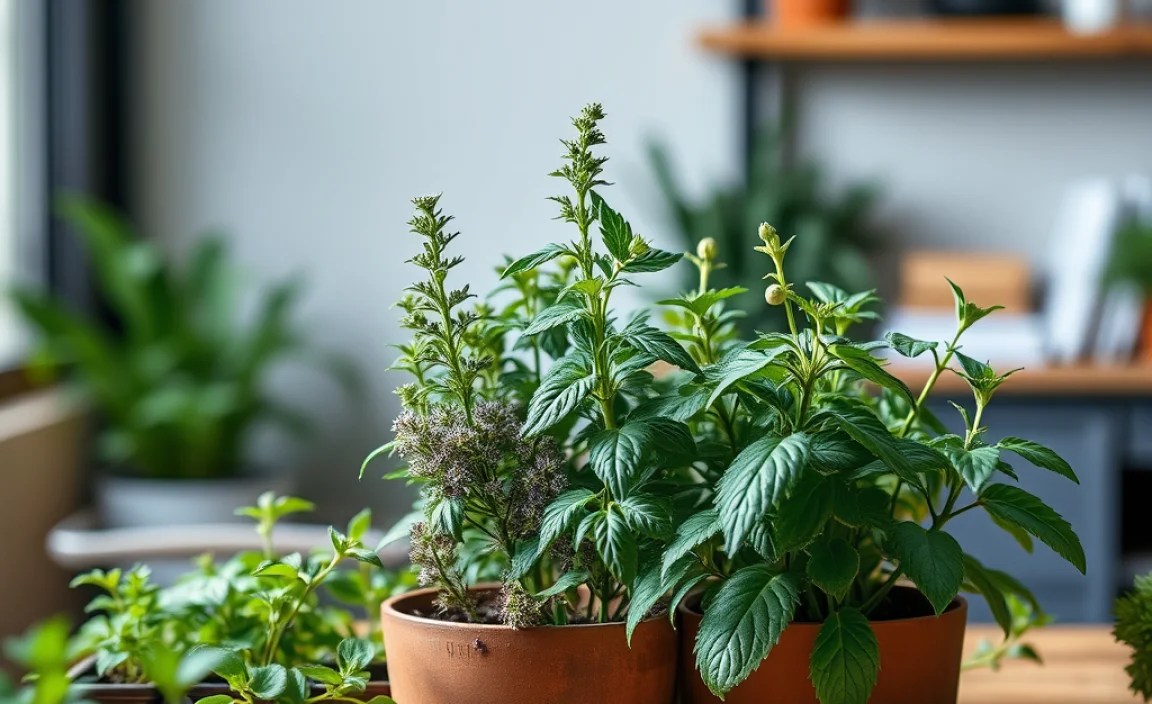
Key Takeaways
- Herbs gardening for beginners is simple and brings fresh flavors to your kitchen.
- Choose a sunny spot with good soil for your herb garden to thrive.
- Water your herbs regularly, but avoid overwatering to prevent root rot.
- Start with easy-to-grow herbs like basil, mint, and chives for success.
- Harvest your herbs often to encourage growth and enjoy their delicious flavors.

Easy Herbs Gardening For Beginners
Starting your own herb garden can be exciting. It’s like having a mini-farm right at home. But where do you begin? The most important step is choosing the right herbs. Some herbs are easier to grow than others. Basil, mint, and chives are great choices. They are very forgiving and grow quickly. You also need to think about where you will plant them. Most herbs like lots of sunshine. Find a spot in your yard or on your balcony that gets at least six hours of sun each day. Good soil is also important. You can buy special potting mix for herbs. This will help them grow strong roots. Remember, herbs gardening for beginners should be fun. Don’t be afraid to experiment and learn as you go!
- Choose easy herbs like basil and mint.
- Find a sunny spot for your garden.
- Use good quality potting mix.
- Water your herbs regularly.
- Harvest your herbs often.
Once you have your herbs, soil, and sunny spot, it’s time to plant. Gently remove the herbs from their containers. Loosen the roots a little bit. Dig a small hole in the soil and place the herb in the hole. Cover the roots with soil and pat it down gently. Water the herbs right away. Make sure the soil stays moist, but not too wet. Overwatering can cause problems. As your herbs grow, you can start harvesting them. Simply snip off the leaves you need. This will encourage the plant to grow even more. Watching your herbs grow is very rewarding. You’ll have fresh herbs to use in your cooking all season long. Herbs gardening for beginners opens up a world of flavor.
Fun Fact or Stat: Mint can spread very quickly, so it’s best to grow it in a pot to keep it contained!
Which Herbs Are Easiest to Grow?
Have you ever wondered which herbs are the easiest to grow? Some herbs are more forgiving than others. Basil is a great choice for beginners. It grows quickly and is very versatile. You can use it in many dishes. Mint is another easy herb to grow. It has a refreshing flavor and is perfect for teas. Chives are also very easy. They have a mild onion flavor and are great in salads. These herbs are all very low-maintenance. They don’t need a lot of special care. Just make sure they get enough sunlight and water. When starting with herbs gardening for beginners, choosing the right plants can make all the difference. You will have fresh herbs in no time.
What Kind of Soil Do Herbs Need?
The kind of soil you use matters a lot. Herbs need soil that drains well. This means the water doesn’t sit in the soil. Soggy soil can cause the roots to rot. You can buy special potting mix for herbs. This mix is designed to drain well. You can also add some perlite to your soil. Perlite helps with drainage. If you are planting herbs in the ground, make sure the soil is loose and not compacted. You can add some compost to the soil. Compost helps to improve drainage and adds nutrients. Healthy soil will help your herbs grow strong and healthy. Good soil is essential for herbs gardening for beginners.
How Much Sun Do Herbs Need?
Sunlight is like food for herbs. Most herbs need at least six hours of sunlight each day. A sunny windowsill can work well. If you don’t have a sunny spot, you can use grow lights. Grow lights can provide the light your herbs need. Place your herbs in the sunniest spot you can find. Rotate the pots regularly. This will help the herbs grow evenly. If the leaves start to turn yellow, it might mean they are not getting enough sunlight. Make sure your herbs get enough sunlight for healthy growth. Understanding sunlight is key for herbs gardening for beginners.

Starting Your Herbs Garden: A Beginner’s Guide
Starting a herb garden can be an adventure. Imagine stepping outside to pick fresh herbs for dinner. It’s a simple pleasure that anyone can enjoy. The first step is planning your garden. Think about which herbs you use most often. Do you love basil in your pasta? Or maybe you enjoy mint in your tea? Choose herbs that you will actually use. Next, consider the space you have available. You don’t need a huge yard to grow herbs. A few pots on a balcony or windowsill will do. Make sure your herbs get enough sunlight. Most herbs need at least six hours of sun each day. With a little planning, herbs gardening for beginners can be easy and fun. You’ll have fresh herbs in no time.
- Plan your garden carefully.
- Choose herbs you will use.
- Consider the space you have.
- Ensure enough sunlight.
- Start small and expand later.
- Use the right containers.
Once you have your plan, it’s time to gather your supplies. You’ll need pots, soil, and of course, herb plants. You can buy herb plants at your local garden center. Or, you can start them from seeds. Starting from seeds takes longer, but it can be more rewarding. Choose a good quality potting mix for your herbs. Avoid using soil from your garden, as it may contain pests or diseases. Fill your pots with the potting mix and plant your herbs. Water them gently and place them in a sunny spot. Remember to check the soil regularly and water when it feels dry. With a little care, your herb garden will thrive. Herbs gardening for beginners is a journey, enjoy the process.
Fun Fact or Stat: Basil is said to attract bees, which are important for pollinating other plants in your garden!
What Tools Do You Need?
Do you need special tools for herbs gardening for beginners? The answer is no, not really. You can start with just a few basic tools. A small trowel is useful for digging holes. A watering can helps you water your plants gently. A pair of scissors is handy for harvesting herbs. You might also want to get some gardening gloves. Gloves will protect your hands from dirt and thorns. As you get more into gardening, you can add more tools to your collection. But to start, simple tools are all you need. With these basic tools, you’ll be ready to plant your herb garden. Remember, gardening is about enjoying the process.
How Often Should You Water Herbs?
Watering is important for healthy herbs. How often should you water them? It depends on the weather and the type of herb. In general, you should water your herbs when the soil feels dry to the touch. Stick your finger into the soil to check. If the top inch of soil is dry, it’s time to water. Water deeply, until the water drains out of the bottom of the pot. Avoid overwatering, as this can cause root rot. During hot weather, you may need to water more often. During cooler weather, you may need to water less often. Pay attention to your plants and adjust your watering schedule as needed. Consistent watering is essential for herbs gardening for beginners.
How Do You Harvest Herbs?
Harvesting herbs is the best part of gardening. It means you get to enjoy the fruits of your labor. When harvesting herbs, use a pair of scissors or pruning shears. Cut the stems just above a set of leaves. This will encourage the plant to grow more leaves. Harvest herbs in the morning, after the dew has dried. This is when the herbs are most flavorful. Don’t harvest more than one-third of the plant at a time. This will give the plant time to recover. Regular harvesting will encourage your herbs to grow bushier. Enjoy the fresh flavors of your home-grown herbs. Learning to harvest is crucial for herbs gardening for beginners.

Choosing The Right Herbs For Your Garden
Choosing the right herbs is important for success. Not all herbs are created equal. Some herbs are easier to grow than others. Some herbs prefer sun, while others prefer shade. Think about your climate and growing conditions. Choose herbs that will thrive in your area. Basil, mint, and chives are great choices for beginners. They are very adaptable and easy to care for. Rosemary and thyme are also good options. They are drought-tolerant and can handle full sun. Avoid herbs that are known to be difficult to grow. These might include lavender and chamomile. With careful planning, herbs gardening for beginners can be a rewarding experience. You’ll have fresh herbs to enjoy all season long.
- Consider your climate and growing conditions.
- Choose easy-to-grow herbs.
- Start with a few herbs and expand later.
- Read the plant labels carefully.
- Ask for advice at your local garden center.
Before you buy any herbs, do some research. Learn about the specific needs of each herb. How much sun does it need? How often should you water it? What kind of soil does it prefer? This information will help you choose the right herbs for your garden. Pay attention to the plant labels. The labels will tell you important information about the herb. If you’re not sure which herbs to choose, ask for advice at your local garden center. The staff can help you select herbs that will thrive in your area. With a little research, you can create a successful herb garden. Herbs gardening for beginners becomes easier with knowledge.
Fun Fact or Stat: Some herbs, like rosemary, are believed to have memory-boosting properties!
What Are the Best Herbs for Cooking?
Many herbs can enhance your cooking. Which ones are the best? Basil is a classic choice for Italian dishes. It pairs well with tomatoes and cheese. Mint is great in teas and desserts. It adds a refreshing flavor to drinks. Chives have a mild onion flavor. They are perfect for salads and omelets. Rosemary is a flavorful herb for meats and roasted vegetables. Thyme adds a warm, earthy flavor to soups and stews. Experiment with different herbs to find your favorites. Fresh herbs can elevate any dish. Exploring culinary herbs is a fun part of herbs gardening for beginners.
What Are the Best Herbs for Tea?
Herbal teas are a delicious and healthy treat. Which herbs make the best teas? Mint is a classic choice for tea. It has a refreshing and calming effect. Chamomile is another popular tea herb. It is known for its relaxing properties. Lemon balm has a citrusy flavor. It is great for relieving stress. Lavender can also be used in tea. It has a floral aroma and can help you sleep. Experiment with different herbs to create your own tea blends. Growing your own tea herbs is a rewarding experience. Enjoy the soothing benefits of herbal tea. Making tea is a great reward for herbs gardening for beginners.
What Are the Best Herbs for Beginners?
Starting a herb garden can be overwhelming. Which herbs should you choose? Basil, mint, and chives are excellent choices for beginners. They are easy to grow and very versatile. Oregano is another good option. It is drought-tolerant and can handle full sun. Thyme is also a low-maintenance herb. It adds a delicious flavor to many dishes. These herbs are all very forgiving and don’t require a lot of special care. Start with these easy herbs and expand your garden as you gain experience. Success with easy herbs encourages further herbs gardening for beginners.

How to Plant Your First Herb Garden
Planting your first herb garden is an exciting step. It’s like starting a new adventure. The first thing you need to do is choose a location. Pick a spot that gets plenty of sunlight. Most herbs need at least six hours of sun each day. Next, prepare the soil. Make sure the soil is loose and well-draining. You can add some compost to improve the soil. Now it’s time to plant your herbs. Dig a small hole for each plant. Gently remove the plant from its container. Place the plant in the hole and cover the roots with soil. Water the plants thoroughly. Herbs gardening for beginners is all about learning by doing. Don’t be afraid to make mistakes, and enjoy the process.
- Choose a sunny location.
- Prepare the soil properly.
- Dig small holes for each plant.
- Gently remove plants from containers.
- Water the plants thoroughly.
- Label each herb clearly.
After planting, it’s important to label your herbs. This will help you remember what you planted and where. You can use plant markers or even small stones with the herb names written on them. Water your herbs regularly, especially during dry weather. Avoid overwatering, as this can lead to root rot. As your herbs grow, you can start harvesting them. Snip off the leaves you need with scissors or pruning shears. Regular harvesting will encourage the plants to grow bushier. With a little care and attention, your herb garden will thrive. The joy of herbs gardening for beginners grows with each new leaf.
Fun Fact or Stat: Some herbs, like lavender, are known for their calming and relaxing scent!
How Deep Should You Plant Herbs?
Planting depth is important for healthy herbs. You should plant herbs at the same depth they were in their original containers. Dig a hole that is just big enough to accommodate the root ball. Gently remove the plant from its container. Loosen the roots a little bit before planting. Place the plant in the hole and cover the roots with soil. Pat the soil down gently. Avoid planting herbs too deep, as this can suffocate the roots. Proper planting depth is essential for herbs gardening for beginners. It ensures the plants get off to a good start.
What Kind of Containers Should You Use?
Containers are important for growing herbs in pots. Choose containers that are large enough for the herbs to grow. The containers should also have drainage holes. This will prevent the soil from becoming waterlogged. You can use plastic pots, clay pots, or even recycled containers. Make sure the containers are clean before you use them. Fill the containers with a good quality potting mix. Avoid using soil from your garden, as it may contain pests or diseases. The right containers contribute to successful herbs gardening for beginners.
How Do You Protect Herbs From Pests?
Pests can be a problem in herb gardens. How do you protect your herbs from pests? One way is to inspect your plants regularly. Look for signs of pests, such as holes in the leaves or sticky residue. If you find pests, you can try washing them off with water. You can also use insecticidal soap to control pests. Avoid using harsh chemicals, as these can harm your plants. Another way to prevent pests is to attract beneficial insects to your garden. Ladybugs and lacewings are natural predators of many pests. Protecting your herbs keeps herbs gardening for beginners rewarding.
Caring For Your Herbs: Tips and Tricks
Caring for your herbs is key to a thriving garden. Regular watering is essential. Check the soil often and water when it feels dry. Avoid overwatering, as this can cause root rot. Fertilizing your herbs will help them grow strong. Use a balanced fertilizer or compost tea. Pruning your herbs will encourage them to grow bushier. Snip off the tips of the stems regularly. Watch out for pests and diseases. Inspect your plants often and take action if you see any problems. With a little care and attention, your herb garden will flourish. Herbs gardening for beginners becomes easier with good habits.
- Water your herbs regularly.
- Fertilize your herbs occasionally.
- Prune your herbs to encourage growth.
- Watch out for pests and diseases.
- Harvest your herbs often.
Harvesting your herbs regularly is important. This will encourage the plants to produce more leaves. Simply snip off the leaves you need with scissors or pruning shears. Use your fresh herbs in your cooking or dry them for later use. Drying herbs is easy. Simply tie them in bunches and hang them upside down in a cool, dry place. Once the herbs are dry, you can store them in airtight containers. With proper care, your herb garden will provide you with fresh herbs all season long. The rewards of herbs gardening for beginners are continuous.
Fun Fact or Stat: Some herbs, like peppermint, can help to relieve headaches!
How Do You Dry Herbs?
Drying herbs is a great way to preserve them. There are several ways to dry herbs. One way is to tie them in bunches and hang them upside down in a cool, dry place. Another way is to use a dehydrator. A dehydrator will dry the herbs quickly and evenly. You can also dry herbs in the oven. Spread the herbs on a baking sheet and bake them at a low temperature. Make sure the herbs are completely dry before you store them. Store dried herbs in airtight containers in a cool, dark place. Preserving the harvest makes herbs gardening for beginners even better.
How Do You Store Fresh Herbs?
Storing fresh herbs properly will keep them fresh longer. One way to store fresh herbs is to wrap them in a damp paper towel and place them in a plastic bag. You can also store fresh herbs in a glass of water. Trim the stems and place the herbs in a glass of water like you would flowers. Cover the herbs with a plastic bag and store them in the refrigerator. Change the water every day or two. Another way to store fresh herbs is to freeze them. Chop the herbs and place them in ice cube trays. Fill the trays with water or olive oil and freeze them. Storing herbs correctly supports herbs gardening for beginners.
How Do You Propagate Herbs?
Propagating herbs is a way to create new plants from existing ones. One way to propagate herbs is to take stem cuttings. Cut a stem from a healthy plant and remove the lower leaves. Place the cutting in a glass of water. Roots will start to grow in a few weeks. Once the roots are long enough, you can plant the cutting in a pot of soil. Another way to propagate herbs is to divide them. Dig up a mature plant and carefully divide the roots. Plant the divided plants in separate pots. Propagating herbs expands the possibilities for herbs gardening for beginners.
Troubleshooting Common Herb Gardening Problems
Even experienced gardeners face problems. What happens if your herbs aren’t thriving? Yellow leaves could mean overwatering or nutrient deficiency. Check the soil moisture and adjust watering. Add fertilizer if needed. Pests can also cause problems. Inspect your plants for aphids, spider mites, or other pests. Use insecticidal soap or neem oil to control them. Diseases can also affect herbs. Look for spots or discoloration on the leaves. Remove any affected leaves and improve air circulation. Don’t give up! Herbs gardening for beginners includes learning from mistakes.
- Identify the problem quickly.
- Check soil moisture and nutrients.
- Inspect for pests and diseases.
- Adjust watering and fertilizing.
- Remove affected leaves or plants.
Sometimes, herbs just don’t grow well in certain locations. Consider the amount of sunlight your herbs are getting. Most herbs need at least six hours of sunlight per day. If your herbs aren’t getting enough sun, move them to a sunnier spot. Also, think about the soil. Herbs need well-draining soil. If your soil is heavy or compacted, amend it with compost or other organic matter. Remember, herbs gardening for beginners is a learning process. Don’t be afraid to experiment and find what works best for you.
Fun Fact or Stat: Some herbs, like cilantro, are known for their unique flavor that some people love while others dislike!
Why Are My Herb Leaves Turning Yellow?
Yellow leaves are a common problem. Why are your herb leaves turning yellow? Overwatering is a common cause. Too much water can suffocate the roots and cause the leaves to turn yellow. Underwatering can also cause yellow leaves. If the soil is dry, your herbs may need more water. Nutrient deficiency can also cause yellow leaves. Add fertilizer to provide the nutrients your herbs need. Pests or diseases can also cause yellow leaves. Inspect your plants for any signs of pests or diseases. Identifying the cause helps with herbs gardening for beginners.
Why Are My Herbs Not Growing?
It can be frustrating when herbs don’t grow. Why aren’t your herbs growing? Lack of sunlight is a common reason. Most herbs need at least six hours of sunlight per day. Poor soil can also hinder growth. Make sure your soil is well-draining and rich in nutrients. Overwatering or underwatering can also affect growth. Adjust your watering schedule as needed. Pests or diseases can also stunt growth. Inspect your plants for any signs of problems. Troubleshooting is a part of herbs gardening for beginners.
Why Are There Holes in My Herb Leaves?
Holes in the leaves are often caused by pests. Which pests are causing the holes? Caterpillars, slugs, and snails are common culprits. Inspect your plants for these pests. Handpick them off the plants or use organic pest control methods. You can also use row covers to protect your plants from pests. Another cause of holes in the leaves could be nutrient deficiencies. Make sure your herbs are getting the nutrients they need. Addressing pests helps maintain successful herbs gardening for beginners.
Herb Garden Table
| Herb | Sunlight | Watering | Soil | Uses |
|---|---|---|---|---|
| Basil | 6-8 hours | Regularly | Well-draining | Italian dishes |
| Mint | 4-6 hours | Regularly | Moist | Tea, desserts |
| Chives | 6-8 hours | Regularly | Well-draining | Salads, omelets |
| Rosemary | 6-8 hours | Drought-tolerant | Well-draining | Meats, vegetables |
| Thyme | 6-8 hours | Drought-tolerant | Well-draining | Soups, stews |
Summary
Herbs gardening for beginners is a fun and rewarding activity. You can grow your own fresh herbs at home. Choose easy-to-grow herbs like basil, mint, and chives. Make sure your herbs get enough sunlight and water. Use a good quality potting mix. Harvest your herbs regularly to encourage growth. Watch out for pests and diseases. With a little care and attention, your herb garden will thrive. You’ll have fresh herbs to use in your cooking all season long. Don’t be afraid to experiment and learn as you go. Gardening is a journey, enjoy the process. Growing your own herbs brings fresh flavors to your kitchen.
Conclusion
Starting a herb garden is a simple way to add flavor to your life. You can grow fresh herbs in pots or in the ground. Choose herbs you like to use in your cooking. Give them plenty of sunlight and water. With a little effort, you can enjoy fresh herbs all season long. Herbs gardening for beginners is a skill you can use for years. So, grab your trowel and start planting!
Frequently Asked Questions
Question No 1: What are the easiest herbs to grow for beginners?
Answer: Basil, mint, and chives are some of the easiest herbs to grow. They are very forgiving and can tolerate a wide range of conditions. Basil is great for Italian dishes. Mint is refreshing in teas and desserts. Chives add a mild onion flavor to salads and omelets. These herbs are all very low-maintenance and don’t require a lot of special care. If you’re just starting out with herbs gardening for beginners, these are great choices to begin with. You’ll have fresh herbs in no time!
Question No 2: How much sunlight do herbs need?
Answer: Most herbs need at least six hours of sunlight each day. A sunny windowsill or balcony is a great place to grow herbs. If you don’t have a sunny spot, you can use grow lights. Grow lights can provide the light your herbs need to thrive. Place your herbs in the sunniest spot you can find and rotate the pots regularly. This will help the herbs grow evenly. If the leaves start to turn yellow, it might mean they are not getting enough sunlight. So, ensure ample sunlight for successful herbs gardening for beginners. Sunlight is like food for herbs.
Question No 3: How often should I water my herbs?
Answer: How often you should water your herbs depends on several factors. The type of herb, the weather, and the type of soil all play a role. In general, you should water your herbs when the soil feels dry to the touch. Stick your finger into the soil to check. If the top inch of soil is dry, it’s time to water. Water deeply, until the water drains out of the bottom of the pot. Avoid overwatering, as this can cause root rot. During hot weather, you may need to water more often. Adjusting watering is key for herbs gardening for beginners.
Question No 4: What kind of soil should I use for my herb garden?
Answer: The kind of soil you use matters a lot for your herbs. Herbs need soil that drains well. This means the water doesn’t sit in the soil. Soggy soil can cause the roots to rot. You can buy special potting mix for herbs. This mix is designed to drain well. You can also add some perlite to your soil. Perlite helps with drainage. If you are planting herbs in the ground, make sure the soil is loose and not compacted. With the right soil, you can ensure herbs gardening for beginners is a success. You can add some compost to the soil.
Question No 5: How do I harvest herbs?
Answer: Harvesting herbs is easy and rewarding. Use a pair of scissors or pruning shears to snip off the leaves you need. Cut the stems just above a set of leaves. This will encourage the plant to grow more leaves. Harvest herbs in the morning, after the dew has dried. This is when the herbs are most flavorful. Don’t harvest more than one-third of the plant at a time. This will give the plant time to recover. Enjoy the fresh flavors of your home-grown herbs. Regular harvesting is important for herbs gardening for beginners.
Question No 6: How do I dry herbs?
Answer: Drying herbs is a great way to preserve them so you can use them later. One way to dry herbs is to tie them in bunches and hang them upside down in a cool, dry place. Another way is to use a dehydrator. A dehydrator will dry the herbs quickly and evenly. You can also dry herbs in the oven. Spread the herbs on a baking sheet and bake them at a low temperature. Make sure the herbs are completely dry before you store them. Store dried herbs in airtight containers in a cool, dark place. Preserving your harvest is a satisfying aspect of herbs gardening for beginners.
