Did you ever see a fly buzzing around your room? Flies can be annoying. They can also spread germs. Making a homemade fly trap indoors is a simple solution. You can keep your home clean. It is also a fun project.
Do you know what is even cooler? You can make a fly trap. You probably have the things you need already. Let’s learn how to make your own. This will help keep those pesky flies away.
Imagine a kitchen with no flies buzzing around. That sounds nice, right? A homemade fly trap indoors can help. It is easy to make. It is also a safe way to catch flies. Let’s find out how!
Key Takeaways
- Homemade fly traps indoors are easy to make and very effective at catching flies.
- You can use simple items like vinegar, sugar, and dish soap to make a trap.
- Placing traps near common fly areas will help catch more flies quickly.
- Regularly clean and replace your traps to keep them working well.
- Making a homemade fly trap is a safe way to control flies without chemicals.
Easy Steps for a Homemade Fly Trap Indoors

Making a homemade fly trap indoors doesn’t have to be hard. In fact, it can be quite simple. You will need a few items. These include a plastic bottle, some sugar, and vinegar. Dish soap is also helpful. First, cut the top off the plastic bottle. Then, flip the top upside down. Place it inside the bottom part of the bottle. This creates a funnel. Next, mix sugar and vinegar. Add a drop of dish soap. The sugar and vinegar attract flies. The dish soap breaks the surface tension. This causes the flies to drown. Pour the mixture into the bottle. Make sure the liquid level is below the funnel’s opening. Now, place your trap where you see flies. You will start catching flies in no time.
- Cut the top off a plastic bottle.
- Invert the top into the bottle to form a funnel.
- Mix sugar and vinegar.
- Add a drop of dish soap.
- Pour the mixture into the trap.
- Place the trap where flies are present.
A homemade fly trap indoors is a great way to get rid of flies. It is also inexpensive. You can reuse plastic bottles. This helps the environment too. Remember to check your trap often. Clean it out when it gets full. Replace the sugar and vinegar mixture regularly. This keeps it effective. If you have lots of flies, make several traps. Place them around your home. You can put them near windows or doors. Also, put them near where you eat. Keep your home clean. This will also help keep flies away. Making your own fly traps is easy and fun.
Fun Fact or Stat: Did you know a single female fly can lay up to 500 eggs in her lifetime?
What Kind of Bottle Works Best?
When making a homemade fly trap indoors, the type of bottle matters. A clear plastic bottle works best. This allows light to shine through. The light attracts the flies. Bottles that are 16 to 20 ounces are a good size. They are not too big or too small. You can also use larger bottles. Just make sure they are stable. Soda bottles and water bottles both work well. Avoid using bottles with strange shapes. These can be hard to cut and invert. Clean the bottle before you start. This removes any sticky residue. A clean bottle is more effective. It won’t scare away the flies. Remember, the goal is to lure the flies in. A good bottle will help you do that. So, choose your bottle carefully.
How Much Sugar and Vinegar Do I Need?
Getting the right mix of sugar and vinegar is important. It makes your homemade fly trap indoors work better. A good ratio is about two tablespoons of sugar. Use about one cup of vinegar. You can use white vinegar or apple cider vinegar. Apple cider vinegar sometimes works better. It has a stronger smell that attracts flies. If you don’t have vinegar, you can use old fruit juice. Mix the sugar and vinegar well. Make sure the sugar dissolves. You don’t want any sugar chunks. These can block the funnel. Add just one drop of dish soap. Too much soap can scare the flies away. The sugar attracts them, and the vinegar keeps them coming. The soap helps trap them. Experiment with the amounts. See what works best for you.
Where Should I Place the Fly Trap?
Where you put your homemade fly trap indoors is very important. It affects how many flies you catch. Place the trap where you see the most flies. Common places are near windows and doors. Kitchens are also popular spots for flies. Put the trap on a counter or near the sink. If you have fruit flies, put it near your fruit bowl. Keep the trap away from children and pets. You don’t want them to get into it. Check the trap every day. See how many flies you are catching. If you are not catching many, move it. Try a different location. Sometimes, a small change can make a big difference. The right spot will help you get rid of those pesky flies.
Vinegar Fly Trap: A Simple Solution
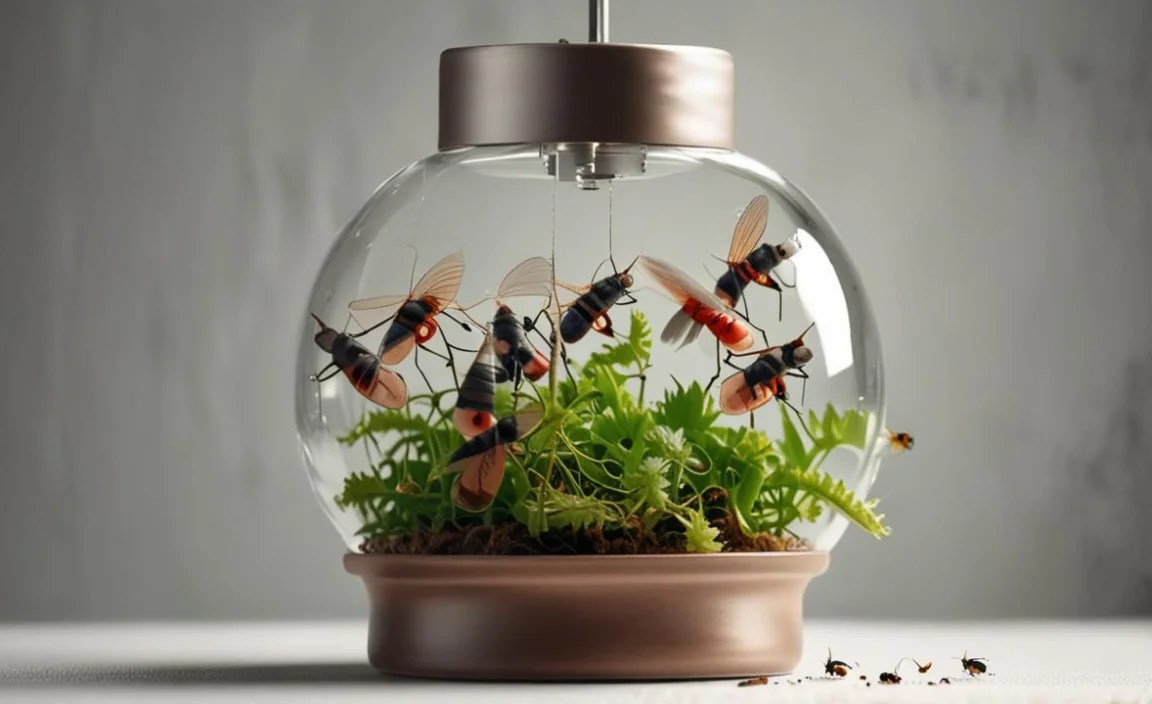
A vinegar fly trap is a very simple way to get rid of flies. It is a great homemade fly trap indoors. You only need a few things. You’ll need apple cider vinegar, a jar, and some plastic wrap. First, pour some apple cider vinegar into the jar. You only need a little bit. Next, cover the jar with plastic wrap. Make sure it is tight. Then, poke small holes in the plastic wrap. The flies can get in, but they can’t get out. The smell of the vinegar attracts them. Once they are inside, they get trapped. They can’t find their way back out. This method is very effective. It is also safe and easy to make. Replace the vinegar every few days. This keeps it fresh and attractive to flies. You will be amazed at how many flies you catch with this simple trap.
- Pour apple cider vinegar into a jar.
- Cover the jar with plastic wrap.
- Poke small holes in the plastic wrap.
- Place the trap where flies are common.
- Replace the vinegar every few days.
Using a vinegar fly trap is a great way to control flies. It is a natural and safe method. You don’t have to use harmful chemicals. This is important if you have kids or pets. It is also good for the environment. A homemade fly trap indoors is a smart choice. It is also very affordable. You probably already have the things you need. You can also experiment with different types of vinegar. Some people find that balsamic vinegar works well. Others prefer white vinegar. See what works best in your home. The key is to keep the trap clean and fresh. This will keep attracting flies. You will have a fly-free home in no time.
Fun Fact or Stat: Apple cider vinegar is not only for fly traps! It can also be used in cooking and as a natural cleaner.
Why Does Apple Cider Vinegar Work Best?
Apple cider vinegar is a top choice for fly traps. But why does it work so well? It has a strong, sweet smell. This smell is very attractive to flies. They are drawn to it like a magnet. White vinegar can also work. But apple cider vinegar is often more effective. It has extra sugars and acids. These make it even more appealing to flies. The fermentation process also adds to its allure. Flies are attracted to things that are fermenting. This is because they often lay their eggs in these substances. So, when they smell apple cider vinegar, they think they have found a good place to eat and lay eggs. This makes your homemade fly trap indoors even more successful.
How Big Should the Holes Be in the Plastic Wrap?
The size of the holes in your plastic wrap is important. It affects how well your trap works. If the holes are too big, the flies can escape. If they are too small, the flies can’t get in. The goal is to make the holes just right. A good size is about the diameter of a pencil tip. This is big enough for the flies to enter. But it is small enough to make it hard for them to find their way out. Use a toothpick or a small pin to make the holes. Be careful not to tear the plastic wrap. You want the holes to be clean and round. Space the holes about an inch apart. This gives the flies plenty of opportunities to enter. Remember, a well-made trap is a successful trap. So, take your time and make the holes the right size.
Can I Use This Method for Fruit Flies?
Yes, the vinegar trap is great for fruit flies. Fruit flies are small and annoying. They love to hang around fruit bowls. They also like ripe or rotting fruits and veggies. This trap works wonders on them. The apple cider vinegar attracts them. They can’t resist the sweet, fermented smell. Place the trap near your fruit bowl. Or put it near any place where you see fruit flies. You can also add a small piece of fruit to the vinegar. This makes it even more attractive. Change the vinegar every few days. This keeps it fresh and effective. You will see a big drop in the number of fruit flies. Your kitchen will be much more pleasant. A homemade fly trap indoors like this is a simple, safe way to control fruit flies.
Sugar Water Fly Trap: A Sweet Solution

A sugar water fly trap is another excellent homemade fly trap indoors. It’s easy to create and uses ingredients you likely have. You’ll need a jar or container, sugar, water, and dish soap. Mix sugar and water in the jar. Use about two tablespoons of sugar per cup of water. Stir until the sugar dissolves. Add a drop or two of dish soap. The soap is important. It breaks the surface tension of the water. This prevents the flies from just landing on the surface and flying away. Instead, they sink and get trapped. Place the trap in areas where you see flies. This could be near windows, doors, or in the kitchen. The sweet smell of the sugar water attracts the flies. They fly into the trap and get stuck. This is a simple, effective, and safe way to control flies in your home.
- Mix sugar and water in a jar.
- Add a drop or two of dish soap.
- Stir until the sugar dissolves.
- Place the trap in fly-prone areas.
- Replace the mixture every few days.
Using a sugar water fly trap is a great way to manage flies. It is a natural solution. You can avoid using harmful chemicals. This makes it safe for your family and pets. A homemade fly trap indoors is also environmentally friendly. You can reuse jars and containers. This reduces waste. You can also experiment with different types of sugar. Brown sugar or honey can also attract flies. The key is to keep the mixture fresh. Change it every few days. This ensures it stays appealing to the flies. A clean and effective trap will help keep your home fly-free. You will be amazed at how well this simple solution works.
Fun Fact or Stat: Sugar is not just for sweetness! It can also be used to preserve foods and even as a natural exfoliant for skin.
What Kind of Dish Soap Should I Use?
The type of dish soap you use matters. It affects how well your trap works. You don’t need anything fancy. Regular liquid dish soap is fine. The important thing is that it breaks surface tension. This is what traps the flies. Avoid using soaps with strong scents. These can scare the flies away. Clear or lightly scented soaps are best. A small amount is all you need. Just one or two drops per cup of sugar water. Too much soap can make the mixture bubbly. This can deter the flies. The soap helps the flies sink. They can’t escape once they land. So, choose a simple dish soap. Use it sparingly. Your homemade fly trap indoors will be more effective.
Can I Add Fruit to the Sugar Water?
Adding fruit to your sugar water trap is a great idea. It can make it even more attractive to flies. Flies love sweet, ripe fruit. Adding a piece of banana or apple can draw them in. Use fruit that is starting to go bad. This is even more appealing to flies. They are attracted to the smell of decaying fruit. Cut the fruit into small pieces. Add them to the sugar water mixture. Make sure the fruit is submerged. This prevents it from drying out. Replace the fruit every few days. This keeps it fresh and attractive. A homemade fly trap indoors with fruit is extra effective. You will catch even more flies. Your home will be much more pleasant.
How Often Should I Clean the Trap?
Cleaning your fly trap regularly is important. It keeps it working well. How often you clean it depends on how many flies you catch. If the trap is full of flies, clean it more often. A good rule of thumb is to clean it every few days. Pour out the old mixture. Rinse the jar or container. Then, make a fresh batch of sugar water. Add a drop of dish soap. This keeps the trap effective. A clean trap is more attractive to flies. They are less likely to be scared away by a dirty trap. Regular cleaning also prevents mold from growing. Mold can make the trap less effective. So, make cleaning your trap part of your routine. Your homemade fly trap indoors will catch more flies. You will have a cleaner, more comfortable home.
Wine Fly Trap: A Sophisticated Solution

A wine fly trap is a classy way to deal with flies. It is a great homemade fly trap indoors. You can use leftover wine. Red wine works best. Flies love the sweet, fermented smell. You’ll need a small glass or jar. Pour a little bit of wine into the glass. You only need about an inch or two. Add a drop of dish soap. The soap breaks the surface tension. This traps the flies. Place the trap where you see flies. The kitchen is a good place. Also, try near fruit bowls or windows. The wine attracts the flies. They fly in and can’t get out. This is a simple and elegant solution. You can get rid of flies. You don’t need to use harsh chemicals. Replace the wine every few days. This keeps it fresh and attractive.
- Pour leftover wine into a glass.
- Add a drop of dish soap.
- Place the trap in fly-prone areas.
- Replace the wine every few days.
- Red wine usually works best.
Using a wine fly trap is a sophisticated way to control flies. It’s a natural and safe method. You can avoid using harmful chemicals. This is good for your family and pets. A homemade fly trap indoors is also environmentally friendly. You are reusing leftover wine. This reduces waste. You can also experiment with different types of wine. Some people find that sweet wines work best. Others prefer dry wines. See what works best in your home. The key is to keep the trap clean and fresh. This will keep attracting flies. You will have a fly-free home. You will also be putting your leftover wine to good use.
Fun Fact or Stat: Wine has been made for thousands of years! The oldest known winery is over 6,000 years old.
Why Does Wine Attract Flies?
Wine is very attractive to flies. This is because of its sweet, fermented smell. Flies are drawn to things that are fermenting. They often lay their eggs in these substances. Wine contains sugars and acids. These also attract flies. The alcohol in wine doesn’t bother them. In fact, it can even attract them more. Red wine tends to work best. It has a stronger smell than white wine. This makes it more appealing to flies. The darker color may also attract them. A homemade fly trap indoors using wine is very effective. The flies can’t resist the tempting aroma. They fly in and get trapped. You will have a fly-free home in no time.
What If I Don’t Have Wine?
If you don’t have wine, don’t worry. You can still make a great fly trap. There are many other things you can use. Apple cider vinegar is a good choice. It has a similar sweet, fermented smell. Beer also works well. It contains sugars and alcohol. Fruit juice is another option. Use juice that is starting to go bad. This makes it even more attractive to flies. You can also mix sugar and water. Add a little bit of yeast. This will create a fermented smell. The key is to use something sweet and slightly fermented. This will draw the flies in. A homemade fly trap indoors can be made with many different things. You don’t need wine to be successful.
How Close Should the Trap Be to the Flies?
The placement of your fly trap is very important. It affects how many flies you catch. You want to place the trap close to the flies. But you don’t want to put it too close. A good distance is about a few feet away. Place the trap in areas where you see flies. Kitchens are often a good place. Also, try near fruit bowls or windows. If you have fruit flies, place the trap right next to the fruit. Observe where the flies are most active. Then, place the trap nearby. Check the trap every day. See how many flies you are catching. If you are not catching many, move it. Try a different location. The right spot will help you get rid of those pesky flies. A well-placed homemade fly trap indoors is very effective.
Fruit Fly Trap with Overripe Fruit

A fruit fly trap using overripe fruit is a very effective way to catch these pests. This is a great homemade fly trap indoors if you have fruit flies. Fruit flies are attracted to rotting fruit. You can use this to your advantage. You’ll need a jar or container. You’ll also need some overripe fruit. Bananas, apples, and peaches work well. Place the fruit in the jar. Cover the jar with plastic wrap. Poke small holes in the plastic wrap. The flies can get in, but they can’t get out. The smell of the rotting fruit attracts them. Once they are inside, they get trapped. They can’t find their way back out. This method is very simple and effective. Replace the fruit every few days. This keeps it fresh and attractive to flies.
- Place overripe fruit in a jar.
- Cover the jar with plastic wrap.
- Poke small holes in the plastic wrap.
- Place the trap near fruit bowls.
- Replace the fruit every few days.
Using overripe fruit is a natural way to control fruit flies. It is safe for your family and pets. You don’t need to use harmful chemicals. A homemade fly trap indoors like this is also environmentally friendly. You are using fruit that would otherwise be thrown away. This reduces waste. You can also experiment with different types of fruit. Some fruits may be more attractive to flies. The key is to keep the trap clean and fresh. This will keep attracting flies. You will have a fruit fly-free home in no time. This method is simple, effective, and sustainable.
Fun Fact or Stat: Fruit flies can detect odors from up to a mile away!
What Makes Fruit Overripe?
Overripe fruit is fruit that has gone past its peak. It is starting to rot or decay. The sugars in the fruit break down. This creates a strong, sweet smell. This smell is very attractive to fruit flies. The fruit also becomes softer and mushier. This makes it easier for the flies to feed on. Overripe fruit is often discolored. It may have brown spots or bruises. These are signs that the fruit is breaking down. Fruit flies are drawn to these signs of decay. They see it as a good place to eat and lay their eggs. Using overripe fruit in a homemade fly trap indoors is very effective. The flies can’t resist the tempting smell and texture.
How Many Holes Should I Poke in the Plastic Wrap?
The number of holes in your plastic wrap matters. It affects how well your trap works. You want to poke enough holes for the flies to get in. But you don’t want to poke too many holes. If you poke too many holes, the flies can escape. A good rule of thumb is to poke about 5 to 7 holes. Space the holes evenly around the plastic wrap. Use a toothpick or a small pin to make the holes. The holes should be small. Just big enough for the flies to squeeze through. This makes it harder for them to find their way out. A well-made trap is a successful trap. So, take your time and make the holes the right size. Your homemade fly trap indoors will be more effective.
Can I Use This Trap Outdoors?
Yes, you can use this trap outdoors. It can be very effective in gardens and patios. Fruit flies are often attracted to outdoor fruit trees. They also like compost piles and garbage cans. Place the trap near these areas. This will help control the fruit fly population. Be aware that outdoor traps may attract other insects. This is because of the sweet smell of the fruit. Check the trap regularly. Remove any unwanted insects. Keep the trap clean and fresh. This will ensure it remains effective. A homemade fly trap indoors can also be used outdoors. It is a versatile solution for controlling fruit flies.
Sticky Fly Paper: A Classic Trap
Sticky fly paper is a classic way to catch flies. It is a simple but effective homemade fly trap indoors. You can buy sticky fly paper at most hardware stores. It comes in long strips or rolls. The paper is coated with a sticky substance. This substance traps flies when they land on it. Hang the fly paper in areas where you see flies. Common places are near windows and doors. Also, try hanging it in the kitchen. The flies are attracted to the paper. They land on it and get stuck. They can’t fly away. This is a simple and mess-free solution. Replace the fly paper when it is full of flies. This keeps it effective. Sticky fly paper is a reliable way to control flies.
- Buy sticky fly paper from a store.
- Hang the paper in fly-prone areas.
- Replace the paper when it is full.
- Keep away from children and pets.
- Consider double-sided tape for safety.
Using sticky fly paper is a traditional way to manage flies. It is a physical trap. It does not use chemicals. This makes it safe for your family. It is also easy to use. Just hang it up and let it do its job. A homemade fly trap indoors can be a good alternative. But sticky fly paper is a convenient option. It is also relatively inexpensive. You can buy several rolls and place them around your home. Just be careful where you hang it. Keep it away from children and pets. You don’t want them to get stuck to it. Replace the paper regularly. This keeps it working well. Sticky fly paper can be a useful tool in your fight against flies.
Fun Fact or Stat: Sticky fly paper has been used for over 100 years to control flies!
How Does Sticky Fly Paper Work?
Sticky fly paper works by physically trapping flies. The paper is coated with a sticky substance. This substance is usually made of resin and oil. It is very sticky and doesn’t dry out easily. Flies are attracted to the paper for a few reasons. Some papers have a sweet scent. This draws the flies in. Others are yellow or orange. These colors are also attractive to flies. When a fly lands on the paper, it gets stuck. The sticky substance prevents it from flying away. The fly eventually dies. Sticky fly paper is a simple but effective way to catch flies. A homemade fly trap indoors can be an alternative. However, fly paper provides a different solution.
Where Is the Best Place to Hang Fly Paper?
The best place to hang fly paper is where you see the most flies. Common places are near windows and doors. Flies often enter homes through these openings. Kitchens are also a good place to hang fly paper. Flies are attracted to food and garbage. Hang the paper away from children and pets. You don’t want them to get stuck to it. Avoid hanging it in direct sunlight. The heat can make the sticky substance run. Check the paper regularly. See how many flies you are catching. If you are not catching many, move it. Try a different location. The right spot will help you get rid of those pesky flies. A well-placed homemade fly trap indoors works best when positioned correctly.
Is Sticky Fly Paper Safe for Pets?
Sticky fly paper can be a hazard for pets. Pets can get stuck to the paper. This can be painful and stressful for them. If your pet gets stuck, try to remove the paper gently. Use mineral oil or vegetable oil to dissolve the sticky substance. Wash your pet with soap and water. If your pet has ingested any of the sticky substance, call your veterinarian. To prevent your pet from getting stuck, hang the fly paper out of reach. Consider using a different type of fly trap. A homemade fly trap indoors may be a safer option. Always supervise your pets. Make sure they don’t have access to the fly paper. Their safety is very important.
Summary
Dealing with flies indoors can be frustrating. Luckily, there are many ways to make a homemade fly trap indoors. These traps are easy to create using simple household items. Vinegar traps, sugar water traps, and wine traps are all effective. They attract flies with sweet smells. A drop of dish soap helps to trap them. Overripe fruit can also be used to lure fruit flies. Sticky fly paper is another option. It physically traps flies that land on it. Remember to place traps in areas where you see the most flies. This includes near windows, doors, and food sources. Regularly clean and replace your traps. This will keep them working well. By using these methods, you can keep your home fly-free.
Conclusion
Flies can be a nuisance. But you don’t have to live with them. Making a homemade fly trap indoors is a simple solution. You can use items you already have. These traps are safe and effective. They can help keep your home clean and comfortable. Experiment with different methods to find what works best. Remember to keep your home clean. This will help prevent flies from coming in. You can enjoy a fly-free home with a little effort. So get started today and say goodbye to those pesky flies!
Frequently Asked Questions
Question No 1: What is the best way to attract flies to a homemade trap?
Answer: The best way to attract flies to a homemade fly trap indoors is to use something sweet or fermented. Apple cider vinegar is a great option because it has a strong, sweet smell that flies love. You can also use sugar water, fruit juice, or even leftover wine. Adding a piece of overripe fruit to your trap can also make it more attractive to flies. The key is to use something that has a strong, appealing smell that will lure the flies into the trap. Remember to add a drop of dish soap to break the surface tension and trap the flies once they enter.
Question No 2: How often should I change the liquid in my fly trap?
Answer: You should change the liquid in your fly trap every few days. This keeps it fresh and effective. Over time, the liquid can become diluted. It can also become less attractive to flies. If the trap is full of dead flies, it is also time to change the liquid. A clean and fresh trap will attract more flies. It will also prevent the trap from becoming a breeding ground for bacteria. Regularly changing the liquid is an important part of maintaining your homemade fly trap indoors. This ensures it works well.
Question No 3: Can I use essential oils in my homemade fly trap?
Answer: While some essential oils might repel flies, they are generally not the best choice for attracting them to a trap. The goal of a homemade fly trap indoors is to lure the flies in, not scare them away. Sweet and fermented smells work best for attracting flies. If you want to use essential oils, consider using them in a separate diffuser. This can help to keep flies away from certain areas of your home. However, for the trap itself, stick to sweet or fermented liquids to attract the flies effectively.
Question No 4: Is it safe to use homemade fly traps around children and pets?
Answer: Yes, homemade fly traps indoors are generally safe to use around children and pets. They do not contain harmful chemicals. However, you should still take precautions. Place the traps out of reach of children and pets. You don’t want them to accidentally ingest the liquid. Also, be careful with sticky fly paper. Pets can get stuck to it. If you are concerned about safety, consider using a trap with a lid or cover. This will prevent children and pets from accessing the trap’s contents. Always supervise children and pets around fly traps.
Question No 5: What are some signs that I have a fly infestation in my home?
Answer: Some signs of a fly infestation include seeing a large number of flies in your home. You may also notice flies buzzing around food or garbage. You might find fly eggs or larvae in your garbage cans or near food sources. If you see any of these signs, it is important to take action. Clean up any food spills or garbage. Seal any cracks or openings in your home. Use a homemade fly trap indoors to catch the flies. If the infestation is severe, you may need to call a professional pest control service.
Question No 6: Are there any plants that repel flies naturally?
Answer: Yes, there are several plants that repel flies naturally. These plants contain essential oils that flies dislike. Some popular choices include basil, lavender, mint, and rosemary. You can grow these plants in your garden or in pots indoors. Place them near windows and doors. This will help to keep flies away. You can also make a natural fly repellent spray. Mix essential oils with water. Spray it around your home. Using these plants is a natural way to control flies. It can be combined with a homemade fly trap indoors for best results.
