Did you ever trip on your outside steps? It can be scary! Adding a handrail can make them safer. Learning how to build a handrail for outdoor steps is a great project. It helps keep you and your family safe. Plus, it can make your home look even nicer.
A good handrail provides support. It helps people walk up and down steps easily. This is very important for kids and older people. Are you ready to learn how to build one? Let’s get started!
Key Takeaways
- Building a handrail makes outdoor steps safer for everyone who uses them.
- Proper planning and measuring are key when learning how to build a handrail for outdoor steps.
- You can choose from different materials like wood or metal for your handrail.
- Always follow local building codes to ensure your handrail is safe and legal.
- Regularly check and maintain your handrail to keep it in good condition.
Planning How to Build Outdoor Handrails

Before you start, planning is very important. First, look at your steps. How many are there? How long are they? Write down all the measurements. This will help you know how much material you need. Think about who will use the handrail. Little kids need a lower rail. Older people might need a higher one. Check your local building codes. They tell you the rules for handrail height and spacing. You don’t want to build something that isn’t safe or legal. Also, decide what kind of material you want to use. Wood is a classic choice. Metal is strong and lasts a long time. Make a list of all the tools you will need. This might include a saw, drill, level, and measuring tape. Planning well makes the job much easier.
- Measure the height and length of your steps.
- Check local building codes for handrail requirements.
- Choose the right material for your handrail.
- Make a list of all the tools you will need.
- Consider who will be using the handrail.
Why Are Measurements Important?
Have you ever tried to build something without measuring first? It’s like trying to bake a cake without a recipe! Measurements tell you exactly how much material you need. They also help you make sure everything fits together properly. If your measurements are off, your handrail might be too short or too wobbly. Accurate measurements ensure your handrail is safe and strong. They also prevent you from wasting money on materials you don’t need. Take your time and double-check your measurements. It will save you time and frustration in the long run. Remember, good measurements are the foundation of a good handrail. Don’t skip this important step!
What About Building Codes?
Imagine you are building a treehouse. You want to make sure it’s safe for your friends. Building codes are like safety rules for houses and handrails. They tell you how high the handrail needs to be. They also tell you how far apart the posts should be. These rules help prevent accidents. They make sure everyone can use the handrail safely. Building codes can be different depending on where you live. Check with your local building department. They can give you the specific rules for your area. Following building codes is important for safety and to avoid problems later.
How Do I Choose Materials?
Choosing the right material is like picking the best ingredients for a sandwich. You want something that tastes good and holds everything together. Wood is a popular choice because it’s easy to work with. It also looks nice. Metal is very strong and lasts a long time. It’s a good choice if you want something that will stand up to the weather. Think about the style of your home. Do you want a handrail that matches? Also, think about how much work you want to put into it. Wood needs to be painted or stained. Metal might need to be welded. Choose a material that you are comfortable working with and that fits your budget.
Planning is the first step to a safe and beautiful handrail. Take your time and do it right. This will make the building process much smoother. You will also be happier with the final result. Now you’re ready to learn how to build a handrail for outdoor steps!
Fun Fact or Stat: Did you know that handrails can reduce falls by up to 50%? That’s a big difference!
Gathering Tools and Materials to Build a Handrail

Now that you have a plan, it’s time to gather your tools and materials. Make a list of everything you need. This will help you stay organized. You will need wood or metal for the handrail and posts. You will also need screws or bolts to hold everything together. A saw is important for cutting the wood or metal to the right size. A drill will help you make holes for the screws or bolts. A level will make sure your handrail is straight. A measuring tape is essential for accurate measurements. Safety glasses and gloves will protect you while you work. Don’t forget a pencil for marking where to cut and drill. Having all your tools and materials ready will save you time and frustration. It will also help you stay safe while you build.
- Wood or metal for the handrail and posts.
- Screws or bolts to hold everything together.
- A saw for cutting the materials.
- A drill for making holes.
- A level to ensure the handrail is straight.
- Safety glasses and gloves for protection.
What Kind of Saw Should I Use?
Choosing the right saw is like picking the right crayon for a drawing. Different saws are good for different things. A hand saw is good for small jobs. It doesn’t need electricity. A circular saw is faster and more powerful. It’s good for cutting long pieces of wood. A miter saw is great for making angled cuts. This is useful for making the handrail look nice. If you are cutting metal, you will need a special metal-cutting saw. Ask someone at the hardware store for help choosing the right saw for your project. Make sure you know how to use the saw safely before you start cutting.
Why Are Safety Glasses Important?
Imagine you are playing baseball. You always wear a helmet to protect your head. Safety glasses are like helmets for your eyes. They protect your eyes from flying wood chips or metal shards. These small pieces can hurt your eyes very badly. Safety glasses are cheap and easy to wear. Always put them on before you start cutting or drilling. It only takes a second to protect your eyes. Don’t take the risk of getting hurt. Wear safety glasses every time you work with tools.
Where Can I Find the Right Screws?
Screws are like the glue that holds your handrail together. You need to choose the right screws for the job. Wood screws are good for wood. Metal screws are good for metal. The length of the screw is also important. You want screws that are long enough to hold everything together. But you don’t want them to be so long that they stick out the other side. Go to the hardware store and ask for help. Tell them what you are building and what materials you are using. They can help you choose the right screws for your project. Using the right screws will make your handrail strong and safe.
Gathering your tools and materials is an important step. Make sure you have everything you need before you start. This will make the building process much smoother and safer. Now you’re ready to start building how to build a handrail for outdoor steps!
Fun Fact or Stat: The average handrail uses about 50 screws! That’s a lot of holding power.
Setting the Posts Correctly for Handrails
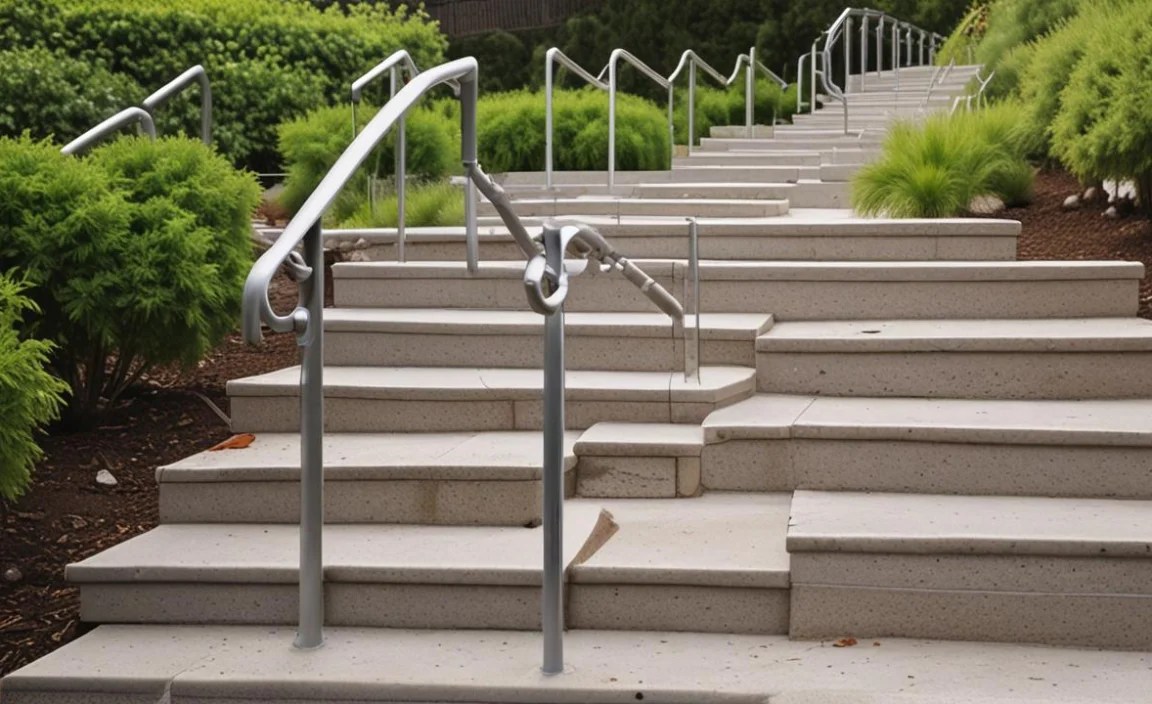
The posts are the backbone of your handrail. They hold everything up. Setting them correctly is very important. First, dig holes for the posts. Make sure the holes are deep enough. The posts should be buried at least one-third of their length. This will make them strong and stable. Pour concrete into the holes around the posts. This will hold them in place. Use a level to make sure the posts are straight. Let the concrete dry completely before you attach the handrail. This can take a day or two. If the posts are not set correctly, the handrail will be wobbly and unsafe. Take your time and do it right. Solid posts mean a safe and secure handrail.
- Dig holes deep enough for the posts.
- Use concrete to hold the posts in place.
- Make sure the posts are straight using a level.
- Let the concrete dry completely before attaching the handrail.
- Space the posts evenly along the steps.
- Check the posts for stability before moving on.
How Deep Should the Holes Be?
Imagine you are planting a tree. You need to dig a hole deep enough for the roots to grow. The same is true for handrail posts. The holes need to be deep enough to hold the posts securely. A good rule of thumb is to bury the posts at least one-third of their length. For example, if your posts are 6 feet tall, the holes should be at least 2 feet deep. Deeper holes provide more stability. They prevent the posts from leaning or wobbling. Use a post hole digger to make the holes. This tool makes it easier to dig deep, narrow holes. Make sure the holes are wide enough to allow for concrete around the posts.
Why Is Concrete Important?
Concrete is like the glue that holds the posts in place. It fills the hole around the post and hardens. This creates a solid foundation. Without concrete, the posts would be loose and unstable. You can buy concrete mix at the hardware store. Just add water and stir. Pour the concrete into the holes around the posts. Use a shovel to pack it down. Make sure the concrete is level with the ground. Let the concrete dry completely before you attach the handrail. This can take 24-48 hours. Be patient and let the concrete do its job.
How Do I Keep the Posts Straight?
Keeping the posts straight is like building a tower. You need to make sure each block is level. Otherwise, the tower will lean and fall over. Use a level to check the posts. Place the level against the side of the post. Adjust the post until the bubble is in the middle. You can use braces to hold the posts in place while the concrete dries. These are pieces of wood that you attach to the posts and the ground. The braces will keep the posts from moving. Check the posts regularly to make sure they are still straight. Once the concrete is dry, the posts will be solid and stable.
Setting the posts correctly is crucial for a safe and sturdy handrail. Take your time and follow these steps carefully. Now you’re one step closer to how to build a handrail for outdoor steps that you can be proud of!
Fun Fact or Stat: Concrete takes about 28 days to reach its full strength. But you can usually build on it after a few days!
Attaching the Handrail to the Posts Securely

Once the posts are set, you can attach the handrail. This is where your measurements become very important. Measure the distance between the posts. Cut the handrail to the correct length. Make sure the cuts are straight and clean. Use screws or bolts to attach the handrail to the posts. Drill pilot holes first to prevent the wood from splitting. Use a level to make sure the handrail is straight. If the handrail is not straight, it will look bad and be uncomfortable to use. Tighten the screws or bolts securely. You want the handrail to be strong and stable. Check the handrail for any loose connections. Fix them before you finish the project. A securely attached handrail is a safe handrail.
- Measure the distance between the posts carefully.
- Cut the handrail to the correct length.
- Drill pilot holes before attaching the handrail.
- Use a level to ensure the handrail is straight.
- Tighten all screws or bolts securely.
- Check for any loose connections and fix them.
Why Use Pilot Holes?
Imagine you are hammering a nail into a piece of wood. If you don’t start the nail straight, it might bend over. Pilot holes are like starting the nail straight. They are small holes that you drill before you put in a screw. The pilot hole guides the screw and prevents the wood from splitting. This is especially important when you are working with hardwood. Hardwood is more likely to split than softwood. Use a drill bit that is slightly smaller than the screw. This will ensure a tight fit. Pilot holes make it easier to drive the screws straight and prevent damage to the wood.
What Kind of Screws or Bolts Should I Use?
Choosing the right screws or bolts is like choosing the right shoes for a hike. You want something that is strong and comfortable. For wood handrails, use wood screws that are long enough to go through the handrail and into the post. For metal handrails, use bolts with washers and nuts. The washers will help distribute the pressure and prevent the bolts from pulling through the metal. Make sure the screws or bolts are made of rust-resistant material. This will prevent them from corroding over time. Use screws or bolts that are appropriate for the material you are working with. This will ensure a strong and lasting connection.
How Do I Make Sure the Handrail Is Level?
Making sure the handrail is level is like making sure a table is not wobbly. You want it to be even and stable. Use a level to check the handrail. Place the level on top of the handrail. Adjust the handrail until the bubble is in the middle. You can use shims to raise or lower the handrail. Shims are thin pieces of wood that you can insert between the handrail and the post. Check the level at several points along the handrail. This will ensure that it is level from end to end. A level handrail is not only safer but also looks much better.
Attaching the handrail securely is a critical step. Take your time and pay attention to detail. You’re now closer to finishing how to build a handrail for outdoor steps.
Fun Fact or Stat: A well-built handrail can last for 20 years or more with proper maintenance!
Finishing Touches for Your New Handrail

After the handrail is attached, it’s time for the finishing touches. These details can make a big difference in the look and feel of your handrail. Start by sanding down any rough edges or splinters. This will make the handrail smooth and comfortable to touch. If you used wood, apply a coat of paint or stain. This will protect the wood from the weather and give it a nice color. If you used metal, you can apply a sealant to prevent rust. Check all the connections one last time. Make sure everything is tight and secure. Clean up any sawdust or debris around the handrail. A clean and well-finished handrail will add beauty and safety to your home.
- Sand down any rough edges or splinters.
- Apply paint or stain to wood handrails.
- Apply a sealant to metal handrails.
- Check all connections one last time.
- Clean up any sawdust or debris.
- Consider adding decorative elements.
Why Is Sanding Important?
Imagine running your hand along a rough piece of wood. It wouldn’t feel very good, would it? Sanding makes the wood smooth and comfortable to touch. It removes any splinters or rough edges that could hurt your hand. Use sandpaper with a medium grit to start. Then switch to a fine grit for a smooth finish. Sand with the grain of the wood to avoid scratching it. Wipe off the sawdust with a damp cloth after sanding. Sanding is an easy way to improve the look and feel of your handrail.
What Kind of Paint or Stain Should I Use?
Choosing the right paint or stain is like choosing the right outfit for a party. You want something that looks good and protects you from the elements. Use an exterior paint or stain that is designed for outdoor use. This will protect the wood from the sun, rain, and snow. Choose a color that complements your home. You can also use a clear sealant to protect the wood without changing its color. Apply the paint or stain evenly with a brush or sprayer. Let it dry completely before using the handrail. A good paint or stain job will make your handrail look beautiful and last longer.
Should I Add Decorative Elements?
Adding decorative elements is like putting icing on a cake. It makes it look even more special. You can add decorative post caps to the tops of the posts. You can also add carvings or moldings to the handrail. Consider adding lighting to the handrail for added safety and beauty at night. Make sure any decorative elements are securely attached and do not create a hazard. Decorative elements can add a personal touch to your handrail and make it stand out.
These finishing touches are what make your handrail truly special. Take your time and add those final details. Now you know how to build a handrail for outdoor steps that is both safe and beautiful!
Fun Fact or Stat: Adding a light to your handrail can increase visibility by up to 75% at night!
Maintaining Your Outdoor Handrail Over Time
Building a handrail is a great accomplishment! But the job isn’t over yet. You need to maintain your handrail to keep it safe and looking good. Inspect the handrail regularly for any signs of damage. Check for loose connections, cracks, or rust. Tighten any loose screws or bolts. Repair any cracks or damage as soon as possible. If you have a wood handrail, reapply paint or stain every few years. This will protect the wood from the weather. Clean the handrail regularly with soap and water. This will remove any dirt or debris. Proper maintenance will extend the life of your handrail and keep it safe for years to come.
- Inspect the handrail regularly for damage.
- Tighten any loose screws or bolts.
- Repair any cracks or damage promptly.
- Reapply paint or stain to wood handrails.
- Clean the handrail with soap and water.
How Often Should I Inspect My Handrail?
Imagine you have a bicycle. You check the tires and brakes regularly to make sure it’s safe to ride. You should inspect your handrail at least twice a year. Check it in the spring and fall. Look for any signs of damage that may have occurred over the winter or summer. Pay special attention to the connections between the handrail and the posts. Also, check for any cracks or rust. Regular inspections will help you catch problems early before they become serious.
How Do I Repair Cracks or Damage?
If you find cracks or damage, don’t ignore them. Repair them as soon as possible. For small cracks in wood, you can use wood filler. Apply the wood filler to the crack and let it dry. Then sand it smooth and paint or stain it. For larger cracks or damage, you may need to replace the damaged section of the handrail. For rust on metal handrails, use a wire brush to remove the rust. Then apply a rust-resistant primer and paint. Repairing damage promptly will prevent it from getting worse and keep your handrail safe.
How Can I Protect My Handrail From the Weather?
The weather can be tough on outdoor handrails. Sun, rain, and snow can all cause damage. To protect your handrail, apply a weather-resistant sealant. This will help repel water and prevent the wood from rotting or the metal from rusting. Reapply the sealant every year or two. Also, keep the handrail clean. Dirt and debris can trap moisture and accelerate damage. By taking these simple steps, you can protect your handrail from the weather and extend its life.
Maintaining your handrail is key to ensuring its safety and longevity. Now you’re fully equipped to how to build a handrail for outdoor steps.
Fun Fact or Stat: Regular maintenance can double the lifespan of your outdoor handrail!
Ensuring Safety While Building Your Handrail
Safety is the most important thing when you are building anything. Always wear safety glasses to protect your eyes. Wear gloves to protect your hands. Use the right tools for the job. Don’t try to force a tool to do something it’s not designed for. Be careful when using power tools. Read the instructions carefully and follow all safety precautions. Work in a well-lit area. This will help you see what you are doing. Keep your work area clean and free of clutter. This will prevent accidents. If you are not comfortable doing something, ask for help. It’s better to be safe than sorry. Building a handrail can be a fun and rewarding project. But it’s important to do it safely.
- Always wear safety glasses and gloves.
- Use the right tools for the job.
- Be careful when using power tools.
- Work in a well-lit area.
- Keep your work area clean and free of clutter.
- Ask for help if you are not comfortable.
Why Are Safety Glasses So Important?
Imagine you are chopping vegetables. You always use a cutting board to protect your counter. Safety glasses are like a cutting board for your eyes. They protect your eyes from flying debris. Wood chips, metal shards, and dust can all cause serious eye injuries. Safety glasses are inexpensive and easy to wear. Always put them on before you start working with tools. It only takes a second to protect your eyes. Don’t take the risk of getting hurt. Wear safety glasses every time you work.
What Should I Do If I Get Hurt?
Even if you are careful, accidents can happen. If you get hurt, don’t panic. Stay calm and assess the situation. If it’s a minor cut or scrape, clean it with soap and water. Apply a bandage. If it’s a more serious injury, seek medical attention. Go to the emergency room or call 911. It’s always better to be safe than sorry. Make sure you have a first-aid kit on hand. This will help you treat minor injuries quickly and easily. Knowing what to do in case of an accident can make a big difference.
How Can I Prevent Accidents?
The best way to deal with accidents is to prevent them from happening in the first place. Take your time and don’t rush. Pay attention to what you are doing. Don’t get distracted. Use the right tools for the job. Make sure your tools are in good working condition. Keep your work area clean and organized. Wear appropriate safety gear. If you are working with electricity, turn off the power. If you are working at heights, use a ladder safely. By following these simple precautions, you can greatly reduce your risk of accidents.
| Safety Precaution | Why It’s Important |
|---|---|
| Wear Safety Glasses | Protects your eyes from flying debris. |
| Wear Gloves | Protects your hands from cuts and splinters. |
| Use the Right Tools | Prevents tool malfunctions and injuries. |
| Keep Work Area Clean | Reduces the risk of slips and falls. |
Ensuring safety is paramount when how to build a handrail for outdoor steps. Follow these guidelines to protect yourself and others.
Fun Fact or Stat: Following safety guidelines can reduce accidents by up to 80%!
Summary
Building a handrail for your outdoor steps is a great way to improve safety. It can also add value to your home. Remember to plan carefully, gather the right tools and materials, and set the posts correctly. Attach the handrail securely and add the finishing touches. Maintain your handrail regularly to keep it in good condition. Always prioritize safety. Learning how to build a handrail for outdoor steps involves several important steps. These steps ensure the handrail is safe, sturdy, and looks good. Planning, measuring, and using the right tools are key. Regular maintenance will keep your handrail in top shape for years to come.
Conclusion
Building a handrail might seem hard at first. But with careful planning, it’s something you can do! A new handrail makes your home safer and look nicer. Follow the steps we talked about. Be patient and take your time. You will have a handrail you can be proud of. Now you know how to build a handrail for outdoor steps.
Frequently Asked Questions
Question No 1: How much does it cost to build a handrail for outdoor steps?
Answer: The cost of building a handrail can vary. It depends on the materials you choose. Wood is usually cheaper than metal. The length of the handrail also affects the price. A longer handrail needs more materials. You might also need to buy tools. If you hire someone to build it, that will cost more. But doing it yourself can save money. On average, you might spend between $100 and $500 to build a handrail. Consider your budget and choose materials that fit. Remember to factor in the cost of screws, concrete, and any finishing products. Planning ahead can help you estimate the cost more accurately.
Question No 2: How long does it take to build a handrail?
Answer: The time it takes to build a handrail depends on your skills. It also depends on the complexity of the project. A simple handrail might take a weekend to build. A more complex one could take several days. Setting the posts takes the longest. You need to wait for the concrete to dry. Attaching the handrail and adding the finishing touches can be done more quickly. If you are new to building, it might take longer. Don’t rush the process. Take your time and do it right. Building a handrail is a project that requires patience and attention to detail. Learning how to build a handrail for outdoor steps is time well spent.
Question No 3: What tools do I need to build a handrail?
Answer: To build a handrail, you’ll need several tools. A saw is important for cutting the wood or metal. A drill is needed for making holes for screws or bolts. A level will help you make sure the handrail is straight. A measuring tape is essential for accurate measurements. You’ll also need safety glasses and gloves. A post hole digger is helpful for digging holes for the posts. A concrete mixer is useful if you are using a lot of concrete. Having all the right tools will make the job easier. It will also help you stay safe while you work. Make a list of all the tools you need before you start.
Question No 4: Do I need a permit to build a handrail?
Answer: Whether you need a permit depends on where you live. Some cities and towns require permits for building projects. This includes handrails. Check with your local building department to find out. They can tell you if you need a permit and what the requirements are. Getting a permit might seem like a hassle. But it’s important to follow the rules. Building codes ensure that your handrail is safe. They also prevent problems later on. It’s always better to check before you start building. The building department can also provide guidance on how to build a handrail for outdoor steps correctly.
Question No 5: How high should a handrail be?
Answer: The height of a handrail is important for safety. Most building codes require handrails to be between 34 and 38 inches high. This is measured from the top of the handrail to the surface of the steps. The exact height may vary depending on your local codes. Check with your building department to find out the specific requirements in your area. Consider who will be using the handrail. Little kids might need a lower rail. Older people might need a higher one. Choose a height that is comfortable and safe for everyone. Remember, the goal is to provide support and prevent falls. Proper handrail height is key.
Question No 6: What materials are best for outdoor handrails?
Answer: Several materials are good for outdoor handrails. Wood is a classic choice. It’s easy to work with and looks nice. But it needs to be protected from the weather. Metal is strong and lasts a long time. It’s a good choice if you want something that will stand up to the elements. Composite materials are also a good option. They are made from a combination of wood and plastic. They are durable and low-maintenance. Choose a material that fits your budget and style. Consider the climate in your area. Some materials are better suited for certain climates than others. No matter what material you choose, make sure it’s strong and safe. The best material for learning how to build a handrail for outdoor steps is the one that best suits your needs.
