Did you ever find a cool plant in the forest? Maybe it was a fern! Ferns are green and leafy. They can grow in your yard. But how to care for a fern outdoors? It’s not too hard. Let’s learn how to help them thrive!
Ferns need the right spot. They like shade and moist soil. With a little care, your fern will be happy. Soon, you’ll have a lush, green plant. It will make your yard look like a magical forest.
Ferns are not like flowering plants. They reproduce using spores. These are like tiny seeds. Ferns have been around for millions of years. Dinosaurs probably walked among them. Now, you can grow one too. Let’s find out how to care for a fern outdoors and keep it healthy.
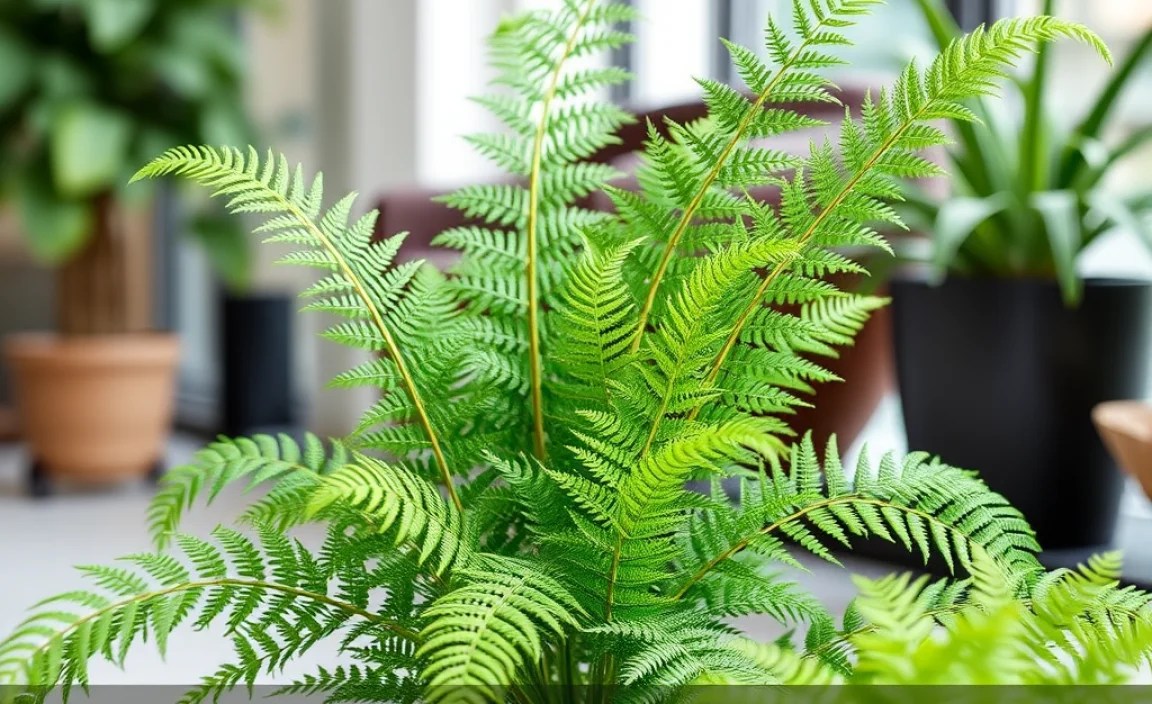
Key Takeaways
- Knowing how to care for a fern outdoors keeps them green and healthy.
- Water ferns regularly to keep their soil moist, but not soggy.
- Plant ferns in shady spots, as direct sunlight can burn their leaves.
- Use well-draining soil that is rich in organic matter for best growth.
- Fertilize ferns lightly during the growing season to support healthy foliage.

Choosing the Right Fern for Outdoors
Picking the right fern is important. Some ferns like cold weather. Others need warm weather. Look at your local climate. Choose a fern that will do well there. Check how big the fern will get. Make sure you have enough space. Some ferns grow very tall. Others stay small and compact. Consider the amount of sunlight in your yard. Most ferns like shade. Some can handle a little sun. Ask at your local garden store for advice. They can help you pick the perfect fern. They know which ferns grow well in your area. This will make how to care for a fern outdoors much easier. Remember to read the plant label. It has important information. It will tell you what the fern needs to thrive. Happy planting!
- Check your local climate for suitable fern types.
- Consider the mature size of the fern.
- Assess the amount of sunlight in your yard.
- Ask your local garden store for advice.
- Read the plant label for important information.
Think about where you will plant the fern. Some ferns look great in hanging baskets. Others are better in the ground. Make sure the spot has good drainage. Ferns don’t like to sit in water. Choose a spot that is sheltered from strong winds. Wind can damage the delicate fronds. With the right fern and the right spot, you’re off to a great start. How to care for a fern outdoors begins with selecting the perfect plant for your needs. A little planning will help your fern thrive. Soon you will have a beautiful, green addition to your yard. Remember to enjoy the process. Gardening should be fun!
Fun Fact or Stat: Some fern species can live for over 100 years if properly cared for!
What is your climate like?
Do you live where it’s hot or cold? Some ferns love the warmth. Others prefer a cooler climate. For example, a maidenhair fern likes mild weather. A Christmas fern can handle the cold. It even stays green in winter. Knowing your climate is key. It helps you choose the right fern. You don’t want to pick a fern that won’t survive. Check your local weather patterns. Find out the average temperatures. This will guide your choice. Local nurseries are very helpful. They know what grows best near you. They can suggest ferns that thrive in your area. Then you can know exactly how to care for a fern outdoors in your specific environment. Planting the right fern makes all the difference. It will be a happy, healthy addition to your garden.
How much space do you have?
Ferns come in all sizes. Some are tiny and delicate. Others are big and bold. Think about how much space you have. A giant tree fern needs lots of room. A small bird’s nest fern is happy in a pot. Consider the mature size of the fern. This means how big it will get when it’s fully grown. Read the plant label carefully. It will tell you the expected size. Don’t plant a large fern in a small space. It will quickly outgrow its spot. Choose a fern that fits comfortably. This will make it easier to maintain. You can learn how to care for a fern outdoors without worrying about space. A well-chosen fern adds beauty to your garden. It fits in perfectly with its surroundings.
Is your yard shady or sunny?
Ferns generally like shade. Direct sunlight can burn their leaves. But some ferns can handle a little sun. It depends on the type. Observe your yard throughout the day. Notice where the sun shines. Identify the shady spots. Most ferns prefer partial to full shade. This means they get little to no direct sun. If your yard is very sunny, choose a sun-tolerant fern. Examples include some types of sword ferns. Plant them in a spot that gets morning sun only. Afternoon sun is usually too harsh. Remember that knowing how to care for a fern outdoors starts with understanding its light needs. The right amount of light will keep your fern healthy and green.

Best Location for Outdoor Ferns
Finding the best spot for your fern is vital. Ferns love shady areas. They don’t like direct sunlight. Sunlight can scorch their delicate leaves. Look for a place under trees. The trees will provide shade. A north-facing area is also good. It gets very little direct sun. Make sure the soil is well-draining. Ferns don’t like soggy roots. Soggy roots can cause them to rot. Check the soil after it rains. Does the water drain away quickly? If not, you may need to improve the drainage. You can add compost or other organic matter. This helps the soil drain better. Knowing how to care for a fern outdoors includes choosing the perfect location. A good location will keep your fern happy and healthy.
- Choose a shady spot, away from direct sunlight.
- Ensure the soil is well-draining to prevent root rot.
- Consider a location under trees for natural shade.
- A north-facing area often provides ideal light.
- Improve soil drainage by adding compost.
Consider the surrounding plants. Ferns often grow well with other shade-loving plants. Hostas and azaleas are good companions. They like the same conditions as ferns. Avoid planting ferns near aggressive plants. These plants can steal nutrients and water. This can weaken your fern. Think about the overall look of your garden. Do you want a natural, woodland feel? If so, ferns are a great choice. They add a touch of green to any shady spot. Remember that how to care for a fern outdoors also involves creating a harmonious environment. Choose the right location, and your fern will thrive. Enjoy the beauty it brings to your garden.
Fun Fact or Stat: Ferns can help purify the air by absorbing toxins like formaldehyde and xylene!
Does the area have enough shade?
Ferns thrive in shady spots. Too much sun can hurt them. Their leaves can turn brown and crispy. Observe the area throughout the day. How much direct sunlight does it get? Ideally, ferns need partial to full shade. This means they get less than four hours of direct sun. Morning sun is usually okay. But afternoon sun can be too intense. If the area gets too much sun, consider creating shade. You can plant trees or shrubs. You can also use shade cloth. This will protect your fern from the harsh rays. Knowing how to care for a fern outdoors means understanding its light needs. Shade is a fern’s best friend. It keeps them green and healthy.
Is the soil well-draining?
Ferns need moist soil. But they don’t like to sit in water. Well-draining soil is essential. It allows excess water to drain away. This prevents root rot. Root rot is a common problem for ferns. It happens when the roots stay too wet. To check the drainage, dig a hole. Fill it with water. See how long it takes to drain. If it takes more than an hour, the drainage is poor. You can improve drainage by adding organic matter. Compost, peat moss, and shredded leaves are good choices. Mix them into the soil. This will help the water drain more quickly. Remembering how to care for a fern outdoors includes ensuring good drainage. Healthy roots mean a healthy fern.
Is the area sheltered from wind?
Strong winds can damage ferns. Their delicate fronds can be easily broken. Choose a spot that is sheltered from the wind. A wall, fence, or hedge can provide protection. Trees can also block the wind. But be careful that they don’t create too much shade. Observe the wind patterns in your yard. Notice which areas are most exposed. Avoid planting ferns in these spots. If you can’t find a sheltered spot, consider using a windbreak. This could be a screen or a row of shrubs. The goal is to reduce the wind’s impact. Knowing how to care for a fern outdoors includes protecting it from the elements. A sheltered spot will help your fern thrive.

Preparing the Soil for Planting Ferns
Good soil is key for healthy ferns. Ferns like soil that holds moisture. But it also needs to drain well. Start by testing your soil. You can buy a soil test kit at a garden store. This will tell you what kind of soil you have. Sandy soil drains too quickly. Clay soil holds too much water. Most ferns prefer a mix of both. Add organic matter to improve the soil. Compost, peat moss, and leaf mold are good choices. Mix them into the soil before planting. This will help the soil hold moisture. It will also improve drainage. How to care for a fern outdoors starts with proper soil preparation. Healthy soil means healthy ferns. Remember to water the soil well after planting. This helps the roots settle in.
| Soil Type | Description | How to Improve | Best for Ferns? |
|---|---|---|---|
| Sandy | Drains quickly, doesn’t hold moisture. | Add compost or peat moss. | Not ideal without amendments. |
| Clay | Holds too much water, poor drainage. | Add organic matter and perlite. | Not ideal without amendments. |
| Loamy | Balanced mix, good drainage and moisture retention. | Generally good, add compost for extra nutrients. | Excellent! |
| Silty | Smooth texture, retains moisture, can compact. | Add compost and improve drainage. | Okay with amendments. |
Consider adding a layer of mulch. Mulch helps to keep the soil moist. It also prevents weeds from growing. Pine needles, shredded bark, and wood chips are good choices. Spread a layer of mulch around the fern. Keep the mulch away from the stem. This can cause the stem to rot. Check the soil pH. Ferns prefer slightly acidic soil. A pH of 6.0 to 7.0 is ideal. You can adjust the pH by adding lime or sulfur. Follow the instructions on the product label. Knowing how to care for a fern outdoors includes understanding soil pH. The right pH will help your fern thrive. Remember to water regularly, especially during dry spells.
Fun Fact or Stat: Adding coffee grounds to the soil can increase acidity and provide nutrients for ferns!
What kind of soil do ferns like?
Ferns love soil that is rich and moist. It should also drain well. They don’t like to sit in soggy soil. The best soil for ferns is loamy. This means it has a good mix of sand, silt, and clay. It also contains lots of organic matter. Organic matter helps to hold moisture. It also provides nutrients. You can improve your soil by adding compost. Compost is decomposed organic material. It adds nutrients and improves drainage. Peat moss is another good addition. It helps to retain moisture. Avoid using heavy clay soil. It can suffocate the roots. Remember, how to care for a fern outdoors starts with the right soil. A healthy soil mix will keep your fern happy.
How can I improve my soil?
Improving your soil is easier than you think. Start by adding organic matter. Compost is a great choice. It adds nutrients and improves drainage. You can make your own compost. Or you can buy it at a garden store. Leaf mold is another good option. It’s made from decomposed leaves. It improves soil structure. Peat moss helps to retain moisture. Mix these materials into your soil. Dig down about 12 inches. Mix well. You can also add perlite. Perlite is a volcanic glass. It improves drainage. Avoid using too much fertilizer. It can burn the roots. Knowing how to care for a fern outdoors includes feeding the soil. Healthy soil feeds your plants.
Should I add fertilizer to the soil?
Fertilizer can help your fern grow. But be careful not to overdo it. Ferns don’t need a lot of fertilizer. Too much can harm them. Use a slow-release fertilizer. This releases nutrients gradually. Apply it in the spring. Follow the instructions on the label. You can also use a liquid fertilizer. Dilute it with water. Apply it every few weeks during the growing season. Avoid fertilizing in the winter. The fern is dormant then. It doesn’t need extra nutrients. Organic fertilizers are a good choice. They are gentle and won’t burn the roots. Remember, how to care for a fern outdoors includes proper fertilization. A little fertilizer can go a long way.

Planting Your Fern Outdoors
Now it’s time to plant your fern. Dig a hole that is twice as wide as the root ball. Make sure the hole is deep enough. The top of the root ball should be level with the ground. Gently remove the fern from its container. Loosen the roots a little. This will help them spread out. Place the fern in the hole. Fill the hole with soil. Gently pat the soil around the fern. Water the fern thoroughly. This helps the soil settle. Add a layer of mulch around the fern. Keep the mulch away from the stem. This prevents rot. How to care for a fern outdoors includes proper planting techniques. A well-planted fern will thrive in its new home. Remember to choose the right location before planting.
- Dig a hole twice as wide as the root ball.
- Loosen the roots before planting.
- Place the fern in the hole and fill with soil.
- Water thoroughly after planting.
- Add a layer of mulch, keeping it away from the stem.
Consider the spacing between ferns. If you are planting multiple ferns, give them enough room to grow. Check the plant label for spacing recommendations. Overcrowding can lead to problems. It can reduce air circulation. This can increase the risk of disease. After planting, monitor your fern. Watch for signs of stress. These include yellowing leaves or wilting. If you see these signs, adjust your care. You may need to water more or less. You may need to move the fern to a shadier spot. Knowing how to care for a fern outdoors involves observation and adjustment. Pay attention to your fern, and it will reward you with its beauty. Enjoy watching it grow and thrive in your garden.
Fun Fact or Stat: Ferns help prevent soil erosion by holding the soil in place with their roots.
How deep should I dig the hole?
Digging the right size hole is important. The hole should be deep enough to accommodate the root ball. The top of the root ball should be level with the ground. If you plant the fern too deep, it can rot. If you plant it too shallow, the roots can dry out. Measure the height of the root ball. Dig a hole that is the same depth. Make sure the hole is also wide enough. It should be twice as wide as the root ball. This gives the roots room to spread. Loosen the soil at the bottom of the hole. This makes it easier for the roots to penetrate. Remembering how to care for a fern outdoors involves planting at the right depth. This ensures healthy root growth.
Should I loosen the roots before planting?
Loosening the roots is a good idea. It helps the roots spread out. This allows them to absorb water and nutrients. Gently tease the roots apart with your fingers. If the roots are tightly packed, you may need to use a small knife. Cut through the root ball in a few places. Be careful not to damage the roots too much. You just want to loosen them a little. This encourages them to grow outward. Avoid pulling the roots too hard. This can break them. Loosening the roots is especially important for pot-bound plants. These plants have been growing in a container for a long time. Their roots may be circling around the pot. Knowing how to care for a fern outdoors includes preparing the roots properly. This promotes healthy growth.
How much should I water after planting?
Watering thoroughly after planting is essential. This helps the soil settle around the roots. It also provides moisture for the fern. Water the fern slowly and deeply. Make sure the water reaches the roots. You may need to water several times. This allows the water to soak in. Avoid watering too quickly. This can cause the water to run off. Check the soil moisture. It should be moist but not soggy. Water again when the top inch of soil feels dry. Knowing how to care for a fern outdoors includes proper watering techniques. Watering after planting helps the fern establish itself. A well-watered fern is a happy fern.
Watering and Humidity for Outdoor Ferns
Ferns love moisture. They need regular watering to stay healthy. Check the soil moisture regularly. Stick your finger in the soil. If it feels dry, it’s time to water. Water deeply and slowly. Make sure the water reaches the roots. Avoid watering the leaves. This can cause fungal problems. Water early in the morning. This gives the leaves time to dry before nightfall. Ferns also like humidity. You can increase humidity by misting the leaves. Use a spray bottle filled with water. Mist the leaves every few days. Especially during dry weather. How to care for a fern outdoors includes providing enough water and humidity. A well-hydrated fern will thrive. Remember to adjust your watering based on the weather.
- Check soil moisture regularly with your finger.
- Water deeply and slowly, reaching the roots.
- Avoid watering the leaves to prevent fungal issues.
- Mist the leaves to increase humidity.
- Adjust watering based on weather conditions.
Consider using a soaker hose. This delivers water directly to the roots. It also reduces water waste. Place the soaker hose around the base of the fern. Turn it on for about 30 minutes. Do this once or twice a week. Depending on the weather. You can also use a watering can. Fill it with water and gently pour it around the fern. Avoid using tap water if possible. Tap water can contain chemicals that are harmful to ferns. Use rainwater or distilled water instead. Knowing how to care for a fern outdoors also means using the right type of water. Clean water will keep your fern healthy. Remember to observe your fern regularly. Adjust your watering as needed.
Fun Fact or Stat: Grouping ferns together can help increase humidity levels around them!
How often should I water my fern?
Watering frequency depends on the weather. Hot, dry weather requires more frequent watering. Cool, wet weather requires less. Check the soil moisture regularly. Water when the top inch of soil feels dry. In general, water your fern every 2-3 days. But adjust this based on the conditions. Don’t overwater your fern. Soggy soil can lead to root rot. Yellowing leaves are a sign of overwatering. Wilting leaves are a sign of underwatering. Knowing how to care for a fern outdoors involves finding the right balance. Too much or too little water can be harmful. Observe your fern and adjust your watering accordingly.
How can I increase humidity around my fern?
Ferns love humidity. You can increase humidity in several ways. Misting the leaves is a simple option. Use a spray bottle filled with water. Mist the leaves every few days. Grouping plants together also helps. Plants release moisture into the air. This creates a humid microclimate. Place a tray of water near the fern. As the water evaporates, it increases humidity. You can also use a humidifier. Place it near the fern. Set it to a low setting. Avoid placing the fern near a heat source. This can dry out the air. Remembering how to care for a fern outdoors includes creating a humid environment. Happy ferns are humid ferns.
What are signs of overwatering or underwatering?
Overwatering and underwatering have different signs. Yellowing leaves are often a sign of overwatering. The leaves may also feel soft and mushy. Wilting leaves are often a sign of underwatering. The leaves may also feel dry and crispy. Check the soil moisture. Soggy soil indicates overwatering. Dry soil indicates underwatering. Root rot is a common problem with overwatered ferns. The roots may turn brown and mushy. If you suspect root rot, repot the fern. Use fresh soil and a clean pot. Knowing how to care for a fern outdoors involves recognizing the signs of stress. Adjust your watering as needed to keep your fern healthy.
Fertilizing Outdoor Ferns
Ferns don’t need a lot of fertilizer. But a little can help them grow. Fertilize your fern in the spring. This is when it is actively growing. Use a balanced fertilizer. Look for a fertilizer with equal parts nitrogen, phosphorus, and potassium. Dilute the fertilizer with water. Follow the instructions on the label. Apply the fertilizer to the soil around the fern. Avoid getting fertilizer on the leaves. This can burn them. Fertilize every few months during the growing season. Stop fertilizing in the fall. The fern is dormant then. How to care for a fern outdoors includes proper fertilization. A little fertilizer can go a long way. Remember to use a diluted solution to avoid burning the roots.
- Fertilize in the spring during active growth.
- Use a balanced fertilizer with equal N-P-K.
- Dilute the fertilizer according to label instructions.
- Apply to the soil, avoiding the leaves.
- Stop fertilizing in the fall when dormant.
Consider using organic fertilizers. These are gentle and won’t burn the roots. Compost tea is a good option. It is made by steeping compost in water. This extracts the nutrients. You can also use fish emulsion. This is a liquid fertilizer made from fish. It is rich in nitrogen. Apply organic fertilizers every few weeks. They provide a slow-release source of nutrients. Avoid using chemical fertilizers. These can be too harsh for ferns. They can also build up in the soil. Knowing how to care for a fern outdoors also means choosing the right type of fertilizer. Organic fertilizers are a safe and effective option. Remember to monitor your fern for signs of nutrient deficiency. Pale green leaves can indicate a lack of nitrogen.
Fun Fact or Stat: Over-fertilizing is a common mistake, leading to burnt leaves and stunted growth in ferns.
What kind of fertilizer should I use?
A balanced fertilizer is best for ferns. Look for a fertilizer with equal parts nitrogen, phosphorus, and potassium. These are the three main nutrients that plants need. Nitrogen promotes leaf growth. Phosphorus promotes root growth. Potassium promotes overall health. A 20-20-20 fertilizer is a good choice. This means it contains 20% nitrogen, 20% phosphorus, and 20% potassium. You can also use a fertilizer specifically formulated for ferns. These fertilizers often contain micronutrients. Micronutrients are essential for plant health. They are needed in small amounts. Remembering how to care for a fern outdoors includes choosing the right fertilizer. A balanced fertilizer provides the nutrients your fern needs.
How often should I fertilize my fern?
Fertilize your fern every few months during the growing season. This is from spring to fall. Stop fertilizing in the winter. The fern is dormant then. It doesn’t need extra nutrients. Over-fertilizing can harm your fern. It can burn the roots and leaves. Follow the instructions on the fertilizer label. Dilute the fertilizer with water. This reduces the risk of burning. Apply the fertilizer to the soil around the fern. Avoid getting fertilizer on the leaves. Knowing how to care for a fern outdoors includes proper fertilization frequency. Fertilizing too often can be as harmful as not fertilizing at all. A little fertilizer goes a long way.
What are signs of nutrient deficiency?
Nutrient deficiencies can cause various symptoms. Pale green leaves can indicate a lack of nitrogen. Yellowing leaves can indicate a lack of magnesium. Brown spots can indicate a lack of potassium. Stunted growth can indicate a lack of phosphorus. If you see these signs, fertilize your fern. Use a balanced fertilizer. This will provide the nutrients it needs. You can also amend the soil with compost. Compost adds nutrients and improves soil structure. Monitor your fern after fertilizing. See if the symptoms improve. If they don’t, you may need to adjust your care. Remembering how to care for a fern outdoors involves recognizing nutrient deficiencies. Addressing these deficiencies can restore your fern to health.
Protecting Ferns from Pests and Diseases
Ferns are generally resistant to pests and diseases. But they can sometimes be affected. Watch for signs of problems. These include spots on the leaves, yellowing leaves, or wilting. Pests that can affect ferns include aphids, mealybugs, and scale. These pests suck the sap from the leaves. This weakens the fern. You can remove pests by hand. Or you can spray the fern with insecticidal soap. Diseases that can affect ferns include root rot and leaf spot. Root rot is caused by overwatering. Leaf spot is caused by fungal infections. Prevent root rot by ensuring good drainage. Prevent leaf spot by avoiding overhead watering. How to care for a fern outdoors includes protecting it from pests and diseases. Early detection and treatment are key.
- Watch for signs of pests and diseases.
- Remove pests by hand or with insecticidal soap.
- Prevent root rot by ensuring good drainage.
- Prevent leaf spot by avoiding overhead watering.
- Isolate affected plants to prevent spread.
Consider using organic pest control methods. Neem oil is a good option. It is a natural insecticide and fungicide. Apply it to the leaves and stems. It will kill pests and prevent diseases. You can also use diatomaceous earth. This is a powder made from fossilized algae. It kills pests by dehydrating them. Sprinkle it around the base of the fern. Avoid using chemical pesticides and fungicides. These can harm the fern. They can also harm beneficial insects. Knowing how to care for a fern outdoors includes using safe and effective pest control methods. Organic options are best for both the fern and the environment. Remember to inspect your fern regularly for signs of problems.
Fun Fact or Stat: Ladybugs are natural predators of aphids and can help control aphid infestations on ferns.
What are common pests that affect ferns?
Several pests can affect ferns. Aphids are small, soft-bodied insects. They suck the sap from the leaves. This causes the leaves to yellow and distort. Mealybugs are white, cottony insects. They also suck the sap from the leaves. Scale insects are small, armored insects. They attach themselves to the leaves and stems. Spider mites are tiny mites that spin webs on the leaves. They suck the sap from the leaves. These pests can weaken your fern. They can also spread diseases. Knowing how to care for a fern outdoors includes identifying common pests. Early detection allows for prompt treatment.
How can I prevent diseases in my fern?
Preventing diseases is easier than treating them. Ensure good drainage. This prevents root rot. Avoid overhead watering. This prevents leaf spot. Provide good air circulation. This prevents fungal growth. Remove dead or dying leaves. This prevents the spread of disease. Sterilize your pruning tools. This prevents the transfer of pathogens. Use a fungicide if necessary. But use it sparingly. Organic fungicides are a good option. They are less harmful than chemical fungicides. Remembering how to care for a fern outdoors includes disease prevention strategies. A healthy environment reduces the risk of disease.
What should I do if my fern has a pest infestation?
If your fern has a pest infestation, take action quickly. Identify the pest. This will help you choose the right treatment. Remove the pests by hand. Use a cotton swab dipped in alcohol. Wipe the pests off the leaves and stems. Spray the fern with insecticidal soap. This will kill the pests. Repeat the treatment every few days. Neem oil is another good option. It is a natural insecticide. Apply it to the leaves and stems. Isolate the affected plant. This prevents the spread of pests to other plants. Knowing how to care for a fern outdoors includes pest control techniques. Prompt treatment can prevent serious damage.
Summary
How to care for a fern outdoors involves several key steps. First, choose the right fern for your climate and location. Plant it in a shady spot with well-draining soil. Water it regularly, keeping the soil moist but not soggy. Fertilize it lightly during the growing season. Protect it from pests and diseases. By following these steps, you can keep your fern healthy and beautiful. Remember to observe your fern regularly and adjust your care as needed. A little attention can make a big difference. With proper care, your fern will thrive in your outdoor space.
Conclusion
Ferns are beautiful additions to any garden. They bring a touch of green to shady spots. How to care for a fern outdoors is easy. Choose the right spot and water regularly. Proper soil and occasional fertilizer help. Watch for pests. With a little effort, your fern will thrive. Enjoy the lush, green beauty it provides. You can have a thriving fern with the right care.
Frequently Asked Questions
Question No 1: What kind of light do outdoor ferns need?
Answer: Outdoor ferns generally prefer shady conditions. Direct sunlight can scorch their delicate leaves. Look for a spot that receives partial to full shade. Morning sun is usually okay. But avoid hot afternoon sun. If you have a very sunny yard, choose a sun-tolerant fern variety. Some types of sword ferns can handle more sun. Observe your yard throughout the day. Identify the shadiest spots. These are the best places to plant your fern. Knowing the right light conditions is key to how to care for a fern outdoors successfully.
Question No 2: How often should I water my outdoor fern?
Answer: Watering frequency depends on the weather. Hot, dry weather requires more frequent watering. Cool, wet weather requires less. Check the soil moisture regularly. Stick your finger in the soil. If it feels dry to the touch, it’s time to water. Water deeply and slowly. Make sure the water reaches the roots. Avoid watering the leaves directly. This can cause fungal problems. In general, water your fern every 2-3 days. But adjust this based on the conditions. Knowing how to care for a fern outdoors involves monitoring soil moisture and adjusting your watering schedule accordingly.
Question No 3: What kind of soil is best for outdoor ferns?
Answer: Ferns love soil that is rich, moist, and well-draining. The best soil for ferns is loamy. This means it has a good mix of sand, silt, and clay. It also contains lots of organic matter. Organic matter helps to hold moisture and provide nutrients. You can improve your soil by adding compost. Compost is decomposed organic material. It adds nutrients and improves drainage. Peat moss is another good addition. It helps to retain moisture. Avoid using heavy clay soil. It can suffocate the roots. Remembering how to care for a fern outdoors starts with the right soil. A healthy soil mix will keep your fern happy and thriving.
Question No 4: Do I need to fertilize my outdoor fern?
Answer: Ferns don’t need a lot of fertilizer. But a little can help them grow. Fertilize your fern in the spring. This is when it is actively growing. Use a balanced fertilizer. Look for a fertilizer with equal parts nitrogen, phosphorus, and potassium. Dilute the fertilizer with water. Follow the instructions on the label. Apply the fertilizer to the soil around the fern. Avoid getting fertilizer on the leaves. This can burn them. Fertilize every few months during the growing season. Stop fertilizing in the fall. The fern is dormant then. Knowing how to care for a fern outdoors includes proper fertilization. Remember to use a diluted solution to avoid burning the roots.
Question No 5: How can I protect my outdoor fern from pests and diseases?
Answer: Ferns are generally resistant to pests and diseases. But they can sometimes be affected. Watch for signs of problems. These include spots on the leaves, yellowing leaves, or wilting. Pests that can affect ferns include aphids, mealybugs, and scale. You can remove pests by hand or spray the fern with insecticidal soap. Diseases that can affect ferns include root rot and leaf spot. Prevent root rot by ensuring good drainage. Prevent leaf spot by avoiding overhead watering. Learning how to care for a fern outdoors includes protecting it from pests and diseases. Early detection and treatment are key.
Question No 6: What do I do with my outdoor fern in the winter?
Answer: Some ferns are hardy and can survive the winter outdoors. Others are more sensitive and need protection. If you live in a cold climate, mulch around the base of the fern. This will help insulate the roots. You can also cover the fern with burlap. This will protect it from the wind and snow. If you have a sensitive fern, consider bringing it indoors for the winter. Place it in a cool, bright room. Water it sparingly. In the spring, you can move it back outdoors. Proper winter care is essential to how to care for a fern outdoors and ensure it survives until spring.
